
The Role of Meditation in Attaining Spiritual Knowledge in Hinduism

Welcome to Ancient India History, where we embark on a fascinating journey through the rich tapestry of ancient Indian civilizations. Delve into the profound role of meditation in Hindu spiritual practices, a key element that has shaped the spiritual landscape of India for centuries. As you explore the depths of this transformative practice, you’ll uncover the intricate connections between meditation and the pursuit of spiritual knowledge in Hinduism.
What secrets lie within these ancient teachings? Join us as we unravel the mysteries and wisdom of the past, igniting your curiosity to discover more about the enduring legacy of ancient Indian religions.
- Introduction to Meditation in Hindu Spiritual Practices
- Historical Context of Meditation in Hinduism
- Types of Meditation in Hindu Spiritual Practices
- The Role of Meditation in Attaining Spiritual Knowledge
- Benefits of Meditation in Hindu Spiritual Practices
- Meditation Techniques and Practices in Hinduism
- Challenges and Misconceptions About Meditation
- Conclusion: The Significance of Meditation in Hinduism
-
Frequently Asked Questions
- What is the significance of meditation in Hindu spiritual practices?
- How did meditation evolve in ancient Indian civilizations?
- What are the primary techniques of meditation used in Hinduism?
- How does meditation contribute to one's overall well-being in Hinduism?
- Can anyone practice meditation in Hinduism, regardless of their background?
- Final Reflection: The Transformative Power of Meditation in Hindu Spiritual Practices
- Unleash Your Spiritual Potential Through Meditation!
Introduction to Meditation in Hindu Spiritual Practices
Meditation holds a pivotal place in Hindu spiritual practices, serving as a key pathway to achieving deeper spiritual knowledge and self-realization. Rooted in the ancient traditions of India, meditation encompasses a variety of techniques designed to cultivate mindfulness, concentration, and a profound connection with the divine. This practice is not merely a form of relaxation; rather, it is an essential aspect of the spiritual journey that allows practitioners to transcend the limitations of the physical realm and connect with higher states of consciousness.
As we explore the role of meditation in Hinduism, it is important to understand its definitions, significance, and the underlying philosophies that have shaped its practice over millennia. The integration of meditation into daily life reflects the broader quest for knowledge, wisdom, and enlightenment that characterizes Hindu spirituality. This article delves into the nuances of meditation within Hindu practices, illuminating its vital contribution to spiritual growth and understanding.
Definition of Meditation in Hinduism
Meditation in Hinduism, known as Dhyana, is defined as a focused mental discipline aimed at achieving a state of deep concentration and inner peace. It is often described as the process of stilling the mind and directing thoughts inward, allowing practitioners to experience a profound sense of unity with the universe. The practice can take various forms, including:
- Mantra Meditation: Repetition of sacred sounds or phrases to focus the mind.
- Breath Awareness: Observing the breath to cultivate mindfulness and concentration.
- Visualization: Creating mental images of deities or spiritual symbols to deepen one's connection.
- Self-Inquiry: Reflecting on one's true nature and seeking answers to existential questions.
In essence, meditation serves as a bridge between the individual self (Atman) and the universal consciousness (Brahman), facilitating a transformative experience that can lead to enlightenment.
Importance of Meditation in Spiritual Knowledge
The importance of meditation in Hindu spiritual knowledge cannot be overstated. Through consistent practice, individuals can unlock profound insights and understanding about their true selves and the nature of reality. Some key aspects of this significance include:
- Self-Realization: Meditation fosters a deeper understanding of the self, allowing practitioners to peel away layers of ego and illusion.
- Inner Peace: Regular meditation cultivates a sense of calmness and tranquility, enabling individuals to navigate life's challenges with grace.
- Connection to the Divine: Through meditation, practitioners can experience a direct connection to the divine, fostering a sense of oneness with all creation.
- Enhanced Cognitive Abilities: Studies have shown that meditation can improve focus, memory, and emotional resilience, contributing to overall well-being.
Overall, meditation in Hindu spiritual practices is a vital tool for those seeking to expand their consciousness and attain spiritual knowledge, reflecting a rich tradition that has evolved over centuries. Whether through ancient texts or contemporary practices, the essence of meditation remains a cornerstone of the spiritual journey in Hinduism.
Historical Context of Meditation in Hinduism
Meditation has been a pivotal aspect of Hindu spiritual practices, deeply embedded within its philosophical framework. The historical context of meditation in Hinduism can be traced back to ancient texts and practices that illustrate a profound understanding of the mind, consciousness, and the path to spiritual enlightenment.
Ancient Texts on Meditation
The roots of meditation in Hinduism can be found in several ancient scriptures, notably the Vedas, Upanishads, and Bhagavad Gita. These texts serve not only as religious scriptures but also as philosophical treatises that elaborate on the nature of reality and the self.
- Vedas: The earliest sacred texts of Hinduism, composed around 1500 BCE, contain hymns and rituals that hint at meditative practices. The Rigveda, for example, speaks of dhyāna (meditation) as a means to connect with the divine.
- Upanishads: These philosophical texts, written between 800-400 BCE, delve deeply into the concept of Brahman (the ultimate reality) and Atman (the individual soul). They emphasize the importance of meditation in attaining self-realization and understanding the unity of Atman and Brahman. The Mandukya Upanishad discusses the states of consciousness and the practice of meditative awareness.
- Bhagavad Gita: Written around the 2nd century BCE, this text presents meditation as a disciplined method for achieving spiritual knowledge. Krishna advises Arjuna on the importance of dhyana yoga, or the yoga of meditation, as a pathway to clarity and connection with the divine.
- Yoga Sutras of Patanjali: Composed in the 2nd century BCE, these sutras outline the eight limbs of yoga, with dhyana (meditation) being a crucial component. Patanjali emphasizes the importance of meditation in controlling the mind and achieving samadhi—a state of profound spiritual absorption.
The teachings found in these texts illustrate the evolution of meditation from mere ritualistic practices to a sophisticated spiritual discipline aimed at attaining higher states of consciousness.
Evolution of Meditation Practices Over Time
The practice of meditation in Hinduism has evolved significantly through various historical phases and cultural influences.
- Classical Period: During the classical period, meditation became more structured. The influence of the Yoga Sutras led to the establishment of systematic meditation techniques. The focus shifted toward personal experience and self-discipline, with practitioners engaging in rigorous mental training to achieve enlightenment.
- Medieval Period: The emergence of devotional movements (Bhakti) in medieval India introduced a new dimension to meditation practices. Devotees began to combine meditation with devotional worship, emphasizing love and surrender to a personal deity. This period saw the integration of japa (repetition of sacred mantras) as a meditative practice.
- Modern Era: In the 19th and 20th centuries, meditation gained international recognition, largely due to the efforts of spiritual leaders such as Swami Vivekananda and Maharishi Mahesh Yogi. They popularized meditation techniques, leading to the emergence of various schools of thought, including Transcendental Meditation and Vipassana, which draw from ancient Hindu practices but have adapted for contemporary audiences.
- Contemporary Practices: Today, meditation in Hindu spiritual practices encompasses a wide range of techniques, from mindfulness to guided imagery. The focus has shifted towards stress reduction and mental well-being, making ancient practices accessible to a global audience.
The historical context of meditation in Hinduism reveals a rich tapestry of philosophical insights and practical applications. The evolution of meditation practices over time showcases how these ancient techniques have adapted and survived, continuing to play a significant role in the spiritual lives of millions around the world.
Types of Meditation in Hindu Spiritual Practices
Hindu spiritual practices encompass a variety of meditation techniques that have been developed over thousands of years. These practices are essential for personal growth, self-realization, and attaining spiritual knowledge. Below, we explore the distinct types of meditation that are integral to Hinduism, each offering unique pathways to inner peace and enlightenment.
Dhyana: The Art of Focused Attention
Dhyana, often translated as "meditative contemplation," is a fundamental aspect of Hindu meditation practices. It emphasizes concentrated attention on a single object, thought, or deity, facilitating a deep connection with the divine.
- Key Characteristics of Dhyana:
- Focus: Practitioners typically focus on a particular image, mantra, or concept, which helps to quiet the mind.
- State of Being: Dhyana is characterized by a state of deep absorption, where the meditator becomes one with the object of meditation.
- Spiritual Growth: This practice is believed to lead to heightened awareness and understanding of the self, paving the way for spiritual growth.
Example of Dhyana Practice:
- Find a Comfortable Position: Sit in a quiet space, either on the floor or in a chair.
- Close Your Eyes: Gently close your eyes and take a few deep breaths.
- Select Your Focus: Choose an object (like a deity or a natural element) or simply focus on your breath.
- Maintain Awareness: When distractions arise, gently bring your focus back to your chosen object.
Mantra Meditation: The Power of Sound
Mantra meditation is another vital practice in Hinduism, leveraging the vibrational power of sound. A mantra is a sacred utterance, word, or phrase that is continuously repeated to aid concentration and invoke spiritual energies.
- Benefits of Mantra Meditation:
- Calming the Mind: Repetition of the mantra helps to quiet mental chatter and instill a sense of tranquility.
- Spiritual Connection: Certain mantras are believed to connect practitioners with specific deities or cosmic energies.
- Transformation: This practice can lead to personal transformation and liberation from negative thought patterns.
Popular Mantras:
- Om: The universal sound representing the essence of the ultimate reality.
- So Hum: Meaning "I am that," this mantra promotes self-realization.
- Gayatri Mantra: A prayer for enlightenment and wisdom.
How to Practice Mantra Meditation:
- Choose a Mantra: Select a mantra that resonates with you.
- Repetitive Chanting: Use a mala (prayer beads) to keep count of repetitions, usually aiming for 108.
- Mindfulness: Focus on the sound and vibration of the mantra, allowing it to fill your consciousness.
Pranayama: Breath Control as a Meditative Practice
Pranayama, which translates to "extension of the breath," is an integral component of Hindu spiritual practices that focuses on controlling the breath to enhance life force (prana). This practice is essential for achieving deeper states of meditation and spiritual awareness.
- Core Aspects of Pranayama:
- Breath Awareness: Practitioners learn to observe and control their breathing patterns.
- Energy Regulation: Through specific breathing techniques, prana is regulated, leading to improved physical and mental well-being.
- Mind-Body Connection: Pranayama fosters a deep connection between the mind and body, facilitating a harmonious state conducive to meditation.
Common Pranayama Techniques:
- Nadi Shodhana (Alternate Nostril Breathing): Balances the left and right hemispheres of the brain.
- Kapalabhati (Skull Shining Breath): Energizes the body and clears the mind by forceful exhalation.
- Ujjayi (Victorious Breath): Engages the throat to create a soothing sound during breath, calming the mind.
Steps to Practice Pranayama:
- Sit Comfortably: Find a quiet place and sit in a comfortable position.
- Focus on Your Breath: Begin by observing your natural breath.
- Practice Techniques: Gradually incorporate pranayama techniques, ensuring you maintain a steady rhythm and awareness.
Through these diverse meditation practices—Dhyana, Mantra Meditation, and Pranayama—Hinduism offers profound tools for spiritual knowledge and self-discovery. Each technique serves as a unique path, contributing to the holistic understanding of meditation in Hindu spiritual practices.
The Role of Meditation in Attaining Spiritual Knowledge
Meditation plays a pivotal role in Hindu spiritual practices, serving as a means to attain profound spiritual knowledge and self-realization. This ancient practice is deeply rooted in the philosophical aspects of Hinduism, where it is viewed not merely as a technique for relaxation but as a transformative process leading to enlightenment and understanding of the self and the universe.
Meditation as a Path to Self-Realization
Self-realization, or Atma Jnana, is considered the ultimate goal in Hindu philosophy. Through meditation, practitioners engage in a journey of introspection and self-discovery, allowing them to transcend the material aspects of existence and connect with their true essence.
- Techniques and Practices:
- Dhyana: This is a form of focused meditation where the practitioner concentrates on a single point, often using mantras or breath awareness. It helps quiet the mind and fosters deep inner peace.
- Mindfulness: Involves being fully present in the moment, cultivating awareness of thoughts, emotions, and sensations without judgment, facilitating a deeper connection with oneself.
- Visualization: Practitioners may visualize deities or specific spiritual symbols, enhancing their connection to the divine and prompting insights into their spiritual path.
- Benefits of Meditation:
- Heightened Awareness: Regular practice increases self-awareness, leading to a clearer understanding of personal motivations and desires.
- Emotional Balance: Meditation helps in regulating emotions, reducing stress and anxiety, which can cloud self-perception.
- Intuitive Insight: As the mind becomes still, practitioners often experience moments of clarity, allowing for deeper intuitive insights into their life purpose.
Through these practices, individuals can explore their inner selves, gradually peeling away layers of ignorance and illusion, ultimately leading to self-realization.
The Connection Between Meditation and Enlightenment
Enlightenment, or Moksha, is the liberation from the cycle of birth and rebirth (samsara). Meditation is a crucial tool in achieving this state, as it cultivates the necessary awareness and understanding required for spiritual awakening.
- Meditative States:
- Samadhi: This is a state of profound absorption where the meditator becomes one with the object of meditation. Achieving samadhi is often considered a precursor to enlightenment.
- Transcendental Experiences: Many practitioners report experiences of unity with the cosmos, feelings of boundless love, and insights that reveal the interconnectedness of all life.
- Philosophical Insights:
- Meditation encourages the exploration of concepts such as Brahman (the ultimate reality) and Atman (the individual soul), leading to the realization that they are one and the same. This understanding is central to attaining enlightenment.
- The practice facilitates a shift from an ego-centered perspective to a more expansive view of existence, essential for spiritual liberation.
Through persistent meditation, individuals can break free from the illusions of the material world, gaining the wisdom needed to attain enlightenment.
Meditation and the Understanding of Dharma
Dharma, often translated as duty or righteousness, is a fundamental concept in Hinduism that refers to the moral laws and duties that govern individual conduct. Meditation aids in understanding and aligning with one's dharma, fostering a deeper connection to ethical living and spiritual growth.
- Clarity of Purpose:
- Meditation helps individuals reflect on their roles and responsibilities in life, providing clarity on how to fulfill their dharma authentically.
- It encourages a deeper understanding of the balance between personal desires and societal obligations, fostering a holistic approach to life.
- Introspection and Moral Development:
- Regular meditation promotes introspection, allowing practitioners to evaluate their actions and thoughts against their understanding of dharma.
- This self-assessment leads to moral development, as individuals become more attuned to the ethical implications of their decisions.
Meditation in Hindu spiritual practices serves as a bridge to attaining spiritual knowledge, self-realization, enlightenment, and a deeper understanding of dharma. Through disciplined practice, individuals can unlock the mysteries of their existence, leading to a fulfilling and enlightened life.
Benefits of Meditation in Hindu Spiritual Practices
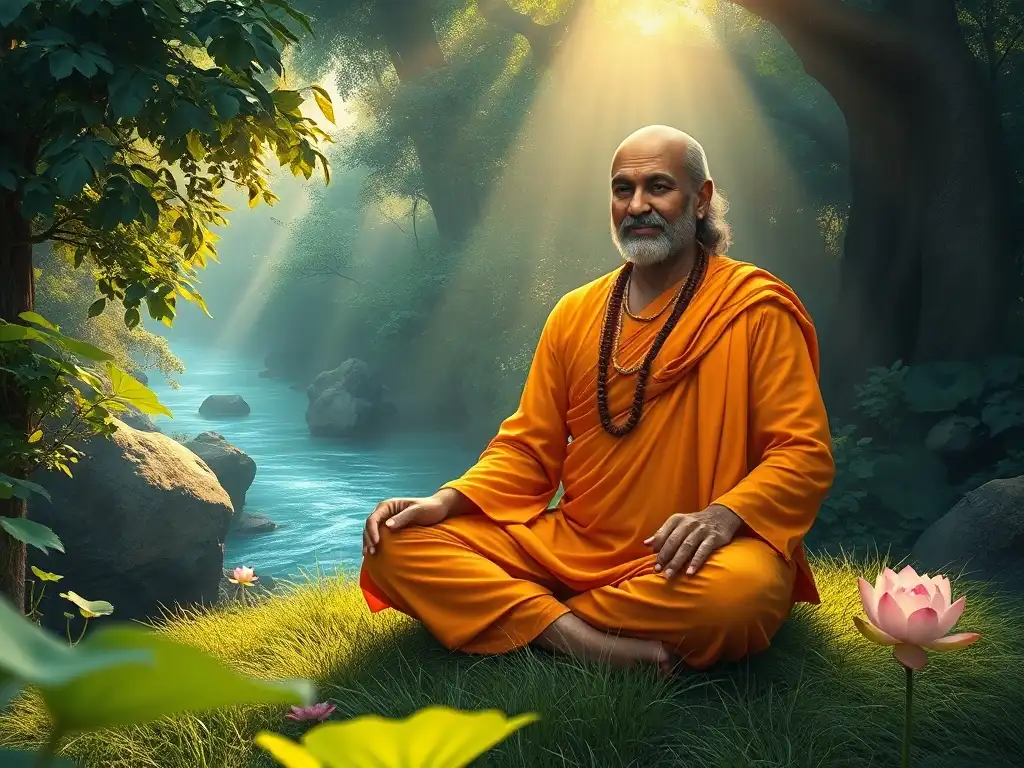
Meditation is a cornerstone of Hindu spiritual practices, serving not only as a means of attaining spiritual knowledge but also as a way to enhance overall well-being. The benefits of meditation are numerous and encompass mental, emotional, spiritual, and even physical health aspects. Below, we explore the extensive advantages that meditation offers within the realm of Hinduism.
Mental and Emotional Benefits
Meditation in Hindu spiritual practices is known for its profound impact on mental and emotional health. Regular meditation can lead to:
- Enhanced Focus and Concentration: Engaging in meditation helps sharpen the mind, allowing practitioners to focus better on their daily tasks and spiritual pursuits.
- Reduction of Stress and Anxiety: Meditation techniques, such as mindfulness, foster relaxation, thus significantly lowering stress levels and mitigating anxiety. Studies have shown that individuals who meditate regularly report a decrease in anxiety symptoms.
- Emotional Stability: Practicing meditation aids in emotional regulation. It encourages practitioners to observe their thoughts and feelings without judgment, leading to a greater sense of emotional balance.
- Increased Self-Awareness: Through meditation, individuals cultivate a deeper understanding of their thoughts and emotions, fostering personal growth and greater self-acceptance.
Meditation is the tongue of the soul and the language of our spirit.
— Evelyn Underhill
Spiritual Benefits: Connecting with the Divine
Meditation plays a crucial role in facilitating a deeper connection with the divine, which is a fundamental aspect of Hindu spiritual practices. The spiritual benefits include:
- Union with Brahman: Through meditation, practitioners seek to experience oneness with Brahman, the ultimate reality in Hindu philosophy. This union is often described as the highest goal of spiritual practice.
- Inner Peace and Bliss: Many practitioners report experiencing a profound sense of peace and bliss during deep meditation, which is often interpreted as a glimpse of their true nature and connection to the divine.
- Development of Intuition: Regular meditation enhances intuitive abilities, allowing practitioners to tap into higher states of consciousness and gain insights that guide their spiritual journey.
- Kundalini Awakening: Advanced meditation practices can lead to the awakening of Kundalini energy, which is believed to reside at the base of the spine. This awakening is often associated with significant spiritual experiences and enlightenment.
Physical Health Benefits Linked to Meditation
The practice of meditation in Hindu spiritual practices extends beyond the mental and spiritual realms to offer numerous physical health benefits, including:
- Improved Cardiovascular Health: Studies indicate that meditation can lower blood pressure and improve heart health, making it beneficial for those with cardiovascular issues.
- Enhanced Immune Function: Regular meditation has been associated with improved immune responses, potentially leading to better overall health and disease resistance.
- Pain Management: Meditation techniques, such as mindfulness meditation, have been shown to reduce the perception of pain in individuals suffering from chronic pain conditions.
- Better Sleep Quality: Engaging in meditation can enhance sleep quality by promoting relaxation and reducing the mental chatter that often interferes with restful sleep.
Meditation is an integral part of Hindu spiritual practices, offering a myriad of benefits that enrich the mind, body, and spirit. These advantages not only enhance individual well-being but also pave the way for deeper spiritual insights and connections. As practitioners delve into meditation, they unlock the potential for transformative experiences that resonate throughout their lives.
Meditation Techniques and Practices in Hinduism
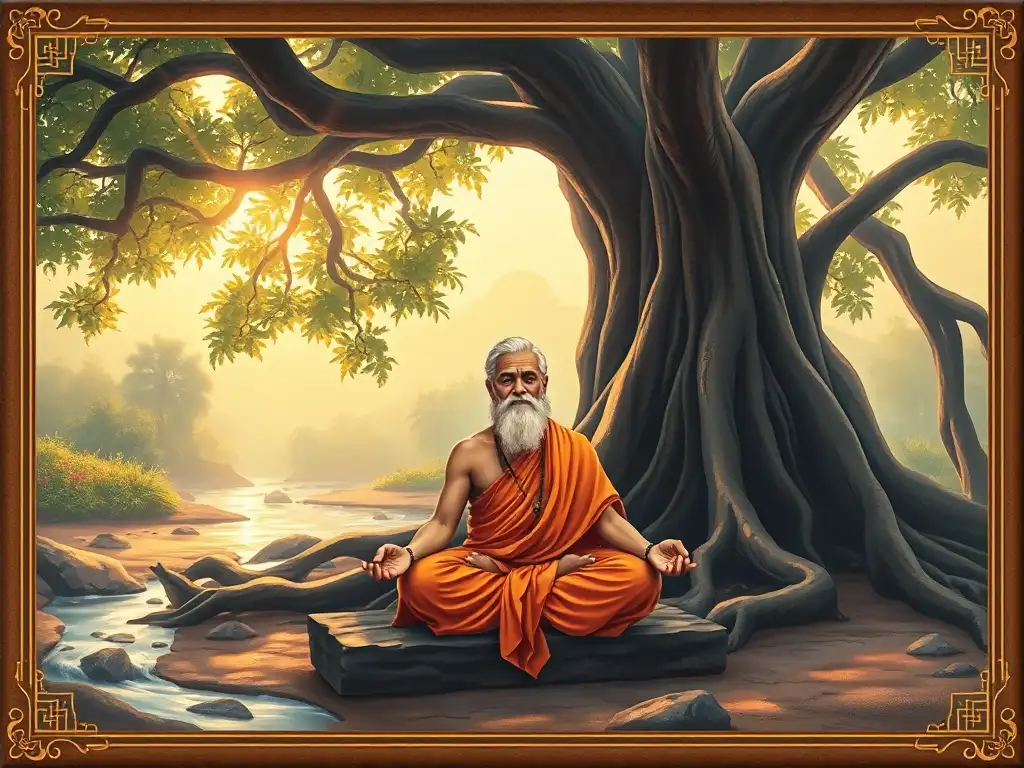
Meditation in Hindu spiritual practices encompasses a variety of techniques and approaches, each designed to facilitate a deeper connection with the self and the divine. These methods have evolved over centuries, influenced by the teachings of revered sages and texts. In this section, we will explore three key meditation practices: guided meditation, personal meditation, and group meditation, each contributing uniquely to the spiritual journey.
Guided Meditation: Learning from Masters
Guided meditation in Hinduism often involves following the teachings of a guru or spiritual master. This practice typically includes verbal instructions or audio recordings that lead practitioners through various meditation techniques.
- Connection with Tradition: Guided meditations often incorporate ancient scriptures such as the Bhagavad Gita or Upanishads, providing a rich context for the practice. These texts emphasize the importance of the guru-disciple relationship, where the guru imparts wisdom and techniques to aid the disciple's spiritual growth.
- Techniques Involved: Common techniques in guided meditation include:
- Visualization: Practitioners visualize deities, sacred symbols, or serene landscapes to deepen their focus and connection.
- Breath Control: Techniques like pranayama (breath regulation) are often incorporated, aiding in calming the mind and body to prepare for deeper meditation.
- Affirmations: Positive affirmations or mantras are recited, aligning the practitioner's mind with spiritual truths.
Guided meditation serves as a bridge, connecting the seeker with the wisdom of the ages.
Personal Meditation Practices: Finding Your Path
Personal meditation practices allow individuals to tailor their approach according to their unique spiritual needs and preferences. This flexibility is vital for those seeking a personal connection with the divine.
- Types of Personal Meditation:
- Mindfulness Meditation: Focuses on being present in each moment, observing thoughts and sensations without judgment. This practice enhances self-awareness and promotes inner peace.
- Mantra Meditation: Involves the repetition of specific sounds or phrases (mantras) that resonate with spiritual energy. Common mantras include "Om" and "So Hum," each carrying profound meanings.
- Silent Meditation: Practitioners sit in silence, cultivating an internal space for reflection and connection. This technique encourages profound insights and clarity.
- Creating a Personal Space: Establishing a dedicated space for meditation enhances the experience. This can include:
- Altar: Setting up an altar with sacred items such as images of deities, candles, and incense.
- Comfort: Using cushions or mats to create a comfortable seating arrangement.
Group meditation fosters a sense of community and shared spiritual experience, amplifying the energy of the practice. When individuals come together, they create a collective consciousness that enhances the benefits of meditation.
- Benefits of Group Meditation:
- Support and Motivation: Practicing with others provides encouragement and accountability, making it easier to maintain a consistent practice.
- Collective Energy: The shared intention and focus of a group can lead to deeper states of meditation, as participants draw on each other's energy.
- Types of Group Practices:
- Satsang: These gatherings often include chanting, discussions of spiritual topics, and guided meditations, creating a holistic spiritual environment.
- Retreats: Longer group meditation retreats provide immersive experiences where participants engage in intensive meditation practices, often in serene natural settings.
Meditation in Hindu spiritual practices is a multifaceted approach that offers various techniques to suit individual and collective needs. Whether through guided meditation, personal practices, or group experiences, each method serves to deepen one's spiritual understanding and connection to the divine.
Challenges and Misconceptions About Meditation
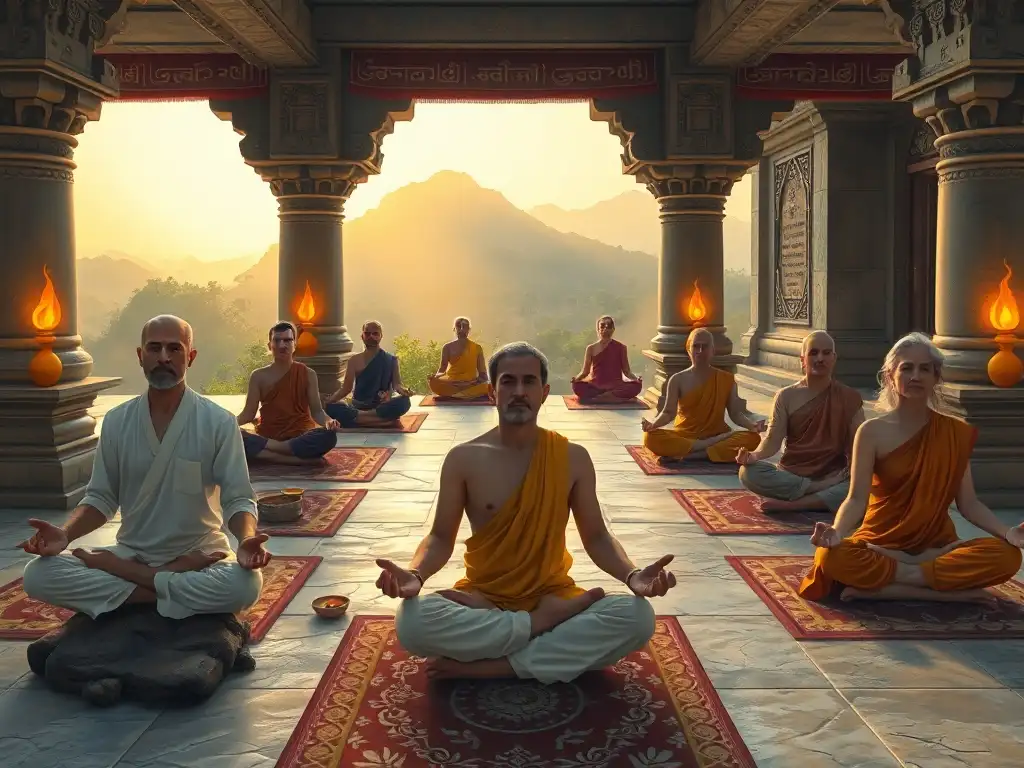
Meditation has been a cornerstone of Hindu spiritual practices for centuries, yet it remains surrounded by various challenges and misconceptions that can hinder individuals from fully engaging with its profound benefits. Understanding these challenges is essential for both practitioners and those seeking to explore meditation as a means to attain spiritual knowledge.
Common Misconceptions Surrounding Meditation
-
Meditation Equals Emptying the Mind
A prevalent belief is that meditation requires one to completely empty the mind. This misconception can lead to frustration, as the mind is naturally active. Instead, meditation in Hindu spiritual practices encourages observing thoughts without attachment, allowing practitioners to cultivate mindfulness.
-
Meditation is Only for the Spiritual Elite
Many people think that meditation is reserved for ascetics or individuals deeply entrenched in spiritual practices. In reality, meditation is accessible to everyone, regardless of their spiritual background. It serves as a tool for personal growth, stress relief, and enhanced focus.
-
Immediate Results are Expected
Some practitioners expect instant enlightenment or immediate peace from meditation. However, the process of meditation is gradual, requiring consistent practice and patience. The benefits often accumulate over time, leading to deeper insights and greater spiritual understanding.
-
Meditation is a Religious Activity
While meditation is integral to Hinduism, it is not solely a religious practice. Many secular and therapeutic forms of meditation exist, emphasizing mindfulness and mental well-being. This flexibility allows individuals from various backgrounds to engage with meditation without religious connotations.
-
You Must Sit in a Specific Position
Another misconception is that one must adopt specific postures, such as the lotus position, to meditate effectively. While certain positions may enhance comfort and focus, meditation can be practiced in various ways—standing, walking, or even lying down—depending on individual preference and physical ability.
Overcoming Obstacles in Meditation Practice
-
Establishing a Routine
One of the common obstacles to meditation is inconsistency. Establishing a regular practice schedule can help reinforce the habit. Starting with just a few minutes each day and gradually increasing the duration can make meditation more manageable.
-
Creating a Suitable Environment
A conducive environment is crucial for effective meditation. Find a quiet space free from distractions, where one feels comfortable and safe. This can enhance focus and promote a deeper meditative state.
-
Dealing with Distractions
Distractions are inevitable, especially for beginners. It is important to approach distractions with a sense of awareness rather than frustration. Acknowledge thoughts as they arise and gently guide the mind back to focus, whether it’s on breath, mantra, or visualization.
-
Setting Realistic Goals
Setting achievable goals can prevent feelings of overwhelm. Instead of aiming for long sessions, start with short, focused periods of meditation. Gradually increase the time as comfort with the practice grows.
-
Embracing the Journey
Meditation is a personal journey marked by ups and downs. Embracing this process, with all its challenges, can lead to profound personal insights. Practitioners should remind themselves that every session, regardless of perceived success, contributes to their overall growth and understanding.
While challenges and misconceptions about meditation in Hindu spiritual practices abound, recognizing and addressing these can significantly enhance one's meditative experience. With patience and commitment, anyone can unlock the transformative potential of meditation on their spiritual journey.
Conclusion: The Significance of Meditation in Hinduism
Meditation holds a pivotal role in Hindu spiritual practices, serving as a bridge between the mind, body, and spirit. Its significance transcends mere relaxation; it is a transformative process aimed at achieving higher states of consciousness and spiritual awakening. The practice of meditation in Hinduism is intricately woven into the philosophical fabric of the religion, influencing various aspects of life and spiritual growth.
Reflection on the Journey of Meditation
The journey of meditation in Hinduism is deeply rooted in ancient texts, where the sages and rishis emphasized its importance for self-realization and enlightenment. Through meditation, practitioners engage in a profound exploration of the self, often referred to as "Atman," which leads to an understanding of the universal consciousness, or "Brahman." This journey can be segmented into several key stages:
- Preparation: The initial phase involves creating a conducive environment for meditation, which may include selecting a quiet space, sitting comfortably, and focusing on the breath. This stage is vital for calming the mind and preparing it for deeper introspection.
- Concentration: Here, practitioners focus their minds on a single point or mantra. This may involve visualizing a deity, chanting a sacred sound, or concentrating on the breath. The goal is to cultivate a state of single-pointed awareness, which is essential for deeper meditation.
- Meditative Absorption: As concentration deepens, individuals may experience a state of "Dhyana," where the distinction between the self and the object of meditation begins to dissolve. This state is characterized by profound peace and a sense of unity with the universe.
- Realization: The culmination of this journey is often described as "Samadhi," a state of blissful union with the divine. In this state, practitioners may gain insights into the nature of reality, leading to spiritual knowledge and liberation (moksha).
Final Thoughts on Spiritual Knowledge Through Meditation
The profound impact of meditation in Hindu spiritual practices cannot be understated. It serves as a pathway to inner wisdom and spiritual knowledge, allowing practitioners to transcend the limitations of the physical world. Through consistent practice, individuals can cultivate virtues such as compassion, patience, and clarity of thought, which are essential for personal growth and harmonious living.
Moreover, the teachings of ancient texts, such as the Bhagavad Gita and the Upanishads, highlight that meditation is not merely a tool for individual enlightenment but also a means to contribute positively to society. By fostering a state of inner peace and understanding, practitioners are better equipped to engage with the world around them in a meaningful way.
Meditation in Hindu spiritual practices is a powerful method for attaining spiritual knowledge, promoting a deeper understanding of oneself and the universe. As more individuals embrace these ancient techniques, the timeless wisdom of Hinduism continues to resonate, guiding seekers on their spiritual journeys towards enlightenment.
Frequently Asked Questions
What is the significance of meditation in Hindu spiritual practices?
Meditation plays a crucial role in Hinduism as it helps individuals achieve spiritual knowledge and self-realization. It is a key method for connecting with the divine and understanding one's true self.
How did meditation evolve in ancient Indian civilizations?
In ancient India, meditation evolved through various schools of thought, including Yoga and Vedanta, emphasizing techniques for achieving mental clarity and spiritual insight.
What are the primary techniques of meditation used in Hinduism?
Hinduism incorporates various meditation techniques such as mantra meditation, breath control (pranayama), and visualization, each aimed at enhancing spiritual awareness and inner peace.
How does meditation contribute to one's overall well-being in Hinduism?
Meditation is believed to promote mental clarity, reduce stress, and foster a sense of inner tranquility, contributing to both spiritual growth and physical health in the context of Hindu practices.
Can anyone practice meditation in Hinduism, regardless of their background?
Yes, meditation is accessible to everyone, regardless of their cultural or religious background. It is a universal practice aimed at achieving peace and enlightenment.
Final Reflection: The Transformative Power of Meditation in Hindu Spiritual Practices
Meditation in Hindu spiritual practices is not merely a technique; it is a profound journey toward self-discovery and enlightenment that resonates deeply in today's fast-paced world. As we navigate the complexities of modern life, the ancient wisdom of meditation offers a sanctuary for reflection and inner peace. The relevance of this practice has never been more pronounced, as individuals seek solace and clarity amidst the chaos of daily existence. Meditation serves as a bridge, connecting us to our spiritual essence and guiding us toward a deeper understanding of ourselves and the universe.
The influence of meditation extends far beyond personal tranquility; it shapes the cultural and social landscape by fostering a collective consciousness that values mindfulness and spiritual growth. In my own journey, I have experienced the transformative effects of meditation, witnessing how it cultivates compassion and empathy within myself and others. As we embrace these practices, we contribute to a broader movement that encourages harmony and interconnectedness. Meditation is the discovery that the point of life is always arrived at in the immediate moment.
– Alan Watts. This sentiment encapsulates the essence of meditation, reminding us that the present moment is where true spiritual knowledge resides.
As we conclude this exploration of meditation's role in Hindu spiritual practices, I invite you to embark on your own journey of reflection and action. Consider integrating meditation into your daily routine, allowing it to illuminate your path toward spiritual knowledge and self-awareness. Embrace the stillness and listen to the wisdom that arises within you.
The power of meditation lies not only in its ability to transform the individual but also in its potential to create ripples of positive change throughout our communities and the world. Let us commit to nurturing this practice, fostering a deeper connection to ourselves and the divine.
Unleash Your Spiritual Potential Through Meditation!
Thank you for exploring the transformative power of meditation in Hinduism with us! We hope you’ve uncovered the profound ways it can enhance your spiritual knowledge and overall well-being. Now, let’s take the next step in your spiritual journey.
Here’s how you can integrate meditation into your life and deepen your understanding:
- Start a Daily Meditation Practice: Dedicate just 10 minutes a day to meditate. Focus on your breath or a mantra to cultivate clarity and connection.
- Join a Local or Online Meditation Group: Engage with individuals who share your interests, allowing you to exchange experiences, deepen your practice, and inspire one another.
- Explore Ancient Texts: Delve into foundational scriptures such as the Bhagavad Gita or the Upanishads to broaden your understanding of the philosophies that inform meditation practices.
How will you incorporate meditation into your routine today to deepen your spiritual journey? Share your thoughts below!