
The Architectural Marvels of Ancient India: Temples that Tell Tales

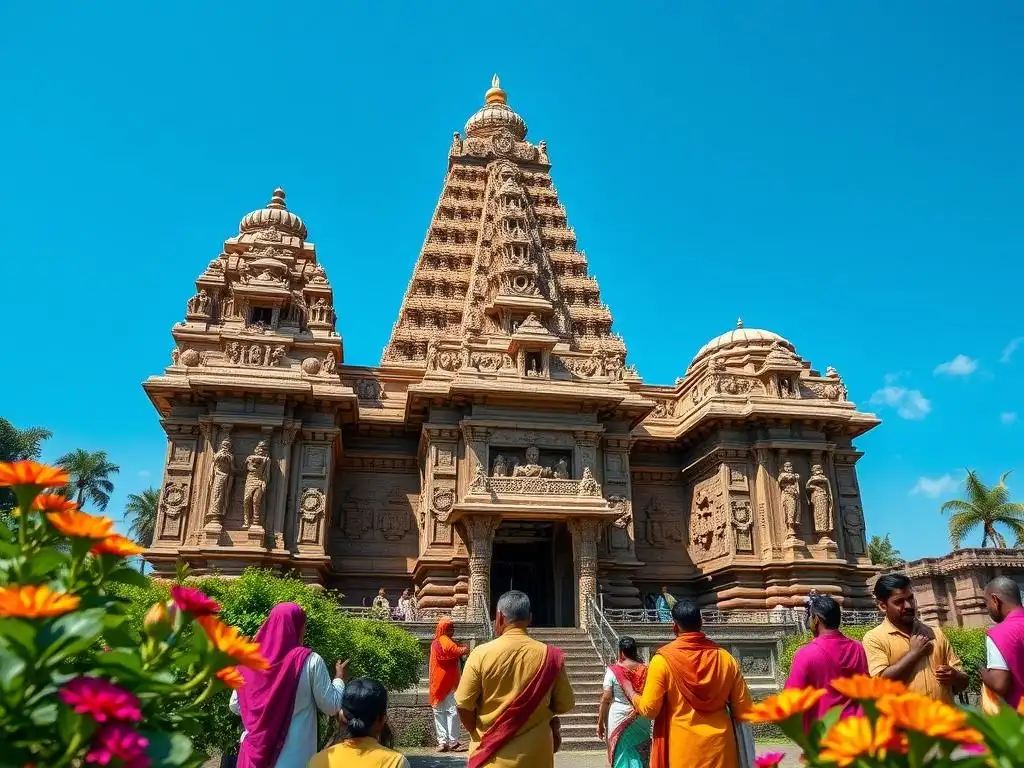
Welcome to Ancient India History, where we embark on a journey through the rich tapestry of India's past. In this exploration, we uncover the intriguing world of ancient Indian temple architecture, a testament to the creativity and spirituality of civilizations that flourished long ago. From the intricate carvings that whisper stories of devotion to the majestic structures that stand as guardians of history, these temples offer a window into the heart of ancient Indian culture.
Are you ready to discover the architectural marvels that not only adorned the landscape but also shaped the very essence of Indian philosophy? Dive in and let the tales unfold!
Introduction to Ancient Indian Temple Architecture
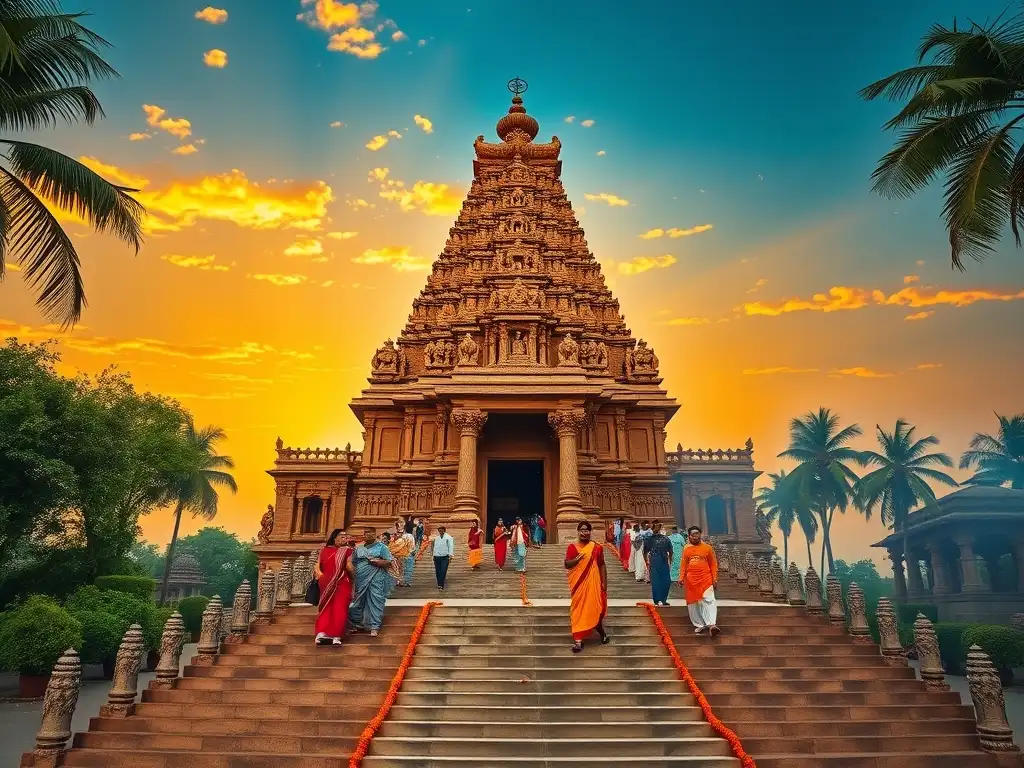
The architectural heritage of ancient India is a testament to the ingenuity and artistic prowess of its civilizations. Among the many forms of artistic expression, ancient Indian temple architecture stands out as a significant marker of cultural identity, religious devotion, and social organization.
These magnificent structures, which are often adorned with intricate carvings and sculptures, not only served as places of worship but also as centers of community life and cultural expression. This article delves into the essence of ancient Indian temple architecture, exploring its historical context, evolution, and the profound impact it has had on Indian culture and society.
Overview of Ancient Indian Temples
Ancient Indian temples are characterized by their unique architectural styles, which vary significantly across different regions and periods. These structures were primarily built to honor deities and serve as a focal point for communal worship.
- Key Features:
- Shikhara: The towering spire that often crowns the sanctum (garbhagriha).
- Mandapa: The pillared hall used for congregation and rituals.
- Vimana: The structure above the sanctum, intricately designed and often symbolic.
From the ornate temples of South India, such as those in Tamil Nadu, to the rock-cut caves of Maharashtra, ancient Indian temples reflect a blend of architectural styles influenced by the local culture and geography.
Importance of Temples in Indian Culture and Society
Temples in ancient India were more than just places of worship; they were integral to the social and cultural fabric of the community.
- Cultural Significance:
- Artistic Expression: Temples served as a canvas for artists and craftsmen, showcasing detailed sculptures and reliefs depicting mythological stories and religious themes.
- Community Hub: They were centers for festivals, rituals, and social gatherings, fostering a sense of community and belonging among the people.
- Spiritual Role:
- Temples provided a space for spiritual reflection and connection to the divine, reinforcing the beliefs and practices of the time.
Historical Context of Ancient Indian Temple Architecture
Understanding the historical context of ancient Indian temple architecture requires an exploration of its evolution through different periods and influences.
The Evolution of Temple Architecture in Ancient India
The journey of temple architecture in ancient India is marked by significant transformations influenced by religious, political, and cultural changes.
- Early Structures: The earliest forms of worship can be traced back to the Indus Valley Civilization, where simple shrines were constructed.
- Influence of Buddhism: The emergence of rock-cut architecture during the Mauryan period laid the groundwork for future temple designs.
- Hindu Revival: With the rise of Hinduism, the temple architecture evolved, leading to the distinctive styles seen in later periods.
Key Periods in Ancient Indian Architecture: From the Indus Valley to the Gupta Empire
Throughout history, various dynasties have contributed to the development of temple architecture in India, each leaving an indelible mark.
- Indus Valley Civilization (c. 2500-1900 BCE): Early indications of religious structures, including the Great Bath of Mohenjo-Daro.
- Mauryan Period (c. 322-185 BCE): The introduction of rock-cut caves and stupas, such as those at Ajanta and Ellora.
- Gupta Empire (c. 320-550 CE): The golden age of temple architecture, characterized by more elaborate and sophisticated designs that set a precedent for future generations.
The architectural marvels of ancient Indian temples not only reflect the grandeur of their time but also tell the tales of a rich and diverse cultural heritage. As we explore these magnificent structures, we uncover the stories etched in stone, revealing the profound impact of ancient Indian civilization on art, architecture, and spirituality.
Key Features of Ancient Indian Temple Architecture
Ancient Indian temple architecture is renowned for its intricate designs, spiritual significance, and cultural symbolism. One of the key features is the shikhara or vimana, the towering spire that often dominates the temple's skyline, representing the sacred mountain and connecting the physical realm with the divine. The temple layout typically follows a square or rectangular plan, emphasizing symmetry and balance, which are fundamental concepts in Hindu cosmology.
Moreover, ancient Indian temples often incorporate mandapas (pillared halls) and garbhagriha (inner sanctum), where the main deity is enshrined. The use of elaborate carvings and sculptures depicting deities, mythological scenes, and floral motifs reflects the craftsmanship of artisans and serves as a narrative device, conveying religious stories and teachings.
Another defining characteristic is the use of axis mundi, or the cosmic axis, which aligns the temple's entrance with the cardinal directions, enhancing its spiritual orientation. This alignment is seen as a way to invite divine energy into the space, making it a focal point for worship and community gatherings.
Distinctive Architectural Styles: Nagara, Dravida, and Vesara
Ancient Indian temple architecture can be broadly classified into three distinctive styles: Nagara, Dravida, and Vesara.
- Nagara Style: Predominantly found in Northern India, this style is characterized by its curvilinear shikharas that rise sharply to a point. Temples built in the Nagara style often feature intricate carvings and sculptures that narrate stories from Hindu epics. Notable examples include the temples of Khajuraho and the Kandariya Mahadeva Temple.
- Dravida Style: This style is mainly seen in Southern India and is known for its pyramid-shaped towers, or vimanas, which have a more horizontal layout. The Dravida style often incorporates elaborate gopurams (gateway towers) adorned with colorful sculptures. Famous temples in this style include the Brihadeeswarar Temple in Thanjavur and the Meenakshi Temple in Madurai.
- Vesara Style: A hybrid of Nagara and Dravida styles, Vesara architecture features a unique blend of elements from both traditions. This style is prevalent in parts of Karnataka and is noted for its distinctive temple layouts and intricate stone carvings. The Hoysala temples, such as those at Belur and Halebidu, exemplify Vesara architecture with their star-shaped platforms and detailed sculpture work.
Symbolism in Temple Design and Structure
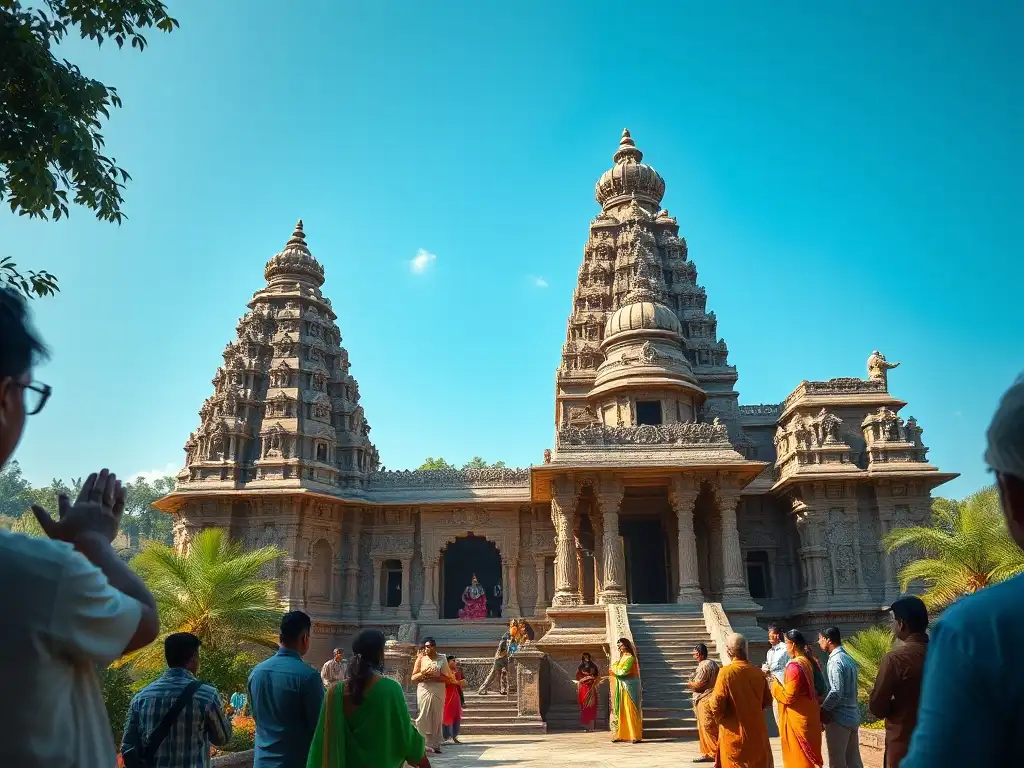
Symbolism plays a vital role in ancient Indian temple architecture, with every element meticulously designed to reflect spiritual beliefs and cosmic principles. The mandala layout symbolizes the universe, with the temple acting as a microcosm of the cosmos. The central sanctum, housing the deity, represents the ultimate source of creation and divine presence.
The use of sacred geometry is evident in the construction of temples, where shapes like circles and squares represent different aspects of the universe and spirituality. The lotus, a common motif in temple designs, symbolizes purity and enlightenment, while the snake often represents the cycle of life and death.
Carvings and sculptures serve not just as decorative elements but also as educational tools, depicting stories from scriptures and mythologies that impart moral lessons and cultural values. Thus, the architecture becomes a narrative space, inviting worshippers to engage with the divine through art and symbolism.
Materials Used in Ancient Indian Temples
The construction of ancient Indian temples involved the use of diverse materials, each chosen for its aesthetic and structural properties. Stone was the primary material, with granite, sandstone, and limestone being commonly used. These stones were often intricately carved to create detailed sculptures and reliefs, adding to the visual appeal of the temples.
In addition to stone, wood was also employed, particularly in regions where it was abundant. Wooden pillars and roofs adorned with carvings can be seen in many temples, especially in South India. The use of brick and mortar was also common in early temple constructions, particularly in the Indus Valley Civilization.
The choice of materials not only contributed to the durability of the structures but also had symbolic significance. For instance, granite, known for its strength, is often associated with permanence and stability, reflecting the enduring nature of the divine.
Notable Examples of Ancient Indian Temples
The Brihadeeswarar Temple: A Glimpse into Chola Architecture
The Brihadeeswarar Temple, located in Thanjavur, is a stunning example of Chola architecture and is a UNESCO World Heritage Site. Built in the 11th century by Raja Raja Chola I, the temple showcases the grandeur of Dravidian architecture with its towering vimana and intricately carved sculptures. The temple's massive granite structure, adorned with exquisite artwork, reflects the artistic prowess of the Chola dynasty.
The temple's main deity, Shiva, is enshrined in the garbhagriha, where a massive lingam made of stone stands. The temple complex also features a large courtyard and several smaller shrines dedicated to various deities, making it a significant center for worship and pilgrimage.
The Sun Temple at Konark: Geometry and Solar Worship
The Sun Temple at Konark, built in the 13th century, is famous for its stunning architectural design resembling a gigantic chariot with intricately carved wheels and horses. This temple is dedicated to Surya, the Sun God, and is celebrated for its unique alignment with the sun's rays, which illuminate the sanctum at specific times of the year.
The use of geometric patterns and detailed sculptures depicting various aspects of life and nature reflects the advanced understanding of astronomy and geometry by ancient Indian architects. The temple's construction showcases the skill and creativity of artisans, making it one of the most remarkable examples of ancient Indian temple architecture.
The Khajuraho Temples: Erotic Sculptures and Architectural Splendor
The Khajuraho Temples, a UNESCO World Heritage Site located in Madhya Pradesh, are renowned for their stunning sculptures and intricate carvings that depict erotic themes alongside divine figures. Built between 950 and 1050 CE during the Chandela dynasty, these temples are a celebration of love, beauty, and spirituality.
The temples feature a unique architectural style with a blend of Nagara and Dravida influences. The most famous among them, the Kandariya Mahadeva Temple, showcases exquisite carvings that narrate stories from Hindu mythology and emphasize the connection between the spiritual and the sensual. The presence of erotic sculptures has led to discussions about the cultural and social perspectives of sexuality in ancient India.
The Hampi Temples: A Blend of Dravidian and Islamic Styles
Hampi, a UNESCO World Heritage Site, is home to a plethora of temples that reflect a fascinating blend of Dravidian and Islamic architectural styles. Once the capital of the Vijayanagara Empire, these temples are characterized by their grand structures, intricate carvings, and unique layouts.
The Virupaksha Temple, one of the most significant in Hampi, features a stunning gopuram and impressive iconography that showcases the empire's wealth and artistic achievements. The fusion of styles is evident in the use of ornate pillars and domes, reflecting the cultural interactions that shaped the region during its zenith. The temples of Hampi stand as a testament to the architectural ingenuity and cultural diversity of ancient Indian civilizations.
The Cultural Significance of Temples in Ancient India
Temples in ancient India were not merely places of worship; they embodied the spiritual, social, and cultural ethos of the time. As architectural marvels, they represented the pinnacle of artistic achievement and were integral to the community's identity. Temples were often dedicated to specific deities, reflecting the diverse pantheon of Hinduism, Buddhism, and Jainism. Each temple served as a microcosm of the cosmos, illustrating the connection between the divine and the earthly realm.
The intricate carvings and sculptures found on temple walls narrated stories from mythology and religion, allowing devotees to engage with their beliefs visually. These sacred spaces fostered a sense of belonging among the local population, making them vital for community cohesion. Additionally, temples often acted as repositories of knowledge, preserving ancient texts and scriptures, thus contributing to the intellectual growth of society.
Temples as Centers of Art and Learning
Ancient Indian temples were vibrant centers of art and learning. They were adorned with exquisite sculptures, frescoes, and architectural styles that showcased the skill of artisans and craftsmen. Many temples served as schools where students were taught various disciplines, including philosophy, astronomy, mathematics, and the fine arts. The temple’s design and layout often reflected astrological principles, merging spirituality with scientific inquiry.
The elaborate rituals performed in temples also served an educational purpose, allowing devotees to learn about religious texts and cultural practices through participation. This synergy of art and learning facilitated the transmission of knowledge across generations and contributed significantly to the rich tapestry of ancient Indian culture.
The Role of Temples in Festivals and Rituals
Temples were central to the celebration of festivals and rituals in ancient India. Each temple played host to numerous festivals throughout the year, which were often linked to the lunar calendar and agricultural cycles. These events provided a platform for community gatherings, fostering social harmony and cultural exchange. Temples became vibrant hubs of activity, where music, dance, and drama were performed to honor the deities.
Rituals conducted in temples were elaborate and varied, ranging from daily worship to grand ceremonies. The participation of the local population in these rituals strengthened their connection to the temple and reinforced their cultural identity. Festivals not only celebrated religious devotion but also served as a reminder of shared heritage, promoting unity among diverse communities.
Temples and their Influence on Local Communities
The influence of temples on local communities in ancient India was profound. These structures were often the focal points of towns and villages, around which social and economic activities revolved. Temples provided a space for community gatherings, social services, and even judicial matters. They often acted as a form of governance, where elders would resolve disputes and offer guidance based on religious principles.
Furthermore, temples stimulated local economies through the influx of pilgrims and tourists, generating revenue for surrounding businesses and craftsmen. This economic impact contributed to the prosperity of the local communities, enhancing their quality of life and solidifying the temple's role as a vital institution.
Preservation and Restoration of Ancient Indian Temples
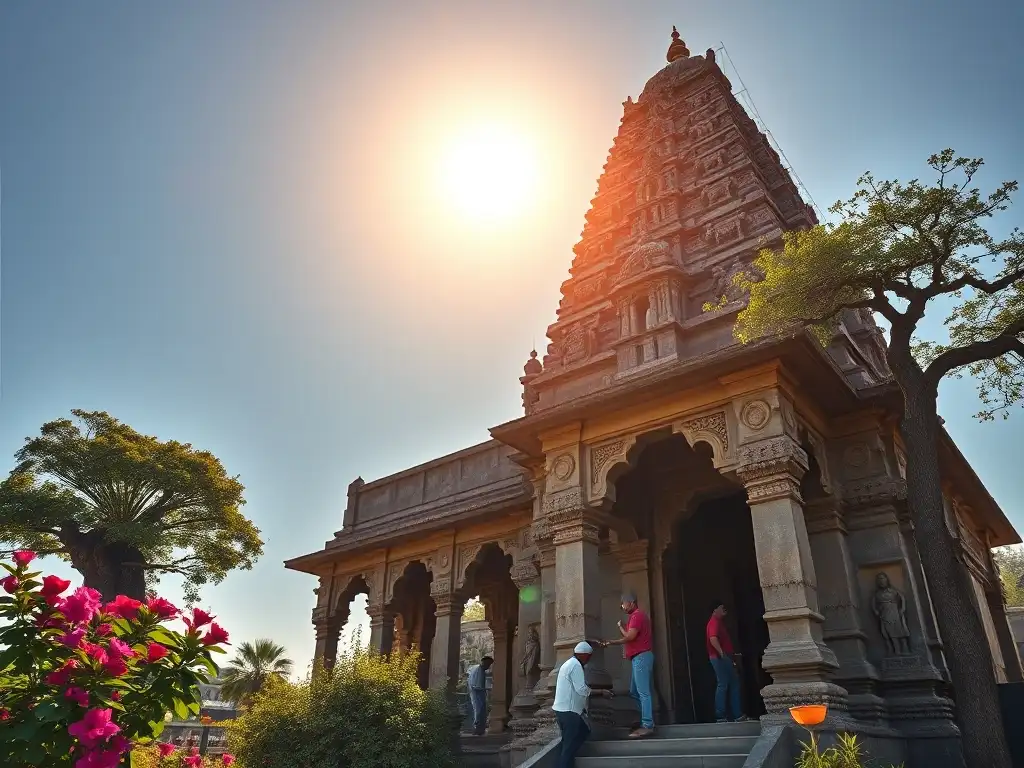
Preserving and restoring ancient Indian temples is crucial for maintaining the cultural heritage and history of the region. These structures, often vulnerable to the effects of time, weather, and human activity, require careful attention to ensure their longevity. Preservation efforts involve not only the physical restoration of the buildings but also the safeguarding of their historical and cultural significance.
Modern initiatives have focused on employing traditional techniques and materials to maintain the authenticity of the temples while also incorporating contemporary conservation practices. Engaging local communities in preservation efforts has proven effective, fostering a sense of ownership and responsibility towards these cultural treasures.
Challenges in Preserving Ancient Indian Temple Architecture
Preserving ancient Indian temple architecture presents numerous challenges. One of the primary threats is environmental degradation, including pollution, erosion, and natural disasters. Many temples are situated in areas prone to earthquakes or flooding, which can cause significant structural damage. Additionally, urbanization and industrial development often encroach on temple sites, leading to neglect and deterioration.
Another challenge lies in funding and resources for restoration projects. Many temples are located in rural areas where financial support is limited, making it difficult to carry out extensive conservation work. Furthermore, the lack of skilled artisans trained in traditional restoration techniques poses a risk to the preservation of the intricate craftsmanship that characterizes ancient temple architecture.
Successful Restoration Projects and Their Impact
Despite the challenges, several successful restoration projects have emerged, showcasing the potential for revitalizing ancient Indian temples. For instance, the restoration of the Brihadeeswarar Temple in Thanjavur, a UNESCO World Heritage Site, involved meticulous research and the application of traditional techniques. This project not only preserved the temple’s architectural integrity but also boosted local tourism, providing a significant economic uplift to the surrounding community.
Another notable case is the restoration of the Khajuraho temples, famous for their intricate erotic sculptures. Efforts to restore these temples have highlighted their historical and artistic significance, attracting visitors from around the globe and promoting awareness of ancient Indian culture. Such successful projects not only safeguard the architectural marvels for future generations but also foster pride in cultural heritage among local communities.
Conclusion: The Legacy of Ancient Indian Temple Architecture
Ancient Indian temple architecture stands as a testament to the ingenuity and artistic prowess of civilizations that flourished in the subcontinent over millennia. The intricate carvings, grand structures, and the spiritual symbolism embedded within these temples narrate rich stories of cultural, religious, and artistic heritage. Each temple is not merely a place of worship but also a profound reflection of the societal values, astronomical knowledge, and philosophical thoughts of its time.
The legacy of ancient Indian temple architecture can be seen in the way it has influenced various aspects of art, culture, and spiritual practices in India and beyond. As we appreciate these monumental structures today, we uncover layers of history that provide insight into the lives and beliefs of our ancestors. Their architectural techniques, stylistic elements, and the harmonious blend of nature and spirituality continue to inspire architects and artists, ensuring that the stories of these ancient marvels are preserved for generations to come.
Influence on Modern Architecture
The influence of ancient Indian temple architecture can be observed in several modern architectural styles within and outside India. Key elements such as ornate carvings, intricate stone work, and the use of nature as an integral part of design have inspired contemporary architects to incorporate traditional motifs into modern buildings.
- Structural Techniques: The post-and-lintel construction method, prevalent in ancient temples, remains a fundamental technique in modern architecture.
- Use of Geometry: Architects today often draw on the geometric precision found in temple layouts, which were designed not only for aesthetics but also for spiritual alignment.
- Landscaping: The integration of water bodies, gardens, and natural surroundings into the architectural design inspired by temple complexes has become a hallmark of modern landscape architecture.
Prominent modern structures, such as the Akshardham Temple in Delhi, exemplify this blend of ancient style and contemporary innovation, showcasing how ancient designs can be reinterpreted for modern contexts while maintaining their essence.
The Continuing Relevance of Ancient Temples in Contemporary India
Ancient temples in India are not just relics of the past; they continue to hold significant cultural and spiritual importance in contemporary society. These temples serve as vital centers for community gatherings, festivals, and religious practices, playing a pivotal role in the social fabric of Indian life.
- Cultural Festivals: Many ancient temples host annual festivals that attract thousands of devotees and tourists, fostering a sense of community and cultural continuity.
- Pilgrimage Sites: Temples like Varanasi's Kashi Vishwanath and Tirupati's Venkateswara remain key pilgrimage destinations, drawing visitors from all over the world who seek spiritual solace and connection to their heritage.
- Educational and Cultural Centers: Some temples have evolved into cultural hubs, offering workshops, classes, and performances that promote traditional art forms and practices, thereby ensuring their preservation.
In this way, ancient temples not only reflect the historical narratives of India's rich past but also adapt and thrive in the modern era, continuing to shape the spiritual and cultural landscape of the nation.
References and Further Reading
For those interested in delving deeper into the subject of ancient Indian temple architecture, the following resources provide valuable insights and comprehensive information.
Recommended Books on Ancient Indian Architecture
-
"Indian Temple Architecture: Form and Transformation" by Adam Hardy
This book provides a detailed analysis of the evolution of temple architecture in India, exploring various styles and their significance.
-
"The Temples of India" by R. Nagaswamy
A comprehensive guide that covers the history, architecture, and cultural significance of major temples across India.
-
"The Architecture of the Indian Subcontinent" by James Fergusson
An insightful resource that discusses the architectural styles of the Indian subcontinent, including detailed examinations of ancient temples.
Online Resources for Exploring Ancient Indian Temples
- Archaeological Survey of India (ASI): The official website offers extensive information on archaeological sites, including ancient temples, their history, and conservation efforts.
- Virtual Tours of Indian Temples: Various websites and platforms provide virtual tours of famous ancient temples, allowing users to explore their architecture and art from anywhere in the world.
- Cultural Heritage Sites of India: This resource showcases significant temples, detailing their architectural features and historical contexts, promoting awareness of India's rich heritage.
These resources not only enhance understanding but also encourage exploration and appreciation of the architectural marvels that embody the essence of ancient Indian civilization.
- Introduction to Ancient Indian Temple Architecture
- Historical Context of Ancient Indian Temple Architecture
- Key Features of Ancient Indian Temple Architecture
- Distinctive Architectural Styles: Nagara, Dravida, and Vesara
- Symbolism in Temple Design and Structure
- Materials Used in Ancient Indian Temples
- Notable Examples of Ancient Indian Temples
- The Cultural Significance of Temples in Ancient India
- Preservation and Restoration of Ancient Indian Temples
- Conclusion: The Legacy of Ancient Indian Temple Architecture
- References and Further Reading
Frequently Asked Questions
What is ancient Indian temple architecture?
Ancient Indian temple architecture refers to the design and construction techniques used in temples built during various periods, showcasing the artistic and cultural achievements of ancient civilizations.
What are the main features of ancient Indian temples?
Ancient Indian temples typically feature intricate carvings, high spires (Shikharas), and elaborate entrances (Gopurams), reflecting the religious significance and artistry of the era.
How did ancient Indian temple architecture evolve over time?
The evolution of ancient Indian temple architecture saw influences from the Indus Valley Civilization to the Gupta Empire, with styles changing based on regional and cultural factors, leading to a rich diversity in designs.
What are some famous ancient Indian temples?
Notable temples include the Brihadeeswarar Temple in Thanjavur and the Khajuraho Temples, both renowned for their architectural brilliance and sculptural detail, encapsulating the essence of ancient Indian temple architecture.
What role did religion play in the architecture of ancient temples?
Religion was central to ancient Indian temple architecture, as temples were built to honor deities and serve as places of worship, reflecting the spiritual beliefs and ritual practices of the time.
Final Reflection: The Enduring Legacy of Ancient Indian Temple Architecture
The architectural marvels of ancient India are not just relics of the past; they are vibrant narratives that continue to resonate in our contemporary world. These temples, with their intricate carvings and profound symbolism, serve as a testament to the rich cultural heritage and spiritual depth that defined ancient Indian civilization. Today, as we navigate a rapidly changing world, the lessons embedded in these structures remind us of the importance of preserving our history and honoring the craftsmanship that shaped our identities.
The influence of ancient Indian temple architecture extends far beyond their physical presence; they have become a source of inspiration for countless generations. The intricate designs and spiritual significance of these temples have not only shaped the architectural landscape but have also fostered a sense of community and belonging among people. As Mahatma Gandhi once said, “A nation's greatness is measured by how it treats its weakest members.” This sentiment echoes through the halls of these temples, where art and devotion intertwine, inviting us to reflect on our shared humanity and the values we uphold.
As you ponder the stories told by these magnificent structures, I invite you to consider how you can incorporate the lessons of ancient Indian temple architecture into your own life. Reflect on the importance of community, craftsmanship, and spirituality in your daily interactions. Let the beauty and wisdom of these temples inspire you to create spaces—both physical and emotional—that foster connection, understanding, and reverence for the past. In doing so, you not only honor the legacy of ancient India but also contribute to a future enriched by the lessons of history.
Unveil the Wonders of Ancient India!
Thank you for journeying through the incredible architectural marvels of ancient Indian temples with us! You’ve gained insights into how these structures tell stories that resonate through centuries. Now, it’s your turn to take action and deepen your connection with this rich history.
- Explore more: Visit your local library or browse online resources to delve deeper into the fascinating narratives behind these temples.
- Share your discoveries: Discuss your favorite temple with friends or post intriguing facts on social media to engage others in this remarkable history.
- Join a community: Participate in local heritage walks or online forums dedicated to ancient architecture and history.
Which temple's story has inspired you the most, and how do you plan to share its legacy with others?