
The Magnificence of the Brihadeeswarar Temple: A UNESCO World Heritage Site

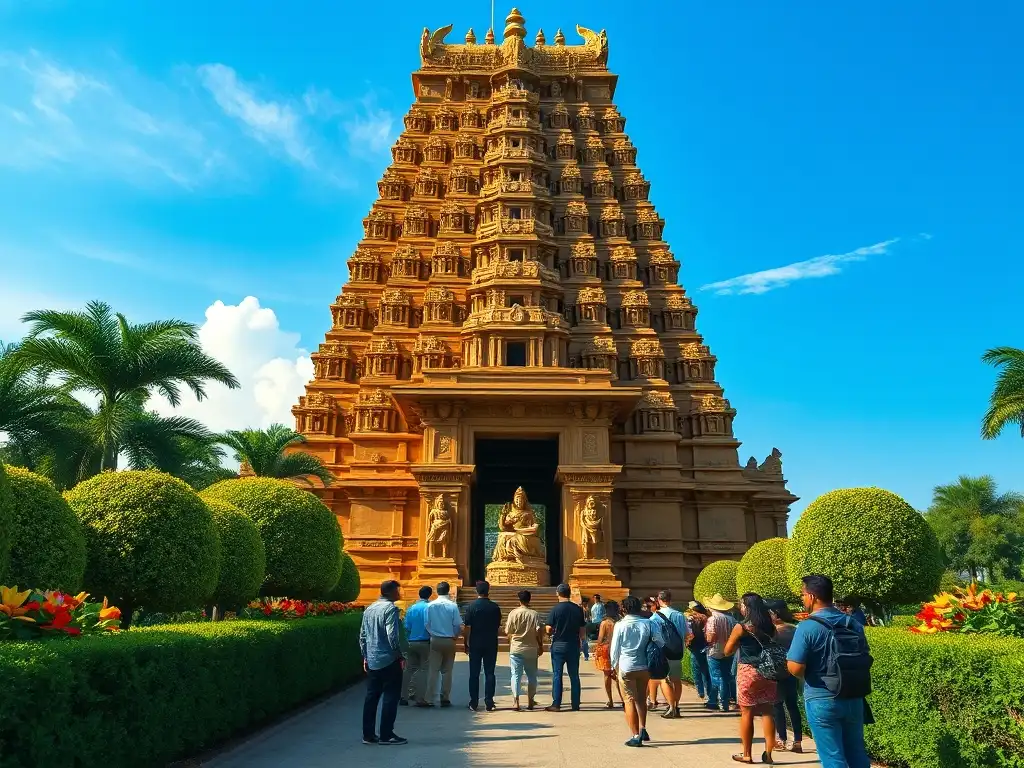
Welcome to Ancient India History, where we embark on a fascinating journey through the rich tapestry of India's past. Today, we invite you to delve into the Brihadeeswarar Temple, a stunning UNESCO World Heritage Site that stands as a testament to the architectural brilliance and cultural significance of ancient Indian civilizations. What secrets does this magnificent temple hold? Join us as we uncover the history and profound importance of this awe-inspiring structure, and discover how it continues to inspire awe and reverence in the modern world. Your exploration of ancient India's treasures begins here!
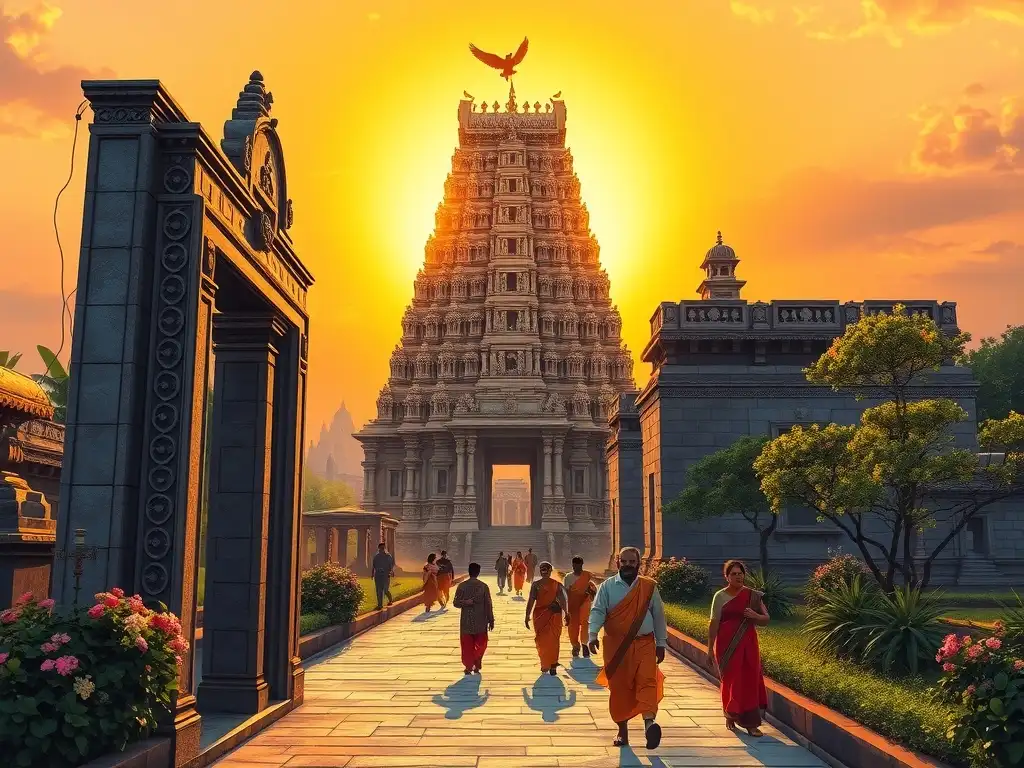
The Brihadeeswarar Temple, also known as Peruvudaiyar Kovil, stands as a testament to the architectural brilliance and cultural richness of ancient India. Located in Thanjavur, Tamil Nadu, this magnificent temple is not only a significant religious site but also a symbol of the grandeur of the Chola dynasty. Constructed in the 11th century, it showcases a unique blend of art, architecture, and spirituality that continues to inspire awe among visitors and scholars alike.
As a designated UNESCO World Heritage Site, the temple is recognized for its remarkable historical value and its contribution to the cultural heritage of humanity. This article delves into the history and significance of the Brihadeeswarar Temple, exploring its architectural marvels and the legacy it has left behind in ancient Indian civilization.
Introduction to the Brihadeeswarar Temple
The Brihadeeswarar Temple is not just an architectural masterpiece; it is a profound representation of the socio-political and spiritual ethos of its time. Dedicated to Lord Shiva, the temple is part of the Great Living Chola Temples, which collectively exemplify the zenith of Dravidian architecture. The intricate carvings, towering gopuram (gateway), and the massive granite dome reflect the advanced engineering skills and artistic sensibilities of the Chola architects.
Overview of the Temple's Significance in Ancient India
The temple holds immense importance in ancient Indian history, primarily due to its role as a center of worship and its architectural innovations. It was commissioned by Raja Raja Chola I, who sought to solidify his power and showcase the wealth of his empire through grand constructions. The temple is a reflection of the Chola dynasty's devotion to Shaivism and its contributions to art and culture.
- Religious Importance: The Brihadeeswarar Temple serves as a major pilgrimage site for Shaivites, reaffirming its spiritual significance.
- Cultural Hub: It was a vibrant center for the arts, attracting scholars, musicians, and dancers, thus fostering a rich cultural environment.
Importance of UNESCO World Heritage Status
In 1987, the Brihadeeswarar Temple was designated as a UNESCO World Heritage Site, recognizing its outstanding universal value. This status not only helps to preserve the temple's structural integrity but also promotes global awareness of its historical and cultural importance.
- Conservation Efforts: UNESCO's involvement aids in the conservation and restoration of the temple, ensuring that future generations can appreciate its magnificence.
- Cultural Exchange: The recognition has facilitated greater cultural exchange and tourism, allowing visitors worldwide to explore the rich heritage of ancient India.
Historical Background of the Brihadeeswarar Temple
The history of the Brihadeeswarar Temple is intricately tied to the Chola dynasty, which dominated southern India between the 9th and 13th centuries. Understanding the temple's historical context is essential to appreciate its grandeur and significance.
The Era of the Chola Dynasty
The Chola dynasty was one of the longest-ruling dynasties in southern India and is celebrated for its contributions to art, architecture, and administration. The reign of Raja Raja Chola I marked a pivotal period in South Indian history, characterized by military conquests, economic prosperity, and cultural advancements.
- Architectural Innovations: The Cholas pioneered several architectural techniques, including the use of granite and the development of the gopuram, which are exemplified in the Brihadeeswarar Temple.
- Political Power: The temple served as a political statement, symbolizing the Chola's divine right to rule and their devotion to Lord Shiva.
Key Historical Events Related to the Temple
Throughout its history, the Brihadeeswarar Temple has witnessed numerous significant events that have shaped its legacy.
- Construction (1010 AD): Commissioned by Raja Raja Chola I, the temple's construction was a monumental feat, completed in just five years.
- Cultural Flourishing: The temple became a center for Tamil literature and arts, attracting poets and artists who contributed to the rich cultural tapestry of the time.
- Tributes and Renovations: Over the centuries, various rulers have paid homage to the temple, leading to renovations and additions that have enhanced its splendor.
The Brihadeeswarar Temple remains a vital link to understanding the artistic, cultural, and religious dynamics of ancient Indian civilization, continuing to inspire awe and reverence to this day.
Architectural Features of the Brihadeeswarar Temple
The Brihadeeswarar Temple, also known as Peruvudaiyaar Kovil, is a stunning example of Dravidian architecture, showcasing the brilliance of ancient Indian builders. Constructed in the early 11th century during the reign of Chola Emperor Rajaraja Chola I, the temple is notable for its grand scale and intricate design. The temple complex is constructed predominantly from granite, a testament to the engineering prowess of the era, and it features a massive vimana (tower) that rises to a height of about 66 meters, making it one of the tallest temple towers in the world.
The temple's layout is characterized by a rectangular plan that is typical of South Indian temples, where the sanctum sanctorum (garbhagriha) houses the primary deity, Lord Shiva. Surrounding this inner sanctum are several mandapas (halls) adorned with exquisite carvings and sculptures, depicting various deities, celestial beings, and mythological narratives. The intricate relief work on the temple walls exemplifies the artistic creativity of the Chola artisans, showcasing their skill in stone carving and their understanding of iconography.
Unique Design Elements of the Temple
One of the most striking features of the Brihadeeswarar Temple is its massive dome-like structure, which is formed from a single stone weighing approximately 80 tons, known as the kalasha. This architectural marvel not only serves a decorative purpose but also symbolizes the cosmic mountain, Mount Meru, which is considered sacred in Hindu cosmology. The temple's entrance, adorned with towering gopurams (gateway towers), is another significant design element that draws visitors' attention.
The temple complex is surrounded by a high wall, which is characteristic of many South Indian temples, providing a sense of enclosure and sanctity. The walls are embellished with intricate sculptures and frescoes that narrate stories from Hindu mythology, particularly those associated with Lord Shiva. These design elements not only enhance the temple's visual appeal but also serve to convey religious teachings and cultural values.
Significance of the Temple's Structure
The structural design of the Brihadeeswarar Temple holds immense significance from both cultural and spiritual perspectives. It represents the zenith of Chola architectural achievement and reflects the socio-political power of the Chola Empire during its peak. The temple was not merely a place of worship but also served as a hub for various cultural and economic activities, including trade and education, thereby contributing to the prosperity of the region.
Moreover, the temple's alignment and orientation are meticulously planned, with the sanctum facing the east to capture the first rays of the sun. This alignment is symbolic, as it signifies the awakening of the deity and the dispelling of darkness. The temple's architectural grandeur and its alignment with cosmic elements underscore its role as a bridge between the earthly realm and the divine.
Comparison with Other Temples of the Era
When compared to other temples of the same era, the Brihadeeswarar Temple stands out due to its monumental scale and architectural innovation. While many contemporaneous temples, such as the Srirangam Temple and the Thanjavur Temple, also exhibit grandeur, the Brihadeeswarar Temple's unique design elements, such as the massive vimana and the extensive use of granite, set it apart.
Additionally, the temple's artistic expressions, characterized by detailed sculptures and intricate carvings, demonstrate a higher level of craftsmanship compared to many other temples. The influence of the Brihadeeswarar Temple can be seen in later temple constructions, showcasing its role as a model for future generations of architects and artisans.
Cultural and Religious Significance
The Brihadeeswarar Temple is not only an architectural marvel but also a vital center for cultural and religious activities in Tamil Nadu. As a prominent pilgrimage site, it attracts thousands of devotees and tourists alike, eager to experience its spiritual ambiance and artistic richness. The temple is dedicated to Lord Shiva, who is worshipped in various forms, and it plays a crucial role in the religious life of the local community.
The Temple as a Center for Worship
As one of the largest temples in India, the Brihadeeswarar Temple serves as a central hub for worship and spiritual activities. Daily rituals, including poojas (offerings) and abhishekas (ritual bathing of the deity), are conducted with great devotion, drawing devotees from across the region. The temple's architecture facilitates the movement of devotees, with spacious halls and courtyards allowing for large gatherings during festivals and special occasions.
The temple’s significance extends beyond worship; it is also a center for learning and cultural exchange. Scholars and philosophers have congregated here throughout history, contributing to the temple’s reputation as a place of intellectual and spiritual growth.
Festivals and Rituals Associated with the Brihadeeswarar Temple
The Brihadeeswarar Temple is renowned for its vibrant festivals, which reflect the rich cultural heritage of Tamil Nadu. One of the most celebrated festivals is the Mahashivaratri, dedicated to Lord Shiva, which witnesses a surge in devotees participating in night-long vigils, prayers, and processions. During this festival, the temple is beautifully illuminated, and special rituals are performed to honor the deity.
Another significant celebration is the Chithirai Thiruvizha, where the temple's grandeur is showcased through traditional music, dance, and elaborate processions. These festivals not only serve to reinforce the spiritual connection of the community with the temple but also promote local art forms and cultural traditions, ensuring that the legacy of the Brihadeeswarar Temple continues to thrive through generations.
The Brihadeeswarar Temple stands as a testament to ancient Indian architectural genius and cultural richness, making it a significant landmark worthy of exploration and reverence.
The Art and Iconography of the Brihadeeswarar Temple
The Brihadeeswarar Temple, a magnificent example of Dravidian architecture, is not only celebrated for its grand scale but also for its intricate art and iconography. The temple is adorned with a plethora of sculptures and carvings that reflect the artistic brilliance of the Chola dynasty. Each artwork serves not just as decoration but also as a narrative tool, telling stories of deities, mythological events, and the philosophical underpinnings of Hinduism.
The temple's walls, pillars, and ceilings are covered with detailed carvings depicting various forms of Shiva, the principal deity of the temple, along with his consort Parvati and their son Ganesha. The artistry encapsulates a blend of devotion and technical skill, showcasing the high level of craftsmanship that existed during the period. The vibrant representations of deities and celestial beings create a spiritual ambiance that enhances the sanctity of the temple.
Sculptures and Carvings: A Closer Look
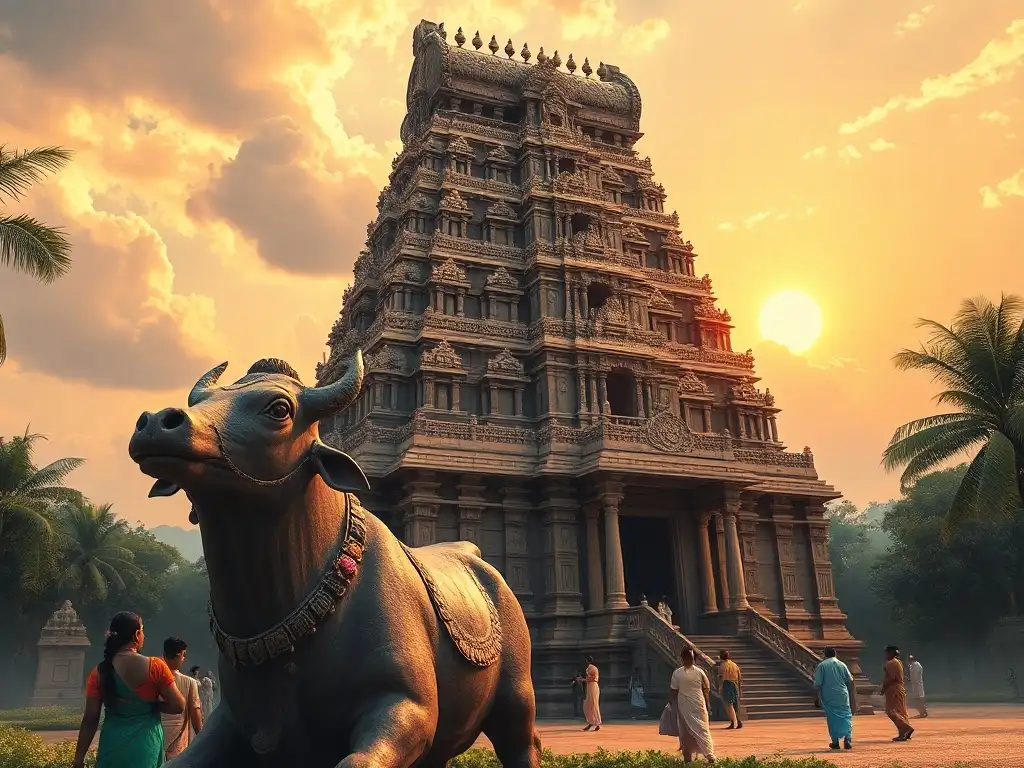
Upon entering the Brihadeeswarar Temple, visitors are greeted by a stunning array of sculptures and carvings that tell stories of devotion and history. The most notable feature is the massive Nandi (bull), which is sculpted from a single stone and sits majestically facing the sanctum. This sculpture alone is an emblem of the artistic prowess of the Chola artisans.
The temple's walls are lined with relief sculptures that depict significant episodes from Hindu mythology, including the Samudra Manthan (churning of the ocean) and various forms of Shiva, such as Nataraja, the Lord of Dance. The intricate details—ranging from the delicate ornaments on the figures to the expressive poses—demonstrate the deep understanding of anatomy and movement possessed by the artisans.
Furthermore, the temple also features a series of frescoes that add to the visual narrative, depicting scenes of royal processions and religious rituals, underscoring the temple's role not just as a place of worship but also as a cultural hub.
Symbolism Behind the Temple's Artwork
The artwork in the Brihadeeswarar Temple is steeped in symbolism, conveying deep spiritual meanings that reflect the essence of Hindu philosophy. The sculptures are not merely decorative; they serve as visual representations of complex theological concepts. For example, the depiction of various deities represents the different aspects of the divine and the interconnectedness of life.
Each figure is imbued with symbolic significance. The presence of animals, such as the Nandi bull, symbolizes strength and loyalty, while the various poses of Shiva represent his multifaceted nature—creator, protector, and destroyer. The intricate patterns and motifs, such as lotus flowers and vines, signify purity, prosperity, and the cyclical nature of life.
Moreover, the orientation and layout of the temple itself reflect cosmic principles, aligning with cardinal directions and sacred geometry, further enhancing its spiritual significance. This interplay between art and spirituality makes the temple a profound site for both worship and reflection.
Preservation and Conservation Efforts
The Brihadeeswarar Temple, designated as a UNESCO World Heritage Site, has undergone numerous preservation and conservation efforts to maintain its structural integrity and artistic heritage. These initiatives are vital for protecting the temple from environmental factors and human encroachments that threaten its existence.
Conservation efforts have focused not only on the physical structure but also on documenting and preserving the rich tradition of craftsmanship that produced such exquisite artwork. This includes training new artisans in traditional techniques to ensure that the skills and knowledge are passed down through generations.
Challenges in Maintaining the Brihadeeswarar Temple
Despite ongoing efforts, the Brihadeeswarar Temple faces several challenges in its maintenance. Environmental degradation, particularly from pollution and climate change, poses serious risks to the temple's stone structure and carvings. The accumulation of soot and grime from nearby urban areas can lead to deterioration of the intricate artwork.
Additionally, the increasing number of tourists and pilgrims can strain the temple's resources and infrastructure. The balance between preserving the sanctity of the site and accommodating visitors is a constant challenge for conservationists.
Human-induced factors, such as unauthorized modifications or neglect, also threaten the temple's integrity. Ensuring that all restoration work adheres to traditional methods while also accommodating contemporary needs is a delicate task.
Recent Restoration Projects and Their Impact
Recent restoration projects at the Brihadeeswarar Temple have aimed at addressing both structural issues and artistic preservation. These projects have included cleaning and restoring the intricate carvings, reinforcing weakened structures, and implementing protective measures against environmental damage.
One significant initiative involved the use of traditional materials and techniques to ensure that restorations are in harmony with the original construction. The impact of these efforts has been notable; not only do they enhance the aesthetic appeal of the temple, but they also attract a greater number of visitors, raising awareness about the importance of preserving such historical sites.
Moreover, collaborative efforts between government bodies, conservationists, and local communities have fostered a sense of ownership and responsibility towards the temple's upkeep. This engagement has proven vital for sustaining long-term conservation efforts and ensuring that the Brihadeeswarar Temple continues to stand as a testament to the rich artistic and cultural heritage of ancient India.
Conclusion: The Enduring Legacy of the Brihadeeswarar Temple
The Brihadeeswarar Temple, standing tall in Thanjavur, is not just an architectural marvel but a testament to the artistic and cultural prowess of the Chola dynasty. Its intricate carvings, grand scale, and historical significance encapsulate the essence of ancient Indian civilization. The temple's construction in the 11th century under the reign of Raja Raja Chola I signifies a monumental achievement in engineering and artistry, reflecting the sophisticated urban planning of the time.
The enduring legacy of this UNESCO World Heritage Site continues to inspire generations, serving as a symbol of devotion, artistry, and the rich cultural tapestry of India. The temple's architectural brilliance and historical importance have made it a focal point for scholars, historians, and tourists alike, ensuring that its story is told and retold across time.
Reflection on the Temple's Historical and Cultural Importance
The Brihadeeswarar Temple is often hailed as a pivotal element in the narrative of India's cultural heritage. This temple not only represents a significant religious site but also embodies the socio-economic and political dynamics of the Chola period. The temple’s design demonstrates advanced knowledge of geometry and physics, with its towering vimana (tower) being one of the tallest in the world, a marvel that speaks volumes about the architectural ingenuity of the era.
Moreover, the temple has played a crucial role in the religious life of the community. It has been a site for various festivals and rituals, contributing to the continuity of traditions that date back centuries. The temple's sculptures and frescoes tell stories from Hindu mythology, serving as a vital resource for understanding the cultural narratives of the time.
The Role of the Brihadeeswarar Temple in Modern India
In contemporary times, the Brihadeeswarar Temple continues to be a pivotal landmark in India, attracting millions of visitors each year. Its status as a UNESCO World Heritage Site not only enhances its visibility but also emphasizes the importance of preserving such historical sites for future generations. The temple serves as a reminder of India's rich history, showcasing the artistic and architectural achievements that have shaped its identity.
Furthermore, the temple plays a significant role in the local economy through tourism, providing livelihood opportunities for many. It acts as a center for cultural exchange, where people from diverse backgrounds come together to appreciate its historical significance and architectural beauty. The temple also inspires conservation efforts aimed at protecting India's heritage, highlighting the need to maintain the structural integrity of such landmarks in an ever-evolving world.
References for Further Reading on Brihadeeswarar Temple History and Significance
Suggested Books and Articles
- "The Chola Dynasty: A History": by R. K. Sharma - This book provides an in-depth analysis of the Chola dynasty, including its architectural contributions, with a significant focus on the Brihadeeswarar Temple.
- "Brihadeeswarar Temple: A Monument of Greatness": by Meera Nanda - An exploration of the temple's architectural features and its historical context.
- "UNESCO World Heritage Sites in India" - This article details various UNESCO sites, with a dedicated section on the significance of the Brihadeeswarar Temple.
Online Resources and Documentaries
- Documentary: "Secrets of the Brihadeeswarar Temple": - Available on prominent educational platforms, this documentary explores the architectural marvels and historical narratives associated with the temple.
- Website: Archaeological Survey of India: - Offers detailed reports and findings related to the temple, its restoration, and its significance in Indian history.
- Virtual Tours: Numerous online platforms provide virtual tours of the Brihadeeswarar Temple, allowing viewers to experience its grandeur from anywhere in the world.
These resources provide valuable insights into the history and significance of the Brihadeeswarar Temple, making them essential for those interested in ancient Indian architecture and culture.
- Introduction to the Brihadeeswarar Temple
- Historical Background of the Brihadeeswarar Temple
- Architectural Features of the Brihadeeswarar Temple
- Cultural and Religious Significance
- The Art and Iconography of the Brihadeeswarar Temple
- Preservation and Conservation Efforts
- Conclusion: The Enduring Legacy of the Brihadeeswarar Temple
- References for Further Reading on Brihadeeswarar Temple History and Significance
- What is the Brihadeeswarar Temple known for?
- Why is the Brihadeeswarar Temple considered a UNESCO World Heritage Site?
- What are the key features of the Brihadeeswarar Temple?
- How does the Brihadeeswarar Temple reflect ancient Indian culture?
- What is the historical significance of the Brihadeeswarar Temple?
Frequently Asked Questions
What is the Brihadeeswarar Temple known for?
The Brihadeeswarar Temple is renowned for its imposing architecture, intricate carvings, and historical significance as a masterpiece of Chola architecture.
Why is the Brihadeeswarar Temple considered a UNESCO World Heritage Site?
It was designated a UNESCO World Heritage Site due to its cultural importance, architectural brilliance, and its role in the history of the Chola dynasty.
What are the key features of the Brihadeeswarar Temple?
The temple features a massive vimana (tower), exquisite sculptures, and a large Nandi statue, showcasing the artistic skills of ancient artisans.
How does the Brihadeeswarar Temple reflect ancient Indian culture?
It embodies the religious devotion, artistic excellence, and socio-political dynamics of its time, serving as a symbol of Hindu heritage.
What is the historical significance of the Brihadeeswarar Temple?
The temple signifies the zenith of Chola architecture and serves as a testament to the cultural and political achievements of the Chola Empire in ancient India.
Final Reflection: Embracing the Legacy of the Brihadeeswarar Temple
**The Brihadeeswarar Temple stands as a testament to the architectural brilliance and cultural richness of ancient India, reminding us that heritage is not just a relic of the past but a living narrative that shapes our present and future. As we explore its history and significance, we uncover layers of meaning that resonate deeply in today's world, where the preservation of cultural identity is more crucial than ever. The temple's grandeur is not merely in its physical structure but in the stories it tells and the values it embodies.
Culturally, the Brihadeeswarar Temple continues to influence art, architecture, and spirituality, serving as a beacon of inspiration for generations. The intricate carvings and the sheer scale of the temple reflect a society that valued creativity, devotion, and community. As noted by a historian, The Brihadeeswarar Temple is not just a monument; it is a living entity that breathes the spirit of its time.
This ongoing influence invites us to reflect on how our own cultural landmarks can foster a sense of belonging and continuity in an ever-changing world.
As we conclude our exploration of the Brihadeeswarar Temple, I invite you to take a moment to reflect on your own connections to heritage and history. Consider how the lessons from this magnificent site can inspire you to engage with your own cultural roots and contribute to the preservation of your community's legacy. Whether through visiting historical sites, sharing stories, or participating in local traditions, each action can help keep the spirit of our shared history alive for future generations.
Unveil the Splendor of the Brihadeeswarar Temple!
Thank you for taking the time to explore the magnificent story of the Brihadeeswarar Temple! Your interest in this UNESCO World Heritage Site highlights your appreciation for culture, architecture, and history. Now, let's take that inspiration and turn it into action!
Here are some engaging ways you can connect further with this awe-inspiring landmark:
- Plan a visit to the temple to experience its grandeur in person—walking through its majestic halls is truly transformative.
- Share this article with friends or family who have a passion for history and culture, inviting them to embark on a journey through ancient India alongside you.
- Dive deeper into India's rich heritage by exploring other UNESCO World Heritage Sites and utilizing interactive guides that highlight their significance.
As you ponder your next steps, consider this: How can experiencing the Brihadeeswarar Temple alter your perspective on India's architectural legacy? We would love to hear your thoughts in the comments below!