
Exploring the RockCut Caves: Ancient India's Ingenious Sculptural Techniques

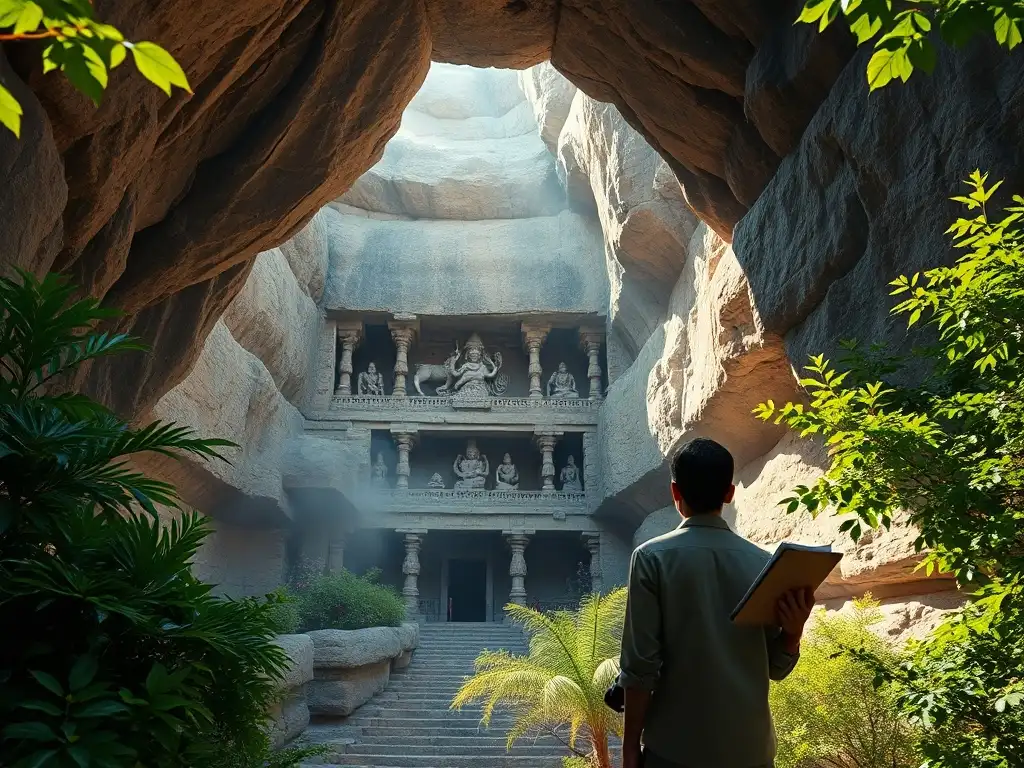
Welcome to Ancient India History! Here, we invite you to embark on a fascinating journey through time, uncovering the rich tapestry of ancient Indian civilizations that have shaped our world today. In our featured article, "Exploring the Rock-Cut Caves: Ancient India's Ingenious Sculptural Techniques," we delve into the captivating ancient Indian rock-cut caves—masterpieces of art and architecture that hold secrets of a bygone era.
What inspired these monumental creations, and how did they reflect the culture and philosophy of their time? Prepare to ignite your curiosity and discover the remarkable legacy of our ancestors as you explore the depths of India's historical wonders!
Introduction to Ancient Indian Rock-Cut Caves
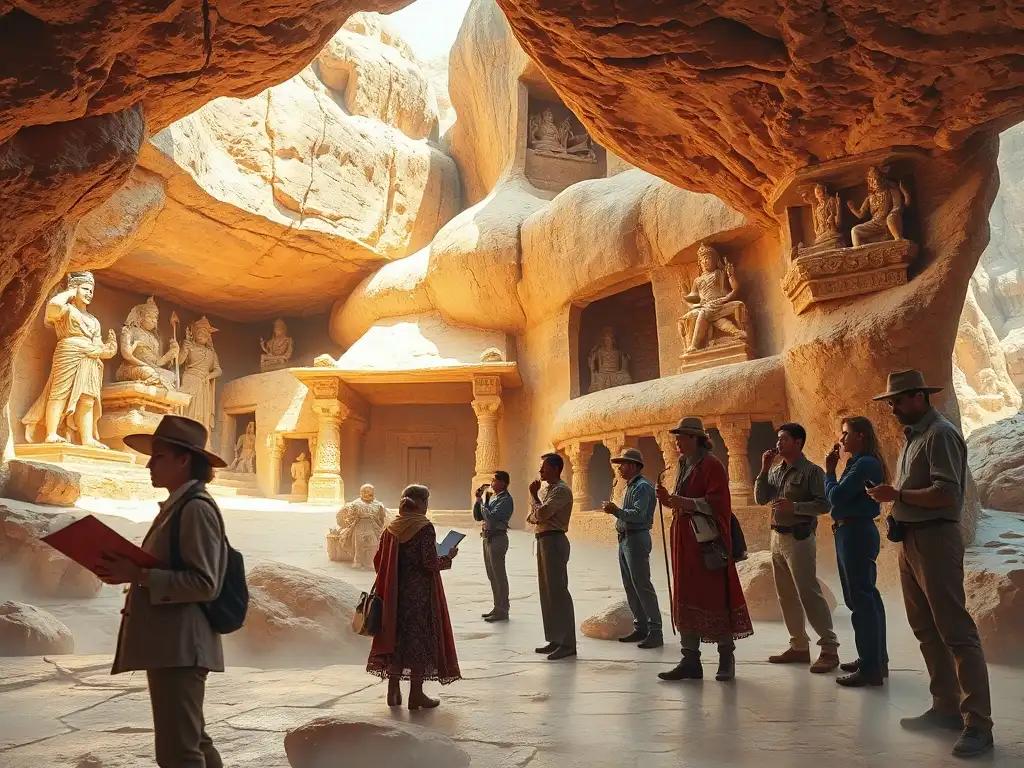
Ancient Indian rock-cut caves are a remarkable testament to the ingenuity and artistic prowess of Indian civilization. Carved directly into the rock, these caves not only served as places of worship and meditation but also as centers of art, culture, and community life.
Spanning centuries and regions, the intricate sculptures and architectural designs found within these caves provide a profound insight into the spiritual and social dynamics of ancient Indian societies. As we delve into the rich world of ancient Indian rock-cut caves, we uncover the stories etched in stone, showcasing the unique techniques and artistic expressions that have withstood the test of time.
Overview of Rock-Cut Architecture in Ancient India
Rock-cut architecture emerged as a distinctive form of construction in ancient India, where artisans harnessed the natural landscape to create monumental structures. This architectural style is characterized by:
- Direct Carving: The caves were sculpted from solid rock, showcasing remarkable precision and skill.
- Functional Spaces: Many caves served multiple purposes, including residential, religious, and monastic uses.
- Artistic Expression: The walls and ceilings of these caves are adorned with intricate carvings, frescoes, and sculptures that reflect the cultural and religious ethos of the time.
The earliest examples can be traced back to the 3rd century BCE, with the most famous sites including the Ajanta and Ellora Caves, which exhibit an impressive blend of Buddhist, Hindu, and Jain influences.
Significance of Rock-Cut Caves in Indian History
The significance of rock-cut caves goes beyond their architectural brilliance. They played a crucial role in:
- Religious Practices: Many caves were constructed as monasteries or temples, fostering spiritual communities and practices.
- Cultural Exchange: These sites attracted pilgrims and traders, facilitating cultural interactions across regions.
- Preservation of Art: The caves serve as a repository of ancient art forms, providing insights into the aesthetics and techniques of the time.
Overall, the rock-cut caves are not just architectural marvels; they are vibrant historical records that illustrate the evolution of ancient Indian civilization.
Historical Context of Rock-Cut Caves
Origins of Rock-Cut Architecture in Ancient India
The origins of rock-cut architecture can be traced back to the Mauryan period (c. 322-185 BCE), where the practice began as a means to create monastic retreats for monks. One of the earliest examples is the Barabar Caves, which exhibit simplicity and functionality. As Buddhism flourished, the rock-cut caves evolved into elaborate structures, reflecting the growing complexity of religious practices and community life.
Evolution of Rock-Cut Techniques Through Ages
Over the centuries, rock-cut techniques underwent significant transformations, influenced by various dynasties and cultural shifts. The key stages in this evolution include:
- Early Simplicity: Initial caves were relatively simple, focusing on basic functionality.
- Elaborate Sculptural Techniques: By the time of the Gupta Empire (c. 320-550 CE), rock-cut caves became more sophisticated, showcasing intricate carvings and detailed iconography.
- Regional Variations: Different regions developed their unique styles, as seen in the contrast between the Ajanta's Buddhist caves and the Ellora's multi-religious complex.
Through this journey of evolution, ancient Indian rock-cut caves stand as a testament to the creativity and adaptability of human expression in the face of nature's challenges.
Key Features of Ancient Indian Rock-Cut Caves
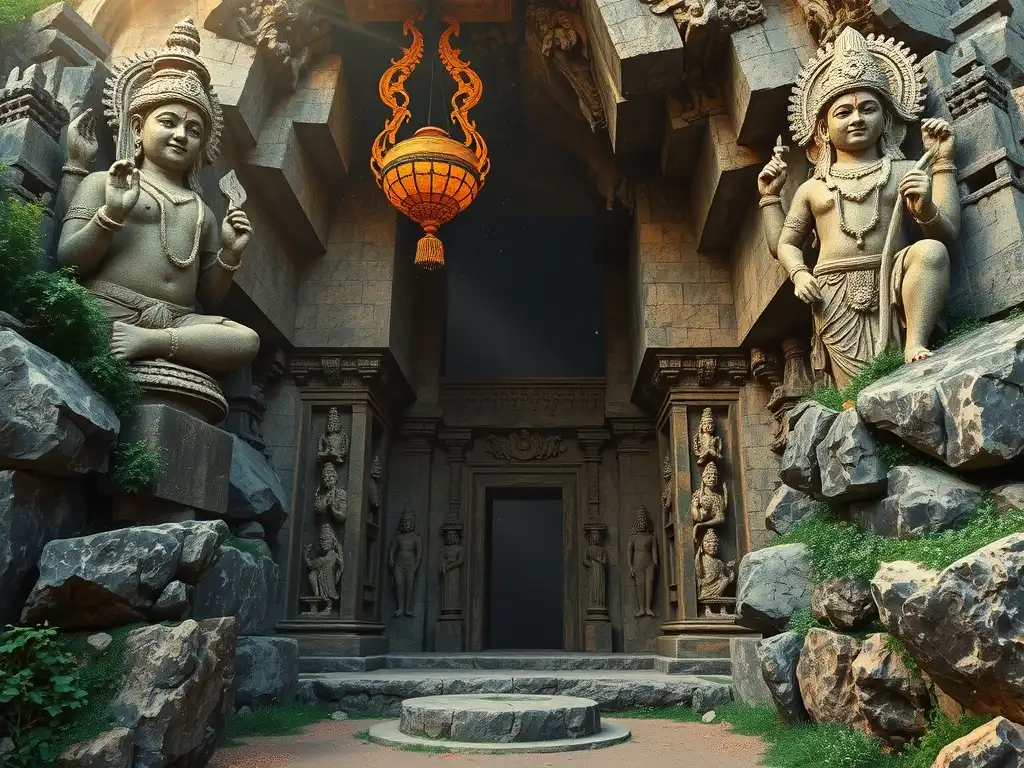
Ancient Indian rock-cut caves are remarkable examples of architectural ingenuity, showcasing the capabilities of artisans and architects of their time. These caves were typically carved out of solid rock, often in remote locations, which speaks to the determination and skill of their creators. The primary characteristics of these caves include:
- Monolithic Structures: The caves are often cut from a single rock mass, making them incredibly durable. This method allowed for the creation of vast spaces that could accommodate large congregations or serve as monastic retreats.
- Intricate Carvings: The walls and ceilings of these caves are adorned with exquisite sculptures and frescoes that depict religious narratives, daily life, and intricate floral patterns. These carvings not only highlight artistic skill but also serve as historical records.
- Natural Lighting and Ventilation: Ingenious architectural planning ensured that many caves were designed to allow natural light and airflow, enhancing the usability of these spaces. Openings were strategically placed to maximize illumination while maintaining a serene atmosphere.
- Religious Significance: Many rock-cut caves served as Buddhist monasteries, Hindu temples, or Jain shrines, indicating their importance in spiritual life. This religious aspect is often reflected in their layouts and the iconography present in their sculptures.
Distinctive Sculptural Techniques Used in Rock-Cutting
The sculptural techniques employed in the creation of ancient Indian rock-cut caves are both diverse and sophisticated. Artisans utilized a variety of methods, including:
- Drilling and Chiseling: Craftsmen began with drilling holes into the rock to outline the desired shape, followed by chiseling to remove the surrounding material. This technique required precision and a strong understanding of three-dimensional forms.
- Bas-Relief and High-Round Sculpting: Sculptures were often created in bas-relief, where figures protrude slightly from the background, while some were carved in high relief, creating a more three-dimensional effect. This allowed for more dynamic representations of figures and scenes.
- Fresco Techniques: In addition to stone carving, some caves featured fresco paintings. These were executed on wet plaster, allowing vibrant colors to be incorporated into the cave interiors. The combination of sculpture and painting created a rich visual narrative.
- Symbolism in Artistry: The use of symbolic elements in sculptures—such as lotus flowers representing purity or animals symbolizing prosperity—added layers of meaning to the artwork, connecting it deeply with the religious practices of the time.
Architectural Styles of Rock-Cut Caves
The architectural styles of ancient Indian rock-cut caves reflect a blend of influences over time, evolving alongside religious and cultural shifts. Key styles include:
- Buddhist Caves: The earliest rock-cut caves, such as those at Ajanta, are characterized by their monastic layouts and stupas. They often include prayer halls (chaityas) and living quarters (viharas) designed for monks.
- Hindu Caves: As Hinduism gained prominence, cave architecture began to incorporate elements like intricate mandapas (pillared halls) and sanctums (garbhagrihas). The carvings often depict deities and mythological stories central to Hindu beliefs.
- Jain Caves: Jain rock-cut caves, such as those at Udayagiri, showcase a more minimalist yet detailed approach. They emphasize intricate carvings of Tirthankaras and convey themes of asceticism and non-violence.
- Regional Variations: Different regions in India developed unique styles based on local traditions and available resources. This diversity is evident in the varying architectural features and decorative motifs found in caves across the country.
Major Rock-Cut Cave Sites in Ancient India
Ancient India is home to numerous rock-cut caves, each with its unique features and historical significance. Here are some of the most prominent sites:
Ajanta Caves: A UNESCO World Heritage Site
The Ajanta Caves, located in Maharashtra, are renowned for their stunning frescoes and sculptures that date back to the 2nd century BCE to 6th century CE. This site consists of 30 caves, primarily used as Buddhist monastic retreats. The intricate murals depict Jataka tales and Buddhist teachings, showcasing the artistic excellence of the period. The caves are carved out of volcanic rock and are celebrated for their architectural harmony and spiritual ambiance.
Ellora Caves: A Fusion of Religions
Situated near Aurangabad, the Ellora Caves are a UNESCO World Heritage Site that exemplifies the coexistence of three major religions: Buddhism, Hinduism, and Jainism. Comprising 34 caves carved between the 5th and 10th centuries CE, Ellora is famous for its monumental Kailasa Temple, which is a single monolithic structure dedicated to Lord Shiva. The intricate carvings and diverse architectural styles highlight the cultural synthesis and artistic innovation of ancient India.
Other Noteworthy Rock-Cut Caves
In addition to Ajanta and Ellora, several other rock-cut cave sites hold historical and architectural significance:
- Badami Caves: Known for their stunning rock-cut temples dedicated to Hindu deities, these caves date back to the 6th century CE and showcase intricate carvings and early Dravidian architectural styles.
- Khandagiri and Udayagiri Caves: Located in Odisha, these caves were carved out for Jain monks and feature several inscriptions and sculptures reflecting Jain philosophy.
- Meghalaya Caves: The caves in Meghalaya, such as Siju and Liat Prah, are known for their natural formations and ancient rock art, representing the rich cultural heritage of the region.
These sites collectively illustrate the remarkable achievements in rock-cut architecture, providing invaluable insights into the historical and cultural narratives of ancient India.
Techniques Behind Rock-Cutting
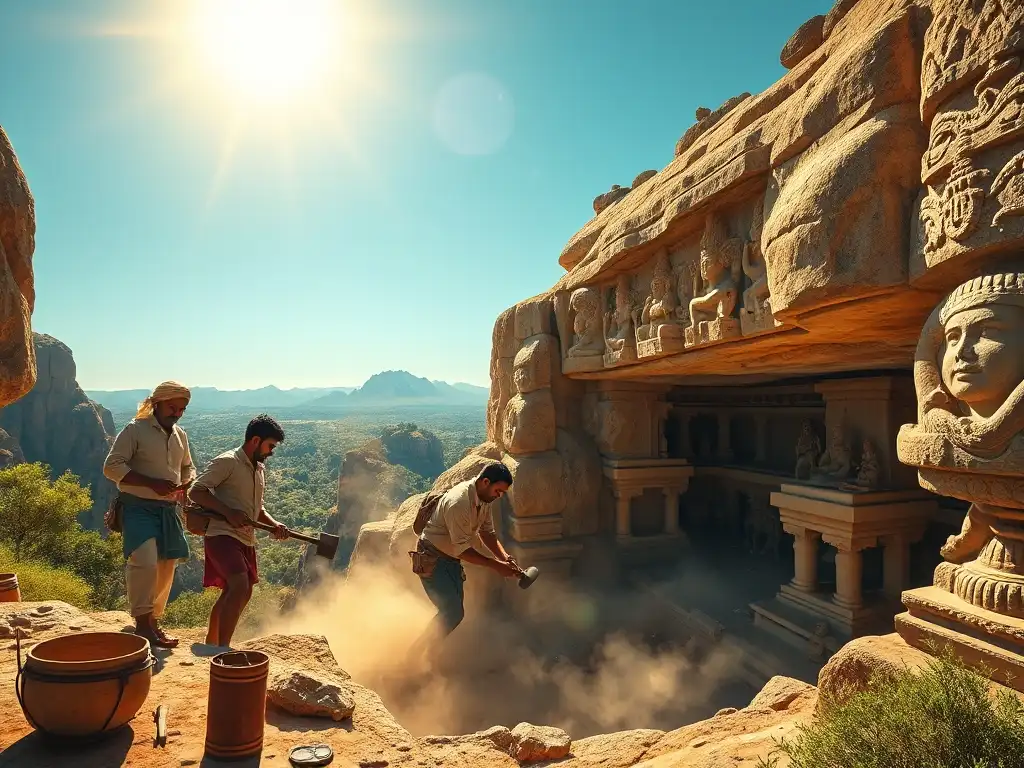
The art of rock-cut cave architecture in ancient India showcases an extraordinary blend of creativity, engineering, and artistry. The techniques employed by ancient sculptors were not merely about carving stone; they involved intricate planning and a deep understanding of geology. The process typically began with selecting a suitable rock face, often granite or basalt, which was both durable and workable. Once the site was chosen, artisans would meticulously outline the design, often using chalk or other markers to delineate the intended figures and structural elements.
To create the cave interiors and exteriors, sculptors utilized a combination of chiseling and hammering techniques. They used simple yet effective tools, such as chisels made from iron and wooden mallets, to remove large volumes of rock. The precision required in this process is noteworthy; the sculptors had to maintain a steady hand to ensure that the intricate details of their designs were not lost. The final touches were often completed with finer tools to achieve the smooth finishes characteristic of many rock-cut caves.
Tools and Methods Used in Sculpting Rock-Cut Caves
The tools and methods adopted by ancient Indian sculptors were pivotal in shaping the rock-cut caves that we admire today. Some of the primary tools included:
- Iron Chisels: These were essential for cutting and shaping the rock. They came in various sizes and were used to create both large structural components and detailed carvings.
- Wooden Mallets: Used in conjunction with chisels, wooden mallets helped in striking the chisels to effectively chip away at the rock.
- Pointing Devices: These tools assisted in maintaining proportions and dimensions, ensuring that the sculptures were accurately rendered according to the initial sketches.
The methods employed were labor-intensive and required a high level of skill. Artisans often worked in teams, with each member specializing in different aspects of the carving process. The collaborative effort not only increased efficiency but also allowed for a diverse range of artistic styles to flourish across different regions of ancient India.
Challenges Faced by Ancient Sculptors
The creation of rock-cut caves was fraught with challenges that tested the skills and perseverance of ancient Indian sculptors. One of the most significant obstacles was the inherent unpredictability of the rock itself. Variations in hardness, fissures, and cracks could complicate the carving process, requiring sculptors to adapt their techniques on the fly to avoid damaging their work.
Additionally, the physical demands of working in such environments were substantial. Sculptors often had to contend with limited light sources, which made detailed work more difficult. They also faced the risks associated with working at heights or in confined spaces, which could lead to accidents. The labor was not only physically taxing but also required immense patience, as intricate designs could take years to complete.
Cultural and Religious Significance of Rock-Cut Caves
Rock-cut caves in ancient India served as more than mere architectural feats; they were imbued with profound cultural and religious significance. These caves were often constructed as monastic complexes, serving as living quarters for monks and spaces for meditation and worship. The intricate carvings and sculptures adorning the walls depicted various religious themes, from Buddhist motifs to Hindu deities, reflecting the diverse spiritual landscape of the time.
Role of Rock-Cut Caves in Ancient Indian Religion
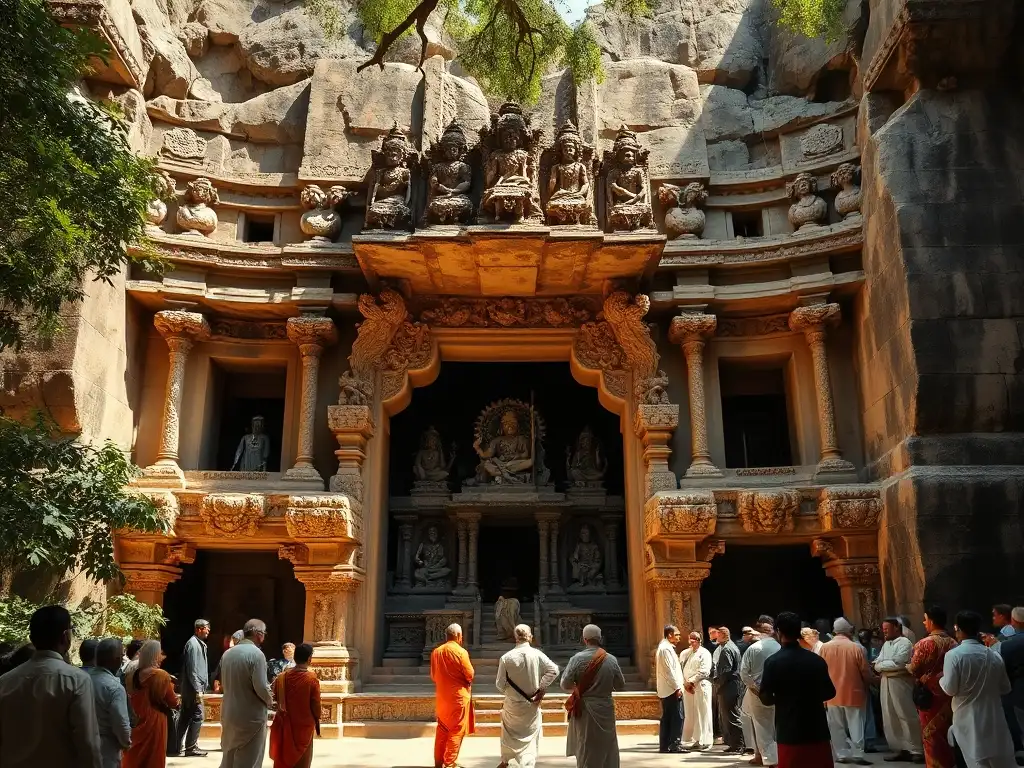
In the context of ancient Indian religion, rock-cut caves played a pivotal role in the dissemination and practice of spiritual beliefs. Many caves were dedicated to specific deities, becoming pilgrimage sites for devotees seeking spiritual enlightenment. The architectural design of these caves often included chaityas (prayer halls) and viharas (monasteries), which facilitated communal worship and meditation.
The intricate sculptures found within these caves served as visual narratives of religious stories, making them accessible to followers. This democratization of religious art allowed for a broader understanding of spiritual teachings among the general populace, reinforcing the caves' significance as centers of religious life.
Preservation of Culture Through Rock-Cut Caves
Rock-cut caves are not only historical artifacts but also vital repositories of ancient Indian culture. They encapsulate the artistic styles, religious beliefs, and societal values of the time. By preserving these caves, we gain insights into the daily lives of the people who inhabited them, as well as their artistic expressions.
Moreover, these caves have become symbols of cultural heritage, attracting scholars, historians, and tourists alike. Efforts to preserve and protect these sites ensure that future generations can continue to study and appreciate the ingenuity and creativity of ancient Indian civilizations. The rock-cut caves thus stand as enduring legacies, bridging the past and present, and enriching our understanding of ancient India's multifaceted history.
Conclusion: Legacy of Ancient Indian Rock-Cut Caves
The rock-cut caves of ancient India stand as a testament to the ingenuity and artistic prowess of Indian civilizations. These remarkable structures, carved directly into solid rock, showcase not only advanced engineering techniques but also the philosophical and spiritual depth of the societies that created them. The legacy of these caves is multifaceted, influencing not just the architectural landscape of India but also contributing significantly to the cultural and religious narratives that have shaped the subcontinent over millennia.
As we reflect on the significance of these caves, we find that they have left an indelible mark on both the historical narrative and the artistic expressions of subsequent generations. The intricate sculptures, exquisite carvings, and elaborate frescoes found within these caves serve as valuable resources for understanding the societal values, religious beliefs, and artistic practices of ancient India. Furthermore, they continue to inspire modern architects and artists, revealing the timeless nature of creativity and innovation.
Lasting Impact on Indian Architecture and Culture
The impact of ancient Indian rock-cut caves extends well beyond their immediate geographical regions. Architecturally, they have inspired a variety of styles and techniques in later constructions, including temples, monasteries, and public buildings. The principles of cave architecture, such as the use of natural materials, integration with the landscape, and emphasis on spirituality, can be seen echoed in many modern structures across India.
Culturally, these caves have become focal points of pilgrimage and tourism, attracting visitors from around the world. They serve as vital links to India's past, fostering a sense of identity and continuity among contemporary Indians. Moreover, the themes depicted in the sculptures and murals—ranging from mythological narratives to everyday life—continue to resonate with modern audiences, reflecting universal human experiences and values.
Lessons from Ancient Sculptural Techniques for Modern Architecture
The ancient sculptural techniques employed in the creation of rock-cut caves offer valuable lessons for contemporary architecture. For instance, the meticulous attention to detail and the harmonious integration of art and structure in these caves underscore the importance of craftsmanship and design in modern architectural practices. The use of local materials and respect for the environment demonstrated by ancient builders can inform sustainable architecture today, encouraging architects to draw inspiration from their surroundings and to minimize ecological footprints.
Furthermore, the spiritual and communal aspects embedded in the design of these caves remind us of the need to create spaces that foster connection and reflection in our fast-paced world. As modern architects seek to create meaningful environments, the principles and philosophies of ancient Indian rock-cut caves can guide them in producing structures that resonate with both functionality and human experience.
References and Further Reading
Suggested Books and Articles on Ancient Indian Rock-Cut Caves
- "Rock-Cut Caves of India" by K. K. Das – This comprehensive guide provides insights into various rock-cut caves across India, detailing their history, architecture, and significance.
- "The Art and Architecture of Ancient India" by Benjamin Rowland – An exploration of the broader context of Indian art and architecture, with sections dedicated to rock-cut caves and their cultural implications.
- "Caves and Cave Temples of India" by Jyotindra Jain – This book focuses on the artistic and spiritual dimensions of cave temples, emphasizing their role in Indian cultural heritage.
Online Resources for Exploring Rock-Cut Caves
- Archaeological Survey of India: The official website features extensive information on various rock-cut caves, including historical context, architectural details, and conservation efforts.
- Cultural India: This online portal offers articles, images, and resources related to the rock-cut caves of India, making it an excellent starting point for further exploration.
- Virtual Tours: Several platforms provide virtual tours of famous rock-cut caves, allowing enthusiasts to experience these architectural marvels from the comfort of their homes.
- Introduction to Ancient Indian Rock-Cut Caves
- Overview of Rock-Cut Architecture in Ancient India
- Significance of Rock-Cut Caves in Indian History
- Historical Context of Rock-Cut Caves
- Key Features of Ancient Indian Rock-Cut Caves
- Distinctive Sculptural Techniques Used in Rock-Cutting
- Architectural Styles of Rock-Cut Caves
- Major Rock-Cut Cave Sites in Ancient India
- Techniques Behind Rock-Cutting
- Tools and Methods Used in Sculpting Rock-Cut Caves
- Challenges Faced by Ancient Sculptors
- Cultural and Religious Significance of Rock-Cut Caves
- Role of Rock-Cut Caves in Ancient Indian Religion
- Preservation of Culture Through Rock-Cut Caves
- Conclusion: Legacy of Ancient Indian Rock-Cut Caves
- References and Further Reading
Frequently Asked Questions
What are ancient Indian rock-cut caves?
Ancient Indian rock-cut caves are man-made structures carved into solid rock, primarily used as monasteries, temples, and burial sites. They showcase the artistic and architectural skills of ancient Indian civilizations.
Why are the rock-cut caves significant in Indian history?
The rock-cut caves reflect the cultural and religious practices of ancient India, serving as vital historical sources. They highlight the ingenuity of ancient architects and their ability to create intricate sculptures and frescoes.
Which ancient Indian civilizations are known for rock-cut caves?
Prominent civilizations known for rock-cut caves include the Indus Valley Civilization, as well as the Buddhist, Jain, and Hindu communities during the Maurya and Gupta periods.
What techniques were used to create these rock-cut caves?
Ancient artisans employed various techniques, such as chisel and hammer methods, to carve out the caves. They also utilized sculptural techniques to create detailed figures and ornate decorations.
Where can some famous rock-cut caves be found in India?
Famous rock-cut caves include the Ajanta Caves, known for their Buddhist frescoes, and the Ellora Caves, which feature Hindu, Buddhist, and Jain rock-cut architecture. Other notable sites include the Badami and Karli Caves.
Final Reflection: The Enduring Legacy of Ancient Indian Rock-Cut Caves
The artistry and ingenuity of ancient Indian rock-cut caves remain profoundly relevant today, as they not only showcase the remarkable craftsmanship of our ancestors but also serve as a testament to the cultural and spiritual heritage that continues to inspire modern society. These architectural marvels remind us of the incredible human capacity for creativity and innovation, urging us to appreciate and preserve our historical legacies in an ever-evolving world.
The influence of these ancient rock-cut caves extends beyond their physical presence; they resonate deeply within our cultural consciousness, shaping our understanding of art, architecture, and spirituality. The intricate carvings and the stories they tell connect us to a time when art was a medium of expression and devotion. Art is the most beautiful of all lies.
This quote encapsulates the essence of the rock-cut caves, as they invite us to explore the depths of human emotion and experience through their timeless beauty.
As we reflect on the lessons imparted by these ancient structures, let us embrace the call to honor and protect our cultural heritage. Consider how you can engage with the stories and artistry of the past in your own life, whether through exploration, education, or preservation efforts. By doing so, we not only celebrate the ingenuity of our ancestors but also ensure that their legacy continues to inspire future generations.
Unveil the Wonders of Ancient Sculptures!
Thank you for diving into the fascinating world of the rock-cut caves and the ingenious sculptural techniques of ancient India! Your journey through history has equipped you with valuable insights into the artistry and perseverance of our ancestors. Now, it's time to take that knowledge further!
Here’s how you can engage more deeply with this rich heritage:
- Join a local tour or participate in a virtual museum visit to experience these majestic caves firsthand.
- Share your newfound knowledge by discussing what you've learned with friends or on social media—spark conversations that celebrate our ancient culture!
- Delve into related topics by reading about other ancient monuments or architectural wonders to broaden your understanding of historical craftsmanship.
What story of ancient India inspires you the most, and how will you share it with others?