
The Intersection of Mathematics and Art in Ancient India

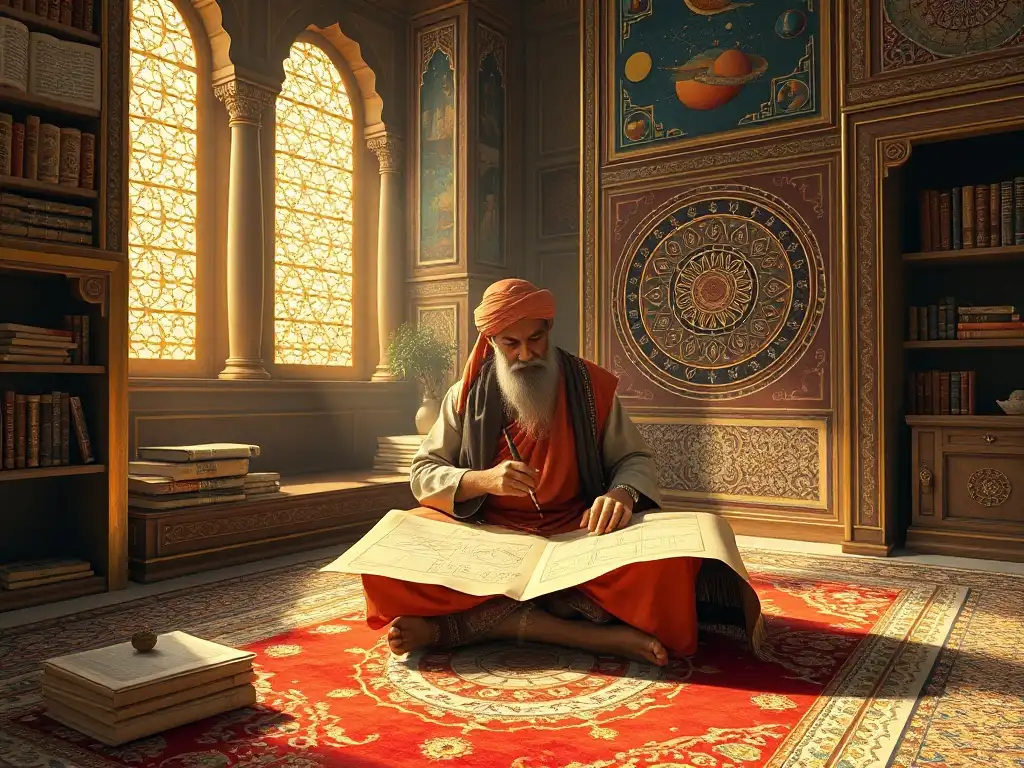
Welcome to Ancient India History, where we embark on a captivating journey through the rich tapestry of India's past! Dive deep into the profound intersection of mathematics and art in ancient India, where creativity and logic coalesce to reveal the brilliance of civilizations that flourished millennia ago. From the intricate designs of the Indus Valley to the sophisticated geometries of the Gupta Empire, discover how these ancient societies laid the groundwork for modern thought and artistry.
Prepare to be intrigued and inspired as we unravel the remarkable contributions that have shaped our understanding of both mathematics and art. Explore further to unlock the secrets of this fascinating era!
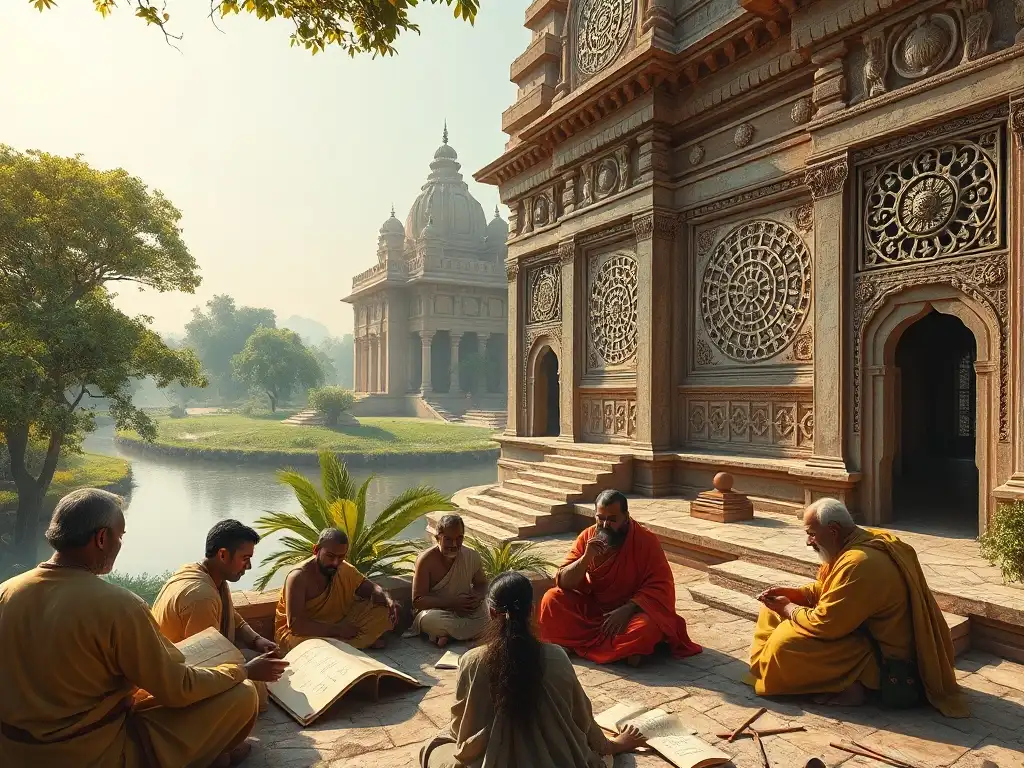
The rich tapestry of ancient Indian civilization weaves together various strands of knowledge, culture, and artistic expression, with mathematics and art at its core. The interplay between these two domains not only reflects the intellectual pursuits of ancient Indian societies but also showcases how they influenced and enriched one another.
From the geometric precision found in temple architecture to the mathematical principles underlying traditional Indian art forms, the synergy between mathematics and art is a defining feature of ancient Indian heritage. This article delves into the profound connections between ancient Indian mathematics and art, illustrating how these disciplines shaped the cultural landscape of the time and continue to inspire modern thinkers.
Introduction to Ancient Indian Mathematics and Art
Overview of Ancient Indian Civilizations
Ancient India, characterized by its diverse civilizations such as the Indus Valley Civilization, Vedic society, and the later Maurya and Gupta empires, was a cradle of innovation and creativity. Each of these civilizations contributed uniquely to the development of mathematics and art. The Indus Valley Civilization, for instance, is noted for its advanced urban planning and architectural feats, which required sophisticated mathematical understanding. As time progressed, the Vedic texts introduced concepts of zero and infinity, marking significant milestones in mathematical thought.
- Key Civilizations:
- Indus Valley Civilization: Known for urban planning and drainage systems.
- Vedic Society: Introduced foundational concepts in mathematics.
- Maurya and Gupta Empires: Flourished in arts and sciences, including mathematics.
Significance of Mathematics and Art in Ancient Culture
Mathematics and art were not merely academic subjects in ancient India; they were integral to religious, philosophical, and cultural practices. The ancient Indians viewed mathematics as a means to understand and represent the universe, while art served as a medium for expressing spiritual and philosophical ideas. The intricate designs of mandalas and the mathematical symmetry in temple architecture exemplify how mathematics underpinned artistic expression.
- Interconnectedness:
- Religious Significance: Many art forms were created for religious rituals and ceremonies.
- Philosophical Inquiry: Mathematics was often used to explore metaphysical concepts.
Historical Context of Mathematics and Art in Ancient India
Evolution of Mathematical Concepts
The history of mathematics in ancient India is marked by significant advancements, particularly during the Gupta period (approximately 320 to 550 CE), often referred to as the "Golden Age of India." Scholars such as Aryabhata and Brahmagupta made groundbreaking contributions to arithmetic, algebra, and geometry. These mathematical concepts were often reflected in art, such as in the proportions and symmetry of sculptures and frescoes, showcasing a deep understanding of geometric principles.
- Notable Mathematicians:
- Aryabhata: Introduced the concept of zero and made advancements in trigonometry.
- Brahmagupta: Developed rules for arithmetic operations and solved quadratic equations.
Artistic Expressions in Ancient Indian Society
Art in ancient India was not only a form of aesthetic expression but also a means of conveying complex mathematical ideas. The construction of temples, sculptures, and paintings often adhered to strict mathematical principles, demonstrating a harmony of beauty and precision. For instance, the intricate carvings of the Khajuraho temples exhibit symmetrical patterns that reflect a profound understanding of geometry and design.
- Art Forms:
- Architecture: Temples built with precise geometric designs.
- Sculpture: Figures that embody mathematical proportions and symmetry.
- Painting: Use of patterns and shapes that reflect mathematical concepts.
By exploring the intersection of mathematics and art in ancient India, we gain insight into the innovative spirit of these civilizations and their lasting contributions to the fields of mathematics and artistic expression.
Key Contributions of Ancient Indian Mathematicians to Art
Ancient Indian mathematicians made significant strides not only in the realm of mathematics but also in how these mathematical concepts were beautifully intertwined with art. Their contributions laid the groundwork for an understanding of geometry, symmetry, and proportion, which became essential in various art forms. This intersection of mathematics and art is evident in architecture, sculpture, and intricate designs found in textiles and paintings. The mathematicians of ancient India not only advanced numerical systems but also transformed these concepts into artistic expressions that have endured through centuries.
Contributions of Aryabhata to Mathematical Art
Aryabhata, one of the most prominent mathematicians of ancient India, made groundbreaking contributions that bridged mathematics and art. He lived during the 5th century CE and is best known for his work, the Aryabhatiya, in which he introduced concepts such as the place value system and algorithms that are fundamental to mathematics today. His exploration of trigonometric functions did not just influence mathematical theory; it also had a profound impact on art forms that required precise measurements and calculations.
Aryabhata's insights into geometry facilitated the creation of complex patterns in architectural designs and sculptures. For instance, his work on circular motion and the calculation of areas and volumes directly informed the construction of domes and arches in temples. The mathematical precision that Aryabhata promoted allowed artisans to create harmonious and aesthetically pleasing structures that reflected the beauty of the universe, merging the scientific with the artistic.
Brahmagupta's Influence on Mathematics and Art
Brahmagupta, a 7th-century mathematician, further enriched the relationship between mathematics and art through his seminal text, the Brahmasphutasiddhanta. He introduced rules for arithmetic operations and algebraic equations, which were crucial in the development of mathematical artistry. Brahmagupta's work extended to the calculation of areas of various geometric figures, enabling artists and architects to apply these principles in their designs.
His influence is particularly notable in the context of astronomical calculations, which were vital for temple alignments and construction. The geometric methods he described allowed artisans to create intricate carvings and motifs that adhered to mathematical principles, thus enhancing the visual appeal and structural integrity of artistic works. The legacy of Brahmagupta not only advanced mathematics but also provided a framework for creating art that was mathematically informed and visually captivating.
The Role of Geometry in Ancient Indian Art
Geometry played a pivotal role in ancient Indian art, serving as a foundational element in various forms of artistic expression. The precise use of geometric shapes and spatial relationships was crucial for the development of architectural styles, sculptures, and decorative arts. This mathematical framework allowed artists to create works that were not only aesthetically pleasing but also symbolically significant, reflecting deeper philosophical and cosmological concepts.
Geometric Principles in Architecture
The application of geometric principles in ancient Indian architecture is exemplified in the construction of temples and public structures. Architects used concepts such as symmetry, proportion, and balance to establish harmonious designs. For instance, the layout of many temples follows a square or rectangular plan, which reflects the cosmic order and the principles of Vastu Shastra (the science of architecture).
Moreover, the use of mandalas, which are geometric configurations representing the universe, is a notable feature in temple design. These intricate patterns often guided the placement of deities and the overall spatial organization of the temple, embodying both mathematical precision and artistic beauty. The integration of geometry in architectural designs exemplifies how ancient Indian art was deeply rooted in mathematical concepts, creating spaces that were functional, sacred, and visually stunning.
Patterns and Symmetry in Traditional Art Forms
Traditional Indian art forms, such as Madhubani and Warli painting, showcase the intricate use of patterns and symmetry influenced by mathematical principles. Artists meticulously create repetitive patterns that evoke a sense of order and balance, often reflecting themes from nature and mythology. The symmetry found in these artworks is not merely decorative; it embodies philosophical ideas about harmony and unity in the universe.
In textiles, the weaving of elaborate patterns often employs geometrical shapes, such as triangles, squares, and circles, which are used to create stunning visual effects. The mathematical concepts of tessellation and fractals can also be observed in various forms of traditional art, where the careful arrangement of shapes enhances the overall aesthetic appeal. Through these artistic expressions, ancient Indian artists demonstrated a profound understanding of geometry, transforming mathematical concepts into culturally significant art forms that continue to inspire and captivate audiences today.
The Interplay Between Mathematics and Visual Art
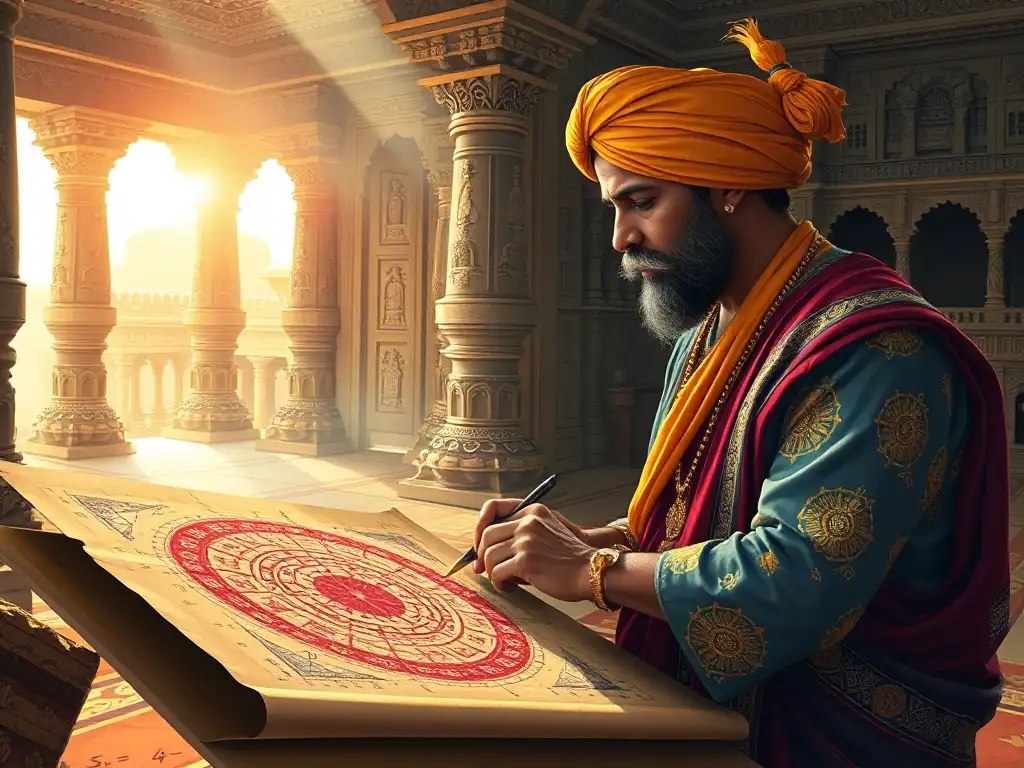
In ancient India, the worlds of mathematics and visual art were intricately connected. Artists and mathematicians shared a common language based on geometric principles, symmetry, and proportion, resulting in masterpieces that reflect both aesthetic beauty and mathematical precision. This interplay is evident in various forms of art, from temple architecture to intricate sculpture, showcasing how mathematical concepts were not merely tools but essential elements in the creative process.
Mathematics provided artists with the means to achieve balance and harmony in their works. The application of geometric shapes and patterns can be seen in numerous art forms, including frescoes, murals, and textiles. Moreover, the concept of zero and the decimal system, which flourished in ancient India, influenced artistic representations and measurements, allowing for more complex designs and compositions. This synergy between mathematics and art highlights the intellectual depth of ancient Indian civilizations, underscoring their contributions to both fields.
Mathematical Proportions in Sculpture
Sculpture in ancient India often adhered to specific mathematical proportions, which were believed to reflect divine beauty. The ancient texts, such as the "Shilpa Shastras," provided detailed guidelines on the ideal measurements for various forms of sculpture, ensuring that artistic representations conformed to established aesthetic standards. These texts emphasized the importance of proportion, symmetry, and balance, which were crucial in creating lifelike representations of deities and figures.
One notable example is the sculptures of the Gupta period, where the proportions of the human figure were meticulously calculated. The use of the golden ratio, a mathematical ratio often found in nature and art, can be observed in these works, leading to more harmonious and visually appealing figures. This mathematical approach not only enhanced the aesthetic quality but also imbued the sculptures with a sense of spiritual significance, as they were intended to evoke divine presence.
The Use of Mathematical Concepts in Painting
In painting, ancient Indian artists employed mathematical concepts to create intricate compositions and designs. The use of geometry, particularly in the creation of mandalas and religious iconography, showcases how mathematical principles were integral to artistic expression. Mandalas, for instance, are circular designs that represent the universe and are constructed using precise geometric shapes and symmetrical patterns. The careful arrangement of these elements not only serves spiritual purposes but also reflects the underlying mathematical framework.
Additionally, techniques such as perspective and proportion were utilized in mural paintings, especially in the depiction of narratives from epics like the Mahabharata and Ramayana. Artists would apply mathematical ratios to ensure that figures and backgrounds were proportionate, contributing to the overall coherence of the artwork. This fusion of mathematics and painting not only enriched the visual experience but also conveyed deeper philosophical and cultural meanings.
Case Studies of Mathematics in Ancient Indian Art
Analysis of Specific Works of Art
Several renowned works of art exemplify the intersection of mathematics and artistic expression in ancient India. The Khajuraho temples, famous for their intricate carvings and sculptures, are a prime example. The temple architecture employs geometric patterns and proportions that reflect both aesthetic beauty and structural integrity. Each sculpture adheres to specific mathematical guidelines, resulting in a harmonious visual narrative that captures the essence of divine love and spirituality.
Another significant work is the Ajanta Caves, where murals and frescoes are adorned with elaborate geometric designs. The artists’ use of symmetry and proportion in these paintings not only enhances their beauty but also aligns with the spiritual themes depicted. The careful planning and execution of these artworks demonstrate an advanced understanding of mathematical principles, illustrating how deeply intertwined mathematics and art were in ancient Indian culture.
Impact on Later Artistic Movements
The mathematical principles and artistic techniques developed in ancient India laid the groundwork for later artistic movements, both in the Indian subcontinent and beyond. The emphasis on proportion and symmetry influenced the styles of subsequent periods, such as the Mughal era, where artists integrated these concepts with Persian influences to create unique works of art.
Furthermore, the mathematical approaches to art in ancient India resonated with later Western art movements, particularly during the Renaissance. The revival of classical knowledge, including mathematical concepts, inspired artists like Leonardo da Vinci and Albrecht Dürer, who applied similar principles in their own works. Thus, the legacy of ancient Indian mathematics and art continues to inspire and inform artistic practices across cultures and eras, highlighting the enduring significance of this intersection.
Conclusion: Legacy of Ancient Indian Mathematics and Art
The legacy of ancient Indian mathematics and art is profound and multifaceted, showcasing a remarkable intersection of numerical precision and aesthetic expression. Ancient Indian scholars not only excelled in mathematics but also integrated their findings into various art forms, demonstrating that the realms of logic and creativity are not mutually exclusive.
The intricate designs of temple architecture, the geometrical patterns found in traditional Indian art, and the mathematical concepts embedded in ancient texts like the Sulbasutras highlight a sophisticated understanding of both disciplines. This rich heritage continues to influence contemporary practices, reminding us that the pursuit of knowledge can lead to beautiful and harmonious outcomes.
The Continued Influence of Ancient Indian Practices
The influence of ancient Indian mathematics is evident in various aspects of modern life, from architecture to digital technologies. Concepts such as zero, the decimal system, and advanced geometrical principles laid the groundwork for modern mathematics. Furthermore, traditional Indian art forms, including Rangoli and Mandala designs, showcase intricate mathematical patterns that are still practiced today. These practices not only preserve cultural heritage but also encourage a new generation of mathematicians and artists to explore the relationship between numbers and aesthetics.
Reflections on the Interconnection of Mathematics and Art in Modern Contexts
In today’s world, the intersection of mathematics and art is more relevant than ever. With the rise of digital art and computer graphics, mathematical algorithms are utilized to create stunning visual displays. Moreover, educational initiatives increasingly emphasize the importance of combining STEM (Science, Technology, Engineering, and Mathematics) with the arts to foster creativity and innovation. As we reflect on the contributions of ancient Indian civilizations, it becomes clear that their holistic approach to learning and creativity continues to inspire contemporary thinkers, artists, and mathematicians alike.
References and Further Reading on Ancient Indian Mathematics and Art
Suggested Books and Articles
- Mathematics in India by Kim Plofker: This book provides an in-depth exploration of the development of mathematics in ancient India, including its artistic applications.
- Indian Art and Architecture by James C. Harle: A comprehensive guide that examines the artistic achievements of ancient Indian cultures, with a focus on mathematical principles in design.
- The History of Indian Mathematics by C. V. Durell: This article outlines key mathematicians and their contributions, emphasizing the artistic elements in their works.
Online Resources for Further Exploration
- The Digital South Asia Library: A resource offering digitized texts and materials related to ancient Indian mathematics and art.
- The Indian Mathematical Society: An organization that provides access to research papers and articles on the history of mathematics in India.
- The National Gallery of Modern Art, India: An online collection showcasing the intersection of traditional Indian art and modern mathematical concepts.
These resources serve as gateways to further understanding the rich tapestry of ancient Indian mathematics and art, encouraging exploration and appreciation of this unique heritage.
- Introduction to Ancient Indian Mathematics and Art
- Historical Context of Mathematics and Art in Ancient India
- Key Contributions of Ancient Indian Mathematicians to Art
- The Role of Geometry in Ancient Indian Art
- The Interplay Between Mathematics and Visual Art
- Case Studies of Mathematics in Ancient Indian Art
- Conclusion: Legacy of Ancient Indian Mathematics and Art
- References and Further Reading on Ancient Indian Mathematics and Art
- What role did mathematics play in ancient Indian art?
- How did ancient Indian mathematicians contribute to the field?
- What are some examples of art forms influenced by mathematical principles in ancient India?
- How did the cultural context of ancient India enhance the relationship between mathematics and art?
- Are there any modern applications of ancient Indian mathematics and art techniques?
Frequently Asked Questions
What role did mathematics play in ancient Indian art?
Mathematics was fundamental in creating intricate designs and architecture, particularly in temples, where geometry was essential for symmetry and proportion.
How did ancient Indian mathematicians contribute to the field?
Ancient Indian mathematicians, like Aryabhata and Brahmagupta, made significant contributions, including the concept of zero and advancements in algebra, influencing both mathematics and art.
What are some examples of art forms influenced by mathematical principles in ancient India?
Examples include mandalas, which use geometric patterns, and temple carvings that reflect advanced understanding of symmetry and proportionality.
How did the cultural context of ancient India enhance the relationship between mathematics and art?
The cultural emphasis on spirituality and aesthetics in ancient India fostered an environment where mathematical precision was celebrated in various art forms, enhancing their visual impact.
Are there any modern applications of ancient Indian mathematics and art techniques?
Yes, contemporary artists and architects often draw inspiration from ancient techniques, utilizing geometric patterns and proportional designs in their work, bridging the gap between the past and present.
Final Reflection: The Timeless Dance of Mathematics and Art in Ancient India
The intricate relationship between ancient Indian mathematics and art continues to resonate in our modern world, showcasing the profound impact of these disciplines on culture and creativity. As we explore the legacy of ancient Indian scholars and artists, we uncover a rich tapestry woven with precision, beauty, and innovation that transcends time. The brilliance of their work not only laid the foundation for future advancements but also serves as a reminder of the interconnectedness of knowledge and expression.
The influence of ancient Indian mathematics and art can be seen in contemporary practices, where the principles of symmetry, geometry, and proportion still guide artists and mathematicians alike. The seamless integration of these fields fosters a deeper appreciation for the beauty of the universe and the patterns that govern it. As noted by the renowned mathematician Srinivasa Ramanujan, “An equation for me has no meaning unless it represents a thought of God.” This sentiment encapsulates the spiritual and philosophical dimensions that ancient Indian thinkers infused into their work, highlighting the enduring relevance of their contributions.
As we reflect on the lessons from ancient Indian mathematics and art, let us embrace the call to explore our own creative potential and the connections between different fields of knowledge. Consider how you can incorporate the principles of harmony and balance into your life, whether through artistic expression, analytical thinking, or simply appreciating the beauty around you. The legacy of ancient India invites us to cultivate curiosity and creativity, reminding us that the pursuit of knowledge is not just an academic endeavor, but a lifelong journey that enriches our understanding of the world and ourselves.
Unveil the Beauty of Mathematics and Art in Your Life!
Thank you for delving into the fascinating intersection of mathematics and art in ancient India! We hope you gained valuable insights into how these disciplines intertwined to create remarkable cultural achievements. Now, let’s take this knowledge a step further and explore ways you can experience this blend in your everyday life.
Here are some engaging actions you can take:
- Create your own geometric art! Use patterns or shapes inspired by ancient Indian art to design a unique piece that reflects your personal style.
- Explore local museums or galleries that showcase the relationship between mathematics and art. Seek out exhibitions that highlight similar themes and engage in discussions about your discoveries with friends.
- Join an online community dedicated to the fusion of art and mathematics, where you can share your creations and learn from others who are equally passionate about this intersection.
What masterpiece will you create that captures the essence of both art and mathematics? Share your thoughts below!