
Ancient Indian Cuisine: A Fusion of Flavors from Neighboring Civilizations

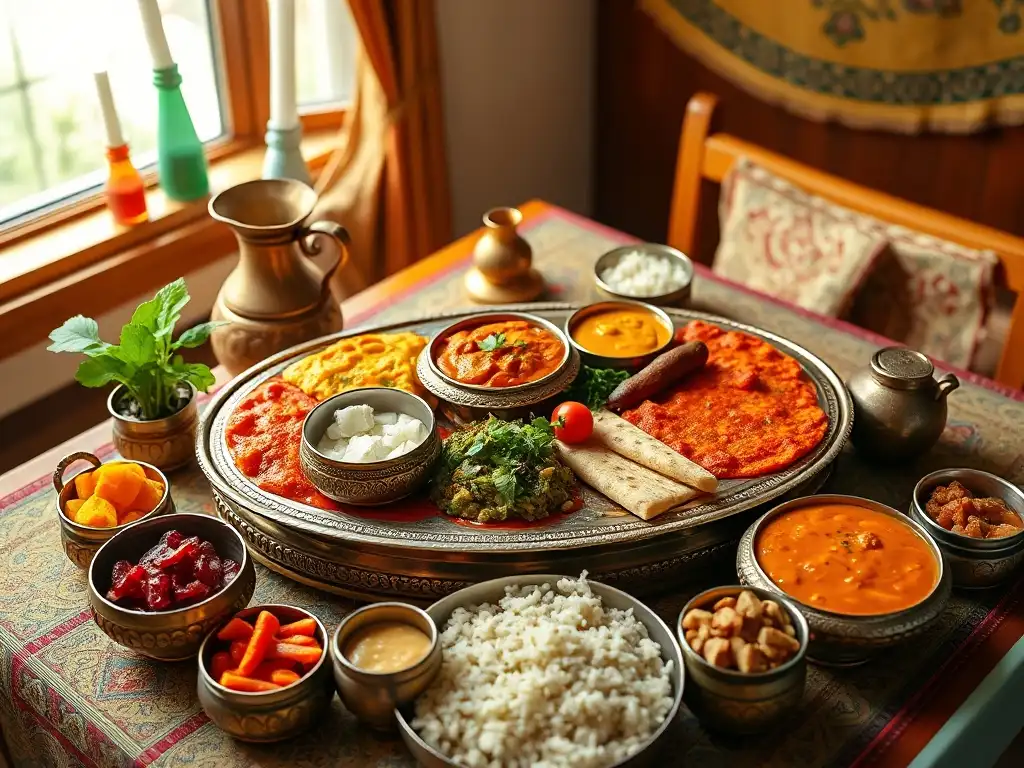
Welcome to Ancient India History, where we delve deep into the rich tapestry of ancient Indian civilizations and their remarkable contributions to the world. In this article, we invite you to savor the intriguing flavors of Ancient Indian culinary traditions, which showcase a fascinating fusion of influences from neighboring cultures. As we explore the delectable dishes and cooking techniques that have been passed down through generations, you'll uncover the stories behind the spices and ingredients that shaped a vibrant culinary landscape.
Join us on this flavorful journey and discover how food not only nourished the body but also bridged cultures and fostered connections across time. Ready to indulge your curiosity? Let's dive in!
Ancient Indian culinary traditions are a vibrant tapestry woven from the threads of diverse cultures and influences that have traversed the Indian subcontinent over millennia. From the fertile banks of the Indus Valley to the flourishing courts of the Gupta Empire, the evolution of Indian cuisine reflects not only the agricultural bounty of the land but also the rich interactions with neighboring civilizations. This article delves into how trade, migration, and cultural exchanges have shaped the flavors and cooking techniques that define ancient Indian cuisine, illustrating the profound impact of these interactions on the culinary landscape.
The Indus Valley Civilization: Culinary Foundations
The roots of ancient Indian cuisine can be traced back to the Indus Valley Civilization, which thrived around 2500 BCE. This sophisticated society laid the groundwork for a variety of culinary practices that would evolve over time. Archaeological findings suggest that the people of this civilization cultivated wheat, barley, and pulses, which became staples in their diet.
- Key Ingredients:
- Wheat: Used to make bread and porridge.
- Barley: Consumed in various forms, often brewed into beverages.
- Pulses: Lentils and chickpeas formed a significant part of their diet.
The Influence of Neighboring Cultures
As ancient India engaged with neighboring civilizations, such as Persia and Central Asia, its culinary traditions began to absorb new flavors and techniques. Trade routes facilitated the exchange of spices, herbs, and cooking methods, leading to a fusion of culinary practices.
- Persian Influence:
- The introduction of saffron and dried fruits enriched Indian sweets and savory dishes.
- Cooking methods such as dum (slow cooking) became prevalent.
- Central Asian Contributions:
- The arrival of nomadic tribes brought meat-centric dishes and methods of preservation, such as drying and smoking.
The Role of Religion and Philosophy in Cuisine
Religious beliefs and philosophical teachings also played a significant role in shaping ancient Indian culinary traditions. The principles of Ayurveda, for instance, guided food preparation and consumption, emphasizing balance and health.
- Vegetarianism:
- Influenced by Jain and Hindu beliefs, vegetarianism became a significant aspect of many ancient Indian diets, leading to the creative use of vegetables and legumes.
- Spices and Their Significance:
- Spices were not only used for flavor but also for their medicinal properties, reflecting the intertwining of health and culinary practices.
Regional Variations and Innovations
The vast geography of India led to the development of distinct regional cuisines, each reflecting local ingredients and cultural influences.
- North Indian Cuisine:
- Characterized by the use of dairy products like paneer and ghee, alongside robust spices.
- South Indian Cuisine:
- Known for its rice-based dishes and the liberal use of coconut and tamarind.
As we explore ancient Indian culinary traditions, we uncover a rich narrative of how flavors, ingredients, and cooking methods evolved through interactions with neighboring civilizations, creating a diverse and dynamic culinary heritage. This journey not only highlights the importance of food in cultural exchanges but also emphasizes the role of cuisine as a reflection of history and identity.
- The Indus Valley Civilization: Culinary Foundations
- The Influence of Neighboring Cultures
- The Role of Religion and Philosophy in Cuisine
- Regional Variations and Innovations
- What are the key influences on ancient Indian culinary traditions?
- How did the Indus Valley Civilization contribute to Indian cuisine?
- What role did spices play in ancient Indian cooking?
- How did the Gupta Empire influence culinary practices?
- What are some traditional cooking methods used in ancient Indian cuisine?
Introduction to Ancient Indian Culinary Traditions
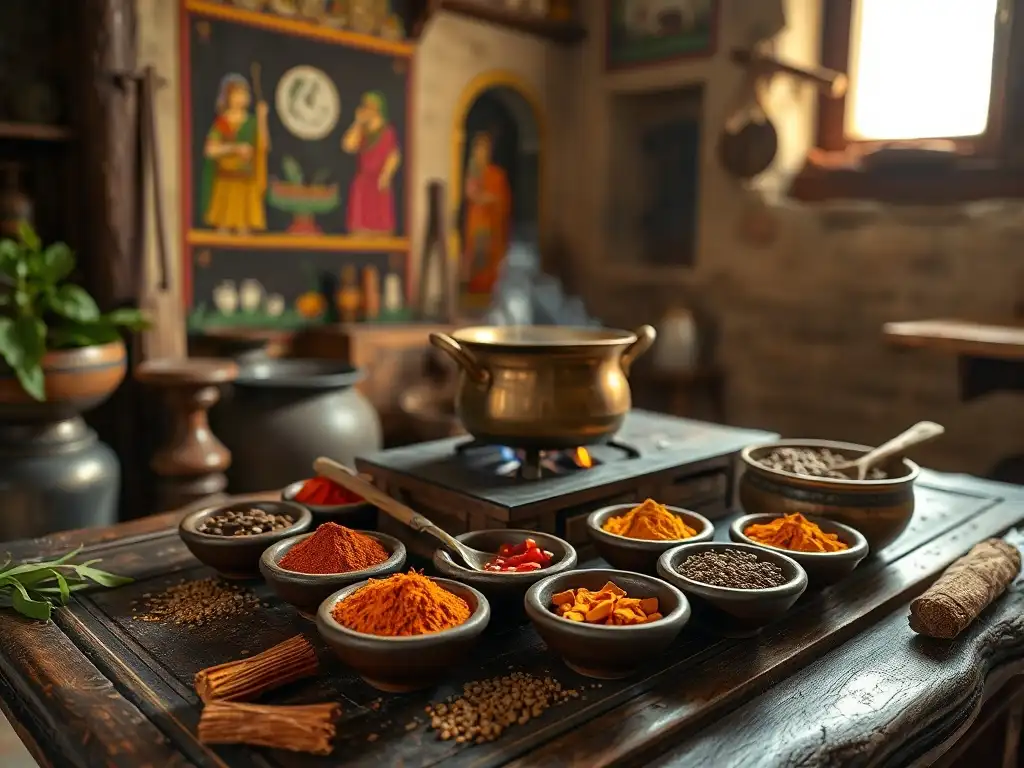
Ancient Indian culinary traditions reflect a rich tapestry of flavors, ingredients, and techniques influenced by centuries of interactions with neighboring civilizations. The evolution of these traditions not only highlights the diversity of regional practices but also underscores the significance of food as a medium of cultural exchange. By examining the various components that shaped ancient Indian cuisine, we can appreciate the depth and complexity of its legacy.
Overview of Ancient Indian Cuisine
Ancient Indian cuisine is characterized by its remarkable diversity, stemming from the subcontinent's varied geography, climate, and cultural influences. The origins of Indian culinary practices can be traced back to the Indus Valley Civilization (circa 2500-1500 BCE), where archaeologists have uncovered evidence of early farming, trade, and food preparation techniques. Key elements that define ancient Indian cuisine include:
- Staple Foods: Grains such as rice, barley, and wheat formed the backbone of the diet, complemented by pulses, vegetables, and fruits.
- Spices and Herbs: The use of spices like turmeric, cumin, coriander, and black pepper not only enhanced flavors but also contributed to preservation and health benefits.
- Cooking Methods: Techniques such as steaming, boiling, and roasting were commonly employed, often using clay pots and open flames.
- Regional Variations: Different regions developed unique culinary practices, influenced by local resources, climate, and cultural interactions. For example, coastal areas incorporated seafood, while mountainous regions relied on dairy products.
The rich culinary traditions of ancient India also reflect significant influences from neighboring civilizations, including Persian, Central Asian, and even Mediterranean cuisines. These interactions facilitated the exchange of ingredients, cooking techniques, and flavor profiles, resulting in a vibrant and evolving culinary landscape.
Importance of Culinary Traditions in Cultural Exchange
Culinary traditions play a crucial role in cultural exchange, acting as a bridge between communities and fostering mutual understanding. In ancient India, food was more than sustenance; it was a reflection of social status, religious beliefs, and community identity. The following points highlight the importance of culinary traditions in facilitating cultural exchange:
- Trade Routes: Ancient trade routes, such as the Silk Road, enabled the movement of spices, grains, and culinary techniques across regions. This exchange introduced new flavors and cooking methods to Indian kitchens.
- Social Interactions: Festivals, religious ceremonies, and communal gatherings often centered around food, allowing diverse groups to share their culinary practices and learn from one another.
- Culinary Syncretism: The blending of various culinary traditions led to the creation of hybrid dishes, showcasing the adaptability and creativity of ancient Indian cooks. Dishes such as biryani, influenced by Persian cooking, exemplify this syncretism.
- Cultural Identity: Culinary traditions serve as markers of cultural identity, preserving the heritage and history of communities. The transmission of recipes and cooking techniques through generations ensures the continuity of these traditions.
By examining ancient Indian culinary traditions, we gain insight into the dynamic interplay of cultures that shaped the subcontinent's history. The flavors of ancient India not only tantalize the palate but also tell the story of a civilization that embraced diversity and transformation.
Historical Context of Ancient Indian Culinary Traditions
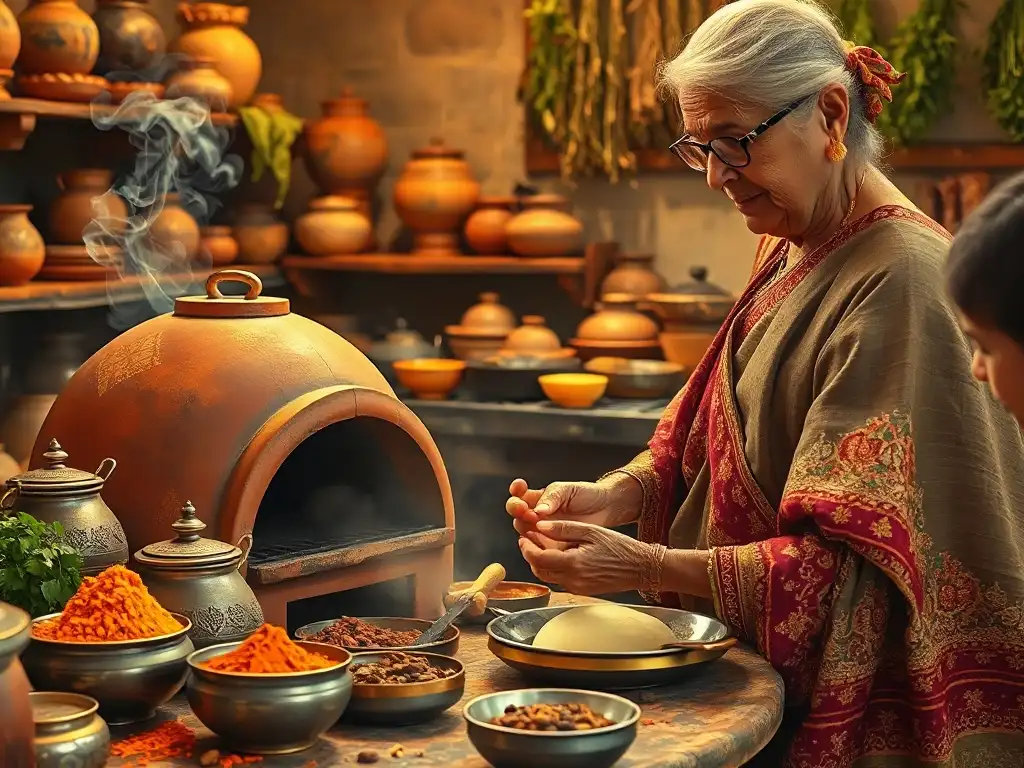
Ancient Indian culinary traditions are a vibrant tapestry woven from various cultural exchanges and influences throughout history. Understanding the historical context of these traditions provides insights into how they evolved and adapted over time, reflecting the diverse interactions with neighboring civilizations. The evolution of food practices in ancient India is shaped by geography, climate, and the intricate web of trade routes that connected it to other cultures.
The Indus Valley Civilization and Its Food Practices
The Indus Valley Civilization, which flourished around 2500 BCE, is one of the earliest urban cultures in the Indian subcontinent. Archaeological findings at sites like Harappa and Mohenjo-Daro reveal a sophisticated approach to food production and consumption. Key features of their food practices include:
- Agricultural Techniques: The inhabitants cultivated wheat, barley, peas, and pulses, which formed the staple diet. The evidence of granaries suggests a well-organized system of storage and distribution.
- Domestication of Animals: The Indus Valley people domesticated animals such as cattle, goats, and sheep, which provided not only meat but also dairy products like milk and yogurt.
- Cooking Methods: Evidence of clay ovens and pottery indicates a variety of cooking techniques, including baking and boiling. Interestingly, the use of spices was likely prevalent, as suggested by the discovery of mustard seeds and other flavoring agents.
- Culinary Tools: Excavations have uncovered various utensils, including stone grinders and clay pots, which were essential for food preparation.
These practices laid the foundational aspects of ancient Indian culinary traditions, emphasizing a balance of vegetarian and non-vegetarian diets, which would be further influenced by subsequent civilizations.
Influence of the Vedic Period on Culinary Traditions
The Vedic period (circa 1500 – 500 BCE) marked a significant transformation in ancient Indian society, including its culinary traditions. The sacred texts of this era, the Vedas, provide a wealth of information regarding food and rituals. Key influences include:
- Religious Significance of Food: The Vedas classify foods into three categories: Sattvic (pure), Rajasic (active), and Tamasic (dull). This classification influenced dietary choices, where Sattvic foods such as fruits, vegetables, and grains were preferred for their purifying qualities.
- Ritual Feasts: The concept of yajna (sacrificial rituals) introduced formalized communal meals. Offerings made during these rituals often included grains, milk, and ghee, which became staples in Vedic culinary practices.
- Introduction of New Ingredients: The migration of Aryans into the Indian subcontinent brought new ingredients such as barley and millet, which diversified local diets. The emphasis on dairy products, particularly yogurt and ghee, became prominent during this period.
- Culinary Texts: Early texts like the Atharva Veda mention various herbs and their medicinal properties, indicating an early understanding of the health benefits associated with certain foods.
The Vedic period significantly impacted the evolution of ancient Indian culinary traditions, establishing a framework that combined spirituality with nourishment.
The Role of Trade Routes in Culinary Exchange
Trade routes played a crucial role in the evolution of ancient Indian culinary traditions by facilitating the exchange of ingredients, cooking techniques, and culinary practices with neighboring civilizations. Notable aspects include:
- Silk Road Influence: The Silk Road connected India to Central Asia, Persia, and beyond, allowing for the exchange of spices, grains, and culinary knowledge. Spices like black pepper and cardamom became quintessential to Indian cuisine, attracting traders and influencing local flavors.
- Maritime Trade: Ancient Indian coastal cities engaged in maritime trade with Southeast Asia, the Arabian Peninsula, and Africa. This interaction introduced new ingredients, such as coconut and tamarind, which became integral to regional cuisines.
- Cultural Syncretism: The fusion of culinary traditions is evident in the adoption of cooking techniques from Persian and Arab traders, leading to the development of dishes like biryani and kebabs. The blend of flavors and cooking styles enriched the culinary landscape of ancient India.
- Agricultural Exchanges: Trade routes also facilitated the exchange of agricultural practices and crops, with the introduction of crops like sugarcane from Southeast Asia, which would later become a staple in Indian sweets and desserts.
The ancient Indian culinary traditions were significantly shaped by the interactions with neighboring civilizations through trade routes and cultural exchanges. This rich history of diverse influences is reflected in the complexity and variety of flavors that characterize Indian cuisine today.
Influences from Neighboring Civilizations
Persian Influence on Ancient Indian Cuisine
The interaction between ancient India and Persia played a crucial role in shaping the culinary landscape of the subcontinent. Persian traders and invaders not only brought with them a variety of ingredients but also introduced new cooking techniques that greatly influenced ancient Indian culinary traditions. The Persian empire, known for its sophisticated cuisine, blended flavors and methods that resonated well with the rich agricultural backdrop of India.
Key Ingredients Introduced by Persian Traders
Persian traders introduced several key ingredients that became staples in ancient Indian cuisine. Some of these ingredients include:
- Saffron: Known for its vibrant color and distinct flavor, saffron became a prized spice in Indian cooking.
- Pistachios and Almonds: Nuts such as pistachios and almonds were incorporated into both sweet and savory dishes, enhancing texture and flavor.
- Rice: While rice was already cultivated in India, the Persian method of preparing it, especially with spices and herbs, influenced its usage.
- Sugar: The introduction of sugar transformed traditional sweets, leading to the creation of unique desserts that blended local and Persian styles.
The integration of these ingredients into local cuisines not only enriched the flavor profiles but also showcased the adaptability of ancient Indian culinary traditions.
Impact on Cooking Techniques and Dishes
The Persian influence extended beyond ingredients to include significant changes in cooking techniques and the types of dishes prepared. Notable impacts include:
- Biryani: This iconic dish, which blends rice with marinated meat and spices, is believed to have Persian origins. The layering technique used in biryani reflects Persian culinary practices.
- Kebabs: The method of grilling meat on skewers, introduced by Persian cooks, became immensely popular in India, leading to various regional adaptations.
- Use of Yogurt: The Persian practice of using yogurt in marinades and sauces was adopted in Indian cuisine, enhancing flavors and tenderizing meats.
This melding of techniques and flavors illustrates how Persian culinary traditions were seamlessly integrated into the fabric of ancient Indian cuisine.
The Impact of Greek Culture on Indian Food
The arrival of Greek culture in ancient India, particularly during Alexander the Great's campaigns, introduced new ingredients and techniques that further diversified Indian culinary traditions. The Greeks brought with them a wealth of knowledge about food and cooking, influencing local practices in profound ways.
Introduction of New Spices and Cooking Methods
Greek interactions with Indian civilization led to the introduction of various spices and cooking methods that were previously unfamiliar to Indian cooks. Key contributions include:
- Olive Oil: The use of olive oil in cooking, particularly for frying and dressing, was one of the significant changes brought by the Greeks.
- Herbs: Herbs such as oregano and thyme were incorporated into Indian cooking, adding new layers of flavor to traditional dishes.
- Cooking Techniques: Greek methods of roasting and baking, particularly in clay ovens, influenced Indian cooking styles, leading to the development of tandoor cooking.
These innovations helped to create a more varied and flavorful cuisine that reflected the intermingling of cultures.
Cross-Cultural Fusion in Dishes
The fusion of Greek and Indian culinary traditions resulted in the creation of unique dishes that showcased the best of both cultures. Examples of this cross-cultural fusion include:
- Greek-Style Curries: Some curries incorporated flavors and ingredients typical of Greek cuisine, such as olives and feta cheese, resulting in a distinctive taste profile.
- Spiced Salads: The concept of salads was adapted, with local vegetables and spices infused with Greek influences, creating refreshing and flavorful dishes.
- Desserts: The combination of Greek sweets with Indian elements led to innovative desserts, blending honey, nuts, and spices, which became popular across various regions.
This cross-cultural exchange not only enriched ancient Indian culinary traditions but also solidified India's status as a melting pot of diverse culinary influences.
Influence of Central Asian and Mongolian Flavors
The culinary landscape of ancient India was significantly enriched by the influences of Central Asian and Mongolian flavors. As trade routes expanded and cultural exchanges flourished, these regions began to introduce their unique cooking styles and ingredients, which melded with the indigenous traditions of India. This fusion resulted in a vibrant tapestry of flavors that is still celebrated in various regional cuisines today.
Central Asian cuisine, characterized by its use of meats, dairy products, and grains, brought forth a new dimension to Indian culinary practices. Dishes such as kebabs and pilafs began to emerge, showcasing the techniques of marinating and grilling that were popular among Mongolian nomads. The adaptation of these dishes within Indian kitchens highlighted the versatility of local spices and cooking methods, creating a distinct identity that was both innovative and respectful of traditional practices.
The Arrival of New Ingredients and Culinary Practices
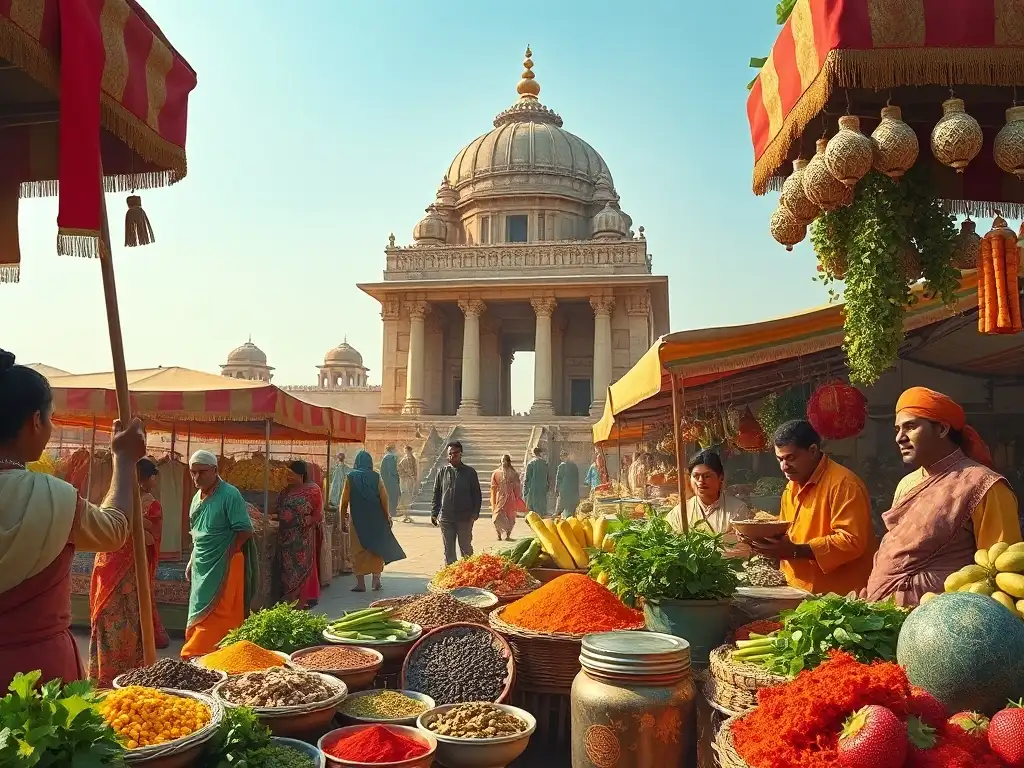
With interactions between Central Asian and Indian civilizations, several new ingredients made their way into Indian kitchens. Wheat, for instance, gained popularity as a staple grain, complementing the existing rice-based diets in many regions. Additionally, lamb and goat meat became more prevalent in Indian cooking, often featuring in festive and ceremonial dishes.
Herbs and spices also saw an introduction and integration of flavors that were novel to Indian palates. Ingredients such as cumin, coriander, and saffron found their way into various dishes, enhancing the aromatic qualities that Indian cuisine is known for. Cooking techniques, including slow-cooking and smoking, were adopted from Central Asian practices, adding depth to the flavors of many traditional dishes.
The influence extended beyond just ingredients; it also transformed meal structures and dining customs. The practice of sharing meals and the communal style of eating were enhanced through these exchanges, leading to the development of thalis and other forms of communal dining that are prevalent in Indian culture today.
Historical Accounts of Culinary Exchange
Historical texts and accounts from travelers reveal the extent of culinary exchanges between ancient India and Central Asia. Notable figures such as Xuanzang, the Chinese monk, documented his observations of Indian gastronomy during his travels in the 7th century. He noted the use of diverse spices and the influence of nearby cultures on Indian cooking methods.
Additionally, the Persian influence during the medieval period, particularly under the Mughal Empire, further exemplifies the ongoing culinary dialogue. Mughals brought with them a rich culinary heritage that blended Central Asian traditions with Indian flavors. Dishes like biryani and korma are prime examples of this amalgamation, showcasing the layered complexities of spices and cooking styles that resulted from centuries of exchange.
These historical accounts highlight how food served as a medium of cultural exchange, bringing together various traditions and practices. The legacy of these influences continues to be a point of pride in Indian culinary traditions, illustrating the country's ability to adapt and innovate while honoring its diverse heritage.
Key Ingredients in Ancient Indian Culinary Traditions
Staples of Ancient Indian Diet
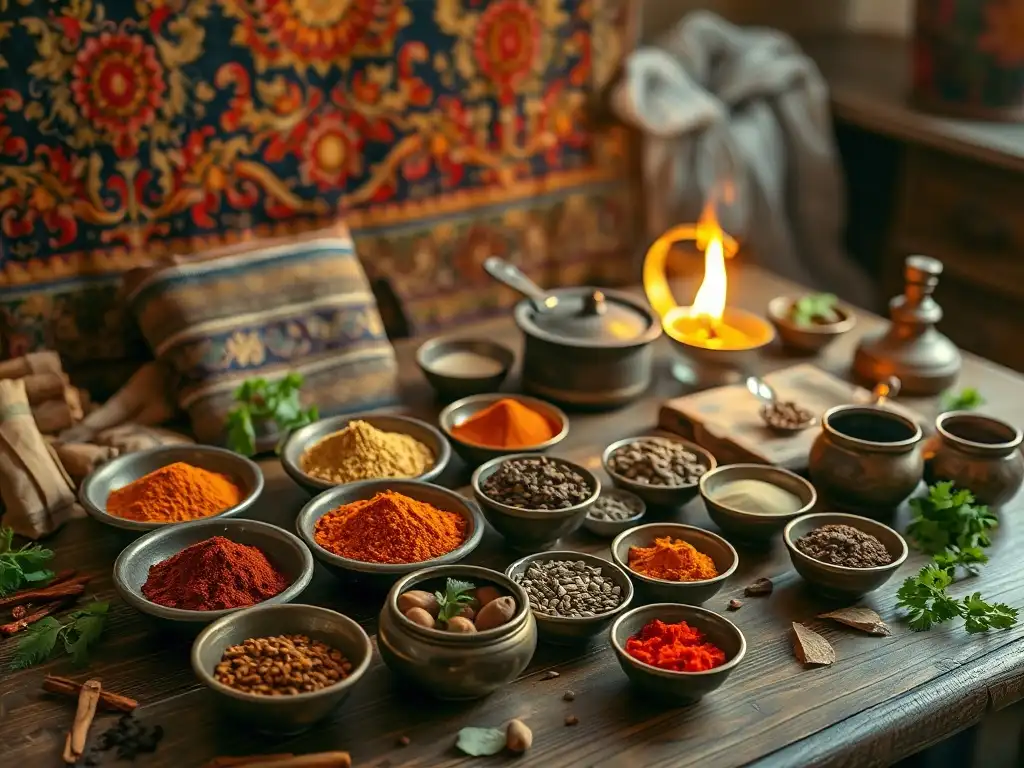
Ancient Indian culinary traditions were deeply rooted in the agricultural practices and natural resources of the region. The staples of the ancient Indian diet primarily consisted of grains, pulses, vegetables, and fruits, which varied by region and season.
Grains and Pulses: The Foundation of Indian Cuisine
Grains formed the backbone of ancient Indian meals, with wheat and rice being the most prominent. Wheat, particularly in the northern regions, was often ground into flour for making flatbreads like roti or chapati. In contrast, rice was a staple in the southern and eastern parts, serving as the base for dishes like khichdi and biryani.
- Pulses, such as lentils ( dal), chickpeas ( chana), and pigeon peas ( arhar), were integral to the diet, providing essential protein and nutrients. These legumes were often cooked in various ways, either as curries or side dishes, enhancing both flavor and nutrition.
The cultivation of these grains and pulses not only supported the diet but also fostered agricultural advancements and regional trade. The introduction of new varieties through cultural interactions further enriched the culinary landscape.
Vegetables and Fruits: Seasonal and Regional Varieties
The diversity of climate and geography in ancient India contributed to a wide array of vegetables and fruits in the local diet. Seasonal availability dictated what was consumed, ensuring a varied diet throughout the year.
- Vegetables such as eggplant ( brinjal), gourds, spinach, and onions were commonly used, often incorporated into curries or served as side dishes.
- Fruits, including mangoes, bananas, and pomegranates, not only provided sweetness to meals but were also utilized in various preparations, from chutneys to desserts.
The use of fresh, regional produce showcased the importance of sustainability and seasonal eating in ancient Indian culinary traditions.
Spices as a Reflection of Cultural Exchange
Spices played a critical role in the evolution of ancient Indian cuisine, reflecting both local practices and the influence of neighboring civilizations. The rich tapestry of flavors introduced by spices was not merely for taste; it was also indicative of trade routes and cultural exchanges.
Popular Spices in Ancient Indian Cooking
Some of the most notable spices used in ancient Indian cooking included:
- Turmeric: Known for its vibrant color and medicinal properties, turmeric was a staple in many dishes and rituals.
- Cumin: Commonly used in both whole and ground form, cumin added warmth and depth to various recipes.
- Black Pepper: Highly valued for its pungency, black pepper was not only a culinary favorite but also a significant trade item, often sought after by foreign traders.
The incorporation of these spices into everyday cooking illustrates the blend of flavors and practices that characterized ancient Indian culinary traditions.
The Role of Spices in Trade and Economy
The significance of spices extended beyond the kitchen; they were a vital component of ancient trade networks. The demand for spices, particularly black pepper and cardamom, attracted traders from distant lands, including the Romans and Arabs.
- The Spice Trade evolved into a robust economic activity, contributing to the wealth of ancient Indian kingdoms. Cities like Kochi and Calicut became bustling trade hubs, facilitating the exchange of spices and cultural ideas.
- The economic impact of spice cultivation and trade led to advancements in agricultural practices, further integrating agriculture with the burgeoning market economy.
In essence, ancient Indian culinary traditions were not only a reflection of the land's agricultural bounty but also a testament to the rich interplay of cultures that shaped and enriched the cuisine over centuries.
Cooking Techniques and Methods in Ancient Indian Cuisine
Ancient Indian culinary traditions were shaped by a variety of cooking techniques and methods that reflected the interactions with neighboring civilizations. These techniques not only contributed to the development of flavors but also highlighted the cultural exchanges that influenced Indian cuisine over centuries. The diverse geographical landscape of India, ranging from the mountains of the Himalayas to the coastal regions, also played a crucial role in the evolution of these methods.
Traditional Cooking Methods: An Overview
Traditional cooking methods in ancient India were as varied as the ingredients used in the dishes. Some of the prominent techniques included:
- Boiling and Steaming: Often employed for grains and vegetables, boiling was a common method to soften food and enhance flavors.
- Frying: This technique involved cooking food in oil or ghee, giving dishes a rich taste and appealing texture. It was particularly popular for snacks and sweets.
- Baking: In the northern regions, clay ovens known as tandoors were used to bake bread, such as naan and roti, imparting a unique smoky flavor.
- Smoking: Traditional methods included smoking meats and fish, which not only preserved the food but also added depth to the flavor profile.
These cooking methods were often accompanied by the use of various utensils made from materials like clay, bronze, and iron, reflecting the technological advancements of the time.
The Significance of Fire and Heat in Culinary Practices
Fire played a pivotal role in ancient Indian culinary traditions, serving not just as a source of heat but also as a cultural symbol. The use of fire in cooking is deeply rooted in Indian history and spirituality.
- Ritualistic Importance: Many cooking practices were tied to religious ceremonies and rituals. The act of cooking food over an open flame was often seen as a sacred task, an offering to the gods.
- Flavor Development: The application of different levels of heat allowed for the development of complex flavors. Techniques such as slow cooking over low heat permitted spices to infuse their aromatic qualities into the food.
- Regional Variations: The way fire was harnessed varied by region, with some areas favoring wood-burning methods while others utilized charcoal, which influenced the flavor of the dishes produced.
The mastery of heat and fire techniques not only enhanced the taste but also emphasized the communal aspect of cooking, where families and communities gathered around the fire to share meals.
Preservation Techniques and Their Impact on Flavor
Preservation techniques were crucial in ancient Indian cuisine, particularly due to the diverse climate and the need to store food for longer periods. These methods helped to maintain the quality and flavor of ingredients, allowing for a more varied diet.
- Pickling: A common method involved using salt, oil, and spices to create pickles that could last for months. This technique not only preserved vegetables but also introduced bold flavors to meals.
- Drying: Fruits, vegetables, and meats were often dried to prevent spoilage. This method concentrated flavors and allowed for easy storage.
- Fermentation: Techniques such as fermenting dairy products (like yogurt) and preparing foods like dosa and idli from fermented rice and lentil batter added distinct flavors and nutritional value to the diet.
The impact of these preservation techniques is evident in modern Indian cuisine, where pickles and fermented foods continue to play a significant role, illustrating the deep-rooted traditions that have evolved over millennia.
The cooking techniques and methods in ancient Indian culinary traditions were not merely practical; they were integral to cultural identity and community life, showcasing the rich tapestry of flavors and interactions with neighboring civilizations.
Regional Variations in Ancient Indian Culinary Traditions
The Diversity of Flavors Across India
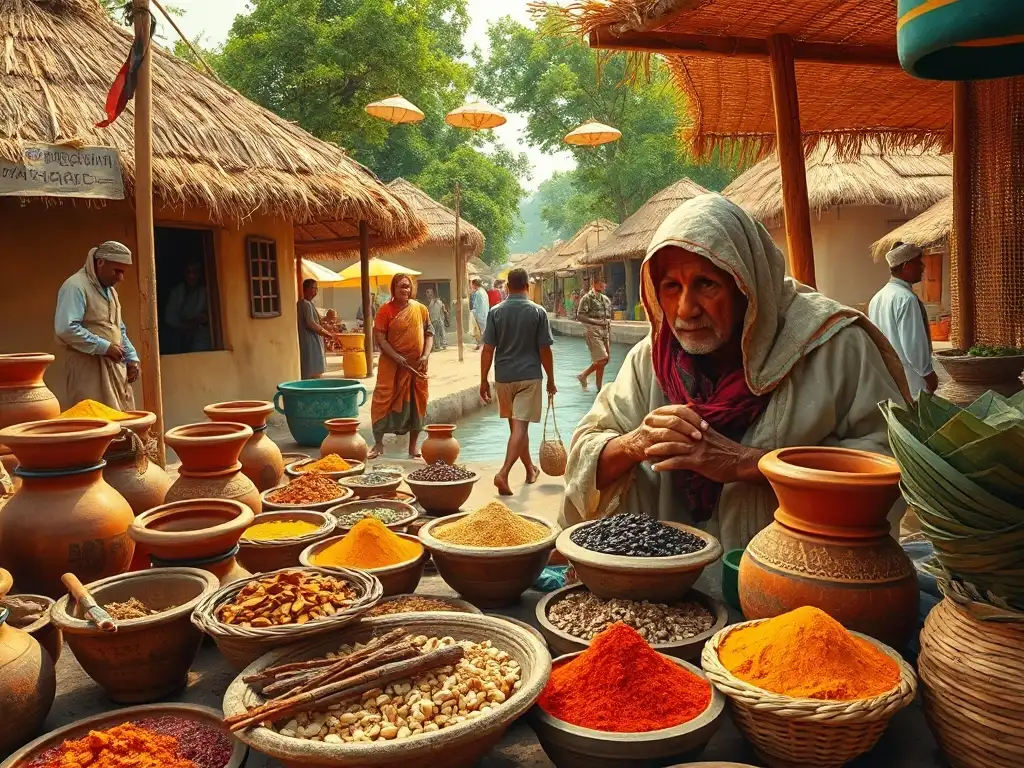
Ancient Indian culinary traditions showcase a fascinating tapestry of flavors and techniques that reflect the diverse geography, climate, and cultural exchanges with neighboring civilizations. Each region of India has its own unique culinary identity, influenced by local ingredients and historical interactions. This diversity can be appreciated through the exploration of four major regional cuisines: North, South, East, and West India.
The culinary landscape of ancient India was marked by the use of spices, grains, and cooking methods that varied significantly from one region to another. For instance, while rice became the staple in the South and East, wheat dominated in the North and West, leading to distinct dish preparations. Additionally, ancient trade routes facilitated the exchange of spices and cooking practices, enriching these regional cuisines.
North Indian Culinary Practices and Influences
North Indian cuisine is characterized by its rich flavors and hearty dishes, often featuring dairy products like yogurt and ghee. The use of spices such as cumin, coriander, and garam masala is prominent, contributing to the complex profiles of dishes. Key influences on North Indian culinary traditions include:
- Mughal Influence: The Mughal Empire introduced Persian cooking techniques and ingredients, leading to the creation of iconic dishes like biryani and kebabs.
- Local Ingredients: The fertile plains of the Ganges River supported the cultivation of wheat, lentils, and a variety of vegetables, which became staples in the diet.
Signature Dishes:
- Paneer Tikka: A vegetarian dish made from marinated paneer (cottage cheese) grilled to perfection.
- Naan and Roti: Traditional breads that accompany most meals.
South Indian Culinary Traditions and Their Roots
South Indian cuisine is known for its bold flavors, primarily derived from the liberal use of spices and coconut. Rice is the staple grain, complemented by a variety of lentils and vegetables. Major influences include:
- Dravidian Heritage: The ancient Dravidian civilization laid the foundation for many culinary practices, with an emphasis on vegetarianism.
- Coastal Proximity: Regions along the coast benefit from fresh seafood, which is often incorporated into curries.
Signature Dishes:
- Dosa: A fermented crepe made from rice and lentils, typically served with chutney and sambar.
- Biryani: A flavorful rice dish layered with marinated meat or vegetables, influenced by Mughal cuisine.
East and West Indian Cuisines: Unique Flavors and Techniques
The East and West Indian culinary traditions offer their own unique flavors and techniques, shaped by historical and geographical factors.
East Indian Cuisine:
- Bengali Influence: Known for its emphasis on fish and rice, Bengali cuisine utilizes mustard oil and a variety of spices like panch phoron (a blend of five spices).
- Signature Dishes:
- Machher Jhol: A traditional fish curry with vegetables.
- Sandesh: A sweet made from fresh cheese, reflecting the region's love for desserts.
West Indian Cuisine:
- Gujarat and Maharashtra: Western India features a mix of vegetarian and non-vegetarian dishes, often sweetened with jaggery.
- Signature Dishes:
- Puran Poli: A sweet flatbread stuffed with a mixture of jaggery and lentils.
- Vindaloo: A spicy, vinegar-based curry popular in coastal regions, heavily influenced by Portuguese cuisine.
The exploration of ancient Indian culinary traditions reveals a rich array of flavors that have evolved through centuries of cultural exchanges. These regional variations not only highlight the local ingredients and cooking methods but also the influence of neighboring civilizations, making ancient Indian cuisine an integral part of the country's cultural heritage.
The Legacy of Ancient Indian Culinary Traditions
Continuity of Ancient Practices in Modern Indian Cuisine
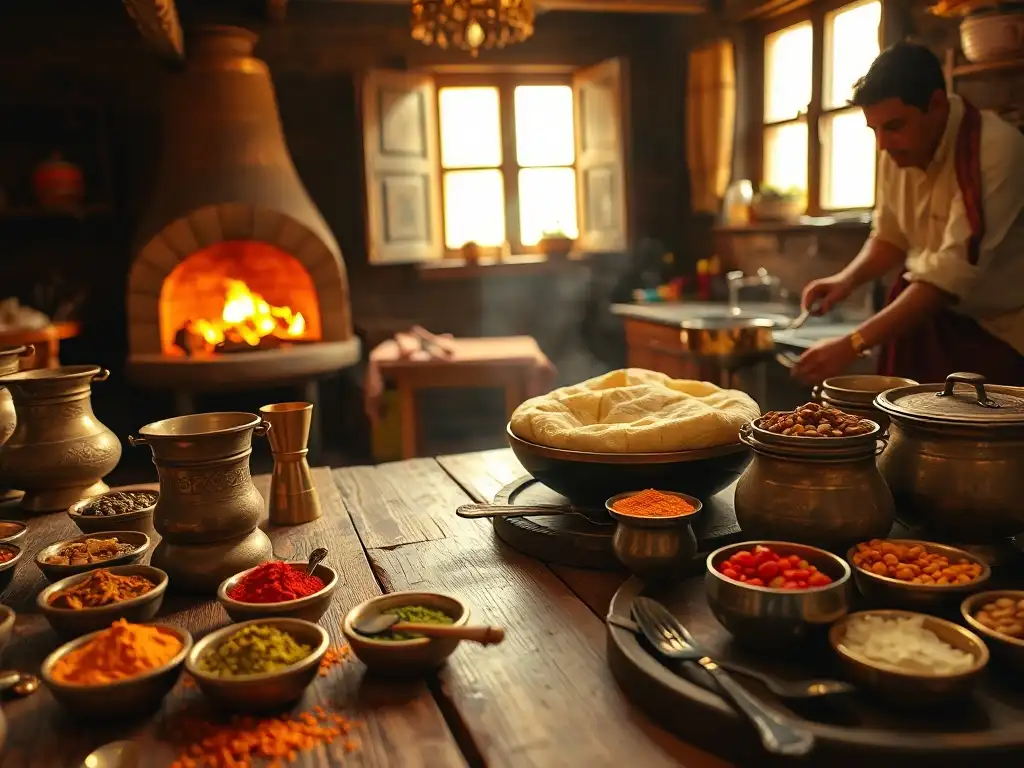
Ancient Indian culinary traditions have left an indelible mark on the culinary landscape of modern India. Many cooking techniques, ingredients, and flavor profiles that originated in ancient times continue to thrive today. For instance, the use of spices such as turmeric, cumin, and coriander can be traced back to the Vedic period, where they were not only valued for their flavor but also for their medicinal properties.
- Spice Blends: The concept of using complex spice blends, known as masalas, has its roots in ancient practices. Traditional dishes like biryani and curry showcase these age-old spice combinations that have evolved yet remained fundamentally similar to their ancient counterparts.
- Cooking Techniques: Techniques such as slow cooking, fermentation, and the tandoor method are still prevalent. For example, the process of making idli (steamed rice cakes) involves fermentation, a technique that dates back centuries.
- Regional Variations: India's diverse geography has influenced local cuisines, but many of the underlying philosophies—such as the emphasis on vegetarianism in certain regions—are deeply rooted in ancient traditions. The vast array of thalis (a platter with various dishes) reflects the ancient practice of serving meals in a balanced manner.
The Influence of Ancient Indian Cuisine on Global Culinary Trends
Ancient Indian culinary traditions have not only shaped Indian cuisine but have also significantly influenced global culinary trends. The migration of Indian spices and cooking methods across trade routes has led to a fusion of flavors around the world.
- Spice Trade: The ancient spice trade, particularly during the Maurya and Gupta empires, introduced spices like black pepper and cardamom to the Mediterranean and beyond. This exchange not only enriched the local cuisines but also established a global appreciation for Indian spices.
- Culinary Techniques: Techniques such as pickling and preserving food, which were common in ancient India, have found their way into various cuisines. For instance, the art of making achar (pickle) has inspired similar practices in countries like Pakistan and Bangladesh.
- Fusion Dishes: The blending of culinary traditions is evident in dishes like chicken tikka masala, which, while rooted in Indian cooking, has been adapted and popularized in Western countries. Such fusion dishes exemplify how ancient Indian culinary practices continue to resonate globally.
Preserving Ancient Culinary Heritage in Contemporary Times
In an era of globalization, the preservation of ancient Indian culinary traditions is both a challenge and an opportunity. Efforts to maintain these culinary practices are essential for cultural identity and heritage.
- Culinary Education: Institutions focused on traditional Indian cooking are emerging, teaching the techniques and philosophies behind ancient recipes. This revival ensures that younger generations appreciate and continue these culinary practices.
- Farm-to-Table Movements: There is a growing trend towards sustainable agriculture and local sourcing of ingredients, which aligns with ancient practices of using seasonal and regional produce. This movement not only promotes health but also supports the preservation of biodiversity.
- Culinary Festivals and Events: Events celebrating regional cuisines and ancient cooking methods are gaining popularity. These festivals serve as platforms for chefs and home cooks alike to showcase traditional recipes, fostering a sense of community and cultural pride.
Through these initiatives, there is hope that the rich tapestry of ancient Indian culinary traditions will not only survive but thrive in contemporary society, enriching the culinary world for generations to come.
Conclusion: The Enduring Influence of Ancient Indian Culinary Traditions
The legacy of ancient Indian culinary traditions continues to resonate in modern cuisine, illustrating the profound impact of cultural exchanges throughout history. The amalgamation of flavors, techniques, and ingredients from neighboring civilizations has not only enriched Indian food but has also fostered a sense of identity and continuity in culinary practices. Ancient Indian cuisine was characterized by a fusion of diverse influences, from the spices of the Indus Valley to the aromatic herbs brought by traders from Persia and beyond.
Reflection on Cultural Exchange and Its Impact on Food
Culinary traditions thrive on the principles of exchange and adaptation, acting as a mirror reflecting the history of interactions between civilizations. For instance, the ancient Indian practice of using spices such as turmeric, cumin, and coriander can be traced back to both local cultivation and trade with distant lands. This blend of indigenous and foreign ingredients paved the way for complex dishes that became staples of Indian gastronomy.
- Trade Routes and Ingredients:
- The Silk Road and maritime trade routes played a crucial role in introducing new flavors and cooking techniques.
- Spices from Southeast Asia, like nutmeg and cloves, found their way into Indian kitchens, enhancing the depth of flavors.
- Cultural Syncretism:
- Food practices reflect cultural syncretism, as seen in the adoption of Persian cooking styles during the Mughal era, which introduced rich gravies and biryanis to the Indian palate.
- This blend resulted in a unique culinary heritage that celebrates both indigenous and foreign influences.
- Religious and Regional Variations:
- Ancient Indian culinary traditions were also shaped by religious beliefs, leading to diverse vegetarian and non-vegetarian practices.
- Regional variations, such as the use of coconut in South Indian cuisine versus the mustard oil prevalent in the North, showcase how geography and culture have influenced food preparation.
The Future of Ancient Culinary Traditions in a Globalized World
In an increasingly globalized world, ancient Indian culinary traditions face both challenges and opportunities for preservation and innovation. The globalization of food has led to the fusion of various cuisines, prompting a re-evaluation of traditional practices.
- Preservation Efforts:
- There is a growing movement among chefs and food enthusiasts to revive ancient recipes and cooking methods, emphasizing the importance of sustainability and local ingredients.
- Initiatives like farm-to-table practices and traditional cooking workshops aim to educate the younger generation about the significance of these culinary roots.
- Innovation Through Fusion:
- The influence of technology and travel has sparked a renaissance in culinary creativity, allowing for dynamic combinations of ancient Indian flavors with international cuisines.
- Dishes like quinoa biryani and avocado chutney illustrate how ancient flavors can be reimagined to cater to modern palates while respecting their origins.
- Global Recognition:
- As the world becomes more interconnected, there is an increasing appreciation for the complexities of ancient Indian culinary traditions.
- Indian cuisine is gaining recognition not just for its flavors but also for its historical significance and cultural depth, promoting a narrative that honors the past while embracing the future.
The enduring influence of ancient Indian culinary traditions serves as a testament to the richness of cultural exchanges. By appreciating and preserving these traditions, we can ensure that they continue to inspire future generations and thrive in a globalized culinary landscape.
Frequently Asked Questions
What are the key influences on ancient Indian culinary traditions?
Ancient Indian cuisine was shaped by various neighboring civilizations, including Persian, Mughal, and Chinese influences, creating a rich tapestry of flavors and techniques.
How did the Indus Valley Civilization contribute to Indian cuisine?
The Indus Valley Civilization is known for its advanced agricultural practices, which included the cultivation of grains and spices, laying the foundation for early culinary traditions in India.
What role did spices play in ancient Indian cooking?
Spices were not just for flavor; they also had medicinal properties and were essential for preservation. Ancient texts highlight their importance in both cuisine and health.
How did the Gupta Empire influence culinary practices?
The Gupta Empire was a period of great cultural and intellectual growth, leading to the development of cooking techniques and the popularization of various regional dishes that are still enjoyed today.
What are some traditional cooking methods used in ancient Indian cuisine?
Traditional methods include slow cooking, tandoor baking, and fermentation, which enhance flavors and preserve ingredients, showcasing the sophistication of ancient Indian culinary traditions.
Final Reflection: The Timeless Legacy of Ancient Indian Culinary Traditions
Ancient Indian culinary traditions are not merely relics of the past; they are vibrant tapestries woven from the diverse influences of neighboring civilizations. Today, as we navigate a globalized world where cultures intermingle, the flavors and techniques of ancient Indian cuisine remind us of the rich history that shapes our modern palates. The fusion of spices, ingredients, and cooking methods that originated centuries ago continues to resonate, demonstrating that food is a powerful medium for cultural exchange and understanding.
Culinary traditions serve as a bridge connecting us to our heritage and to one another. The ongoing influence of ancient Indian cuisine is evident in contemporary cooking, where chefs draw inspiration from time-honored recipes while infusing them with modern twists. This evolution reflects a broader cultural dialogue, showcasing how food can foster community and celebrate diversity. As Mahatma Gandhi once said, “To a man with an empty stomach, food is God.” This sentiment underscores the importance of food in our lives, not just as sustenance but as a source of identity and connection.
As we reflect on the lessons embedded in ancient Indian culinary traditions, let us embrace the opportunity to explore and honor the flavors that have shaped our world. I invite you to engage with these traditions in your own kitchen, experimenting with spices and recipes that tell a story of resilience and creativity.
By doing so, you not only enrich your culinary repertoire but also contribute to the preservation and celebration of a legacy that transcends time and borders. Together, let us savor the past while cooking for a future that honors the rich tapestry of our shared human experience.
Unveil the Rich Tapestry of Ancient Indian Flavors!
Thank you for diving into the fascinating world of Ancient Indian cuisine! By exploring its diverse influences, you've gained insights into how centuries of traditions meld to create remarkable dishes that tell a story of cultural exchange. Now, it’s time to take your newfound knowledge to the next level and savor these flavors for yourself.
Here are a few simple yet exciting actions you can take:
- Recreate an ancient recipe: Choose a dish from your research and try making it at home. Cooking is the perfect way to connect with history!
- Explore fusion dishes: Experiment with creating your own fusion dish by combining elements from Ancient Indian cuisine with flavors you love from other culinary traditions.
- Share your experience: Connect with fellow food enthusiasts on social media! Share your dish and tag us to inspire others to explore the rich flavors of Ancient India.
So, which ancient dish will you attempt to recreate first, and how do you plan to add your own twist? Your culinary journey awaits!