
The Impact of Colonialism on Ancient Indian Art Forms: A Historical Perspective

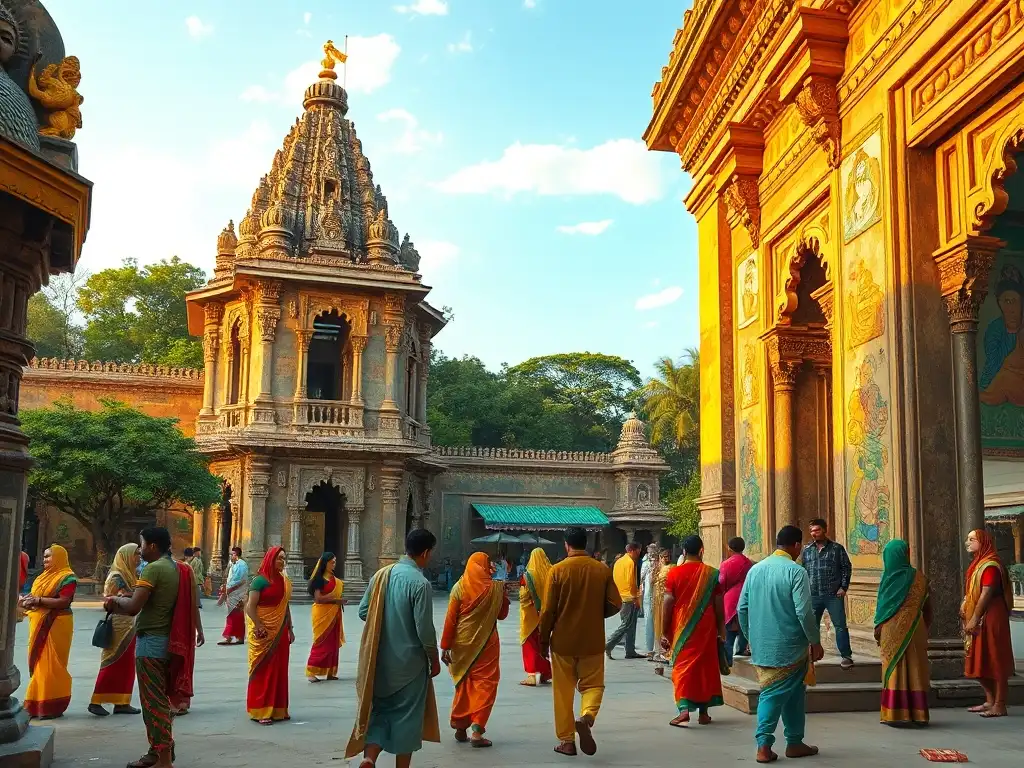
Welcome to Ancient India History, where we embark on an enlightening journey through the intricate tapestry of India's past. Here, we delve into the rich and diverse history, culture, and contributions of ancient Indian civilizations, from the groundbreaking innovations of the Indus Valley to the flourishing arts of the Gupta Empire.
In our featured article, "The Impact of Colonialism on Ancient Indian Art Forms: A Historical Perspective," we unravel the complex layers of colonial influence on Indian art, revealing how external forces shaped the vibrant expressions of creativity that define our cultural heritage. Prepare to be captivated as we explore the fascinating interplay between tradition and change, inviting you to discover more about the profound legacy of ancient India.
Introduction to Colonial Influence on Indian Art
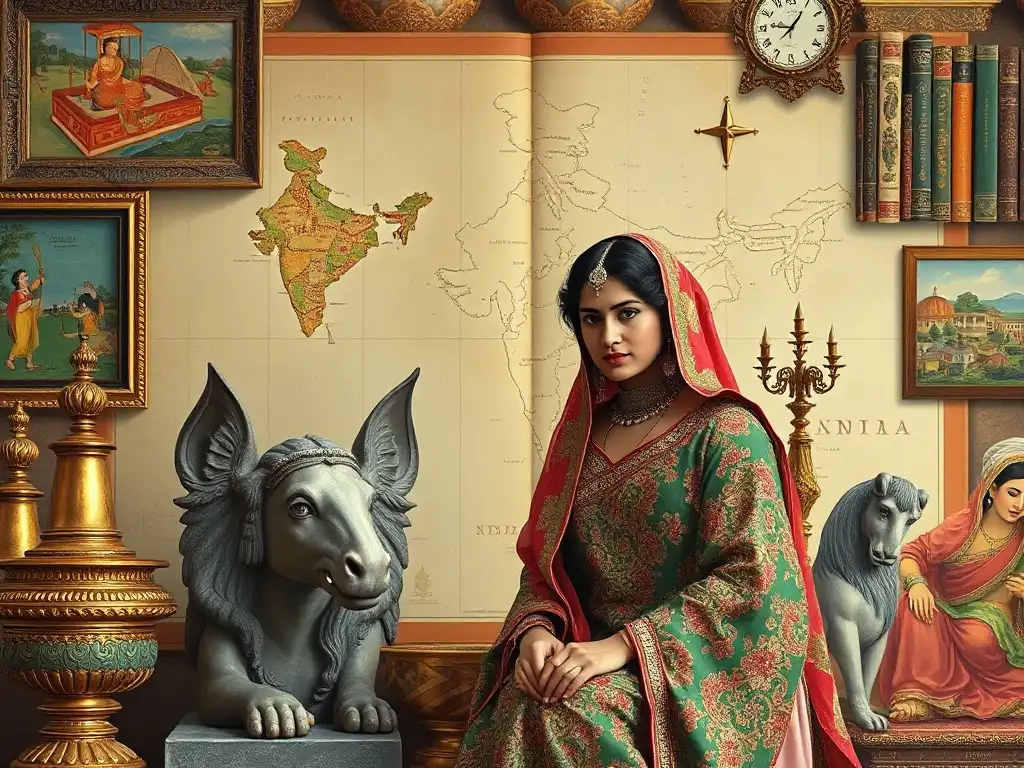
The intricate tapestry of Indian art has evolved over millennia, shaped by the diverse cultures and civilizations that have thrived in the subcontinent. However, the arrival of colonial powers introduced unprecedented changes that transformed the artistic landscape of India. This article delves into the colonial influence on Indian art, exploring how colonialism impacted traditional practices, styles, and themes, while also igniting a complex interplay of resistance and adaptation among Indian artists. Through this historical perspective, we aim to illuminate the profound and often dualistic relationship between colonialism and the rich artistic heritage of ancient India.
Overview of Colonialism in India
Colonialism in India began in earnest with the arrival of European powers in the late 15th century, culminating in nearly two centuries of British rule from the mid-18th century until 1947. This era was marked by significant political, economic, and cultural upheaval. The British sought not only to exploit India's resources but also to impose their values and norms, leading to a complex integration of Western and Indian elements.
- Key Features of Colonial Rule:
- Economic exploitation through resource extraction
- Imposition of Western education and legal systems
- Cultural hegemony and the promotion of British art and architecture
Definition of Colonial Influence on Indian Art
Colonial influence on Indian art can be defined as the changes and adaptations that occurred in indigenous artistic practices due to the introduction of Western styles, techniques, and ideologies during the colonial period. This influence manifested in various forms, including:
- Hybrid Art Forms: The fusion of traditional Indian motifs with European artistic styles.
- New Techniques: The introduction of oil painting and other Western mediums.
- Themes and Subjects: A shift in themes to reflect colonial narratives and ideologies.
This cross-pollination resulted in a unique artistic dialogue, creating works that reflected both Indian heritage and colonial experiences.
Importance of Studying Art Forms in Historical Context
Understanding the impact of colonialism on Indian art is essential for several reasons:
- Cultural Preservation: It sheds light on how traditional practices evolved and adapted in the face of external pressures.
- Identity Formation: Analyzing these art forms helps in understanding the complexities of Indian identity during and after colonial rule.
- Artistic Evolution: It illustrates the dynamic nature of art as a reflection of societal changes, facilitating a deeper appreciation of contemporary Indian art.
Historical Background of Indian Art Forms Before Colonialism
Overview of Ancient Indian Art
Before the advent of colonialism, Indian art was characterized by its diversity and depth, influenced by various religions, cultures, and philosophies. From the intricate carvings of temple architecture to the vibrant frescoes of ancient palaces, Indian art served not only as a means of aesthetic expression but also as a vehicle for spiritual and cultural narratives.
- Key Characteristics:
- Use of vibrant colors and intricate designs
- Symbolism deeply rooted in spiritual and cultural contexts
- Regional variations showcasing local traditions and materials
Major Art Movements and Periods in Ancient India
Ancient Indian art can be categorized into several significant movements and periods, each contributing uniquely to the overall artistic heritage. Here are a few noteworthy periods:
| Period | Key Features |
|---|---|
| Indus Valley Civilization | Utilitarian pottery, seal carving, and urban design |
| Mauryan Empire | Rock-cut caves, sculptures, and the spread of Buddhism |
| Gupta Period | Classical art, temple architecture, and miniature paintings |
These movements reflect the evolution of artistic styles and techniques, driven by cultural, religious, and political changes.
Cultural Influences on Indian Art Prior to Colonization
Prior to colonialism, Indian art was influenced by a myriad of cultural exchanges, both internal and external. Significant factors included:
- Religious Traditions: Hinduism, Buddhism, and Jainism deeply influenced artistic themes and iconography.
- Trade Routes: Interactions with Central Asian, Persian, and later European cultures through trade enriched the artistic vocabulary.
- Royal Patronage: Kings and emperors played a crucial role in the flourishing of art, commissioning works that reflected their power and devotion.
This rich cultural interplay laid the groundwork for the artistic transformations that would occur during the colonial period, making it essential to understand the historical context of Indian art before delving into the effects of colonialism.
The Arrival of Colonial Powers in India
The arrival of colonial powers in India marked a significant turning point in the subcontinent's artistic landscape. Beginning with the Portuguese in the late 15th century, followed by the Dutch, French, and ultimately the British, each colonial power brought with it distinct artistic ideologies and practices that influenced local art forms. The establishment of trading posts and settlements allowed for cultural exchanges that, while often exploitative, also facilitated an introduction to new styles and techniques.
The British colonization, particularly from the 18th century onwards, had a profound impact on Indian art. The British East India Company’s control over vast territories led to a merging of artistic traditions. This interaction resulted in a unique blend of indigenous artistry with European sensibilities, reshaping the traditional artistic expressions that had flourished for centuries. The colonial narrative often portrayed Indian art as exotic and primitive, which further complicated the local artists' responses to these external influences.
Key Colonial Powers Impacting Indian Art
- Portuguese: Introduced Christian iconography and Baroque styles, particularly in Goan art.
- Dutch: Influenced the trade in textiles and paintings, particularly floral designs and still lifes.
- French: Brought with them a focus on neoclassical themes, evident in architecture and decorative arts.
- British: Most influential, promoting academic realism and landscape painting while also imposing Western standards of art education.
Each of these powers contributed to a shifting artistic paradigm, often prioritizing European aesthetics over traditional Indian forms. The colonial agenda often involved not only the imposition of new artistic styles but also the reinterpretation of existing ones, which led to a complex interplay between tradition and modernity.
Initial Reactions of Indian Artists to Colonial Influence
The initial reactions of Indian artists to colonial influence were varied. Some artists embraced the new techniques and materials introduced by colonial powers, integrating them into their own practices. They experimented with oil paints, canvas, and new forms of perspective, which were foreign to traditional Indian art forms. However, many artists and patrons were resistant to these changes, viewing them as a threat to the integrity of indigenous art.
A notable example of this resistance was seen in the revival of traditional art forms during the early colonial period. Artists sought to maintain their cultural identity while navigating the complexities of colonial patronage. This duality highlighted a broader struggle within Indian society, where modernity and tradition often collided.
Shifts in Artistic Practices During Early Colonial Period
During the early colonial period, artistic practices in India underwent significant transformations. The introduction of Western techniques led to the establishment of art schools, such as the Calcutta School of Art in 1854, which aimed to provide formal training in European styles. This period also saw the rise of the Company School of Painting, which blended Indian themes with Western artistic conventions, producing works that catered to colonial tastes.
Artists began to adapt their techniques, incorporating elements of realism and perspective that were characteristic of European art. These shifts often resulted in a hybrid style that reflected both indigenous traditions and colonial influences. While some artists thrived in this new context, others lamented the loss of traditional forms and sought to preserve them amidst the changing landscape.
Changes in Artistic Styles Due to Colonial Influence
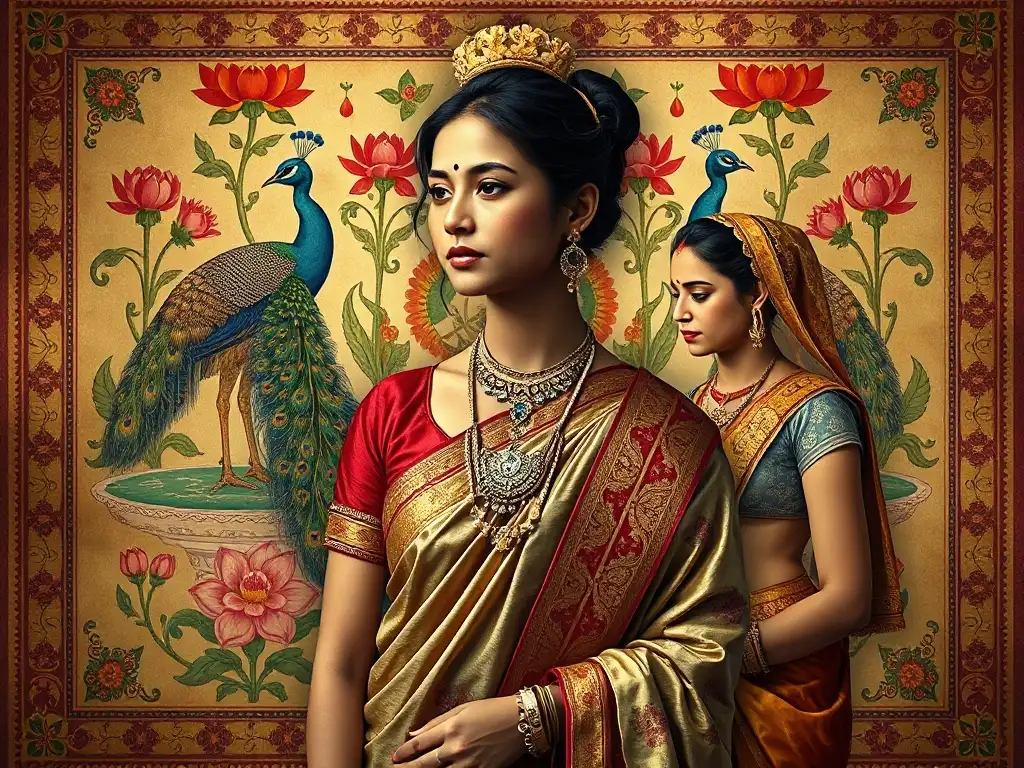
The colonial influence on Indian art led to notable changes in artistic styles, bridging the gap between traditional and modern forms. This evolution was characterized by the incorporation of Western aesthetics into indigenous practices, resulting in unique fusions that reflected the complexities of the colonial experience.
Fusion of Indigenous and Western Art Techniques
The fusion of indigenous and Western art techniques was one of the most significant outcomes of colonialism in India. Artists began to blend traditional methods, such as miniature painting and block printing, with Western oil painting techniques and realistic portrayals. This resulted in a new genre of art that maintained cultural roots while embracing modernity.
For instance, the use of perspective in landscapes and portraits became more prevalent, allowing artists to depict depth and dimension in their works. This blending not only transformed the visual language of Indian art but also created opportunities for dialogue between different cultural expressions, enriching the artistic heritage of the subcontinent.
Evolution of Themes and Subjects in Art
Colonial influence also led to an evolution of themes and subjects in Indian art. Traditional motifs, such as religious iconography and royal patronage, began to coexist with new themes, including landscapes, portraits, and social scenes reflecting everyday life. The portrayal of British officials and the Indian elite in a European style became common, showcasing a shift in subject matter that echoed the socio-political realities of the time.
Moreover, the introduction of new materials and techniques allowed artists to explore contemporary issues, including colonialism, nationalism, and identity. This thematic evolution not only reflected the changing times but also laid the groundwork for future artistic movements that would emerge in post-colonial India.
Notable Artists and Their Works Reflecting Colonial Impact
Several artists emerged during the colonial period whose works exemplified the impact of colonial influences on Indian art.
- Raja Ravi Varma: Known for his innovative blending of Western and Indian styles, Varma created iconic images of Hindu deities that resonated with both Indian and Western audiences. His lithographs played a significant role in popularizing Indian mythology.
- M. F. Husain: Although more contemporary, Husain's work reflected the ongoing dialogue between traditional forms and modern influences, often addressing themes of identity and culture shaped by colonial history.
- Amrita Sher-Gil: Her paintings combined Indian subjects with European techniques and styles, showcasing the complexity of identity in a colonial context.
These artists not only navigated the challenges posed by colonial influence but also contributed to a rich artistic dialogue that continues to shape Indian art today. Their works stand as a testament to the resilience and adaptability of Indian artistic traditions amidst changing socio-political landscapes.
Colonial Institutions and Their Role in Artistic Development
Colonialism profoundly affected the evolution of art in India, as various institutions established under British rule played a pivotal role in shaping artistic expression. The British sought to impose their artistic ideals, which often led to a systematic undervaluing of indigenous art forms. This period saw the establishment of numerous colonial institutions that not only promoted Western aesthetics but also attempted to redefine the cultural landscape of India.
These institutions, including art schools and museums, became central to disseminating colonial narratives and ideologies. They influenced not only the training of artists but also the public's perception of Indian art. By framing Indian artistic traditions through a colonial lens, these institutions reshaped the narrative surrounding India's rich cultural heritage, often diminishing its historical significance.
Establishment of Art Schools and Academies
The establishment of art schools and academies during the colonial period marked a significant shift in the educational landscape for Indian artists. The most notable among these was the Sir J.J. School of Art in Bombay, founded in 1857. This institution aimed to teach Western techniques and styles, often at the expense of traditional Indian art forms.
These schools promoted a curriculum heavily influenced by European art standards, leading to the production of a new generation of artists who were skilled in Western methods but often disconnected from their indigenous roots. The focus on Western realism and perspective techniques overshadowed the diverse and rich traditions of Indian art, such as Mughal miniatures and folk art, which were often deemed 'primitive' or 'unrefined' by colonial standards.
Role of Museums in Promoting Colonial Narratives
Museums played a crucial role in shaping the colonial narrative surrounding Indian art. Under British rule, museums were established primarily to display artifacts and artworks that represented India's cultural heritage as curated by colonial authorities. These institutions often presented Indian art within the framework of a colonial hierarchy, emphasizing Western superiority and depicting Indian culture as exotic but inferior.
Exhibitions were carefully curated to reflect a narrative that justified colonial rule, portraying Indian art as a relic of the past in need of Western intervention for its revival. This approach not only affected how Indian art was perceived both locally and globally but also contributed to the marginalization of traditional art forms, relegating them to the status of curiosities rather than living practices.
Influence of Colonial Art Exhibitions on Indian Artists
Colonial art exhibitions served as a platform for Indian artists to showcase their work but were often fraught with challenges. While these exhibitions provided exposure, they also imposed Western standards that artists felt compelled to conform to in order to gain recognition. The Great Exhibition of 1851 in London, for instance, showcased Indian artifacts but presented them in a manner that emphasized colonial dominance.
As Indian artists participated in these exhibitions, they faced the dual challenge of navigating their unique cultural identities while adhering to the expectations of colonial patrons. This led to a complex interplay where some artists began to blend traditional Indian themes with Western techniques in an attempt to appeal to both local and British audiences, impacting the trajectory of modern Indian art.
Resistance and Revival: Indian Art in Response to Colonialism
The colonial experience ignited a spirit of resistance among Indian artists, leading to a revival of traditional art forms that emphasized national identity and cultural pride. This period saw a resurgence of interest in indigenous styles and techniques, as artists sought to reclaim their heritage from the clutches of colonial narratives.
The movement towards revival was not just an aesthetic response but also a broader cultural awakening, as artists began to recognize the importance of their work in fostering a sense of nationalism and identity. This resistance laid the groundwork for a redefined Indian artistic expression that celebrated its roots while challenging colonial domination.
Revival Movements in Traditional Indian Art
Revival movements emerged as a powerful response to colonial influence, with artists and organizations striving to restore and elevate traditional Indian art. The Bengal School of Art, founded in the early 20th century, was pivotal in this revival. Artists like Abanindranath Tagore sought to draw inspiration from Indian mythology, folk traditions, and classical art forms, contrasting sharply with the Western styles promoted by colonial institutions.
These movements not only aimed to revive traditional techniques but also sought to instill a sense of pride in India's artistic heritage. By emphasizing themes of nationalism and cultural identity, artists played a crucial role in reshaping the narrative surrounding Indian art, asserting its value and relevance in the face of colonial denigration.
Key Figures in the Art Movement Against Colonial Influence
Several key figures emerged as champions of the Indian art movement against colonial influence, contributing significantly to the revival of traditional forms. Abanindranath Tagore, as previously mentioned, was instrumental in promoting a distinctly Indian aesthetic that combined modern sensibilities with historical references.
Other notable figures include Nandalal Bose and Jamini Roy, who drew on folk traditions and indigenous techniques to create works that resonated with the growing nationalist sentiments. These artists not only produced remarkable artworks but also influenced generations of upcoming artists, encouraging them to embrace their cultural identity and resist colonial impositions.
The Role of Art in Nationalism and Identity Formation
Art played a vital role in the formation of nationalism and identity during the colonial period. As Indian artists reclaimed their heritage, their artworks became powerful symbols of resistance against colonial rule. Through their creativity, they articulated a vision of an independent India that celebrated its diverse cultural landscape.
Art movements of this era often incorporated nationalistic themes, using visual language to convey messages of unity, pride, and resilience. The portrayal of historical figures, mythological themes, and local landscapes became vehicles for expressing a collective identity, fostering a sense of belonging among the Indian populace. Ultimately, art emerged not just as a form of expression but as a potent tool for political and social mobilization during a time of profound change.
Long-Term Impact of Colonialism on Indian Art Forms
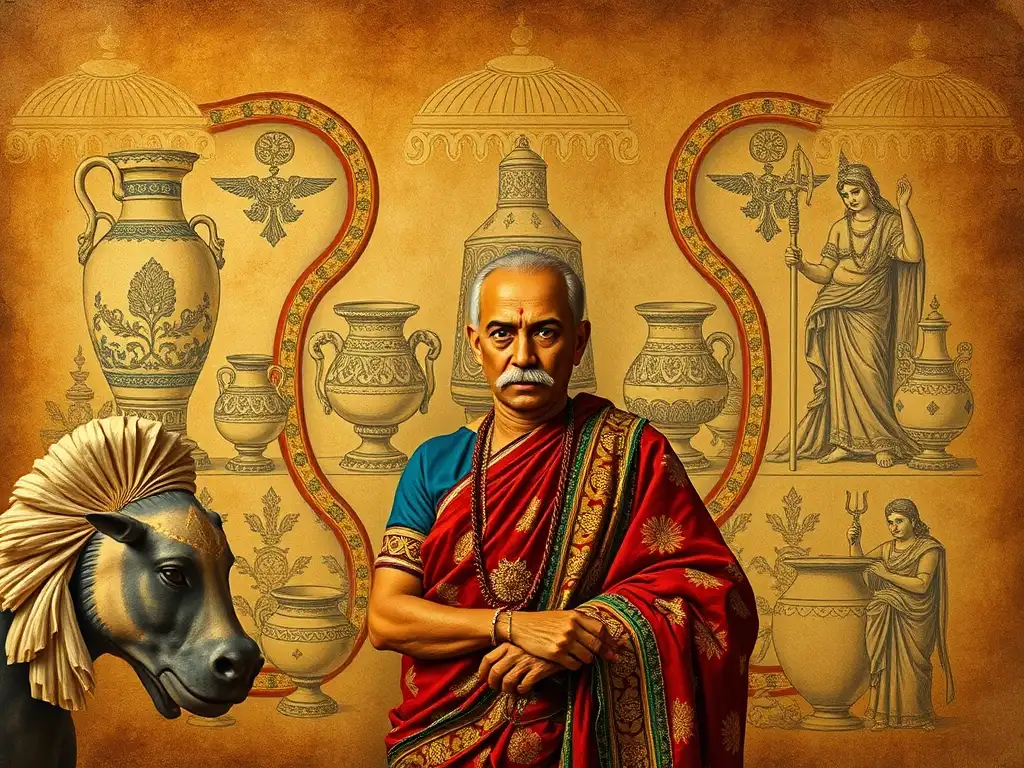
The colonial period significantly reshaped the landscape of Indian art, leaving lasting imprints that are still evident today. The introduction of Western artistic principles and themes during British rule altered traditional practices, leading to a complex interplay of indigenous and foreign influences. This transformation was not merely superficial; it penetrated deep into the aesthetic sensibilities, techniques, and subject matter of Indian art. The exposure to European styles facilitated a synthesis of art forms, which, while diluting certain traditional aspects, also paved the way for innovative expressions that reflected the socio-political changes of the time.
Lasting Changes in Artistic Techniques and Styles
Colonialism introduced a variety of new techniques and materials that significantly influenced Indian artists. The use of oil paints, for example, became popular among Indian painters, replacing traditional mediums like tempera and watercolor. This shift was not just about the materials; it also involved a change in perspective and composition. European realism, with its emphasis on linear perspective and naturalism, found its way into Indian art, leading to the emergence of hybrid styles.
Moreover, the introduction of photography during the colonial era altered how artists perceived and represented their subjects. It provided a new dimension to realism, encouraging artists to explore different themes and subjects, including landscapes and portraits, in ways that were previously uncommon. This blending of techniques resulted in a unique artistic language that merged the indigenous with the foreign, creating a dialogue between tradition and modernity.
Influence on Contemporary Indian Art
The influences of colonialism can be traced into contemporary Indian art, where artists continue to grapple with their historical legacy. Many modern Indian artists draw inspiration from both colonial narratives and traditional forms, creating works that reflect a complex identity. The fusion of Western and Indian techniques has given rise to various contemporary movements, such as the Bengal School of Art, which sought to revive traditional Indian aesthetics while incorporating modern sensibilities.
Furthermore, contemporary artworks often address colonial themes, questioning the implications of colonial history on present-day identity and culture. Artists like Subodh Gupta and Bharti Kher utilize mixed media to comment on the socio-political realities of post-colonial India, effectively continuing the dialogue initiated during the colonial period. This ongoing exploration underscores the profound and enduring impact of colonialism on the trajectory of Indian art.
Reflection of Colonial History in Modern Indian Art
Modern Indian art serves as a canvas for reflecting on the colonial experience, often portraying the struggles and triumphs of the period. Artists utilize their work to critique colonial ideologies and explore themes of identity, resistance, and cultural hybridity. For instance, the works of artists like Rameshwar Broota and Arpita Singh draw upon historical narratives to challenge the colonial legacy and highlight the resilience of Indian culture.
Moreover, the representation of colonial figures and events in contemporary art offers a critical lens through which to view history. Many artists engage in recontextualizing colonial imagery, transforming it into a commentary on power dynamics and cultural appropriation. This reflective approach not only honors the past but also empowers future generations to understand and interpret their heritage in a nuanced manner.
Conclusion: Understanding the Legacy of Colonial Influence on Indian Art
As we explore the intricate relationship between colonialism and Indian art, it becomes evident that the legacy of colonial influence is multifaceted. It encompasses both the resistance to and the embrace of change, leading to a rich tapestry of artistic expression that continues to evolve.
Summary of Key Points
The long-term impact of colonialism on Indian art is marked by significant changes in techniques and styles, the emergence of contemporary movements, and a reflective approach to colonial history. While colonialism introduced foreign elements that altered traditional practices, it also fostered innovation and resilience within the art community. Modern Indian artists navigate this complex legacy, using their work to explore themes of identity, resistance, and cultural synthesis.
Importance of Recognizing Historical Context in Artistic Interpretation
Understanding the historical context of colonial influence is crucial for a comprehensive interpretation of Indian art. It allows art historians, curators, and enthusiasts to appreciate the layers of meaning within artworks, acknowledging the duality of influence that encompasses both colonial imposition and indigenous resilience. This recognition fosters a deeper connection with the art and its creators, encouraging a more informed dialogue about cultural heritage.
Future Directions for Research on Colonial Influence on Indian Art
Future research on colonial influence in Indian art should focus on interdisciplinary approaches that bridge history, sociology, and art criticism. Exploring lesser-known artists and regional variations can provide a more nuanced understanding of how colonialism shaped diverse art forms across India. Additionally, examining the role of art in post-colonial resistance and identity formation offers fertile ground for scholarly inquiry. By delving deeper into these themes, researchers can contribute to a richer narrative of Indian art that honors its historical complexities and celebrates its contemporary expressions.
References and Further Reading
Understanding the impact of colonialism on ancient Indian art forms requires a deep dive into scholarly works, documentaries, and resources that explore this complex relationship. Below is a curated list of suggested books, articles, and documentaries that provide valuable insights into the colonial influence on Indian art.
Suggested Books and Articles on Colonialism and Indian Art
-
"Colonialism and the Object: Empire, Material Culture and the Museum" by Tim Barringer and Tom Flynn
This book highlights the relationship between colonialism and material culture, focusing on how colonial powers influenced the art forms of the regions they occupied, including India.
-
"The Art of Colonial India" by John Guy
Guy’s work examines the interactions between British and Indian artists, revealing how colonialism altered traditional art practices and introduced new styles.
-
"Indian Art and the Colonial Encounter" by Partha Mitter
Mitter provides a comprehensive analysis of how colonial ideologies affected Indian art, emphasizing the cultural exchanges and tensions that arose during this period.
-
"Imagining India: The Idea of a Nation in the Art of the British Raj" by Robert A. Bhushan
This article discusses how British artistic representations of India were shaped by colonial perspectives and how these representations affected Indian artistic expression.
-
"Art and Politics in Postcolonial India" by Aditi Ranjan
This essay explores the legacy of colonialism on contemporary Indian art, analyzing how historical influences continue to resonate in modern practices.
Recommended Documentaries and Online Resources
-
"The Great Indian Art Revival"
This documentary delves into the revival of traditional Indian art forms in the wake of colonialism, showcasing how artists have reinterpreted their heritage.
-
"Colonial Encounters: Indian Art in the British Museum"
An insightful documentary that examines the collection of Indian art at the British Museum and discusses the implications of colonialism on the preservation and interpretation of these works.
-
Online Resource: The British Library's "India Office Records"
A rich repository of documents and illustrations that provide insight into the colonial administration's view of Indian art and culture.
-
"Art and the Colonial Encounter: A Digital Archive"
This online platform offers a collection of resources, including essays, images, and critiques that explore the intersection of colonialism and Indian art.
-
YouTube Series: "The Impact of Colonialism on Indian Art"
A series of short videos that break down various aspects of colonial influence on different art forms in India, making it accessible for a broader audience.
These resources will enrich your understanding of the intricate relationship between colonialism and Indian art, showcasing the enduring effects of this historical period on artistic expression.
- Introduction to Colonial Influence on Indian Art
- Historical Background of Indian Art Forms Before Colonialism
- The Arrival of Colonial Powers in India
- Changes in Artistic Styles Due to Colonial Influence
- Colonial Institutions and Their Role in Artistic Development
- Resistance and Revival: Indian Art in Response to Colonialism
- Long-Term Impact of Colonialism on Indian Art Forms
- Conclusion: Understanding the Legacy of Colonial Influence on Indian Art
- References and Further Reading
- What was the impact of colonialism on ancient Indian art forms?
- How did colonial influence change the themes in Indian art?
- Were any ancient Indian art forms preserved despite colonial rule?
- Did colonialism affect the materials used in Indian art?
- How does the legacy of colonialism continue to influence Indian art today?
Frequently Asked Questions
What was the impact of colonialism on ancient Indian art forms?
Colonialism introduced new styles and techniques that blended with traditional Indian art, leading to a fusion of cultures. This resulted in both the preservation and transformation of ancient art forms.
How did colonial influence change the themes in Indian art?
With colonial influence, themes in Indian art shifted to reflect Western ideals and narratives, often sidelining traditional motifs. This change marked a significant transition in artistic expression during the colonial period.
Were any ancient Indian art forms preserved despite colonial rule?
Yes, many traditional art forms like Madhubani and Pattachitra were preserved. Artists maintained their cultural heritage while sometimes adapting to new influences introduced by colonialism.
Did colonialism affect the materials used in Indian art?
Absolutely. The introduction of new materials such as oil paints and canvas changed the way art was created. These materials allowed for different techniques and styles that were not previously used in traditional Indian art.
How does the legacy of colonialism continue to influence Indian art today?
The legacy of colonialism can still be seen in contemporary Indian art, where hybrid styles merge traditional and modern elements. This ongoing influence shapes the artistic identity of modern India, showcasing a dynamic evolution of its rich heritage.
Final Reflection: The Enduring Legacy of Colonial Influence on Indian Art
In examining the impact of colonialism on ancient Indian art forms, we uncover a complex tapestry woven from threads of cultural exchange, suppression, and adaptation. Today, the echoes of this colonial influence resonate through contemporary Indian art, challenging artists to navigate a landscape shaped by both historical oppression and vibrant resilience. The struggle to reclaim and redefine identity in the wake of colonialism is not just a relic of the past; it is a living, breathing reality that continues to shape artistic expression in India and beyond.
The legacy of colonialism has profoundly influenced the cultural and social landscape of India, fostering a unique blend of traditional and modern art forms. This interplay between heritage and innovation is a testament to the indomitable spirit of Indian artists who strive to honor their roots while embracing new narratives. As noted by art historian Geeta Kapur, Art is not just a reflection of society; it is a powerful medium for dialogue and transformation.
This ongoing dialogue invites us to reflect on how colonial histories inform contemporary practices and how artists use their work to challenge and reinterpret these narratives.
As we contemplate the lessons drawn from the colonial influence on Indian art, I invite you to engage with this rich history in your own life. Consider how the past informs your understanding of identity and creativity. Reflect on the ways in which you can contribute to a more inclusive narrative that honors diverse influences and celebrates the resilience of cultures. Let us carry forward the legacy of artistic expression as a means of healing, understanding, and forging connections across time and space.
Thank you for diving into the rich tapestry of ancient Indian art and its transformation through colonial influences. Your interest in this intricate history enhances our collective understanding of cultural resilience and creativity. Now, let’s take the next steps to explore these art forms even deeper!
- Dive into local museums or galleries that showcase ancient Indian art. Experience the craftsmanship firsthand and reflect on its evolution!
- Share your insights and discoveries about Indian art with friends or on social media. Engaging others in this dialogue can spread awareness and celebrate our heritage!
- Participate in workshops focused on ancient artistic techniques. Not only will you learn, but you will also contribute to preserving these traditions for future generations!
What aspect of ancient Indian art resonates most with you, and how would you like to see it preserved today?