
Rituals and Art: How Religious Practices Fostered Cultural Syncretism

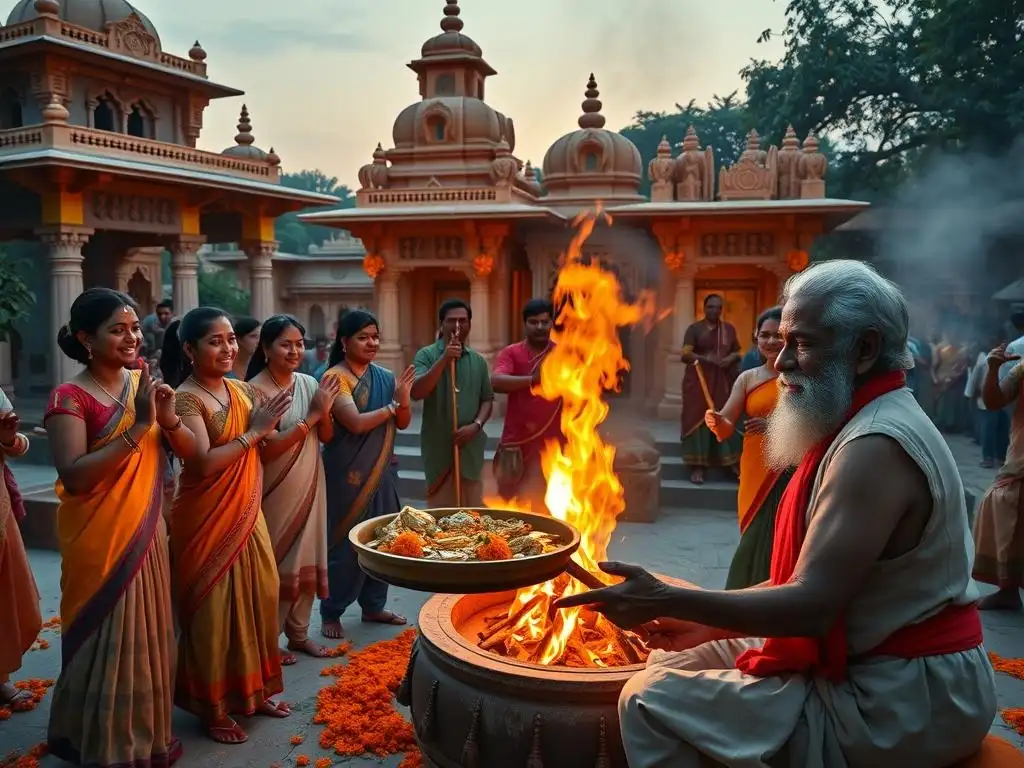
Welcome to Ancient India History, your gateway to uncovering the rich tapestry of cultural exchanges that shaped one of the world's oldest civilizations. Here, we delve into the fascinating world of ancient Indian cultural rituals, exploring how these practices not only defined spiritual life but also fostered a unique blend of traditions and beliefs across diverse communities.
As you journey through our latest article, "Rituals and Art: How Religious Practices Fostered Cultural Syncretism," prepare to be captivated by the intricate connections between art, ritual, and the harmonious coexistence of cultures in ancient India. Let your curiosity guide you deeper into the legacies that continue to influence us today!
- Introduction to Ancient Indian Cultural Rituals
- The Role of Religious Practices in Cultural Syncretism
- Key Ancient Indian Cultural Rituals
- The Impact of Religious Rituals on Art Forms
- Case Studies of Cultural Syncretism through Rituals
- Contemporary Reflections of Ancient Indian Cultural Rituals
- Conclusion: The Legacy of Ancient Indian Cultural Rituals
-
Frequently Asked Questions
- What are ancient Indian cultural rituals?
- How did religious practices contribute to cultural syncretism in ancient India?
- What role did art play in ancient Indian rituals?
- Can you provide examples of specific cultural rituals from ancient India?
- How have ancient cultural rituals influenced modern practices in India?
- Final Reflection: The Enduring Legacy of Ancient Indian Cultural Rituals
- Embrace the Harmony: Cultivate Cultural Connections Today!
Introduction to Ancient Indian Cultural Rituals
Ancient Indian cultural rituals are a vibrant tapestry woven into the fabric of India's historical landscape, reflecting the intricate interplay between religion, art, and society. From the elaborate ceremonies of the Indus Valley Civilization to the philosophical rituals of the Gupta Empire, these practices have not only shaped spiritual beliefs but also fostered significant cultural syncretism.
This article delves into the richness of ancient Indian cultural rituals, exploring how they facilitated the blending of diverse traditions, beliefs, and artistic expressions. By examining specific rituals and their impact on art, we gain a deeper understanding of how these practices contributed to the formation of a unique cultural identity that continues to influence contemporary society.
Overview of Cultural Rituals in Ancient India
Cultural rituals in ancient India were deeply rooted in the spiritual and social fabric of the civilization. These rituals varied significantly across different regions and epochs, but they shared common themes of reverence, community, and continuity. Here are some key aspects of these rituals:
- Religious Diversity: Ancient India was home to a multitude of religious practices, including Hinduism, Buddhism, Jainism, and various tribal traditions. Each of these religions had its own set of rituals, which often intersected and influenced one another.
- Festivals and Celebrations: Major festivals like Diwali, Holi, and Makar Sankranti were not just religious observances but also occasions for artistic expression. They showcased vibrant art forms, music, and dance, reflecting the cultural syncretism that characterized ancient Indian society.
- Sacred Spaces: Temples and sacred groves served as focal points for rituals, where art and architecture flourished. The intricate carvings and sculptures found in temples often depicted scenes from myths and religious stories, embodying the spiritual essence of the rituals performed there.
Importance of Rituals in Artistic Expression
Rituals in ancient India were not merely acts of worship; they were vital expressions of cultural identity and artistic creativity. The synergy between ritual and art can be observed in several key areas:
- Symbolism in Art: Many artistic works were imbued with symbolic meanings derived from rituals. For instance, the use of specific colors or motifs in paintings and sculptures often had spiritual significance, enhancing the viewer's connection to the divine.
- Performance Arts: Dance and music were integral to rituals, serving as mediums for storytelling and spiritual expression. Classical dance forms like Bharatanatyam and Kathak emerged from religious rituals, evolving into sophisticated art forms that convey deep philosophical themes.
- Cultural Exchange: As different communities and cultures interacted through trade and conquest, their rituals and artistic expressions influenced each other, leading to a rich amalgamation of styles. This cultural exchange was evident in the fusion of architectural styles, the incorporation of diverse motifs in sculpture, and the blending of musical traditions.
Ancient Indian cultural rituals were pivotal in shaping the artistic landscape of the civilization. They not only promoted spiritual devotion but also facilitated a dynamic cultural syncretism that enriched both art and society. Understanding this interplay offers valuable insights into the legacy of ancient India and its enduring influence on contemporary cultural practices.
The Role of Religious Practices in Cultural Syncretism
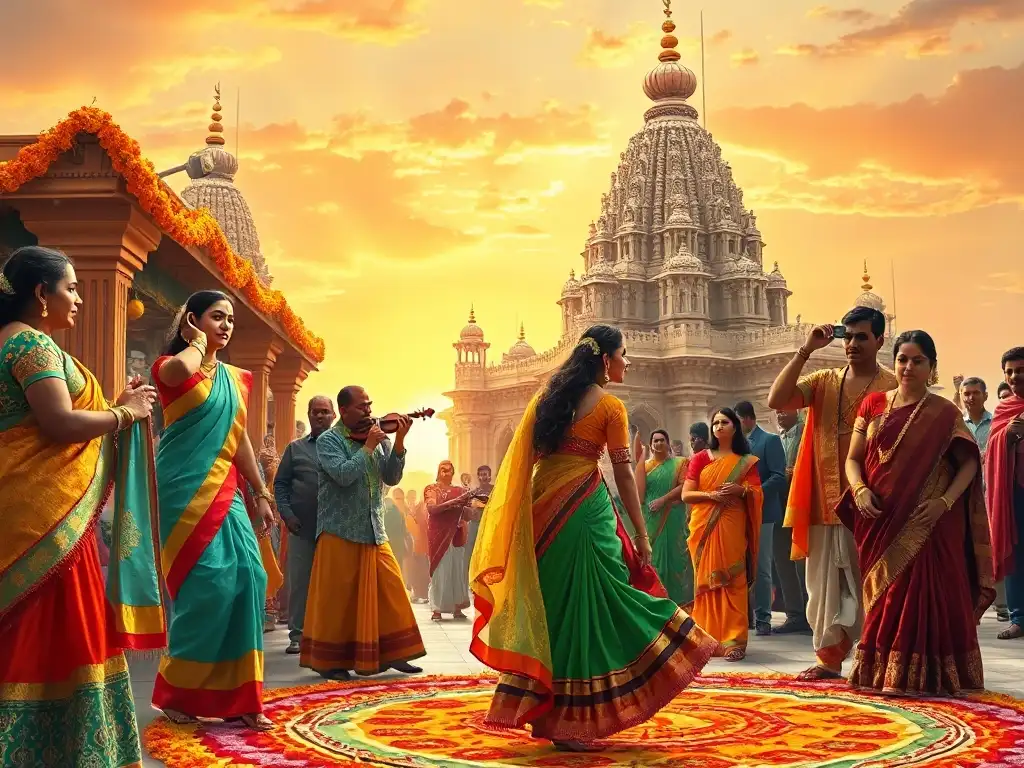
Religious practices in ancient India were pivotal in fostering cultural syncretism, a phenomenon whereby distinct cultural elements and traditions blend to create new, shared practices and beliefs. This blending not only enriched the spiritual landscape of ancient Indian civilizations but also facilitated the exchange of ideas, art forms, and rituals across various communities. The interactions between different religious traditions, such as Hinduism, Buddhism, Jainism, and later Islam, led to a dynamic cultural milieu that shaped the identity of ancient Indian society.
Definition of Cultural Syncretism in Ancient India
Cultural syncretism refers to the process through which disparate cultural practices, beliefs, and values merge to form a new, cohesive system. In ancient India, this concept is exemplified through the integration of various religious rituals, art forms, and philosophical ideas.
- Key Characteristics of Cultural Syncretism:
- Adaptation: The ability of one culture to absorb elements of another without losing its core identity.
- Innovation: The creation of new practices that emerge from the fusion of different cultural elements.
- Inclusivity: The acceptance and reverence of multiple beliefs, leading to a pluralistic society.
For instance, the synthesis of Hindu and Buddhist iconography in art demonstrates how cultural syncretism manifested in the visual representation of religious themes, merging styles, motifs, and symbols to create a unique artistic language.
Historical Context of Religious Practices
The historical backdrop of religious practices in ancient India is crucial to understanding how cultural syncretism developed. The earliest evidence of complex religious rituals can be traced back to the Indus Valley Civilization (c. 3300–1300 BCE), where archaeological findings suggest a rich tapestry of spiritual life, including the worship of fertility deities and possibly proto-Shiva-like figures.
As time progressed, the arrival of the Vedic period (c. 1500–500 BCE) marked a significant shift in religious practices, with the introduction of elaborate rituals and sacrifices outlined in the Vedas. This era laid the groundwork for Hinduism, which itself absorbed various local customs and beliefs. The interaction with and subsequent spread of Buddhism (c. 6th century BCE) added another layer to this syncretic process, as Buddhist practices, such as meditation and monasticism, began to influence Hindu rituals.
During the Maurya Empire (c. 322–185 BCE), the embrace of Buddhism by Emperor Ashoka further exemplified this cultural interchange. Ashoka’s edicts promoted religious tolerance and encouraged the spread of Buddhist ideals across his empire, leading to a fusion of Buddhist and traditional Hindu practices.
In later periods, particularly during the Gupta Empire (c. 320–550 CE), the resurgence of Hinduism saw the incorporation of Buddhist and Jain elements into temple architecture and rituals. This era is often referred to as a golden age of cultural syncretism, characterized by advancements in art, literature, and science that were deeply influenced by the confluence of various religious traditions.
The arrival of Islam in the 7th century CE and its subsequent establishment in India introduced new religious practices and artistic expressions, further enriching the cultural landscape. The resultant syncretism led to the emergence of unique forms of art, architecture, and even musical traditions that blended Islamic and Hindu elements.
The historical context of religious practices in ancient India reveals a continuous process of cultural syncretism, shaped by the interactions between diverse religious traditions. The adaptability and resilience of these practices allowed ancient Indian civilizations to thrive, creating a rich heritage that continues to influence contemporary culture.
Key Ancient Indian Cultural Rituals
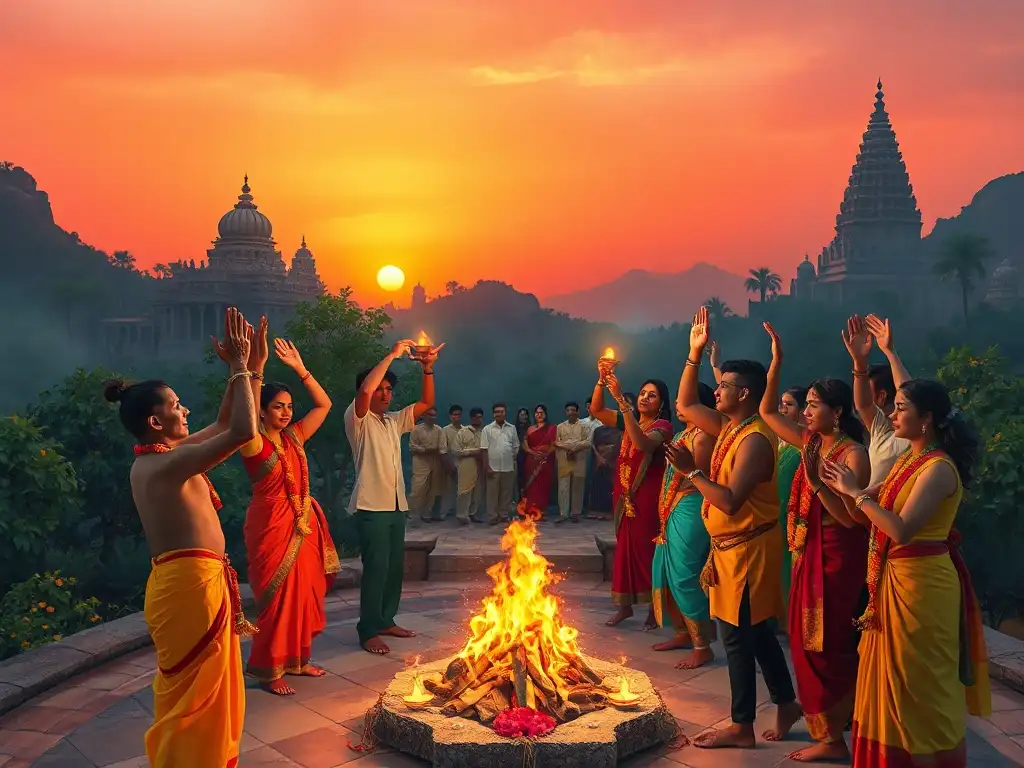
Ancient Indian cultural rituals were instrumental in shaping the diverse tapestry of beliefs, practices, and artistic expressions that characterized the subcontinent. These rituals often served as a bridge between the spiritual and the material, enabling the integration of various cultural elements across different regions and communities. Through these practices, ancient Indian civilizations not only expressed their own identities but also fostered a rich environment of cultural syncretism.
Vedic Rituals and Their Artistic Expressions
Vedic rituals, rooted in the ancient scriptures known as the Vedas, represent one of the earliest forms of religious practice in India. These rituals were complex ceremonies that involved meticulous preparations, offerings, and chants, aimed at appeasing various deities. The significance of these rituals extended beyond the spiritual realm, influencing art, architecture, and literature.
- Fire Sacrifices (Yajnas): Central to Vedic rituals were the fire sacrifices, or yajnas, which were elaborate events involving the offering of ghee, grains, and other substances to the sacred fire.
- Artistic Representation: The depiction of these rituals in ancient art forms can be seen in sculptures and paintings, illustrating the meticulous arrangements of the sacrificial altars and the priests performing the rites.
- Chanting and Music: The recitation of Vedic hymns was integral to these rituals. The rhythmic chanting not only served a spiritual purpose but also laid the groundwork for the development of classical Indian music.
- Cultural Impact: This musical tradition influenced various art forms, including dance, which often depicted stories from the Vedas.
- Symbolic Objects: Various objects used in Vedic rituals, such as the soma plant and ritual implements, were depicted in pottery and metalwork, showcasing the artistic skills of ancient artisans.
The Influence of Buddhism on Cultural Rituals
Buddhism emerged as a significant religious force in ancient India during the 5th century BCE, introducing new cultural rituals that emphasized compassion, mindfulness, and community engagement. These practices contributed to an evolving cultural landscape characterized by inclusivity and syncretism.
- Monastic Rituals: Buddhist rituals often took place in monastic settings, where meditation and communal practices fostered a sense of unity among followers.
- Artistic Expression: The architectural grandeur of stupas and monasteries, adorned with intricate carvings and frescoes, reflected the deep connection between Buddhist rituals and art.
- Festivals and Pilgrimages: Festivals celebrating the Buddha's life, like Buddha Purnima, became cultural events that attracted diverse communities, promoting an exchange of artistic traditions.
- Cultural Syncretism: These celebrations often included local customs, resulting in a blend of artistic styles in the decorations, music, and dance associated with these festivals.
- Scripts and Literature: The dissemination of Buddhist texts in various languages facilitated cultural exchanges and led to the creation of a rich literary tradition, which was often illustrated through miniatures and paintings.
Jain Practices and Their Artistic Contributions
Jainism, another major religious tradition that flourished in ancient India, placed a strong emphasis on non-violence (ahimsa) and asceticism. The rituals associated with Jain practices not only reflected these core values but also contributed significantly to the artistic heritage of India.
- Puja and Meditation: Jain rituals often revolve around puja (worship) and meditation, focusing on the veneration of Tirthankaras (spiritual teachers).
- Artistic Representation: The artistry of Jain temples, with their detailed carvings and intricate sculptures, is a testament to the importance of these rituals. The depiction of Tirthankaras in various poses reflects meditative states and spiritual ideals.
- Festivals: Jain festivals, such as Paryushana, involve a series of rituals that highlight the principles of forgiveness and reflection.
- Cultural Exchange: These festivals often see participation from diverse communities, leading to the incorporation of local artistic styles and motifs in the celebratory practices.
- Manuscript Illustrations: Jain texts and scriptures were often elaborately illustrated, with miniatures depicting key rituals and teachings, showcasing the intricate craftsmanship and contributing to the overall cultural dialogue in ancient India.
The key ancient Indian cultural rituals not only served their spiritual purposes but also acted as crucial catalysts for artistic and cultural syncretism. Through Vedic rituals, Buddhist practices, and Jain traditions, ancient Indian civilizations created a rich legacy that continues to inspire and influence contemporary culture.
The Impact of Religious Rituals on Art Forms
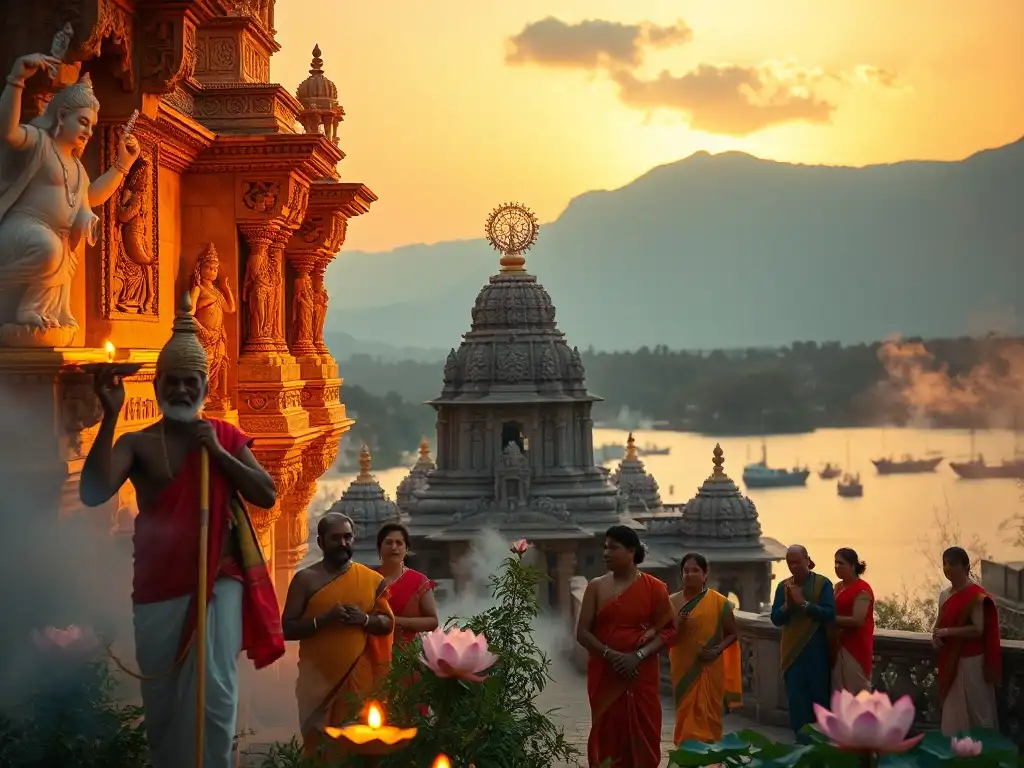
Architecture Influenced by Religious Practices
The architectural landscape of ancient India is profoundly marked by its religious rituals, which not only shaped the design but also dictated the construction of temples, stupas, and other sacred spaces. Each architectural form serves as a testament to the beliefs, values, and cultural practices of the time.
- Temple Architecture: The emergence of temple architecture in ancient India can be traced back to the Vedic period. Temples were designed as microcosms of the universe, with intricate layouts reflecting cosmological concepts. For instance, the Brahmanical temples, particularly those from the Gupta period, exhibit a blend of structural and sculptural elements, where the sanctum sanctorum (garbhagriha) is the focal point, symbolizing the divine presence.
- Stupas and Monasteries: Stupas, such as the famous Sanchi Stupa, were built as reliquaries for sacred relics and were integral to Buddhist rituals. Their hemispherical domes represent the cosmos, while the architectural features encourage circumambulation, a key ritual in Buddhist practice. Monasteries, like those at Ajanta, served as both living quarters for monks and spaces for meditation, reflecting the community's spiritual aspirations.
- Use of Symbolism: Architectural elements often incorporated symbolic motifs derived from religious texts and rituals. For example, the use of lotus motifs in temple architecture represents purity and spiritual awakening. The intricate carvings found on temple facades often depict scenes from epics such as the Mahabharata and Ramayana, merging narrative art with architectural forms.
Sculpture and Decorative Arts in Ritual Contexts
Sculpture in ancient India serves as a crucial medium through which cultural rituals were expressed and preserved. The evolution of sculptural forms showcases the intricate relationship between art and religious practice.
- Iconography: The development of specific iconographies became essential in religious rituals. Deities were sculpted with distinct attributes that conveyed their divine roles and powers. For instance, the multi-armed forms of deities like Durga and Shiva are rich in symbolic meaning, representing various aspects of creation and destruction.
- Relief Carvings: Temples often featured extensive relief carvings that depicted scenes from daily life, mythology, and religious narratives. These carvings were not merely decorative but served a didactic purpose, helping devotees to visualize and internalize the teachings of their faith. The Khajuraho Group of Monuments is particularly noted for its intricate relief work that combines eroticism with spirituality, underscoring the syncretism of cultural values.
- Material and Technique: The materials used in sculpture, such as stone, bronze, and terracotta, varied widely and were often dictated by the ritualistic context. Bronze sculptures, for example, were commonly used in temple rituals, allowing for mobility and dynamic participation in worship, as seen in the famous Nataraja sculpture representing Shiva in dance.
Painting Traditions Evolving from Ritualistic Themes
The evolution of painting in ancient India is deeply intertwined with religious practices, showcasing how ritualistic themes fostered unique artistic expressions.
- Murals and Frescoes: The tradition of mural painting flourished in ancient India, especially in Buddhist monasteries like those at Ajanta and Bagh. These murals often depicted the Jataka tales, which illustrate the previous lives of the Buddha and emphasize moral lessons. The vibrant colors and intricate narratives reflect the cultural ethos and the significance of storytelling in rituals.
- Miniature Paintings: During the medieval period, the art of miniature painting emerged, heavily influenced by Islamic artistic traditions following the Mughal conquests. This syncretism is evident in themes that blend Hindu motifs with Islamic aesthetics, creating a unique genre of art that depicted courtly life, religious ceremonies, and nature. The Mughal miniatures often included ritualistic elements, showcasing the fusion of cultural practices.
- Ritual Objects as Art: In addition to wall paintings, ritual objects like patachitra (cloth scrolls) and banjara (decorative materials) became significant art forms. These items, often adorned with vibrant narratives and religious symbols, were used in rituals and processions, emphasizing the functional aspect of art in religious practices.
The interplay of ancient Indian cultural rituals with various art forms showcases a rich tapestry of cultural syncretism, revealing how spirituality influenced artistic expressions and, conversely, how art facilitated the understanding and practice of rituals across different communities.
Case Studies of Cultural Syncretism through Rituals
The Fusion of Hindu and Buddhist Art
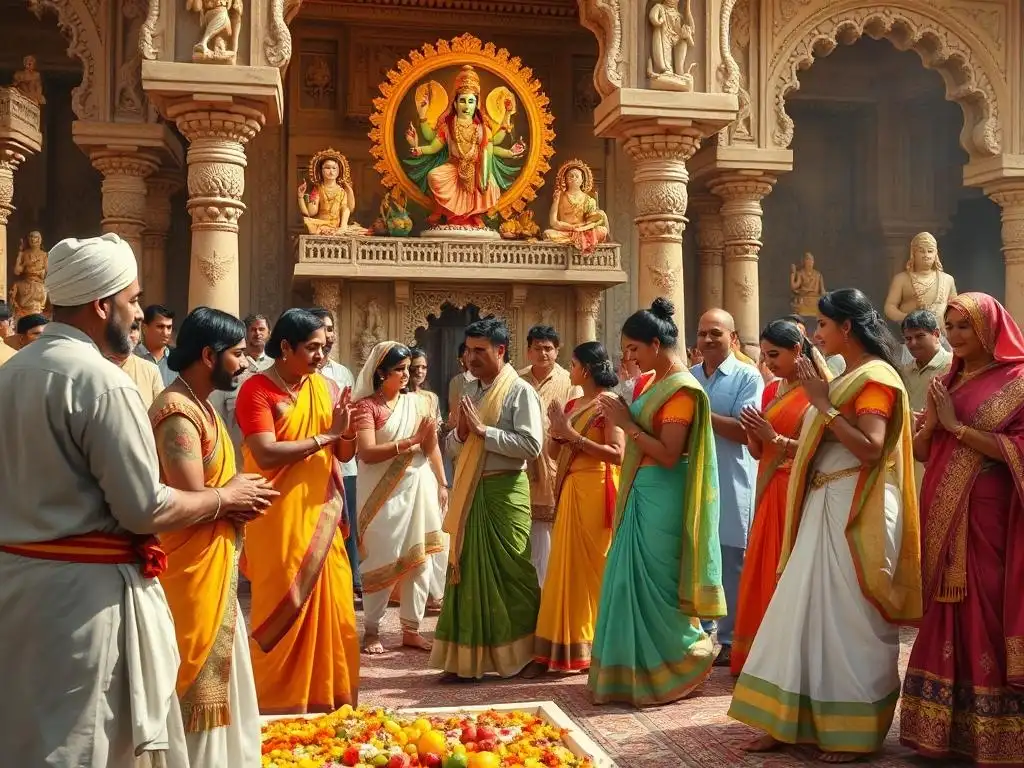
The intersection of Hindu and Buddhist art in ancient India showcases a remarkable instance of cultural syncretism, primarily driven by shared rituals and philosophical underpinnings. This convergence began in earnest around the 3rd century BCE, with the rise of Buddhism alongside the established traditions of Hinduism. Ritual practices from both religions began to intermingle, influencing artistic expressions across various regions.
Common Themes in Art
Both Hindu and Buddhist art share several thematic elements, prominently featuring:
- Deities and Iconography: While Hindu art celebrates a pantheon of gods and goddesses, Buddhist art often depicts the Buddha and Bodhisattvas. The iconography of Avalokiteshvara, for instance, draws similarities to Hindu deities like Shiva, indicating a shared reverence for divine figures.
- Symbolism: Common symbols such as the lotus flower, representing purity in both traditions, frequently appear in sculptures and paintings, illustrating the intertwining of beliefs.
- Narrative Styles: Both artistic traditions employ narrative styles that convey religious stories. For example, the relief carvings at Sanchi (Buddhist) and Khajuraho (Hindu) present similar storytelling techniques, employing intricate details to enhance the viewer's understanding of spiritual teachings.
Architectural Influences
The architectural styles of stupas and temples reflect this syncretism. The stupa at Sanchi, with its hemispherical dome and toranas, inspired the design of Hindu temples, such as those found in Khajuraho. These structures not only served as places of worship but also as artistic canvases, adorned with elaborate carvings and frescoes that depict themes from both religions.
Regional Variations of Rituals and Their Artistic Outcomes
Regional variations of rituals within ancient India played a pivotal role in shaping artistic outcomes, leading to distinct yet interconnected cultural expressions. As different communities adapted rituals to suit their local traditions, the resulting artistic forms became unique representations of cultural syncretism.
The Role of Geography and Community
The geographical diversity of India allowed for localized adaptations of rituals:
- North India: In regions like Uttar Pradesh, the rituals associated with Hindu festivals such as Diwali and Navaratri were infused with Buddhist elements, leading to vibrant local art forms. The use of colorful rangoli patterns during these festivals incorporates motifs from both traditions, signifying unity and shared cultural heritage.
- South India: In Tamil Nadu, the intricate sculptures of temples, particularly in the Brihadeeswarar Temple, reflect both Shaivite and Buddhist influences. Rituals performed during temple festivals often blend elements from both Hindu and Buddhist practices, resulting in a rich tapestry of artistic expression.
Artistic Techniques and Materials
The integration of diverse rituals also influenced the techniques and materials used in art:
- Sculpture and Relief Work: In regions where Buddhism thrived, such as Gandhara, artists utilized Greco-Roman techniques to create sculptures that depicted Hindu deities alongside Buddhist figures. This fusion of techniques led to a distinctive style characterized by realistic human forms and intricate drapery.
- Paintings and Frescoes: The Ajanta Caves exemplify how ritual practices influenced the subject matter of paintings. Scenes depicting the Jataka tales (Buddhist) often feature Hindu motifs, showcasing the fluidity of artistic themes across religious boundaries.
Conclusion
The exploration of ancient Indian cultural rituals reveals how religious practices fostered a rich landscape of artistic syncretism. By examining the fusion of Hindu and Buddhist art, as well as the regional variations of rituals, we gain insight into the profound cultural exchanges that shaped ancient Indian civilizations. This dynamic interplay not only enriched the artistic heritage of the subcontinent but also laid the groundwork for the diverse cultural identity that continues to thrive in India today.
Contemporary Reflections of Ancient Indian Cultural Rituals
Preservation of Ancient Rituals in Modern Art
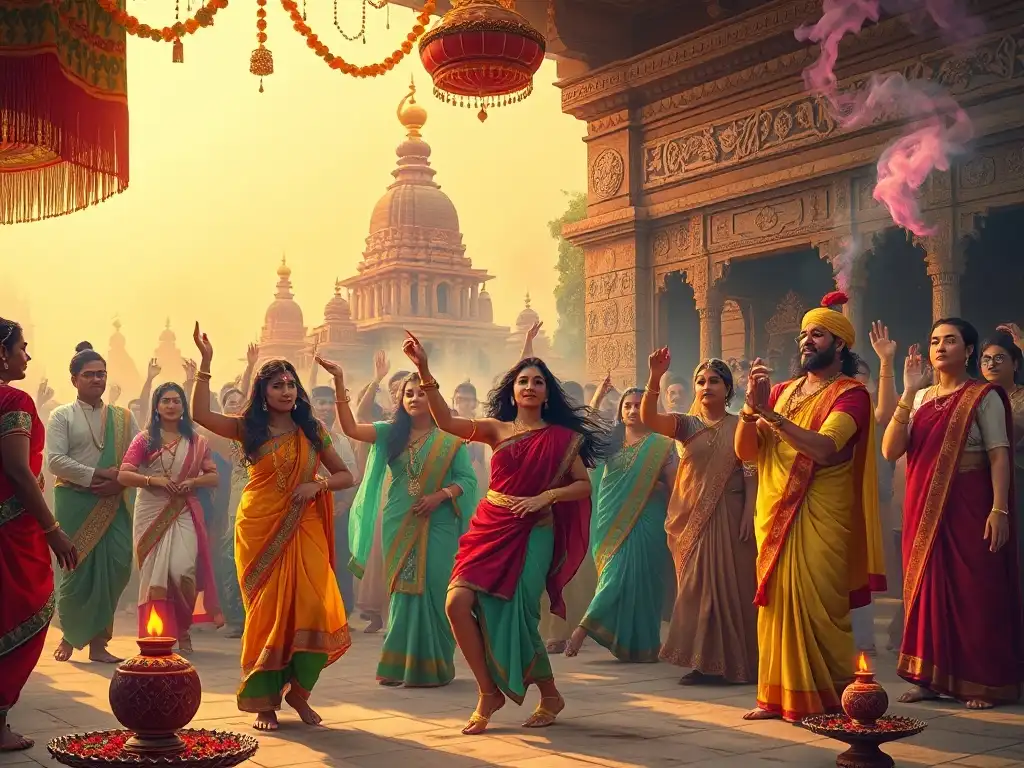
The preservation of ancient Indian cultural rituals in modern art is a testament to the enduring legacy of these practices. Artists today draw inspiration from various rituals that have been practiced for centuries, integrating their themes, symbols, and forms into contemporary works.
- Art Forms and Techniques: Various traditional art forms such as Madhubani, Warli, and Pattachitra often depict scenes from ancient rituals. These art forms not only preserve the visual aesthetics of the rituals but also serve as a medium to tell the stories behind them.
- Symbolism: Many artists utilize symbols and motifs derived from ancient rituals. For example, the lotus flower, prominent in ancient Indian culture, is often used to symbolize purity and spiritual awakening in modern artworks.
Furthermore, the revival of traditional techniques has seen a resurgence in the popularity of handcrafted art, with artists emphasizing the importance of maintaining these practices as a means of cultural identity.
Influence of Ancient Rituals on Contemporary Cultural Practices
Ancient Indian cultural rituals have significantly influenced contemporary cultural practices across various domains, including festivals, performances, and community gatherings.
- Festivals: Many modern festivals in India, such as Diwali and Holi, retain the essence of ancient rituals. The rites performed during these festivals often hark back to their historical origins, reflecting the agricultural, seasonal, and spiritual beliefs of ancient societies.
- Performative Arts: Dance and theatre, like Kathak and Natya Shastra, showcase narratives rooted in ancient rituals. The integration of ritualistic elements into performances not only honors the traditions but also educates audiences about their historical significance.
Moreover, the blending of ancient and contemporary practices has fostered a unique cultural syncretism, where new interpretations of ancient rituals create a dynamic cultural landscape.
The impact of ancient Indian cultural rituals on modern practices is profound, contributing to a rich tapestry of artistic expression and cultural identity that continues to evolve while honoring its historical roots.
Conclusion: The Legacy of Ancient Indian Cultural Rituals
Summary of Cultural Syncretism in Ancient Indian Art
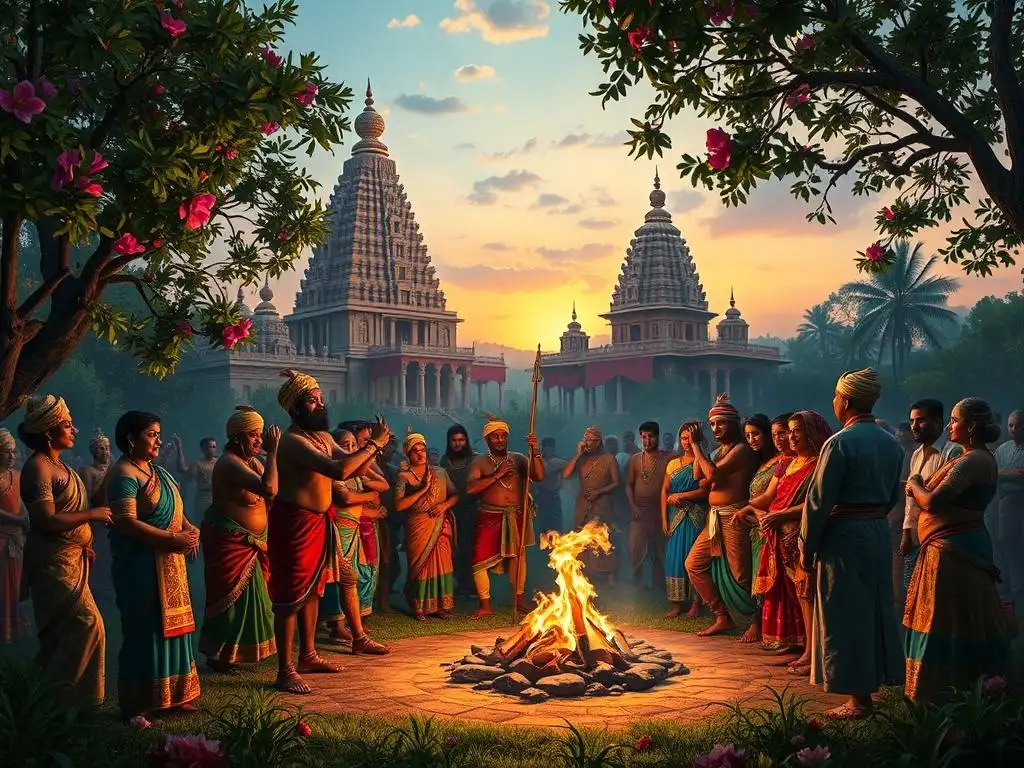
The rich tapestry of ancient Indian cultural rituals has played a pivotal role in fostering cultural syncretism throughout the region's history. From the early days of the Indus Valley Civilization to the flourishing of the Gupta Empire, these rituals served as conduits for the blending of diverse traditions, beliefs, and artistic expressions.
- Intermingling of Religious Practices: Various religious traditions, including Hinduism, Buddhism, and Jainism, coexisted and influenced one another, leading to the creation of unique syncretic practices. For instance, the worship of multiple deities and the incorporation of local beliefs into the mainstream religious framework exemplify this intermingling.
- Artistic Expressions: The visual arts, such as sculpture, painting, and architecture, reflect the syncretism of cultural rituals. Temples, for example, often display a fusion of styles, incorporating elements from different regions and religions. The intricate carvings found in Khajuraho and the rock-cut temples of Ajanta and Ellora serve as prime examples of this artistic blending.
- Literature and Performance Arts: The synthesis of cultural rituals is also evident in ancient Indian literature and performance arts. Epics like the Mahabharata and Ramayana not only narrate stories of divine and human interactions but also embody the cultural values and rituals of their time. Dance forms, such as Bharatanatyam and Kathak, further demonstrate how religious narratives and rituals are expressed through movement, emphasizing their role in cultural identity.
The legacy of these cultural rituals is a testament to the adaptability and resilience of ancient Indian civilizations, showcasing how they embraced and enriched their cultural landscape through syncretism.
Final Thoughts on the Importance of Rituals in Cultural Identity
The significance of ancient Indian cultural rituals extends far beyond their immediate religious purpose; they are fundamental to understanding the cultural identity of the region. These rituals, deeply rooted in the lives of the people, acted as a means of social cohesion, providing a shared framework for community engagement and identity formation.
- Cultural Continuity: By preserving and passing down rituals through generations, ancient Indian civilizations ensured the continuity of cultural practices that define their identities. This preservation is crucial not only for historical understanding but also for contemporary cultural expressions.
- Adaptation and Resilience: The ability of these rituals to adapt over time, absorbing influences from various cultures while maintaining core elements, highlights the resilience of ancient Indian society. Rituals became platforms for negotiation and collaboration, allowing different communities to coexist harmoniously.
- Reflection of Values and Beliefs: Ultimately, ancient Indian cultural rituals are a reflection of the values, beliefs, and aspirations of the people. They encapsulate the philosophical, spiritual, and artistic dimensions of life, serving as a lens through which we can explore the complexities of ancient Indian civilization.
The exploration of ancient Indian cultural rituals reveals a legacy of cultural syncretism that not only shaped the artistic expressions of the time but also remains integral to understanding the multifaceted identity of ancient India.
Frequently Asked Questions
What are ancient Indian cultural rituals?
Ancient Indian cultural rituals refer to the various religious and social practices that were integral to the lives of ancient Indian civilizations, often reflecting their spiritual beliefs and societal norms.
How did religious practices contribute to cultural syncretism in ancient India?
Religious practices, including rituals and ceremonies, often blended elements from different cultures, fostering cultural syncretism and creating a unique tapestry of traditions that enriched Indian heritage.
What role did art play in ancient Indian rituals?
Art served as a medium to express religious beliefs and was often incorporated into rituals, enhancing the overall experience and helping to communicate spiritual narratives through visual representations.
Can you provide examples of specific cultural rituals from ancient India?
Examples include the Vedic rituals such as Yajnas (sacrificial offerings) and festivals like Diwali, which not only honored deities but also reinforced community bonds and cultural identity.
How have ancient cultural rituals influenced modern practices in India?
Many ancient rituals have been preserved or adapted in contemporary Indian culture, reflecting enduring values and traditions, and continuing to shape societal norms and celebrations today.
Final Reflection: The Enduring Legacy of Ancient Indian Cultural Rituals
**The intricate tapestry of ancient Indian cultural rituals continues to resonate in our modern world, illustrating how religious practices have not only shaped identities but have also fostered a rich cultural syncretism. As we navigate an increasingly globalized society, the lessons embedded within these rituals remind us of the power of shared traditions and the beauty of diversity. The relevance of these practices transcends time, urging us to embrace our collective heritage while fostering unity in diversity.
Cultural syncretism, as seen through the lens of ancient Indian rituals, has profoundly influenced the social fabric of our contemporary world. These rituals serve as a bridge, connecting various communities and promoting understanding among different belief systems. The words of Mahatma Gandhi resonate deeply here: Our ability to reach unity in diversity will be the beauty and the test of our civilization.
This observation underscores the ongoing influence of these ancient practices, encouraging us to reflect on how they shape our interactions and relationships today.
As we conclude our exploration of rituals and art, I invite you to reflect on the cultural practices that surround you and consider how they contribute to your identity and community. Embrace the lessons of ancient Indian cultural rituals by engaging with diverse traditions and fostering a spirit of inclusivity. Let us honor the past while actively participating in the creation of a harmonious future, where the richness of our shared heritage can illuminate the path toward understanding and unity.
Embrace the Harmony: Cultivate Cultural Connections Today!
Thank you for diving into the fascinating world of rituals and art! You've uncovered how religious practices can create beautiful blends of cultures. Now, it’s time to put that inspiration into action.
- Dive Deeper: Explore local art exhibits or cultural festivals that showcase the rich tapestry of traditions. **Participate actively** and appreciate the stories behind them!
- Share the Knowledge: Discuss your insights with friends or on social media. **Encourage a dialogue** about how cultural syncretism influences our lives today.
- Create Your Own Ritual: Develop a unique practice that combines elements from various cultures. **Start a community project** that highlights the beauty of diverse traditions!
How will you connect with the rich cultural heritage around you, and what unique blend of traditions will you bring to life?