
The Language of the Ancients: Exploring Scripts Used in Indian Inscriptions

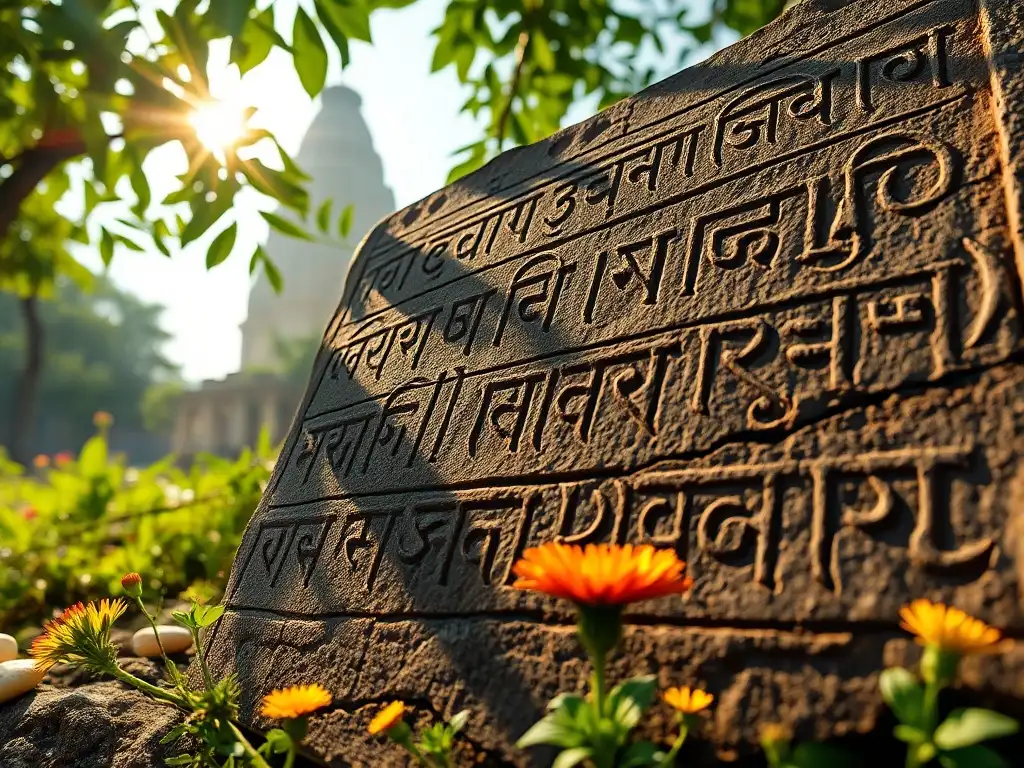
Welcome to Ancient India History, where we embark on a fascinating journey through the rich tapestry of India's past. Delve into the mysteries of ancient Indian scripts and inscriptions, the very foundations of communication that shaped civilizations from the Indus Valley to the Gupta Empire.
As you explore our latest article, "The Language of the Ancients: Exploring Scripts Used in Indian Inscriptions," prepare to uncover the secrets behind these intricate symbols and their profound impact on culture and society. Join us as we unlock the stories etched in stone and clay, inviting you to discover more about the legacy of our ancestors.
Introduction to Ancient Indian Scripts and Inscriptions
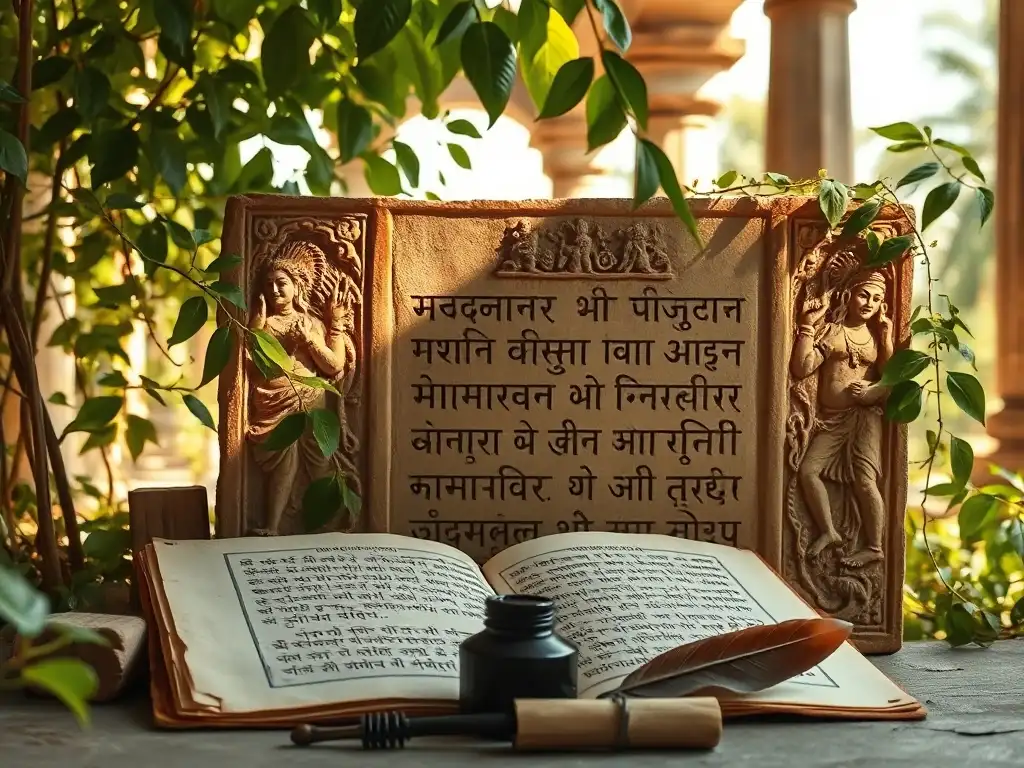
The study of ancient Indian scripts and inscriptions is crucial for understanding the rich tapestry of India's historical narrative. From the sophisticated urban centers of the Indus Valley Civilization to the scholarly pursuits of the Gupta Empire, these scripts serve as a window into the thoughts, beliefs, and daily lives of our ancestors.
By examining these ancient writings, historians and linguists can uncover the socio-political dynamics, cultural exchanges, and technological advancements that shaped early Indian society. Inscriptions not only reveal the linguistic diversity of the time but also provide insights into the administration, religion, and artistic expressions prevalent in various regions.
Overview of Ancient Indian Civilization
Ancient India was marked by a series of remarkable civilizations, each contributing to the development of language and script. The Indus Valley Civilization, flourishing around 2500 BCE, showcased some of the earliest forms of writing through seals and pottery. Following this, the Vedic period saw the emergence of oral traditions that laid the groundwork for written texts. By the time of the Maurya and Gupta Empires, a variety of scripts had developed, reflecting the interaction of diverse cultures and languages across the subcontinent.
Significance of Inscriptions in Historical Study
Inscriptions serve as invaluable primary sources for historians. They not only document historical events but also provide context to the social and cultural fabric of ancient India. The content of inscriptions ranges from royal edicts and religious proclamations to trade agreements and personal dedications. By analyzing these texts, scholars can piece together the political landscape, religious beliefs, and even the everyday life of the people. Moreover, the study of inscriptions helps trace the evolution of languages and scripts over time, highlighting the dynamic nature of communication in ancient societies.
The Evolution of Ancient Indian Scripts
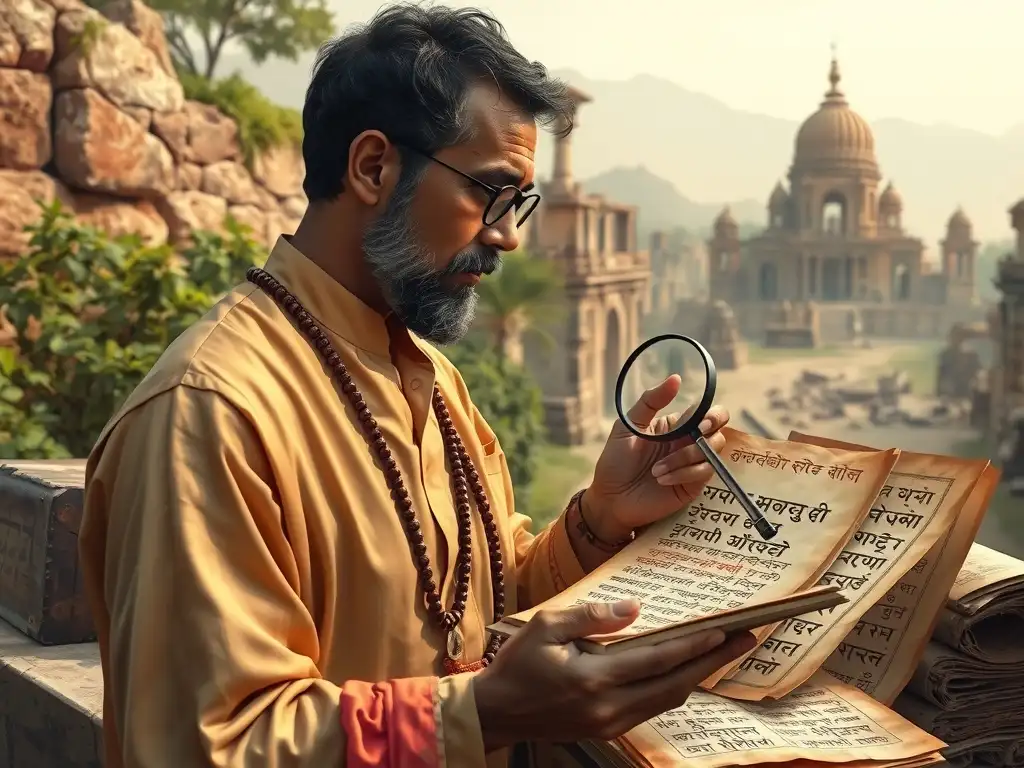
The evolution of ancient Indian scripts is a fascinating journey that reflects the cultural and linguistic diversity of the region. From the early symbols of the Indus Valley to the more structured forms of writing in later periods, each script has its own unique characteristics and historical significance.
Early Scripts of the Indus Valley Civilization
The Indus Valley Civilization (c. 3300–1300 BCE) is known for its enigmatic script, which remains undeciphered to this day. The symbols, found on seals, pottery, and other artifacts, suggest a complex system of communication. While the exact nature of this script is still debated, it is believed to have been used for administrative and trade purposes, indicating a highly organized society.
Brahmi Script: The Foundation of Indian Writing
Brahmi script, emerging around the 3rd century BCE, is often regarded as the foundation of Indian writing systems. It is characterized by its phonetic nature, where each character corresponds to a specific sound. This script laid the groundwork for many modern Indian scripts, including Devanagari, and was instrumental in the dissemination of Buddhist texts across Asia. Its adaptability and evolution reflect the linguistic diversity of ancient India.
Kharosthi Script: Unique Features and Usage
Kharosthi script, prevalent in the northwest regions of ancient India, has distinct features that set it apart from Brahmi. Written from right to left, this script was primarily used for administrative and religious texts during the Mauryan period. Its decline coincided with the spread of Brahmi, yet it remains a crucial part of the linguistic heritage of the region.
Other Regional Scripts: A Brief Overview
In addition to Brahmi and Kharosthi, ancient India was home to various regional scripts that emerged due to local linguistic needs. These include:
- Tamil Brahmi: An early script used in southern India, which contributed to the development of Tamil script.
- Grantha: Used primarily for writing Sanskrit in southern India.
- Naga Script: Developed in the northeastern regions, reflecting the diverse tribal languages.
Each of these scripts illustrates the rich linguistic landscape of ancient India, showcasing how local cultures influenced writing systems and communication methods.
By exploring these ancient scripts and inscriptions, we gain a deeper appreciation for the complexities of India's historical narrative and the enduring legacy of its ancient civilizations.
Major Types of Ancient Indian Inscriptions
Ancient Indian inscriptions are vital historical sources that provide insights into the language, culture, governance, and societal norms of past civilizations. Among the various types of inscriptions, three primary categories stand out: stone inscriptions, copper plate inscriptions, and terracotta inscriptions. Each category offers unique perspectives on the period it represents and serves distinct purposes in the context of ancient Indian society.
Stone Inscriptions: Preservation and Significance
Stone inscriptions are among the most enduring forms of ancient writings, often carved into rock or stone surfaces. These inscriptions have survived the test of time due to the durability of their material, making them crucial for historical studies. They were predominantly used for recording significant events, royal decrees, religious texts, and commemorative messages.
- Preservation: The hard nature of stone allows these inscriptions to withstand environmental factors, contributing to their longevity. Examples include the Edicts of Ashoka, which are engraved on pillars and rocks across India.
- Significance: Stone inscriptions provide a wealth of information about the political systems, religious practices, and social structures of ancient India. They often reflect the linguistic evolution and the artistic styles prevalent at the time.
Copper Plate Inscriptions: Usage and Context
Copper plate inscriptions are another significant category of ancient Indian writings. These inscriptions, etched on thin sheets of copper, were widely used from the early medieval period onwards. They typically served administrative purposes and were often issued by kings or local rulers.
- Usage: Copper plates were commonly used to record land grants, donations to temples, and other legal transactions. Their portability made them useful for disseminating information across regions.
- Context: The inscriptions often include details about the beneficiaries and the terms of grants, shedding light on economic practices and social hierarchies. Notable examples include the Brahmi plates and the Chola copper plates, which reveal insights into the political and economic landscape of their respective eras.
Terracotta Inscriptions: Material and Cultural Insights
Terracotta inscriptions, made from baked clay, represent a more ephemeral form of writing in ancient India. These inscriptions are often found in the form of seals, pottery, or small tablets and provide fascinating insights into the everyday life and beliefs of ancient people.
- Material: The use of terracotta indicates a more accessible and utilitarian approach to writing, often reflecting localized practices rather than grand historical narratives. They are less durable than stone or copper but offer a unique glimpse into the material culture of the time.
- Cultural Insights: Terracotta inscriptions often include symbols, motifs, and short texts that reveal information about trade, religious practices, and social interactions. They are particularly significant in the context of the Indus Valley Civilization, where seals with script have been discovered, though their meanings remain partially undeciphered.
Notable Ancient Indian Inscriptions
The historical landscape of ancient India is dotted with numerous inscriptions that have left a profound impact on our understanding of its civilizations. Among these, a few inscriptions stand out due to their historical significance and the insights they provide into the socio-political and cultural milieu of their times.
The Edicts of Ashoka: A Historical Milestone
The Edicts of Ashoka are a series of inscriptions created during the reign of Emperor Ashoka, who ruled from 268 to 232 BCE. These edicts, inscribed on rocks and pillars throughout the Indian subcontinent, are considered one of the earliest written records of Indian history.
- Content: The edicts primarily promote the principles of Dhamma, advocating for non-violence, tolerance, and moral governance. They reflect Ashoka's commitment to Buddhism and his efforts to spread its teachings.
- Impact: These inscriptions not only provide insight into Ashoka's rule but also serve as a crucial link between ancient Indian civilization and the broader spread of Buddhist philosophy. They have been instrumental in understanding the ethical framework of governance in ancient India.
The Allahabad Pillar Inscription: Political and Cultural Reflections
The Allahabad Pillar Inscription, also known as the Prayag Prashasti, dates back to the 10th century CE and is attributed to the reign of Emperor Samudragupta of the Gupta Dynasty. This inscription is carved on a pillar in Allahabad and serves as a significant historical document.
- Political Reflections: The inscription details the military conquests of Samudragupta, highlighting his prowess as a ruler. It serves as a testament to the expansive nature of Gupta rule and the political dynamics of the time.
- Cultural Context: Beyond politics, the inscription also sheds light on the cultural patronage of the Gupta period, which is often referred to as a golden age of art and literature in India. It reflects the flourishing of Sanskrit literature and the arts during this era.
Gupta Era Inscriptions: Art and Literature
The Gupta era, often hailed as the golden age of Indian culture, produced a wealth of inscriptions that are significant for their artistic and literary contributions. These inscriptions reveal the interplay of art, religion, and governance during a time of remarkable cultural achievement.
- Artistic Contributions: Gupta inscriptions are known for their exquisite calligraphy and artistic embellishments. They often feature intricate designs, showcasing the advanced artistic techniques of the time.
- Literary Insights: Many of these inscriptions are composed in Sanskrit, reflecting the linguistic and literary advancements of the Gupta period. They include poetic verses, dedicatory inscriptions, and records of donations to temples, providing valuable insights into the religious and cultural practices of the time.
Through the exploration of these inscriptions, we gain a deeper understanding of the complexities and richness of ancient Indian civilizations, highlighting their significant contributions to history, culture, and the arts.
The Role of Ancient Indian Scripts in Culture and Religion
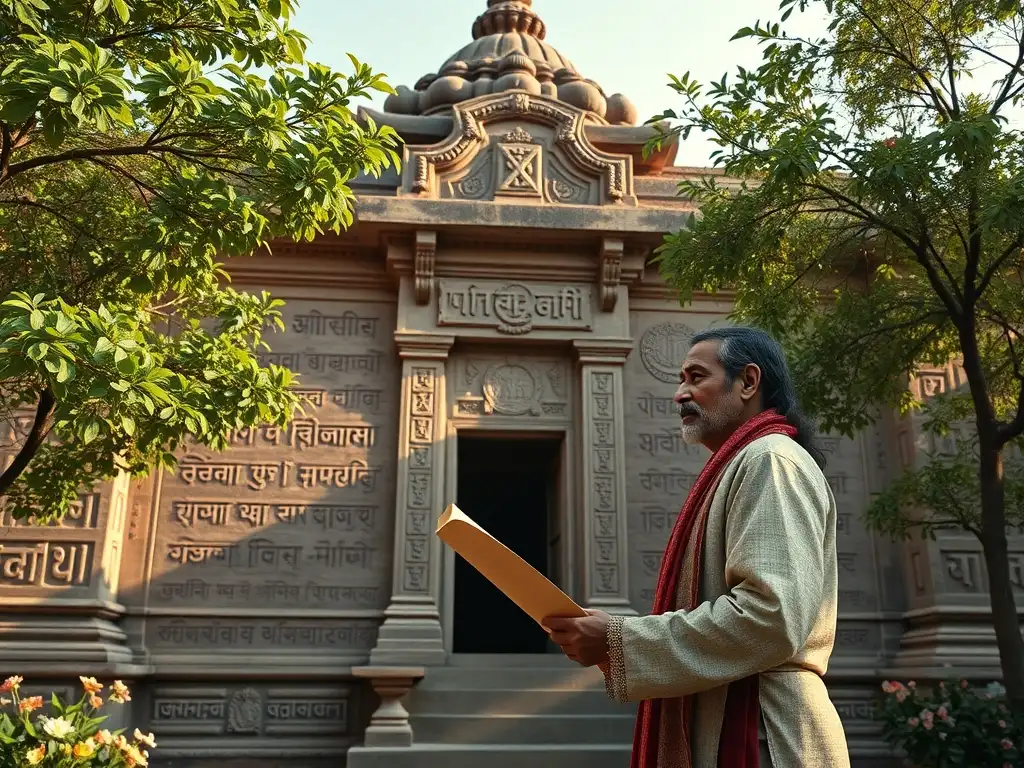
Ancient Indian scripts played a pivotal role in shaping the cultural and religious landscape of the subcontinent. These scripts were not merely tools for communication; they embodied the philosophical, spiritual, and artistic expressions of their time. The emergence of scripts such as Brahmi and Kharosthi marked significant milestones in the recording of religious texts, legal decrees, and literary works, allowing for the preservation and dissemination of knowledge across generations.
The scripts facilitated the development of religious literature, notably the Vedas, Upanishads, and various Buddhist texts, which were essential in articulating the spiritual tenets of Hinduism, Buddhism, and Jainism. Inscriptions found in temples and stupas often contained hymns, prayers, and teachings that were integral to the rituals and practices of these faiths. The written word thus became a means of connecting the divine with the mortal realm, allowing followers to engage with their beliefs in a structured and meaningful way.
Moreover, the evolution of scripts reflected the dynamic interplay between different cultures and languages in ancient India. As various dynasties rose and fell, scripts adapted and evolved, incorporating elements from local dialects and foreign influences. This adaptability not only enriched the cultural tapestry of India but also illustrated the fluidity of identity and expression through language.
Scripts in Religious Texts: Manuscripts and Inscriptions
Religious texts in ancient India were predominantly recorded in scripts like Brahmi, Devanagari, and Tamil. Manuscripts written in Brahmi, the earliest known Indian script, can be traced back to as early as the 3rd century BCE, often encapsulating important teachings of Buddhism and Jainism. These texts were meticulously copied by scribes, ensuring the transmission of religious knowledge over centuries.
Inscriptions found on stone pillars, stupas, and temple walls serve as crucial historical documents that provide insights into the religious practices of ancient civilizations. For instance, the Edicts of Ashoka inscribed on rocks and pillars detail the moral and ethical guidelines promulgated by Emperor Ashoka, reflecting the principles of Buddhism. This practice of inscribing religious texts not only made them accessible to the masses but also immortalized the teachings in the landscape.
The proliferation of scripts in religious contexts fostered a culture of literacy and scholarship, where monks and scholars engaged in the study and interpretation of sacred texts. This intellectual tradition paved the way for the establishment of monasteries and universities, such as Nalanda, which became centers of learning and spiritual discourse in ancient India.
The Influence of Scripts on Art and Architecture
Ancient Indian scripts significantly influenced the realms of art and architecture, intertwining language with visual expression. The decorative inscriptions on temple walls, sculptures, and artifacts often featured intricate calligraphy, reflecting the artistic sensibilities of the time. These inscriptions not only conveyed religious messages but also served decorative purposes, enhancing the visual appeal of architectural masterpieces.
The scriptural elements in art can be seen in the famous Ajanta and Ellora caves, where beautifully carved inscriptions narrate stories from Buddhist, Hindu, and Jain traditions. The artistry in these inscriptions showcases the profound connection between language and artistic creativity, where script was employed as an integral part of the overall aesthetic experience.
Furthermore, the use of scripts in architecture extended beyond decoration. They embodied the cultural narratives and historical chronicles of the societies that produced them. Temples dedicated to various deities often bore inscriptions that explained their significance, rituals, and the patronage of kings, thus serving as enduring records of cultural heritage.
Challenges in Deciphering Ancient Indian Inscriptions
Deciphering ancient Indian inscriptions presents a multitude of challenges, primarily due to language barriers, preservation issues, and the ongoing nature of research in the field of epigraphy. Each of these factors contributes to the complexity of understanding the historical context and significance of these inscriptions.
Language Barriers and Linguistic Evolution
One of the foremost challenges in interpreting ancient inscriptions is the linguistic diversity and evolution over time. Ancient Indian languages, such as Sanskrit, Prakrit, and Pali, have undergone significant changes, making it difficult for modern scholars to accurately translate and comprehend the nuances of older texts. The phonetic and grammatical shifts that occurred over centuries can obscure meanings and lead to misinterpretations.
Moreover, the use of regional dialects and scripts adds another layer of complexity. Different dynasties and regions employed various scripts and languages, creating a rich tapestry of inscriptions that may not be easily translatable. Scholars must possess a deep understanding of historical linguistics and the specific context of each inscription to unravel its meaning effectively.
Preservation Issues: Weathering and Damage
Inscriptions have often faced the ravages of time, environmental conditions, and human intervention, leading to significant preservation challenges. Many inscriptions carved on stone or metal have suffered from weathering, erosion, and vandalism, resulting in partial or complete loss of text. This degradation poses a significant obstacle for epigraphists attempting to reconstruct historical narratives.
Efforts to preserve these inscriptions are ongoing, but they require careful and sometimes costly intervention. Conservation techniques, such as chemical treatments and protective coatings, are employed to safeguard these artifacts, yet the delicate balance between preservation and restoration remains a topic of debate among experts.
Ongoing Research and Discoveries in Epigraphy
The field of epigraphy is continuously evolving, driven by ongoing research and discoveries that shed light on ancient Indian scripts and inscriptions. Archaeological excavations, technological advancements, and interdisciplinary approaches have resulted in new findings that enhance our understanding of ancient civilizations.
Recent breakthroughs in imaging technology, such as 3D scanning and digital mapping, have allowed researchers to capture detailed information about inscriptions that may be difficult to observe with the naked eye. These methods enable scholars to decode damaged or worn inscriptions, uncovering lost histories that were previously inaccessible.
Furthermore, collaborative efforts among historians, linguists, and archaeologists are leading to a more comprehensive understanding of the cultural and historical contexts of inscriptions. As new inscriptions are discovered and existing ones re-evaluated, the narrative of ancient Indian history continues to expand, offering fresh insights into the lives, beliefs, and practices of past civilizations.
Conclusion: The Legacy of Ancient Indian Scripts and Inscriptions
The legacy of ancient Indian scripts and inscriptions is profound, shaping not only the historical narrative of the subcontinent but also influencing contemporary culture and languages. These scripts, including Brahmi, Kharosthi, and Tamil, serve as the bedrock for an array of modern Indian languages, reflecting the rich linguistic diversity that characterizes India today. The inscriptions found in various archaeological sites provide invaluable insights into the social, political, and economic dimensions of ancient Indian civilizations. They reveal the interactions between different cultures, trade routes, religious beliefs, and administrative practices.
Furthermore, these ancient scripts are emblematic of the intellectual and artistic achievements of their time. The intricate carvings and the stylistic nuances of these inscriptions demonstrate a high level of craftsmanship and a deep understanding of language. As scholars continue to decode and interpret these scripts, they uncover layers of meaning that deepen our appreciation for ancient Indian thought and expression. This ongoing exploration not only enriches our understanding of the past but also reinforces the enduring significance of these early forms of communication in shaping Indian identity.
Impact on Modern Indian Languages and Scripts
The influence of ancient Indian scripts on modern languages cannot be overstated. For instance, the Brahmi script is considered the ancestor of numerous scripts used across India and Southeast Asia, including Devanagari, Bengali, and Gujarati. Each of these scripts has evolved from the foundational principles established by Brahmi, showcasing the continuity and transformation of linguistic expression over millennia.
The impact extends beyond mere script; it permeates vocabulary and grammar in many modern languages. Words derived from ancient texts often carry historical significance, linking contemporary speakers to their ancient predecessors. For example, the Sanskrit language, which has its roots in ancient Indian scripts, remains a significant source of vocabulary for many modern Indian languages, including Hindi, Marathi, and Kannada.
Moreover, the study of these ancient scripts has fostered a renewed interest in linguistic heritage, prompting educational institutions to incorporate traditional languages into their curricula. This resurgence helps preserve linguistic diversity and promotes an understanding of the cultural narratives embedded within these languages, ensuring that the legacies of ancient Indian scripts continue to thrive in a modern context.
The Importance of Continued Study in Understanding Ancient Heritage
The continued study of ancient Indian scripts and inscriptions is critical for several reasons. First and foremost, it allows historians and linguists to construct a more comprehensive understanding of ancient Indian civilizations. By analyzing inscriptions, researchers can glean insights into social structure, religious practices, and even daily life during various historical periods.
Moreover, as archaeological discoveries are made and new technologies are developed for analyzing inscriptions, the potential for new findings increases exponentially. Techniques such as digital imaging and 3D modeling have revolutionized the way inscriptions are studied, enabling scholars to uncover details that were previously inaccessible. This not only aids in translating and interpreting ancient texts but also opens avenues for new research that can challenge existing narratives or reveal previously unknown aspects of ancient Indian history.
Additionally, the study of these scripts fosters a sense of connection to cultural heritage. As contemporary society grapples with globalization and rapid change, understanding the past through its written word can provide grounding and continuity. Educational initiatives and public outreach that promote this study can inspire future generations to appreciate and engage with their heritage, ensuring that the rich tapestry of ancient Indian history remains vibrant and relevant.
- Introduction to Ancient Indian Scripts and Inscriptions
- Overview of Ancient Indian Civilization
- Significance of Inscriptions in Historical Study
- The Evolution of Ancient Indian Scripts
- Major Types of Ancient Indian Inscriptions
- Notable Ancient Indian Inscriptions
- The Role of Ancient Indian Scripts in Culture and Religion
- Challenges in Deciphering Ancient Indian Inscriptions
- Conclusion: The Legacy of Ancient Indian Scripts and Inscriptions
Frequently Asked Questions
What are ancient Indian scripts?
Ancient Indian scripts are writing systems developed in the Indian subcontinent, including Brahmi, Kharosthi, and Tamil scripts, used for various languages and inscriptions.
Why are inscriptions important in studying ancient Indian history?
Inscriptions provide valuable insights into the social, political, and cultural aspects of ancient Indian civilizations, serving as primary sources for historians.
What does the Brahmi script signify in ancient Indian writings?
The Brahmi script is regarded as one of the earliest scripts in India, influencing many subsequent scripts and playing a crucial role in the development of writing in the region.
How did ancient Indian scripts contribute to culture?
Ancient Indian scripts facilitated the preservation and dissemination of knowledge, literature, and religious texts, enriching the cultural tapestry of ancient India.
Are there any notable inscriptions that highlight ancient Indian civilization?
Yes, inscriptions like the Ashoka Edicts and Gupta inscriptions reveal key events, governance, and societal values, showcasing the rich heritage of ancient Indian civilizations.
Final Reflection: The Enduring Legacy of Ancient Indian Scripts
The exploration of ancient Indian scripts and inscriptions is not merely an academic pursuit; it is a vital link to our cultural heritage and identity. Today, as we navigate a rapidly changing world, the significance of these scripts becomes increasingly apparent. They serve as a reminder of our rich history and the wisdom embedded in our past. Understanding these ancient languages allows us to appreciate the depth of our civilization and the narratives that have shaped our present.
The influence of ancient Indian scripts extends beyond mere historical curiosity; they continue to resonate in our cultural and social landscapes. From the intricate carvings on temple walls to the manuscripts that have survived through centuries, these inscriptions tell stories of our ancestors, their beliefs, and their knowledge. As we engage with these texts, we are reminded of the words of Mahatma Gandhi: A nation's greatness is measured by how it treats its weakest members.
This sentiment echoes the importance of preserving our linguistic heritage, as it reflects our values and the respect we owe to those who came before us.
As you reflect on the insights gained from exploring ancient Indian scripts, consider how these lessons can be applied in your own life. Embrace the richness of your heritage and seek to understand the stories that shape your identity.
Whether through learning a new script, visiting historical sites, or engaging with scholarly works, let the language of the ancients inspire you to connect with your roots and contribute to the ongoing narrative of our shared human experience. The past is not just a series of events; it is a living testament to our collective journey, urging us to honor and learn from it as we move forward.
Unveil the Mysteries of Ancient Scripts!
Thank you for diving into the fascinating world of ancient Indian inscriptions with us! Your journey into the rich tapestry of language and culture has just begun. Now, it’s time to put your newfound knowledge into action and explore these captivating scripts even further.
- Start your exploration by learning to write your name in one of the ancient scripts we discussed! Grab some paper and do a bit of research on Brahmi or Kharosthi to recreate your identity in a historical context.
- Share your findings! Connect with fellow history enthusiasts by posting your script creations on social media and tagging us at #AncientIndiaScripts.
- Join a local history group or online forum where you can engage with others who share your passion for ancient languages and scripts.
Which ancient script captures your imagination the most, and how would you like to delve deeper into its history?