
The Role of Inscriptions in Shaping Ancient Indian Laws and Ethics

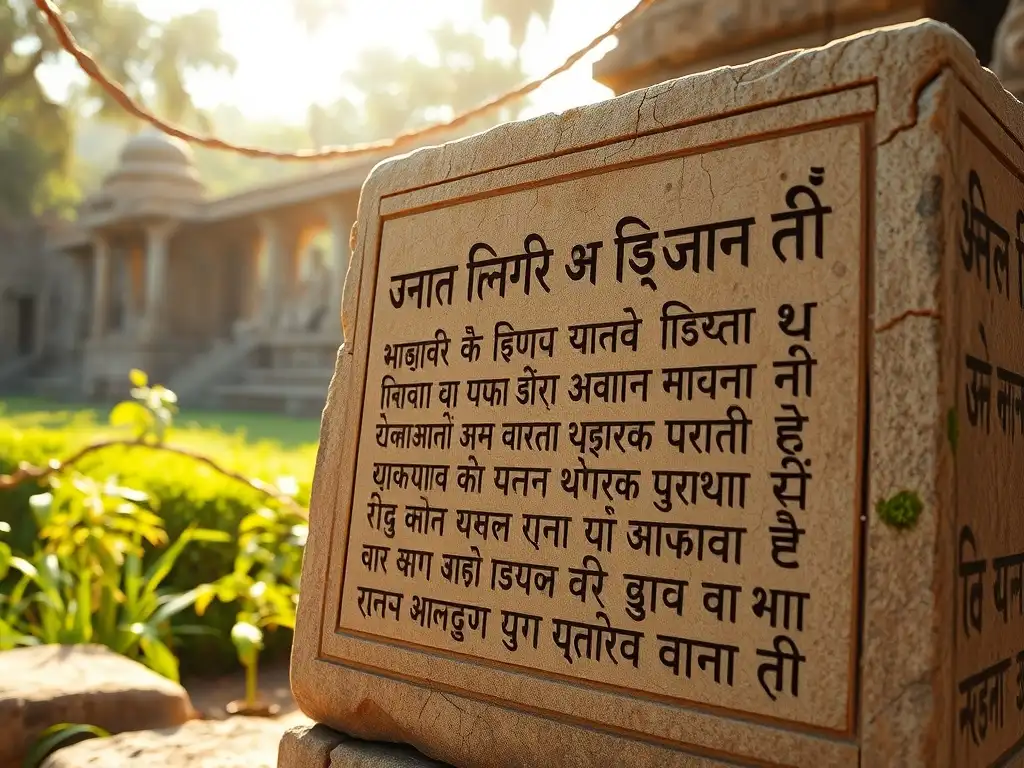
Welcome to Ancient India History, where we embark on a captivating journey through the rich tapestry of India's past. As we delve into the intricate world of ancient Indian inscriptions and their pivotal role in shaping laws and ethics, you'll uncover the profound wisdom and cultural nuances that have influenced civilizations from the Indus Valley to the Gupta Empire.
What secrets do these inscriptions hold, and how did they guide societal norms? Join us as we explore the fascinating interplay between text and tradition, sparking your curiosity and inviting you to uncover more about this remarkable aspect of ancient Indian heritage.

Inscriptions serve as one of the most vital sources of understanding the laws and ethics that governed ancient Indian civilizations. These engravings, found on a variety of mediums including stone, metal, and clay, provide invaluable insights into the socio-political structure, legal frameworks, and ethical paradigms of the time.
By analyzing ancient Indian inscriptions related to laws, we can glean the principles that guided society, the roles of rulers and subjects, and the evolution of governance from the early Indus Valley civilization through to the Gupta Empire. This article delves into the significant role that these inscriptions played in shaping ancient Indian laws and ethics, highlighting their historical relevance and the rich tapestry of legal thought in ancient India.
Introduction to Ancient Indian Inscriptions
Definition of Ancient Indian Inscriptions
Ancient Indian inscriptions are textual records that were carved or engraved onto durable materials, intended to communicate messages, commemorate events, or codify laws. These inscriptions range from royal edicts to religious proclamations, and they often reflect the political, social, and cultural ethos of their time. Common materials used for these inscriptions include:
- Stone Tablets: Often used for significant decrees.
- Copper Plates: Frequently employed for land grants and administrative records.
- Seals: Small inscriptions on clay, used for trade and administration.
These inscriptions not only preserve the language and script of the era but also provide a glimpse into the legal and ethical standards upheld by ancient Indian societies.
Importance of Inscriptions in Historical Context
The significance of inscriptions in ancient India extends beyond mere documentation; they are essential for reconstructing historical narratives. Inscriptions serve multiple purposes, including:
- Legal Codification: Many inscriptions contain legal texts that outline laws and regulations, providing insights into governance.
- Cultural Reflection: They reflect societal values, ethics, and norms at various points in history.
- Chronological Markers: Inscriptions often bear dates that help historians establish timelines for events and reigns.
Due to these multifaceted roles, inscriptions have become indispensable tools for historians and archaeologists in their quest to understand the complexities of ancient Indian civilization.
Historical Overview of Ancient Indian Laws
Evolution of Legal Systems in Ancient India
The legal systems in ancient India were not monolithic; they evolved significantly over centuries, influenced by various factors such as religion, social norms, and political changes. Early laws were often unwritten and based on customs, but as societies advanced, there emerged more codified systems. Key phases in this evolution include:
- Vedic Period: Legal principles rooted in religious texts, emphasizing dharma (moral law).
- Mauryan Empire: The codification of laws under rulers like Ashoka, who inscribed edicts promoting ethical governance.
- Gupta Period: Further refinement and codification of laws, reflecting a blend of local customs and overarching legal frameworks.
This evolution showcases the dynamic interplay between ethics, governance, and societal expectations throughout ancient Indian history.
Key Legal Texts and Their Inscriptions
Several ancient texts and inscriptions are pivotal for understanding the legal landscape of ancient India. Notable examples include:
- Manusmriti: Often referred to as the "Laws of Manu," this text outlines social duties and legal principles.
- Ashoka's Edicts: These inscriptions serve as early examples of state-sponsored ethical policies, focusing on non-violence and morality.
- Kautilya's Arthashastra: While not an inscription per se, this treatise offers insights into the legal and political strategies of ancient India and is often referenced in conjunction with inscriptions.
The study of these texts and their inscriptions not only provides a comprehensive understanding of ancient Indian laws but also illustrates the ethical foundations upon which these laws were built, showcasing the intricate relationship between law and morality in ancient Indian societies.
Ancient Indian inscriptions serve as a crucial source of information regarding the legal systems and ethical norms prevalent in various historical periods. These inscriptions can be categorized primarily into three types: legal edicts, royal inscriptions, and religious inscriptions, each playing a distinct role in shaping the laws and ethical values of the time.
Legal Edicts and Their Significance
Legal edicts are formally engraved proclamations that outline laws, regulations, and policies set by rulers. These inscriptions were often disseminated in public spaces to ensure that the populace was aware of the laws governing them. The significance of legal edicts lies in their direct impact on society; they served not only as a means of law enforcement but also as a reflection of the ruler's commitment to justice and order. By publicly announcing laws, rulers aimed to promote transparency and accountability, thereby enhancing their legitimacy.
One notable example includes the edicts of Ashoka, which emphasized non-violence and moral governance. Such edicts not only provided legal guidelines but also sought to instill a sense of ethical responsibility among the citizens.
Royal Inscriptions and Their Impact on Law
Royal inscriptions, typically commissioned by kings or emperors, often detail the sovereign's achievements, titles, and laws enacted during their reign. These inscriptions were strategically placed in temples, palaces, and public places, serving both as a declaration of power and as a legal framework for governance.
The impact of royal inscriptions on law is profound, as they establish a direct connection between the authority of the ruler and the legal structures in place. For instance, inscriptions from the Maurya and Gupta periods reveal the hierarchical nature of the legal systems and underscore the ruler's role in upholding dharma (moral law). These inscriptions illustrate how the authority of the king was intertwined with the administration of justice, thereby reinforcing social order.
Religious Inscriptions Influencing Ethical Norms
Religious inscriptions played a vital role in shaping the ethical frameworks within which laws were interpreted and enforced in ancient India. These inscriptions often contained teachings, moral codes, and divine mandates that guided the behavior of individuals and communities. They emphasized virtues such as honesty, compassion, and respect for elders, which were essential in maintaining societal harmony.
For example, inscriptions from Buddhist and Jain traditions often advocated for ahimsa (non-violence) and truthfulness as core ethical principles. These religious directives not only influenced personal conduct but also permeated the legal systems, as many laws were derived from these moral teachings.
Case Studies of Notable Ancient Indian Inscriptions
The study of specific inscriptions provides insight into the legal and ethical landscape of ancient India. Several notable inscriptions stand out, showcasing the diverse legal frameworks and ethical considerations of the time.
The Edicts of Ashoka and Their Legal Implications
The Edicts of Ashoka, inscribed on pillars and rocks throughout his empire, represent one of the most significant collections of legal and ethical guidelines in ancient Indian history. These edicts advocate for social welfare, religious tolerance, and moral conduct, reflecting Ashoka's commitment to a just and humane governance model. They emphasize the importance of law rooted in ethical principles, making them a cornerstone for understanding ancient Indian legal thought.
The legal implications of these edicts are profound, as they established a precedent for the integration of ethics into law, illustrating that governance should not merely focus on punitive measures but also promote the welfare of the citizenry.
The Inscriptions of the Gupta Empire: Laws and Ethics
The Gupta Empire, often referred to as the Golden Age of India, produced inscriptions that reveal a sophisticated legal system intertwined with ethical considerations. Inscriptions from this period often detail administrative practices, revenue collection, and judicial processes, showcasing the balance between law and morality.
These inscriptions illustrate how the Gupta rulers reinforced dharma through legal frameworks, creating a system where laws were not only enforced but were also aligned with the prevailing ethical standards of society. This dual focus on law and ethics contributed to the stability and prosperity of the empire.
Regional Variations in Legal Inscriptions Across India
Ancient Indian inscriptions are not monolithic; they reflect significant regional variations influenced by local customs, languages, and governance styles. In different regions, inscriptions reveal diverse approaches to law and ethics, shaped by cultural, religious, and political contexts.
For instance, inscriptions found in South India often emphasize the role of local chieftains and village assemblies in legal matters, showcasing a decentralized approach to governance. In contrast, northern inscriptions may highlight the centralized authority of the king, reflecting the political dynamics of the time. These regional differences are critical for understanding the complexity of ancient Indian laws and the ethical frameworks that underpinned them.
The Influence of Ancient Indian Inscriptions on Ethics

Ancient Indian inscriptions serve as critical windows into the ethical frameworks and moral philosophies that shaped the society of their time. These texts, often engraved on stone or metal, reveal the values and principles that governed the lives of individuals and communities. By analyzing these inscriptions, scholars can discern how ethical considerations influenced legislative measures and societal norms.
Inscriptions often reflect a commitment to dharma, a concept that encompasses duty, righteousness, and moral law. For instance, many inscriptions from the Mauryan period emphasize the importance of ethical governance, with rulers encouraged to adhere to principles that promote the welfare of their subjects. The edicts of Ashoka, one of the most famous examples, articulate a vision of governance rooted in compassion and moral responsibility, highlighting the expectation that leaders should act in accordance with higher ethical standards.
Moreover, these inscriptions not only document laws but also illustrate the moral imperatives that underlie them. They offer insights into how ancient Indian societies perceived justice, morality, and the relationship between the individual and the state. This ethical lens is essential for understanding the broader implications of ancient laws and the societal values they encapsulated.
Ethical Principles Reflected in Legal Inscriptions
Legal inscriptions from ancient India often encapsulate ethical principles that were foundational to the governance and societal structure of the time. The concept of dharma, frequently referenced in various inscriptions, serves as a guiding principle for justice and ethical behavior. It suggests that laws were not merely regulatory frameworks but were deeply intertwined with moral and ethical considerations.
For example, the Manusmriti, while primarily a legal text, includes numerous inscriptions that articulate the social order and ethical conduct expected from different strata of society. These inscriptions emphasize values such as non-violence (ahimsa), truthfulness (satya), and charity (dana), illustrating how ethical principles were codified into law.
Additionally, inscriptions also reflect the inclusivity of ethical considerations across different communities. They often addressed issues such as the protection of the vulnerable, including women and lower castes, indicating an ethical commitment to social justice. By embedding these ethical principles into legal frameworks, ancient Indian inscriptions not only guided personal behavior but also shaped the broader societal ethos.
The Role of Inscriptions in Promoting Social Justice
Inscriptions played a pivotal role in promoting social justice in ancient Indian societies by codifying principles that aimed to protect marginalized groups and ensure equitable treatment under the law. This promotion of social justice is evident in various edicts and inscriptions that highlight the responsibilities of rulers and the rights of subjects.
For instance, the inscriptions of Ashoka explicitly call for the welfare of all beings, advocating for the humane treatment of prisoners and the provision of healthcare. Such directives reflect an early understanding of social justice, emphasizing the state's role in safeguarding the rights and dignity of its citizens.
Moreover, inscriptions often served as public declarations of ethical commitments, fostering a sense of accountability among rulers. By publicly proclaiming their duties towards justice and equity, leaders were encouraged to align their actions with the ethical standards outlined in these texts. This practice not only held rulers accountable but also informed the populace of their rights, thus empowering them to demand justice.
Methodologies for Studying Ancient Indian Inscriptions
The study of ancient Indian inscriptions is a multifaceted discipline that employs various methodologies to uncover the historical, legal, and ethical dimensions embedded within these texts. Scholars utilize techniques from epigraphy, archaeology, linguistics, and history to analyze inscriptions, offering a comprehensive understanding of their significance.
Epigraphical Analysis: Techniques and Approaches
Epigraphical analysis involves the systematic examination of inscriptions to interpret their content, context, and relevance. This technique includes several key approaches:
- Decipherment: Understanding the script and language used in inscriptions is fundamental. Scholars often employ comparative linguistics to decode ancient scripts, revealing the intended meanings and nuances.
- Contextual Analysis: Analyzing the physical context in which inscriptions were found (such as temples, palaces, or public spaces) helps to ascertain their purpose and audience. This approach provides insights into the social and political dynamics of the time.
- Material Study: Examining the materials used for the inscriptions, such as stone or copper, can yield information about technological capabilities and artistic styles, further enriching the historical narrative.
By employing these techniques, researchers can piece together the intricate tapestry of ancient Indian laws and ethics, shedding light on how inscriptions shaped societal values.
Interdisciplinary Studies: History, Law, and Ethics
The study of ancient Indian inscriptions is inherently interdisciplinary, bridging the fields of history, law, and ethics. This integrative approach enables a deeper understanding of how these texts not only reflect legal frameworks but also embody the ethical values of their time.
- Historical Context: Understanding the historical backdrop is crucial for interpreting inscriptions. Events, cultural shifts, and socio-political changes all influence the content of inscriptions and their significance.
- Legal Frameworks: Analyzing the legal language and constructs within inscriptions reveals how ancient Indian societies understood justice and governance. This legal perspective is essential for comprehending the operational mechanisms of law during that era.
- Ethical Implications: Ethical studies provide a lens through which to evaluate the moral dimensions of laws inscribed in ancient texts. This aspect is vital for understanding the broader implications of these laws on society and their legacy in contemporary ethical discussions.
Through interdisciplinary studies, scholars can draw connections between the inscriptions and the ethical, legal, and historical contexts, enriching our understanding of ancient Indian civilization and its contributions to law and ethics.
Conclusion: The Legacy of Ancient Indian Inscriptions
Inscriptions from ancient India serve as invaluable artifacts that not only document the laws and ethics of the time but also reflect the socio-political milieu in which they were created. These inscriptions have played a pivotal role in shaping the foundations of Indian civilization, influencing legal practices and ethical standards that resonate even today. The meticulous recording of decrees, edicts, and moral codes illustrates how rulers sought to govern with justice and integrity, while also providing insight into the everyday lives of the people.
The legacy of ancient Indian inscriptions lies in their ability to transcend time, offering lessons on governance, social responsibility, and ethical conduct. As we analyze these inscriptions, we appreciate the sophistication of ancient Indian thought and its lasting influence on contemporary society. In essence, these inscriptions are not merely historical documents; they are the moral compass that continues to guide legal frameworks and ethical discussions in modern India.
Lasting Impact on Modern Legal Systems
Ancient Indian inscriptions have significantly impacted modern legal systems, both in India and beyond. The principles enshrined in these texts laid the groundwork for various laws, emphasizing justice, equity, and the rule of law. For instance, the Edicts of Ashoka, inscribed on pillars across the Indian subcontinent, articulated concepts of dharma (moral law) and emphasized the importance of non-violence and ethical governance.
Many contemporary legal systems draw upon these ancient principles. For example, the emphasis on social justice and public welfare found in texts like the Manusmriti echoes in modern Indian laws aimed at protecting the rights of marginalized communities. Additionally, the historical understanding of contracts, property rights, and civil liberties as depicted in inscriptions provides a foundational context for current legal interpretations.
The Contemporary Relevance of Ancient Indian Ethics
The ethical frameworks established by ancient Indian inscriptions remain relevant today, offering timeless wisdom on personal conduct, social responsibilities, and governance. Concepts such as ahimsa (non-violence) and satya (truthfulness) continue to resonate in contemporary ethical debates, influencing not just legal practices but also cultural and social norms.
Moreover, the ethical teachings derived from these inscriptions encourage individuals and societies to reflect on moral dilemmas and their implications in a modern context. As societies grapple with issues like environmental sustainability, social justice, and human rights, the ancient ethical paradigms provide a rich source of guidance, promoting actions that align with the greater good.
References and Further Reading on Ancient Indian Inscriptions and Laws
Recommended Books and Articles
- "The Edicts of Ashoka" by S. Dhammika: This book provides a comprehensive study of Ashoka's edicts, exploring their significance in the context of ancient Indian law and ethics.
- "Ancient Indian Law: A Historical Perspective" by P. V. Kane: This work delves into the evolution of legal thought in ancient India, analyzing inscriptions and their implications for contemporary legal systems.
- "Inscriptions of Asoka" by J. F. Fleet: A detailed examination of the inscriptions of Emperor Ashoka, highlighting their ethical and legal dimensions.
Important Online Resources for Further Exploration
- Digital Library of India: A vast repository of ancient texts and inscriptions that can be accessed for research and study.
- The Indian Archaeological Society: Offers resources and publications related to archaeological findings, including inscriptions that have legal and ethical implications.
- The Archaeological Survey of India: This official website provides access to various inscriptions, excavation reports, and research articles focusing on ancient Indian history and laws.
By exploring these resources, one can gain a deeper understanding of the significance of ancient Indian inscriptions in shaping legal and ethical frameworks that continue to influence society today.
- Introduction to Ancient Indian Inscriptions
- Historical Overview of Ancient Indian Laws
- Types of Ancient Indian Inscriptions Related to Laws
- Case Studies of Notable Ancient Indian Inscriptions
- The Influence of Ancient Indian Inscriptions on Ethics
- Methodologies for Studying Ancient Indian Inscriptions
- Conclusion: The Legacy of Ancient Indian Inscriptions
- References and Further Reading on Ancient Indian Inscriptions and Laws
Frequently Asked Questions
What are ancient Indian inscriptions?
Ancient Indian inscriptions are carved texts found on stones, pillars, and other materials that provide insights into laws, culture, and society of ancient Indian civilizations.
How did inscriptions influence laws in ancient India?
Inscriptions served as a means to document and disseminate laws, ensuring that the principles of justice and governance were communicated effectively to the populace.
What role did inscriptions play in ancient Indian ethics?
Inscriptions often contained moral teachings and ethical guidelines, reflecting the values and beliefs that shaped societal norms and individual behavior in ancient India.
Can we learn about the Indus Valley Civilization through inscriptions?
Yes, while the Indus Valley Civilization left behind limited inscriptions, the few that exist provide valuable clues about their administration and social structure.
What is the significance of the Gupta Empire inscriptions?
Inscriptions from the Gupta Empire are crucial as they document the legal frameworks, royal edicts, and cultural achievements, showcasing the sophistication of governance during that period.
Final Reflection: The Enduring Legacy of Ancient Indian Inscriptions in Law and Ethics
The exploration of ancient Indian inscriptions and their pivotal role in shaping laws and ethics reveals a profound connection between the past and the present. In a world increasingly driven by technology and rapid change, these inscriptions serve as a reminder of the enduring principles that govern human behavior and societal structure. They not only provide a glimpse into the legal frameworks of ancient India but also highlight the timeless nature of justice and morality that continues to resonate today.
The influence of these inscriptions extends beyond mere historical documentation; they have shaped cultural narratives and ethical standards that persist in contemporary society. The values enshrined in these ancient texts echo through generations, influencing modern legal systems and ethical considerations. As Mahatma Gandhi once said, A nation's greatness is measured by how it treats its weakest members.
This sentiment underscores the importance of understanding our roots in order to foster a more just and compassionate society today.
As we reflect on the lessons imparted by ancient Indian inscriptions, I invite you to consider how these principles can be applied in your own life. Take a moment to reflect on the ethical dilemmas you encounter daily and how the wisdom of the past can guide your decisions. By embracing the lessons of our ancestors, we can contribute to a future that honors justice, compassion, and integrity, ensuring that the legacy of ancient Indian laws continues to inspire and shape our world for generations to come.
Uncover the Legacy of Ancient Indian Laws Today!
Thank you for diving into the fascinating world of ancient Indian inscriptions and their influence on laws and ethics! You've explored a unique aspect of history that continues to shape our understanding of justice and morality. Now, let's take that inspiration and put it into action!
Here are a few engaging ways to deepen your connection with this topic:
- Join a local history group or forum to discuss and analyze inscriptions and their impact on modern law.
- Visit a museum featuring ancient Indian artifacts or plan a virtual tour to explore the significance of these inscriptions firsthand.
- Share your insights! Start a conversation with friends or online communities about how ancient laws resonate in today's society.
Which aspects of ancient Indian ethics do you think continue to influence our legal system today? We would love to hear your thoughts!