
Indian Festivals in China: Celebrating Cultural Exchange Through Time

Welcome to Ancient India History, where we embark on a captivating journey through the rich tapestry of ancient Indian civilizations! From the flourishing Indus Valley to the remarkable Gupta Empire, our exploration highlights the profound cultural exchanges that have shaped history. In this article, we delve into the intriguing world of Indian festivals celebrated in China, uncovering how these vibrant traditions have transcended borders and fostered connections through time. Get ready to discover the fascinating interplay of cultures that continues to enrich our understanding of both India and China. Join us as we celebrate this vibrant tapestry of history!
-
Indian Festivals Celebrated in China: An Overview of Cultural Exchange
- Understanding Indian Festivals
- Historical Context of Indian Festivals in China
- Prominent Indian Festivals Celebrated in China
- The Role of Indian Communities in Promoting Festivals in China
- The Impact of Indian Festivals on Sino-Indian Relations
- Modern Celebrations: The Evolution of Indian Festivals in China
- Conclusion: The Future of Indian Festivals in China
- Frequently Asked Questions
- Final Reflection: Celebrating Cultural Exchange Through Indian Festivals in China
- Celebrate and Connect with Indian Festivals Today!
Indian Festivals Celebrated in China: An Overview of Cultural Exchange
The celebration of Indian festivals in China represents a fascinating intersection of cultures, reflecting centuries of interaction and exchange between two of the world's oldest civilizations. As ancient India and China engaged in trade, diplomacy, and the sharing of ideas, various cultural practices, including festive traditions, transcended borders. This article delves into the significance of these festivals, exploring how they have evolved and been embraced within Chinese society. By examining the historical context, we aim to highlight the profound connections that have facilitated this unique cultural exchange, illuminating the shared heritage that continues to flourish to this day.
Understanding Indian Festivals
Definition and Significance of Indian Festivals
Indian festivals are vibrant celebrations that encompass a wide range of religious, cultural, and seasonal themes. These festivals play a crucial role in bringing communities together, fostering a sense of belonging, and preserving cultural identity. They often involve rituals, prayers, feasting, and various forms of artistic expression, reflecting the diverse traditions and beliefs prevalent in India.
Some key aspects of the significance of Indian festivals include:
- Religious Observance: Many festivals are linked to Hinduism, Buddhism, Jainism, and Sikhism, marking important spiritual events.
- Cultural Heritage: Festivals preserve historical narratives, folklore, and traditional practices, ensuring their continuity across generations.
- Community Bonding: These celebrations encourage social interaction, strengthening the bonds within families and communities.
- Artistic Expression: Festivals often showcase music, dance, and art, providing a platform for cultural expression and creativity.
Major Indian Festivals: A Brief Overview
Here is a brief overview of some of the major Indian festivals that have found a place in China:
| Festival | Description |
|---|---|
| Diwali | Known as the Festival of Lights, it symbolizes the victory of light over darkness. Celebrated with lamps, fireworks, and sweets. |
| Holi | The Festival of Colors, celebrated with vibrant powders, water fights, and joyous gatherings, symbolizing love and the arrival of spring. |
| Maha Shivaratri | A festival dedicated to Lord Shiva, marked by night-long vigils, fasting, and prayers. |
| Navratri | A nine-night festival celebrating the goddess Durga, featuring dance, music, and various rituals. |
| Pongal | A harvest festival in South India, celebrated with cooking traditional dishes and giving thanks for the harvest. |
Historical Context of Indian Festivals in China
The Origins of Indian Cultural Influence in China
The beginnings of Indian cultural influence in China can be traced back to ancient times, particularly through the spread of Buddhism along the Silk Road. Indian monks, traders, and travelers brought with them not only religious teachings but also various cultural practices, including festivals. The establishment of Buddhist monasteries in China served as cultural hubs, where Indian customs and celebrations were introduced and adapted to local traditions.
Key Historical Events Facilitating Indian Festivals in China
Several key historical events played a significant role in the introduction and integration of Indian festivals into Chinese culture:
- Silk Road Trade: The Silk Road facilitated trade and cultural exchange, allowing Indian merchants and monks to travel to China, bringing their customs and festivals.
- Buddhism's Spread: The introduction of Buddhism during the Han Dynasty led to the assimilation of Indian festival practices into Chinese celebrations, particularly those associated with Buddhist traditions.
- Cultural Syncretism: Over centuries, various Indian festivals merged with local Chinese customs, resulting in unique celebrations that reflect a blend of both cultures.
Through these historical contexts, we gain insight into how Indian festivals have not only enriched Chinese culture but also contributed to a deeper understanding of the profound connections shared between these two civilizations.
Prominent Indian Festivals Celebrated in China
The cultural tapestry of India has woven its way into various parts of the world, including China, where Indian festivals are celebrated with enthusiasm. These festivals not only serve as a means of cultural expression but also foster goodwill and understanding between Indian and Chinese communities. The celebrations often blend traditional Indian customs with local Chinese practices, creating a unique festive atmosphere. Below are some of the most prominent Indian festivals celebrated in China.
Diwali: The Festival of Lights
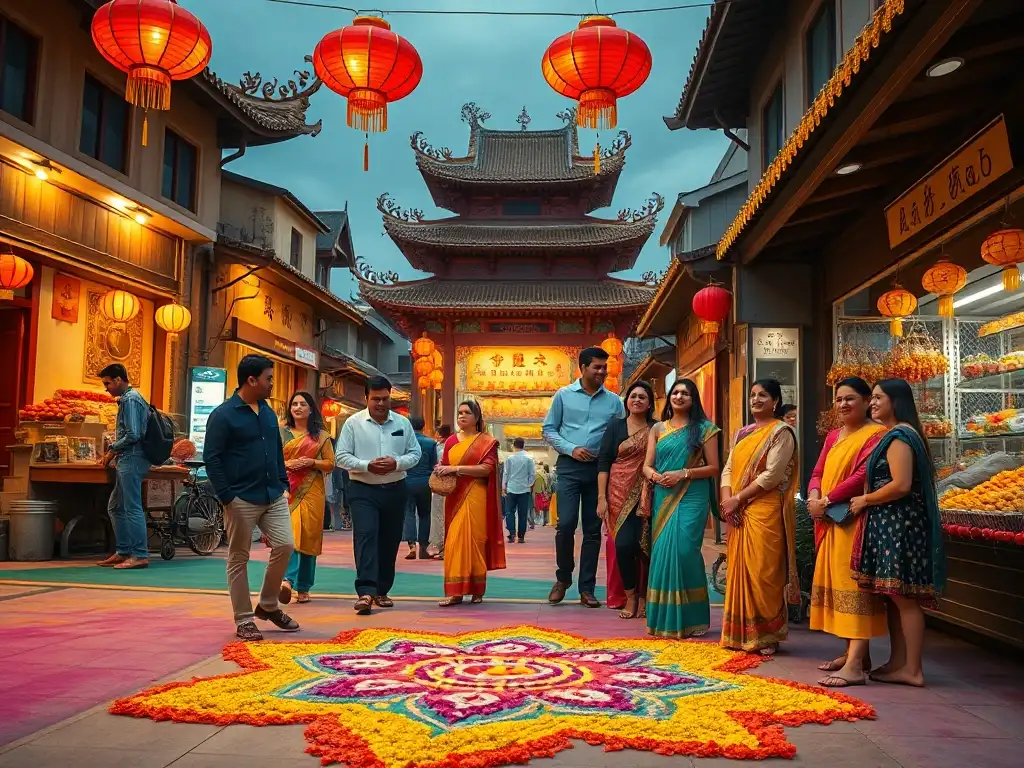
Diwali, known as the Festival of Lights, is one of the most celebrated Indian festivals in China, particularly among the Indian diaspora. The festival signifies the victory of light over darkness and good over evil. In cities like Beijing and Shanghai, Indian communities come together to celebrate Diwali with traditional rituals, including the lighting of diyas (oil lamps) and the decoration of homes with colorful rangoli designs.
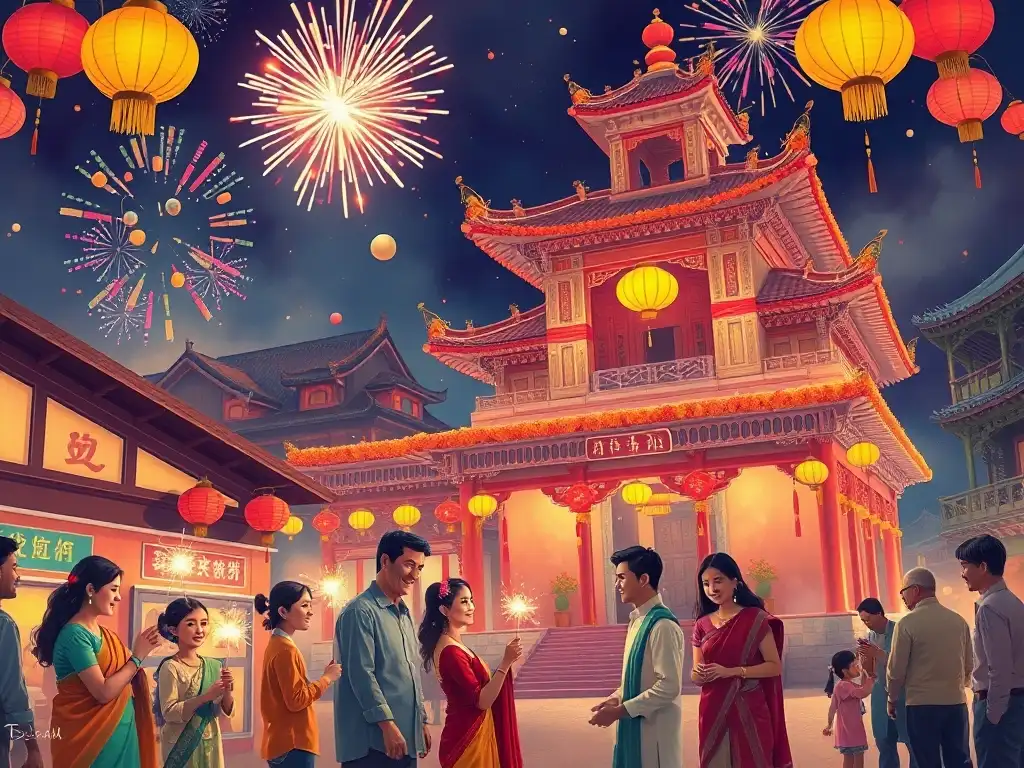
During Diwali, Indian restaurants often feature special menus, and cultural events such as dance performances and music concerts are organized. The festival also attracts local Chinese citizens, who participate in the celebrations, showcasing the spirit of cultural exchange. Fireworks light up the skies, and the exchange of sweets and gifts fosters camaraderie among diverse communities.
Holi: The Festival of Colors
Holi, the exuberant Festival of Colors, is another vibrant celebration that has found its way to China. This festival marks the arrival of spring and the triumph of love and devotion. In cities like Guangzhou and Hong Kong, Indian expatriates organize Holi events that are open to the public. The celebrations typically involve throwing colored powders, dancing to traditional music, and sharing festive foods.
Chinese participants often join in the fun, creating a lively atmosphere that transcends cultural boundaries. Holi serves as a platform for fostering friendships and understanding between the Indian and Chinese communities, highlighting the shared joy of celebrating life and unity in diversity.
Navratri: The Nine Nights Festival
Navratri, which translates to "Nine Nights," is a significant festival dedicated to the worship of the goddess Durga. In China, particularly in areas with a notable Indian population, Navratri is celebrated with fervor. The festival involves nine nights of prayer, dance, and music, culminating in Dussehra, which signifies the victory of good over evil.
Indian communities in China often organize Garba and Dandiya nights, traditional folk dances that bring people together in celebration. These events not only preserve Indian cultural heritage but also promote intercultural dialogue, as locals are invited to participate and learn about the significance of the festival.
The Role of Indian Communities in Promoting Festivals in China
The Indian diaspora in China plays a crucial role in promoting Indian festivals and cultural practices, serving as a bridge between the two civilizations. Their efforts in organizing events, sharing traditions, and educating the local populace about the significance of these festivals contribute to a richer cultural exchange.
Indian Diaspora in China: A Historical Perspective
The presence of the Indian diaspora in China dates back centuries, with trade and cultural exchanges flourishing along the Silk Road. Over time, Indian traders and immigrants settled in various regions, establishing communities that have preserved their cultural identity. Today, the Indian community in China is diverse, encompassing professionals, students, and families who contribute to the local economy while nurturing their cultural roots.
This historical backdrop has facilitated the celebration of Indian festivals in China. As these communities have grown, so too has their influence in promoting Indian cultural festivities, making them an integral part of the multicultural fabric of Chinese society.
Contributions of Indian Communities to Festival Celebrations
Indian communities in China actively promote festivals through various initiatives, including organizing cultural events, workshops, and festivals that invite participation from local Chinese citizens. These initiatives often highlight traditional Indian music, dance, and cuisine, allowing for an immersive experience that showcases the richness of Indian culture.
Moreover, community leaders and cultural organizations collaborate with local authorities to host larger-scale events that draw diverse audiences. This not only enhances visibility for Indian festivals but also fosters mutual respect and appreciation between Indian and Chinese cultures. Through these contributions, Indian communities in China continue to celebrate their heritage while enriching the cultural landscape of their host country.
The Impact of Indian Festivals on Sino-Indian Relations
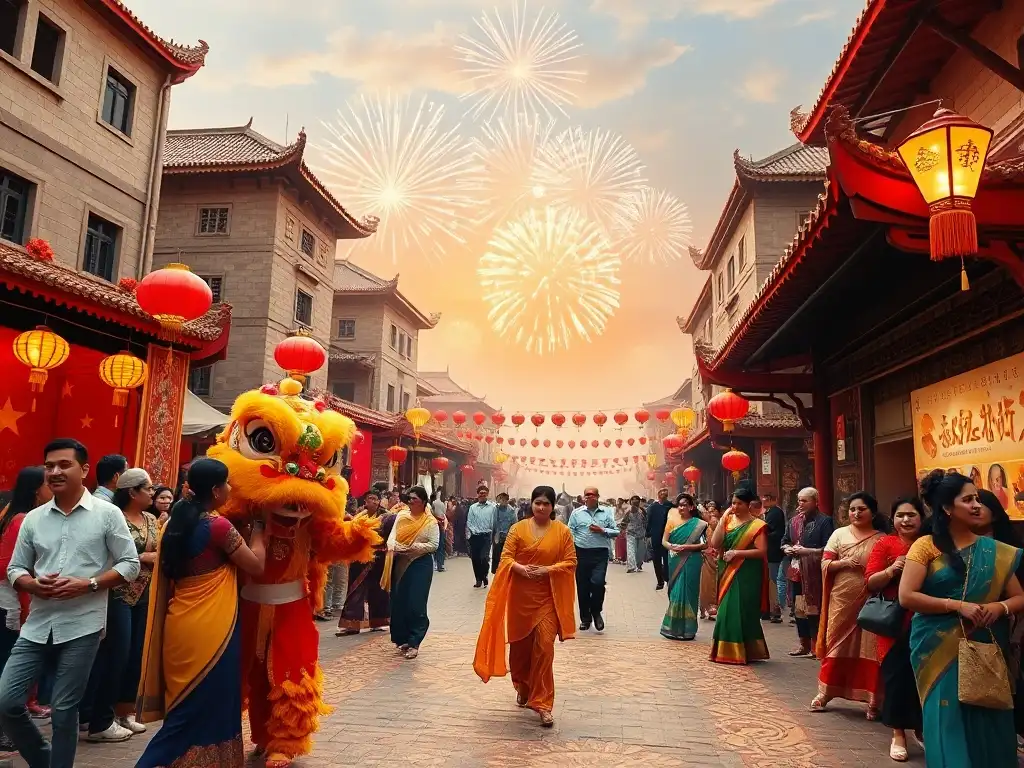
The celebration of Indian festivals in China has significantly contributed to strengthening the cultural relationship between the two nations. Historically, India and China have shared deep-rooted connections, with trade routes facilitating not only the exchange of goods but also ideas, traditions, and cultural practices. Festivals such as Diwali and Holi have transcended their geographical boundaries, becoming symbols of friendship and mutual respect.
Through the celebration of these festivals, communities in China have fostered a greater understanding of Indian culture, which in turn has encouraged dialogue and cooperation between the two nations. This cultural exchange is evident in various aspects, from culinary traditions to artistic expressions, showcasing a blend of Indian and Chinese elements that enrich both cultures.
Strengthening Cultural Ties Through Festivals
Indian festivals celebrated in China serve as a powerful tool for strengthening cultural ties. For instance, Diwali, known as the Festival of Lights, is celebrated by Indian expatriates and locals alike, featuring vibrant decorations, traditional dances, and shared meals. These celebrations provide a platform for individuals from diverse backgrounds to come together, fostering a sense of community and belonging.
Moreover, festivals often involve participation from local Chinese communities, encouraging inclusivity and appreciation of Indian traditions. This mutual participation not only enhances cultural understanding but also promotes goodwill, paving the way for future collaborations in various fields, including art, education, and commerce.
Festivals as a Medium for Cultural Exchange and Understanding
Festivals act as a medium for cultural exchange, offering opportunities for cross-cultural interactions and education. In cities like Beijing and Shanghai, cultural organizations frequently host Indian festival celebrations that include workshops, demonstrations, and performances that introduce traditional Indian customs to a Chinese audience.
These events encourage dialogue, allowing participants to share their experiences and insights about their respective cultures. Such exchanges contribute to a deeper understanding of each other’s values, beliefs, and traditions, thus breaking down cultural barriers and fostering empathy between the two nations.
Modern Celebrations: The Evolution of Indian Festivals in China
In recent years, the way Indian festivals are celebrated in China has evolved significantly, reflecting the influences of globalization and changing societal dynamics. Modern celebrations often blend traditional practices with contemporary elements, showcasing a unique fusion that appeals to both Indian expatriates and the Chinese population.
Changes in Celebration Styles Over the Years
Today, the celebration of Indian festivals in China incorporates various modern aspects, such as themed parties, public exhibitions, and performances that highlight the rich tapestry of Indian heritage. For example, Holi festivities may now feature large gatherings in public parks, where people of all backgrounds participate in color throws, music, and dance, creating an atmosphere of joy and camaraderie.
Additionally, the commercialization of festivals has led to the emergence of businesses that cater to these celebrations, offering products and services ranging from traditional attire to Indian cuisine. This shift not only enhances the visibility of Indian festivals in urban areas but also encourages greater participation from the local population.
The Influence of Technology and Social Media on Festival Celebrations
Technology and social media have played a crucial role in shaping modern festival celebrations in China. Platforms like WeChat and Weibo allow for the rapid dissemination of information about upcoming events, making it easier for people to connect and participate. This connectivity has led to a broader reach for Indian festivals, attracting individuals beyond the Indian diaspora.
Furthermore, virtual celebrations have gained popularity, especially during times of social distancing. Live-streaming of festival events enables people from around the world to partake in the festivities, fostering a sense of unity among those who may be physically distant. The use of technology not only enhances the experience of celebration but also promotes cultural exchange on a global scale, bridging the gap between India and China.
Conclusion: The Future of Indian Festivals in China
As we look ahead, the future of Indian festivals celebrated in China appears promising, embodying the spirit of cultural exchange and mutual appreciation. The increasing globalization and connectivity of the modern world facilitate a platform for diverse cultures to intermingle and share their traditions. Indian festivals, with their vibrant colors, rich traditions, and deep-rooted philosophies, present a unique opportunity for Chinese society to engage with Indian culture. This engagement fosters mutual understanding and enriches the cultural fabric of both nations.
Moreover, with the rise of cultural festivals and events in urban centers across China, there is greater visibility and appreciation for Indian festivals. Cities like Beijing, Shanghai, and Guangzhou are seeing more Indian expatriate communities and cultural organizations that actively participate in promoting Indian heritage through festivals such as Diwali, Holi, and Navratri. This growing interest indicates a positive trend towards acceptance and celebration of Indian cultural elements within Chinese society.
Prospects for Cultural Exchange Through Festivals
The prospects for cultural exchange through festivals are bolstered by various factors, including increasing diplomatic relations, economic partnerships, and enhanced people-to-people connections. Festivals like Diwali and Holi are being recognized not only by the Indian diaspora but also by local communities, leading to collaborative celebrations that highlight the shared values of joy, unity, and respect for traditions.
Cultural associations and educational institutions in China are playing pivotal roles in this exchange. They organize events, workshops, and exhibitions that showcase Indian art, music, and dance alongside festival celebrations. This interactive approach not only educates the Chinese populace about Indian festivities but also invites them to participate, thus breaking down cultural barriers.
Furthermore, social media and digital platforms have transformed how festivals are celebrated, allowing for broader participation and sharing of experiences. Virtual events, live streaming of celebrations, and online cultural workshops have become common, making it easier for individuals from both cultures to engage with and appreciate each other's traditions.
The Importance of Continued Celebration of Indian Festivals in China
The continued celebration of Indian festivals in China holds significant importance for several reasons. Firstly, it reinforces the cultural identity of the Indian community in China, providing a sense of belonging and connection to their heritage. Celebrating these festivals allows individuals to share their customs and traditions with others, fostering a sense of pride in their cultural identity.
Secondly, these celebrations promote intercultural dialogue and understanding. By participating in Indian festivals, the Chinese community can learn about the values and teachings behind these events, such as the significance of light over darkness in Diwali or the arrival of spring in Holi. This awareness can dispel misconceptions and foster goodwill, leading to stronger relationships between the two nations.
Lastly, the celebration of Indian festivals in China contributes to the richness of the multicultural landscape. It encourages diversity and inclusion, allowing for a more vibrant society where different traditions coexist harmoniously. This cultural synergy not only enhances social cohesion but also stimulates economic opportunities through cultural tourism and local business engagement during festival seasons.
The future of Indian festivals in China is bright, and their continued celebration is essential for nurturing cultural exchange, understanding, and appreciation between the two great civilizations.
Frequently Asked Questions
What are the main Indian festivals celebrated in China?
Indian festivals such as Diwali, Holi, and Navratri are celebrated in China, showcasing the cultural exchange and shared traditions between the two nations.
How do Chinese communities participate in Indian festivals?
Chinese communities often participate in Indian festivals by organizing celebrations, hosting cultural events, and promoting interactions between Indian and Chinese traditions.
What is the significance of Diwali in China?
Diwali symbolizes the victory of light over darkness and is celebrated in China through lighting lamps, sharing sweets, and community gatherings, emphasizing the spirit of unity and joy.
How do Indian festivals influence Chinese culture?
The celebration of Indian festivals in China fosters cultural awareness and appreciation, leading to a blending of traditions that enrich both societies.
Are there any specific locations in China known for celebrating Indian festivals?
Cities with significant Indian communities, such as Beijing and Shanghai, often host large celebrations for Indian festivals, making them key locations for this cultural exchange.
Final Reflection: Celebrating Cultural Exchange Through Indian Festivals in China
The celebration of Indian festivals in China represents a profound cultural exchange that transcends borders and unites diverse communities. Today, as globalization continues to shape our world, these festivals serve as a reminder of the rich tapestry of traditions that can flourish when cultures come together. The vibrant colors, sounds, and flavors of Indian festivals celebrated in China not only enrich the local culture but also foster mutual understanding and respect among different peoples.
The ongoing influence of Indian festivals in China illustrates the power of cultural integration and the beauty of shared experiences. These celebrations have become a bridge connecting the two nations, showcasing how traditions can evolve and thrive in new environments. As noted by cultural scholar Arjun Appadurai, Cultural flows are not just about the movement of goods and people; they are about the movement of ideas and emotions.
This sentiment resonates deeply as we witness how Indian festivals like Diwali and Holi have found a welcoming home in Chinese society, creating a unique blend of traditions that enrich both cultures.
As we reflect on the significance of these celebrations, I invite you to consider how you can embrace and celebrate cultural diversity in your own life. Take a moment to explore the festivals and traditions of other cultures, whether through participation, learning, or sharing. By doing so, you contribute to a world where understanding and appreciation of our differences lead to a more harmonious existence. Let the spirit of Indian festivals in China inspire you to celebrate the beauty of cultural exchange and to foster connections that transcend boundaries.
Celebrate and Connect with Indian Festivals Today!
Thank you for exploring the rich tapestry of Indian festivals celebrated in China! By diving into this fascinating cultural exchange, you've gained insights into the vibrant traditions that transcend borders. Now, let's transform this knowledge into action!
Here are a few ways you can get involved:
- Join a local festival celebration: Seek out celebrations of Indian festivals in your area to experience the joy and unity they bring.
- Share your knowledge: Write about your reflections on Indian festivals or share this article with friends who would appreciate learning about this beautiful cultural exchange.
- Explore deeper: Consider attending workshops or classes related to Indian arts, dance, or cuisine to further immerse yourself in this rich culture.
How do you plan to incorporate the spirit of these festivals into your daily life?