
The Influence of Persian Art on Indian Architecture: A Historical Perspective

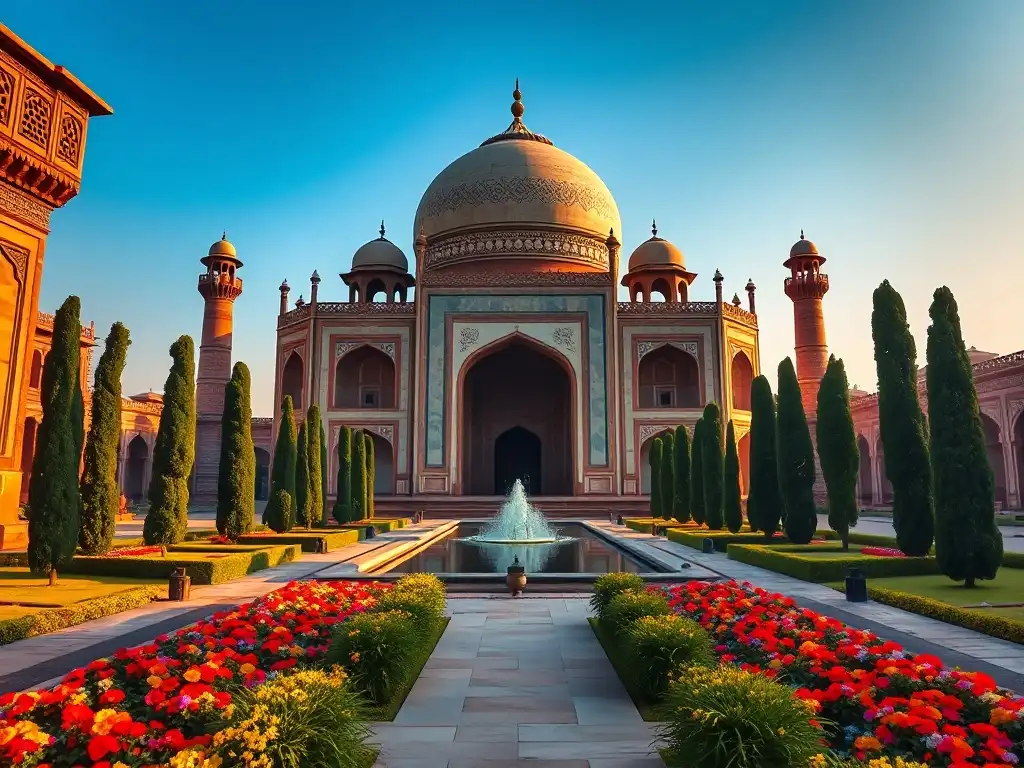
Welcome to Ancient India History, where we embark on a fascinating journey through the rich tapestry of India's past. In this exploration, we delve into the intriguing intersections of culture and artistry, particularly focusing on the persuasive influence of Persian art on Indian architecture. How did these two ancient civilizations shape each other’s legacies? Join us as we unravel the captivating stories and intricate designs that emerged from their interaction, promising a deeper understanding of our shared heritage. Keep reading to discover the remarkable ways in which Persian aesthetics transformed the landscape of Indian architectural marvels!
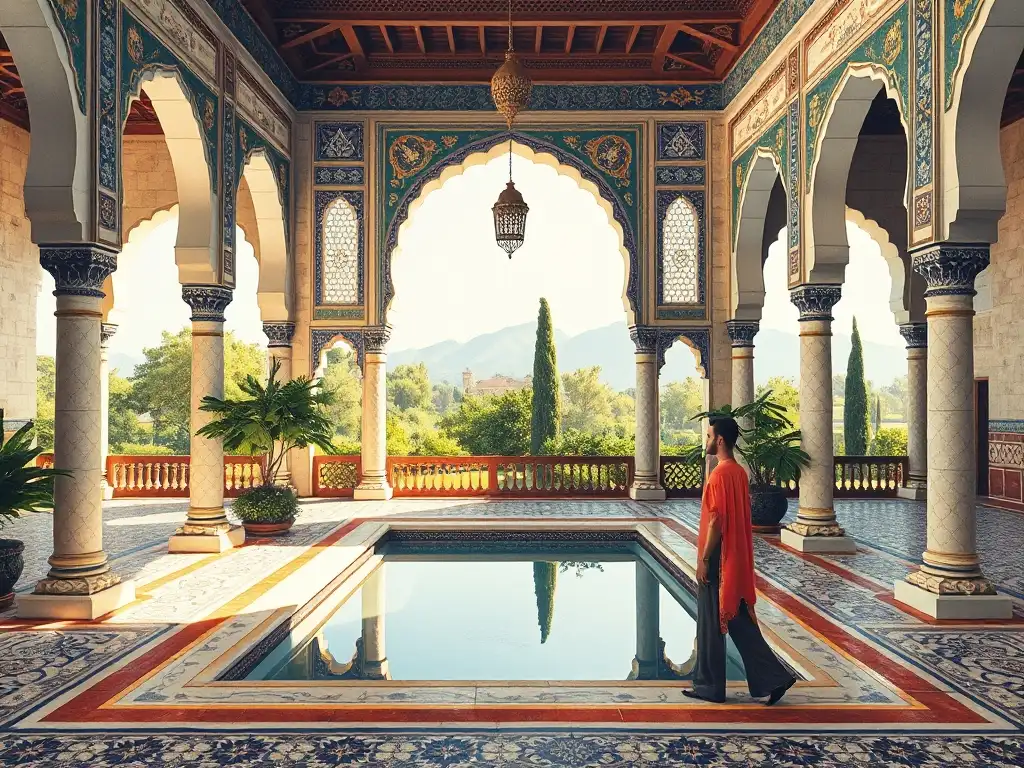
Introduction to Persian Art Influence on Indian Architecture
The intricate tapestry of Indian architecture has been significantly shaped by various cultural influences throughout history, among which the impact of Persian art stands out prominently. This article delves into the Persian art influence on Indian architecture, tracing its origins and evolution from antiquity to the heights of the Mughal Empire.
By exploring the rich interplay between Indian and Persian artistic traditions, we gain insight into how these interactions not only transformed architectural styles but also fostered a deeper cultural exchange that resonated through the ages. This exploration highlights the significance of Persian aesthetics in shaping monumental structures, intricate designs, and ornamental motifs that define much of India's architectural heritage.
Overview of Persian Art and Its Characteristics
Persian art is renowned for its intricate detailing, vibrant colors, and harmonious compositions. Characterized by:
- Geometric Patterns: Use of complex geometric shapes and symmetrical designs.
- Floral Motifs: Lush floral designs that symbolize nature and beauty.
- Calligraphy: Elegant script often integrated into architectural elements, enhancing both aesthetics and spirituality.
- Ceramic Work: Brightly colored tiles and ceramics that adorned buildings.
These elements not only reflect the artistic mastery of Persian craftsmen but also represent the cultural and philosophical values of ancient Persia, which emphasized beauty, order, and harmony.
Significance of Architectural Interactions between Persia and India
The architectural interactions between Persia and India are significant for several reasons:
- Cultural Exchange: These interactions led to a fusion of artistic styles and techniques, enriching both cultures.
- Technological Advancements: The introduction of new building techniques and materials influenced Indian construction practices.
- Symbol of Power: Architectural projects often served as a display of power and prestige, showcasing the rulers' connections to Persian culture.
- Religious Syncretism: Shared religious beliefs led to the incorporation of Persian motifs in Indian temples and mosques.
Such interactions not only enhanced the architectural landscape of India but also contributed to the broader narrative of cultural synthesis in the region.
Historical Context of Persian Art in India
The historical context of Persian art in India can be traced through various significant periods, each marked by distinct influences and contributions.
Early Interactions: The Achaemenid Influence
The earliest interactions between Persia and India can be traced back to the Achaemenid Empire (c. 550–330 BCE), when Persian rulers established control over parts of northwestern India. This period saw the introduction of Persian architectural elements, such as:
- Columned Halls: Inspired by Persian palaces, these structures emphasized grandeur and space.
- Achaemenid Reliefs: Decorative motifs from Persian art began appearing in Indian sculptures.
These early influences laid the groundwork for future architectural developments and signaled the beginning of a rich cultural exchange.
The Role of the Mauryan Empire in Cultural Exchange
The Mauryan Empire (c. 322–185 BCE) played a pivotal role in fostering cultural exchanges between Persia and India. Under the reign of Emperor Ashoka, who promoted Buddhism, the integration of Persian art became evident in:
- Stupas: These structures incorporated Persian architectural features, including domes and intricate carvings.
- Religious Art: Persian styles influenced the depiction of religious narratives, integrating local and Persian themes.
This period marked a significant evolution in Indian architecture, reflecting a blend of indigenous and Persian artistic traditions.
The Impact of the Mughal Empire on Indian Architecture
The Mughal Empire (1526–1857) represents the zenith of Persian influence on Indian architecture. The Mughals, who were of Central Asian origin but heavily influenced by Persian culture, infused their architectural projects with Persian aesthetics, leading to iconic structures such as:
- The Taj Mahal: A masterpiece of Mughal architecture, blending Persian garden design with Indian craftsmanship.
- Red Fort: Showcasing Persian-style arches and intricate inlay work.
The Mughal era exemplifies the culmination of Persian art's influence on Indian architecture, resulting in a unique architectural language that continues to inspire and attract admiration worldwide.
The influence of Persian art on Indian architecture is a testament to the rich historical interactions between these two great civilizations, providing a lens through which to examine the complexities of cultural exchange and artistic evolution.
Key Features of Persian Art Reflected in Indian Architecture
The influence of Persian art on Indian architecture is profound and multifaceted, showcasing a blend of aesthetic principles and functional designs that emerged from the interactions between these two rich cultures. Central to this influence are several key features that have been integrated into Indian architectural styles.
- Symmetry and Proportion: Persian architecture is characterized by a strong emphasis on symmetry and proportion, which has been mirrored in Indian architectural designs. This principle creates visually pleasing structures that resonate with harmony and balance.
- Intricate Detailing: Persian art is celebrated for its intricate carvings and ornate details, which can be observed in Indian architecture through elaborate motifs, floral patterns, and geometric designs that adorn facades and interiors.
- Use of Light and Space: The Persian architectural approach to light and space is another significant influence. The strategic use of large windows, domes, and courtyards allows for an interplay of light, creating a serene environment in many Indian structures.
- Cultural Symbolism: Many architectural elements derive symbolic meanings from Persian art, such as the use of gardens to represent paradise, which became a prevalent theme in Indian architecture.
Architectural Elements: Arches and Domes
One of the most notable architectural features that Persian art introduced to Indian architecture is the use of arches and domes. These elements not only served structural purposes but also added to the aesthetic grandeur of buildings.
- Arches: The pointed arch, a hallmark of Persian architecture, provides both strength and elegance. Indian architects adopted this design, frequently using it to enhance doorways and windows, thereby shaping a distinctive architectural identity.
- Domes: Persian domes, often bulbous and grand, influenced the design of Indian structures. The integration of these domes allowed for the creation of vast, open interiors that emphasized verticality and grandeur, a characteristic seen in many Mughal structures.
Overall, the incorporation of arches and domes not only improved structural integrity but also transformed the visual landscape of Indian architecture, aligning it with the aesthetic values of Persian artistry.
Decorative Arts: Calligraphy and Tile Work
The decorative arts of Persian culture, particularly calligraphy and tile work, have made a lasting impact on Indian architecture. These elements reflect both artistic finesse and cultural narratives.
- Calligraphy: The use of intricate Persian calligraphy in architectural spaces often served both decorative and religious purposes. In many Indian monuments, verses from the Quran are inscribed in beautiful scripts, elevating the spiritual ambiance and showcasing the artistry involved.
- Tile Work: Persian tile work, renowned for its vibrant colors and intricate patterns, significantly influenced Indian decorative styles. The application of glazed tiles adorned many Indian structures, adding a layer of visual richness. The vibrant blues, greens, and yellows, along with geometric patterns, emphasized the aesthetic appeal of buildings and contributed to the overall harmony of architectural designs.
The integration of these decorative arts not only enhanced the beauty of Indian architecture but also served as a conduit for cultural exchange, blending Persian motifs with indigenous styles.
Gardens and Landscapes: The Persian Influence on Indian Gardens
The concept of gardens as a symbol of paradise, a crucial aspect of Persian culture, profoundly influenced Indian landscaping practices. Persian gardens are characterized by their meticulous planning, geometric layouts, and the incorporation of water features, which found resonance in Indian garden design.
- Charbagh Layout: The Persian Charbagh (four gardens) layout, divided into quadrants by water channels, became a prominent feature in Indian gardens, symbolizing the Garden of Paradise. This layout can be observed in several Mughal gardens, including those surrounding the Taj Mahal.
- Water Features: The use of water as a central element in garden design—whether through fountains, pools, or canals—reflects Persian aesthetics. This feature not only served a practical purpose in hot climates but also created a serene and tranquil atmosphere, enhancing the experience of the garden space.
- Flora and Fauna: Persian gardens often included a variety of plants, flowers, and sometimes even exotic animals. This practice was adopted in Indian gardens, merging the floral traditions of both cultures and enriching the biodiversity of garden landscapes.
Incorporating these elements allowed Indian gardens to transcend mere functionality, transforming them into spaces of beauty, reflection, and cultural significance.
Major Examples of Persian Art Influence on Indian Architecture
The influence of Persian art on Indian architecture can be observed in several monumental structures that exemplify the synthesis of these two rich traditions. These buildings not only reflect aesthetic values but also represent the historical interactions between Persian and Indian cultures.
The Taj Mahal: A Synthesis of Persian and Indian Styles
The Taj Mahal stands as a quintessential example of the Persian influence on Indian architecture. Commissioned by Mughal Emperor Shah Jahan in memory of his wife Mumtaz Mahal, this iconic mausoleum showcases a harmonious blend of Persian design and Indian craftsmanship.
- Architectural Features: The use of large domes, intricate floral inlay work, and symmetrical gardens reflects Persian elements while incorporating Indian motifs. The central dome, surrounded by smaller domes, exemplifies the Persian architectural style's influence.
- Symbolism: The Taj Mahal is not just a tomb; it symbolizes eternal love and the fusion of cultures, making it a masterpiece of Indo-Persian architecture.
The Red Fort: Architectural Innovations and Persian Elements
The Red Fort in Delhi is another significant example of Persian influence on Indian architecture. Built by Shah Jahan as the main residence of the Mughal emperors, it features several architectural innovations that highlight Persian artistry.
- Design Elements: The fort's use of red sandstone, intricate carvings, and large arches are reminiscent of Persian architecture. The incorporation of gardens and water bodies reflects the Persian garden layout, enhancing the fort's aesthetic appeal.
- Cultural Significance: The Red Fort serves as a symbol of India's rich cultural heritage and the confluence of Persian and Indian artistic traditions, showcasing the architectural advancements of the Mughal era.
Humayun's Tomb: A Testament to Persian Architectural Principles
Humayun's Tomb, built in the mid-16th century, is a striking testament to the influence of Persian architecture on Indian building styles. This tomb is often considered a precursor to the Taj Mahal.
- Architectural Design: The use of a large dome, surrounded by lush gardens and water channels, is a hallmark of Persian architecture. The tomb's layout follows the Charbagh style, emphasizing symmetry and balance.
- Innovative Features: Humayun's Tomb introduced several architectural innovations, such as the use of red sandstone and white marble, along with intricate tile work that reflects Persian aesthetics, ensuring its place in the history of Indian architecture.
The fusion of Persian artistic influences with Indian architectural practices leads to a rich tapestry of design and cultural significance that continues to inspire and captivate.
The Evolution of Persian Influence in Indian Architecture
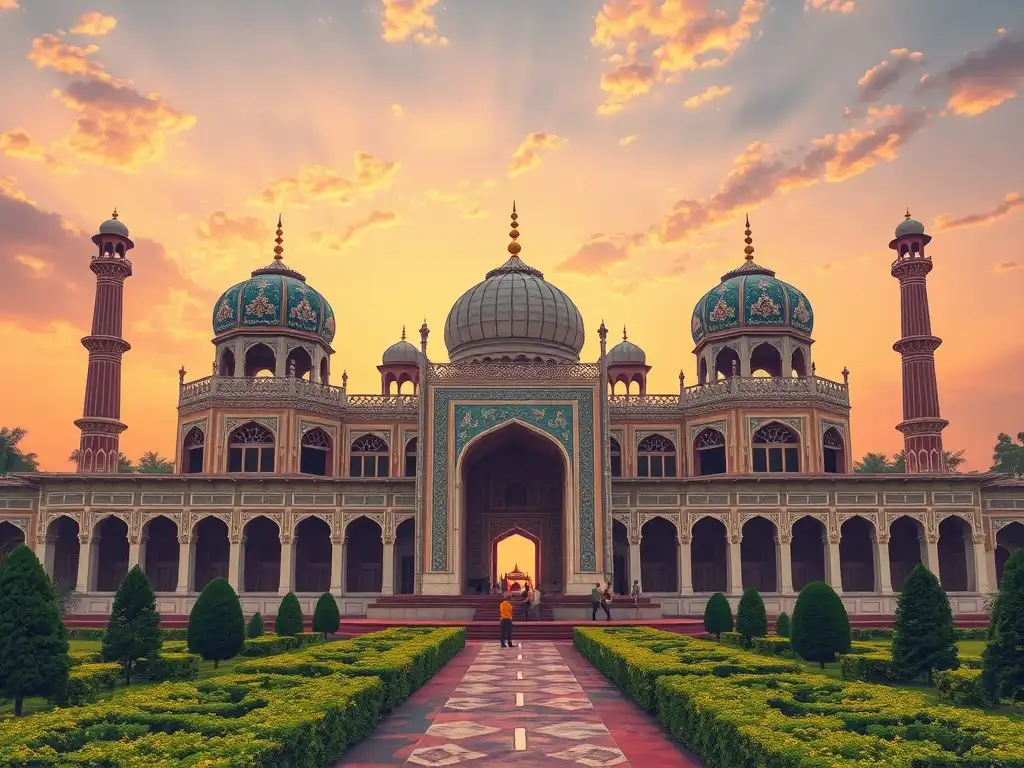
The evolution of Persian influence in Indian architecture can be traced back to various historical interactions between the two civilizations, particularly during the Mughal era. This influence began with the arrival of Persian artists and architects in India, who brought with them distinctive architectural styles, designs, and techniques that were pivotal in shaping the character of Indian architecture.
During the early interactions, the influx of Persian culture was mostly evident in the urban planning and aesthetic aspects of structures built in the regions influenced by Persian art. The introduction of elements such as intricate tile work, grand arches, and ornamental gardens marked a significant departure from indigenous architectural styles. The Persian influence culminated during the Mughal Empire when emperors like Akbar and Shah Jahan commissioned monumental buildings that blended Persian artistry with local traditions, resulting in a unique architectural language.
This evolution is characterized by the synthesis of Persian features with existing Indian styles, leading to the development of new forms that included sprawling complexes with impressive domes, intricate jali (lattice) work, and expansive courtyards. The Taj Mahal, for instance, stands as a testament to this rich fusion, showcasing the harmony between Persian aesthetics and Indian craftsmanship.
Transition from Mughal to Later Architectural Styles
The transition from Mughal to later architectural styles marked a significant evolution in the application of Persian art in Indian architecture. As the Mughal Empire declined in the 18th century, regional styles began to emerge, incorporating elements from Persian architecture while also adapting to local tastes and materials.
This period saw the rise of the Indo-Saracenic style, which combined Gothic elements with Persian and Indian motifs. Notable examples include the Victoria Terminus in Mumbai and the Mysore Palace, which showcase intricate filigree work and grand arches that echo Persian influences while being distinctly Indian in character.
Moreover, colonial architecture in India further illustrates this transition. British architects often employed Persian decorative elements in their designs, creating a hybrid style that reflected both Persian grandeur and colonial aspirations. This blending of styles continued into the 20th century, influencing modern architectural practices and leading to a rich tapestry of designs that still resonate in contemporary structures.
Contemporary Reflections of Persian Influence in Modern Indian Architecture
In contemporary India, the influence of Persian architecture is still evident in various forms. Modern architects often draw inspiration from the intricate designs and ornamental patterns that characterized Persian art. This revival can be seen in the use of traditional motifs, intricate tile work, and spacious courtyards in urban developments and public buildings.
The resurgence of interest in heritage conservation has also led to the incorporation of Persian elements in restoration projects, ensuring that the architectural legacy of the past is preserved. Additionally, contemporary Islamic architecture in India often reflects a blend of modern techniques with traditional Persian designs, resulting in structures that honor historical influences while catering to modern needs.
Furthermore, educational institutions and cultural centers are increasingly recognizing the importance of Persian art in shaping India’s architectural landscape. This recognition fosters a dialogue between past and present, encouraging architects to explore the rich cultural heritage that continues to influence their work.
Conclusion: The Lasting Legacy of Persian Art on Indian Architecture
The lasting legacy of Persian art on Indian architecture is a testament to the profound cultural exchanges that have shaped the Indian subcontinent over centuries. The intricate designs, architectural innovations, and aesthetic principles introduced by Persian artisans continue to inspire and influence contemporary architecture in India.
Summary of Key Points on Persian Influence
- Historical Interactions: Persian influence in Indian architecture began with early interactions and flourished during the Mughal era.
- Architectural Synthesis: The blending of Persian and Indian styles resulted in unique forms, exemplified by iconic structures like the Taj Mahal.
- Transition and Evolution: The decline of the Mughal Empire saw the emergence of new styles, including Indo-Saracenic architecture, which further integrated Persian elements.
- Contemporary Reflections: Modern architecture in India continues to reflect Persian influences through design innovations and restoration efforts.
Importance of Understanding Cultural Interactions in Historical Context
Understanding the cultural interactions between Persia and India is crucial for appreciating the complexities of their historical relationship. These exchanges contributed significantly to the evolution of art and architecture, facilitating a rich dialogue that transcended geographical boundaries. By studying these interactions, we gain insights into how civilizations can influence each other, resulting in a dynamic cultural legacy that continues to shape contemporary society. Recognizing this historical context enhances our appreciation of the architectural marvels that stand as symbols of shared heritage, creativity, and innovation.
Further Reading and Resources on Persian Art and Indian Architecture
Understanding the intricate connections between Persian art and Indian architecture requires delving into a variety of scholarly resources and literature. Below are some recommended readings and online resources that can enhance your comprehension of this fascinating subject.
Recommended Books and Articles
-
"The Architecture of the Indian Subcontinent" by James C. Harle
This comprehensive book provides insights into the evolution of Indian architecture, including the significant influences from Persian styles. Harle discusses various architectural phases and highlights specific structures that exhibit Persian influences.
-
"Persian Influence on Indian Architecture" by K. K. Aziz
In this detailed study, Aziz explores how Persian architecture shaped the design elements of Indian structures, particularly during the Mughal era. The book is a valuable resource for understanding the interplay of cultural aesthetics.
-
"The Great Mughals" by B. J. S. S. R. Rao
This work delves into the reign of the Mughal emperors, showcasing how Persian art was integrated into Indian architecture. It provides illustrations and descriptions of significant monuments, such as the Taj Mahal and Humayun's Tomb.
-
"Islamic Architecture in South Asia" by R. A. A. A. M. H. Shams
This article examines the blend of Islamic architectural styles, including Persian influences, and their manifestation in South Asia. It discusses key architectural elements that emerged as a result of this cultural exchange.
-
"The Influence of Persian Art on Mughal Architecture" by A. K. Marsh
An insightful exploration of how Persian artistry influenced the Mughal architectural style, focusing on specific motifs, gardens, and structural designs that reflect Persian heritage.
Online Resources for Exploring Persian and Indian Architectural Heritage
-
Google Arts & Culture
This platform offers virtual tours and exhibitions that showcase Persian and Indian architectural masterpieces. Users can explore high-resolution images and detailed descriptions of iconic structures.
-
ArchNet
A comprehensive online resource dedicated to the study of architecture in the Islamic world, including a vast collection of articles, images, and research papers focusing on the Persian influence on Indian architecture.
-
The British Museum's Online Collection
The British Museum hosts a wealth of artifacts and artworks related to both Persian and Indian civilizations. Their online collection allows users to explore items that reflect the artistic exchanges between these cultures.
-
The Met's Digital Collection
The Metropolitan Museum of Art provides access to its extensive collection of Persian and Indian art. The online database features detailed descriptions, high-quality images, and contextual information on various works.
-
Culture Trip
This website offers articles and travel guides that highlight significant architectural sites in India influenced by Persian art. It serves as a great starting point for those interested in exploring these historical connections through visits to actual sites.
These resources will serve as valuable tools for anyone seeking a deeper understanding of the Persian art influence on Indian architecture, revealing the rich tapestry of cultural interactions that shaped the architectural heritage of the Indian subcontinent.
- Introduction to Persian Art Influence on Indian Architecture
- Historical Context of Persian Art in India
- Key Features of Persian Art Reflected in Indian Architecture
- Major Examples of Persian Art Influence on Indian Architecture
- The Evolution of Persian Influence in Indian Architecture
- Conclusion: The Lasting Legacy of Persian Art on Indian Architecture
- Further Reading and Resources on Persian Art and Indian Architecture
- What is the significance of Persian art in Indian architecture?
- How did Persian art impact the design of Indian monuments?
- What role did the Mughal Empire play in the exchange of Persian art?
- Can you name some architectural features influenced by Persian art?
- What are some examples of Indian architecture that reflect Persian influence?
Frequently Asked Questions
What is the significance of Persian art in Indian architecture?
Persian art had a profound influence on Indian architecture, particularly during the Mughal era, blending aesthetic styles and techniques that enriched Indian cultural heritage.
How did Persian art impact the design of Indian monuments?
Persian artistic elements, such as symmetry, intricate tile work, and gardens, were integrated into the design of famous monuments like the Taj Mahal, showcasing a unique fusion of styles.
What role did the Mughal Empire play in the exchange of Persian art?
The Mughal Empire served as a crucial bridge for the exchange of artistic ideas, promoting the incorporation of Persian motifs into local architecture, which resulted in a distinctive artistic synthesis.
Can you name some architectural features influenced by Persian art?
Key features influenced by Persian art include arched doorways, domes, and courtyard designs, which are evident in many historical structures across India.
What are some examples of Indian architecture that reflect Persian influence?
Examples include the Humayun's Tomb, which showcases Persian gardens, and the Jama Masjid, which features Persian calligraphy and intricate decorative elements that highlight this cultural connection.
Final Reflection: The Enduring Legacy of Persian Art in Indian Architecture
The intricate relationship between Persian art and Indian architecture continues to resonate powerfully in today's cultural landscape. As we explore the historical influences that shaped architectural marvels, it becomes evident that this fusion not only enriched the aesthetic dimensions of buildings but also fostered a deeper cultural dialogue. The beauty of this exchange reminds us that art transcends borders, creating a tapestry of shared heritage that is as relevant now as it was centuries ago.
The influence of Persian art on Indian architecture is a testament to the power of cultural exchange and adaptation. This relationship has not only shaped the physical structures we admire but has also influenced the ethos of artistic expression in both cultures. As we walk through the grand arches of Mughal palaces or the intricate carvings of temples, we are reminded of the profound impact that Persian aesthetics have had on Indian design. Art is the most beautiful of all lies.
This quote encapsulates the essence of how art can weave together diverse narratives, creating a shared history that enriches our understanding of identity and belonging.
As you reflect on the themes presented in this article, consider how the legacy of Persian art can inspire your own creative endeavors. Embrace the idea that cultural influences can lead to innovation and beauty in your life. Whether through architecture, art, or personal expression, let the lessons of this historical perspective guide you in recognizing the value of interconnectedness in our global community. Take a moment to appreciate the beauty around you, and think about how you can contribute to this ongoing dialogue of cultural exchange in your own unique way.
Unveil the Legacy of Persian Art in Indian Architecture!
Thank you for diving into the rich tapestry of history where Persian art intertwined beautifully with Indian architecture. You've gained insights into a unique cultural exchange that has shaped our world today. Now, it’s time to take your fascination further and engage actively with this heritage!
Here are some exciting ways for you to connect with this legacy:
- Explore a nearby historical site influenced by Persian art—admire the intricate designs and reflect on their rich narratives.
- Share your thoughts about your favorite Persian architectural feature on social media—let's spark a conversation about its profound impact on Indian heritage!
- Join a local history group or online community to engage with fellow enthusiasts and discuss how these artistic influences continue to resonate in contemporary architecture.
What aspect of the architectural fusion between Persian and Indian styles surprises you the most? Share your insights below!