
Diplomatic Dialogues: Key Treaties and Alliances in IndianPersian Relations

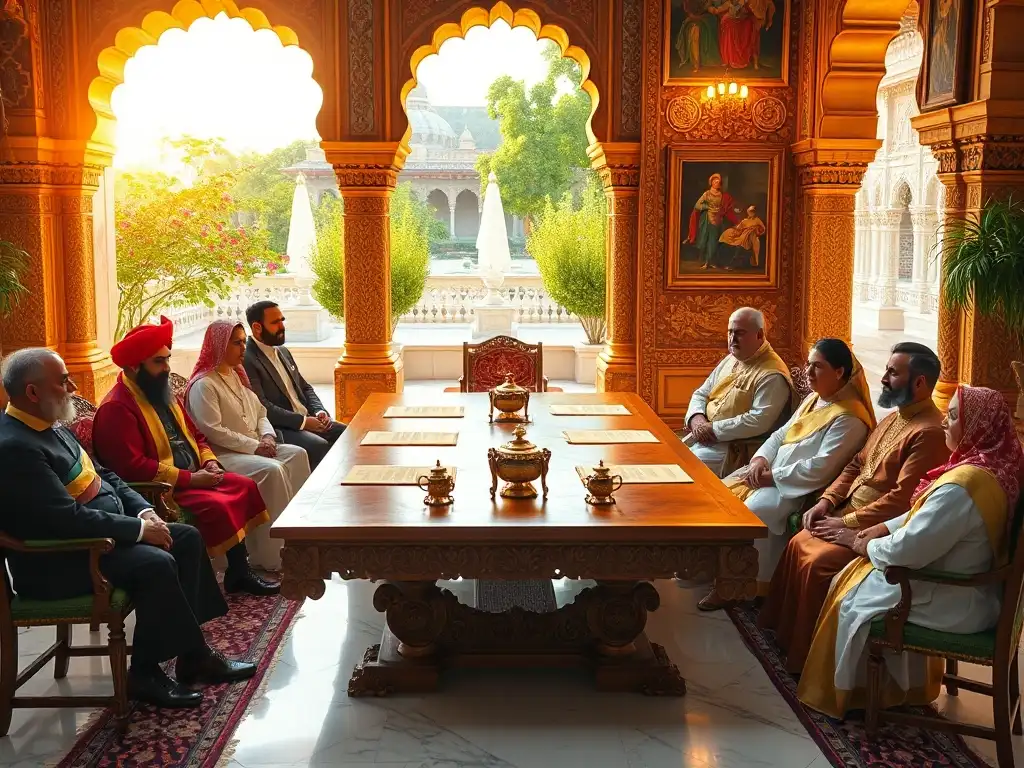
Welcome to Ancient India History, where we delve into the rich tapestry of India's past and uncover the profound connections that shaped its civilizations. In this exploration, we invite you to discover the fascinating world of Indian Persian relations treaties—a pivotal chapter that reveals the intricate diplomatic dialogues and alliances forged between two great cultures.
As you navigate through our content, you'll uncover how these treaties not only influenced trade and culture but also left an indelible mark on history. So, join us on this journey and unravel the threads of interaction that wove together the destinies of ancient India and Persia!
Introduction to Indian-Persian Relations
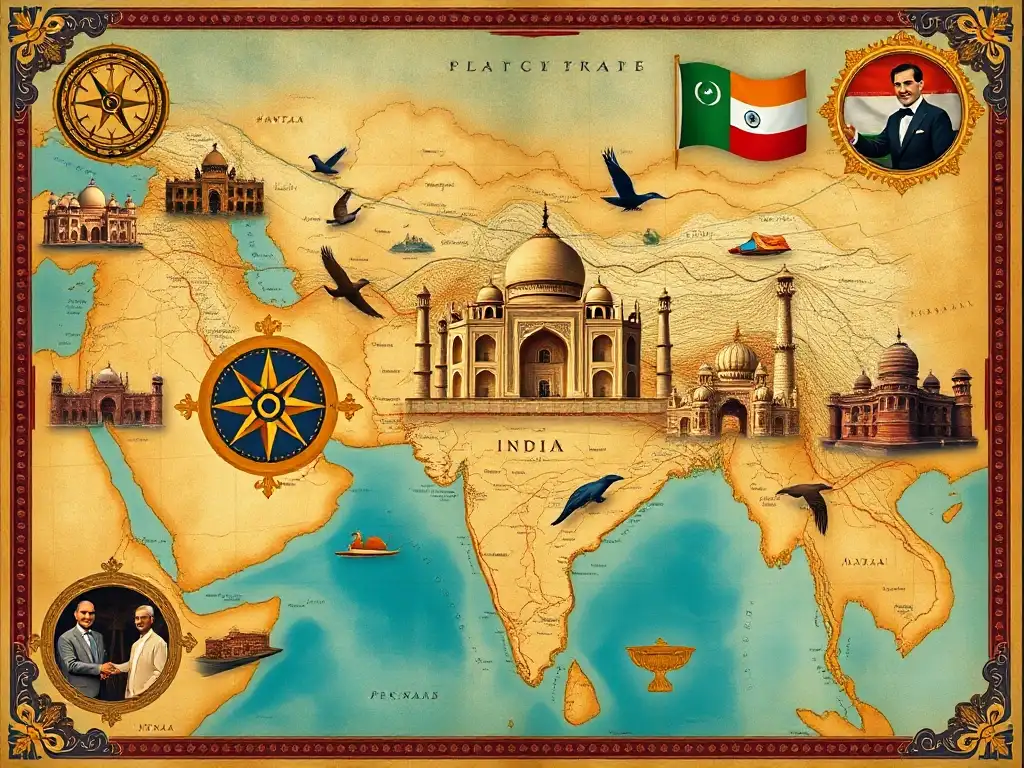
The history of Indian-Persian relations is a fascinating tapestry woven through centuries of diplomacy, trade, and cultural exchange. This intricate relationship, which spans from the ancient Indus Valley civilization to the eras of the Mughal Empire and beyond, has been significantly shaped by a series of treaties and alliances that fostered cooperation and understanding between these two great civilizations.
The exploration of Indian-Persian relations treaties unveils the complexities and nuances that characterized diplomatic interactions, influencing not only political landscapes but also cultural affiliations and economic ties. This article delves into key treaties that defined these interactions, highlighting their significance and the impact they had on shaping the course of history in both regions.
Overview of Historical Context
The historical context of Indian-Persian relations is steeped in a rich legacy that dates back to antiquity. The Indus Valley Civilization, one of the world's earliest urban cultures, established trade links with the ancient Persian Empire. As time progressed, various dynasties and empires, such as the Achaemenids and later the Sassanids, engaged with the Indian subcontinent, fostering an environment of mutual respect and collaboration.
During the medieval period, the rise of Islamic empires saw a significant strengthening of ties between India and Persia. Notable figures like Mahmud of Ghazni and Muhammad Ghori played crucial roles in establishing political and military connections that would influence the socio-political landscape. This backdrop sets the stage for understanding the treaties and alliances that emerged as pivotal moments in their diplomatic history.
Importance of Treaties in Diplomatic Relations
Treaties have always served as essential instruments in international relations, acting as formal agreements that outline the terms of cooperation, peace, and mutual respect. In the context of Indian-Persian relations, these agreements were instrumental in:
- Establishing Boundaries: Treaties often delineated territorial claims and established diplomatic norms.
- Facilitating Trade: Many agreements included provisions for trade, enhancing economic ties and ensuring the flow of goods and cultural exchanges.
- Cultural Exchange: Beyond politics and trade, treaties fostered cultural interactions, leading to the exchange of ideas, art, and science that enriched both civilizations.
The significance of these treaties extends beyond their immediate outcomes; they laid the foundation for enduring relationships that would shape the future of both regions.
Major Indian-Persian Treaties
The Treaty of 1192: Significance and Impact
The Treaty of 1192 marked a crucial turning point in Indo-Persian relations, occurring shortly after the conquest of northern India by Muhammad Ghori. This treaty not only symbolized the establishment of Persian influence in the Indian subcontinent but also set the stage for future collaborations and conflicts between various dynasties.
- Key Outcomes:
- Recognition of territorial claims.
- Establishment of a framework for future diplomatic engagements.
The treaty's impact resonated through subsequent centuries, influencing both military strategies and cultural exchanges between the regions.
The Treaty of Amritsar (1846): A Turning Point
The Treaty of Amritsar in 1846 was a significant agreement that defined the relationship between the British Empire and the princely state of Jammu and Kashmir, which had historical ties to Persia. This treaty allowed for Persian influence while simultaneously establishing British control, highlighting the complexities of colonial diplomacy.
- Key Features:
- Defined the sovereignty of the princely state.
- Established British suzerainty while maintaining Persian cultural hegemony.
This treaty was pivotal in shaping the dynamics of power in the region, underscoring the delicate balance between local governance and imperial interests.
The Treaty of Salbai (1782): A Strategic Alliance
The Treaty of Salbai was a crucial agreement between the British East India Company and the Maratha Empire, which had significant implications for Persian interests in India. This treaty not only ended hostilities but also set the stage for future alliances.
- Major Provisions:
- Restoration of territories.
- Ensured peace, allowing for a focus on trade and cultural exchanges.
The strategic nature of this treaty illustrates how diplomacy shaped the interactions between Indian and Persian powers, paving the way for future collaborations in trade and culture.
Each of these treaties stands as a testament to the intricate dance of diplomacy and power that characterized Indian-Persian relations throughout history. Through the lens of these agreements, we can better understand the profound influences that shaped the cultural and political landscapes of both civilizations.
Key Alliances in Indian-Persian Relations
Throughout history, Indian-Persian relations have been marked by significant alliances that shaped the cultural and political landscapes of both regions. Notably, these alliances emerged from shared interests in trade, military cooperation, and cultural exchange. The Mughal Empire, in particular, played a crucial role in solidifying these ties, facilitating a flow of goods, ideas, and diplomatic endeavors. The exchange was not merely transactional; it fostered a mutual respect that allowed for the blending of artistic and architectural styles, which is evident in the Indo-Islamic architecture that characterizes much of northern India today.
The Role of the Mughal Empire in Strengthening Ties
The Mughal Empire (1526-1857) was instrumental in enhancing Indian-Persian relations. The Mughals, who descended from Central Asian and Persian lineage, saw Persia as both a cultural and political ally. Under rulers like Akbar, Jahangir, and Shah Jahan, the Mughals established formal diplomatic channels with Persian states, leading to several treaties and mutual recognition of sovereignty. These alliances were often solidified through royal marriages, such as that of Akbar’s marriage to the Persian princess Mariam-uz-Zamani, which symbolized a deepening of diplomatic ties.
The Mughals also patronized Persian art and literature, leading to a cultural renaissance that influenced not only India but also the broader Persian-speaking world. The establishment of the Persian language as a court language in the Mughal court further exemplified this deep connection, making Persian a significant part of Indian culture.
Persian Influence on Indian Culture and Politics
Persian influence on India transcended mere diplomacy; it permeated various aspects of Indian culture and politics. The introduction of Persian literature, philosophy, and administrative practices had a lasting impact on Indian society. Persian poets like Hafiz and Rumi inspired Indian writers, while the Persian language became synonymous with sophistication and administration in Mughal India.
In terms of governance, the Persian model of administration influenced the Mughal bureaucratic structures. The incorporation of Persian legal and political concepts enriched Indian political thought, leading to a unique blend that shaped the governance of the Mughal Empire. This cultural amalgamation fostered a sense of shared identity among the elites of both regions, thus reinforcing their diplomatic ties.
Shared Interests: Trade and Military Alliances
Trade was a cornerstone of Indian-Persian relations, facilitating alliances that were mutually beneficial. The overland Silk Road and maritime trade routes allowed for the exchange of not only goods but also ideas and cultural practices. Spices, textiles, and precious stones from India were highly sought after in Persia, while Persian products, including rugs and metals, found a ready market in Indian courts.
Military alliances were also essential, particularly against common adversaries. Historical records show instances where Indian and Persian forces collaborated against the Ottoman Empire and various Central Asian nomadic tribes. Such military treaties not only strengthened their positions but also built trust and camaraderie between the two regions, leading to enhanced diplomatic relations.
Analysis of Indian-Persian Treaties
Objectives Behind the Treaties
The treaties between Indian and Persian states were often driven by specific objectives. For the Mughals, establishing peace with Persia meant securing trade routes and ensuring the stability of their empire. For the Safavid rulers of Persia, alliances with Indian states provided military support and economic benefits. These treaties aimed to address territorial disputes, enhance trade collaboration, and fortify military positions against mutual threats.
Additionally, cultural diplomacy was a significant objective. By fostering ties through marriage alliances and cultural exchanges, both sides sought to create a lasting rapport that went beyond mere political necessity.
Outcomes and Historical Consequences
The outcomes of these treaties were profound, leading to enhanced trade networks and cultural exchanges that shaped the historical narrative of both regions. The treaties often resulted in periods of peace that allowed for economic prosperity and cultural flourishing. However, the alliances were not without their challenges, as shifts in power dynamics occasionally strained relations.
One notable consequence was the integration of Persian art and culture into Indian society, which left a lasting legacy in architecture, literature, and cuisine. The Mughal architecture, characterized by Persian motifs, remains a testament to the profound influence of these diplomatic relations.
Case Study: The Impact of Treaties on Regional Stability
Examining specific treaties, such as the Treaty of 1612 between the Mughal Empire and the Safavid Dynasty, highlights the significant impact on regional stability. This treaty sought to end hostilities and promote trade, resulting in a period of relative peace that fostered cultural exchanges and economic growth.
The stability created by such treaties allowed both empires to focus on internal development rather than external conflicts, leading to a flourishing of the arts and sciences. However, the eventual decline of both empires also illustrates the fragility of such alliances, as changing political landscapes could quickly alter the dynamics of Indian-Persian relations.
Cultural Exchanges Resulting from Diplomatic Dialogues
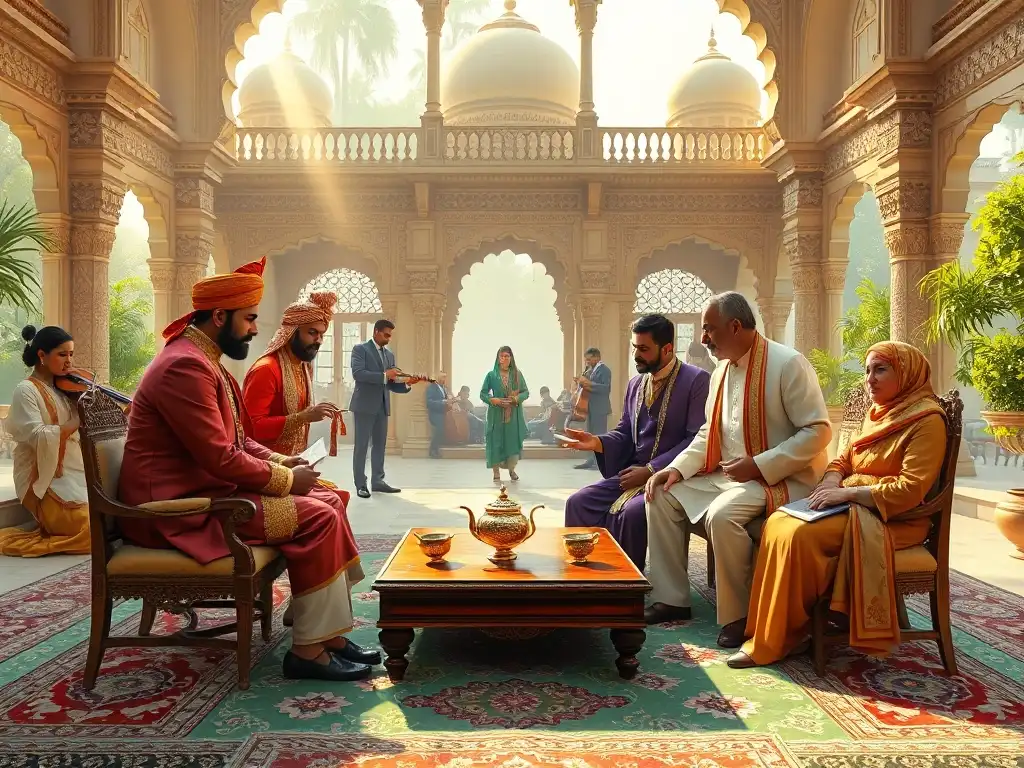
The diplomatic dialogues between Indian and Persian civilizations fostered significant cultural exchanges that enriched both societies. These interactions, facilitated by trade, alliances, and treaties, led to the blending of ideas, art forms, and philosophies. The cross-cultural fertilization that occurred shaped the development of societies in both regions, leaving a lasting impact that can still be observed today.
Influence on Art and Architecture
One of the most profound impacts of Indian-Persian relations is evident in art and architecture. The Mughal Empire, which emerged from the amalgamation of Indian and Persian cultures, is a prime example of this influence. Mughal architecture, characterized by its grandiose scale and intricate detailing, incorporated Persian design principles, including the use of symmetry, expansive gardens, and elaborate tile work.
Notable Examples:
- Taj Mahal: A UNESCO World Heritage site, this iconic mausoleum showcases a perfect blend of Persian and Indian architectural styles.
- Red Fort: Located in Delhi, the fort's design exemplifies the fusion of Persian aesthetics with Indian traditions.
Furthermore, Persian miniature paintings significantly influenced Indian art, leading to the development of unique styles that incorporated Indian themes, flora, and fauna, alongside traditional Persian motifs. This artistic synergy not only enriched visual arts but also provided a narrative medium that depicted the stories and legacies of both cultures.
Language and Literature: Persian's Impact on Indian Culture
The influence of Persian on Indian languages and literature is another significant result of diplomatic dialogues. Persian became the court language of several Indian empires, particularly under the Mughals. This integration had profound implications for the development of languages such as Urdu and Hindi, which absorbed a substantial number of Persian words and idiomatic expressions.
Persian literature also had a lasting impact on Indian literary traditions. The works of poets like Amir Khusro and Mirza Ghalib, writing in Persian, not only enriched Indian poetry but also introduced new themes and stylistic elements. The interaction between Persian and Indian poets resulted in the creation of a unique literary genre that celebrated the cultural diversity of both traditions.
Religion and Philosophy: Cross-Cultural Interactions
The dialogues between Indian and Persian civilizations also facilitated significant exchanges in religious and philosophical thought. Zoroastrianism, the ancient religion of Persia, interacted with Hinduism and Buddhism, leading to mutual influences in beliefs and practices. This exchange can be seen in the syncretic philosophies that emerged during the medieval period, as scholars and philosophers from both cultures engaged in dialogues about ethics, spirituality, and governance.
The presence of Persian scholars in Indian courts and vice versa allowed for the sharing of ideas, particularly in fields like mathematics, astronomy, and medicine. This cross-pollination of knowledge fostered an intellectual environment that contributed to advancements in various disciplines, influencing practices and beliefs in both regions.
Conclusion
The diplomatic dialogues between India and Persia were pivotal in shaping the cultural landscapes of both civilizations. The treaties and alliances forged during these interactions not only facilitated trade and political cooperation but also laid the groundwork for a rich tapestry of cultural exchanges that enriched art, language, and philosophy.
The Legacy of Indian-Persian Relations
The legacy of Indian-Persian relations is evident in the various aspects of contemporary Indian culture. The architectural marvels, literary traditions, and philosophical exchanges that arose from these interactions continue to influence modern Indian society. The blending of cultural elements has created a unique identity that honors both its Indian roots and Persian influences.
Future Implications of Historical Treaties and Alliances
Understanding the historical treaties and alliances between India and Persia can provide valuable insights for contemporary diplomatic relations. As both nations navigate the complexities of modern geopolitics, the historical context of their interactions can inform strategies for collaboration, cultural exchange, and mutual respect. By recognizing the shared heritage and cultural ties, there is potential for strengthening the bonds that unite these two rich civilizations in the future.
References
The study of Indian-Persian relations is enriched by a variety of historical texts, scholarly articles, and archaeological findings. These sources provide a deeper understanding of the treaties, alliances, and interactions that shaped the diplomatic landscape between these two great civilizations. Below are some essential references that can enhance your comprehension of this intricate subject.
Suggested Reading on Indian-Persian Relations
-
"The Persian Empire: A Historical Encyclopedia" by Mehrdad Kia
This comprehensive work provides insights into the vast Persian Empire, including its relations with neighboring regions like India, highlighting key treaties and cultural exchanges.
-
"India and Iran: A History of Cultural and Political Relations" by B. N. Mukherjee
Mukherjee's book delves into the historical connections between India and Iran, discussing the socio-political dynamics and the impact of treaties throughout history.
-
"The Mughal Empire and Central Asia: The Interaction of Cultures" by Eric D. H. W. De Raadt
This text examines the Mughal Empire's relations with Persia, focusing on significant alliances and cultural exchanges that occurred during the Mughal period.
-
"Persian Influences on Indian Art and Architecture" by Pratapaditya Pal
A detailed analysis of how Persian art and architecture influenced Indian styles, showcasing the cultural diplomacy between the regions.
-
"The Indus Valley to the Gupta Empire: A Historical Overview" by Romila Thapar
Thapar addresses the broader historical context of Indian civilization, including its interactions with Persia, offering a foundational understanding of the era.
Key Historical Texts and Sources
-
"Ain-i-Akbari" (The Constitution of Akbar)
Written by Abu'l-Fazl ibn Mubarak, this text provides valuable insights into the Mughal Empire's administration and its diplomatic relations with Persia. It includes references to treaties and the role of Persian diplomats.
-
"Tarikh-i-Firishta" (History of the Deccan)
Authored by Muhammad Qasim Firishta, this historical narrative discusses the various alliances and treaties between Indian states and Persian rulers, particularly during the Deccan sultanates.
-
"Khulasat al-Tawarikh" (Summary of Histories)
This Persian historical text, compiled by Muhammad Baqir, offers a perspective on the interactions between Indian and Persian courts, including notable treaties and diplomatic missions.
-
"The Travels of Marco Polo"
Although primarily focused on the travels of Marco Polo, this text provides glimpses of the Indian-Persian interactions during the 13th century, highlighting trade and cultural exchanges.
-
"The Mahabharata"
While a work of epic literature, references within this ancient text hint at early interactions between Indian kingdoms and Persian entities, showcasing the long-standing connections that predate formal treaties.
These readings and texts are foundational for anyone seeking to understand the complexities and nuances of Indian-Persian relations through treaties and alliances. Each source offers a unique lens through which to view the rich tapestry of interactions that defined these two ancient civilizations.
- Introduction to Indian-Persian Relations
- Major Indian-Persian Treaties
- Key Alliances in Indian-Persian Relations
- Analysis of Indian-Persian Treaties
- Cultural Exchanges Resulting from Diplomatic Dialogues
- Conclusion
- References
- What were the primary treaties between ancient India and Persia?
- How did Indian and Persian cultures influence each other?
- What role did trade play in Indian-Persian relations?
- Can you name a significant alliance formed between India and Persia?
- How did historical treaties shape modern Indian-Iranian relations?
Frequently Asked Questions
What were the primary treaties between ancient India and Persia?
Ancient Indian-Persian relations were marked by several significant treaties, including the Treaty of 250 BC, which facilitated trade and cultural exchanges between the two regions.
How did Indian and Persian cultures influence each other?
The interaction between Indian and Persian cultures led to a rich exchange of art, literature, and philosophy, with both civilizations borrowing ideas and practices, enriching their cultural landscapes.
What role did trade play in Indian-Persian relations?
Trade was a cornerstone of Indian-Persian relations, promoting economic ties and fostering diplomatic dialogues that resulted in various alliances and treaties, enhancing mutual prosperity.
Can you name a significant alliance formed between India and Persia?
One notable alliance was formed during the Mauryan Empire, where Chandragupta Maurya allied with Persian rulers to strengthen their mutual interests against common foes, showcasing strategic political collaboration.
How did historical treaties shape modern Indian-Iranian relations?
Historical treaties laid the groundwork for contemporary Indian-Iranian relations, influencing trade, cultural exchanges, and political alliances that continue to evolve in the modern era.
Final Reflection: The Enduring Legacy of Indian-Persian Relations
The intricate tapestry of Indian-Persian relations, woven through centuries of treaties and alliances, remains profoundly relevant today. As we navigate a world increasingly defined by globalization and interdependence, understanding the historical context of these diplomatic dialogues offers invaluable insights into contemporary geopolitical dynamics. The lessons learned from past treaties not only illuminate the pathways of cooperation but also underscore the importance of dialogue in resolving conflicts and fostering mutual respect.
The influence of Indian-Persian relations extends beyond mere historical significance; it shapes cultural exchanges, trade partnerships, and diplomatic strategies in the modern era. The rich heritage of collaboration between these two civilizations serves as a reminder of the potential for unity amidst diversity. As the renowned Persian poet Rumi once said, The wound is the place where the Light enters you.
This sentiment resonates deeply within the context of Indian-Persian relations, where historical challenges have often paved the way for greater understanding and collaboration, enriching both cultures in the process.
As we reflect on the lessons of the past, let us carry forward the spirit of diplomacy and cooperation into our own lives. Consider how you can engage in dialogues that bridge divides, whether in your community or on a global scale. Each of us has the power to contribute to a more harmonious world by embracing the principles of understanding and collaboration exemplified in the treaties and alliances of Indian-Persian relations. Together, we can honor this legacy and inspire future generations to continue the journey of peace and partnership.
Unveil the Next Chapter in Indian-Persian Relations
Thank you for diving into the rich tapestry of Indian-Persian relations with us! Your enthusiasm for understanding these historical connections adds depth to our global narrative. Now, it’s time to take the next step in exploring this fascinating subject.
Here are a few ways you can further engage with this dynamic history:
- Join an online forum where history enthusiasts discuss various diplomatic strategies and historical treaties. Share your insights or pose your questions!
- Create a presentation on a significant treaty from this article and present it to your local history club.
- Explore additional resources by checking out books or documentaries on Indian-Persian relations that could enhance your understanding.
What aspect of Indian-Persian relations intrigues you the most: the strategies behind the treaties or the cultural exchanges that emerged? Let's discuss!