
The Role of Ancient Indian Cities in Persian Trade Networks

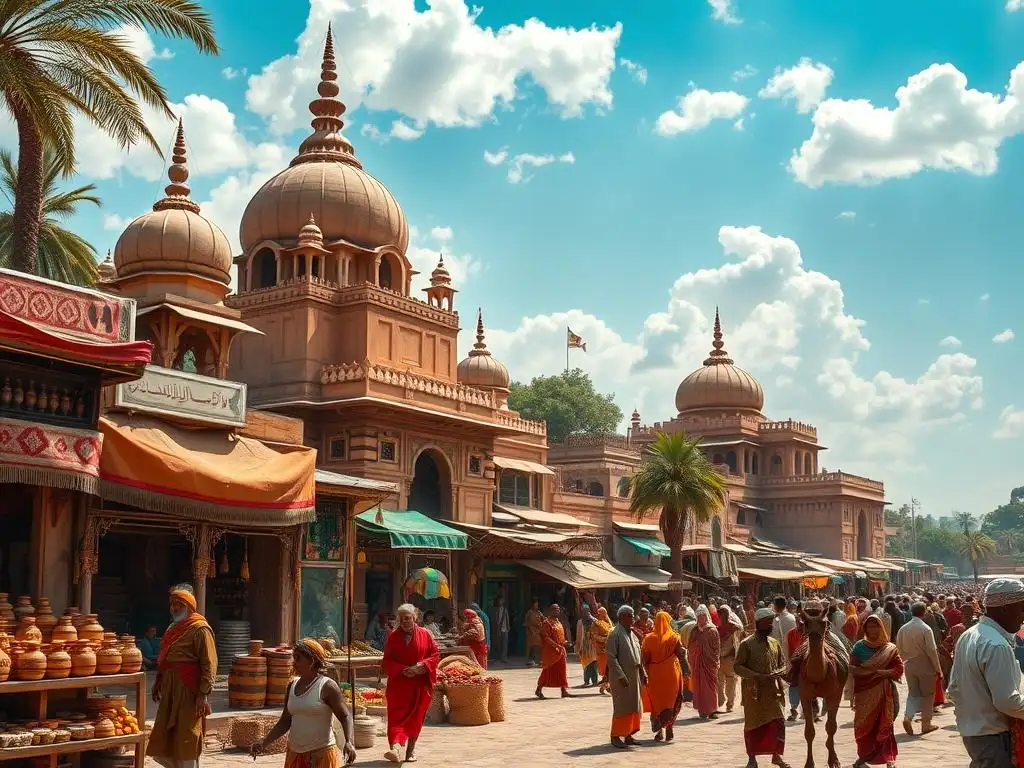
Welcome to Ancient India History, where we embark on a fascinating journey through time to uncover the rich tapestry of ancient Indian civilizations. Today, we delve into the intriguing topic of Ancient Indian cities and their vital role in trade networks, particularly within the expansive Persian trade routes.
What secrets did these bustling urban centers hold, and how did they influence not just their own culture but also the civilizations beyond their borders? Prepare to explore the vibrant intersection of commerce and culture that shaped the ancient world, and let your curiosity lead you deeper into the legacy of these remarkable cities!
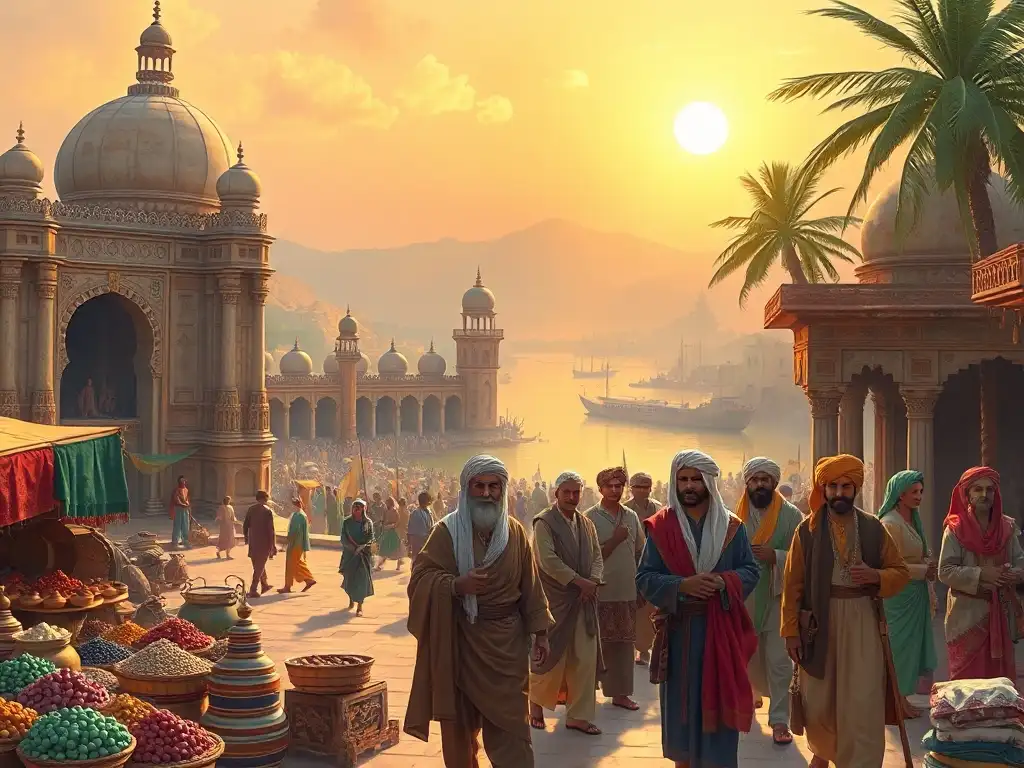
Ancient Indian cities played a pivotal role in the intricate tapestry of trade networks that connected various civilizations, including the powerful Persian Empire. These urban centers not only facilitated commerce but also served as cultural conduits, allowing for the exchange of goods, ideas, and traditions.
Understanding the dynamics of these trade networks is crucial for appreciating the contributions of ancient Indian cities to the broader spectrum of world history. This article delves into the significance of ancient Indian cities within Persian trade networks, emphasizing their historical context, the emergence of trade routes, and the influential figures who shaped these interactions.
Introduction to Ancient Indian Cities and Trade Networks
The ancient Indian subcontinent was home to several prominent cities that emerged as vital hubs of trade and commerce, particularly during the periods of flourishing empires and dynasties. Cities such as Taxila, Ujjain, and Pataliputra were not only strategically located along crucial trade routes but also boasted advanced urban planning and economic sophistication. The development of these cities can be traced back to the Indus Valley Civilization, where early trade practices first took root.
Overview of Trade Networks in Ancient India
Ancient Indian trade networks were extensive and multifaceted, encompassing both land and maritime routes. The Silk Road and the Maritime Spice Route are notable examples of trade corridors that connected India with distant lands, including Persia, Arabia, and beyond. Key commodities traded included:
- Spices (e.g., pepper, cardamom)
- Textiles (e.g., silk, cotton)
- Metals (e.g., gold, silver, copper)
- Jewelry and artifacts
These trade networks facilitated not only the exchange of goods but also cultural interactions, leading to the dissemination of ideas, languages, and religions.
Significance of Trade in Ancient Indian Civilization
Trade was integral to the economic foundation of ancient Indian civilization. It fostered wealth accumulation, social stratification, and urbanization. The prosperity generated from trade allowed for advancements in arts, sciences, and architecture. Key benefits of trade included:
- Economic Growth: Increased wealth contributed to the development of infrastructure and public works.
- Cultural Exchange: Trade routes enabled the spread of philosophies, religions (like Buddhism and Hinduism), and technologies.
- Political Alliances: Trade often led to diplomatic relations and alliances between kingdoms and empires.
Historical Context of Persian Trade in Ancient India
The interactions between ancient Indian cities and Persian traders can be traced back to the Achaemenid Empire, where the need for goods and resources spurred the establishment of trade routes connecting these two regions. Persian influence in India was significant, as it facilitated not only commerce but also cultural and political exchanges.
The Emergence of Persian Trade Routes
The establishment of Persian trade routes during the Achaemenid period marked a turning point in ancient trade dynamics. The routes connected Persia with the Indian subcontinent, allowing for more direct trade and communication. Key factors contributing to the emergence of these routes included:
- Geographical Positioning: The proximity of ancient Indian cities to Persian territories made them natural trade partners.
- Demand for Indian Goods: Persian kings and merchants sought luxury goods from India, which were highly prized in their markets.
- Political Stability: The consolidation of power by Persian rulers ensured safer passage for traders.
Key Persian Traders and Their Influence on Indian Markets
Prominent Persian traders, such as those operating under the Achaemenid Empire, played a crucial role in shaping Indian markets. Their contributions included:
- Establishing Trade Relations: Persian traders established networks that linked Indian cities to the larger Persian economy.
- Cultural Exchange: These traders brought not only goods but also cultural practices, such as art and language, enriching the Indian landscape.
- Economic Integration: The integration of Indian cities into Persian trade networks helped create a more interconnected economy, leading to the prosperity of both regions.
The role of ancient Indian cities within Persian trade networks is a fascinating aspect of history that highlights the interconnectedness of civilizations. This exploration sheds light on the significance of trade in shaping cultural and economic landscapes in ancient times.
Major Ancient Indian Cities Involved in Persian Trade
Ancient Indian cities played a vital role in the Persian trade networks, serving as crucial hubs for commerce, culture, and the exchange of ideas. The interaction between these civilizations facilitated not only economic growth but also cultural exchanges that enriched both societies. Major cities such as Taxila, Pataliputra, and Ujjain emerged as significant centers due to their strategic locations along trade routes.
Taxila, located at the crossroads of several trade routes, was known for its educational institutions and as a center for commerce. It attracted merchants from various regions, including Persia, which contributed to its prosperity. Pataliputra, the capital of the Maurya Empire, was another important city that thrived due to its strategic position near the confluence of the Ganges and Son rivers. This location made it an ideal trading post for goods flowing between northern India and the Persian Empire.
Ujjain, famous for its astronomical observations and trade in textiles, spices, and precious stones, also played a pivotal role in the ancient trade networks. The presence of these cities facilitated the movement of goods, such as silk, ivory, and gems, which were highly sought after in Persian markets. The rich tapestry of trade in these cities contributed significantly to the economic landscape of ancient India and its interactions with Persia.
Overview of Prominent Cities in Ancient India
The ancient landscape of India was dotted with cities that served as critical nodes in trade networks, particularly with Persia.
- Taxila:
- Located in present-day Pakistan, Taxila was a flourishing city known for its university and trade. It was famous for its diverse goods, including textiles, and was a hub for merchants from various regions.
- Pataliputra:
- As the capital of the Mauryan Empire, Pataliputra was a political and economic powerhouse. Its location allowed it to control trade routes, making it a vital center for commerce with Persian traders.
- Ujjain:
- Known for its astronomical significance and trade in luxury items, Ujjain was another prominent city in ancient India. It served as a center for the trade of spices, textiles, and precious stones, attracting Persian traders.
These cities not only facilitated trade but also became melting pots of culture, where ideas and traditions from Persia and beyond mingled with local practices.
The Role of Ancient Indian Ports in Persian Trade Networks
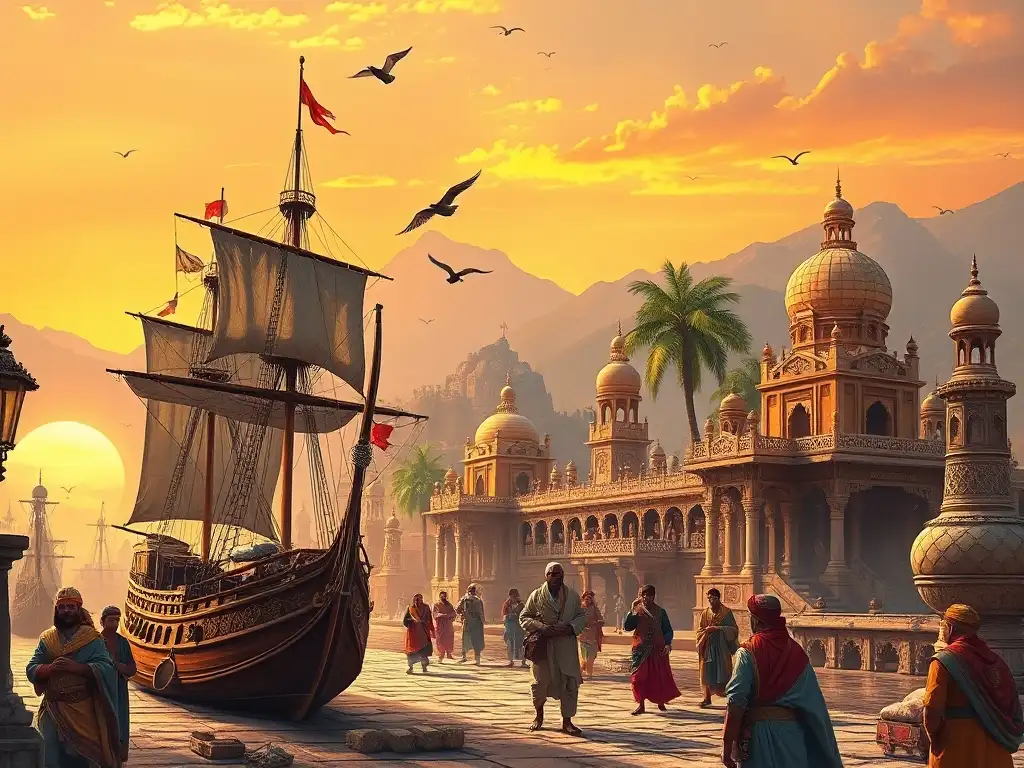
Ancient Indian ports were essential to the trade networks that connected India with Persia and other regions. The coastal cities provided access to maritime routes, allowing for the exchange of goods and culture over long distances. Ports such as Lothal and Bharukachchha were instrumental in facilitating maritime trade, effectively linking the Indian subcontinent with the Persian Gulf and beyond.
Lothal, located in modern-day Gujarat, is one of the earliest known ports and is famed for its well-planned dockyard. This port served as a significant trade gateway for merchants dealing in goods like beads, textiles, and metals. The thriving trade at Lothal made it a vital link in the trade networks that connected India to the Persian Empire.
Bharukachchha, another important port, was situated near the Gulf of Khambhat and acted as a hub for maritime trade. Its strategic location allowed it to serve as a departure point for merchants heading to Persian markets, where Indian goods were highly valued.
Important Ports along the Indian Coast
The Indian coastline was lined with ports that played a pivotal role in facilitating trade with Persia:
- Lothal:
- Known for its advanced dockyard, Lothal was key in maritime trade. It was a center for the export of beads, textiles, and other crafted goods.
- Bharukachchha:
- This port was significant for its connectivity to Persian trade routes. It served as a bustling trade center, exporting a variety of goods to Persian markets.
- Kalyan:
- Situated near Mumbai, Kalyan was another crucial port in ancient times, facilitating trade in spices and textiles with traders from Persia.
- Cochin:
- Although primarily known for its later significance, ancient Cochin was also involved in trade networks, serving as a port for goods moving between India and Persia.
These ports not only enabled the flow of goods but also fostered cultural exchanges, contributing to the rich tapestry of interactions between ancient Indian and Persian civilizations.
Goods Traded Between Ancient Indian Cities and Persia
The trade networks established between ancient Indian cities and Persia were instrumental in shaping not only the economies of these regions but also their cultures and societies. These networks facilitated the exchange of a variety of goods, leading to a flourishing of commerce that benefited both civilizations. Understanding the specific goods traded provides insight into the economic relationships and cultural exchanges that occurred.
Overview of Exported Goods from India
Ancient Indian cities were known for their rich resources and unique products, which became highly sought after in Persian markets. The following items were among the most significant exports:
- Spices: India was renowned for its variety of spices, such as black pepper, cardamom, and turmeric. These spices not only enhanced flavors but also served as valuable commodities in trade.
- Textiles: Fine cotton and silk fabrics, particularly from regions like Gujarat and Bengal, were highly prized in Persia. The intricate designs and vibrant colors made Indian textiles a symbol of luxury.
- Precious Stones and Metals: India was rich in gems and metals, including diamonds, pearls, and gold. These valuable resources attracted Persian merchants, eager to acquire them for trade and adornment.
- Medicinal Herbs: The diverse flora of India provided a range of herbs used in traditional medicine, which were exported to Persian markets for their therapeutic properties.
This diverse array of goods not only fueled the economies of ancient Indian cities but also fostered a deep interconnection with Persian trade networks.
Imported Goods from Persia to India
The trade relationship was reciprocal, with ancient Indian cities receiving numerous goods from Persia. Key imports included:
- Silver and Gold: Persia was known for its rich deposits of precious metals, which were highly valued in Indian markets for jewelry and currency.
- Wine: Persian wine, especially from regions like Shiraz, was considered a luxury in India and became a popular import among the elite.
- Crafted Goods: Persian artisans produced exquisite items, including pottery, glassware, and metalwork, which found their way into Indian households and palaces.
- Livestock: Horses were among the most significant imports from Persia, as they were essential for transportation and military purposes in ancient India.
These imports enriched Indian culture and economy, illustrating the dynamic nature of the trade networks that linked these civilizations.
Cultural Exchanges Facilitated by Trade
The interactions between ancient Indian cities and Persia extended beyond mere economic transactions; they also facilitated profound cultural exchanges that influenced both societies.
The Influence of Persian Culture on Indian Society
The influx of Persian goods, ideas, and practices had a lasting impact on Indian society. Notable influences included:
- Architecture: Persian architectural styles, characterized by intricate designs and grand structures, inspired Indian builders. The incorporation of domes and arches in Indian architecture can be traced back to Persian influences.
- Language and Literature: The Persian language and its literature began to permeate Indian culture, particularly during the medieval period. Persian poetry and prose influenced Indian literary traditions, resulting in hybrid forms of expression.
- Cuisine: The introduction of Persian culinary techniques and ingredients enriched Indian cuisine, leading to the creation of new dishes that blended flavors from both cultures.
These cultural exchanges contributed to a rich tapestry of shared heritage, showcasing the interconnectedness of ancient Indian and Persian civilizations.
The Spread of Indian Culture in Persian Territories
Conversely, Indian culture also made its mark on Persian society through trade. Some key aspects of this cultural diffusion included:
- Religious Ideas: As Indian merchants traveled to Persia, they brought with them their philosophical and religious beliefs, including elements of Hinduism and Buddhism, which influenced Persian thought.
- Art and Craftsmanship: Indian artistic techniques, such as intricate woodwork and textile making, were introduced to Persian artisans, resulting in the blending of styles and techniques.
- Festivals and Traditions: Indian festivals and customs were sometimes adopted by Persian communities, illustrating the cultural exchange that occurred through trade interactions.
These cultural exchanges underscored the significance of ancient Indian cities in Persian trade networks, highlighting how commerce served as a vehicle for broader cultural interactions.
Challenges and Barriers in Ancient Trade Networks
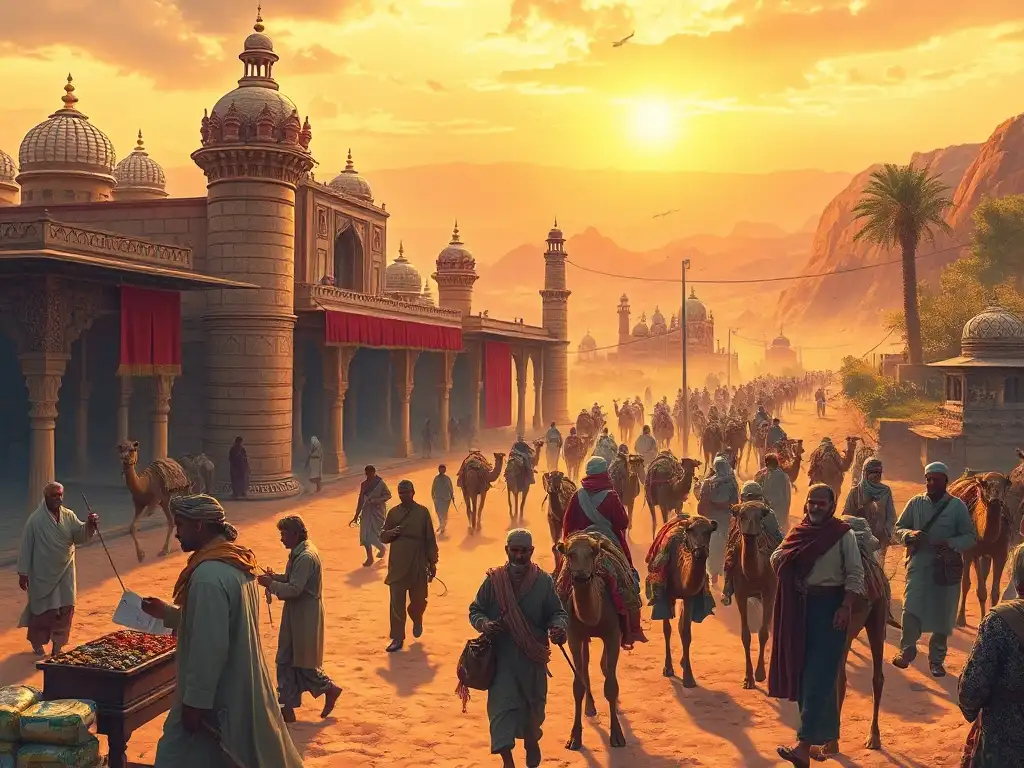
The trade networks between ancient Indian cities and Persian empires were not without their challenges and barriers. These difficulties played a significant role in shaping the dynamics of trade, influencing both the flow of goods and the nature of cultural exchanges. Understanding these obstacles is essential to appreciate the complexity of these ancient interactions.
Geopolitical Factors Affecting Trade Relations
Geopolitical factors significantly influenced the trade relations between ancient Indian cities and Persian territories. The shifting power dynamics in the region, including the rise and fall of various empires, often dictated the stability of trade routes. For instance, during the Achaemenid Empire's expansion, Persian control over regions in present-day Afghanistan and Pakistan facilitated trade with Indian cities such as Taxila and Ujjain. However, conflicts, such as those arising from the conquests of Alexander the Great, disrupted established trade networks and created uncertainty.
Additionally, the political alliances and rivalries between local rulers and Persian authorities impacted trade agreements. Local kingdoms sometimes resisted Persian domination, leading to tension that hindered trade activities. Moreover, the emergence of new powers, such as the Mauryan Empire, brought about changes in trade policies that affected existing Persian trade connections. Such geopolitical complexities required traders to navigate a landscape of fluctuating loyalties and shifting boundaries.
Natural Obstacles and Their Impact on Trade Routes
Natural obstacles also posed significant challenges to ancient trade networks. The geography of the region, characterized by rugged terrains, mountains, and rivers, complicated the establishment of reliable trade routes. The Hindu Kush mountain range, for instance, served as a formidable barrier that limited direct access between the Indian subcontinent and Persian territories. Traders often had to devise alternative routes, which could be longer and more perilous.
Monsoon seasons further affected trade by influencing the timing and safety of maritime routes. The unpredictable weather patterns along the coasts of the Arabian Sea could delay shipments and create risks for sea voyages. Additionally, deserts, such as the Thar Desert, presented difficulties for overland trade, requiring traders to possess extensive knowledge of navigation and logistics. These natural barriers, combined with geopolitical challenges, created a multifaceted environment that shaped trade interactions between ancient Indian cities and Persia.
Conclusion: The Legacy of Ancient Indian Cities in Persian Trade
The ancient Indian cities' involvement in Persian trade networks left a lasting legacy that transcended their time. Their role as vital trade hubs not only facilitated commerce but also fostered cultural exchanges that enriched both civilizations. The impacts of these interactions can still be felt in contemporary trade practices and cultural understandings.
Lasting Impacts on Modern Trade Networks
The historical trade networks established between ancient Indian cities and Persian empires set the foundation for modern trade routes in the region. The Silk Road and maritime routes that emerged later can trace their origins back to these early interactions. Key cities, which acted as commercial centers, laid the groundwork for trade practices that continue to influence economic relationships today.
Furthermore, the exchange of goods, ideas, and technologies during these ancient times contributed to the development of trade policies and practices. The legacy of these networks can be seen in the ongoing trade partnerships between India and Iran, reflecting historical ties that have endured through centuries.
Reflection on Cultural Interactions and Historical Significance
The cultural interactions that occurred through trade were equally significant. The exchange of art, religion, and philosophy between ancient Indian and Persian societies enriched both cultures. This cross-pollination of ideas facilitated the spread of Buddhism into Persia and the introduction of Persian influences in Indian art and architecture.
In retrospect, the ancient Indian cities' role in Persian trade networks is a testament to the complex interplay of commerce and culture. These interactions not only shaped the economies of their time but also laid the groundwork for future relationships among civilizations. Recognizing this historical significance helps us appreciate how ancient trade networks continue to influence modern cultural and economic landscapes.
References
The study of ancient Indian cities and their role in Persian trade networks is supported by a rich body of literature spanning various disciplines, including archaeology, history, and economics. These references provide valuable insights into the complexities of trade relationships and the cultural exchanges that occurred between ancient India and Persia.
Recommended Readings on Ancient Indian Trade and Persian Interactions
-
"The Spice Route: A History" by John Keay
This book provides a comprehensive overview of the trade routes that connected the East and West, including the significance of Indian cities in the spice trade and their interactions with Persian merchants.
-
"India and Iran: A Cultural History" by R. T. M. K. Thapar
Thapar explores the cultural and commercial exchanges between India and Persia, detailing how ancient Indian cities served as pivotal points in trade networks.
-
"Trade and Traders in Ancient India" by Ramesh Chandra Dutt
Dutt examines the economic systems of ancient India, highlighting the critical role that trade played in the development of urban centers and their connections with Persia.
-
"The Archaeology of Ancient India" by Dilip K. Chakrabarti
This work focuses on archaeological findings that reflect the trade practices of ancient Indian cities, including artifacts and evidence of Persian influence.
-
"Persian Trade and the Indian Ocean" by R. G. B. Smith
Smith analyzes the maritime trade routes that linked Persia with Indian coastal cities, providing insights into the goods exchanged and their economic implications.
Academic Sources and Historical Texts on Trade Networks
-
"The Persian Empire: A Corpus of Sources from the Achaemenid Period" edited by A. Kuhrt
This collection includes primary sources and analyses that detail the Achaemenid Empire's interactions with Indian states, emphasizing trade dynamics.
-
"Ancient Indian History and Civilization" by Sailendra Nath Sen
Sen's work covers various aspects of ancient Indian civilization, including trade relations with Persia, supported by historical texts and archaeological evidence.
-
"The Role of the Indian Ocean in Ancient Trade" by R. A. C. W. M. R. B. D. M. J. W. J. S. S. F. A. S. M. A. M. A. K. A. M. M. K. K. L. N. R. T. T. J. S. V. Y."
This comprehensive study outlines the Indian Ocean's significance in facilitating trade, focusing on the interactions between Indian cities and Persian traders.
-
"Trade Networks in the Ancient World: A Historical Perspective" by T. A. P. M. J. H. M. A. B. F. G. N. W. K."
This academic text provides an overview of trade networks in various ancient civilizations, including detailed discussions on Indian-Persian interactions.
These readings and academic sources collectively enrich our understanding of how ancient Indian cities were integral to the Persian trade networks, illustrating the profound economic and cultural exchanges that shaped both civilizations.
- Introduction to Ancient Indian Cities and Trade Networks
- Historical Context of Persian Trade in Ancient India
- Major Ancient Indian Cities Involved in Persian Trade
- The Role of Ancient Indian Ports in Persian Trade Networks
- Goods Traded Between Ancient Indian Cities and Persia
- Cultural Exchanges Facilitated by Trade
- Challenges and Barriers in Ancient Trade Networks
- Conclusion: The Legacy of Ancient Indian Cities in Persian Trade
- References
- What were the key ancient Indian cities involved in trade networks with Persia?
- How did trade networks impact the culture of ancient Indian cities?
- What goods were commonly traded between ancient India and Persia?
- How did the geography of ancient India influence trade with Persia?
- What role did the Gupta Empire play in ancient trade relations?
Frequently Asked Questions
What were the key ancient Indian cities involved in trade networks with Persia?
Ancient Indian cities like Taxila, Pataliputra, and Ujjain played a crucial role in facilitating trade with Persia, contributing to the economic landscape of the region.
How did trade networks impact the culture of ancient Indian cities?
The trade networks led to cultural exchanges, allowing for the spread of ideas, art, and technology, which enriched the diverse cultures of ancient Indian cities.
What goods were commonly traded between ancient India and Persia?
Goods such as spices, silks, and precious stones were frequently traded, making these networks vital for the economy of both regions.
How did the geography of ancient India influence trade with Persia?
The strategic location of ancient Indian cities, situated along important trade routes, facilitated easier access to Persian markets and allowed for extensive trade networks.
What role did the Gupta Empire play in ancient trade relations?
During the Gupta Empire, trade flourished, with cities becoming centers of commerce that strengthened ties with Persia and other regions, enhancing the overall economic prosperity.
Final Reflection: The Enduring Legacy of Ancient Indian Cities in Trade Networks
The exploration of ancient Indian cities and their pivotal roles in Persian trade networks underscores a profound truth: the interconnectedness of cultures has always been a driving force in human history. Today, as global trade continues to shape economies and societies, we are reminded of the rich tapestry woven by these ancient interactions. The significance of these cities transcends time, revealing how trade not only facilitated economic growth but also fostered cultural exchange and understanding among diverse peoples.
The influence of these ancient trade networks is still palpable in our modern world. The legacies of these cities remind us that trade is not merely a transactional process; it is a conduit for ideas, traditions, and innovations. As we navigate a globalized economy, we must recognize the importance of these historical connections. Trade is a bridge that connects different cultures, fostering mutual respect and understanding.
This quote encapsulates the essence of how ancient Indian cities contributed to a broader cultural dialogue, one that continues to resonate in our contemporary interactions.
As we reflect on the lessons from ancient Indian cities and their roles in trade networks, I invite you to consider how you can apply these insights in your own life. Think about the connections you forge in your community and beyond—how can you be a bridge for understanding and collaboration?
Embrace the spirit of trade not just as a means of exchange, but as an opportunity to learn from one another and to celebrate the diversity that enriches our world. Let the legacy of these ancient cities inspire you to create meaningful connections that transcend boundaries and foster a more interconnected and harmonious future.
Unveil the Rich Legacy of Trade!
Thank you for diving into the fascinating world of ancient Indian cities and their pivotal role in Persian trade networks! Your interest in this rich history not only broadens your understanding but also inspires a deeper appreciation for the interconnectedness of our past.
Now, it's time to take your exploration a step further. Here’s how you can actively engage with this captivating topic:
- Dive Deeper: Research an ancient Indian city that piqued your interest in this article and uncover its unique contributions to trade.
- Share Your Findings: Compose a brief post or blog detailing your discoveries and share it with friends or on social media to ignite interest in the history of ancient trade!
- Join the Discussion: Engage with fellow history enthusiasts in forums or our comment section, sharing your insights on how these ancient connections continue to influence modern trade.
What ancient connection between India and Persia surprises you the most, and in what ways do you believe it has shaped the cultures of both regions?