
The Role of Indian Scholars in the Chinese Imperial Court: A Historical Overview

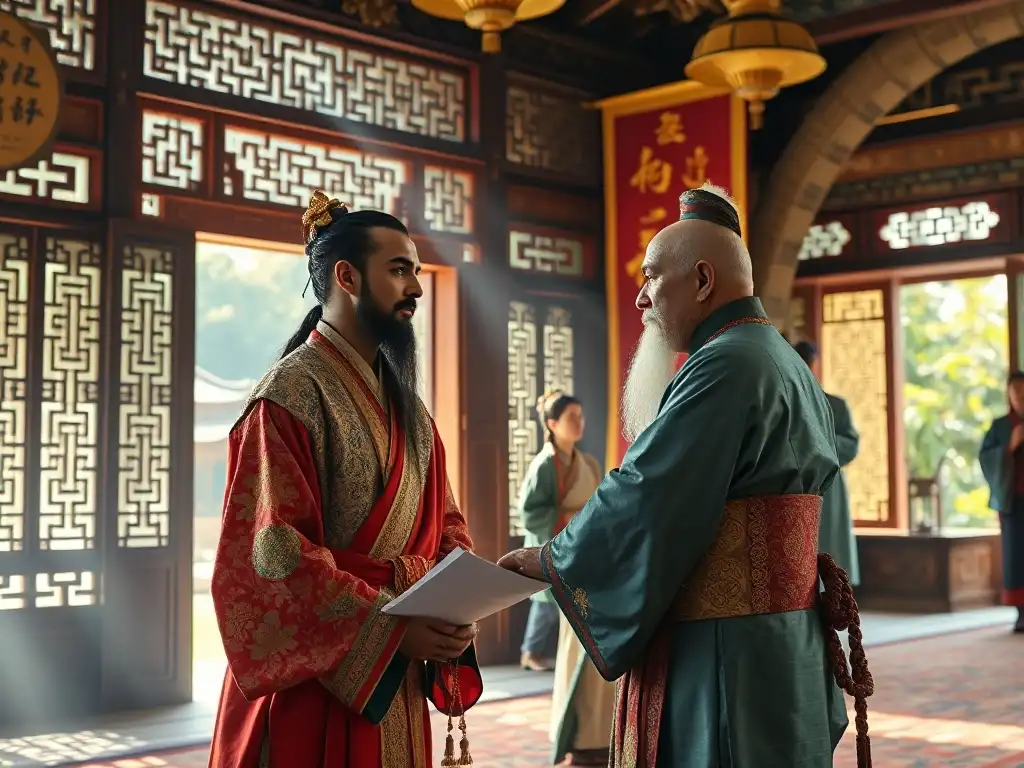
Welcome to Ancient India History, your gateway to the captivating tapestry of India's past! Here, we delve into the fascinating intersections of cultures, exploring how Indian scholars in Chinese history played a pivotal role in shaping the narratives of both civilizations. From the grandeur of the Indus Valley to the intellectual heights of the Gupta Empire, our journey unveils the rich contributions of ancient Indian scholars who influenced the Chinese imperial court.
Are you ready to uncover the secrets of this intriguing historical collaboration? Join us as we embark on an enlightening exploration that promises to expand your understanding of our shared heritage!
Introduction to Indian Scholars in Chinese History
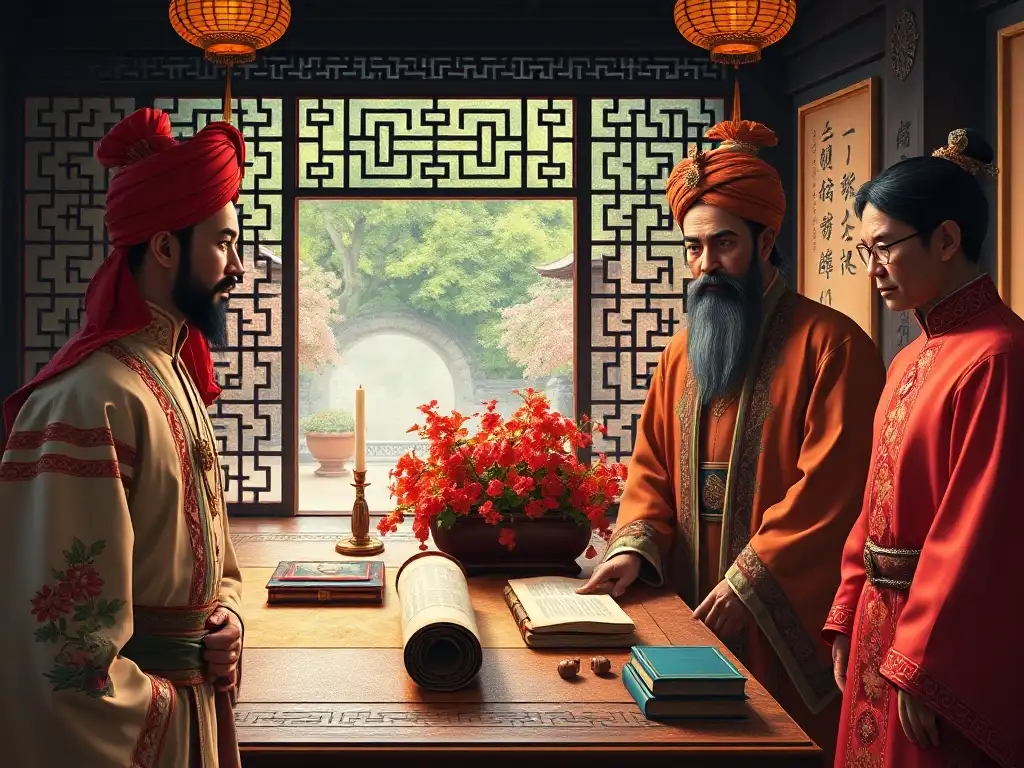
The history of Indian scholars in Chinese history is a fascinating chapter that underscores the profound interactions between two of the world's oldest civilizations. This overview aims to illuminate the critical role that Indian intellectuals played within the Chinese imperial court, highlighting their contributions to various fields such as philosophy, medicine, and astronomy.
The exchanges between India and China were not merely limited to trade; they encompassed the sharing of knowledge, culture, and ideas, fostering a rich tapestry of cross-cultural dialogue that significantly influenced both societies. Understanding this dynamic relationship sheds light on how Indian scholars shaped aspects of Chinese thought and culture, leaving an indelible mark on the historical narrative of both nations.
Understanding the Influence of Indian Scholars
Indian scholars were instrumental in introducing new concepts and ideas to China, often acting as conduits for the transmission of knowledge. They brought with them a wealth of philosophical traditions, notably Buddhism, which had a profound impact on Chinese spirituality and ethics. Figures such as Kumarajiva, a prominent translator and monk, played a pivotal role in the dissemination of Buddhist texts, which were translated into Chinese, enriching the cultural and spiritual landscape of China.
- Key Contributions by Indian Scholars:
- Translation of Scriptures: Indian scholars translated numerous Buddhist texts, making them accessible to Chinese audiences.
- Introduction of New Philosophies: They introduced complex philosophical ideas that intertwined with Chinese thought, leading to the development of unique syncretic beliefs.
- Scientific Advancements: Indian mathematicians and astronomers contributed significantly to Chinese knowledge, including advancements in astronomy and mathematics that influenced imperial policies.
The Significance of Indian Contributions to Chinese Culture
The contributions of Indian scholars went beyond mere knowledge transfer; they reshaped various aspects of Chinese culture. The introduction of Indian art forms, literary styles, and even culinary practices can be traced back to these interactions. The blending of Indian and Chinese elements fostered a cultural renaissance that enriched the heritage of both civilizations.
- Cultural Significance:
- Art and Architecture: Indian motifs and styles influenced Chinese art, particularly in Buddhist sculpture and temple design.
- Literature and Poetry: The narratives and themes from Indian epics found their way into Chinese literature, expanding the scope of storytelling traditions.
- Philosophy and Ethics: The ethical teachings of Buddhism prompted a reevaluation of moral philosophies within the Chinese context.
Historical Context of Indian-Chinese Exchanges
To fully appreciate the role of Indian scholars in the Chinese imperial court, it is essential to understand the historical context of Indian-Chinese exchanges. This relationship was rooted in centuries of trade, migration, and cultural exploration, which laid the groundwork for the significant interactions that would follow.
Ancient Trade Routes and Cultural Interactions
The establishment of the Silk Road was a critical development in facilitating exchanges between India and China. This network of trade routes not only enabled the movement of goods but also served as conduits for the flow of ideas and cultural practices. Through these routes, Indian merchants, travelers, and scholars journeyed to China, bringing with them a wealth of knowledge and cultural richness.
- Key Aspects of Trade Routes:
- Silk Road: A major artery for trade that connected various civilizations, allowing for the exchange of goods and ideas.
- Cultural Melting Pot: Cities along these trade routes became cosmopolitan centers where diverse cultures met and mingled.
Key Historical Events Leading to Indian Scholars in China
Several key historical events marked the arrival and establishment of Indian scholars within the Chinese imperial court. These events highlight the significance of diplomatic missions, trade agreements, and cultural exchanges, which were essential for fostering mutual respect and understanding.
- Notable Events:
- Buddhist Missions: The official endorsement of Buddhism by Chinese emperors led to increased interactions with Indian scholars.
- Dynastic Exchanges: During the Tang and Song dynasties, Indian scholars were welcomed at the imperial court, where their knowledge was highly valued.
- Cultural Delegations: Diplomatic missions often included scholars who facilitated knowledge transfer and cultural exchanges.
The role of Indian scholars in the Chinese imperial court reflects a rich history of intellectual and cultural exchange that has shaped both civilizations profoundly. Understanding this intricate relationship not only enriches our knowledge of ancient India and China but also emphasizes the importance of collaboration and mutual respect in human history.
Prominent Indian Scholars in the Chinese Imperial Court
Throughout history, various Indian scholars have played pivotal roles within the Chinese Imperial Court, contributing to the exchange of knowledge, culture, and belief systems between the two civilizations. Indian scholars were often sought after for their expertise in fields such as philosophy, religion, and science. Their contributions not only enriched Chinese intellectual life but also facilitated the spread of Indian culture and ideas across Asia. Prominent figures, such as Kumarajiva, Faxian, and Xuanzang, exemplify the significant impact of Indian scholars in Chinese history.
Kumarajiva: The Translator and Scholar
Kumarajiva, a 4th to 5th-century Buddhist monk and translator, is one of the most renowned Indian scholars to have influenced the Chinese Imperial Court. Born in the region of Kashmir, he was a prolific translator of Buddhist texts into Chinese, making profound contributions to the understanding of Buddhism in China. His translation of pivotal works, such as the "Lotus Sutra" and "Heart Sutra," helped shape the development of Mahayana Buddhism in China.
Kumarajiva's approach to translation was meticulous; he prioritized accuracy and clarity, ensuring that the philosophical nuances of the original texts were preserved. His work not only facilitated the understanding of Buddhist doctrine but also introduced new ideas about ethics, meditation, and the nature of reality to the Chinese populace. As a result, Kumarajiva is often celebrated as a bridge between Indian and Chinese thought, leaving an indelible mark on the spiritual landscape of East Asia.
Faxian: The Buddhist Monk and Traveler
Faxian, a Chinese Buddhist monk who traveled to India in the early 5th century, is another significant figure in the exchange of knowledge between India and China. His journey, which lasted over 14 years, was motivated by a desire to collect Buddhist texts and learn from Indian scholars. Upon his return to China, Faxian brought back numerous scriptures, including the "Vinaya Pitaka," which provided insight into monastic discipline.
His accounts of his travels, documented in "A Record of Buddhist Countries," detail not only the religious practices of various regions in India but also the cultural and social aspects of the times. Faxian's observations contributed to a greater understanding of Indian civilization in China and encouraged further exploration and scholarship regarding Buddhism. His efforts helped lay the groundwork for the later influx of Indian philosophical and religious thought in China.
Xuanzang: The Journey to the West
Xuanzang, perhaps the most famous of the Indian scholars in Chinese history, undertook a legendary pilgrimage to India in the 7th century. His journey was driven by a quest for authentic Buddhist teachings and texts, which he believed were vital for the development of Buddhism in China. Over a period of 17 years, Xuanzang traveled through Central Asia to India, where he studied under prominent Buddhist masters, including the great Nalanda University.
Upon returning to China, Xuanzang brought back a wealth of knowledge, including hundreds of Buddhist texts, which he meticulously translated into Chinese. His most notable contributions include the translation of the "Mahāyāna Sūtrālamkāra" and the "Yoga Sūtra," both of which significantly influenced Chinese Buddhist philosophy. Xuanzang's journey and scholarship are immortalized in the classic Chinese novel "Journey to the West," which illustrates the deep cultural and spiritual exchanges between India and China during this period.
Contributions of Indian Scholars to Chinese Thought
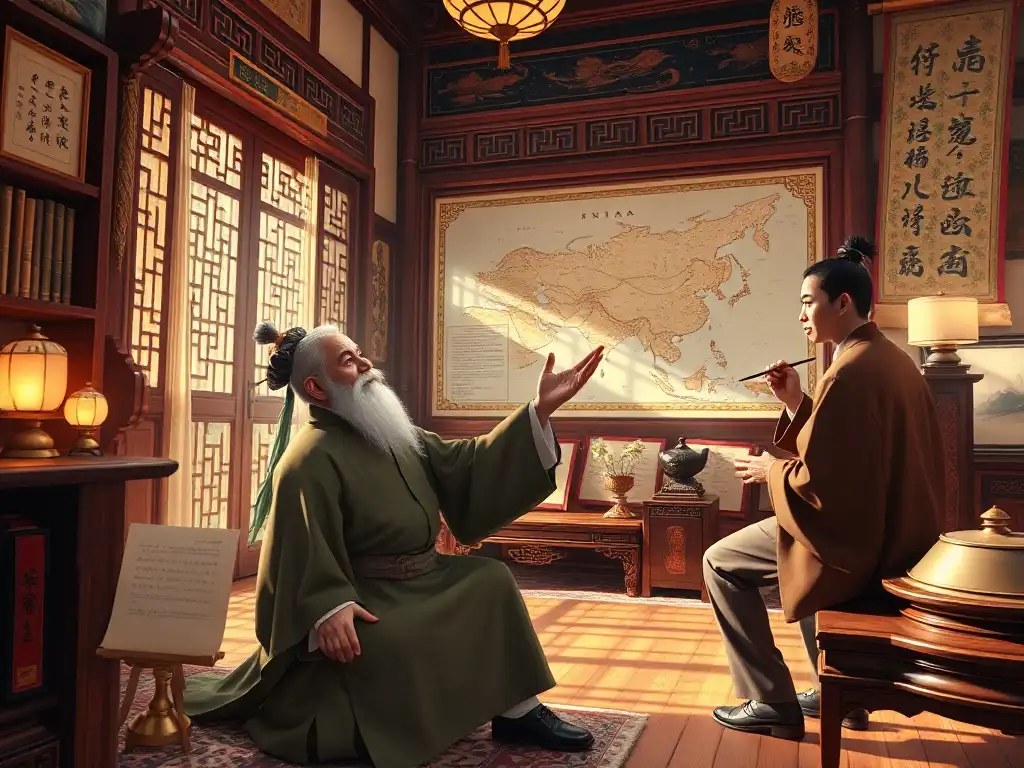
The contributions of Indian scholars to Chinese thought were vast and multifaceted, spanning various domains including philosophy, science, and the arts. These scholars not only introduced new ideas but also facilitated a deeper understanding of existing Chinese philosophies through the lens of Indian thought. Their influence can still be traced in contemporary Chinese culture and intellectual discourse.
The Impact of Indian Philosophy on Chinese Buddhism
Indian philosophy had a profound impact on the development of Chinese Buddhism, particularly during the period of the Tang dynasty. The introduction of concepts such as "emptiness" (śūnyatā) and "Buddha-nature" reshaped Chinese Buddhist practices and beliefs. Indian scholars emphasized the importance of direct experience and meditation, which resonated with Chinese traditions, leading to the emergence of unique schools of thought such as Chan (Zen) Buddhism.
Moreover, the synthesis of Indian philosophical ideas with Confucian and Daoist concepts resulted in a rich tapestry of thought that defined Chinese spirituality. This blending of ideas allowed for a more inclusive understanding of the human experience, fostering a culture of dialogue between different philosophical traditions.
Introduction of Indian Scientific Knowledge in China
In addition to philosophy and religion, Indian scholars were instrumental in the introduction of scientific knowledge to China. They brought with them advancements in mathematics, astronomy, and medicine. For instance, the Indian numeral system, which included the concept of zero, significantly influenced Chinese mathematics and calculations.
Indian scholars also introduced herbal medicine and various medical practices that were incorporated into Chinese traditional medicine. This exchange of scientific knowledge not only enriched Chinese intellectual traditions but also laid the groundwork for future developments in various scientific fields.
Influence on Chinese Literature and Arts
The influence of Indian scholars extended beyond philosophy and science; it also permeated Chinese literature and the arts. The rich narratives and themes found in Indian epics, such as the Mahabharata and Ramayana, inspired Chinese poets and writers, leading to the creation of literary works that incorporated similar motifs of heroism, morality, and spirituality.
In the realm of visual arts, the introduction of Buddhist iconography and motifs by Indian scholars significantly shaped Chinese artistic expressions. The depiction of Buddhist deities and narratives in sculptures, paintings, and temple architecture reflects the integration of Indian aesthetics into Chinese culture. This cultural amalgamation contributed to the flourishing of artistic traditions during the Tang dynasty, marking a golden age for Chinese art.
The Reception of Indian Scholars in the Chinese Imperial Court
The reception of Indian scholars in the Chinese Imperial Court marks a significant chapter in the historical narrative of Indian-Chinese exchanges. During various dynasties, particularly the Tang (618–907 CE) and Song (960–1279 CE) dynasties, Indian scholars were welcomed into China, significantly enriching the cultural and intellectual landscape of the time. These scholars often arrived as monks, traders, or envoys, bringing with them not only religious texts but also knowledge in fields such as astronomy, medicine, and philosophy.
The initial enthusiasm for Indian scholars was rooted in the growing interest among Chinese elites in Buddhism, which had spread from India to China. This interest created a favorable environment for Indian scholars, who were often seen as important sources of knowledge and spiritual guidance. Notable Indian figures such as Kumarajiva became pivotal in translating Buddhist texts, thus facilitating a deeper understanding of Indian philosophies and practices within Chinese society.
Initial Challenges Faced by Indian Scholars
Despite the warm reception, Indian scholars encountered several challenges upon their arrival in the Chinese Imperial Court. Language barriers posed a significant obstacle; many scholars struggled with the complexities of Classical Chinese, which made effective communication difficult. This linguistic divide often limited their ability to fully engage with Chinese scholars and officials.
Additionally, cultural differences created misunderstandings. Indian customs and traditions sometimes clashed with Chinese norms, leading to social isolation for some scholars. Moreover, the political landscape in China was often tumultuous, with shifts in power dynamics that could adversely affect the status of foreign scholars. For instance, during the rise of the Tang dynasty, there was both support for and suspicion of foreign influences, which could lead to fluctuating levels of acceptance for Indian scholars.
Acceptance and Integration into Chinese Society
Over time, many Indian scholars overcame these initial challenges and began to integrate into Chinese society. Their contributions to the dissemination of Buddhist teachings and texts were particularly significant. Scholars like Xuanzang, who traveled to India to study and subsequently returned to China, played a crucial role in translating and interpreting Buddhist scriptures, thus bridging cultural gaps and fostering mutual understanding.
The integration process was also facilitated by the establishment of monasteries, where Indian monks lived and taught. These monasteries became centers of learning, attracting Chinese students who sought knowledge in Buddhism and Indian philosophy. As a result, Indian scholars not only enriched the spiritual life of China but also contributed to the development of various academic disciplines, including mathematics and medicine.
Lasting Legacy of Indian Scholars in Chinese History
The legacy of Indian scholars in Chinese history is profound and enduring. Their influence can be seen in various aspects of Chinese culture, particularly in the realms of philosophy, religion, and art. Indian thought significantly shaped the development of Chinese Buddhism, leading to unique interpretations and practices that persist to this day.
Moreover, the translations carried out by Indian scholars laid the groundwork for future generations of Chinese scholars and monks. This intellectual exchange fostered a rich tradition of learning that transcended borders and laid the foundation for a more interconnected world.
Cross-Cultural Influences Seen Today
The cross-cultural influences established during the period of Indian scholars in the Chinese Imperial Court continue to resonate today. In contemporary China, elements of Indian philosophy and spirituality can be observed in various practices, particularly in meditation and yoga, which have gained significant popularity. Additionally, the historical interactions between Indian and Chinese civilizations have sparked interest in cross-cultural studies, emphasizing the importance of understanding diverse perspectives in an increasingly globalized world.
Moreover, the mutual respect and exchange of knowledge between these two ancient civilizations have paved the way for modern diplomatic and cultural relations, underscoring the enduring significance of their historical connections.
The Importance of Indian-Chinese Relations in Historical Studies
Studying the relationship between Indian scholars and the Chinese Imperial Court is crucial for understanding the broader context of ancient global interactions. This historical narrative illustrates how knowledge traveled across borders, influencing cultures and societies in profound ways. Moreover, it highlights the importance of dialogue and collaboration in fostering mutual understanding and respect among diverse civilizations.
By examining these interactions, historians can gain insights into the dynamics of cultural exchange, the impact of religious diffusion, and the role of individual scholars in shaping historical trajectories. Ultimately, the legacy of Indian scholars in Chinese history serves as a testament to the rich and complex tapestry of human connection that transcends geographical and cultural boundaries.
Conclusion: The Enduring Impact of Indian Scholars in China
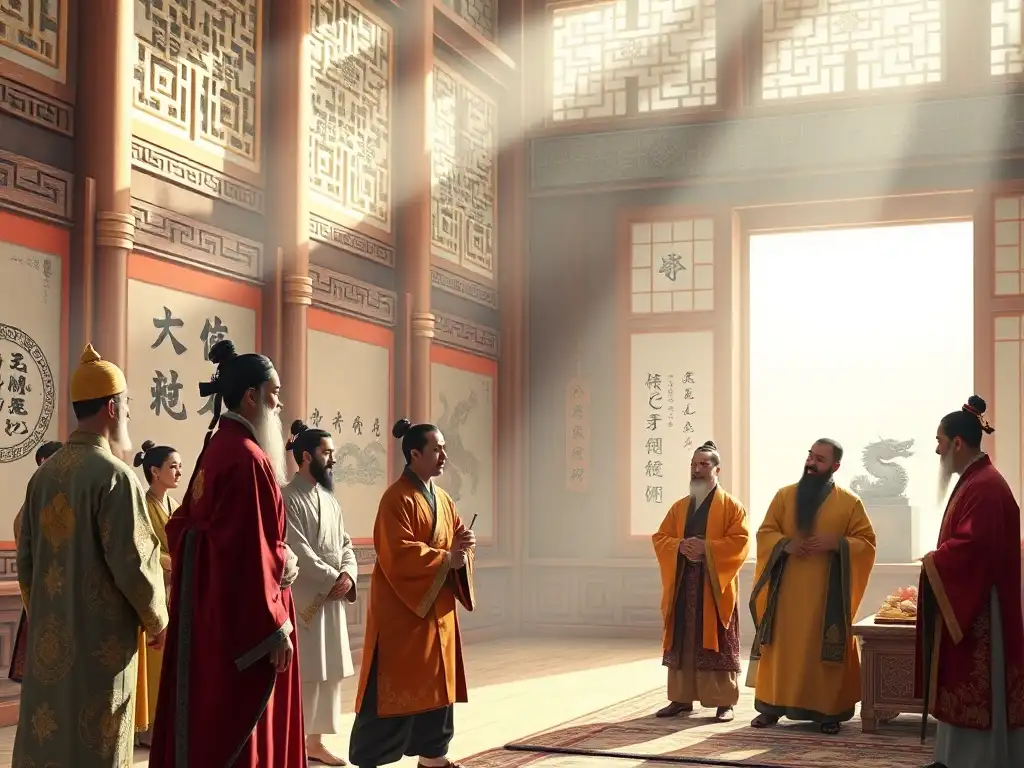
The influence of Indian scholars in the Chinese imperial court represents a profound chapter in the shared history of these two great civilizations. Their contributions not only enhanced the intellectual landscape of China but also fostered a cross-cultural dialogue that enriched both societies. The dissemination of Buddhist philosophy, advancements in medicine, and the introduction of mathematical concepts are just a few examples of how Indian scholars left an indelible mark on Chinese thought.
The legacy of these scholars is evident in the enduring practices of Buddhism in China, where Indian texts and teachings continue to be revered. Additionally, the collaborative exchange of ideas laid the groundwork for future interactions that would shape the cultural and philosophical contours of Asia. As we reflect on this historical interplay, it becomes clear that the contributions of Indian scholars transcended mere academic exchange; they played a pivotal role in shaping the spiritual and intellectual fabric of Chinese society.
The historical connections between India and China reveal a rich tapestry of shared heritage that is deeply embedded in both cultures. The arrival of Indian scholars in China, particularly during the Tang Dynasty, symbolizes not just a transfer of knowledge but a confluence of ideas that celebrated the diversity of thought. This period marked a significant exchange where Buddhist texts, art, and philosophy were integrated into Chinese culture, prompting a renaissance of spiritual and intellectual pursuits.
Moreover, the shared heritage is also reflected in the linguistic exchanges and the adoption of Sanskrit terms into Chinese. This linguistic intertwining highlights the collaborative nature of their interactions, showcasing how both civilizations influenced each other over centuries. As we examine this shared history, it is essential to appreciate the mutual respect and admiration that characterized their relationship, which continues to serve as a foundation for contemporary scholarly exchanges.
Future Directions for Research on Indian Scholars in Chinese History
As the field of Indian-Chinese studies evolves, there are numerous avenues for further research on the role of Indian scholars in Chinese history. Scholars can explore under-researched areas such as the personal narratives of these scholars, their specific contributions to various fields, and the sociopolitical contexts that facilitated their journeys to China.
Additionally, a comparative analysis of the impact of Indian scholarship on different dynasties could yield valuable insights into how various political climates influenced the reception of Indian ideas. Researchers might also consider interdisciplinary approaches, integrating archaeology, linguistics, and comparative religion to provide a more comprehensive understanding of these exchanges.
Furthermore, the digital age offers new tools for historians to analyze ancient texts and artifacts, potentially uncovering hidden connections and influences. By fostering collaborative research initiatives between Indian and Chinese scholars, we can enrich our understanding of this pivotal historical interaction, ensuring that the contributions of Indian scholars in Chinese history continue to be recognized and celebrated.
- Introduction to Indian Scholars in Chinese History
- Historical Context of Indian-Chinese Exchanges
- Prominent Indian Scholars in the Chinese Imperial Court
- Contributions of Indian Scholars to Chinese Thought
- The Reception of Indian Scholars in the Chinese Imperial Court
- Lasting Legacy of Indian Scholars in Chinese History
- Conclusion: The Enduring Impact of Indian Scholars in China
- Reflection on the Shared Heritage of India and China
- Future Directions for Research on Indian Scholars in Chinese History
- What was the role of Indian scholars in the Chinese Imperial Court?
- How did Indian scholars influence Chinese culture?
- What are some notable Indian scholars in Chinese history?
- How did the relationship between India and China develop during ancient times?
- Why is the study of Indian scholars in Chinese history important?
Frequently Asked Questions
What was the role of Indian scholars in the Chinese Imperial Court?
Indian scholars played a crucial role in the Chinese Imperial Court by introducing Buddhism, mathematics, and astronomy. Their contributions helped shape cultural exchanges between India and China.
How did Indian scholars influence Chinese culture?
Indian scholars influenced Chinese culture through the translation of texts, the introduction of Buddhist philosophy, and advancements in science and mathematics. This led to a significant intellectual exchange between the two civilizations.
What are some notable Indian scholars in Chinese history?
Notable Indian scholars include Kumarajiva, a prominent translator of Buddhist texts, and Xuanzang, who traveled to India and brought back key religious concepts and texts that enriched Chinese Buddhism.
How did the relationship between India and China develop during ancient times?
The relationship between India and China developed through trade routes, such as the Silk Road, and the spread of Buddhism, which facilitated cultural and intellectual exchanges, leading to a rich historical connection.
Why is the study of Indian scholars in Chinese history important?
Studying Indian scholars in Chinese history is important because it highlights the interconnectedness of ancient civilizations and the impact of cultural exchanges on the development of knowledge, philosophy, and religion in both regions.
Final Reflection: The Enduring Legacy of Indian Scholars in Chinese History
The intricate tapestry of Indian scholars in Chinese history reveals a profound connection between two ancient civilizations that continues to resonate today. As we explore the historical contributions of these scholars to the Chinese imperial court, we uncover not only their intellectual prowess but also the cultural exchanges that shaped both societies. This legacy serves as a powerful reminder that knowledge knows no boundaries and that collaboration across cultures can lead to remarkable advancements in thought and philosophy.
The influence of Indian scholars in the Chinese imperial court has left an indelible mark on the cultural and social landscape of both nations. Their contributions to philosophy, medicine, and the arts not only enriched Chinese culture but also fostered a spirit of inquiry and openness to new ideas. As we reflect on this historical relationship, we can appreciate how it laid the groundwork for future interactions between India and China. The greatest gift of knowledge is the ability to share it across borders.
This sentiment encapsulates the essence of the exchanges that occurred, highlighting the importance of dialogue and understanding in our interconnected world.
As we look to the future, let us take inspiration from the collaboration of Indian scholars and Chinese intellectuals. I invite you to reflect on how you can foster cross-cultural understanding in your own life. Whether through education, travel, or simply engaging with diverse perspectives, each of us has the power to contribute to a more harmonious global community. Embrace the lessons of history and strive to build bridges that connect us, just as those scholars did centuries ago.
Unveil the Legacy of Indian Scholars: Connect and Contribute!
Thank you for exploring the fascinating contributions of Indian scholars in the Chinese Imperial Court! Your interest sheds light on a remarkable chapter of history, showcasing the cultural exchanges that shaped civilizations. Now, let's take the next step to deepen your understanding and engage with this rich heritage.
Here are some actionable steps you can take:
- Dive Deeper: Explore the lives and works of these scholars through primary historical texts or documentaries. You can visit our website's resource section for curated materials!
- Join the Conversation: Share your insights and any related discoveries in the comments below. Connect with fellow history enthusiasts to foster enriching discussions.
- Spread the Knowledge: Share this article with friends or on social media to let others discover the incredible impact of these scholars!
What aspect of Indian scholars' influence in China surprised you the most, and how do you think it shapes our understanding of cultural exchange today?