
The Exchange of Medicinal Practices: Ayurveda Meets Traditional Chinese Medicine

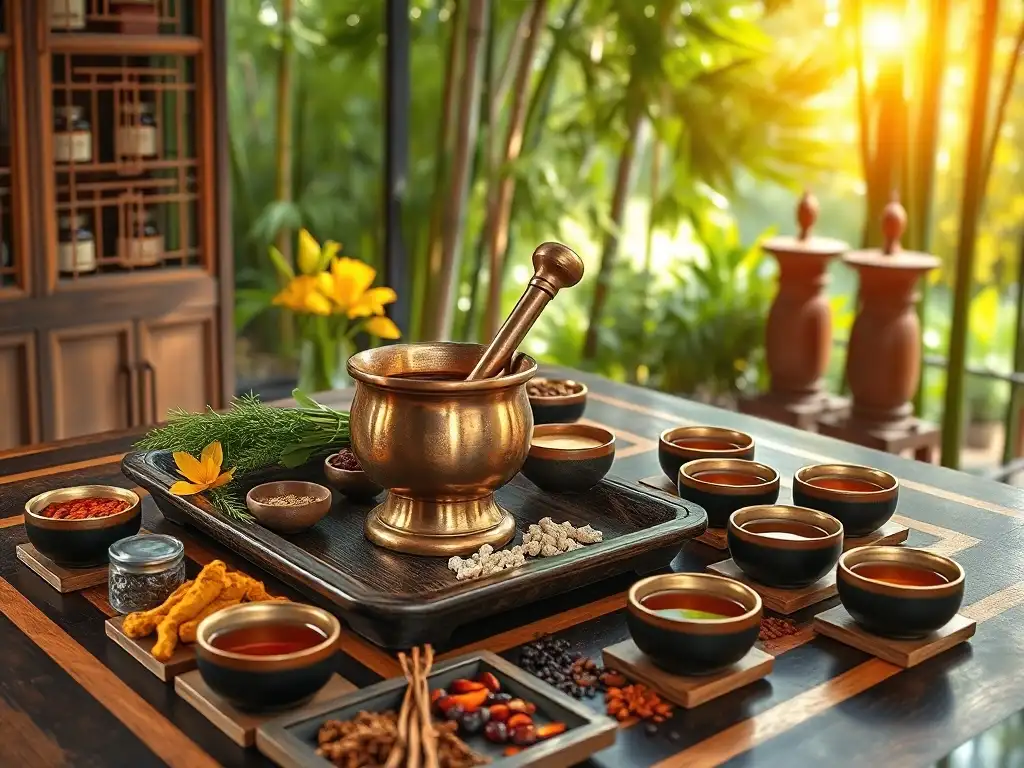
Welcome to Ancient India History, where we embark on a captivating journey through the vibrant tapestry of India's past. Here, we delve into the profound interactions with other civilizations, unearthing the incredible exchanges that shaped our understanding of medicine and wellness. In our featured article, "The Exchange of Medicinal Practices: Ayurveda Meets Traditional Chinese Medicine," we explore the fascinating convergence of these two ancient healing traditions. What secrets do their intricate practices hold, and how have they influenced each other over centuries? Dive in and uncover the wisdom of the ages that continues to resonate today!
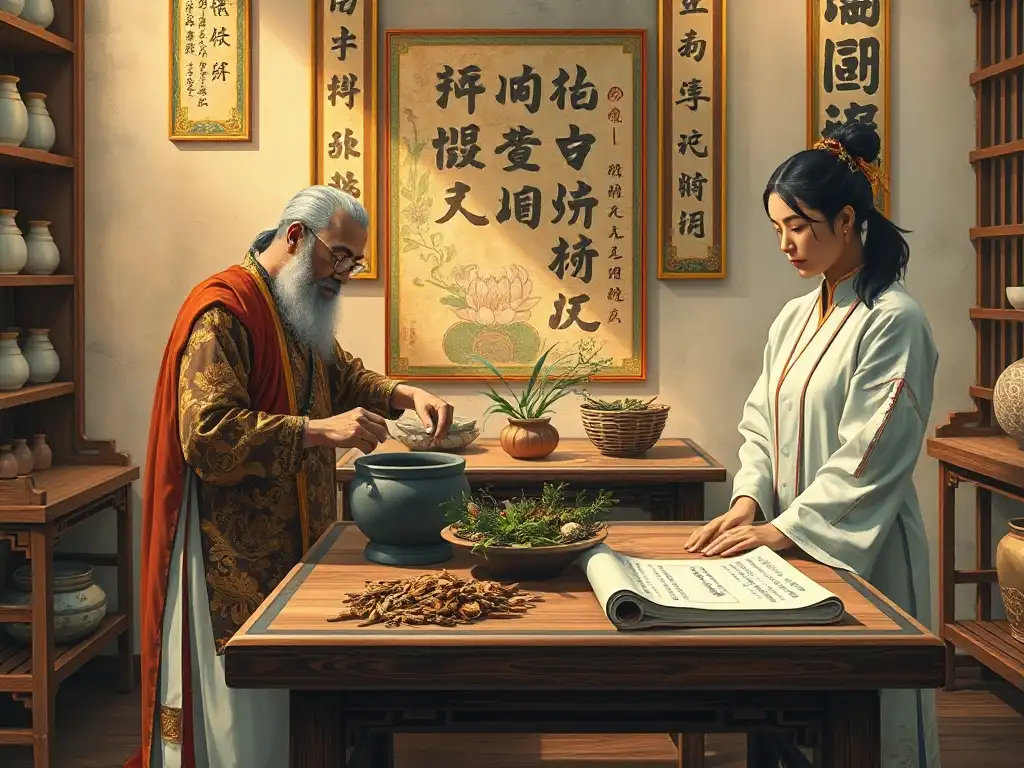
Introduction to Ayurveda and Traditional Chinese Medicine
The rich tapestry of ancient civilizations reveals a fascinating interplay between cultures, particularly in the realm of medicinal practices. Among them, Ayurveda and Traditional Chinese Medicine (TCM) stand out as two of the oldest and most sophisticated healthcare systems known to humanity. Both of these medical traditions not only offer unique insights into health and wellness but also represent a confluence of philosophy, spirituality, and empirical knowledge. This article delves into the intricate relationship between Ayurveda and TCM, exploring their origins, principles, and the significance of their exchange throughout history.
Overview of Ayurveda
Ayurveda, often referred to as the "science of life," originated in ancient India over 3,000 years ago. This holistic system of medicine emphasizes balance and harmony within the body, mind, and spirit. Central to Ayurvedic philosophy are the concepts of doshas (body types), dhatus (tissues), and malas (wastes), which guide practitioners in diagnosing and treating illnesses. Ayurvedic practices include:
- Herbal medicine: Utilization of natural herbs for healing.
- Dietary recommendations: Tailoring food intake to individual constitution.
- Panchakarma: Detoxification and rejuvenation therapies.
- Yoga and meditation: Promoting mental and physical well-being.
Ayurveda's approach is comprehensive, focusing not just on alleviating symptoms but also on fostering overall well-being and preventing disease.
Overview of Traditional Chinese Medicine
Traditional Chinese Medicine (TCM) has its roots in ancient China, with a history spanning over 2,500 years. TCM is built on the principles of Yin and Yang and the Five Elements, which emphasize the interconnectedness of the body and the universe. Its key components include:
- Acupuncture: Insertion of needles at specific points to balance energy flow.
- Herbal therapy: Use of a variety of plants and minerals to treat ailments.
- Tai Chi and Qigong: Mind-body practices that promote energy circulation.
- Dietary therapy: Tailoring nutrition to enhance health based on individual needs.
TCM focuses on restoring harmony within the body, addressing both physical and emotional aspects of health.
Significance of the Interaction between Ayurveda and Traditional Chinese Medicine
The exchange of ideas and practices between Ayurveda and TCM has not only enriched both systems but also contributed significantly to the development of global medicine. This interaction facilitated:
- Cross-cultural learning: Each tradition has adopted techniques and concepts from the other, enhancing treatment efficacy.
- Innovative practices: New therapies emerged, combining the strengths of both systems.
- Global awareness: The spread of Ayurvedic and TCM practices worldwide has led to a greater appreciation of holistic health approaches.
Historical Context of Ayurveda and Traditional Chinese Medicine
Understanding the historical context of Ayurveda and TCM allows us to appreciate how these two ancient medicinal systems have influenced and interacted with each other over centuries.
Origins of Ayurveda in Ancient India
Ayurveda's origins can be traced back to the Vedic texts, particularly the Atharva Veda, which contains some of the earliest references to health, illness, and healing practices. Key historical figures, such as Charaka and Sushruta, contributed significantly to Ayurvedic literature, establishing foundational concepts that are still practiced today. The emphasis on natural remedies and the pursuit of balance in life has made Ayurveda a vital part of Indian culture.
The Development of Traditional Chinese Medicine
TCM's development can be linked to the Huangdi Neijing (The Yellow Emperor's Classic of Medicine), which outlines the principles of medicine, acupuncture, and herbal treatment. Over centuries, TCM evolved through the integration of various philosophies, including Daoism and Confucianism, which shaped its holistic approach to health. The adaptability of TCM has allowed it to thrive and evolve, maintaining its relevance in modern healthcare.
Key Historical Interactions between India and China
The historical interactions between India and China, particularly during the Silk Road era, facilitated the exchange of medicinal knowledge. Notable instances include:
- Buddhism's spread: As Buddhism traveled from India to China, it brought along Ayurvedic practices and texts.
- Trade relationships: Merchants exchanged not only goods but also knowledge, allowing TCM practitioners to learn from Ayurvedic methods and vice versa.
- Scholarly exchanges: Scholars from both civilizations shared insights through texts and direct communication, leading to a richer understanding of health and wellness.
The dynamic interplay between Ayurveda and TCM continues to influence contemporary health practices, highlighting the enduring legacy of these ancient systems.
Fundamental Principles of Ayurveda and Traditional Chinese Medicine
The exchange of medicinal practices between Ayurveda and Traditional Chinese Medicine (TCM) highlights the rich tapestry of ancient healing traditions. Both systems are holistic in nature, emphasizing the balance of mind, body, and spirit. They share a common belief that health is achieved through harmony with nature, and each has developed its own unique frameworks for understanding human health and disease.
Ayurveda, originating from ancient India, is predicated on the concept of doshas—Vata, Pitta, and Kapha—which represent different combinations of the five elements: earth, water, fire, air, and space. TCM, on the other hand, is built around the principles of Yin and Yang, the concept of opposing forces in nature, and the flow of Qi (or life force) through pathways known as meridians. Both systems utilize a comprehensive approach to health, considering lifestyle, diet, and the environment as integral components in maintaining or restoring health.
Core Concepts of Ayurveda
Ayurveda operates on several foundational principles that guide its practice. The most significant of these are:
- The Five Elements: Ayurveda identifies five basic elements—earth, water, fire, air, and space—believed to be the building blocks of all matter, including the human body.
- Doshas: The balance of the three doshas—Vata (air and space), Pitta (fire and water), and Kapha (earth and water)—is crucial for health. An imbalance in these doshas is thought to lead to illness.
- Dhatus: These are the seven bodily tissues (such as blood, muscle, and bone) that support overall health. Proper nourishment and balance of dhatus are essential for vitality.
- Srotas: These are the channels through which nutrients and energies flow in the body. Blockages in srotas can lead to disease, emphasizing the importance of maintaining unobstructed pathways.
In Ayurveda, diagnosis is achieved through observation, questioning, and pulse examination, allowing practitioners to tailor treatments to the individual's unique constitution and imbalances.
Core Concepts of Traditional Chinese Medicine
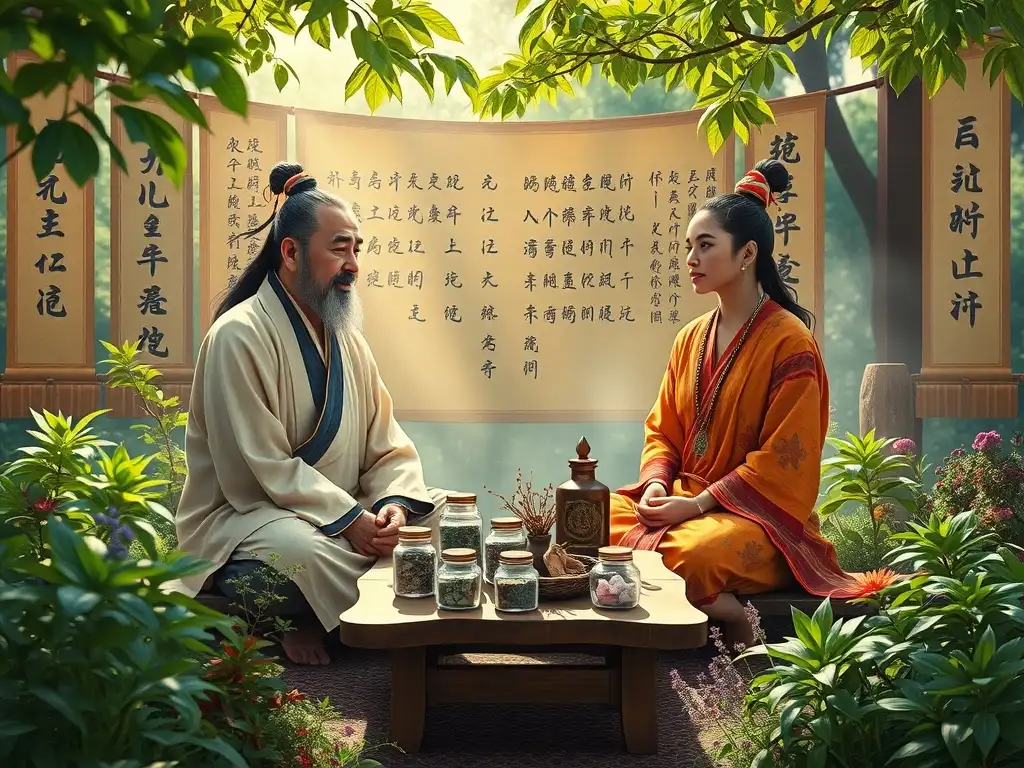
Traditional Chinese Medicine is founded on several key concepts that define its approach to health and healing:
- Yin and Yang: This principle represents the duality of nature, where health is seen as a balance between these opposing forces. An imbalance leads to illness.
- Qi (Chi): Qi is the vital energy that flows through the body. TCM posits that good health is a result of the smooth and abundant flow of Qi through the meridians.
- The Five Elements: Similar to Ayurveda, TCM also recognizes five elements—wood, fire, earth, metal, and water—that interact to create health or disease through their relationships and transformations.
- Zang-Fu Organs: TCM categorizes organs into Zang (solid) and Fu (hollow) organs, each associated with specific functions and emotions. The health of these organs is crucial for overall wellness.
Diagnosis in TCM often includes pulse and tongue examination, as well as an assessment of symptoms, to determine the state of Qi and the balance of Yin and Yang.
Comparisons of Ayurvedic and Traditional Chinese Medical Practices
The interplay between Ayurveda and Traditional Chinese Medicine reveals both similarities and differences in their practices, reflecting their unique cultural and philosophical backgrounds.
Similarities in Diagnostic Techniques
Both Ayurveda and TCM utilize comprehensive diagnostic techniques that focus on understanding the patient as a whole. Key similarities include:
- Holistic Assessment: Both systems evaluate physical, mental, and emotional well-being, recognizing the interconnectedness of these aspects in achieving health.
- Observation and Examination: Practitioners from both traditions rely heavily on visual inspection (such as observing the complexion or tongue) and manual examination (such as pulse diagnosis) to gain insights into a patient's health.
- Personalization of Treatment: Both Ayurveda and TCM emphasize personalized treatment plans, which are tailored to the individual's constitution and specific imbalances.
Differences in Treatment Approaches
Despite the similarities, Ayurveda and TCM diverge significantly in their treatment methodologies:
- Treatment Modalities:
- Ayurveda primarily employs herbal remedies, dietary guidelines, detoxification practices (like Panchakarma), and lifestyle adjustments.
- TCM uses acupuncture, moxibustion, herbal medicine, and dietary therapy as its main modalities.
- Focus of Treatment:
- Ayurveda focuses on restoring balance among the doshas and nourishing the body’s tissues, often involving a long-term approach to health.
- TCM tends to focus on the flow of Qi and the balance of Yin and Yang, often addressing acute issues more directly.
- Philosophical Underpinnings:
- Ayurveda's foundation is deeply rooted in the concept of the individual’s constitution and how it interacts with the environment.
- TCM is more focused on the dynamic balance of energies and the relationships between organs and elements.
While Ayurveda and Traditional Chinese Medicine share a holistic approach and some diagnostic techniques, their treatment methodologies and underlying philosophies exhibit distinct differences that reflect their unique cultural heritages. The ongoing exchange between these two ancient systems continues to enrich and influence modern holistic health practices.
The Influence of Ayurveda on Traditional Chinese Medicine
Historical Exchange of Knowledge
The historical exchange of knowledge between Ayurveda and Traditional Chinese Medicine (TCM) can be traced back to ancient trade routes, particularly the Silk Road. This network facilitated not only the exchange of goods, such as spices and textiles, but also ideas and practices related to health and medicine.
Scholars and practitioners from both traditions engaged in dialogue, sharing insights on herbal remedies, diagnostic techniques, and the underlying philosophies of health. Texts such as the "Sushruta Samhita" and "Huangdi Neijing" show similarities in their approach to understanding the human body and disease, indicating that these two rich traditions influenced each other significantly over centuries.
Integration of Ayurvedic Practices in Chinese Medicine
The integration of Ayurvedic practices into Traditional Chinese Medicine is evident in various aspects of treatment methodologies. For instance, the use of herbal formulations in TCM often echoes Ayurvedic principles, where herbs are selected based on their properties and effects on the doshas.
Additionally, concepts such as balance and harmony in the body are central to both systems, leading to the incorporation of Ayurvedic dietary recommendations into TCM practices. Techniques such as pulse diagnosis, which are prominent in Ayurveda, have also found their place within TCM, showcasing a blend of diagnostic practices that enhance the understanding of a patient's health.
Case Studies of Ayurvedic Influence in China
Several case studies highlight the influence of Ayurveda on Traditional Chinese Medicine. One notable example is the use of medicinal herbs like turmeric and ginger, which are foundational in both systems. Turmeric, known for its anti-inflammatory properties in Ayurveda, has been adopted in TCM for similar purposes. Another case is the incorporation of Panchakarma, an Ayurvedic detoxification process, which has seen adaptations in Chinese practices aimed at achieving similar detoxifying effects. These examples illustrate the practical fusion of Ayurvedic principles into Chinese medicinal practices, enhancing treatment efficacy and broadening the scope of both traditions.
The Influence of Traditional Chinese Medicine on Ayurveda
Historical Exchange of Knowledge
Just as Ayurveda influenced Traditional Chinese Medicine, the reverse is equally true. Historical records suggest that during the Tang and Song dynasties, Chinese medicine was introduced to Indian scholars through diplomatic missions and trade. This exchange led to the incorporation of various TCM techniques into Ayurvedic practices, particularly in the areas of acupuncture and moxibustion. The integration of these techniques highlights a reciprocal relationship that enriched both medical systems, allowing them to evolve and adapt in response to new ideas and practices.
Adaptation of Chinese Techniques in Ayurvedic Practices
The adaptation of Chinese techniques into Ayurveda is particularly evident in the use of acupuncture and its principles. While Ayurveda primarily focuses on herbal treatments and dietary adjustments, the introduction of acupuncture as a method to balance energy flow (prana) through meridian points has found acceptance among some Ayurvedic practitioners. Moxibustion, which involves the burning of mugwort to stimulate acupuncture points, has also been integrated into certain Ayurvedic treatments, particularly for pain management and promoting overall wellness. This blending of techniques enhances the therapeutic options available to practitioners, offering a more holistic approach to patient care.
Case Studies of Chinese Influence in India
Several case studies illustrate the influence of Traditional Chinese Medicine on Ayurveda. For example, the adoption of certain Chinese herbal formulations—such as those using ginseng and goji berries—has gained popularity among Ayurvedic practitioners for their reputed health benefits. Additionally, the cross-pollination of ideas led to the establishment of integrative health clinics in regions such as Kerala, where practitioners combine Ayurvedic and TCM approaches to treat various ailments. These collaborations not only demonstrate the practical application of Chinese techniques within Ayurveda but also highlight a growing trend towards integrative medicine that respects and utilizes the strengths of both traditions.
Modern Relevance of Ayurveda and Traditional Chinese Medicine
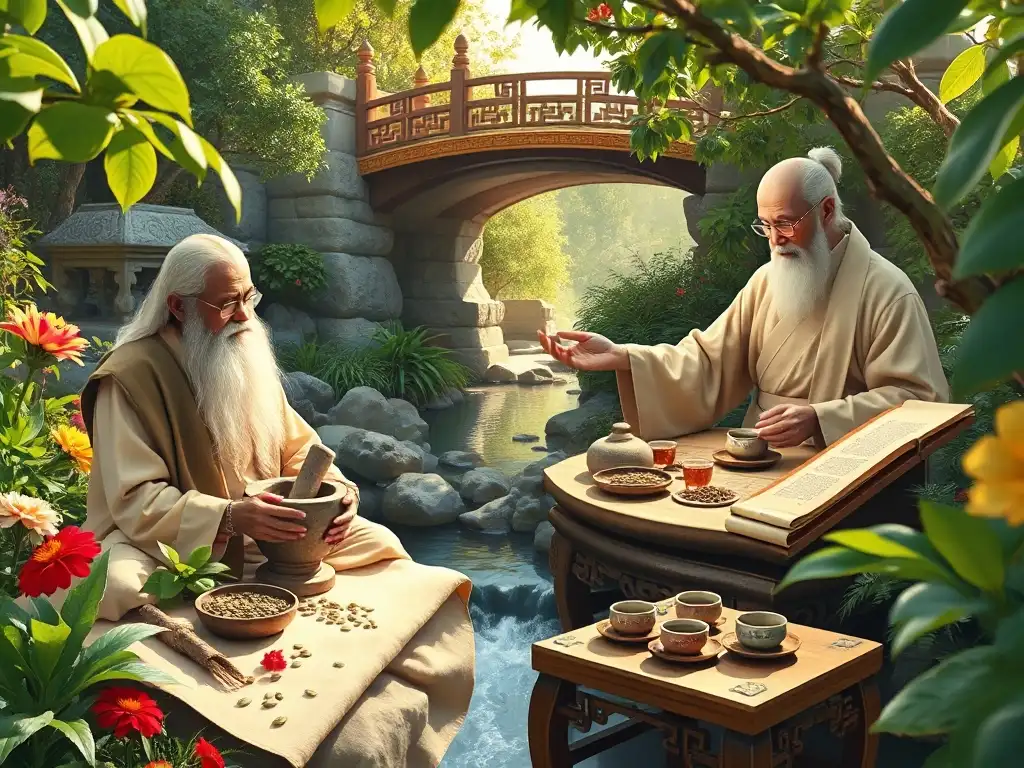
The relevance of Ayurveda and Traditional Chinese Medicine (TCM) in modern healthcare is greater than ever. As society increasingly seeks holistic approaches to health, these ancient practices are being recognized not only for their rich historical roots but also for their potential contributions to contemporary medical paradigms. With growing interest in natural remedies, both Ayurveda and TCM offer a treasure trove of knowledge that emphasizes the balance of body, mind, and spirit. This integration is pivotal in addressing chronic health issues, stress management, and preventive care in today's fast-paced world.
The Rise of Integrative Health Practices
Integrative health practices combine conventional medicine with alternative therapies to provide a more comprehensive approach to patient care. This trend has seen a surge in the integration of Ayurveda and TCM into mainstream health systems. Healthcare practitioners are increasingly acknowledging the benefits of these ancient practices, particularly for conditions such as anxiety, chronic pain, and digestive disorders.
- Holistic Approach: Both Ayurveda and TCM emphasize treating the whole person rather than just symptoms, aligning well with the integrative health philosophy.
- Personalization of Treatment: These practices advocate for tailored treatments based on individual constitution and lifestyle, which resonates with the growing preference for personalized medicine.
- Collaborative Care Models: Many hospitals and clinics are beginning to incorporate Ayurvedic and TCM practitioners into their teams, fostering collaborative approaches that enhance patient outcomes.
Current Trends in Ayurveda and Traditional Chinese Medicine
As awareness grows, several trends have emerged in the practice of Ayurveda and TCM:
- Research and Validation: Scientific studies are increasingly validating the efficacy of various Ayurvedic herbs and TCM therapies, leading to greater acceptance in academic and medical circles.
- Educational Programs: More institutions are offering courses and certifications in Ayurveda and TCM, allowing healthcare professionals to expand their knowledge and skill sets.
- Digital Platforms: The rise of telehealth and digital platforms has facilitated access to Ayurvedic and TCM practitioners, making these therapies more accessible to a global audience.
Global Acceptance and Adaptation of Both Practices
Ayurveda and TCM have transcended their cultural origins and gained a foothold in various parts of the world. The global acceptance of these practices can be attributed to:
- Cultural Exchange: Increased travel, migration, and communication have allowed these ancient practices to be shared across borders, resulting in a blending of techniques and philosophies.
- Wellness Tourism: Many individuals are seeking Ayurvedic retreats and TCM clinics worldwide, contributing to the rise of wellness tourism and the popularity of these practices.
- Collaborative Research: International collaborations are paving the way for more research initiatives that explore the synergy between Ayurveda and TCM, further legitimizing their roles in modern health paradigms.
Challenges and Misconceptions
Despite their growing popularity, Ayurveda and TCM face numerous challenges and misconceptions that can hinder their acceptance.
Common Myths about Ayurveda and Traditional Chinese Medicine
Several myths persist regarding these ancient practices, which can lead to skepticism and misunderstanding:
- Lack of Scientific Basis: One common myth is that Ayurveda and TCM lack scientific validation. In reality, many aspects of these practices are being studied rigorously in clinical trials.
- Exclusivity of Treatment: Another misconception is that these practices are entirely alternative and should replace conventional medicine. In fact, they are most effective when used in conjunction with modern medical approaches.
- Cultural Appropriation: Critics often argue that the global spread of these practices leads to cultural appropriation. However, many practitioners advocate for respectful and informed engagement with these traditions.
Addressing Misunderstandings in Practice and Theory
To promote a better understanding of Ayurveda and TCM, it is vital to address the misunderstandings that persist:
- Education and Awareness: Increasing educational initiatives that inform both practitioners and the public about the principles and benefits of these practices can help dispel myths.
- Evidence-Based Practices: By encouraging research that highlights the clinical efficacy of Ayurvedic and TCM treatments, practitioners can build credibility within the wider medical community.
- Cultural Sensitivity: It is essential to approach Ayurveda and TCM with cultural respect, ensuring that practices are adapted thoughtfully and ethically to different contexts.
By tackling these challenges head-on, the integration of Ayurveda and Traditional Chinese Medicine into global health practices can continue to flourish, fostering a more holistic approach to health and well-being.
Conclusion: The Future of Ayurvedic and Traditional Chinese Medicine Exchange
The exchange of medicinal practices between Ayurveda and Traditional Chinese Medicine (TCM) represents a rich tapestry of holistic approaches to health that has evolved over millennia. As we look towards the future, the collaboration between these two ancient systems is poised to yield innovative solutions for modern health challenges. Both practices emphasize balance, prevention, and the interconnectedness of body, mind, and spirit, which are increasingly relevant in today's fast-paced world.
With globalization facilitating greater cross-cultural interactions, there is an opportunity to integrate insights from both Ayurvedic and TCM frameworks. This integration could lead to the development of hybrid practices that respect the foundational philosophies of each system while addressing specific health needs. The future holds promise for a more comprehensive understanding of health that draws from the strengths of both traditions, ultimately benefiting practitioners and patients alike.
The Importance of Continued Collaboration
Continued collaboration between practitioners, researchers, and scholars of Ayurveda and TCM is essential for several reasons. First, shared research initiatives can help validate the efficacy of various treatments, leading to greater acceptance and understanding of these practices in the global medical community. For instance, clinical studies that explore the effectiveness of Ayurvedic herbs in conjunction with TCM therapies could provide compelling evidence for their combined benefits.
Moreover, fostering dialogue between practitioners can facilitate the exchange of knowledge regarding diagnostic techniques, treatment protocols, and patient care strategies. Such collaboration not only enriches practitioners' skill sets but also enhances patient experiences by providing more comprehensive treatment options.
In addition, as healthcare systems worldwide increasingly embrace integrative approaches, the partnership between Ayurveda and TCM can contribute to more holistic healthcare models. This integration can promote the importance of preventive care, lifestyle modifications, and individualized treatment plans, which are critical components of both systems.
Potential for New Discoveries in Health and Wellness
The interplay between Ayurveda and TCM presents significant potential for new discoveries in health and wellness. By combining the extensive herbal knowledge of Ayurveda with the diagnostic and therapeutic techniques of TCM, practitioners can explore innovative treatment options for a range of conditions. For example, the synergy between Ayurvedic practices like Panchakarma and TCM methods such as acupuncture could lead to enhanced detoxification treatments that optimize overall health.
Furthermore, as the world increasingly recognizes the importance of mental health and emotional well-being, there is ample opportunity to explore how the philosophies of both systems address these aspects. For instance, Ayurvedic principles of Sattva (mental clarity), Rajas (activity), and Tamas (inertia) can align with TCM's concept of Qi (life force) and its influence on emotional states. This exploration could yield new therapeutic practices that effectively address both physical and emotional ailments.
As research in integrative medicine continues to grow, the potential for collaborative studies and clinical trials between Ayurvedic and TCM practitioners can lead to groundbreaking findings that enhance our understanding of health and wellness.
References and Further Reading on Ayurveda and Traditional Chinese Medicine
- Books:
- "The Complete Book of Ayurvedic Home Remedies" by Vasant Lad
- "The Web That Has No Weaver: Understanding Chinese Medicine" by Ted J. Kaptchuk
- "Ayurveda: The Science of Self-Healing" by Dr. Vasant Lad
- Research Articles:
- "Integrative Approaches to Health Care: A Review of the Evidence" - Journal of Alternative and Complementary Medicine
- "A Comparative Study of Traditional Chinese Medicine and Ayurveda: Lessons for an Integrative Approach" - Journal of Integrative Medicine
- Online Resources:
- National Center for Complementary and Integrative Health (NCCIH)
- World Health Organization (WHO) - Traditional Medicine
- Workshops and Conferences:
- Annual International Conference on Ayurveda and Traditional Chinese Medicine
- Integrative Health Symposiums on Global Health Practices
By tapping into these resources, individuals can deepen their understanding of Ayurveda and TCM, explore their synergies, and appreciate the rich heritage of healing that both traditions offer.
- Introduction to Ayurveda and Traditional Chinese Medicine
- Historical Context of Ayurveda and Traditional Chinese Medicine
- Fundamental Principles of Ayurveda and Traditional Chinese Medicine
- Core Concepts of Ayurveda
- Core Concepts of Traditional Chinese Medicine
- Comparisons of Ayurvedic and Traditional Chinese Medical Practices
- The Influence of Ayurveda on Traditional Chinese Medicine
- The Influence of Traditional Chinese Medicine on Ayurveda
- Modern Relevance of Ayurveda and Traditional Chinese Medicine
- Challenges and Misconceptions
- Conclusion: The Future of Ayurvedic and Traditional Chinese Medicine Exchange
- References and Further Reading on Ayurveda and Traditional Chinese Medicine
- What is the significance of Ayurveda in ancient Indian civilization?
- How does Traditional Chinese Medicine (TCM) differ from Ayurveda?
- What are some common treatments used in Ayurveda?
- How did the exchange of medicinal practices influence Ayurveda and TCM?
- Can the principles of Ayurveda and TCM be integrated into modern healthcare?
Frequently Asked Questions
What is the significance of Ayurveda in ancient Indian civilization?
Ayurveda is a holistic healing system that emphasizes balance in the body, mind, and spirit, playing a crucial role in the healthcare practices of ancient India.
How does Traditional Chinese Medicine (TCM) differ from Ayurveda?
While both TCM and Ayurveda aim for holistic wellness, TCM focuses on yin-yang balance and the flow of Qi, whereas Ayurveda emphasizes doshas and the balance of bodily energies.
What are some common treatments used in Ayurveda?
Common treatments in Ayurveda include herbal remedies, panchakarma (detoxification), and dietary adjustments to restore balance within the body.
How did the exchange of medicinal practices influence Ayurveda and TCM?
The exchange led to a rich fusion of knowledge, with both systems adopting and adapting various herbal remedies and treatment philosophies, enhancing their effectiveness.
Can the principles of Ayurveda and TCM be integrated into modern healthcare?
Yes, many modern healthcare practitioners are exploring integrative approaches that combine Ayurveda and TCM with conventional medicine to provide comprehensive healthcare solutions.
Final Reflection: Bridging Ancient Wisdom for Modern Healing
The exchange of medicinal practices between Ayurveda and Traditional Chinese Medicine (TCM) is not just a historical curiosity; it is a vital conversation that resonates deeply in our contemporary quest for holistic health. As we navigate an increasingly complex healthcare landscape, the integration of these two ancient systems offers invaluable insights into the interconnectedness of body, mind, and spirit. This dialogue between Ayurveda and TCM serves as a powerful reminder that healing transcends cultural boundaries and that wisdom can be found in the rich tapestries of diverse traditions.
The influence of Ayurveda and TCM extends far beyond their origins, shaping modern wellness practices and inspiring individuals to seek a more balanced lifestyle. As we witness a growing interest in integrative medicine, these ancient healing systems continue to inform our understanding of health and well-being. The greatest medicine of all is teaching people how not to need it.
This quote encapsulates the essence of both Ayurveda and TCM, emphasizing the importance of preventative care and self-awareness in achieving optimal health. The ongoing dialogue between these traditions encourages us to embrace a more holistic approach to wellness, one that honors the wisdom of the past while addressing the needs of the present.
As we reflect on the lessons from Ayurveda and Traditional Chinese Medicine, I invite you to explore how these practices can enrich your own life. Consider incorporating elements from these traditions into your daily routine, whether through mindful eating, meditation, or herbal remedies. By embracing this ancient wisdom, you can cultivate a deeper connection to your health and well-being, fostering a more harmonious existence. Let us carry forward the legacy of these remarkable healing traditions and inspire others to embark on their own journeys toward holistic health.
Unveil the Power of Ancient Healing: Take Your Next Steps!
Thank you for exploring the fascinating intersection of Ayurveda and Traditional Chinese Medicine with us! You've gained valuable insights into these time-honored practices, and now it's time to integrate this wisdom into your life. Here’s how you can continue your journey towards holistic health:
- Take the plunge by scheduling a consultation with a practitioner of Ayurveda or Traditional Chinese Medicine. Your body deserves to benefit from these ancient healing methods!
- Dive deeper into your understanding by reading books and articles that enhance your knowledge of these traditions. Expand your mind and enrich your health!
- Share the knowledge—discuss what you've learned with friends or create a small discussion group to explore these practices together. Brick by brick, we build a community of wellness!
Which ancient healing practice are you excited to explore further, and how do you believe it could enhance your well-being?