
From Mines to Monarchs: How Indian Gemstones Shaped Royal Treasures

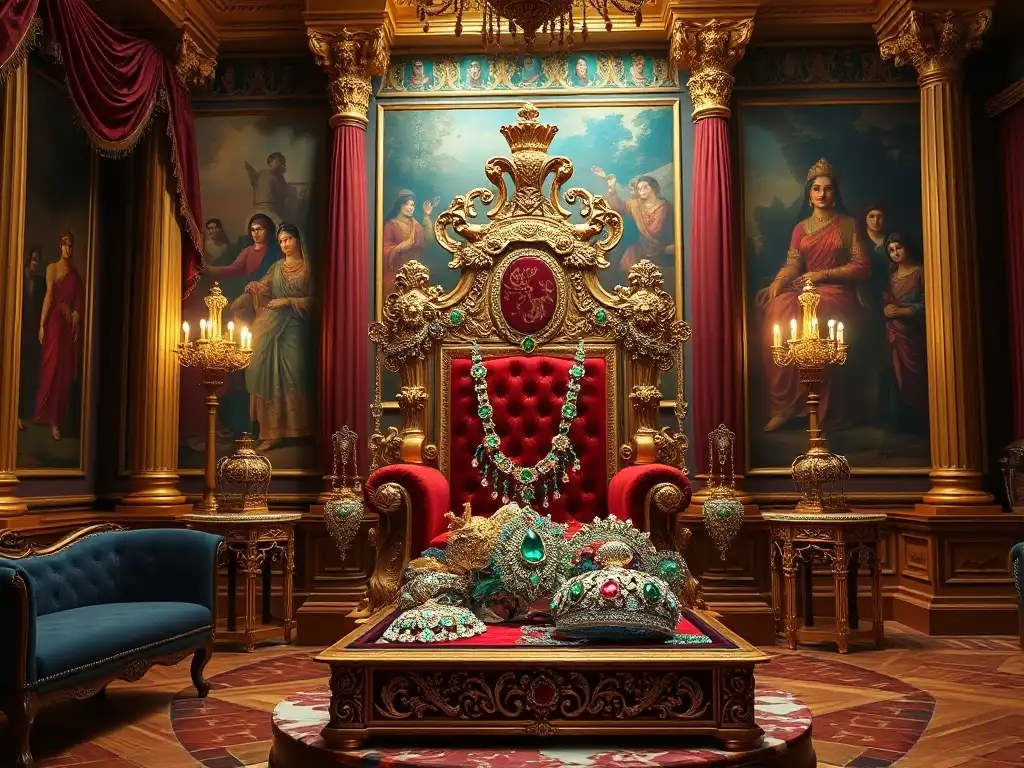
Welcome to Ancient India History, where we invite you to embark on a fascinating journey through the rich tapestry of ancient Indian civilizations. In this exploration, we delve into the intriguing history of Indian gemstones—the royal treasures that not only adorned the crowns of emperors but also shaped the very fabric of society from the Indus Valley to the Gupta Empire.
Discover how these precious stones influenced trade, culture, and power as we unveil the captivating tale of "From Mines to Monarchs." Prepare to be captivated by the stories behind these jewels and their enduring legacy—there's so much more waiting for you just around the corner!
Introduction to Indian Gemstones and Royal Treasures
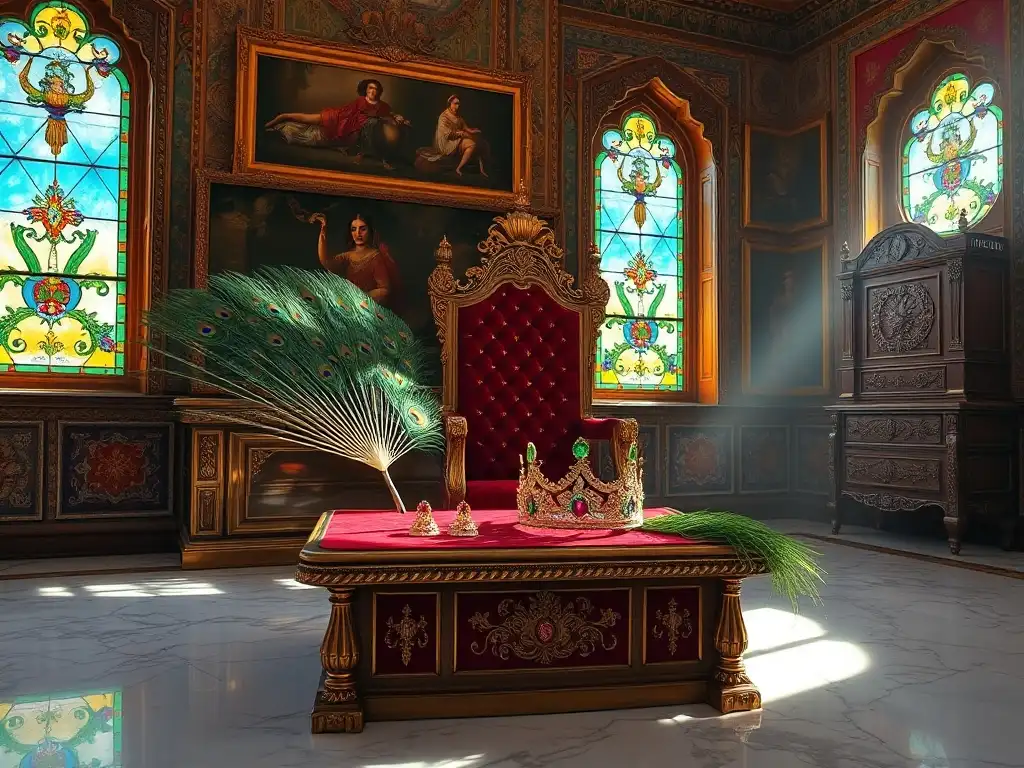
The history of Indian gemstones is as vibrant and intricate as the gems themselves, weaving a narrative that spans millennia and reflects the grandeur of ancient Indian civilizations. From the Indus Valley to the Gupta Empire, these precious stones were not merely adornments but symbols of power, wealth, and divine favor. The journey of Indian gemstones is deeply intertwined with the evolution of royal treasures, showcasing how these natural wonders were meticulously sourced, crafted, and cherished by monarchs throughout history.
In this exploration, we will delve into the rich tapestry of the Indian gemstones royal treasures history, illuminating the ways in which these gems shaped the cultural and economic landscapes of ancient India. By examining ancient mining techniques and the cultural importance of gemstones in society, we aim to provide a comprehensive understanding of their significance in royal heritage.
The Historical Significance of Indian Gemstones
Indian gemstones have played a pivotal role in shaping historical narratives, influencing trade routes, and establishing connections between different cultures. Renowned for their brilliance and variety, gems such as diamonds, rubies, emeralds, and sapphires captured the imagination of not only Indian royalty but also traders and explorers from distant lands.
- Trade Networks: Indian gemstones were key commodities in trade, linking India to the Middle East and Europe. The Silk Road and maritime routes facilitated the exchange of these precious stones, elevating their status on the global stage.
- Symbolism in Power: For ancient monarchs, owning exquisite gemstones was synonymous with authority and prestige. These gems were often embedded in crowns, thrones, and ceremonial attire, underscoring their role in royal symbolism.
Ancient Mining Techniques in India
The extraction of gemstones in ancient India was a sophisticated process that involved a blend of traditional knowledge and innovative techniques. Mining sites across regions such as Golconda, Mysore, and Kashmir became hubs for gemstone production.
- Methods of Extraction: Techniques varied from surface mining to deep excavation, often utilizing rudimentary tools made from stone and metal. Ancient Indians demonstrated remarkable ingenuity in locating and retrieving gems, often following geological indicators.
- Labor and Community: The mining operations were typically community-driven, involving skilled artisans and laborers who passed down their knowledge through generations. This communal effort not only facilitated the extraction but also fostered a rich cultural heritage around the gemstone industry.
Cultural Importance of Gemstones in Indian Society
Beyond their monetary value, gemstones held profound cultural significance in Indian society. They were believed to possess spiritual and healing properties, influencing various aspects of life, from astrology to traditional medicine.
- Astrological Beliefs: Many Indians believed that gemstones could enhance personal fortunes and health, leading to their incorporation in rituals and daily life. Specific stones were associated with different planets, and wearing them was thought to align individuals with cosmic energies.
- Art and Craftsmanship: Gemstones inspired exquisite craftsmanship, with artisans creating intricate jewelry pieces that reflected both aesthetic beauty and cultural narratives. The artistry involved in setting these gemstones transformed them into heirlooms that symbolized family legacy and status.
Through this exploration of Indian gemstones, we invite you to appreciate the depth of their history and the ways they have shaped royal treasures, leaving an indelible mark on the cultural heritage of India.
The Journey of Indian Gemstones: From Mines to Monarchs
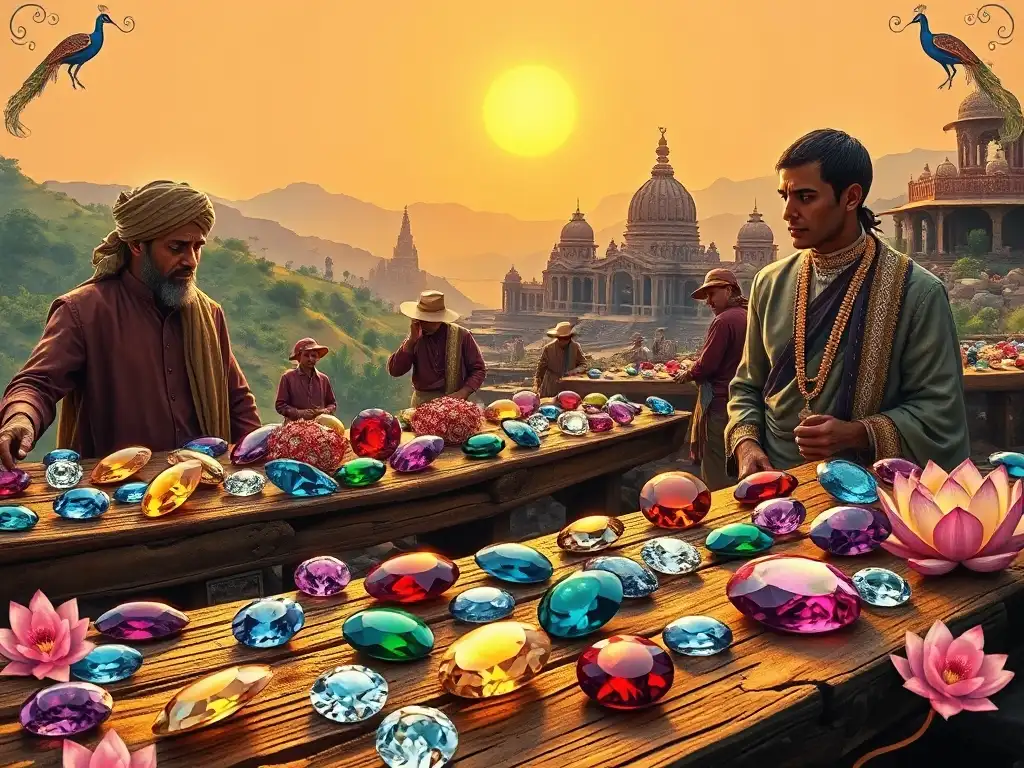
The journey of Indian gemstones is a fascinating narrative that intertwines the natural wealth of the Indian subcontinent with the rise and fall of powerful monarchies. India has been known as a treasure trove of gemstones for millennia, with its rich deposits found in regions like the Deccan Plateau and the Himalayan foothills. These gems, including diamonds, rubies, emeralds, and sapphires, were not only coveted for their beauty but also held significant cultural and spiritual importance.
The mining of these gemstones dates back to ancient civilizations, where they were extracted using rudimentary techniques. As Indian society evolved, so did the sophistication of gemstone mining and processing. By the time of the Maurya and Gupta empires, gemstones had become symbols of power and prestige, often adorning the crowns and regalia of kings and queens. The craftsmanship in cutting and setting these stones also advanced, leading to intricate designs that showcased the gems' brilliance and color.
Moreover, the narrative of Indian gemstones extends beyond their extraction and use in royal adornments. They played a pivotal role in trade, attracting merchants from distant lands. This interaction not only enriched local economies but also facilitated cultural exchanges, further embedding gemstones into the fabric of Indian history.
Major Gemstones in Indian Royalty
Throughout history, several gemstones have stood out as favorites among Indian royalty, each carrying its unique story and significance.
- Diamonds: The most famous diamond, the Koh-i-Noor, is steeped in legend and has changed hands among various rulers. Initially mined in Golconda, it became a symbol of power for the Mughal emperors and later the British crown.
- Rubies: Known for their vibrant red hue, rubies were prized by Indian kings who believed these stones possessed protective qualities. The Burmese rubies, in particular, were favored by many royal families.
- Emeralds: Often associated with the goddess of wealth, emeralds were used extensively in royal jewelry. The Mughal emperors, renowned for their exquisite craftsmanship, frequently incorporated emeralds into their decorative pieces.
- Sapphires: Their deep blue color made sapphires a popular choice among Indian royals, symbolizing wisdom and nobility. The Star of India, a famous sapphire, exemplifies the allure of these gemstones.
These gemstones not only adorned the royal attire but also signified the wealth and status of the rulers, often becoming part of the legacy passed down through generations.
The Influence of Trade Routes on Gemstone Popularity
The popularity of Indian gemstones was significantly influenced by the complex network of trade routes that spanned across Asia and beyond. From the ancient Silk Route to maritime paths, these routes facilitated the exchange of goods, ideas, and cultures.
- Silk Road: This famed trade route connected India with Central Asia, the Middle East, and Europe, allowing Indian gemstones to reach far-off lands. Merchants traded not only in gemstones but also in textiles and spices, enriching the cultural tapestry of the regions involved.
- Maritime Trade: Indian ports such as Calicut and Cochin became bustling centers for the trade of gemstones. The influx of European traders during the Age of Exploration further heightened the demand for Indian gems, leading to their integration into European royal collections.
- Cultural Exchange: As gemstones traveled along these routes, they were often imbued with the artistic styles and techniques of various cultures, enhancing their appeal. This exchange not only popularized Indian gemstones but also established India as a leading player in the global gemstone market.
The interconnectedness fostered by trade routes ensured that Indian gemstones remained in high demand, influencing their valuation and significance across different cultures.
Royal Treasures: Iconic Indian Gemstone Artifacts
Indian royal treasures are adorned with some of the most iconic gemstone artifacts, reflecting the opulence and artistry of the time. These treasures are not only valuable due to their material worth but also serve as historical artifacts that narrate the story of India's rich heritage.
The Nizam's Jewelry Collection: A Testament to Wealth
The Nizam of Hyderabad, one of the richest men in history, amassed an extraordinary collection of jewelry that showcased the grandeur of Indian craftsmanship.
- The Jacob Diamond: Weighing 184 carats, this diamond was a centerpiece of the Nizam's collection. Its sheer size and brilliance made it a symbol of wealth and power.
- The Nizam’s Necklace: Comprising over 1,000 diamonds, this necklace exemplifies the opulence of the Nizam’s jewelry collection. Each piece was meticulously crafted, reflecting the high level of artistry prevalent during the time.
- Historical Significance: The collection not only reflects personal wealth but also the socio-political dynamics of the era, as these artifacts often played roles in diplomatic relations and royal ceremonies.
The Nizam's collection is a testament to the lavish lifestyles of Indian royalty and the cultural significance of gemstones in their reign.
The Crown Jewels of India: An Exploration of Heritage
The crown jewels of India encompass a myriad of exquisite pieces that have adorned the heads of emperors and kings throughout history.
- The Mughal Crown: Often elaborately decorated with diamonds, emeralds, and pearls, the Mughal crown symbolizes the zenith of royal power. Each crown was unique and often passed down through generations.
- Royal Swords and Armory: Many royal swords were inlaid with precious gemstones, demonstrating the fusion of functionality and artistry. These weapons were not only used in battle but also served as status symbols during ceremonial occasions.
- Cultural Legacy: The crown jewels represent the rich tapestry of Indian history, revealing the craftsmanship, artistry, and cultural values of the time. They are a vital part of India's heritage and continue to inspire awe and admiration.
The exploration of these royal treasures provides insight into the profound influence of gemstones in shaping the identities and legacies of Indian monarchs.
The Craftsmanship Behind Gemstone Jewelry
The craftsmanship involved in creating gemstone jewelry is a testament to the rich artistic tradition of India. Historically, Indian artisans have combined intricate techniques with a deep understanding of the stones to produce pieces that are not only visually stunning but also steeped in cultural significance. The craftsmanship is characterized by meticulous attention to detail and a commitment to preserving traditional methods passed down through generations.
Artisans often begin with raw gemstones sourced from the rich mineral deposits found in various regions of India, including Kashmir, Rajasthan, and the Deccan Plateau. Each stone is carefully evaluated for its unique properties, such as color, clarity, and cut. The artistry involved in transforming these unrefined stones into exquisite pieces of jewelry reflects the harmony between nature and human creativity, resulting in items that are both valuable and meaningful.
Traditional Techniques in Gemstone Cutting and Setting
Traditional Indian gemstone cutting and setting techniques have evolved over centuries, driven by the need to enhance the natural beauty of each stone. One of the most notable methods is the "Kundan" technique, which involves setting gemstones in gold foil. This technique allows for the creation of intricate designs that highlight the brilliance of the stones while maintaining a lightweight and comfortable piece.
Another significant method is the "Meenakari" technique, where colored enamel is applied to the reverse side of the jewelry, adding vibrant hues that contrast beautifully with the gemstones. This fusion of cutting and enameling techniques exemplifies the aesthetic sophistication of Indian jewelry.
Moreover, artisans still employ the ancient practice of "Polki" setting, which uses uncut diamonds to achieve a raw and natural look, often associated with royalty. These traditional methods not only showcase the craftsmanship but also contribute to the historical narrative of Indian gemstones as royal treasures.
Modern Interpretations of Historical Indian Gemstone Jewelry
In contemporary fashion, there has been a resurgence of interest in historical Indian gemstone jewelry, with modern designers drawing inspiration from traditional styles. Current trends often incorporate sustainable practices, embracing ethically sourced gemstones and materials.
Modern interpretations feature a blend of traditional craftsmanship with contemporary aesthetics. Designers are experimenting with unconventional cuts and settings, aiming to create unique pieces that resonate with today's consumers while paying homage to the rich heritage of Indian jewelry.
Additionally, the fusion of styles has led to the creation of pieces that appeal to global markets, marrying Indian traditions with Western fashion sensibilities. This evolution not only preserves the legacy of Indian gemstones but also ensures their relevance in modern jewelry discourse.
The Legacy of Indian Gemstones in Global Jewelry Markets
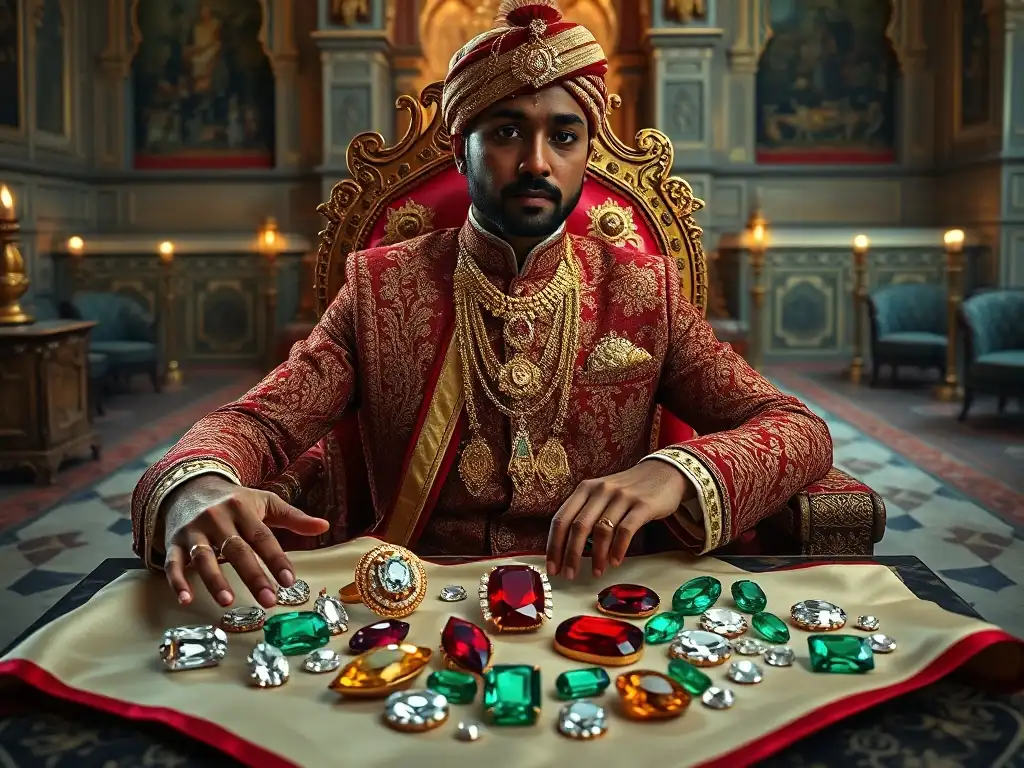
The legacy of Indian gemstones extends far beyond national borders, significantly influencing global jewelry markets. Indian gemstones, renowned for their quality and beauty, have played a vital role in shaping jewelry trends across the world. This global impact can be traced back to historical trade routes, where Indian gems were sought after by royalty and affluent classes in Europe and the Middle East.
Indian Gemstones and Their Impact on Global Jewelry Trends
Indian gemstones have consistently set trends in the global jewelry market. The vivid colors of gemstones such as rubies, emeralds, and sapphires have inspired both jewelers and consumers alike. The use of Indian gemstones has led to an appreciation for intricate craftsmanship and the revival of traditional styles in modern jewelry collections.
The rise of Bollywood and Indian cinema has also contributed to the popularity of Indian gemstones internationally. Celebrities often showcase extravagant pieces adorned with Indian stones at high-profile events, further elevating their status in the global luxury market. This visibility has prompted international designers to incorporate Indian gemstones into their collections, blending traditional and modern aesthetics.
Preservation of Indian Gemstone Heritage
Preserving the heritage of Indian gemstones is crucial to maintaining the cultural significance and craftsmanship associated with them. Efforts are underway to document traditional techniques and to train new generations of artisans in these age-old practices. Organizations and NGOs are promoting awareness of the importance of sustainable sourcing and ethical practices in the gemstone industry.
The establishment of gemstone museums and cultural exhibitions also plays a vital role in showcasing the historical significance of Indian gemstones. These initiatives not only educate the public about the rich heritage of Indian jewelry but also promote the importance of preserving traditional craftsmanship in an increasingly commercialized world.
The legacy of Indian gemstones in global jewelry markets is a blend of historical significance, craftsmanship, and contemporary innovation. The ongoing efforts to preserve this heritage ensure that Indian gemstones will continue to shine brightly in the world of jewelry for generations to come.
Conclusion: The Enduring Allure of Indian Gemstones in Royal Treasures
The history of Indian gemstones is not merely a tale of minerals and the earth; it is a saga woven into the very fabric of royal treasures that adorned the palaces and courts of ancient rulers. The extraordinary beauty and unparalleled quality of gemstones like diamonds, rubies, emeralds, and sapphires have captivated not only the Indian elite but also connoisseurs and collectors around the globe. From the legendary Koh-i-Noor to the exquisite Golconda diamonds, these gemstones have not only served as decorations but also as symbols of power, wealth, and divine favor.
The connection between Indian gemstones and royal treasures is a testament to the craftsmanship and artistry of ancient jewelers who transformed raw stones into magnificent pieces of art. These jewels played a significant role in trade, diplomacy, and cultural exchanges, further enhancing their allure. The stories associated with each piece, enriched by history and legend, continue to fascinate historians, jewelers, and gem enthusiasts alike.
As we explore the legacy of Indian gemstones, we recognize their profound impact on royal history and the socio-economic landscapes of their times. Today, the enduring allure of these gemstones continues to be celebrated in modern jewelry design, ensuring that the legacy of ancient Indian craftsmanship remains alive. The rich history of Indian gemstones serves as a reminder of the intricate relationship between nature, culture, and human creativity, affirming their place not only in history but also in the hearts of many.
References and Further Reading
- "The History of Gems and Jewelry in India" – An insightful exploration of the significance of gemstones throughout Indian history, detailing their role in royal treasures and cultural practices.
- "Indian Gemstones: A Comprehensive Guide": – A resource that provides an in-depth look at the various types of gemstones found in India, their properties, and their historical importance.
- "Treasures of the Mughal Empire" – This book examines the lavish wealth of the Mughal emperors, including an analysis of the gemstones that adorned their crowns and thrones.
- "The Royal Jewels of India" – A detailed account of the royal collections, this work highlights individual pieces and their storied pasts, emphasizing the artistic techniques used in their creation.
- "Gems of the Golden Age: The Gem Trade in Ancient India": – A scholarly examination of the gem trade routes, economic implications, and the artisanship of ancient Indian jewelers.
The above references not only enhance understanding but also provide a deeper appreciation of the rich narrative surrounding Indian gemstones and their enduring legacy in royal treasures.
- Introduction to Indian Gemstones and Royal Treasures
- The Historical Significance of Indian Gemstones
- Ancient Mining Techniques in India
- Cultural Importance of Gemstones in Indian Society
- The Journey of Indian Gemstones: From Mines to Monarchs
- Royal Treasures: Iconic Indian Gemstone Artifacts
- The Craftsmanship Behind Gemstone Jewelry
- The Legacy of Indian Gemstones in Global Jewelry Markets
- Conclusion: The Enduring Allure of Indian Gemstones in Royal Treasures
- References and Further Reading
- What role did Indian gemstones play in royal treasures?
- How did the mining of gemstones in ancient India influence its economy?
- Can you name some famous Indian gemstones used in royalty?
- How did royalty impact the gemstone trade in ancient India?
- What is the significance of the Gupta Empire in the history of Indian gemstones?
Frequently Asked Questions
What role did Indian gemstones play in royal treasures?
Indian gemstones were highly sought after for their beauty and value, often adorning the crowns and jewelry of royalty, symbolizing wealth and power throughout history.
How did the mining of gemstones in ancient India influence its economy?
The mining of gemstones contributed significantly to the economy by creating trade routes and attracting foreign merchants, which enhanced the prosperity of ancient Indian civilizations.
Can you name some famous Indian gemstones used in royalty?
Notable Indian gemstones include diamonds like the Koh-i-Noor, emeralds, and rubies, all of which were integral to the royal collections and treasures.
How did royalty impact the gemstone trade in ancient India?
Royalty often dictated the gemstone trade by controlling mining operations and trade routes, which allowed them to acquire rare stones and enhance their status.
What is the significance of the Gupta Empire in the history of Indian gemstones?
The Gupta Empire is known as a golden age for arts and culture, during which the use of gemstones in jewelry flourished, showcasing the craftsmanship and wealth of that era.
Final Reflection: The Enduring Legacy of Indian Gemstones in Royal Treasures
The journey of Indian gemstones from the depths of mines to the adornments of monarchs is not just a tale of wealth and beauty; it is a narrative that resonates with the very essence of cultural heritage and craftsmanship. Today, as we navigate a world increasingly captivated by luxury and opulence, the significance of these gemstones remains profound. They are not merely objects of desire; they symbolize a rich history that intertwines artistry, power, and identity, reminding us of the legacies that shape our present.
The influence of Indian gemstones on the cultural and social landscape is undeniable. These precious stones have transcended their material value to become emblems of status, artistry, and tradition.
Their presence in royal treasures has inspired generations and continues to captivate the imagination of artists, collectors, and historians alike. As we reflect on this enduring influence, we are reminded of the words of the renowned gemologist, “A gemstone is not just a piece of earth; it is a story waiting to be told.” > This quote encapsulates the essence of how each gemstone carries with it the weight of history, culture, and the artistry of those who crafted it.
As we conclude this exploration of Indian gemstones and their royal significance, I invite you to reflect on the treasures in your own life. Consider how the stories behind objects and traditions shape your identity and values. Let the legacy of these gemstones inspire you to seek out the beauty in your surroundings, to appreciate the craftsmanship in everyday items, and to honor the history that informs our present. In doing so, we not only celebrate the past but also pave the way for a future enriched by understanding and appreciation of our shared heritage.
Unveil the Brilliance of Indian Gemstones!
Thank you for diving into the fascinating journey of how Indian gemstones influenced royal treasures. Your interest in this rich history not only broadens your understanding but also connects you to a legacy of beauty and craftsmanship. Now it's time to take action and further explore this captivating world!
Here are a few steps you can take right now:
- Dive deeper: Research the unique stories behind your favorite gemstones. Discover their historical significance and the cultures that revered them.
- Join the conversation: Share your thoughts and insights in the comments below or on social media—let's celebrate our shared passion for history!
- Explore local exhibits: Check for any museums or galleries featuring gemstone displays or Indian artifacts in your area. Visiting these can provide you with a firsthand experience of their beauty.
Which gemstone or royal treasure resonates with you the most, and what do you believe contributes to its significance? Your insights can spark an enriching discussion!