
Understanding the Different Types of Indian Jewelry: A Guide for Authentic Buyers

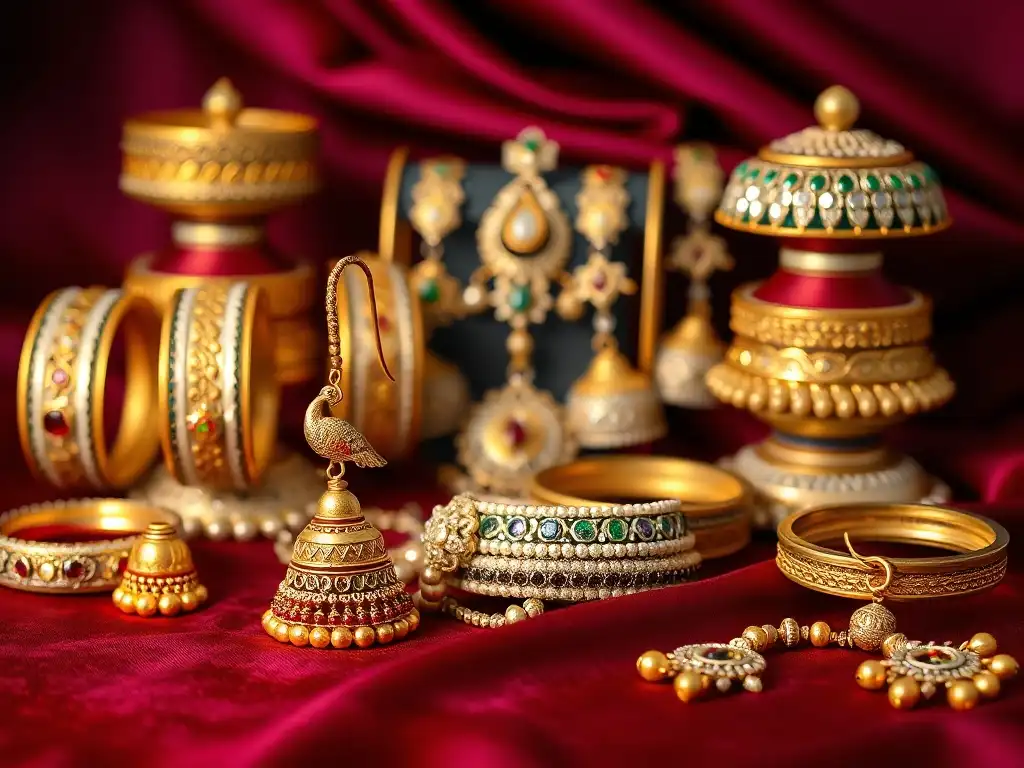
Welcome to Ancient India History, where we embark on a captivating journey through the rich tapestry of India's past. From the majestic Indus Valley to the illustrious Gupta Empire, this is your gateway to understanding the profound contributions of ancient Indian civilizations. In our latest article, "Understanding the Different Types of Indian Jewelry: A Guide for Authentic Buyers," we delve into the enchanting world of Indian jewelry history.
Discover the intricate craftsmanship, cultural significance, and timeless elegance that define these exquisite adornments. Join us as we unravel the stories behind the gems and ornaments that have adorned generations, inviting you to explore the beauty and depth of India's heritage.
- Understanding the Different Types of Indian Jewelry History: A Comprehensive Guide for Authentic Buyers
- Types of Indian Jewelry: A Historical Perspective
- Key Materials in Indian Jewelry History
- Buying Authentic Indian Jewelry: Essential Tips
- Care and Maintenance of Indian Jewelry
- Conclusion: The Enduring Legacy of Indian Jewelry
- Frequently Asked Questions
- Final Reflection: Embracing the Rich Tapestry of Indian Jewelry History
- Unveil the Beauty of Indian Jewelry!
Understanding the Different Types of Indian Jewelry History: A Comprehensive Guide for Authentic Buyers
Introduction to Indian Jewelry History
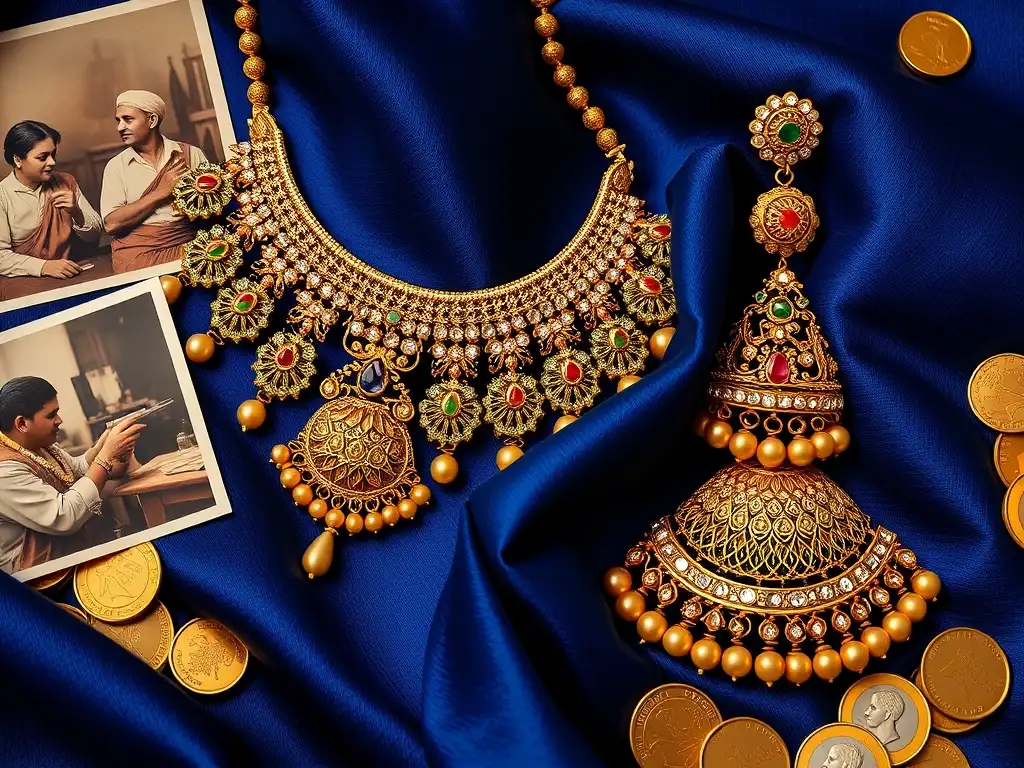
Indian jewelry is not merely an adornment; it is a vibrant tapestry woven through the ages, reflecting the rich cultural heritage and artistic traditions of various Indian civilizations. From the intricate designs of the Indus Valley Civilization to the opulent pieces favored during the Mughal Empire, the history of Indian jewelry is as diverse as the subcontinent itself. Each piece tells a story, often linked to social status, regional identity, and spiritual beliefs.
The evolution of Indian jewelry can be traced through several key periods, highlighting how societal changes influenced styles, materials, and craftsmanship. Ancient jewelry was often crafted from materials such as gold, silver, and precious stones, with techniques that have been passed down through generations. Notably, the artistry involved in creating these pieces extends beyond mere aesthetics; it encapsulates spiritual significance and cultural symbolism.
Understanding the types of Indian jewelry history is essential for authentic buyers seeking to appreciate not only the beauty of these artifacts but also their historical context and cultural relevance. In this guide, we will explore various styles, materials, and significant historical influences that have shaped Indian jewelry over millennia. By gaining insights into this rich heritage, buyers can make informed choices and cherish their investments, ensuring the preservation of these exquisite pieces for future generations.
As we delve deeper, we will categorize the jewelry into distinct types, providing a comprehensive overview that will assist both seasoned collectors and new enthusiasts in navigating the vibrant world of Indian jewelry.
Types of Indian Jewelry: A Historical Perspective
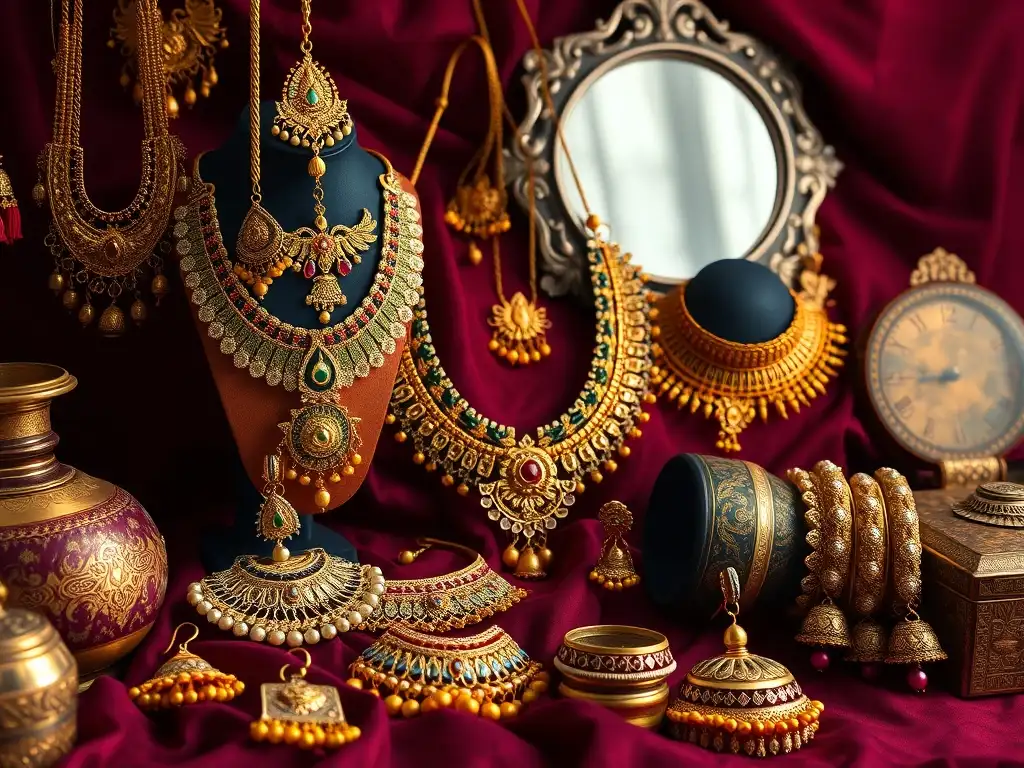
Jewelry has been an integral part of Indian culture for thousands of years, reflecting not only aesthetic values but also social status, cultural identity, and religious beliefs. The history of Indian jewelry can be traced back to the ancient civilizations, particularly the Indus Valley Civilization (circa 3300–1300 BCE), where evidence of jewelry making has been found in archaeological sites. These early pieces were often made from materials such as beads, stones, and metals, showcasing the skills of ancient artisans.
As Indian civilization evolved through various dynasties, each era brought its unique styles and techniques in jewelry making. The influences of different cultures, trade routes, and regional resources contributed to the diverse types of Indian jewelry we see today. The significance of jewelry in ancient India extended beyond adornment; it often had symbolic meanings, with specific pieces associated with marriage, fertility, and protection against evil.
The historical journey of Indian jewelry is fascinating—transitioning from simple adornments to intricate masterpieces that tell stories of the past. Understanding this history is essential for authentic buyers, as it provides insight into the craftsmanship and cultural significance behind each piece.
Traditional Indian Jewelry Styles
Traditional Indian jewelry styles are characterized by their unique designs, materials, and cultural significance. Below are some prominent styles that have persisted through the ages:
- Kundan Jewelry:
- Originating from the royal courts of Rajasthan, Kundan jewelry is known for its intricate gold settings and glass stones. The technique involves setting gemstones in gold foil, giving the pieces a rich and opulent appearance.
- Meenakari Jewelry:
- This style features vibrant enamel work and is often combined with Kundan designs. Meenakari can be traced back to the Mughal era and is characterized by its colorful patterns and motifs.
- Antique Jewelry:
- Antique pieces are typically over 100 years old and showcase traditional craftsmanship. They often feature intricate designs, heavy gold work, and are sometimes inlaid with gemstones.
- Temple Jewelry:
- Associated with South Indian culture, temple jewelry includes pieces that are often inspired by deities and temple architecture. These are typically made of gold and adorned with religious motifs.
- Nath (Nose Ring):
- A traditional adornment for brides, the Nath symbolizes marital status and is often elaborate in design, featuring pearls and gemstones.
- Bajuband (Armlet):
- Traditionally worn by women, Bajubands are ornate armlets made of gold or silver, often studded with precious stones.
These styles not only represent the rich heritage of Indian craftsmanship but also serve as a historical narrative of social and cultural practices.
Regional Variations in Indian Jewelry
The diversity of Indian jewelry is further enriched by regional variations, each influenced by local customs, resources, and artistry. Here are some notable regional styles:
- Punjabi Jewelry:
- Characterized by its bold designs and use of gold, Punjabi jewelry often includes pieces like Jhumkas (earrings) and Chura (wedding bangles), which are essential for traditional weddings.
- Gujarati Jewelry:
- Known for intricate craftsmanship, Gujarati jewelry features Patla (bangles) and Vankis (anklets), often adorned with colorful beads and enamel work.
- Maharashtrian Jewelry:
- This style is marked by its use of Kolhapuri Saaj (necklace) and Thushi (traditional gold neckpiece), often worn during festivals and weddings.
- South Indian Jewelry:
- South Indian jewelry is known for its elaborate designs, often featuring temple motifs. Pieces such as Mangal Sutra and Vaddanam (waist belt) are significant in bridal attire.
- Bengali Jewelry:
- Characterized by its unique designs and use of gold, Bengali jewelry includes Shakha-Pola (white and red bangles) and Nath (nose ring), symbolizing marital status.
Each region not only showcases distinct styles but also reflects the local culture, traditions, and the artistic flair of its craftsmen. Understanding these regional variations is crucial for buyers seeking authentic Indian jewelry, as it allows them to appreciate the depth and richness behind each piece they acquire.
Key Materials in Indian Jewelry History
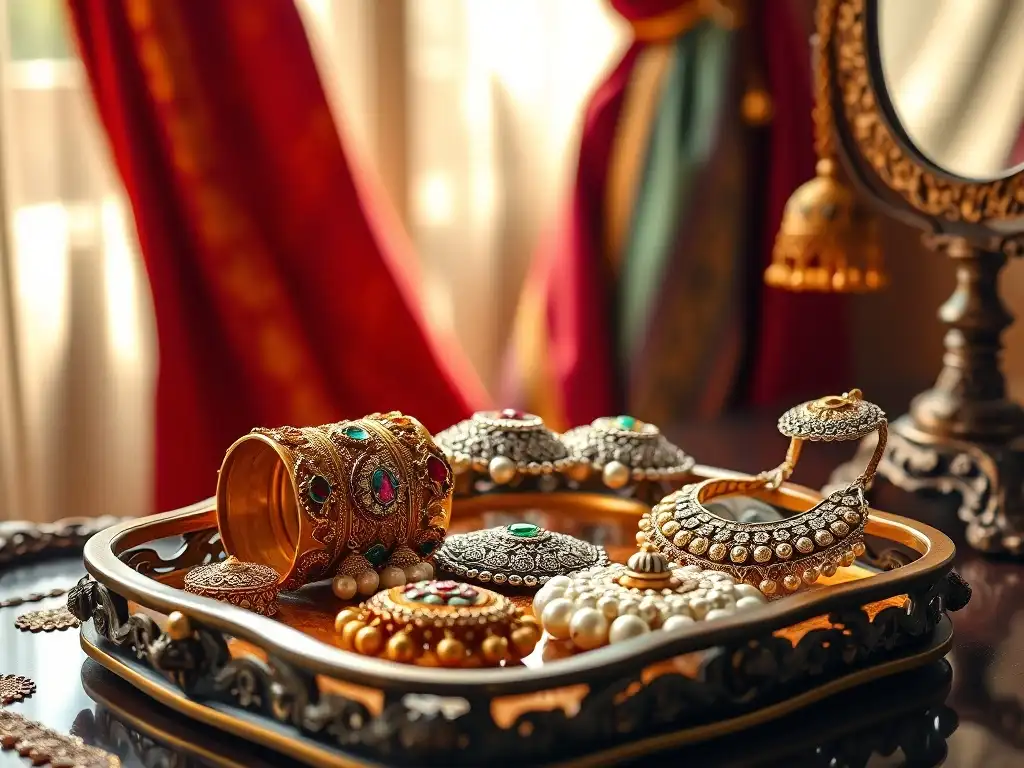
Jewelry in India is not only a reflection of artistry but also a vivid portrayal of its diverse history and culture. The materials used in Indian jewelry have significant meanings and historical relevance, often symbolizing wealth, status, and spirituality. Understanding the key materials in Indian jewelry history is essential for authentic buyers who seek to appreciate the depth of this art form.
Gold: The Timeless Metal
Gold has been the cornerstone of Indian jewelry for centuries, often associated with prosperity and divine connection. Its historical significance is evident from ancient texts and archaeological findings, which reveal that gold was extensively used in the Indus Valley Civilization (circa 2500-1900 BCE).
- Cultural Significance: Gold is revered in Indian culture, often used in ceremonial occasions, weddings, and festivals. It is believed to bring good fortune and is considered auspicious.
- Purity Standards: Gold jewelry in India is often measured in karats, with 22K (91.6% pure) being the most popular choice among consumers. This high purity ensures both durability and a rich, warm hue.
Here’s a table summarizing the significance of gold in Indian jewelry:
| Aspect | Details |
|---|---|
| Historical Use | Used since Indus Valley Civilization |
| Cultural Role | Symbolizes prosperity and auspiciousness |
| Purity | Commonly 22K, signifies high-quality gold |
Silver: The Versatile Alternative
Silver holds a prominent place in the realm of Indian jewelry, often regarded as a more affordable yet equally beautiful alternative to gold. Its versatility allows for a wide range of designs, from traditional to contemporary.
- Historical Context: The use of silver can be traced back to ancient India, where it was not only used for adornment but also in currency and trade. Silver jewelry became prominent during the Mughal era, showcasing intricate craftsmanship and designs.
- Cultural Significance: In many Indian cultures, silver is associated with purity and protection. It is often worn in the form of bangles, anklets, and necklaces, believed to ward off negative energies.
Key Characteristics of Silver Jewelry:
- Alloy Composition: The most common form is 92.5% silver, known as sterling silver, which provides durability.
- Oxidation: Silver tarnishes over time, which can be cleaned easily, adding to its charm and character.
Precious and Semi-Precious Stones
The incorporation of precious and semi-precious stones in Indian jewelry adds a layer of beauty and meaning. These stones are often believed to possess specific energies that can influence the wearer’s life.
- Historical Usage: Gemstones like diamonds, rubies, emeralds, and sapphires have been used in Indian jewelry since ancient times. The famous Koh-i-Noor diamond and other royal gems underscore the historical significance of gemstones in Indian culture.
- Astrological Beliefs: In Indian tradition, gemstones are linked to astrology and are often prescribed for their healing properties. Each stone is thought to resonate with specific planetary influences.
Commonly Used Stones:
- Diamonds: Represent clarity and strength.
- Emeralds: Associated with wisdom and growth.
- Rubies: Symbolize love and passion.
- Sapphires: Linked to loyalty and nobility.
This rich tapestry of materials – gold, silver, and gemstones – not only showcases the artistic heritage of India but also serves as a guide for authentic buyers to appreciate the depth and significance of Indian jewelry history. Understanding these materials is crucial for anyone looking to invest in authentic pieces that embody the essence of Indian culture and craftsmanship.
Buying Authentic Indian Jewelry: Essential Tips
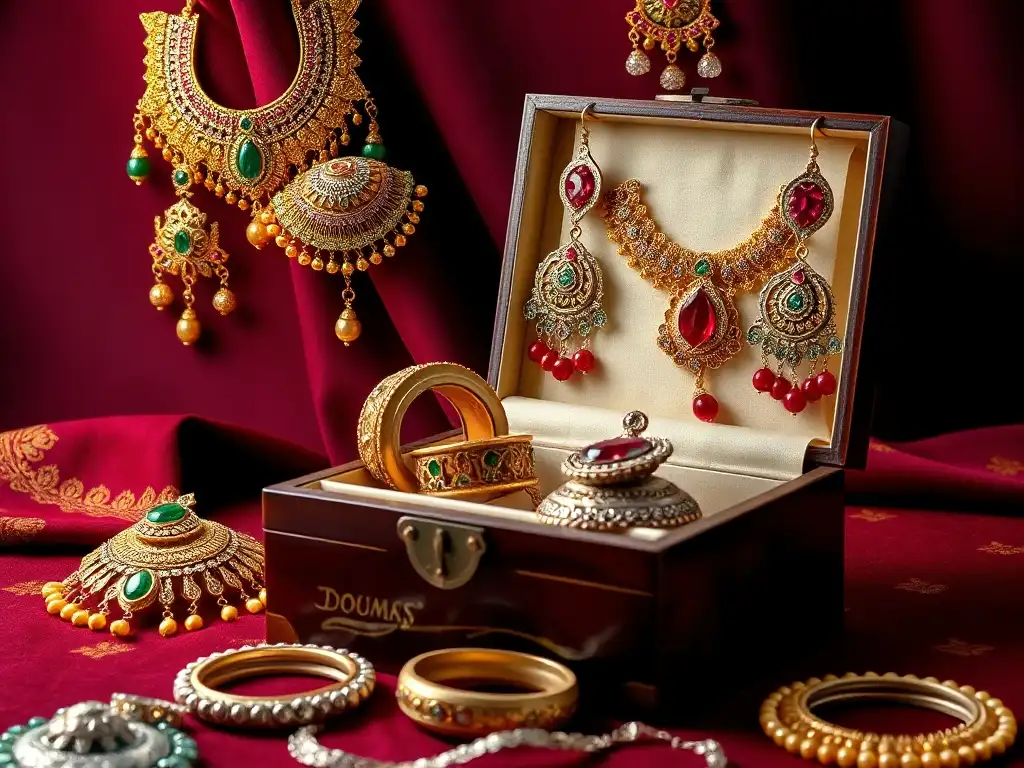
When it comes to purchasing Indian jewelry, understanding the nuances of authenticity is paramount. Indian jewelry is steeped in history, culture, and craftsmanship, making it essential for buyers to be discerning when selecting pieces that are not only beautiful but also genuine. Here are some essential tips to help you navigate the world of Indian jewelry:
- Research Different Types of Indian Jewelry:
- Familiarize yourself with various styles, such as:
- Kundan: Traditional gemstone-studded jewelry known for its intricate designs.
- Meenakari: Enamel work that adds vibrant colors to gold or silver pieces.
- Antique: Vintage pieces often featuring unique motifs and craftsmanship.
- Understanding these styles will help you appreciate the artistry and value of each piece.
- Familiarize yourself with various styles, such as:
- Check for Hallmarks and Certifications:
- Authentic Indian jewelry often comes with hallmarks or certifications from recognized authorities.
- Look for:
- Gold purity marks (e.g., 22K, 18K).
- Gemstone certifications from reputable labs.
- Examine the Craftsmanship:
- High-quality Indian jewelry showcases superior craftsmanship. Look for:
- Intricate detailing: Fine work in the design that reflects skilled artisanship.
- Even finish: The overall look should be polished and refined, without rough edges.
- High-quality Indian jewelry showcases superior craftsmanship. Look for:
- Ask About the Materials Used:
- Inquire about the materials in the jewelry:
- Gold: Ensure it is genuine and not plated.
- Gemstones: Verify if they are natural, synthetic, or treated.
- Inquire about the materials in the jewelry:
- Seek Expert Opinions:
- Consult with jewelers or experts who specialize in Indian jewelry for insights and advice.
Recognizing Authenticity in Indian Jewelry
Recognizing authenticity in Indian jewelry can be complex due to the prevalence of replicas and imitations. Here are some indicators to help you ascertain the authenticity of a piece:
- Material Composition:
- Authentic pieces are usually made from solid metals like gold, silver, or platinum, while imitations may use base metals or alloys.
- Design Complexity:
- Genuine Indian jewelry often features intricate designs that require skilled craftsmanship. Simple or poorly made designs may indicate a fake.
- Weight and Feel:
- Authentic jewelry typically has a heft that reflects the quality of materials used. If a piece feels too light or flimsy, it could be a red flag.
- Patina and Aging:
- Vintage or antique jewelry often has a natural patina; this can be a sign of authenticity. New pieces may have a shiny finish but lack the character of age.
- Documentation:
- Reputable jewelers will often provide documentation that authenticates the piece, such as appraisals or certificates.
Finding Reputable Jewelers
Finding a reputable jeweler is crucial to ensure that you purchase authentic Indian jewelry. Here are some strategies to help you in your search:
- Research Jewelers:
- Look for jewelers who specialize in Indian jewelry and have a solid reputation. Online reviews and testimonials can provide insight into their credibility.
- Check Credentials:
- Verify if the jeweler is certified by recognized industry organizations. Membership in such organizations often indicates a commitment to ethical practices.
- Visit Multiple Stores:
- Don’t settle for the first jeweler you find. Visit multiple stores to compare quality, authenticity, and prices.
- Ask Questions:
- A reputable jeweler will be open to answering questions about the jewelry’s origin, materials, and craftsmanship.
- Look for Guarantees:
- Trustworthy jewelers often offer guarantees or return policies, allowing buyers to feel secure in their purchases.
By following these tips and strategies, you can confidently navigate the world of Indian jewelry and find authentic pieces that reflect the rich history and artistry of ancient Indian civilizations.
Care and Maintenance of Indian Jewelry
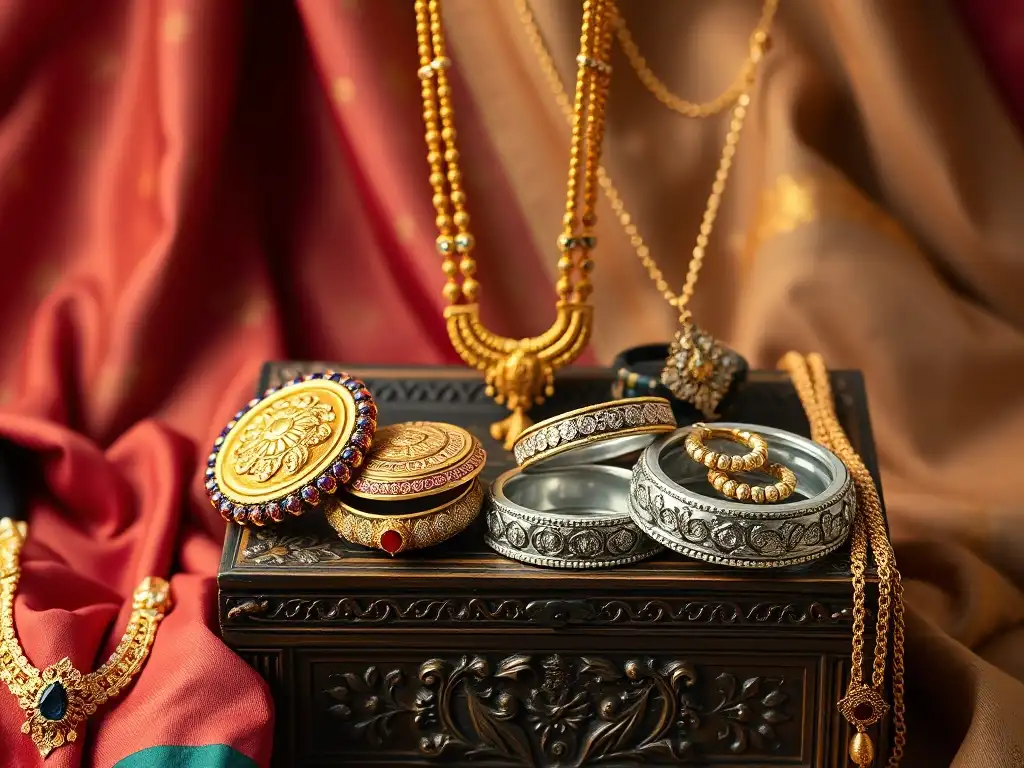
Maintaining the beauty and integrity of Indian jewelry requires careful attention and specific practices that respect the unique materials and craftsmanship involved. Whether you own delicate pieces from the Indus Valley civilization or ornate designs from the Mughal era, understanding how to care for these treasures is essential for preserving their value and allure.
Preserving the Beauty of Antique Jewelry
Antique Indian jewelry, often characterized by intricate designs and historical significance, demands extra care. Here are some effective strategies to ensure your pieces remain in excellent condition:
- Regular Cleaning:
- Use a soft, lint-free cloth to gently wipe your jewelry after each wear. This helps remove oils, dirt, and moisture that can tarnish metals and dull gemstones.
- For deeper cleaning, prepare a mild solution of soap and lukewarm water. Soak your jewelry briefly and use a soft brush (like a toothbrush) to clean hard-to-reach areas. Rinse thoroughly and dry immediately with a cloth.
- Proper Storage:
- Store your jewelry in a cool, dry place to prevent moisture damage. Use silk or cotton pouches to wrap individual pieces, or opt for a dedicated jewelry box lined with fabric.
- Avoid storing different types of metals together, as they can scratch each other. Consider using anti-tarnish strips or pouches to further protect your jewelry from oxidation.
- Avoiding Chemicals:
- Keep your jewelry away from harsh chemicals, including perfumes, hairsprays, and cleaning agents, as these can damage the finish and gemstones. Always put your jewelry on after applying beauty products.
- Handling with Care:
- When wearing Indian jewelry, be mindful of the activities you engage in. Avoid wearing it while exercising, swimming, or performing household chores to prevent accidental damage.
- Professional Maintenance:
- For intricate pieces or those with loose stones, consider periodic professional cleaning and inspection. Jewelers experienced in antique jewelry can provide specialized care and repairs when needed.
By following these care and maintenance practices, you can ensure that your Indian jewelry not only retains its aesthetic appeal but also serves as a cherished heirloom for generations to come. Remember, the history embedded in each piece deserves to be honored through attentive stewardship.
With these guidelines, authentic buyers can make informed decisions about their jewelry investments, ensuring the legacy of Indian craftsmanship continues to shine brightly.
Conclusion: The Enduring Legacy of Indian Jewelry
The legacy of Indian jewelry is deeply intertwined with the country's history, culture, and artistic traditions. From the intricate designs of the Indus Valley civilization to the opulent gold ornaments of the Gupta Empire, each era has contributed to a rich tapestry of jewelry-making techniques and styles. This enduring legacy is not just a testament to the craftsmanship of ancient artisans but also reflects the societal values, religious beliefs, and cultural practices of the time.
The significance of jewelry in Indian culture extends beyond mere adornment; it is often imbued with symbolism and meaning. For instance, certain pieces are worn during religious ceremonies, weddings, and festivals, serving as a representation of wealth, status, and tradition. Jewelry also plays a role in various rites of passage and is often passed down through generations, making it a cherished heirloom.
As we explore the different types of Indian jewelry history, it becomes evident that these pieces are not only valuable in terms of material but also in their cultural narrative. Authentic Indian jewelry encapsulates stories of ancient civilizations, reflecting their aesthetics and historical context.
Embracing the Richness of Indian Jewelry History
The journey through the types of Indian jewelry history reveals a fascinating evolution of styles, materials, and significances. Here are some key aspects to consider:
- Diversity of Styles: Indian jewelry is characterized by its regional diversity. For example:
- Kundan: Originating from the Mughal era, Kundan jewelry features intricate gold settings with glass stones.
- Meenakari: This technique involves enameling on metal, often seen in Rajasthani jewelry.
- Temple Jewelry: Inspired by temple architecture, this type showcases deities and is traditionally worn by dancers.
- Materials Used: The choice of materials has varied significantly across regions and historical contexts. Common materials include:
- Gold: A symbol of wealth and purity, gold has always been a preferred metal for crafting jewelry.
- Silver: Favored for its affordability and versatility, silver jewelry often features intricate designs.
- Gemstones: Precious and semi-precious stones like diamonds, emeralds, and rubies have been used extensively, each carrying its own significance.
- Cultural Significance: Jewelry often reflects the cultural and social dynamics of a particular time.
- Wedding Jewelry: In many communities, specific pieces are designated for brides, symbolizing prosperity and good fortune.
- Religious Jewelry: Items like lockets and pendants featuring religious symbols serve as spiritual protectors.
- Modern Interpretations: Today, there is a resurgence of interest in traditional jewelry styles, with contemporary artisans blending ancient techniques with modern designs to create unique pieces that appeal to a global audience.
The types of Indian jewelry history are a testament to the creativity and craftsmanship of Indian artisans through the ages. As authentic buyers, understanding this rich history not only enhances the appreciation of these beautiful pieces but also ensures that we honor the traditions and cultures they represent. Whether for personal adornment or as a collector's item, authentic Indian jewelry offers a glimpse into the past, capturing the essence of India's vibrant heritage.
Frequently Asked Questions
What are the main types of Indian jewelry?
Indian jewelry can be categorized into traditional, contemporary, and ethnic styles, each with unique features and cultural significance.
How does the history of Indian jewelry reflect its culture?
The history of Indian jewelry is deeply intertwined with cultural practices, religious beliefs, and social status, showcasing the artistry and craftsmanship of various regions.
What materials are commonly used in Indian jewelry?
Common materials include gold, silver, gemstones, and pearls, each reflecting wealth and status throughout different historical periods.
How has Indian jewelry evolved over time?
Indian jewelry has evolved from ancient craftsmanship to modern design, incorporating global influences while still honoring traditional styles and techniques.
Why is it important to understand the history of Indian jewelry?
Understanding the history helps buyers appreciate the cultural significance and authenticity of pieces, ensuring they make informed choices when purchasing jewelry.
Final Reflection: Embracing the Rich Tapestry of Indian Jewelry History
Understanding the diverse types of Indian jewelry is not just about appreciating their beauty; it is about recognizing their profound cultural significance and historical roots. In today's globalized world, where authenticity often gets overshadowed by mass production, the importance of knowing the history behind each piece becomes paramount. Jewelry is more than an accessory; it is a narrative woven through generations, reflecting the artistry and traditions of a vibrant culture.
The influence of Indian jewelry extends far beyond mere adornment; it shapes identities and connects individuals to their heritage. From the intricate designs of Kundan to the vibrant hues of Meenakari, each type tells a story that resonates with the soul of India. As we navigate through modernity, these traditional forms continue to inspire contemporary designs, reminding us of our roots. Jewelry is a way of keeping memories alive, a tangible connection to our past.
As you reflect on the insights shared in this article, I invite you to explore the world of Indian jewelry with a renewed sense of appreciation and curiosity. Consider how each piece you encounter carries with it a legacy of craftsmanship and culture. Whether you are an authentic buyer or simply an admirer, let this knowledge inspire you to seek out pieces that resonate with your personal story, ensuring that the rich history of Indian jewelry continues to thrive in your life and beyond.
Unveil the Beauty of Indian Jewelry!
Thank you for diving into the exquisite world of Indian jewelry with us! We hope you’ve gained valuable insights into its rich history and unique styles. Now, it’s time to take your appreciation to the next level and explore further.
Here are some exciting ways you can engage with this vibrant culture:
- Explore local markets or online platforms to discover authentic Indian jewelry pieces that resonate with your personal style.
- Share your newfound knowledge with friends by hosting a jewelry-themed gathering or creating a social media post that showcases your favorite pieces!
- Consider joining a local workshop to learn the art of jewelry making and bring home a piece crafted by your own hands.
What type of Indian jewelry will you be seeking on your next shopping adventure? We invite you to share your plans with us in the comments below!