
Understanding the Significance of Gemstones in Indian Jewelry: A Buyer’s Guide

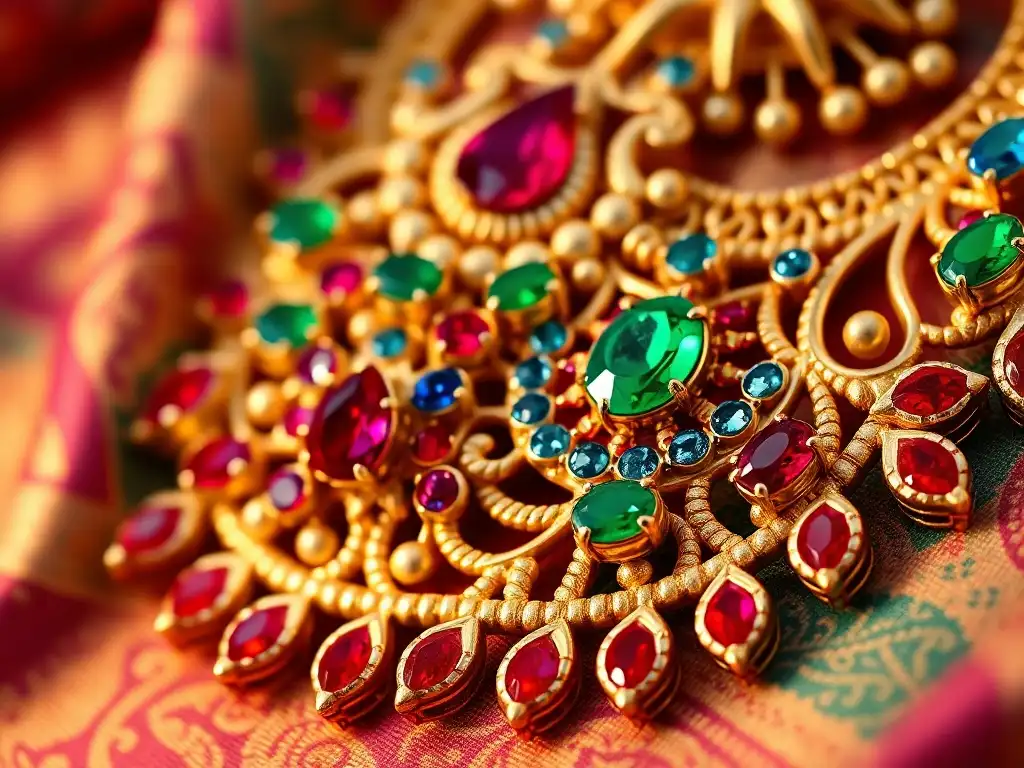
Welcome to Ancient India History, where we embark on a captivating journey through the rich tapestry of ancient Indian civilizations. From the majestic Indus Valley to the illustrious Gupta Empire, the contributions of these cultures are as diverse as they are profound. In our featured article, "Understanding the Significance of Gemstones in Indian Jewelry: A Buyer’s Guide," we delve into the enchanting world of gemstones and their pivotal role in Indian jewelry history.
Have you ever wondered how these exquisite stones shaped the artistry and culture of a nation? Join us as we uncover the beauty and significance behind these treasures, inviting you to explore the vibrant legacy that continues to influence jewelry today.
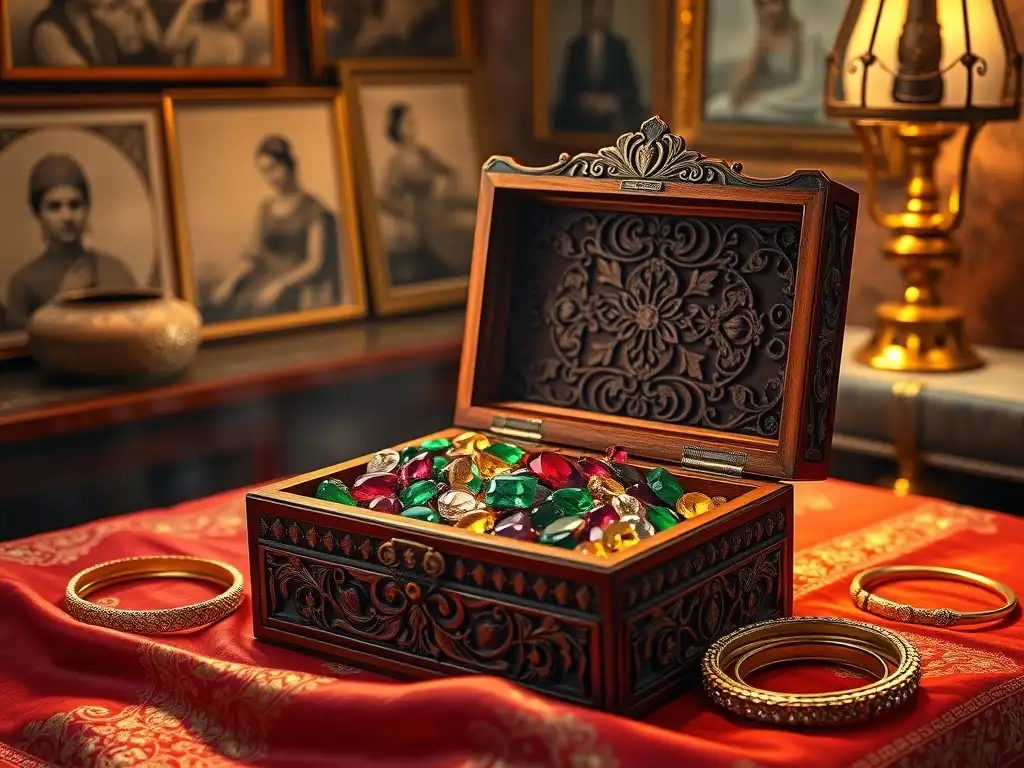
Introduction to Gemstones in Indian Jewelry History
The allure of gemstones in Indian jewelry is deeply rooted in the subcontinent's rich cultural tapestry and historical significance. From the time of the Indus Valley Civilization, where evidence of bead-making and early jewelry creation has been found, to the opulent courts of the Mughal Empire, gemstones have played a pivotal role in symbolizing wealth, power, and spiritual beliefs.
The intricate craftsmanship and the use of diverse gemstones not only highlight the artistry of Indian jewelers but also reflect the socio-economic dynamics and trade relationships that flourished over centuries. In this buyer's guide, we will delve into the various aspects of gemstones in Indian jewelry history, exploring their significance, the traditional practices surrounding them, and how to make informed purchasing decisions today.
Historical Context of Gemstones in Indian Jewelry
Gemstones have been an integral part of Indian culture for millennia, serving not only as decorative elements but also as symbols of status and spirituality.
- Ancient Beginnings:
- The earliest known use of gemstones dates back to the Harappan civilization (circa 2500-1900 BCE), where semi-precious stones like lapis lazuli, carnelian, and agate were crafted into beads and ornaments.
- Cultural Significance: Gemstones were believed to possess unique properties and energies that could influence the wearer's life, which is a belief that continues in modern times.
- Trade and Influence:
- The richness of India's natural resources attracted traders from around the world, leading to a vibrant exchange of gemstones.
- Silk Road: Indian gemstones were highly sought after along the Silk Road, facilitating cultural exchanges and the flow of ideas.
- Mughal Era:
- The Mughal Empire (16th-18th centuries) marked a golden age for gemstones in Indian jewelry, characterized by elaborate designs and the use of precious stones like diamonds, emeralds, and rubies.
- Royal Patronage: Emperors like Shah Jahan adorned themselves with exquisite jewelry, influencing styles and techniques that are still revered today.
- Symbolism and Astrology:
- In Indian culture, certain gemstones are associated with specific planetary influences, leading to their use in astrological practices.
- Navaratna: The nine sacred gemstones, representing the nine celestial bodies, are often incorporated into traditional jewelry to ensure harmony and prosperity.
Understanding the historical context of gemstones in Indian jewelry provides valuable insights into their significance and the craftsmanship involved. As you explore the world of Indian jewelry, keep in mind the rich heritage and stories embedded within each piece, which will enhance your appreciation and guide you in making informed choices.
Types of Gemstones in Indian Jewelry
Gemstones play a pivotal role in Indian jewelry, reflecting both cultural significance and aesthetic appeal. The diversity of gemstones used in Indian jewelry can be broadly categorized into two main types: precious gemstones and semi-precious gemstones. Each category carries its unique attributes, history, and significance, which contribute to the overall charm of Indian adornments.
Precious Gemstones in Indian Jewelry
Precious gemstones are highly valued for their rarity, brilliance, and durability. In the context of Indian jewelry, the most prominent precious gemstones include:
- Diamonds: Known for their unparalleled hardness and brilliance, diamonds symbolize wealth and status. In Indian culture, they are often used in engagement rings and other significant jewelry pieces.
- Rubies: Celebrated for their deep red color, rubies are associated with love and passion. They are frequently used in traditional Indian jewelry, especially in wedding collections, and are believed to bring good fortune.
- Sapphires: Available in various colors, sapphires are particularly prized for their intense blue hue. They are thought to possess protective qualities and are commonly set in both contemporary and antique Indian jewelry.
- Emeralds: Renowned for their vibrant green color, emeralds are considered sacred and are often associated with the goddess of wealth. They are frequently used in traditional motifs and bridal jewelry.
These precious gemstones not only enhance the beauty of the jewelry but also carry cultural and spiritual significance, making them highly sought after by collectors and buyers alike.
Semi-Precious Gemstones in Indian Jewelry
Semi-precious gemstones, while not as rare as their precious counterparts, hold immense beauty and significance in Indian jewelry. Some of the notable semi-precious gemstones include:
- Amethyst: This purple gemstone is believed to promote calmness and clarity. Amethyst is often found in necklaces and bracelets, adding a touch of elegance to the piece.
- Topaz: Available in various colors, topaz is associated with love and affection. It is frequently used in pendants and rings, offering a versatile option for buyers.
- Garnet: Known for its deep red and earthy tones, garnet symbolizes strength and protection. It is commonly used in traditional jewelry designs, especially in regional styles.
- Turquoise: This blue-green stone is celebrated for its unique color and is often used in tribal and antique jewelry. Turquoise is believed to bring good luck and protection to its wearer.
These semi-precious gemstones are not only more affordable but also add a vibrant touch to Indian jewelry, showcasing the rich tapestry of colors and styles available.
Key Factors to Consider When Buying Gemstones in Indian Jewelry
When purchasing gemstones in Indian jewelry, buyers should consider several key factors to ensure they make informed decisions. These factors include the authenticity and quality of the gemstones.
Authenticity of Gemstones
Ensuring the authenticity of gemstones is crucial when investing in Indian jewelry. Here are some tips to verify authenticity:
- Certificates: Always ask for a certificate of authenticity from a reputable gemological laboratory. This certificate should detail the gemstone's characteristics, including its origin and any treatments it may have undergone.
- Reputable Jewelers: Purchase from established jewelers known for their ethical practices and transparency. Researching customer reviews and seeking recommendations can help identify trustworthy sources.
- Visual Inspection: Familiarize yourself with the characteristics of genuine gemstones. Look for natural inclusions, color variations, and other unique traits that differentiate them from synthetics.
Quality of Gemstones
The quality of gemstones significantly impacts their appearance and value. Here are some aspects to consider when assessing quality:
- Cut: The cut of a gemstone affects its brilliance and overall aesthetic. A well-cut gemstone will reflect light effectively, enhancing its visual appeal.
- Color: For colored gemstones, the hue, saturation, and tone play crucial roles in determining quality. Vibrant and evenly distributed color is generally more desirable.
- Clarity: The presence of inclusions or blemishes can affect a gemstone's beauty. Higher clarity usually translates to higher value, although some inclusions can add character to a stone.
- Carat Weight: The size of the gemstone also matters. Larger stones tend to be more valuable, but the quality of the cut and color can outweigh carat weight in terms of desirability.
By paying attention to these factors, buyers can ensure they acquire authentic and high-quality gemstones, enriching their collection of Indian jewelry.
Where to Buy Authentic Gemstones in Indian Jewelry
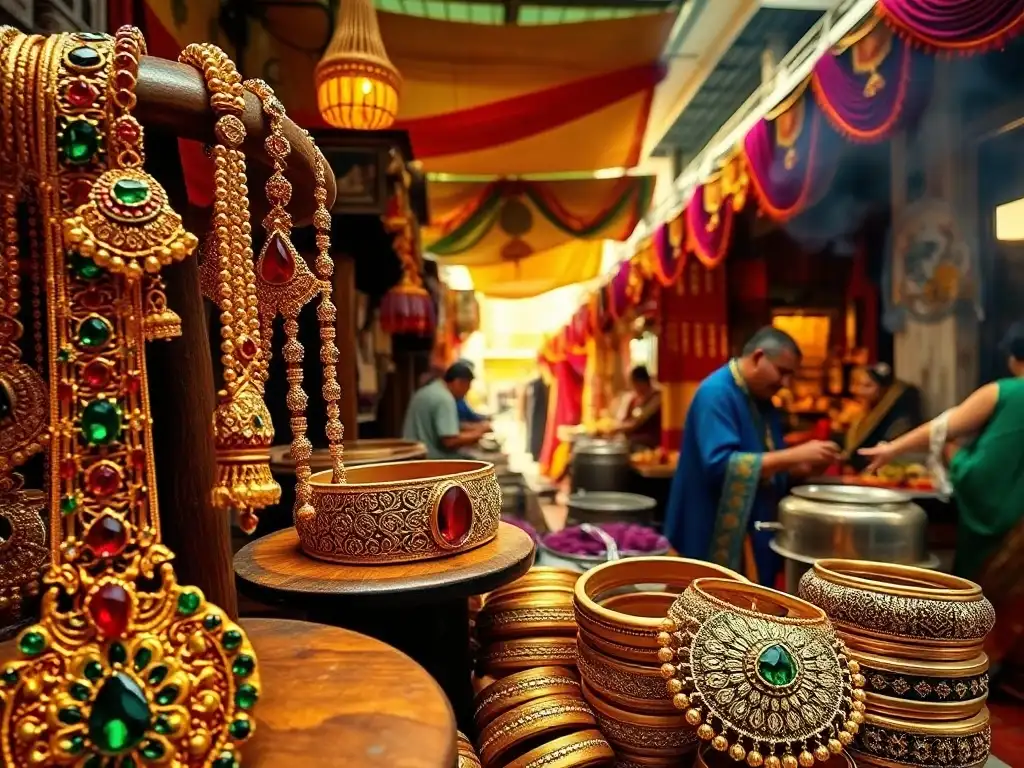
When it comes to purchasing authentic gemstones in Indian jewelry, knowing where to buy is just as crucial as understanding the gemstones themselves. The market offers a variety of options, each with its unique advantages and potential pitfalls. Buyers should consider both online platforms and local artisans to ensure they are making informed decisions.
Trusted Online Retailers
The rise of e-commerce has transformed the way people shop for gemstones in Indian jewelry. Several trusted online retailers specialize in authentic pieces, offering a wide selection of gemstones sourced from reputable suppliers. Here are a few key points to consider when purchasing online:
- Certification: Always look for retailers that provide certification for their gemstones. This certification confirms the authenticity and quality of the stones.
- Customer Reviews: Check customer feedback to gauge the reliability of the retailer. Positive reviews can serve as a good indicator of product quality and customer service.
- Return Policy: A solid return policy is essential. Ensure that the retailer allows returns or exchanges if the gemstone does not meet your expectations.
- Detailed Descriptions: Look for online stores that provide detailed descriptions of their gemstones, including information on origin, treatment, and care instructions.
Some popular online platforms that are known for their authenticity include:
- Amazon: Look for sellers with high ratings and verified reviews.
- Etsy: Many artisans sell unique, handcrafted gemstone jewelry with a focus on authenticity.
- Gemporia: Specializes in fine gemstones and offers a wealth of information about each piece.
Local Artisans and Jewelers
Purchasing from local artisans and jewelers is another excellent way to acquire authentic gemstones in Indian jewelry. Here are some benefits of buying locally:
- Direct Interaction: Meeting with artisans allows you to ask questions about the gemstones, their origins, and the craftsmanship involved in creating the jewelry.
- Support for Local Economy: By purchasing from local jewelers, you contribute to the preservation of traditional crafts and support local economies.
- Unique Designs: Local artisans often create unique pieces that you won’t find in mass-produced jewelry, adding a personal touch to your collection.
When searching for local jewelers, consider visiting markets known for their jewelry offerings, such as the Johari Bazaar in Jaipur or the jewelry shops in Mumbai's Zaveri Bazaar. Engaging with artisans at local craft fairs and exhibitions can also lead to discovering authentic pieces.
Caring for Your Gemstones in Indian Jewelry
Once you've acquired beautiful gemstones in Indian jewelry, it's important to care for them properly to maintain their brilliance and longevity. Each type of gemstone may have specific care requirements, but some general guidelines can help keep your jewelry in excellent condition.
Maintenance Tips for Longevity
- Regular Cleaning: Clean your gemstones regularly using a soft, lint-free cloth. For more thorough cleaning, use a mild soap solution and avoid harsh chemicals that can damage the stones.
- Storage: Store your jewelry in a cool, dry place, preferably in a soft pouch or a dedicated jewelry box to prevent scratches and tangling.
- Avoid Exposure: Keep your gemstones away from extreme heat, direct sunlight, and harsh chemicals, as these can affect their color and integrity.
- Professional Maintenance: Consider having your gemstones professionally cleaned and inspected at least once a year, especially if they are frequently worn. Jewelers can check for loose settings and other potential issues that may require attention.
By following these maintenance tips, you can ensure that your gemstones retain their beauty and significance for years to come, allowing you to enjoy the rich heritage and artistry of Indian jewelry.
Conclusion: Investing in Gemstones in Indian Jewelry History
Investing in gemstones within the context of Indian jewelry history offers not only aesthetic value but also cultural significance. The intricate relationship between gemstones and Indian jewelry reflects centuries of tradition, artistry, and symbolism. Each gemstone carries its own story, often linked to various religious beliefs, astrological significance, and historical narratives.
The value of these gemstones can appreciate over time, making them not just beautiful adornments but also a wise investment choice. As collectors and enthusiasts delve deeper into the world of Indian jewelry, understanding the historical context and significance of gemstones can enhance their appreciation and inform their purchasing decisions.
Furthermore, the craftsmanship involved in creating authentic Indian jewelry ensures that each piece is unique, often passed down through generations as heirlooms. By investing in these pieces, buyers are not only acquiring a tangible asset but also preserving a rich cultural heritage that showcases the skill and artistry of ancient Indian artisans.
Call to Action
Are you ready to embark on your journey into the captivating world of gemstones in Indian jewelry history? Start exploring authentic pieces that resonate with your personal style and reflect the rich traditions of ancient India.
Before making a purchase, consider the following steps:
- Research: Delve into the history and significance of different gemstones.
- Verify Authenticity: Ensure that you are buying from reputable sources that provide certificates of authenticity.
- Seek Expert Guidance: Consult with gemologists or jewelry experts to make informed decisions.
Don't miss the opportunity to own a piece of India's illustrious jewelry heritage. Explore, learn, and invest wisely to enhance your collection today!
- Introduction to Gemstones in Indian Jewelry History
- Historical Context of Gemstones in Indian Jewelry
- Types of Gemstones in Indian Jewelry
- Key Factors to Consider When Buying Gemstones in Indian Jewelry
- Where to Buy Authentic Gemstones in Indian Jewelry
- Caring for Your Gemstones in Indian Jewelry
- Conclusion: Investing in Gemstones in Indian Jewelry History
- Call to Action
Frequently Asked Questions
What are the main gemstones used in Indian jewelry?
Indian jewelry features a variety of gemstones such as diamonds, emeralds, rubies, and sapphires. Each gemstone carries its own cultural significance and is often used in traditional designs.
How did gemstones influence ancient Indian jewelry design?
Gemstones have played a crucial role in shaping the aesthetics of Indian jewelry. Their color, texture, and value have inspired intricate designs that reflect the cultural heritage of different regions.
What is the historical significance of gemstones in Indian culture?
Gemstones in Indian culture symbolize wealth, power, and spirituality. They have been used not only as adornments but also in religious rituals and healing practices throughout history.
How can I choose gemstones for my jewelry?
When selecting gemstones, consider their quality, authenticity, and cultural meaning. It's important to choose stones that resonate with your personal style and symbolism that you value.
Are there specific gemstones associated with certain occasions in India?
Yes, different occasions often call for specific gemstones. For example, emeralds are favored for weddings, while pearls are traditionally worn during festivals, showcasing their cultural significance in Indian celebrations.
Final Reflection: The Timeless Allure of Gemstones in Indian Jewelry
The significance of gemstones in Indian jewelry history is not merely a matter of aesthetics; it is a profound connection to culture, tradition, and identity. As we navigate through the complexities of modern life, the enduring charm of these precious stones serves as a reminder of our roots and the stories that have shaped our heritage. The intricate designs and the symbolism behind each gemstone reflect a rich tapestry of history that continues to resonate with buyers today.
Cultural narratives surrounding gemstones have influenced not only personal adornment but also societal values and rituals. The vibrant hues and unique properties of each stone tell tales of love, prosperity, and protection, making them more than just decorative items; they are carriers of meaning and emotion. Jewelry is a way of keeping memories alive,
as one artisan beautifully expressed, highlighting the deep-seated connection between gemstones and our shared human experience. This ongoing influence underscores the importance of understanding the historical context of these gems, as they remain integral to the identity of Indian jewelry.
As you reflect on the insights shared in this article, consider how the gemstones you choose to wear can embody your own story and values. Embrace the opportunity to explore the rich history behind each piece, and let it inspire you to make informed choices that honor both tradition and personal expression. In doing so, you not only celebrate the artistry of Indian jewelry but also contribute to the preservation of its cultural legacy for future generations.
Unveil the Beauty of Gemstones: Take Action Now!
Thank you for diving into the fascinating world of gemstones and their importance in Indian jewelry! By exploring this rich tradition, you've gained valuable insights into how these stunning stones enhance both beauty and cultural significance. Now, let's put that knowledge into action!
- Discover your favorite gemstone by visiting local jewelry stores or online marketplaces. Don’t hesitate to ask questions about their origins and meanings!
- Share your newfound knowledge with friends or family by hosting a small gathering where you discuss the allure of Indian gemstone jewelry. Who knows what interesting conversations it might spark?
- Engage with our community! Join a local or online forum dedicated to jewelry enthusiasts and exchange experiences or tips on collecting and wearing gemstones.
What is your dream gemstone, and how do you envision it enhancing your unique style? We would love to hear your thoughts in the comments below!