
The Enduring Impact of Chandragupta Maurya on Indian Culture and Society

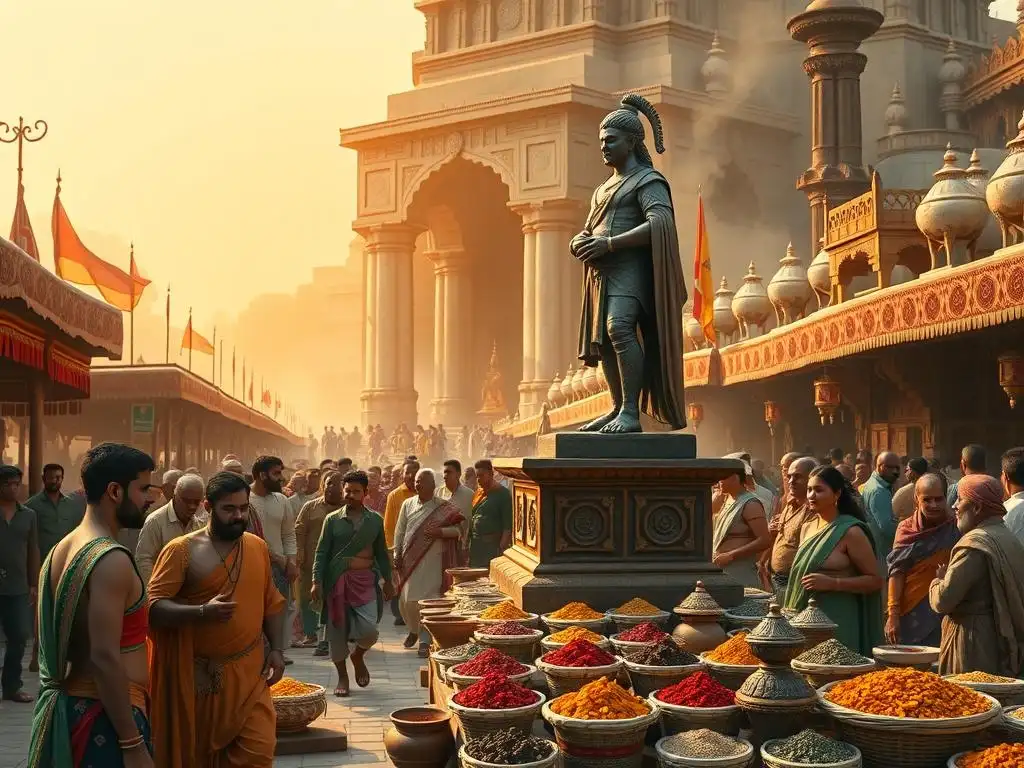
Welcome to Ancient India History, where we embark on an extraordinary journey through the rich tapestry of India's past. Discover how the visionary leader Chandragupta Maurya not only shaped the political landscape of his time but also left an indelible mark on Indian culture and society. In our featured article, "The Enduring Impact of Chandragupta Maurya on Indian Culture and Society," we delve into the profound influences that echo through the ages.
Prepare to uncover the remarkable legacy of Chandragupta and explore how his reign continues to resonate in today's cultural fabric. Dive in, and let the stories of ancient civilizations captivate your imagination!
Introduction to Chandragupta Maurya
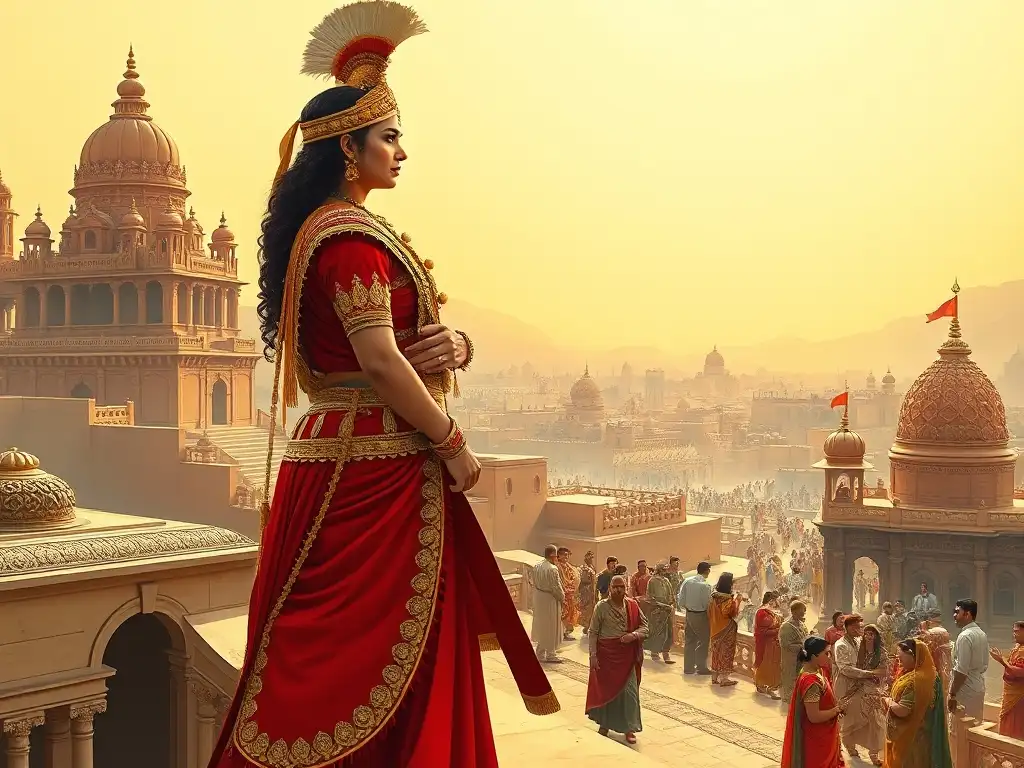
Chandragupta Maurya stands as a towering figure in the annals of ancient Indian history, renowned for his role in establishing one of the largest empires in the Indian subcontinent—the Maurya Empire. His reign, which began in 322 BCE, not only marked the unification of various regions under a central authority but also laid the groundwork for profound cultural, social, and economic transformations that would resonate through centuries.
The impact of Chandragupta Maurya on Indian culture is multifaceted, influencing governance, trade, art, and societal norms, shaping the Indian identity as we understand it today. Understanding his legacy enables us to appreciate the intricate tapestry of India's ancient civilizations and how they have contributed to the modern cultural landscape.
Historical Context of Chandragupta Maurya in Ancient India
Chandragupta Maurya emerged during a tumultuous period in ancient India, characterized by fragmentation and regional power struggles. The decline of the Nanda dynasty created a power vacuum that allowed Chandragupta, with the guidance of his mentor Chanakya, to rally local leaders and establish his authority.
This era was marked by the influence of external forces, particularly Alexander the Great's incursions into India, which prompted the need for a strong, unified response to foreign threats. The historical backdrop of this period set the stage for Chandragupta’s rise, as he navigated through political alliances and military strategies to consolidate power and lay the foundation for the Maurya Empire.
Overview of Chandragupta's Life and Achievements
Chandragupta's journey from a humble beginnings to the emperor of the Maurya Empire is a testament to his astute leadership and vision. Born around 340 BCE, he was initially a small-time ruler in the Magadha region. With the strategic brilliance of Chanakya, he successfully overthrew the Nandas and proclaimed himself emperor. His reign saw significant achievements, including:
- Establishment of a centralized administration: Chandragupta implemented a bureaucratic system that facilitated effective governance across diverse territories.
- Military conquests: He expanded the empire's boundaries, securing control over vast regions from the northwestern frontier to central and eastern India.
- Formation of alliances: Through diplomatic marriages and alliances, he strengthened the empire's position and stability.
Chandragupta's achievements not only solidified his rule but also laid a robust framework for future rulers, particularly his grandson, Ashoka, who would further expand and enhance the Maurya legacy.
Chandragupta Maurya's Influence on Indian Culture
Chandragupta Maurya's influence on Indian culture was profound, touching various aspects of life in the subcontinent. His reign ushered in significant advancements that shaped the socio-cultural fabric of ancient India.
The Foundation of the Maurya Empire and Cultural Integration
The foundation of the Maurya Empire marked a pivotal moment in Indian history, characterized by the integration of diverse cultures and communities. Chandragupta's empire encompassed a wide array of ethnicities and traditions, fostering an environment where cultural exchange flourished. This integration was instrumental in:
- Promoting regional cooperation: By unifying various regions, Chandragupta facilitated the sharing of cultural practices, languages, and traditions.
- Establishing a common identity: The Maurya Empire's vastness contributed to the emergence of a cohesive Indian identity, transcending regional differences.
Promotion of Trade and Economic Development
Chandragupta's reign also saw a significant enhancement in trade and economic activities, which played a crucial role in cultural dissemination. His policies encouraged:
- Infrastructure development: The construction of roads and trade routes enabled the movement of goods and ideas across the empire.
- Economic prosperity: The growth of commerce and trade led to increased wealth, which in turn supported cultural projects and patronage of the arts.
These economic advancements laid the groundwork for a vibrant cultural milieu that would flourish under subsequent rulers.
Contributions to Art and Architecture
Chandragupta's influence extended into the realms of art and architecture, where his patronage fostered the development of distinctive styles that reflected the empire's grandeur. Notable contributions include:
- Stupas and Monuments: The construction of stupas, particularly in regions like Sarnath, became emblematic of Buddhist architecture, promoting religious art and cultural practices.
- Sculptural innovations: The Maurya period witnessed the emergence of intricate sculptures that depicted various aspects of life, spirituality, and the natural world.
These artistic endeavors not only enriched the cultural landscape of ancient India but also left a lasting legacy that continues to inspire contemporary art and architecture.
Chandragupta Maurya's enduring impact on Indian culture and society lies in his ability to unify a fragmented land, promote economic growth, and cultivate a rich artistic heritage that resonates through the ages. His legacy is a testament to the profound influence that a single leader can exert on the trajectory of an entire civilization.
Chandragupta Maurya's Impact on Society
Chandragupta Maurya's rise to power marked a transformative period in Indian history, significantly influencing the social structure and cultural ethos of ancient India. His establishment of the Maurya Empire not only unified various fragmented kingdoms but also laid the groundwork for a centralized administration that impacted societal organization. The Mauryan society experienced a paradigm shift as Chandragupta implemented policies that promoted trade, agriculture, and urbanization, leading to enhanced economic stability and social mobility.
One of the most notable impacts of Chandragupta’s reign was the promotion of a more inclusive society, where artisans and merchants gained prominence. This was a departure from the rigid caste hierarchies that had previously dominated social interactions. Moreover, the Mauryan Empire served as a melting pot of diverse cultures, languages, and traditions, enriching Indian society and fostering a spirit of pluralism that would endure through the centuries.
Social Reforms Under Chandragupta Maurya
Chandragupta Maurya's rule initiated significant social reforms that aimed to improve the lives of his subjects. One of his foremost achievements was the codification of laws, which sought to provide justice and equality to all citizens. The famous text, the Arthashastra, attributed to his advisor Kautilya (Chanakya), outlines policies for governance, economic prosperity, and social welfare. This text not only reflects the values of Mauryan society but also emphasizes the importance of ethical governance.
Under his reign, Chandragupta also focused on agricultural reforms, promoting irrigation projects and the use of advanced farming techniques. This initiative not only increased food production but also empowered farmers, allowing them to gain greater financial independence. Furthermore, the Mauryan Empire witnessed the establishment of educational institutions that encouraged learning and the spread of knowledge, thus promoting a more educated populace.
The Role of Religion and Philosophy in Mauryan Society
Religion and philosophy played a crucial role in shaping Mauryan society. Chandragupta’s initial allegiance to Jainism, as well as his later conversion to Buddhism, had profound implications for the cultural and spiritual landscape of India. The Mauryan Empire became a center for the spread of Buddhism, particularly under the influence of his grandson, Ashoka.
Chandragupta's patronage of religious figures and institutions encouraged the coexistence of various faiths, which fostered a culture of tolerance and philosophical discourse. The establishment of stupas and monasteries during this period, such as the ones at Sanchi and Bodh Gaya, facilitated the propagation of Buddhist teachings and attracted scholars from far and wide. This religious syncretism greatly contributed to the cultural richness of ancient India, leaving a legacy that influenced later Indian civilization.
Influence on Governance and Political Structures
Chandragupta Maurya revolutionized governance in ancient India by establishing a highly organized administrative system. His model of governance was characterized by a strong central authority, which facilitated efficient management of the vast empire. The division of the empire into provinces, each governed by appointed officials, ensured that local issues were addressed effectively while maintaining overarching control.
The creation of a bureaucratic system under Chandragupta's rule was pioneering, as it set the stage for future Indian empires. Kautilya's Arthashastra provided a blueprint for statecraft, emphasizing the importance of diplomacy, military strategy, and economic management. The political structure developed during this era not only enhanced stability but also encouraged trade and commerce, significantly impacting societal development and inter-regional relationships.
Legacy of Chandragupta Maurya in Indian History
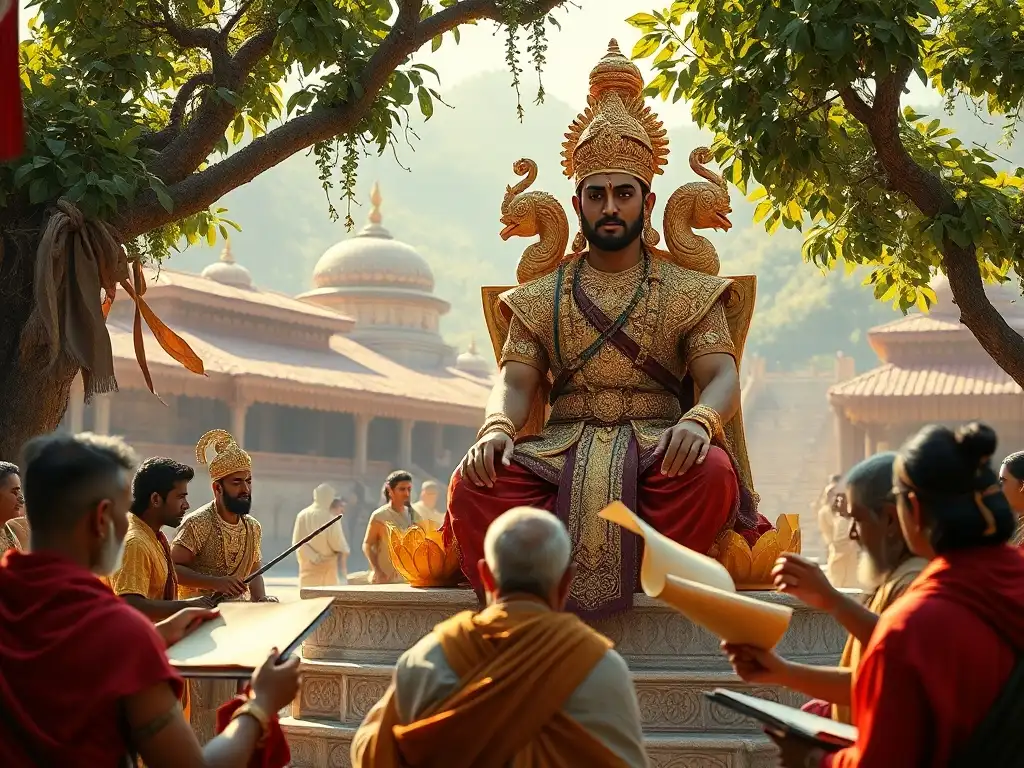
Chandragupta Maurya’s legacy is profound, leaving an indelible mark on the course of Indian history. His establishment of the Maurya Empire set a precedent for subsequent rulers, who admired and emulated his methods of governance and administration. The unification of the Indian subcontinent under his reign fostered an identity that transcended regional boundaries, promoting a sense of nationalism that would resonate through the ages.
The principles of governance and administration that Chandragupta introduced have influenced political thought in India for centuries. His legacy is not merely political; it encompasses social, economic, and cultural dimensions that shaped the Indian ethos. The Mauryan Empire’s emphasis on justice, ethical governance, and religious tolerance established a framework that many subsequent empires would adopt and adapt.
The Maurya Dynasty's Enduring Cultural Influence
The Maurya Dynasty, particularly during Chandragupta’s reign, played a pivotal role in shaping cultural identity in ancient India. This era witnessed the flourishing of art, architecture, and literature, much of which drew inspiration from the political stability and economic prosperity fostered by the Mauryan administration.
Chandragupta’s contributions to architecture, such as the construction of monumental stupas and palaces, laid the foundational aesthetic principles for later Indian art. The use of stone in sculpture and inscriptions during his time influenced subsequent artistic traditions, reflecting the cultural amalgamation that characterized the Mauryan period. The cultural impacts of this dynasty continue to resonate in modern India, where elements of Mauryan art and philosophy remain integral to the national heritage.
Historical Interpretations of Chandragupta's Impact
Historically, interpretations of Chandragupta Maurya's impact vary widely among scholars. Some view him as a visionary leader who unified India and established a model of governance that emphasized central authority and administrative efficiency. Others critique his methods, highlighting the militaristic and strategic means through which he achieved power and control.
However, contemporary historians increasingly recognize Chandragupta’s multifaceted contributions to Indian society. His ability to integrate various regional cultures and promote religious tolerance is often celebrated as a hallmark of his rule. Additionally, his role in the early development of political philosophy in India, particularly through Kautilya’s teachings, is acknowledged as foundational for the understanding of statecraft.
Modern Perceptions of Chandragupta Maurya's Contributions to Indian Culture
In modern times, Chandragupta Maurya is often regarded as a symbol of Indian nationalism and unity. His story has been romanticized in literature, film, and popular culture, portraying him as a heroic figure who overcame adversity to establish a vast empire. This portrayal serves to inspire contemporary discussions about leadership, resilience, and the importance of cultural heritage.
Moreover, the resurgence of interest in ancient Indian history has led to a reevaluation of Chandragupta's contributions to Indian culture. His emphasis on governance, social justice, and religious pluralism resonates with modern democratic ideals, making him a relevant figure in current socio-political discourse. The study of his legacy continues to influence how contemporary society perceives its ancient roots and cultural identity, ensuring that his impact on Indian culture remains enduring and significant.
Conclusion
The legacy of Chandragupta Maurya is deeply embedded in the fabric of Indian culture and society. His strategic prowess in unifying various Indian states under a centralized administration laid the groundwork for a prosperous and cohesive society. The principles of governance, administration, and military strategy that he established not only influenced his immediate successors but also resonated through subsequent generations. The cultural and societal frameworks he initiated continue to shape modern Indian identity, reflecting the enduring impact of his leadership.
Summary of Chandragupta Maurya's Lasting Cultural Impact
Chandragupta Maurya's influence on Indian culture is multifaceted. He is credited with establishing the Maurya Empire, which was marked by advancements in trade, art, and governance. His reign encouraged the flourishing of Buddhism and Jainism, enabling a rich cultural exchange that fostered a spirit of inquiry and philosophical thought. The introduction of a centralized administrative system under his rule set a precedent for future empires, emphasizing the importance of governance in maintaining societal order. Moreover, his patronage of the arts led to the development of unique architectural styles and literature, which are still celebrated today.
The cultural policies enacted during Chandragupta's reign facilitated the rise of a shared cultural identity that transcended regional boundaries. This sense of unity, alongside the promotion of trade and commerce, contributed to a vibrant economy, enhancing the quality of life for many. The Mauryan period, particularly under Chandragupta and his successor Ashoka, is often viewed as a golden age that laid the foundation for Indian civilization's rich tapestry.
Reflection on the Relevance of Chandragupta Maurya in Contemporary Society
In contemporary society, the lessons drawn from Chandragupta Maurya's life and achievements remain relevant. His emphasis on leadership, strategic thinking, and the importance of unity in diversity can inspire current leaders in navigating complex societal challenges. The principles of governance he championed can inform modern administrative practices, particularly in democratic frameworks where effective leadership is crucial.
Furthermore, his legacy underscores the significance of cultural heritage and the promotion of arts and philosophy. In a globalized world, where cultural identities often clash, the Mauryan emphasis on dialogue and coexistence serves as a reminder of the importance of understanding and respecting diverse perspectives. The enduring impact of Chandragupta Maurya thus provides valuable insights into building a cohesive society that embraces both tradition and modernity.
Further Reading on Chandragupta Maurya and Indian Culture
For those interested in delving deeper into the life and legacy of Chandragupta Maurya and his contributions to Indian culture, several resources are available. These materials provide a comprehensive understanding of the historical context, cultural developments, and the lasting impact of his reign.
Recommended Books and Articles
- "Chandragupta Maurya and the Birth of the Mauryan Empire" by Romila Thapar - This book offers an in-depth analysis of Chandragupta's rise to power and the establishment of the Mauryan Empire, exploring its cultural ramifications.
- "The Mauryan Empire: A Historical Overview" by R. C. Sharma: - This article provides a concise summary of the political and cultural aspects of the Mauryan Empire, highlighting Chandragupta's pivotal role.
- "Philosophy and Statecraft in Ancient India" by N. N. Bhattacharya - This work examines the philosophical underpinnings of Chandragupta's governance, providing insight into how these ideas shaped Indian political thought.
Online Resources for Exploring Chandragupta Maurya's Legacy
- The Ancient India Archive - A digital repository that features articles, primary sources, and studies related to ancient Indian history, including Chandragupta Maurya's impact.
- The Mauryan Empire: Insights and Analysis: - An online platform offering lectures, discussions, and research papers focused on the Mauryan period and its cultural significance.
- Online Courses on Ancient Indian History - Various educational platforms offer courses that explore the Mauryan Empire, including insights into Chandragupta Maurya's life and contributions.
These resources will enhance your understanding of Chandragupta Maurya's enduring influence on Indian culture and society, encouraging further exploration of this pivotal historical figure.
- Introduction to Chandragupta Maurya
- Chandragupta Maurya's Influence on Indian Culture
- Chandragupta Maurya's Impact on Society
- Legacy of Chandragupta Maurya in Indian History
- Conclusion
- Further Reading on Chandragupta Maurya and Indian Culture
- What was the significance of Chandragupta Maurya in Indian history?
- How did Chandragupta Maurya influence Indian culture?
- What were the key contributions of the Maurya Empire under Chandragupta?
- In what ways did Chandragupta Maurya's policies affect social structures?
- How did the Gupta Empire build upon Chandragupta Maurya's legacy?
Frequently Asked Questions
What was the significance of Chandragupta Maurya in Indian history?
Chandragupta Maurya was the founder of the Maurya Empire and played a crucial role in unifying ancient India, setting the stage for a cultural and political renaissance.
How did Chandragupta Maurya influence Indian culture?
His reign marked the beginning of significant cultural advancements, including art, architecture, and the promotion of Buddhism, leaving a lasting legacy on Indian society.
What were the key contributions of the Maurya Empire under Chandragupta?
The Maurya Empire introduced administrative innovations, established a network of roads, and encouraged trade, which greatly enhanced the economic and cultural development of the region.
His policies emphasized social unity and the importance of law and governance, which contributed to a more organized society and laid the groundwork for future Indian governance.
How did the Gupta Empire build upon Chandragupta Maurya's legacy?
The Gupta Empire, emerging later, drew inspiration from Mauryan principles, fostering an era of scientific, artistic, and philosophical achievements, demonstrating the enduring impact of Chandragupta Maurya's rule.
Final Reflection: The Lasting Legacy of Chandragupta Maurya on Indian Culture
Chandragupta Maurya's influence on Indian culture is not merely a historical footnote; it is a profound testament to the enduring power of visionary leadership and strategic governance. Today, as we navigate complex societal challenges, the principles established by Chandragupta resonate deeply, reminding us of the importance of unity, resilience, and the pursuit of a common good. His legacy serves as a beacon, illuminating the path for contemporary leaders and citizens alike.
Clearly, the impact of Chandragupta Maurya extends far beyond his reign; it continues to shape the cultural and social landscape of India. His establishment of a centralized state laid the groundwork for future governance and societal organization, fostering a sense of identity and belonging among diverse communities. A great leader is not just one who rules, but one who inspires a nation to rise together.
This quote encapsulates the essence of Chandragupta's legacy, emphasizing the importance of collective progress and the shared responsibility of citizens in shaping their society.
As we reflect on the lessons drawn from Chandragupta Maurya's life and leadership, let us embrace the call to action: to cultivate a culture of unity, respect, and collaboration in our own communities. Each of us holds the power to influence our surroundings positively, echoing the ideals of a great leader. Take a moment to consider how you can contribute to the legacy of unity and strength that Chandragupta Maurya championed, ensuring that his impact on Indian culture continues to thrive for generations to come.
Unveil the Legacy of Chandragupta Maurya!
Thank you for taking the time to explore the profound impact of Chandragupta Maurya on Indian culture and society. You’ve uncovered the layers of history that continue to influence our modern world. Now, let’s take the next step together to honor and further explore this incredible legacy.
Here are some engaging ways you can deepen your connection to this historical figure:
- Dive deeper into his life: Read books or articles that explore the reign of Chandragupta Maurya and his contributions to Indian unification and governance.
- Join a discussion group: Share your thoughts and insights on forums or social media platforms dedicated to ancient history, encouraging dialogue about Chandragupta’s relevance today.
- Visit a historic site: If possible, plan a visit to locations linked to the Mauryan Empire to witness history firsthand and gain a richer perspective.
As you reflect on these actions, ask yourself: How does the legacy of Chandragupta Maurya inspire you to contribute to your community or society today?