
The Political Philosophy of Chandragupta Maurya: Insights from Arthashastra

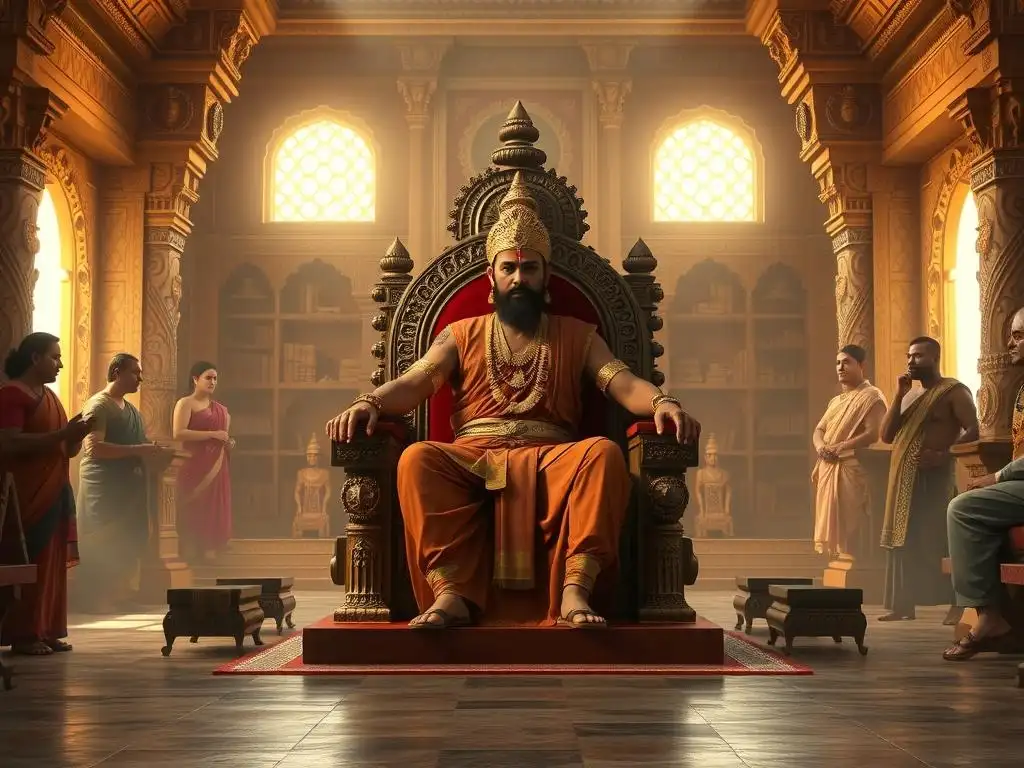
Welcome to Ancient India History, where we embark on a journey through the vibrant tapestry of one of the world's oldest civilizations. Here, you'll uncover the profound richness and diversity of ancient Indian cultures, from the enigmatic Indus Valley to the illustrious Gupta Empire. In this exploration, we delve into the political philosophy of Chandragupta Maurya, as revealed in the seminal text, the Arthashastra.
What insights can this ancient ruler’s thoughts provide us about governance and strategy? Prepare to be captivated as we unravel the layers of wisdom that have shaped political thought for centuries. Continue reading to discover the powerful legacy of Chandragupta Maurya and how it resonates through history!
Introduction to Chandragupta Maurya's Political Philosophy
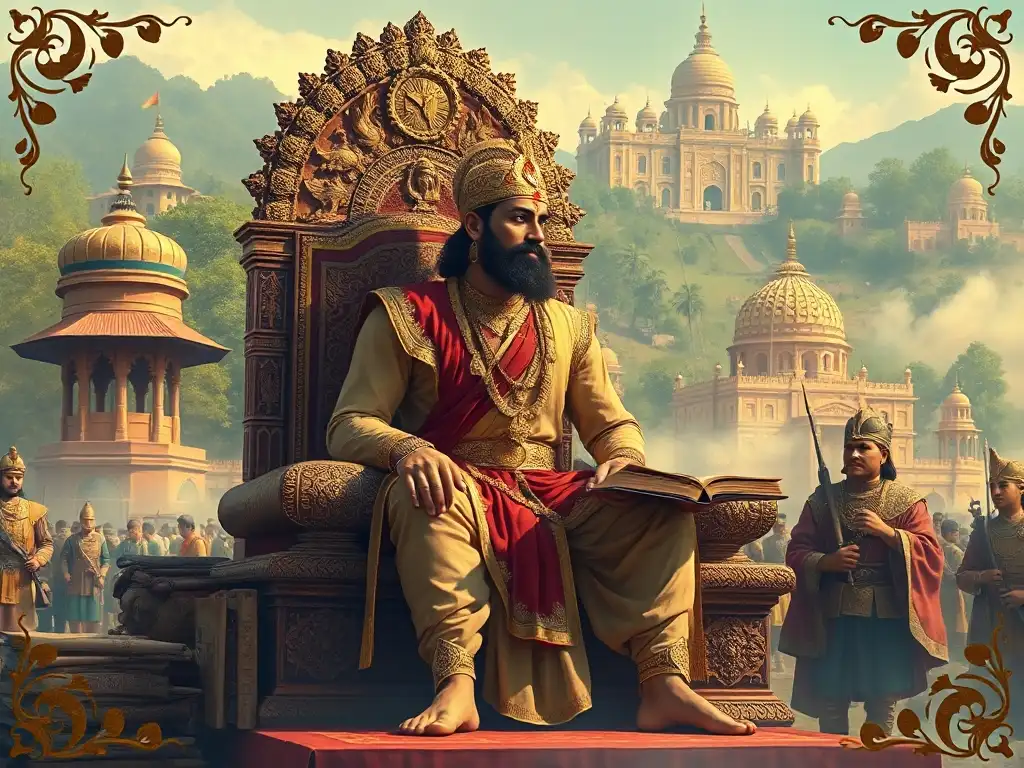
Chandragupta Maurya, the founder of the Maurya Empire in ancient India, stands as a towering figure in the annals of Indian history. His political philosophy, as detailed in the seminal text Arthashastra, provides profound insights into the governance, administration, and strategies that characterized his rule.
This article delves into the intricacies of Chandragupta Maurya's political thought, exploring how his insights not only shaped his empire but also influenced political theory in subsequent eras. By examining the key principles outlined in Arthashastra, we can better understand the foundations of his governance and the lasting impact of his ideas on Indian political philosophy.
Overview of Chandragupta Maurya's Significance in Ancient India
Chandragupta Maurya emerged as a pivotal figure during a tumultuous period in ancient India. Rising from modest beginnings, he united fragmented states and established one of the largest empires in Indian history. His reign marked a significant shift in political structures, moving from localized governance to a centralized state model.
- Key Achievements:
- Unification of India: Chandragupta played a crucial role in bringing together various kingdoms under a single administration.
- Establishment of the Maurya Empire: His empire laid the groundwork for a flourishing cultural and economic environment.
- Influence on Governance: The practices and philosophies developed during his time influenced future Indian states and rulers.
By integrating diverse cultures and managing vast territories, Chandragupta's contributions to ancient India remain a subject of admiration and study.
The Role of Arthashastra in Understanding Political Theories
Arthashastra, attributed to Kautilya (Chanakya), serves as a critical source for understanding the political philosophy of Chandragupta Maurya. This ancient treatise encompasses a wide range of topics, including statecraft, economics, military strategy, and law.
- Core Themes of Arthashastra:
- Realpolitik: The importance of pragmatism in governance and decision-making.
- Statecraft: Strategies for maintaining power and stability.
- Economic Management: Guidelines for managing resources and wealth.
The insights from Arthashastra not only reflect Chandragupta's political philosophy but also provide a framework for analyzing governance that resonates even in contemporary political discourse.
The Foundations of Chandragupta Maurya's Political Thought
Historical Context of Chandragupta Maurya's Rule
To fully appreciate Chandragupta Maurya's political philosophy, it is essential to consider the historical context of his rule. The period leading up to his ascension was marked by fragmentation and political instability.
- Challenges Faced:
- Regional Fragmentation: Various kingdoms were often at odds, leading to a lack of cohesive governance.
- Foreign Threats: Invasions and incursions from external powers necessitated a strong and unified response.
Chandragupta's ability to navigate these challenges and establish a stable empire speaks volumes about his political acumen and vision.
Key Influences on His Political Philosophy
Chandragupta's political philosophy was shaped by various influences, both ideological and practical, that informed his approach to governance.
- Kautilya's Teachings: The strategic and pragmatic guidance from Kautilya played a crucial role in shaping Chandragupta's policies.
- Cultural Context: The diverse socio-political landscape of ancient India also influenced his ideas, as he sought to integrate various cultures into a cohesive empire.
- Military Strategy: His experiences in warfare and diplomacy informed his understanding of power dynamics and statecraft.
The synthesis of these influences resulted in a robust political philosophy that emphasized strength, strategy, and the welfare of the state, which laid the groundwork for a prosperous Mauryan Empire.
Core Principles of Chandragupta Maurya's Political Philosophy
Chandragupta Maurya's political philosophy, as outlined in the Arthashastra, emphasizes a pragmatic and strategic approach to governance. His principles reflect a blend of ethical considerations and practical necessities, focusing on the effective management of the state to ensure stability and prosperity. Key components of his political ideology include the importance of a strong ruler, the necessity of law and order, and the role of the state in promoting economic welfare.
The foundation of his political thought is rooted in the concept of Dharma, which signifies righteousness and moral duty. However, Chandragupta also recognized that the complexities of governance often necessitate a flexible interpretation of Dharma, balancing ethical obligations with the harsh realities of political life. This nuanced understanding allowed him to advocate for a governance model that prioritizes the welfare of the state over rigid adherence to moral codes.
Chandragupta's approach is characterized by a clear acknowledgment of the interplay between power, ethics, and economics, setting the stage for a sophisticated and multifaceted strategy of rule that remains relevant in discussions of statecraft.
The Concept of Dharma in Governance
In the Arthashastra, Dharma is not merely a spiritual or ethical principle; it is a practical guideline for rulers. For Chandragupta, the concept of Dharma encompasses the responsibilities of the king to uphold justice, protect his subjects, and maintain order within the realm. He believed that a ruler must embody ethical conduct while also being shrewd enough to navigate the complexities of power dynamics.
The integration of Dharma into governance suggests that rulers should act in the best interests of their people, fostering loyalty and stability. By promoting justice and righteousness, a ruler enhances their legitimacy and strengthens their authority. However, Chandragupta also recognized that there are instances when strict adherence to Dharma may conflict with political necessity. Thus, he advocated for a balanced approach, where the ends could sometimes justify the means, provided that the ultimate goal is the welfare of the state.
Realpolitik: The Practical Approach to Statecraft
Chandragupta's political philosophy is often associated with Realpolitik—a practical and results-oriented approach to governance. He understood that the idealism of moral principles must be tempered by the realities of political life, where power struggles and conflicts are inevitable. His strategies reflect a keen awareness of the need for adaptability and pragmatism in statecraft.
In the Arthashastra, Chandragupta emphasizes the importance of being realistic about threats and opportunities. He advocates for a ruler to be both a lion and a fox: strong and assertive when necessary, yet cunning and strategic in dealing with adversaries. This duality allows a ruler to maintain control over their state while effectively managing relationships with other powers, whether through diplomacy or coercion.
Chandragupta’s Realpolitik is evident in his emphasis on intelligence gathering, strategic alliances, and careful planning, all designed to bolster the state's security and power. This approach underscores the idea that effective governance requires not only moral integrity but also the willingness to engage in calculated actions that may challenge conventional ethical norms.
The Importance of Economics in Political Strategy
Chandragupta Maurya’s political philosophy places significant emphasis on the role of economics as a cornerstone of statecraft. He understood that a prosperous economy is vital for maintaining power and stability within the state. The Arthashastra is replete with discussions about the management of resources, taxation, trade, and agriculture, illustrating his belief that economic strength underpins political authority.
He advocated for policies that promote economic development and wealth generation, recognizing that a well-fed and prosperous populace is less likely to revolt. Chandragupta emphasized the importance of state control over key economic activities, including trade regulation and resource extraction, to maximize revenue for the state.
Moreover, he identified the necessity of creating favorable conditions for commerce and trade as a means to enhance national wealth. By ensuring a stable economy, a ruler could foster loyalty among subjects and create a robust foundation for military and political endeavors.
Strategies for Maintaining Power According to Chandragupta
Chandragupta Maurya’s strategies for maintaining power reflect his comprehensive understanding of governance and statecraft. His methodologies are articulated in the Arthashastra, where he provides insights into the multifaceted approach required to sustain authority and ensure the longevity of the state.
The Role of Intelligence and Espionage in Governance
One of the hallmarks of Chandragupta's political strategy is the emphasis on intelligence and espionage. He believed that a ruler must be well-informed about both internal and external threats to maintain power effectively. The Arthashastra outlines the establishment of an extensive network of spies and informants, facilitating the collection of critical information that could influence decision-making.
Chandragupta advocated for the use of deception and subterfuge as tools of statecraft. By leveraging intelligence, a ruler could preemptively address threats, manipulate rivals, and control narratives. This focus on espionage underscores the importance of knowledge as a weapon in the arsenal of governance, allowing rulers to act decisively and with foresight.
Diplomatic Relations and Alliances
Chandragupta recognized the significance of diplomacy in maintaining power and securing the state. He articulated strategies for forming alliances and managing relationships with neighboring states, which could serve both as a buffer against potential aggressors and as a means to expand influence.
In the Arthashastra, he discusses the importance of negotiation and diplomacy, encouraging rulers to engage in both friendly and hostile relations judiciously. This includes forming strategic alliances through marriage, trade agreements, and mutual defense pacts, which could strengthen a ruler's position. By fostering cooperative relationships, Chandragupta aimed to create a network of allies that would support his political objectives and enhance the stability of his reign.
Military Strategy: Defense and Expansion
Military strategy is a critical component of Chandragupta's approach to maintaining power. His insights, as presented in the Arthashastra, emphasize the need for a well-organized and disciplined army capable of both defense and expansion. He believed that military strength is essential for safeguarding the state and asserting its influence over rivals.
Chandragupta advocated for a comprehensive military strategy that includes not just the training and equipping of troops but also the importance of logistics, supply chains, and fortifications. He understood that a king must be prepared for both offensive and defensive operations, employing tactics that could outmaneuver opponents.
Furthermore, he stressed the importance of maintaining morale among soldiers and ensuring their loyalty to the ruler. By fostering a strong military ethos and providing for the welfare of troops, a ruler could secure their allegiance and thereby enhance their own power and stability.
Ethical Considerations in Chandragupta Maurya's Governance
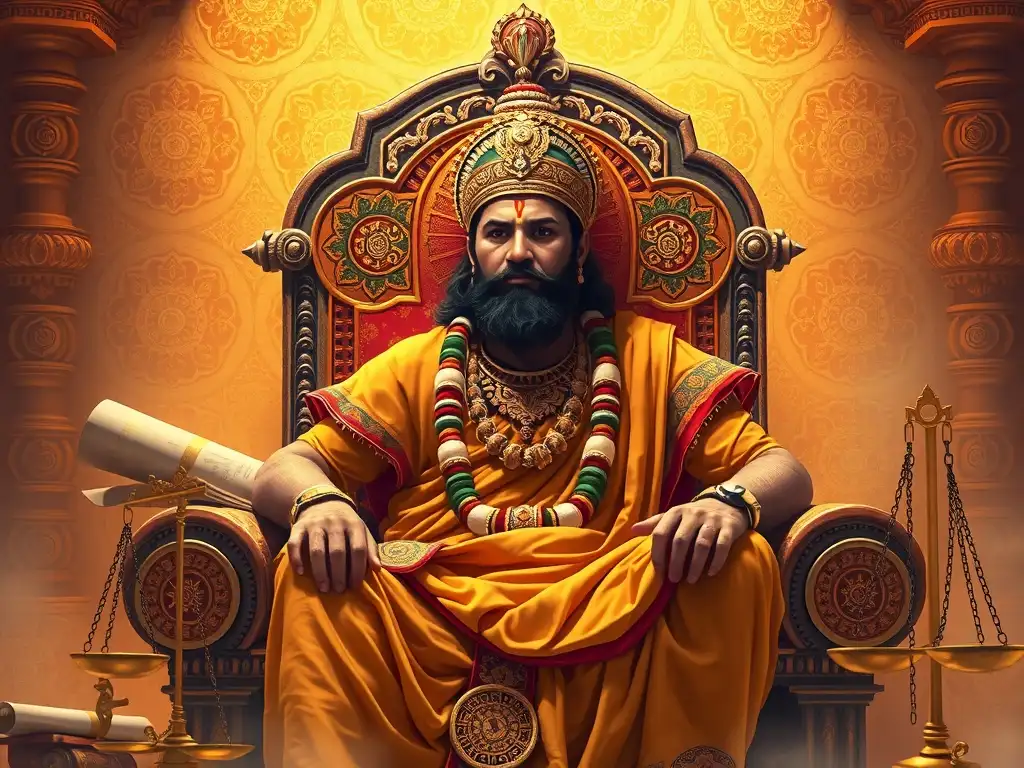
Chandragupta Maurya's governance, deeply influenced by the teachings of Kautilya in the Arthashastra, showcases a unique blend of power dynamics and ethical considerations. Kautilya emphasizes that a ruler must navigate the complex interplay between authority and morality, ensuring the stability of the state while adhering to certain ethical standards. This duality becomes crucial in understanding how Chandragupta managed his empire, balancing ruthless political strategies with the necessity of ethical governance.
One of the key aspects of Chandragupta’s political philosophy is his recognition that the ultimate goal of governance is to maintain order and security within the realm. This perspective indicates that while the ruler may resort to cunning and sometimes morally ambiguous tactics, the overarching aim is the welfare of the state. Thus, the ethical considerations in his governance often revolved around the greater good, even if it meant making difficult choices that could be deemed unethical in a narrower context.
Moreover, the Arthashastra articulates the idea that a ruler must be pragmatic. Chandragupta understood that the survival of the state often required difficult choices, including espionage, deception, and sometimes even violence. However, these actions were always justified with the intent of preserving the state's integrity and ensuring the prosperity of its citizens. This intricate balance reveals the nuanced ethical landscape navigated by Chandragupta Maurya, where the ends often justified the means in the realm of political philosophy.
The Balance Between Power and Morality
In Arthashastra, Kautilya posits that a successful ruler must wield power without succumbing to moral decay. Chandragupta Maurya exemplified this philosophy by demonstrating that effective governance requires a delicate equilibrium between power and morality. He understood that while moral principles are essential, they must not hinder the ruler’s ability to maintain control and ensure stability.
Chandragupta's reign was marked by strategic decisions that sometimes blurred the lines of morality. For instance, his alliance with Kautilya was not merely based on ideological agreement but rather on a shared understanding that the maintenance of power sometimes necessitates morally ambiguous actions. This approach allowed Chandragupta to consolidate his empire while ensuring that his authority was respected and feared.
However, this balance was not static; it evolved based on the needs of the state and its citizens. Chandragupta often opted for diplomatic solutions over violent confrontations when possible, reflecting an awareness of the importance of public perception and support. His ability to adjust his strategies while remaining grounded in ethical considerations showcases the complexity of his political philosophy.
The Welfare of the State and Its Citizens
The welfare of the state and its citizens was a cornerstone of Chandragupta Maurya's governance philosophy. He believed that the ultimate purpose of political power was to secure the well-being and prosperity of the populace. The Arthashastra emphasizes that a ruler's legitimacy derives from his ability to provide for the people, ensuring their safety, economic stability, and social order.
Chandragupta implemented various policies aimed at improving agricultural productivity, trade, and infrastructure, which directly benefited his subjects. He recognized that a content and prosperous populace would contribute to the stability of his rule. His emphasis on economic prosperity aligns with Kautilya's assertion that a ruler must prioritize the wealth of the state, as a strong economy underpins political power.
Furthermore, Chandragupta's focus on justice and law enforcement reflects his commitment to the welfare of his citizens. He established a system of governance where laws were enforced fairly, and justice was accessible. This approach not only reinforced his authority but also nurtured a sense of loyalty and trust among the people, creating a stable societal structure conducive to growth and development.
The Legacy of Chandragupta Maurya's Political Philosophy
Chandragupta Maurya's political philosophy has left an indelible mark on the political landscape of India and beyond. His insights, as articulated in the Arthashastra, continue to influence both ancient and modern governance models. The principles he championed—balancing power with ethical considerations and prioritizing the welfare of the state—remain relevant in contemporary political discourse.
Influence on Subsequent Indian Rulers
Chandragupta’s political philosophy set a precedent for subsequent Indian rulers, who sought to emulate his strategies for governance. His grandson, Ashoka the Great, famously adopted the principles of Dharma, which emphasized moral governance alongside the use of power. This shift illustrates how Chandragupta’s legacy influenced the evolution of political thought in India, particularly in the context of ethical governance.
Many later rulers drew from the Arthashastra, adapting its pragmatic approach to their unique political contexts. The text served as a foundational document for understanding statecraft and political ethics, guiding rulers in their decisions and strategies. The legacy of Chandragupta Maurya is evident in the way political leaders have historically navigated the complexities of power while striving for the welfare of their citizens.
Relevance of Arthashastra in Modern Political Thought
The relevance of the Arthashastra in modern political thought cannot be overstated. Its exploration of power dynamics, statecraft, and ethical governance resonates with contemporary political leaders and theorists. Many modern political strategies reflect the principles laid out by Kautilya, particularly in navigating the balance between ethics and pragmatism in governance.
In an era where political leaders face multifaceted challenges, the insights from Chandragupta's philosophy provide valuable lessons. The emphasis on the welfare of the state and its citizens, coupled with a realistic understanding of power, serves as a guide for modern governance. As political landscapes continue to evolve, the lessons from Chandragupta Maurya’s political philosophy and the Arthashastra remain pertinent, offering timeless wisdom for those in positions of authority.
Conclusion
The political philosophy of Chandragupta Maurya, as articulated in the Arthashastra, represents a profound understanding of governance, strategy, and statecraft that has resonated through the ages. This ancient text, attributed to the scholar Kautilya (Chanakya), not only shaped the Mauryan empire's administrative mechanisms but also laid the groundwork for future political thought in India and beyond.
Summarizing the Insights from Chandragupta Maurya's Political Philosophy
Chandragupta Maurya's political philosophy is centered around several key principles that demonstrate a pragmatic approach to rulership and governance. Among these insights are:
- Realpolitik and Pragmatism: Chandragupta emphasized the importance of pragmatic decision-making over idealistic notions of governance. His strategies were often rooted in real-world scenarios, prioritizing the stability and security of the state.
- Centralized Authority: His philosophy advocated for a strong central authority, believing that a well-structured administration was crucial for maintaining order and ensuring effective governance.
- Moral and Ethical Governance: While his strategies were practical, they were not devoid of ethical considerations. Chandragupta recognized the need for rulers to uphold dharma (moral law) to legitimize their rule and maintain the loyalty of the populace.
- Use of Intelligence and Espionage: A distinctive aspect of his political philosophy was the strategic use of intelligence. Chandragupta believed that information-gathering was vital for the survival of the state, enabling the ruler to anticipate threats and make informed decisions.
These insights collectively illustrate a sophisticated understanding of the complexities of governance, showcasing Chandragupta Maurya's ability to balance power, ethics, and strategy effectively.
The Lasting Impact of Arthashastra on Political Science
The Arthashastra has had a lasting influence on political science, both in India and across the globe. Its teachings have transcended time and geography, resonating with various political theories and practices. The lasting impact can be observed in several key areas:
- Foundational Text for Political Strategy: The text serves as one of the earliest comprehensive treatises on statecraft, influencing generations of leaders and scholars. Its discussions on governance, warfare, and diplomacy continue to be relevant in contemporary political discourse.
- Integration of Ethics with Governance: The Arthashastra’s focus on the moral responsibilities of rulers provides a framework that has been referenced in modern discussions about ethical leadership and governance. The balance between power and ethics remains a central theme in political philosophy today.
- Influence on Global Political Thought: Concepts introduced in the Arthashastra, such as realpolitik and strategic diplomacy, have found parallels in Western political theories, showcasing its universal relevance. The text's emphasis on intelligence and strategic planning can be seen mirrored in modern political strategies.
- Continued Academic Interest: Scholars continue to study the Arthashastra, analyzing its implications for contemporary political systems and exploring its historical context. This ongoing interest ensures that Chandragupta Maurya's political philosophy remains a vital part of political science education.
The political philosophy of Chandragupta Maurya, through the lens of the Arthashastra, offers invaluable insights into governance that are remarkably relevant even in today's political landscape. Its emphasis on pragmatism, ethics, and strategic foresight continues to inspire and inform political thought around the world.
- Introduction to Chandragupta Maurya's Political Philosophy
- The Foundations of Chandragupta Maurya's Political Thought
- Core Principles of Chandragupta Maurya's Political Philosophy
- Strategies for Maintaining Power According to Chandragupta
- Ethical Considerations in Chandragupta Maurya's Governance
- The Legacy of Chandragupta Maurya's Political Philosophy
- Conclusion
- What is Chandragupta Maurya's political philosophy based on?
- How did Chandragupta Maurya influence ancient Indian governance?
- What role did Kautilya play in Chandragupta Maurya's reign?
- How does the Arthashastra reflect the values of Chandragupta Maurya's political philosophy?
- Why is Chandragupta Maurya's political philosophy still relevant today?
Frequently Asked Questions
What is Chandragupta Maurya's political philosophy based on?
Chandragupta Maurya's political philosophy is primarily based on Kautilya's Arthashastra, which emphasizes realpolitik, statecraft, and the importance of strategic governance.
How did Chandragupta Maurya influence ancient Indian governance?
Chandragupta Maurya laid the foundation for a unified empire in India, promoting a centralized administration and implementing policies that fostered economic stability and military strength.
What role did Kautilya play in Chandragupta Maurya's reign?
Kautilya, also known as Chanakya, was a key advisor to Chandragupta Maurya and played a crucial role in shaping his political strategies and administrative reforms as outlined in the Arthashastra.
How does the Arthashastra reflect the values of Chandragupta Maurya's political philosophy?
The Arthashastra reflects a pragmatic approach to governance, focusing on power dynamics, diplomacy, and the need for a ruler to be shrewd and adaptable to maintain control and order in the state.
Why is Chandragupta Maurya's political philosophy still relevant today?
Chandragupta Maurya's political philosophy remains relevant as it addresses fundamental aspects of leadership, governance, and strategy, offering insights into managing complex political environments in contemporary times.
Final Reflection: The Enduring Legacy of Chandragupta Maurya's Political Philosophy
Chandragupta Maurya's political philosophy, as articulated in the Arthashastra, remains profoundly relevant in today's complex political landscape. The principles of statecraft, governance, and realpolitik that he espoused continue to resonate, reminding us that the foundations of effective leadership are timeless. In an era where political discourse often feels fragmented and polarized, revisiting the wisdom of ancient thinkers like Chandragupta offers a pathway to understanding the intricacies of power and governance.
The insights gleaned from the Arthashastra have not only shaped historical narratives but also continue to influence contemporary political thought and practice. The strategic acumen and pragmatic approach to governance that Chandragupta exemplified serve as a mirror reflecting the challenges faced by modern leaders. As we navigate the complexities of our own political environments, we can draw inspiration from his assertion that "the world's greatest ruler is one who knows how to govern himself." > This quote encapsulates the essence of self-awareness and discipline in leadership, highlighting the importance of personal integrity in the pursuit of political power.
As we conclude our exploration of Chandragupta Maurya's political philosophy, I invite you to reflect on how these ancient teachings can inform your own understanding of leadership and governance. Consider the principles of strategic thinking, ethical decision-making, and the balance of power in your daily life and interactions.
By internalizing these lessons, we can cultivate a more thoughtful and engaged citizenry, fostering a political culture that values wisdom and integrity in the pursuit of the common good. Let us carry forward the legacy of Chandragupta Maurya, applying his insights to create a more just and equitable society for future generations.
Unleash the Wisdom of Chandragupta Maurya!
Thank you for diving into the profound political philosophy of Chandragupta Maurya through the lens of Arthashastra! Your interest not only enriches your understanding but also ignites a journey into the strategies that shaped ancient governance. Now, let’s transform that knowledge into action!
Here’s what you can do next:
- Explore the Arthashastra: Delve deeper into this remarkable text—consider acquiring a copy or finding reputable online resources to fully grasp its teachings.
- Join the Conversation: Share your insights or questions in our community forums and connect with fellow history enthusiasts eager to discuss the relevance of Mauryan strategies in today's world.
- Reflect on Implementation: Think about how the principles of governance you’ve learned can be applied in your daily life, whether in personal decision-making or community involvement.
What modern challenges do you believe Chandragupta Maurya’s strategies could help us address today?