
How Ancient Texts in Sanskrit Inspire Today's Thinkers


Welcome to Ancient India History, where we embark on a captivating journey through the rich tapestry of India's past. Here, we delve into the profound influence of Sanskrit texts on modern thought, revealing how the wisdom of ancient scholars continues to resonate with today's thinkers. What secrets do these timeless scriptures hold that can transform our understanding of language and culture? Join us as we uncover the enduring legacy of ancient Indian civilizations, from the enigmatic Indus Valley to the illustrious Gupta Empire, and discover how their contributions shape our world today.
- Introduction to Sanskrit Texts and Their Influence on Modern Thought
- Historical Context of Sanskrit Texts
- Key Themes in Sanskrit Texts That Influence Modern Thought
- Thinkers and Scholars Inspired by Sanskrit Texts
- Comparative Analysis: Ancient Wisdom vs. Modern Perspectives
- The Role of Sanskrit in Shaping Cultural Narratives
- Conclusion: The Enduring Legacy of Sanskrit Texts
-
Frequently Asked Questions
- What are some key Sanskrit texts that influence modern thought?
- How do Sanskrit texts contribute to modern philosophy?
- In what ways have modern thinkers drawn from Sanskrit literature?
- What is the significance of the Bhagavad Gita in contemporary thought?
- Can you provide examples of how Sanskrit texts are taught today?
- Final Reflection: The Enduring Influence of Sanskrit Texts on Modern Thought
- Unleash the Wisdom of the Ancients!
Introduction to Sanskrit Texts and Their Influence on Modern Thought
Sanskrit, one of the oldest languages in the world, is not just a medium of ancient communication but a treasure trove of philosophical, scientific, and literary knowledge that continues to resonate in modern thought. The profound ideas encapsulated in ancient Sanskrit texts have influenced scholars, thinkers, and leaders across the globe, prompting a renaissance of interest in these works.
As we delve into the intricate relationship between Sanskrit texts and contemporary philosophy, we uncover how these ancient scriptures shape our understanding of ethics, science, spirituality, and culture. This exploration reveals the enduring legacy of ancient Indian civilizations, highlighting their remarkable contributions that transcend time and continue to inspire today's thinkers.
Understanding the Significance of Sanskrit Texts
Sanskrit texts, including the Vedas, Upanishads, and epics like the Mahabharata and Ramayana, are foundational to Indian philosophy and spirituality. Their significance lies in several key aspects:
- Philosophical Depth: These texts explore profound questions about existence, consciousness, and the nature of reality. For instance, the Upanishads introduce concepts such as Brahman (the ultimate reality) and Atman (the individual soul), which have influenced various philosophical traditions.
- Scientific Insight: Ancient Sanskrit literature contains insights into various fields such as mathematics, astronomy, and medicine. Texts like Aryabhatiya by Aryabhata laid the groundwork for modern mathematics and astronomy, demonstrating the scientific prowess of ancient Indian thinkers.
- Cultural Heritage: The narratives found in epic tales provide insights into the moral and ethical frameworks of ancient society. These stories not only entertain but also impart valuable life lessons, reinforcing social values and ethics that remain relevant today.
- Language and Linguistics: The structure and grammar of Sanskrit have significantly influenced many modern languages, serving as a foundation for linguistic development in South Asia and beyond.
Through these facets, Sanskrit texts serve as a bridge connecting ancient wisdom to contemporary issues, offering guidance and inspiration to modern thinkers.
Overview of Ancient Indian Civilizations and Their Contributions
Ancient Indian civilizations, from the Indus Valley to the Gupta Empire, have made remarkable contributions that shaped not only the Indian subcontinent but also the world.
- Indus Valley Civilization (c. 3300–1300 BCE): Renowned for its advanced urban planning and architecture, this civilization laid the groundwork for social organization and trade.
- Vedic Period (c. 1500–500 BCE): The emergence of the Vedas during this period marks a significant development in spiritual and philosophical thought, influencing religious practices and societal norms.
- Maurya Empire (c. 322–185 BCE): Under the leadership of Ashoka, the Maurya Empire promoted Buddhism and ethical governance, emphasizing non-violence and compassion, principles that resonate in modern humanitarian efforts.
- Gupta Empire (c. 320–550 CE): Often referred to as the "Golden Age" of India, this period witnessed significant advancements in arts, science, and literature. The contributions of scholars like Aryabhata in mathematics and Kalidasa in literature continue to influence contemporary thought and creativity.
The legacy of these civilizations is intricately woven into the fabric of global history, underscoring the relevance of Sanskrit texts as powerful sources of knowledge and inspiration in our modern world.
Historical Context of Sanskrit Texts
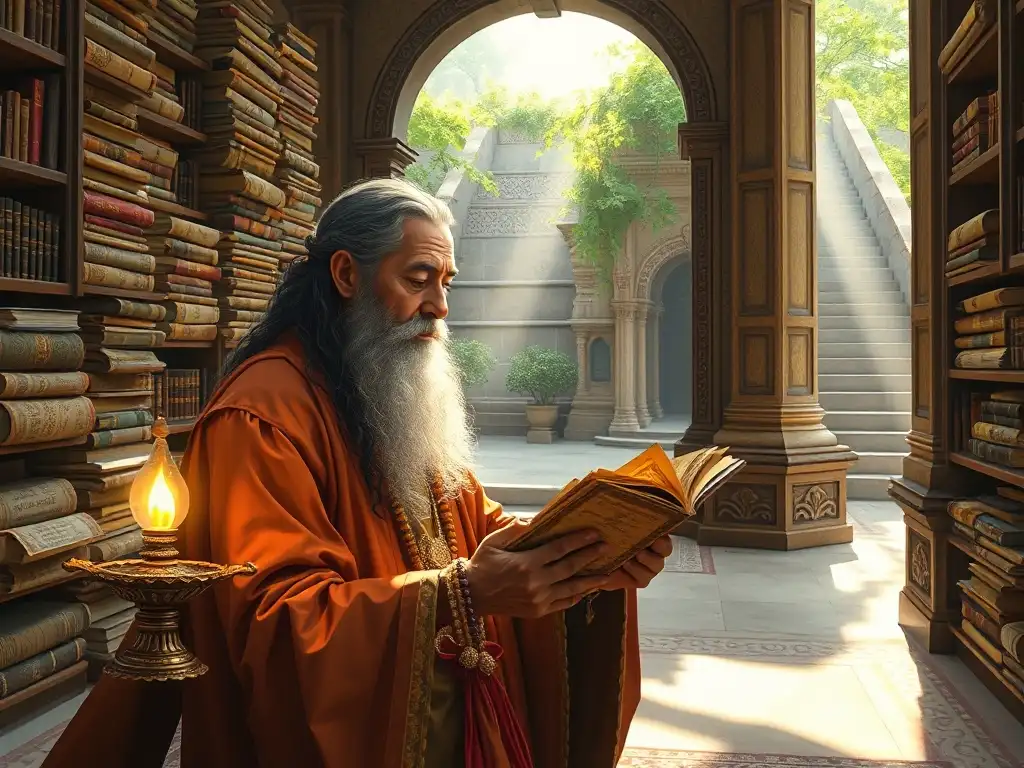
The historical context of Sanskrit texts is integral to understanding their influence on modern thought. Emerging in the early phases of Indian civilization, Sanskrit became the primary literary and scholarly language, encapsulating a vast array of knowledge across various fields, including philosophy, science, and spirituality. Its evolution reflects the sociopolitical and cultural transformations within ancient India, showcasing the language's adaptability and richness.
Origins and Development of the Sanskrit Language
Sanskrit is believed to have originated around 1500 BCE, rooted in the Indo-Aryan branch of the Indo-European language family. Its earliest forms can be traced back to the Vedic texts, which are some of the oldest sacred writings in human history. These texts, primarily composed in Vedic Sanskrit, laid the groundwork for the sophisticated grammatical system that would later evolve into Classical Sanskrit, formalized by the renowned grammarian Panini in the 5th century BCE.
Key Phases in Sanskrit Development:
- Vedic Period (1500 – 500 BCE)
- Emergence of Samhitas (collections of hymns) and Brahmanas (ritual texts).
- Oral transmission of texts, leading to precise phonetic accuracy.
- Classical Period (500 BCE – 1000 CE)
- Panini's Ashtadhyayi established the grammar of Classical Sanskrit.
- Flourishing of literature, including poetry, drama, and philosophical treatises.
- Medieval Period (1000 CE – 1800 CE)
- Continued influence in religious and philosophical texts.
- Growth of regional dialects and influences from other languages.
Sanskrit's structure, characterized by its extensive use of inflections, derivations, and compound words, has made it a model for linguistic study, influencing not only Indian languages but also shaping the understanding of language in the broader context of linguistics.
Major Sanskrit Texts and Their Philosophical Foundations
The major texts written in Sanskrit serve as pillars of Indian philosophy, spirituality, and science. They provide insight into the intellectual traditions that have shaped contemporary thought. Among these texts, several stand out for their profound philosophical contributions:
- Vedas
- The foundational scriptures of Hinduism, comprising four collections: Rigveda, Samaveda, Yajurveda, and Atharvaveda.
- They explore themes of cosmology, ethics, and the nature of existence.
- Upanishads
- Philosophical treatises that delve into metaphysical concepts like Brahman (the ultimate reality) and Atman (the self).
- Texts such as the Chandogya Upanishad and Brihadaranyaka Upanishad are critical in shaping ideas about consciousness and existence.
- Bhagavad Gita
- A dialogue between Lord Krishna and Arjuna, addressing moral dilemmas and the nature of duty (dharma).
- The Gita synthesizes various philosophical paths, including devotion, knowledge, and disciplined action.
- Puranas
- Texts that narrate ancient myths and legends, contributing to cultural and religious identity.
- The Bhagavata Purana and Vishnu Purana are significant for their discussions on cosmology and theology.
- Darshanas (Philosophical Systems)
- Six major schools of philosophy (Nyaya, Vaisheshika, Samkhya, Yoga, Mimamsa, and Vedanta) emerged, each providing diverse perspectives on epistemology and metaphysics.
- These texts have influenced not only Indian philosophical discourse but also modern philosophical thought globally.
The enduring legacy of these Sanskrit texts continues to resonate in contemporary discussions on ethics, metaphysics, and the nature of knowledge, illustrating their profound influence on modern thought. Their intricate philosophies encourage critical thinking and introspection, inspiring today's thinkers to explore fundamental questions about life, existence, and the universe.
Key Themes in Sanskrit Texts That Influence Modern Thought

Concepts of Dharma and Ethics in Contemporary Society
The theme of Dharma—often translated as duty, righteousness, or moral law—plays a pivotal role in Sanskrit texts, particularly in the Mahabharata and Bhagavad Gita. These texts emphasize the importance of ethical conduct and the responsibilities individuals hold within their society.
- Dharma in the Mahabharata: The epic illustrates various dilemmas where characters must navigate the complexities of right and wrong. For example, Arjuna's struggle on the battlefield, where he is counseled by Lord Krishna about his responsibilities as a warrior, resonates deeply with contemporary discussions on ethical decision-making and personal integrity.
- Modern Relevance: Today's thinkers and ethicists often reference these ancient teachings when addressing moral ambiguity in personal and professional life. The concepts of social responsibility and individual duty derived from these texts are foundational in fields such as law, business ethics, and environmental responsibility.
The influence of Dharma extends beyond individual behavior to societal norms, prompting discussions on justice, liberty, and equality in modern contexts.
The Role of Yoga and Meditation in Ancient Texts and Modern Practices
Sanskrit texts extensively detail practices of Yoga and Meditation, which have transcended their spiritual origins to become integral to contemporary wellness movements. The Yoga Sutras of Patanjali and the Upanishads articulate frameworks for mental discipline, self-realization, and holistic living.
- Historical Context: The Yoga Sutras emphasize the eight limbs of Yoga, which include ethical practices, postures, breath control, and meditation. These components are aimed at achieving inner peace and self-discovery.
- Adoption in Modern Society: In recent decades, the global rise of Yoga and mindfulness practices can be traced back to these ancient teachings. Many contemporary wellness programs have integrated principles from these texts, promoting mental health and emotional well-being.
- Scientific Validation: Modern research supports the benefits of Yoga and meditation, highlighting improvements in stress management, cognitive function, and overall health. This demonstrates how ancient practices continue to influence today's understanding of psychological and physical well-being.
Science and Mathematics in Sanskrit Literature: A Lasting Legacy
Sanskrit literature is rich with texts that explore science and mathematics, laying foundational principles that still resonate in modern disciplines. Works such as Aryabhata's Aryabhatiya and Brahmagupta's Brahmasphutasiddhanta showcase advanced mathematical concepts that have influenced global thought.
- Key Contributions:
- Zero and the Decimal System: Aryabhata introduced the concept of zero and positional notation, which revolutionized mathematics. This innovation is a cornerstone of modern numerical systems.
- Astronomy: Sanskrit texts detail astronomical calculations and theories that predate many Western discoveries, emphasizing the sophistication of ancient Indian science.
- Influence on Modern Science: The mathematical concepts and astronomical observations in Sanskrit texts have paved the way for contemporary scientific inquiry. Scholars in mathematics and physics often refer back to these ancient texts to understand the evolution of scientific thought.
The enduring impact of Sanskrit texts in the fields of science and mathematics demonstrates their relevance, showcasing how ancient wisdom continues to inform modern advancements and educational frameworks.
Thinkers and Scholars Inspired by Sanskrit Texts
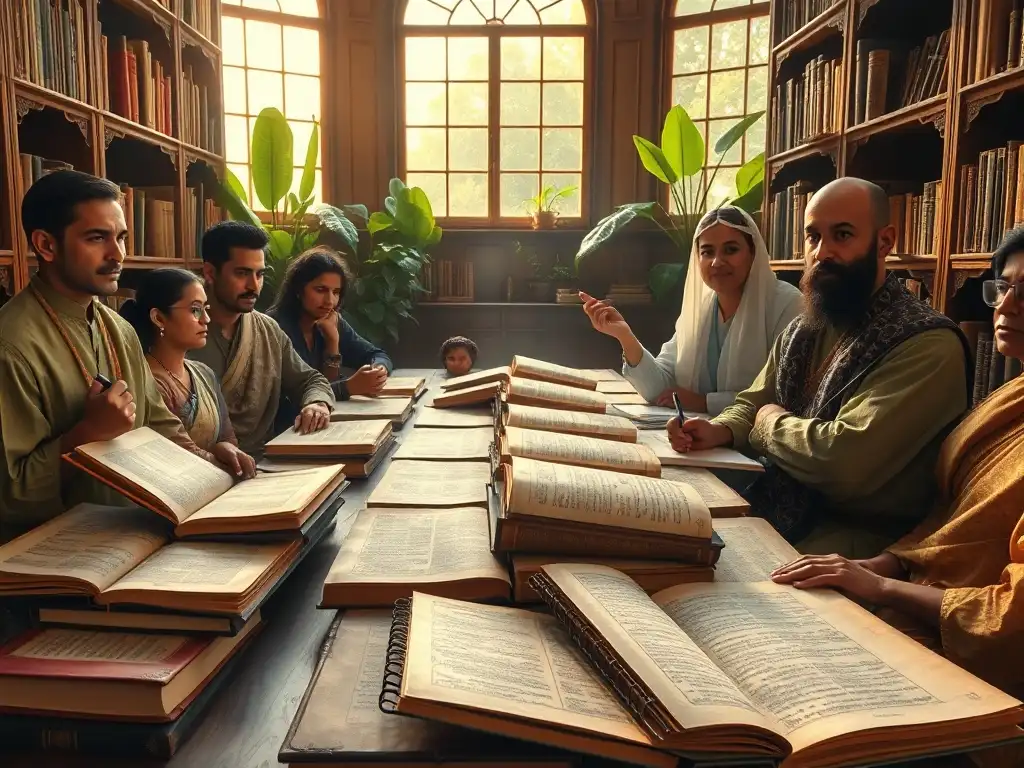
Influential Modern Philosophers and Their Interpretations of Sanskrit
The impact of Sanskrit texts on modern thought is profound, with numerous philosophers drawing inspiration from ancient scriptures. Thinkers such as Rudolf Steiner, Carl Jung, and Aldous Huxley have engaged deeply with Sanskrit literature, interpreting its teachings within contemporary frameworks.
- Rudolf Steiner: The founder of Anthroposophy, Steiner extensively explored the spiritual dimensions of ancient texts like the Bhagavad Gita. He emphasized the importance of consciousness evolution, articulating ideas of individual spiritual development and collective human destiny rooted in Sanskrit philosophy. His lectures often referenced Sanskrit terms to elucidate complex spiritual concepts.
- Carl Jung: The Swiss psychiatrist and psychoanalyst integrated elements of Eastern philosophy into his psychological theories. Jung viewed concepts from the Upanishads as significant in understanding the collective unconscious. He believed that the archetypes described in these texts could inform modern psychology's approach to identity and personal growth.
- Aldous Huxley: In his seminal work, The Perennial Philosophy, Huxley draws parallels between mystical experiences described in Sanskrit texts and those in other religious traditions. His interpretations highlight the universal truths found in these ancient writings, arguing that they offer insights into the human condition that transcend cultural boundaries.
These thinkers demonstrate how the philosophical richness of Sanskrit texts continues to resonate and inspire contemporary discourse, bridging ancient wisdom with modern existential questions.
Contributions of Eastern Thinkers to Western Philosophy
The dialogue between Eastern and Western philosophies has significantly advanced modern thought, with Sanskrit texts serving as a foundational element in this exchange. Key figures include Swami Vivekananda, Sri Aurobindo, and D.T. Suzuki, whose works have helped shape Western understanding of Eastern philosophies.
- Swami Vivekananda: A pivotal figure in introducing Hindu philosophy to the West, Vivekananda's speeches at the 1893 Parliament of the World's Religions in Chicago emphasized the relevance of Vedanta and the Bhagavad Gita. He articulated concepts of self-realization and universal brotherhood, profoundly influencing Western spiritual movements and thought leaders.
- Sri Aurobindo: A philosopher and yogi, Aurobindo's writings explored the integration of Eastern and Western philosophies. His concept of Supermind, as articulated in works like The Life Divine, presents a synthesis of spiritual evolution and modern scientific thought, encouraging a holistic understanding of consciousness that resonates with contemporary philosophical inquiries.
- D.T. Suzuki: As a Japanese Zen Buddhist scholar, Suzuki played a crucial role in interpreting Zen Buddhism for Western audiences. His insights into mindfulness and the nature of reality, influenced by Sanskrit philosophical concepts, have permeated various fields, including psychology, art, and literature, fostering a deeper appreciation for Eastern thought in the West.
The contributions of these Eastern thinkers illustrate the enduring relevance of Sanskrit texts in shaping modern philosophical discourse, demonstrating that ancient wisdom continues to inform and challenge contemporary perspectives.
Comparative Analysis: Ancient Wisdom vs. Modern Perspectives
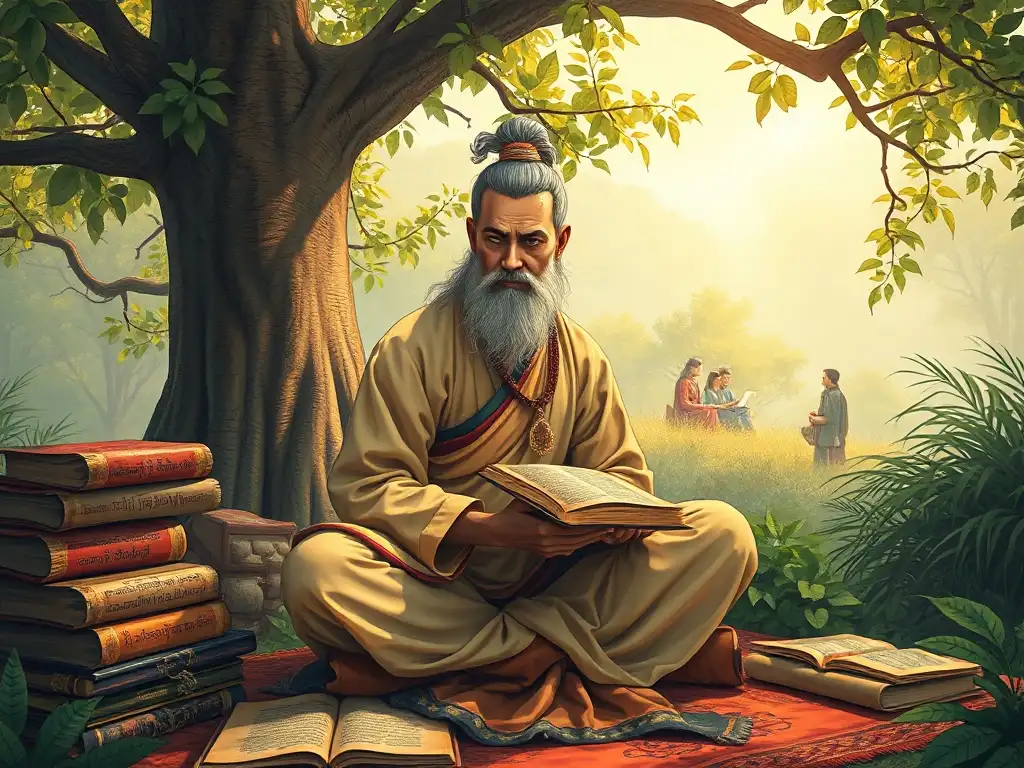
Similarities between Ancient Sanskrit Philosophy and Modern Thought
Ancient Sanskrit texts, particularly those from the Vedic and Upanishadic traditions, have significantly influenced modern philosophical discourse. One of the most striking similarities lies in the concept of interconnectedness. Ancient philosophers like Adi Shankaracharya emphasized the oneness of existence through the principle of Advaita Vedanta, which posits that individual consciousness is fundamentally the same as universal consciousness. This notion resonates with contemporary discussions in fields such as ecology and systems theory, where the interdependence of all life forms is a key focus.
Moreover, the ethical frameworks found in texts like the Bhagavad Gita are remarkably aligned with modern ethical thought. The Gita's principles of duty ( dharma) and the importance of intention behind actions are echoed in contemporary moral philosophy, especially in discussions around utilitarianism and deontological ethics. The idea that one's actions should align with a greater good is a theme that transcends time, providing a bridge between ancient and modern ethical considerations.
In addition, the exploration of mindfulness and meditation in ancient texts has gained immense traction in the modern wellness movement. Practices derived from Sanskrit literature, such as yoga and meditation, are now recognized for their psychological and physiological benefits. This alignment highlights a shared understanding of the importance of mental well-being, making ancient practices relevant in today's fast-paced world.
Contrasts between Traditional Sanskrit Ideas and Contemporary Views
Despite the numerous similarities, there are notable contrasts between traditional Sanskrit ideas and contemporary perspectives. One significant difference is the metaphysical orientation of ancient texts compared to the empirical focus of modern thought. Sanskrit philosophy often engages with metaphysical concepts such as Brahman (the ultimate reality) and Maya (illusion), suggesting a reality that transcends the physical world. In contrast, modern philosophical discourse, particularly in Western thought, leans heavily on empirical evidence and rationality, often dismissing metaphysical claims as unverifiable.
Another area of divergence is the attitude towards knowledge and authority. In many ancient Sanskrit texts, knowledge is often seen as hierarchical and transmitted through a lineage of gurus and shishyas (students). The reverence for authority figures in these texts contrasts sharply with modern democratic ideals that advocate for egalitarian access to knowledge. Today, the emphasis is on individual inquiry and critical thinking, where knowledge is not confined to elite scholars but accessible to all.
Additionally, the role of gender in ancient Sanskrit literature presents a stark contrast to contemporary views on gender equality. Many Sanskrit texts reflect patriarchal structures and often depict women in traditional roles. Modern thought, particularly in feminist discourse, challenges these representations and advocates for a more inclusive understanding of gender roles, emphasizing equality and empowerment.
While ancient Sanskrit texts provide a wealth of wisdom that continues to inspire modern thinkers, the contrasts in metaphysical beliefs, knowledge transmission, and gender roles reveal the evolving nature of thought across time. Understanding these similarities and contrasts enhances our appreciation of how Sanskrit texts influence modern thought and encourages a dialogue between ancient wisdom and contemporary perspectives.
The Role of Sanskrit in Shaping Cultural Narratives
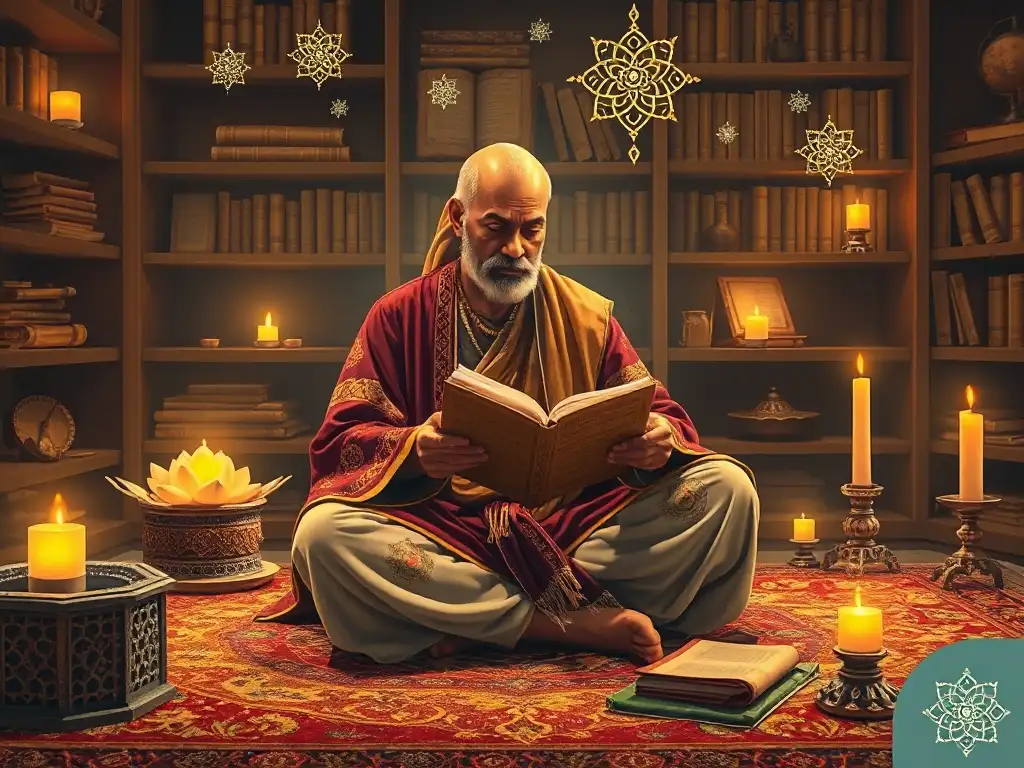
Sanskrit, often referred to as the mother of many modern Indian languages, has played a pivotal role in shaping the cultural narratives of ancient India. Its extensive use in religious texts, philosophical treatises, and epics has significantly influenced the thought processes and artistic expressions of subsequent generations.
Sanskrit Texts and Their Influence on Literature and Arts
Sanskrit literature boasts a rich tapestry of genres, including poetry, drama, and prose, which has left an indelible mark on both Indian and global literary traditions. Key texts, such as the Mahabharata and Ramayana, not only narrate epic tales but also embed profound philosophical and ethical lessons that resonate with contemporary values.
- Epic Poetry: The narrative techniques and character development found in these epics laid the groundwork for storytelling traditions across cultures. For instance:
- The concept of dharma (duty) explored in the Bhagavad Gita continues to inspire modern thought regarding moral and ethical responsibilities.
- The use of allegory and metaphor in Sanskrit poetry has influenced modern poets, who often draw upon these ancient techniques.
- Drama and Performance: Classical Sanskrit dramas, such as those by Kalidasa, have enriched the fields of theater and performance art. The themes of love, nature, and human emotion explored in works like Shakuntala remain pertinent today, showcasing the timeless nature of Sanskrit narratives.
- Visual Arts: The influence of Sanskrit texts extends into visual arts, where depictions of scenes from the Mahabharata or Ramayana can be seen in ancient sculptures and paintings. This interplay between text and visual representation has inspired countless artists and continues to shape artistic expression in India and beyond.
The enduring legacy of Sanskrit literature is not merely historical; it actively informs and molds contemporary artistic practices, allowing for a continual dialogue between the past and present.
The Impact of Sanskrit on Language Development and Linguistics
The influence of Sanskrit extends beyond literary and artistic realms into the very foundations of linguistic development. As one of the oldest languages still in scholarly use, Sanskrit has contributed significantly to the evolution of several languages, both within and outside India.
- Linguistic Structure: The grammatical framework of Sanskrit, as codified by Pāṇini in the Ashtadhyayi, has provided a model for linguistic analysis. His detailed studies on phonetics and syntax laid the groundwork for modern linguistic theories. Notably:
- The concept of morphological richness in Sanskrit has inspired linguistic research worldwide, influencing the study of inflection in languages like Latin and Greek.
- Lexical Borrowing: Many Indo-European languages have borrowed heavily from Sanskrit, including terms in science, mathematics, and philosophy. For instance, words like "zero" (from śūnya) and "algebra" (from jabr) illustrate the profound impact of Sanskrit on modern vocabulary.
- Cognitive Linguistics: The philosophical underpinnings of Sanskrit texts have also sparked interest in cognitive linguistics, particularly regarding how language shapes thought. The exploration of concepts like Saṃkhya (enumeration) and Yoga (union) has inspired contemporary debates on the relationship between language and cognition.
Sanskrit's influence on language development and linguistics is profound and multifaceted, providing insights into the nature of language itself while also enriching modern thought. As scholars continue to explore these ancient texts, their relevance to contemporary issues remains a testament to the enduring power of Sanskrit in shaping intellectual discourse.
Conclusion: The Enduring Legacy of Sanskrit Texts

Sanskrit texts have not only stood the test of time but also continue to influence modern thought in profound ways. The wisdom encapsulated in these ancient works has been a source of inspiration for philosophers, scientists, and thinkers across various disciplines. Their exploration of concepts such as ethics, governance, metaphysics, and human behavior remains relevant in contemporary discussions, emphasizing the timeless nature of the ideas contained within.
The enduring legacy of Sanskrit literature is reflected in the way it shapes cultural narratives and educational paradigms today. From the Vedas to the Upanishads, and from the Mahabharata to the Ramayana, these texts provide foundational insights into human existence and societal structures. As we delve deeper into the implications of these texts, it becomes clear that they offer not only historical significance but also practical guidance for modern living.
Reflections on the Continued Relevance of Ancient Wisdom
The relevance of ancient Sanskrit texts in modern contexts can be seen in various fields, including philosophy, psychology, and ethics. For instance, the concept of Dharma from the Mahabharata serves as a moral compass that resonates with contemporary discussions on ethics and justice. It encourages individuals to navigate complex moral landscapes, promoting a balance between personal duty and societal responsibilities.
Moreover, texts like the Yoga Sutras of Patanjali have gained immense popularity in today's wellness and self-improvement movements. The principles outlined in these scriptures are frequently incorporated into modern psychological practices, emphasizing mindfulness, meditation, and mental well-being. This integration illustrates how ancient wisdom continues to inform modern methodologies and therapeutic approaches.
In addition, the scientific contributions found within texts such as the Aryabhatiya by Aryabhata reveal advanced mathematical concepts and astronomical observations that predate many Western discoveries. This not only showcases the intellectual prowess of ancient Indian scholars but also invites contemporary scientists to revisit these texts for inspiration and insight into modern scientific challenges.
Future Directions for Research on Sanskrit Texts and Modern Thought
As interest in the influence of Sanskrit texts on modern thought grows, several promising directions for future research emerge. Scholars can explore:
- Interdisciplinary Studies: Combining insights from fields such as cognitive science, linguistics, and anthropology to uncover how the philosophical ideas in Sanskrit texts can inform contemporary theories of mind and behavior.
- Comparative Literature: Analyzing parallels between Sanskrit texts and other ancient literatures, such as Greek or Chinese, to understand universal themes and their implications for modern philosophical discourse.
- Cultural Studies: Investigating how the teachings of Sanskrit texts influence cultural practices and societal norms in contemporary Indian society and the diaspora.
- Digital Humanities: Utilizing technology to digitize, annotate, and analyze Sanskrit texts, making them more accessible for global audiences and fostering collaborative studies that transcend geographical boundaries.
The exploration of Sanskrit texts and their influence on modern thought is not only a scholarly pursuit but also a journey toward rediscovering the rich intellectual heritage of ancient India. As we continue to reflect on and engage with these texts, their capacity to inspire and inform future generations remains a testament to their enduring legacy.
Frequently Asked Questions
What are some key Sanskrit texts that influence modern thought?
Several ancient Sanskrit texts such as the Vedas, Upanishads, and Bhagavad Gita have profoundly influenced philosophy, literature, and spirituality in contemporary society.
How do Sanskrit texts contribute to modern philosophy?
Sanskrit texts offer insights into concepts like dharma (duty/righteousness) and moksha (liberation), which continue to shape ethical discussions and philosophical frameworks in today's world.
In what ways have modern thinkers drawn from Sanskrit literature?
Many modern thinkers have referenced Sanskrit literature to explore themes of humanity, consciousness, and existence, enriching their theories and ideas with ancient wisdom.
What is the significance of the Bhagavad Gita in contemporary thought?
The Bhagavad Gita is often cited for its timeless teachings on decision-making, selflessness, and the nature of reality, influencing leaders and thinkers across various fields.
Can you provide examples of how Sanskrit texts are taught today?
Sanskrit texts are studied in universities, philosophy courses, and yoga programs, where they are used to enhance understanding of cultural heritage and promote critical thinking in modern contexts.
Final Reflection: The Enduring Influence of Sanskrit Texts on Modern Thought
In an age where rapid technological advancements often overshadow the wisdom of the past, the profound insights found in ancient Sanskrit texts remain remarkably relevant today. These texts not only offer a glimpse into the philosophical and spiritual foundations of human thought but also challenge contemporary thinkers to engage with timeless questions about existence, morality, and the nature of reality. The resonance of these ancient writings serves as a powerful reminder that the quest for knowledge is a continuum, bridging the past with the present in ways that can inspire transformative ideas.
The influence of Sanskrit texts on our cultural and social landscape is undeniable, as they continue to shape the perspectives of modern thinkers across various disciplines. These ancient scriptures invite us to explore the depths of consciousness and the interconnectedness of all beings. Their teachings encourage a holistic understanding of life that transcends the boundaries of time and culture. As the philosopher Aldous Huxley once said, The great man is he who does not lose his child's heart.
This sentiment echoes the essence of Sanskrit literature, which invites us to retain our curiosity and wonder as we navigate the complexities of modern existence.
As we reflect on the lessons embedded within these ancient texts, I invite you to consider how their wisdom can be applied in your own life. Take a moment to explore the teachings of Sanskrit literature and allow them to inspire your thoughts and actions.
Whether through meditation, philosophical inquiry, or simply embracing a more mindful approach to daily challenges, let the timeless insights of these texts guide you toward a deeper understanding of yourself and the world around you. The journey of integrating ancient wisdom into modern thought is not just an academic pursuit; it is a path toward personal growth and enlightenment that can enrich our lives today and for generations to come.
Unleash the Wisdom of the Ancients!
Thank you for diving into the fascinating world of ancient Sanskrit texts! Your exploration has equipped you with valuable insights that bridge the wisdom of the past with contemporary thought. Now, it's time to take these ideas further and truly engage with this rich heritage.
Here’s how you can connect with this knowledge:
- Explore a specific ancient text that intrigues you—consider starting with the Bhagavad Gita or the Upanishads and reflect on their relevance in your life today.
- Share your discoveries with friends and family. Start a discussion group or book club focused on ancient philosophies and their impact on modern thinking.
- Join online communities or forums that delve into Sanskrit literature—connect with fellow enthusiasts to exchange insights, interpretations, and applications of these timeless teachings.
What ancient wisdom resonates most with your personal journey, and how do you envision applying it to today’s challenges?