
From Texts to Traditions: The Oral Legacy of Prakrit and Pali

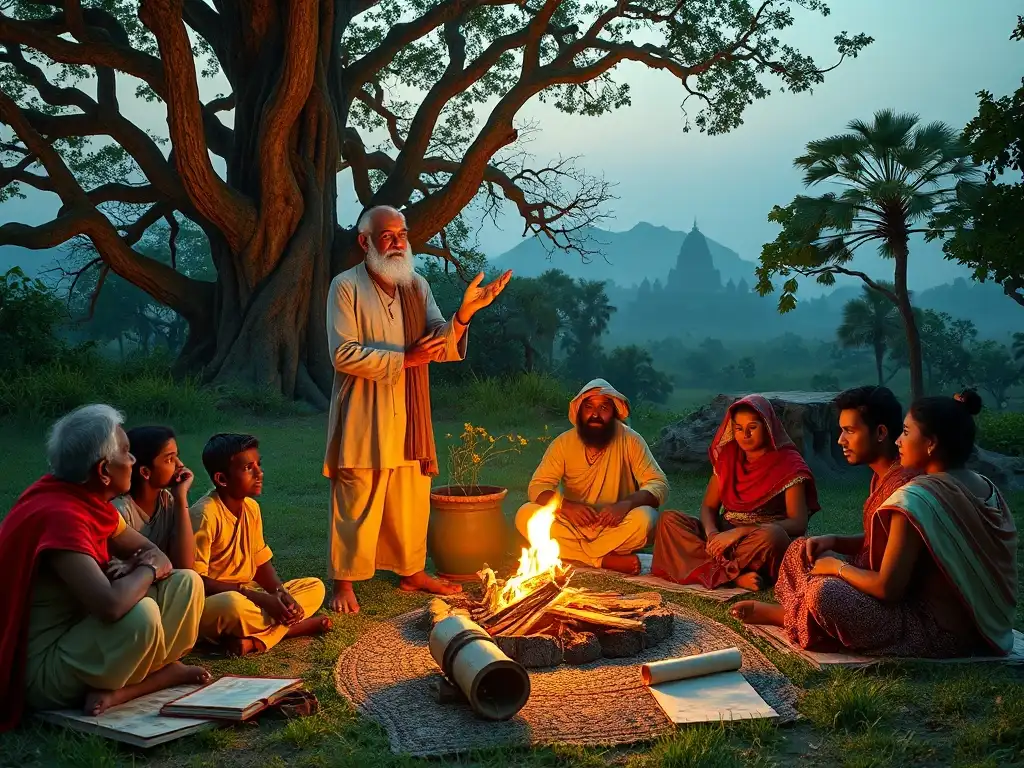
Welcome to Ancient India History, where we embark on an enlightening journey through the vibrant tapestry of India's past. Here, we delve into the rich oral traditions of ancient India, a captivating aspect that shaped its diverse cultures and civilizations. In our featured article, "From Texts to Traditions: The Oral Legacy of Prakrit and Pali," we uncover the profound impact of storytelling and language on societal values and historical narratives.
Prepare to be intrigued as we explore how these timeless traditions continue to resonate today, inviting you to discover more about the legacies that have defined a civilization. Let the exploration begin!
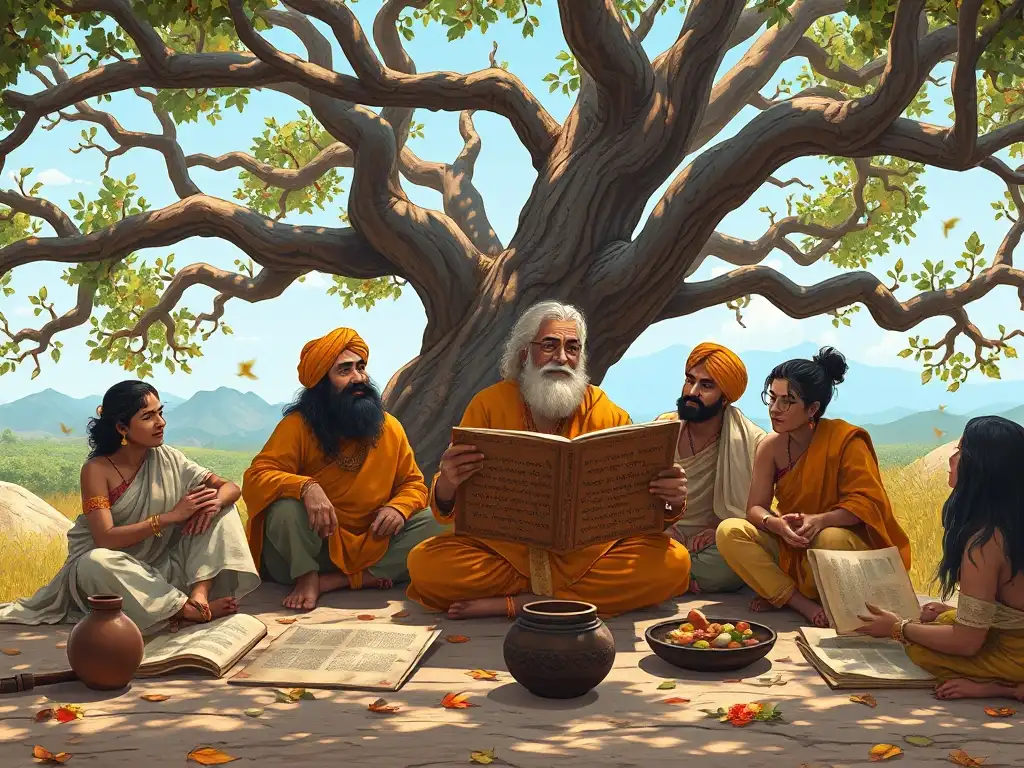
The oral traditions of ancient India represent a vital aspect of its rich cultural tapestry, serving as a bridge between the past and present. Among these traditions, the languages of Prakrit and Pali hold a significant place, illuminating the ways in which stories, teachings, and cultural values were transmitted through generations.
By examining the oral legacy of these languages, we can gain insights into the beliefs, practices, and societal structures of ancient Indian civilizations. This article delves into the nuances of these languages, their historical contexts, and their profound impact on the oral traditions of ancient India, ultimately revealing how they shaped the collective identity of its people.
Introduction to Oral Traditions of Ancient India
Oral traditions are the bedrock of many ancient cultures, encapsulating history, folklore, and wisdom in a form that transcends time. In ancient India, these traditions were not merely a means of storytelling; they were essential to the preservation of knowledge and the reinforcement of cultural identity. The repertoire of oral narratives included religious texts, epics, and local folklore, all of which were passed down through generations in various dialects and languages.
Overview of Oral Traditions in Ancient Civilizations
- Cultural Transmission: Oral traditions facilitated the transmission of culture, values, and knowledge without reliance on written texts.
- Community Identity: These traditions helped forge a sense of belonging and community among different groups, fostering unity through shared stories.
- Adaptability: The oral nature of these traditions allowed for flexibility in storytelling, adapting to different audiences and contexts.
Importance of Language in Oral History
Language plays a pivotal role in shaping oral history, as it serves not only as a medium of communication but also as a vessel of cultural meaning.
- Preservation of Dialects: The use of various dialects within oral traditions allowed for the preservation of regional identities.
- Expression of Values: Language encapsulated the morals, beliefs, and teachings of a culture, often reflected through proverbs and parables.
- Connection to the Past: Oral histories often retain archaic forms of language, providing a direct link to the linguistic roots of a society.
Understanding Prakrit and Pali Languages
The languages of Prakrit and Pali are fundamental in understanding the oral traditions of ancient India. These languages were not only spoken but also served as literary mediums that enriched the cultural landscape of the time.
Definition and Historical Context of Prakrit
Prakrit refers to a group of Middle Indo-Aryan languages that emerged as vernaculars around the 3rd century BCE.
- Linguistic Evolution: Prakrit evolved from Sanskrit and was used by various social strata, making it accessible to the common people.
- Literary Contributions: Significant texts, such as the Jain Agamas and Buddhist scriptures, were composed in Prakrit, reflecting its importance in religious and philosophical discourse.
Definition and Historical Context of Pali
Pali is a Middle Indo-Aryan language closely associated with the teachings of Buddhism.
- Canonical Language of Buddhism: Pali serves as the liturgical language of Theravada Buddhism, preserving the teachings of the Buddha in texts such as the Tipitaka.
- Cultural Significance: The use of Pali in various religious contexts has cemented its role as a language of spiritual and philosophical significance.
The Role of Prakrit and Pali in Ancient Indian Society
Both Prakrit and Pali played crucial roles in shaping ancient Indian society through their contribution to literature, philosophy, and religion.
- Literature and Philosophy: These languages facilitated the creation of a rich literary tradition that contributed to the philosophical discourse in ancient India.
- Religious Practices: In religious settings, the use of Prakrit and Pali allowed for the dissemination of teachings among the lay community, promoting inclusivity in spiritual practices.
- Cultural Identity: By embodying the spoken language of the people, Prakrit and Pali helped forge a collective identity that resonated with various communities across ancient India.
In exploring the oral legacy of Prakrit and Pali, we uncover a tapestry of interconnected stories, beliefs, and cultural practices that have significantly influenced the historical narrative of ancient India.
The Significance of Oral Traditions in Ancient India
Oral traditions played a pivotal role in the cultural and historical framework of ancient India. These traditions not only served as a method of communication but also as a means of preserving the rich heritage of diverse civilizations. The oral legacy, particularly in languages such as Prakrit and Pali, was crucial for passing down knowledge, beliefs, and practices from one generation to the next. This was especially important in a society where literacy rates were low, and the majority of the population relied on spoken word as their primary mode of disseminating information.
The significance of oral traditions is underscored by their ability to adapt and evolve. They were dynamic, allowing for the inclusion of contemporary issues and local nuances while maintaining core cultural themes. This adaptability helped to preserve cultural identity amidst changing social and political landscapes. As a result, oral traditions became a living repository of history, philosophy, and morality, influencing various aspects of life, including religion, art, and community bonding.
Oral Traditions as a Means of Cultural Preservation
In ancient India, oral traditions served as a vital mechanism for cultural preservation. They encompassed a range of practices, including storytelling, songs, and chants that encapsulated the values, norms, and historical narratives of communities. This form of transmission allowed for the retention of local dialects and regional variations of languages like Prakrit and Pali, which were crucial in maintaining the cultural specificity of diverse groups.
One of the most significant aspects of oral traditions is their intergenerational continuity. Elders in communities often took on the role of storytellers, passing down knowledge to younger generations through engaging narratives. This not only preserved the content but also fostered a sense of belonging and cultural pride among listeners. The communal nature of oral storytelling further cemented social bonds and contributed to the collective memory of the society.
Transmission of Knowledge Through Oral Narratives
Oral narratives were essential for the transmission of knowledge in ancient India. These narratives often included myths, legends, and historical accounts that conveyed moral lessons, philosophical ideas, and practical knowledge. The use of mnemonic devices, such as rhyme and rhythm, helped in the memorization of complex information, making it accessible to an audience that may not have been literate.
Additionally, oral narratives served as a vehicle for the dissemination of religious texts and spiritual teachings, particularly in the context of Buddhism and Jainism. The teachings of the Buddha, for instance, were initially preserved through oral transmission before being compiled into written texts. This method ensured that the essence of the teachings remained intact, reflecting the values and beliefs of the time.
The Relationship Between Oral and Written Traditions
The relationship between oral and written traditions in ancient India is complex and interdependent. While written texts, such as the scriptures in Pali and Prakrit, provided a more permanent record of knowledge, oral traditions continued to play a crucial role in the everyday lives of people. Written texts often drew upon the rich reservoir of oral narratives, illustrating how these two forms of tradition complemented each other.
The transition from oral to written traditions also brought about changes in the way knowledge was perceived and transmitted. While written texts offered accessibility and preservation, oral traditions maintained a degree of fluidity, allowing for reinterpretation and adaptation over time. This interplay between the two formats enriched the cultural landscape, enabling a broader understanding of ancient Indian civilization.
Key Features of Oral Traditions in Prakrit and Pali
Oral traditions in Prakrit and Pali are characterized by several distinctive features that highlight their unique role in ancient Indian culture. These features include specific linguistic traits, prevalent themes, and the significance of performance in conveying narratives.
Linguistic Characteristics of Oral Narratives
The linguistic characteristics of oral narratives in Prakrit and Pali reflect the spoken forms of these languages at the time. They often employed a straightforward and rhythmic style, making them more relatable and easier to memorize. This accessibility was crucial for engaging audiences who may not have been familiar with more formal linguistic structures.
Moreover, the use of local dialects and variations within Prakrit and Pali enriched these narratives, allowing for the expression of regional identities and cultural nuances. This linguistic diversity not only enhanced the authenticity of the stories but also contributed to the oral tradition's role in cultural preservation.
Common Themes in Oral Traditions
Common themes in oral traditions of ancient India often revolved around morality, heroism, and the human experience. Stories frequently featured moral dilemmas, illustrating the values of dharma (righteousness) and karma (action and consequence). Heroic tales, such as those found in the Ramayana and Mahabharata, served to inspire and instill cultural pride among listeners.
Additionally, the themes of nature, family, and community were prevalent in oral narratives, reflecting the interconnectedness of individuals within their social and natural environments. These themes were not only entertaining but also served as pedagogical tools, teaching audiences about their responsibilities and ethical conduct.
The Role of Performance in Oral Traditions
Performance is a crucial element of oral traditions, transforming mere storytelling into a dynamic and interactive experience. The oral delivery of narratives often involved gestures, facial expressions, and vocal variations that enhanced the emotional impact of the story. This performative aspect made the narratives more engaging and memorable for audiences.
Moreover, the communal setting of these performances fostered a sense of participation and belonging among listeners. When stories were recited in gatherings, such as festivals or religious ceremonies, they became collective experiences, reinforcing cultural bonds and shared identities. The role of performance in oral traditions thus not only preserved the content but also enriched the cultural fabric of ancient Indian society.
Case Studies of Oral Traditions in Prakrit and Pali
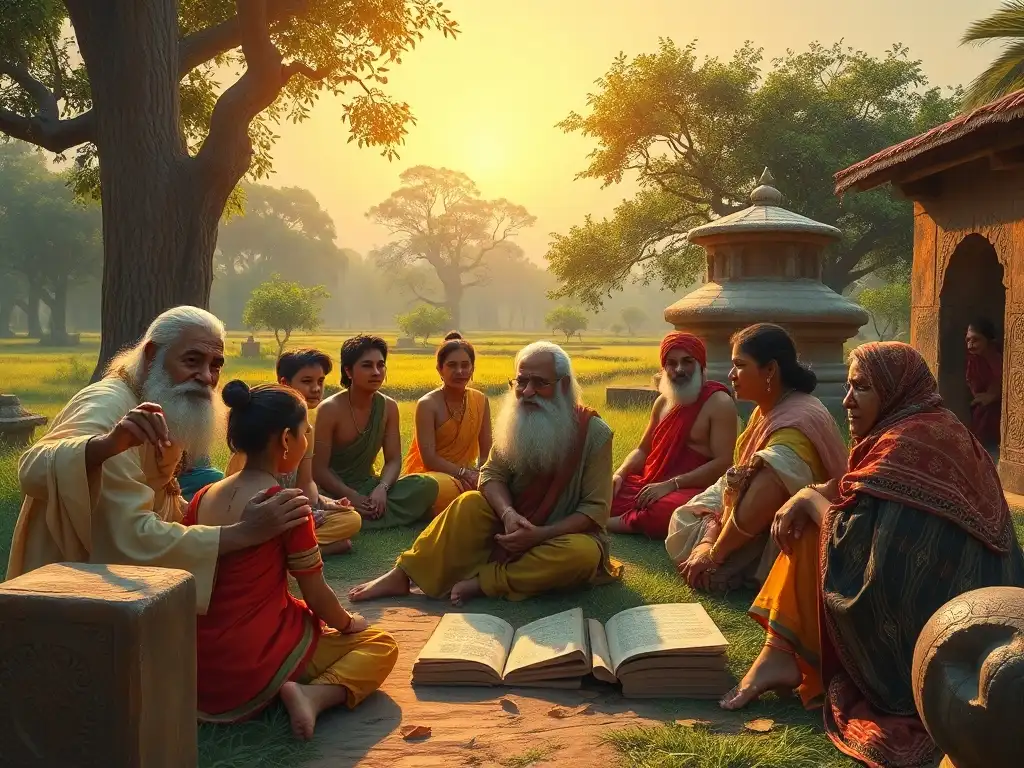
The oral traditions of ancient India, particularly those expressed in Prakrit and Pali, offer a rich tapestry of cultural narratives, teachings, and practices. One notable case study is the Jatakas, a collection of stories about the previous lives of the Buddha. These stories, originally transmitted orally, were composed in Pali and serve as moral lessons emphasizing virtues such as compassion, wisdom, and self-sacrifice. The Jatakas illustrate how oral traditions can encapsulate complex philosophical ideas in accessible storytelling formats.
Another significant example is the Avadanas, narratives that detail miraculous events and deeds attributed to Buddhist figures. These texts, primarily in Prakrit, were often recited in monastic settings, reinforcing community bonds and shared beliefs. The oral recitation of these texts not only preserved the stories but also allowed for dynamic reinterpretation and adaptation over time, reflecting the evolving cultural contexts in which they were performed.
Analysis of Notable Oral Texts and Their Impact
Several notable texts emerged from the oral traditions of Prakrit and Pali, significantly impacting literature, culture, and religious practices. The Pali Canon, or Tipitaka, is one of the most influential collections, containing the teachings of the Buddha. Its oral transmission ensured that Buddhist doctrines were preserved accurately across generations. The structure of the Canon, with its emphasis on repetition and mnemonic devices, highlights the significance of oral tradition in maintaining textual integrity.
In Prakrit literature, the Gāthās (verses) found in texts like the Gāhā Sattasa exemplify the oral tradition's lyrical quality, often used in performances and recitations. These verses not only served as entertainment but also as vehicles for social commentary and moral instruction. The impact of these texts extends into modern literature, where themes of love, ethics, and community resonate with contemporary audiences, demonstrating the enduring relevance of oral traditions.
The Legacy of Oral Traditions in Modern Times
The legacy of oral traditions rooted in Prakrit and Pali continues to influence modern cultural and literary landscapes. Many contemporary artists and scholars are revisiting these ancient narratives, recognizing their value in understanding cultural identity and continuity. The preservation of these oral traditions through storytelling festivals, workshops, and performances highlights their role in bridging past and present.
Continuing Influence of Prakrit and Pali Oral Traditions
The influence of Prakrit and Pali oral traditions can be observed in various forms of artistic expression today. Theater and dance forms, such as Kathakali and Koodiyattam, frequently draw upon themes and stories from Buddhist texts, showcasing the narratives' adaptability and relevance. Additionally, many modern poets and writers incorporate elements from oral traditions, emphasizing themes of human experience that resonate across time.
Furthermore, organizations dedicated to preserving Buddhist teachings often conduct recitations and public readings of texts in Pali, fostering a sense of community and shared heritage. This practice not only honors the traditional methods of transmission but also revitalizes interest in the language and its associated cultural narratives.
Reviving Oral Traditions in Contemporary Culture
Efforts to revive oral traditions in contemporary culture have gained momentum, particularly in educational settings. Schools and universities increasingly recognize the importance of oral storytelling in teaching languages and literature. Workshops designed to promote the art of oral storytelling encourage participants to explore narratives from Prakrit and Pali, fostering a deeper appreciation for these languages and their histories.
Moreover, digital platforms play a crucial role in this revival. Podcasts and online storytelling events provide accessible avenues for sharing oral traditions, reaching a global audience eager to engage with ancient narratives. By blending traditional storytelling techniques with modern technology, these initiatives not only preserve the oral legacy of Prakrit and Pali but also ensure its relevance for future generations.
Conclusion: The Enduring Impact of Oral Traditions
The oral traditions of ancient India, particularly those represented by the Prakrit and Pali languages, have played a crucial role in shaping the cultural and historical landscape of the subcontinent. These traditions, rooted in a rich tapestry of storytelling, poetry, and religious discourse, have contributed significantly to the preservation and transmission of knowledge across generations. They not only reflect the values, beliefs, and societal norms of ancient civilizations but also serve as a bridge connecting the past with the present.
The impact of these oral traditions extends beyond mere preservation; they actively influenced the development of literary forms and languages in India. The transition from oral to written forms in Prakrit and Pali marked a pivotal moment in the history of Indian literature, allowing for the broader dissemination of philosophical, spiritual, and cultural ideas. This legacy continues to resonate in contemporary Indian society, where the echoes of these ancient narratives can still be felt in various forms of art, performance, and oral storytelling practices.
Summary of the Importance of Oral Traditions in Ancient India
Oral traditions in ancient India served multiple purposes and held immense importance in both cultural and social contexts. They were instrumental in:
- Preservation of Knowledge: Oral traditions allowed for the transmission of religious texts, historical accounts, and moral teachings without the need for written documentation. This was particularly vital in a society where literacy was not widespread.
- Cultural Identity: These traditions reinforced community bonds and cultural identity. Through storytelling, people shared their histories, values, and beliefs, fostering a sense of belonging and continuity.
- Education and Morality: Oral narratives often contained moral lessons and educational content. They were used to impart wisdom and ethical guidelines, shaping the character of individuals and the community as a whole.
- Flexibility and Adaptation: Oral traditions are dynamic and evolve with each telling. This adaptability allowed them to remain relevant across different eras and social changes, ensuring that ancient teachings could resonate with contemporary audiences.
In essence, the oral traditions of ancient India are not merely relics of the past but living legacies that continue to influence modern culture and thought.
Final Thoughts on the Oral Legacy of Prakrit and Pali
The oral legacy of Prakrit and Pali is a testament to the enduring power of storytelling and the human desire to connect through shared narratives. As languages that emerged from the rich cultural milieu of ancient India, they encapsulate the philosophical inquiries, spiritual quests, and everyday lives of the people of their time.
The preservation of these traditions through oral means highlights the ingenuity of ancient Indian societies in maintaining their cultural heritage. Today, as we explore these legacies, we recognize the importance of both the spoken word and the written texts that evolved from them.
As we delve into the oral traditions of ancient India, we uncover not only the historical significance of Prakrit and Pali but also their ongoing influence in contemporary society. The stories, teachings, and wisdom encapsulated within these traditions continue to inspire and educate, reminding us of the profound connections that exist between past and present, and the vital role that oral traditions play in the cultural continuum of human civilization.
- Introduction to Oral Traditions of Ancient India
- Understanding Prakrit and Pali Languages
- The Significance of Oral Traditions in Ancient India
- Key Features of Oral Traditions in Prakrit and Pali
- Case Studies of Oral Traditions in Prakrit and Pali
- Analysis of Notable Oral Texts and Their Impact
- The Legacy of Oral Traditions in Modern Times
- Conclusion: The Enduring Impact of Oral Traditions
Frequently Asked Questions
What are the oral traditions of ancient India?
The oral traditions of ancient India refer to the stories, hymns, and teachings passed down verbally through generations, preserving cultural practices and values before the advent of written texts.
How did Prakrit and Pali contribute to these traditions?
Prakrit and Pali were vital languages that helped codify oral traditions into written texts, ensuring that the rich narratives and teachings of ancient India were recorded for future generations.
What role did Buddhism play in preserving oral traditions?
Buddhism emphasized the importance of oral transmission, particularly through the recitation of teachings, which helped maintain the authenticity of the Buddha's messages across regions.
Are there examples of literary works derived from oral traditions?
Yes, many epic poems and religious texts, such as the Mahabharata and Ramayana, originated from oral storytelling, showcasing the rich narrative style of ancient Indian culture.
How do the oral traditions influence modern Indian culture?
The oral traditions continue to shape modern Indian culture through folk tales, music, and dance, reflecting the historical narratives and values that remain significant in contemporary society.
Final Reflection: Embracing the Oral Legacy of Ancient India
The exploration of the oral traditions of ancient India reveals a profound connection between language, culture, and identity that remains relevant today. In a world increasingly dominated by digital communication, the significance of oral traditions serves as a reminder of the power of storytelling and the communal bonds it fosters. The rich tapestry of Prakrit and Pali not only preserves the wisdom of the past but also invites us to engage with our own narratives in meaningful ways.
The oral legacy of Prakrit and Pali has shaped the cultural and social landscape of India, influencing everything from literature to spiritual practices. This enduring impact underscores the importance of preserving these traditions as they continue to resonate with contemporary audiences. As we reflect on the past, we can appreciate how these languages have woven themselves into the fabric of Indian identity. Language is the road map of a culture. It tells you where its people come from and where they are going.
— Rita Mae Brown. This quote encapsulates the essence of our exploration, highlighting that understanding our linguistic heritage is crucial for navigating our future.
As you ponder the themes of this article, I invite you to consider how the oral traditions of ancient India can inspire your own storytelling and cultural expressions. Reflect on the narratives that shape your identity and the ways you can contribute to the ongoing legacy of oral traditions in your community. By embracing these age-old practices, we not only honor our ancestors but also enrich our present and future, ensuring that the voices of diverse cultures continue to be heard and celebrated.
Unveil the Riches of Oral Traditions!
Thank you for joining us on this captivating journey through the oral legacies of Prakrit and Pali. We hope you discovered the profound impact these languages have had on our cultural heritage. Now, it’s time to take these insights to the next level!
Here are some actionable steps to deepen your understanding and appreciation of this fascinating topic:
- Dive Deeper: Explore classic texts and oral traditions from Prakrit and Pali. Consider reading excerpts or listening to recordings to truly immerse yourself in the rhythm and wisdom of these languages.
- Share the Knowledge: Discuss your newfound insights with friends or on social media. Spark interest by sharing a compelling fact or story that resonated with you!
- Join the Discussion: Engage with local history groups or online forums. Expand your learning and connect with others who share a passion for the rich narratives embedded in these traditions.
What aspect of the oral traditions of Prakrit and Pali intrigued you the most, and how will you incorporate these insights into your daily life?