
The Role of Inscriptions in Ancient Indian Political Propaganda

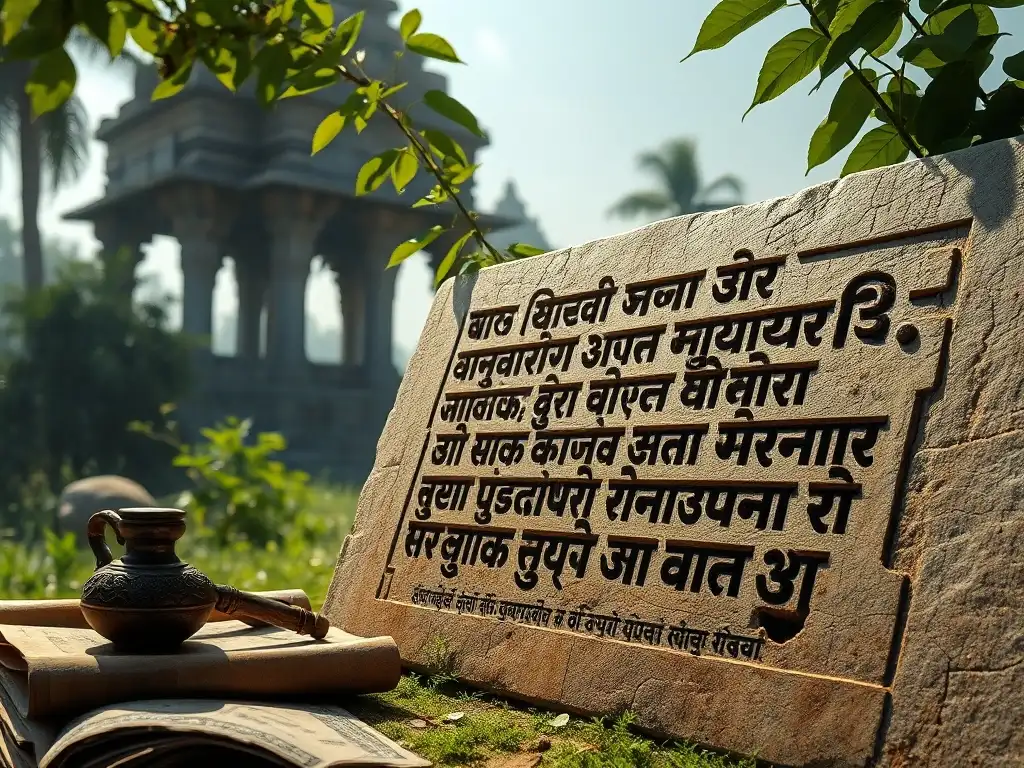
Welcome to Ancient India History! Dive deep into the fascinating world of ancient Indian civilizations, where every inscription tells a story and every word echoes the grandeur of a bygone era. In our featured article, "The Role of Inscriptions in Ancient Indian Political Propaganda," we unravel the significant impact of ancient Indian political inscriptions on governance and society. What secrets do these inscriptions hold? How did they shape the political landscape of their time? Join us on this enlightening journey and discover the power of language and script that carved the legacy of one of the world's oldest cultures.
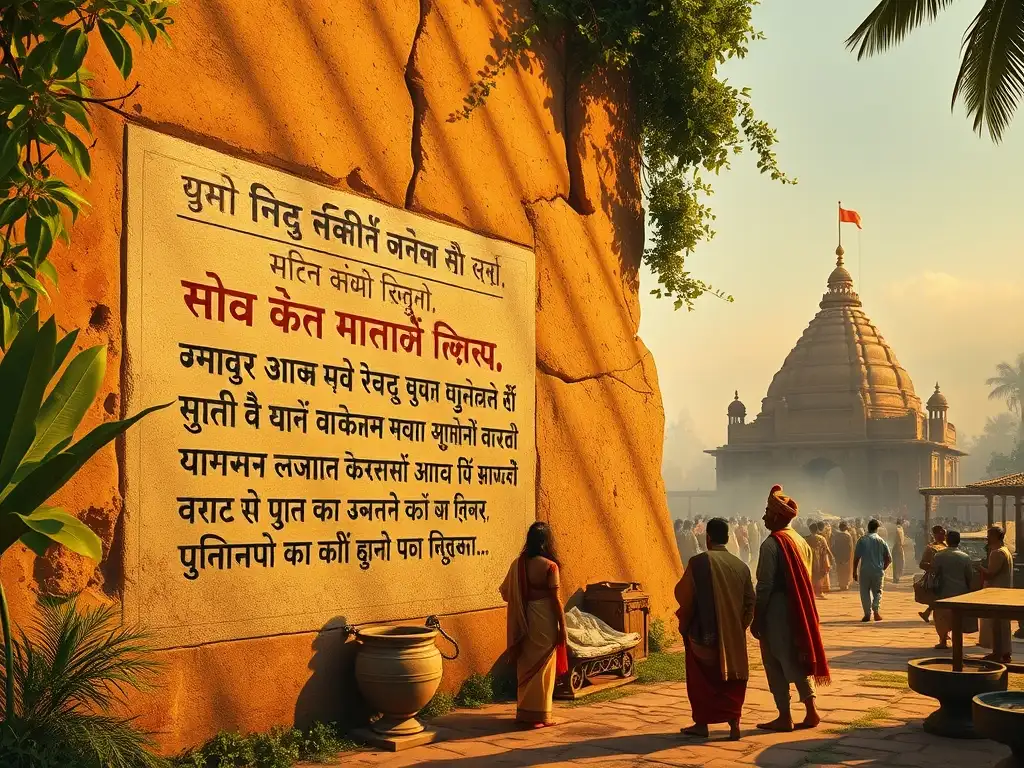
Introduction to Ancient Indian Political Inscriptions
In the vast tapestry of ancient Indian history, inscriptions serve as a crucial thread that weaves together the narratives of political power, cultural identity, and societal values. These inscriptions, etched in stone, copper, and other enduring materials, are not merely historical artifacts but are also powerful tools of political propaganda. They reflect the ideologies of rulers, the ethos of their reigns, and the aspirations of the civilizations they represented. By examining ancient Indian political inscriptions, we gain valuable insights into how ancient leaders utilized written communication to project authority, establish legitimacy, and influence the populace.
Definition of Political Inscriptions in Ancient India
Political inscriptions in ancient India refer to the written records that were primarily created to convey messages related to governance, authority, and public policy. These inscriptions often included proclamations of royal achievements, territorial conquests, and divine endorsements, serving both administrative purposes and as public declarations of power. They were inscribed on various materials, including stone pillars, temple walls, and edicts, and often utilized sophisticated scripts that reflected the linguistic diversity of the region.
Importance of Inscriptions in Ancient Indian History
The significance of inscriptions in ancient Indian history cannot be overstated. They provide a tangible link to the past, allowing historians and archaeologists to reconstruct the socio-political landscape of ancient India. Inscriptions offer invaluable information on:
- Political Structures: Insights into the governance systems, hierarchy, and administrative practices.
- Cultural Identity: Reflections of the religious and cultural values that shaped the societies of the time.
- Historical Events: Documentation of significant events, including wars, treaties, and important societal changes.
Moreover, these inscriptions played a pivotal role in the dissemination of information across vast territories, helping to unify diverse populations under a common political and cultural umbrella.
Historical Context of Political Inscriptions
Overview of Ancient Indian Civilizations
Ancient India was home to a multitude of civilizations, each with its unique contributions to history. From the Indus Valley Civilization with its advanced urban planning to the Maurya and Gupta Empires, which saw significant advancements in arts, science, and philosophy, each era left its mark through various forms of inscriptions. These civilizations thrived on trade, agriculture, and cultural exchanges, all of which were documented in the inscriptions that emerged during these periods.
Key Dynasties and Their Use of Inscriptions
Throughout ancient Indian history, several key dynasties prominently utilized inscriptions as a means of political communication and propaganda. Notable examples include:
- Maurya Dynasty: Under Ashoka, inscriptions became a powerful tool for promoting Buddhist values and imperial authority, such as the well-known Edicts of Ashoka.
- Gupta Empire: The Guptas used inscriptions to celebrate their achievements in arts and sciences, promoting a cultural renaissance during their reign.
- Chola Dynasty: Known for their temple inscriptions, the Cholas documented their military victories and religious endowments, reinforcing their power and devotion.
These dynasties recognized the potential of inscriptions in shaping public perception and legitimizing their rule.
The Evolution of Inscriptions Through Different Periods
The evolution of inscriptions in ancient India reflects the changing dynamics of society, politics, and culture. Initially, inscriptions were predominantly used for administrative purposes, but over time, they evolved into instruments of propaganda and public communication.
- Early Inscriptions: Focused on administrative records and royal decrees.
- Imperial Inscriptions: Emphasized the divine right to rule and monumental achievements.
- Regional Variations: Different regions adopted unique styles and languages in their inscriptions, showcasing the cultural diversity of ancient India.
As political landscapes shifted and new dynasties rose, inscriptions adapted to serve the needs of the time, ensuring their relevance in the narrative of ancient Indian history.
Types of Ancient Indian Political Inscriptions
Ancient Indian political inscriptions can be classified into various categories that reflect the political, social, and administrative contexts of their time. Each type serves distinct purposes and conveys different aspects of governance, authority, and public engagement.
Edicts and Their Significance
Edicts are authoritative proclamations issued by rulers, often inscribed on stone or metal, which served as a means to communicate laws, moral directives, and administrative policies. One of the most famous examples is the edicts of Emperor Ashoka, which were engraved on rocks and pillars throughout his empire. These inscriptions not only conveyed legal mandates but also promoted ethical conduct, such as non-violence and compassion, showcasing the ruler's commitment to Dharma. Edicts played a crucial role in reinforcing the ruler's authority and ensuring that their messages reached a broad audience, effectively acting as a tool for political propaganda.
Commemorative Inscriptions in Politics
Commemorative inscriptions often celebrated significant events, victories, or the achievements of rulers and their dynasties. These inscriptions served to immortalize the legacies of leaders, reinforcing their status and power. For instance, many kings commissioned inscriptions that documented their military conquests, such as the Gupta rulers, who often inscribed their triumphs on temple walls and pillars. By commemorating their victories, these rulers not only sought to legitimize their reign but also to inspire loyalty among their subjects and intimidate enemies, thereby solidifying their political position.
Public Decrees and Administrative Records
Public decrees and administrative records represent another crucial category of inscriptions that detail the workings of governance. These inscriptions, often found in public spaces, outlined laws, tax regulations, and administrative procedures that citizens were expected to follow. They served to maintain order and ensure transparency in governance. The presence of such records in accessible locations also functioned as a reminder of the ruler's power and the expectations placed upon the populace, thereby reinforcing the social and political hierarchy of the time.
Functions of Inscriptions in Political Propaganda
Inscriptions in ancient India were not merely tools for record-keeping; they played multifaceted roles in political propaganda, influencing public perception and shaping the narrative around rulers and their policies.
Legitimization of Authority Through Inscriptions
Political inscriptions were instrumental in legitimizing the authority of rulers. By publicly declaring their divine right to rule or their lineage, monarchs could reinforce their legitimacy in the eyes of their subjects. Inscriptions often included references to gods or divine favor, suggesting that the ruler was chosen by higher powers to govern. This narrative not only bolstered the ruler's authority but also instilled a sense of duty and loyalty among the populace, framing obedience as a moral obligation.
Inscriptions as Tools for Public Communication
The proliferation of inscriptions also served as a means of public communication. They were intended for a diverse audience, including literate elites and the general populace, and were often placed in strategic locations to maximize visibility. This accessibility ensured that the ruler's messages reached a wide range of people, fostering a sense of community and shared identity. The use of clear and persuasive language in these inscriptions was essential for effective public engagement, making the ruler's intentions clear and promoting the desired societal values.
The Role of Inscriptions in National Identity Formation
Inscriptions played a significant role in the formation of national identity in ancient India. By chronicling the achievements of various dynasties and their contributions to culture, art, and governance, these inscriptions helped to forge a collective memory among the people. They often celebrated regional pride and highlighted the unique characteristics of different kingdoms, contributing to a sense of belonging and unity. Over time, the accumulation of these inscriptions helped shape a shared historical narrative that was crucial for fostering a cohesive national identity.
Notable Examples of Political Inscriptions
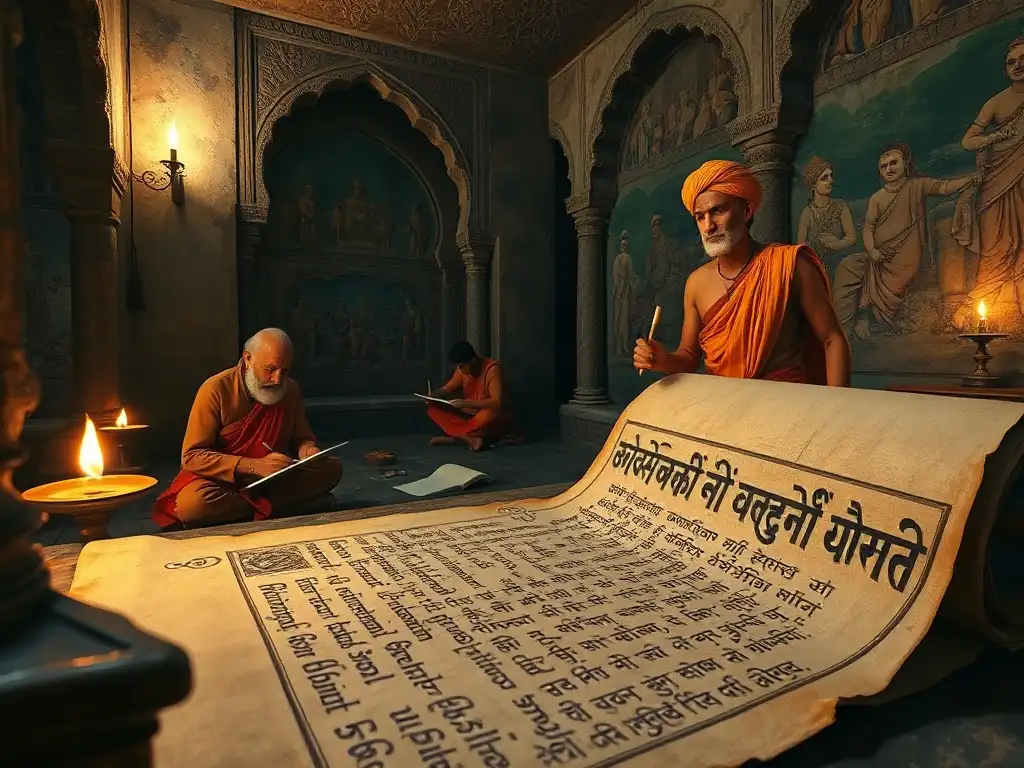
Political inscriptions in ancient India serve as vital resources for understanding the governance, ideology, and cultural contexts of various dynasties. Among these, the inscriptions of Emperor Ashoka stand out for their moral and ethical messages. The Gupta Empire also produced significant inscriptions that reflect the political landscape of the time. Additionally, regional variations highlight the diverse approaches to political messaging across different areas. These inscriptions often employed distinct scripts and languages, making them crucial for the study of ancient Indian political propaganda.
The Ashoka Edicts: A Case Study
The Ashoka Edicts, inscribed on pillars and rocks throughout his empire, provide a profound insight into the political propaganda of one of India’s most influential rulers. Ashoka, who reigned during the 3rd century BCE, used these inscriptions to communicate his policies and moral philosophies. The edicts advocate for Dharma (righteousness) and highlight the importance of non-violence, compassion, and respect for all beings.
The inscriptions are written in various scripts, predominantly Brahmi, and are strategically placed in public spaces to ensure maximum visibility. The content of the edicts reflects Ashoka's commitment to governance based on ethical principles rather than sheer authority, marking a significant shift in political messaging. By promoting values of tolerance and social welfare, Ashoka’s edicts functioned as a tool for consolidating power while simultaneously appealing to the moral sensibilities of his subjects.
Inscriptions from the Gupta Empire
The Gupta Empire, often referred to as the Golden Age of India, also produced a wealth of inscriptions that reveal the political dynamics of the period. Notable examples include the inscriptions of Chandragupta II and Samudragupta, which celebrate military victories and territorial expansions. These inscriptions often contain poetic elements, using elaborate language and metaphors to glorify the rulers and their achievements.
Moreover, Gupta inscriptions frequently feature dedications to various deities, linking political power with divine sanction. This not only reinforced the rulers' legitimacy but also integrated religious authority into their governance. The inscriptions also reflect regional variations in language and script, showcasing the diverse cultural landscape of the Gupta Empire and its influence on political propaganda.
Regional Variations in Political Inscriptions
Political inscriptions across ancient India exhibit significant regional variations, reflecting local languages, scripts, and cultural practices. For instance, in the southern regions, inscriptions in Tamil script often convey messages of kingship and local governance, emphasizing the ruler's role as a protector of the land and its people. In contrast, inscriptions from the northern regions, typically inscribed in Brahmi or Kharoṣṭhī, might emphasize imperial authority and conquest.
These regional differences highlight how local cultures influenced political messaging. Furthermore, the choice of language and script was often a strategic decision, targeting specific audiences and fostering a sense of identity among the subjects. The diversity in inscriptions underscores the adaptability of political propaganda to resonate with various cultural contexts within ancient India.
Analysis of Language and Style in Political Inscriptions
The language and style employed in ancient Indian political inscriptions are crucial for understanding their effectiveness as propaganda tools. The choice of words, the use of rhetorical devices, and the overall tone all contribute to the inscriptions’ ability to convey power and authority.
Linguistic Features of Ancient Indian Inscriptions
Ancient Indian political inscriptions exhibit distinctive linguistic features that enhance their communicative effectiveness. Many inscriptions utilize a formal and elevated style, often incorporating poetic elements such as meter and rhyme. This not only elevates the status of the message but also makes it more memorable for the audience.
Additionally, the use of imperative verbs and honorifics serves to reinforce the authority of the ruler. For example, commands to uphold Dharma or to honor the king’s wishes are common, indicating a direct appeal to the subjects’ sense of duty and loyalty. The linguistic choices made in these inscriptions reflect broader societal values and the political ideologies of the time.
Symbolism and Rhetoric in Political Messaging
Symbolism plays a crucial role in the rhetoric of ancient Indian political inscriptions. Common symbols, such as the lion or the chakra, are used to convey strength and righteousness. These symbols not only serve as visual representations of power but also evoke specific cultural connotations that reinforce the ruler's authority.
Rhetorical techniques, such as the use of metaphors and similes, further enhance the persuasive impact of the inscriptions. By likening the ruler to divine figures or comparing their rule to idealized qualities, the inscriptions create a narrative that positions the king as a central figure in the moral and social order. Such strategic use of symbolism and rhetoric effectively communicates political messages and solidifies the ruler's place in the collective consciousness of the populace.
The Impact of Script Variations on Political Propaganda
The variation of scripts used in ancient Indian political inscriptions is a significant factor influencing their effectiveness as tools of propaganda. Different scripts, such as Brahmi, Kharoṣṭhī, and Tamil, not only reflect regional linguistic practices but also shape the way messages are perceived by different audiences.
For instance, inscriptions in Brahmi were primarily used in northern India and facilitated communication with a wider audience due to its widespread adoption. In contrast, regional scripts like Tamil were crucial in local governance, establishing a connection with the populace through familiar linguistic forms. The choice of script can also convey a sense of authenticity and legitimacy, as rulers often used scripts associated with cultural heritage to reinforce their authority.
Overall, the impact of script variations underscores the importance of language in shaping political discourse and highlights the complexities of ancient Indian political propaganda.
The Influence of Political Inscriptions on Society
Political inscriptions in ancient India served as powerful tools for rulers to communicate their authority and achievements to the populace. These inscriptions were often carved on stone pillars, temple walls, and public monuments, making them accessible to a wide audience. The messages conveyed through these inscriptions were not merely announcements of royal decrees; they were crafted to shape public perception and solidify the ruler’s legitimacy. As a result, they played a crucial role in influencing societal attitudes toward governance and leadership.
Inscriptions frequently highlighted the virtues of the rulers, celebrating their military conquests, patronage of the arts, and support for religious practices. This portrayal allowed rulers to construct a public image that was both revered and respected. The strategic placement of these inscriptions in key public spaces ensured that they were seen by as many people as possible, further embedding the rulers' narratives into the collective consciousness of society. Consequently, the legacy of these inscriptions extended beyond their immediate political purpose, as they contributed to the cultural and historical identity of communities.
Public Perception of Rulers Through Inscriptions
The content of political inscriptions was meticulously designed to foster a positive public perception of rulers. By emphasizing qualities such as benevolence, wisdom, and divine favor, these inscriptions reinforced the idea that rulers were chosen by the gods to lead their people. For example, the famous Edicts of Ashoka not only proclaimed his policies on dharma (moral law) but also portrayed him as a compassionate ruler who prioritized the welfare of his subjects. This narrative was critical in cultivating loyalty among the populace.
Moreover, inscriptions often included accounts of royal patronage, showcasing the ruler’s contributions to public works such as irrigation systems, roads, and temples. This emphasized their role as a benefactor and servant of the people, further enhancing their image. The inscriptions thus served as a propaganda tool, shaping how ordinary citizens viewed their rulers and fostering a sense of pride in their governance. The ability to manipulate public perception through inscriptions was a sophisticated aspect of political strategy in ancient India.
Inscriptions and Their Role in Shaping Political Ideologies
Political inscriptions were instrumental in shaping and disseminating political ideologies across ancient Indian civilizations. They articulated the ruler's vision and aspirations, often linking their governance to broader philosophical and religious principles. Many inscriptions invoked concepts such as dharma and righteousness, aligning the ruler’s authority with moral imperatives. This connection not only legitimized their rule but also encouraged subjects to adhere to the same ideals.
For instance, the inscriptions of the Mauryan Empire frequently referenced the principles of Ashoka's policy of dhamma, which emphasized ethical governance and social responsibility. As these ideals were inscribed in prominent locations, they served as a constant reminder to both rulers and citizens of the standards expected in governance and society. In this way, inscriptions were not just records of power; they actively shaped the political ideologies that guided ancient Indian states.
The Legacy of Political Inscriptions in Modern India
The legacy of ancient Indian political inscriptions is still visible in contemporary India, where they continue to inspire national identity and cultural pride. Modern scholars and historians frequently refer to these inscriptions to understand the political structures and ideologies of ancient civilizations. Additionally, many inscriptions have been preserved and are studied for their artistic and linguistic contributions.
Furthermore, the themes of benevolent leadership and ethical governance articulated in these inscriptions resonate in modern political discourse. Leaders today often draw parallels between their governance styles and the ideals reflected in ancient inscriptions, thereby enhancing their own legitimacy. The enduring relevance of these ancient texts underscores their importance not only in historical studies but also in shaping contemporary political narratives.
Conclusion: The Lasting Impact of Ancient Indian Political Inscriptions
Summary of Key Points on Inscriptions and Political Propaganda
Ancient Indian political inscriptions played a pivotal role in shaping societal perceptions of rulers and their ideologies. They served as a means of public communication, reinforcing the legitimacy of rulers and their accomplishments. By highlighting virtues such as benevolence and ethical governance, these inscriptions provided a framework for understanding political authority in ancient India. Their legacy continues to inform modern perspectives on leadership and governance.
Reflection on the Importance of Inscriptions in Understanding Ancient Indian Politics
The study of ancient Indian political inscriptions is crucial for understanding the complexities of political life in historical contexts. These inscriptions offer insights into how power was constructed, maintained, and communicated to society. They reflect the values and ideologies that underpinned ancient Indian governance, revealing the intricate relationship between language, politics, and culture. By examining these inscriptions, we gain a deeper appreciation of the historical narratives that have shaped modern India and the enduring impact of its ancient civilizations.
- Introduction to Ancient Indian Political Inscriptions
- Historical Context of Political Inscriptions
- Types of Ancient Indian Political Inscriptions
- Functions of Inscriptions in Political Propaganda
- Notable Examples of Political Inscriptions
- Analysis of Language and Style in Political Inscriptions
- The Influence of Political Inscriptions on Society
- Conclusion: The Lasting Impact of Ancient Indian Political Inscriptions
Frequently Asked Questions
What are ancient Indian political inscriptions?
Ancient Indian political inscriptions are engravings on stone or metal that record royal decrees, achievements, and historical events. They served as a means of communication and propaganda for rulers in ancient India.
How did inscriptions function as political propaganda?
Inscriptions were used to legitimize a ruler's authority and glorify their accomplishments. They often emphasized a king's divine right to rule and documented military victories or public works.
Where can we find examples of these political inscriptions?
Examples of political inscriptions can be found in various ancient sites across India, including temples, pillars, and caves. Notable examples are the Ashoka Edicts and inscriptions from the Gupta Empire.
What languages were used in ancient Indian inscriptions?
Most ancient Indian inscriptions were written in Sanskrit or Prakrit, using scripts like Brahmi and Kharosthi. These languages were prominent during different periods of ancient Indian history.
Why are political inscriptions important for studying ancient India?
Political inscriptions provide valuable insights into the socio-political structure, cultural values, and historical context of ancient Indian civilizations. They help historians understand the dynamics of power and governance during that era.
Final Reflection: The Enduring Legacy of Ancient Indian Political Inscriptions
The exploration of ancient Indian political inscriptions reveals a profound connection between language, power, and societal values that resonates deeply in today's world. These inscriptions not only served as tools of propaganda but also as historical records that shaped the political landscape of their time. As we navigate through an era dominated by digital communication and social media, the significance of how messages are crafted and disseminated remains as crucial as ever. The lessons from ancient practices remind us that the words we choose can wield immense power and influence.
The impact of these inscriptions extends far beyond their historical context, influencing contemporary discussions around governance, identity, and cultural heritage. In a world where narratives can be constructed and deconstructed at lightning speed, the importance of understanding our past becomes paramount. The inscriptions of ancient India serve as a testament to the enduring nature of political discourse and its ability to shape collective memory. History is not a burden on the memory but an illumination of the soul.
This quote encapsulates the essence of how we can learn from the past to inform our present and future.
As we reflect on the role of these inscriptions, I invite you to consider how the principles of communication and representation from ancient times can be applied to our lives today. Think about the messages you encounter daily—how they shape your perceptions and actions.
Let the lessons of ancient Indian political inscriptions inspire you to engage thoughtfully with the narratives around you, fostering a deeper understanding of the power of words and their potential to influence change. Embrace the opportunity to be a conscious participant in the ongoing dialogue of history, ensuring that your voice contributes to a more informed and compassionate society.
Unveil the Power of Ancient Political Messaging!
Thank you for taking the time to explore how inscriptions shaped political narratives in ancient India! We hope this article has inspired you to view ancient communication in a new light. Now, it's time to put that inspiration into action.
Here are some engaging ways you can dive deeper and share this knowledge:
- Explore further: Check out our in-depth guides on various inscriptions from different ancient Indian dynasties to broaden your understanding.
- Share the knowledge: Discuss this topic with friends or join online communities to exchange insights about ancient communication techniques.
- Contribute your thoughts: Write a brief article or blog post comparing modern political messaging with ancient practices and share it with us!
What aspect of ancient inscriptions do you find most intriguing, and how do you believe they influence our understanding of political power today?