
The Unwritten History: What Ancient Indian Scripts Can’t Tell Us

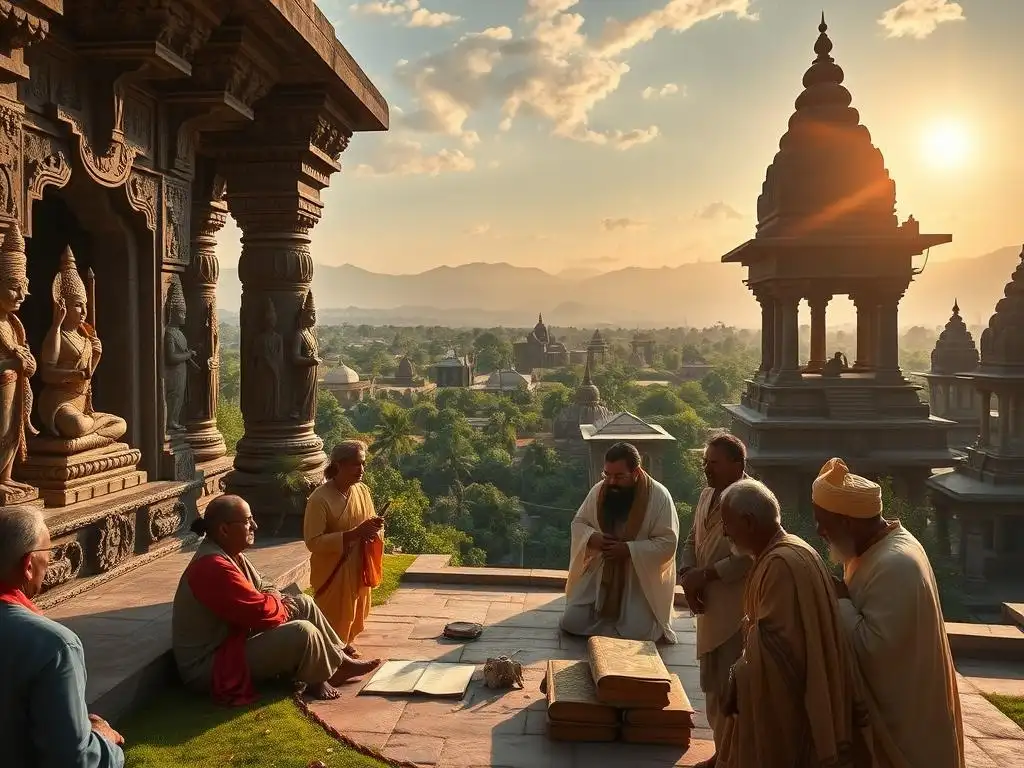
Welcome to Ancient India History, where we embark on a fascinating journey through the rich tapestry of ancient Indian civilizations history. From the enigmatic Indus Valley to the illustrious Gupta Empire, each era unfolds stories that have shaped our understanding of culture and innovation. In our featured article, The Unwritten History: What Ancient Indian Scripts Can’t Tell Us, we delve into the mysteries that lie beyond the written word, inviting you to explore the untold narratives and hidden gems of this vibrant past.
Are you ready to uncover the secrets that ancient scripts may have kept silent? Dive in and let your curiosity guide you!
- Introduction to Ancient Indian Civilizations History
- The Diversity of Ancient Indian Scripts
- The Limitations of Ancient Indian Scripts
- Unwritten Aspects of Ancient Indian Civilizations History
- The Role of Archaeology in Understanding Ancient Indian History
- Conclusion: Bridging the Gap in Ancient Indian Civilizations History
-
Frequently Asked Questions
- What are the main ancient Indian civilizations discussed in the article?
- How did ancient Indian scripts contribute to our understanding of history?
- What challenges do historians face when studying ancient Indian civilizations?
- Why is the Indus Valley Civilization significant in ancient Indian history?
- How did the Gupta Empire influence the cultural development of ancient India?
- Final Reflection: Unveiling the Mysteries of Ancient Indian Civilizations
- Uncover Hidden Truths: Take Action Today!
Introduction to Ancient Indian Civilizations History

The history of ancient Indian civilizations is a tapestry woven with intricate threads of culture, society, and innovation, spanning thousands of years. From the flourishing urban centers of the Indus Valley to the intellectual renaissance of the Gupta Empire, these civilizations laid the foundation for many aspects of modern society. However, much of this rich history is veiled in mystery, obscured by the limitations of the scripts and inscriptions that have survived the ravages of time.
In this article, we will delve into the unwritten history, exploring what ancient Indian scripts can and cannot reveal about these remarkable societies. By examining the significance of these scripts and the contributions of ancient Indian civilizations, we aim to shed light on a crucial yet often overlooked aspect of our understanding of India’s past.
Understanding the Importance of Ancient Indian Scripts
Ancient Indian scripts serve as vital keys to unlocking the narratives of bygone eras. These inscriptions provide us with glimpses into the languages, thoughts, and practices of early civilizations. However, the significance of ancient Indian scripts extends beyond mere language; they also embody the cultural, religious, and philosophical ideologies that shaped societies.
- Diversity of Scripts: Ancient India was home to a variety of scripts, including Brahmi, Kharosthi, and the Tamil script, each representing different regions and communities. This diversity reflects the complexity of social interactions in ancient India.
- Cultural Insights: The inscriptions often contain religious texts, royal edicts, and trade records, offering insights into governance, commerce, and daily life. For example, the Edicts of Ashoka provide profound insights into the Mauryan Empire's policies and moral philosophy.
- Limitations: Despite their importance, many ancient scripts remain undeciphered or are partially understood, leaving significant gaps in our knowledge. Scholars continue to grapple with the challenges of interpreting these inscriptions, often leading to debates about their meanings and implications.
Overview of Ancient Indian Civilizations and Their Contributions
Ancient Indian civilizations are marked by significant achievements that have had a lasting impact on various fields, including science, art, and philosophy.
- Indus Valley Civilization (c. 3300–1300 BCE):
- Known for its advanced urban planning, sophisticated drainage systems, and trade networks, the Indus Valley Civilization was a pioneer of urban culture in the ancient world.
- Artifacts such as seals and pottery reflect a rich artistic tradition and the importance of trade.
- Vedic Period (c. 1500–500 BCE):
- This era saw the composition of the Vedas, foundational texts of Hindu philosophy that shaped religious practices and social structures.
- The development of early political organizations and the caste system emerged during this time.
- Mauryan Empire (c. 322–185 BCE):
- Under the reign of Ashoka, the Mauryan Empire embraced Buddhism and spread its teachings across Asia, promoting peace and ethical governance.
- The construction of stupas and rock-cut architecture showcases remarkable engineering skills.
- Gupta Empire (c. 320–550 CE):
- Often referred to as the Golden Age of India, this period produced significant advancements in mathematics, astronomy, and medicine.
- The invention of the numeral system and the concept of zero are among the most notable contributions to global knowledge.
Understanding the unwritten history of ancient Indian civilizations is crucial for appreciating their contributions and the complexities of their societies. The scripts and inscriptions, while invaluable, only tell part of the story. By exploring these elements, we can gain deeper insights into the rich tapestry of ancient Indian history.
The Diversity of Ancient Indian Scripts
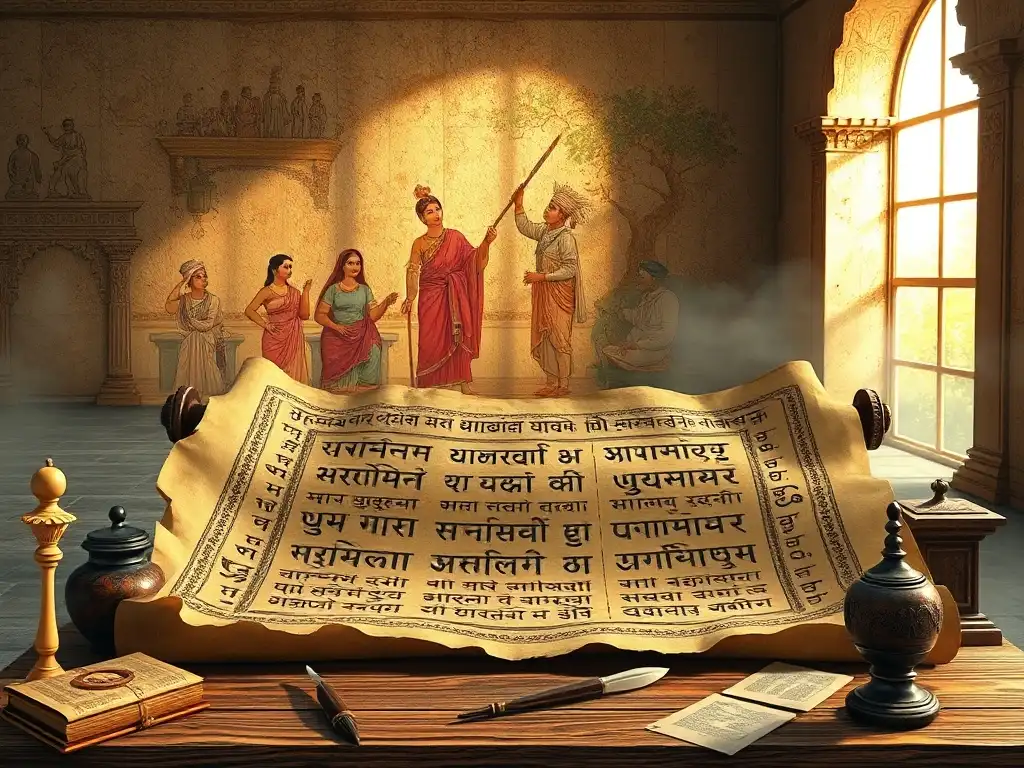
The history of ancient Indian civilizations is rich and complex, reflected in the diverse scripts that emerged over millennia. These scripts not only served as a means of communication but also encapsulated the cultural, religious, and philosophical foundations of their respective societies. The interplay between language and script is a fascinating aspect of ancient Indian history, revealing insights into the thoughts and beliefs of the time.
From the intricate symbols of the Indus Valley Civilization to the well-crafted characters of Brahmi and Kharosthi, ancient Indian scripts provide a window into the past. Each script has its own unique characteristics, functions, and historical significance, contributing to our understanding of the evolution of language in the region.
Major Scripts of Ancient India: A Historical Perspective
Ancient India witnessed the emergence of several scripts, each reflecting the linguistic and cultural diversity of its time. Here are some of the major scripts and their historical backgrounds:
-
Indus Script:
The most enigmatic of ancient scripts, the Indus script, dates back to around 2600-1900 BCE and was used in the Indus Valley Civilization. Comprising symbols that are still undeciphered, it is found on seals, pottery, and other artifacts. The lack of a Rosetta Stone-like artifact leaves many questions unanswered regarding its meanings and grammatical structure.
-
Brahmi Script:
Emerging around the 3rd century BCE, Brahmi is one of the earliest known writing systems in India and is considered the ancestor of many modern scripts in South and Southeast Asia. It was used to write various languages, including Sanskrit and Prakrit, and is characterized by its linear nature, with distinct letters and numerals. The Edicts of Ashoka, inscribed in Brahmi, provide insight into the Mauryan Empire's governance and philosophy.
-
Kharosthi Script:
Contemporary with Brahmi, Kharosthi was predominantly used in the northwest regions of India, particularly in Gandhara. This script is written right to left and was primarily used for writing Gandhari, a Middle Indo-Aryan language. The script's inscriptions can be found on coins and in Buddhist texts, revealing the spread of Buddhism and cultural exchanges along trade routes.
-
Tamil Brahmi:
As a variant of Brahmi, Tamil Brahmi was used in the ancient Tamil regions of South India around the 3rd century BCE. It played a crucial role in the development of the Tamil script and reflects the linguistic and cultural evolution in the Tamil-speaking areas. Inscriptions found in Tamil Nadu and Sri Lanka highlight the early literary traditions of the Tamil language.
-
Siddham Script:
This script emerged in the 7th century CE and was used primarily in Buddhist texts. Siddham is known for its ornate and artistic characters, often used in manuscripts and religious texts. It played a significant role in the spread of Buddhism across East Asia, influencing scripts in countries such as China and Japan.
Language Evolution in Ancient Indian Civilizations
The evolution of language in ancient Indian civilizations is closely intertwined with the development of scripts. Various linguistic families coexisted in ancient India, leading to a rich tapestry of dialects and languages. Key aspects of this evolution include:
-
Sanskrit:
As the classical language of ancient India, Sanskrit is renowned for its grammatical structure and literary richness. It flourished during the Vedic period and continued to develop through texts like the Mahabharata and Ramayana. Sanskrit's influence extended beyond literature to philosophy, science, and religious texts, solidifying its status as a language of scholarship.
-
Prakrit Languages:
In contrast to the formal nature of Sanskrit, Prakrit languages emerged as vernacular forms of speech among the common people. These languages, including Pali, played a significant role in the dissemination of Buddhist teachings. The use of Prakrit in inscriptions and literature reflects a linguistic democratization, allowing a broader audience to engage with philosophical and religious concepts.
-
Regional Languages:
As ancient Indian civilizations flourished, regional languages began to take shape, influenced by local dialects and cultures. The emergence of these languages contributed to a diverse linguistic landscape, fostering regional literature and identity. For instance, the Tamil language boasts a long literary tradition dating back to the Sangam period, with a unique script that evolved from Brahmi.
-
Cultural Exchange and Language:
The interactions between different civilizations, including trade and conquests, facilitated the exchange of languages and scripts. The influence of Persian, Greek, and later Arabic on local languages is a testament to this cultural intermingling. This exchange not only enriched the linguistic heritage of ancient India but also shaped its historical narrative.
The diversity of ancient Indian scripts and the evolution of language within its civilizations reveal a dynamic interplay between communication, culture, and identity. The study of these scripts offers invaluable insights into the history of ancient Indian civilizations, highlighting their contributions to the broader tapestry of human civilization.
The Limitations of Ancient Indian Scripts

Ancient Indian scripts, while invaluable for understanding the civilizations that thrived on the subcontinent, have inherent limitations that can obscure a complete historical narrative. These limitations stem from multiple factors, including the scarcity of surviving inscriptions, the regional variations in script usage, and the context in which these texts were created.
One of the primary challenges in interpreting ancient Indian scripts is the fragmentary nature of the evidence. Many inscriptions are incomplete or damaged, making it difficult to ascertain their full meaning or the context in which they were produced. For example, numerous seals from the Indus Valley Civilization exhibit intricate designs and symbols, yet their exact purpose and significance remain largely speculative.
Additionally, different regions and periods employed various scripts, such as Brahmi, Kharosthi, and later Devanagari, each with unique characteristics. This diversity complicates efforts to form a cohesive understanding of ancient Indian civilizations history. The linguistic diversity of the subcontinent, with multiple languages and dialects coexisting, further adds layers of complexity to the interpretation of these scripts.
Moreover, the scripts often served specific purposes, such as administrative record-keeping or religious inscriptions, limiting their broader applicability to cultural and social history. Many inscriptions were written for elite audiences, leaving the voices and experiences of the common people largely unrecorded.
Lastly, the absence of a standardized writing system during certain periods means that various local scripts were used, which can lead to misinterpretations and inconsistencies in understanding the historical narrative. These limitations highlight the necessity of integrating archaeological findings and oral histories with textual analysis to gain a more comprehensive view of ancient Indian civilizations.
What Ancient Scripts Can Reveal About Culture and Society
Despite their limitations, ancient Indian scripts offer a glimpse into the rich cultural tapestry of past civilizations. They provide insights into social structures, religious practices, trade activities, and artistic expressions that characterized ancient Indian society.
Scripts such as Brahmi and Kharosthi reveal much about administrative practices, including taxation, land ownership, and governance. For instance, inscriptions found at sites like Ashoka's edicts illustrate the Mauryan Emperor's policies on moral governance and societal welfare, highlighting the importance of dharma in ancient Indian thought.
Moreover, inscriptions on temple walls and sacred texts reflect the religious beliefs and rituals of the time. The prevalence of Brahmanical texts and later Buddhist scriptures demonstrates the interplay between religion and politics. The inscriptions often served as a medium to propagate religious ideologies, fostering a sense of community and shared identity among followers.
The artistic elements depicted in scripts, such as the ornamental designs on pottery and seals, can also inform us about the aesthetic values of ancient Indian civilizations. These artistic choices often reveal the technological advancements and cultural exchanges that occurred through trade and migration.
Furthermore, the study of inscriptions can shed light on social hierarchy and class distinctions within ancient societies. The language used in inscriptions often indicates the target audience, with more formal and elaborate scripts reserved for the elite. This distinction raises questions about literacy rates and the accessibility of knowledge across different strata of society.
While ancient Indian scripts may not provide a complete historical account, they serve as crucial artifacts that illuminate the socio-cultural dynamics of ancient Indian civilizations.
The Gaps in Historical Knowledge from Inscriptions
The gaps in historical knowledge resulting from ancient Indian inscriptions are significant, creating a nuanced picture of the past that is often incomplete and sometimes misleading. These gaps can primarily be attributed to several factors, including the selectivity of recorded events, the limitations of linguistic interpretation, and the socio-political context in which the inscriptions were created.
One of the most substantial gaps arises from the selective nature of historical documentation. Inscriptions were often inscribed by and for the elite, focusing on political achievements, military conquests, and religious dedications, while the lives of ordinary people remain largely unrecorded. This bias can skew our understanding of societal dynamics, as it emphasizes the perspectives of the powerful, leaving out the voices of marginalized groups.
Another critical issue is the interpretative challenge posed by ancient scripts. For instance, many inscriptions are written in archaic forms of languages that are no longer spoken, making them difficult to translate accurately. Furthermore, regional dialects and variations in script can lead to misunderstandings of the intended meaning. Variations in grammar and vocabulary can obscure the context and significance of the inscriptions, resulting in gaps in our comprehension of their historical relevance.
The political circumstances surrounding the creation of inscriptions also play a role in shaping historical narratives. For example, inscriptions might have been deliberately crafted to legitimize a ruler's authority or to commemorate victories, potentially glossing over failures or dissent. This can create an overly glorified historical narrative that does not encompass the complexities of historical realities, including conflicts and societal struggles.
Additionally, the geographical distribution of inscriptions poses another challenge. Many ancient scripts were regionally specific, and significant portions of ancient India remain archaeologically unexplored. This uneven distribution of inscriptions can lead to a skewed understanding of the entire civilization, as certain regions may be overrepresented while others are neglected.
While ancient Indian inscriptions are invaluable for piecing together the history of ancient Indian civilizations, it is essential to recognize the inherent gaps and limitations they present. A comprehensive understanding requires a multidisciplinary approach that incorporates archaeological evidence, comparative linguistics, and cultural studies to bridge the gaps and enrich our understanding of ancient India’s diverse and complex history.
Unwritten Aspects of Ancient Indian Civilizations History
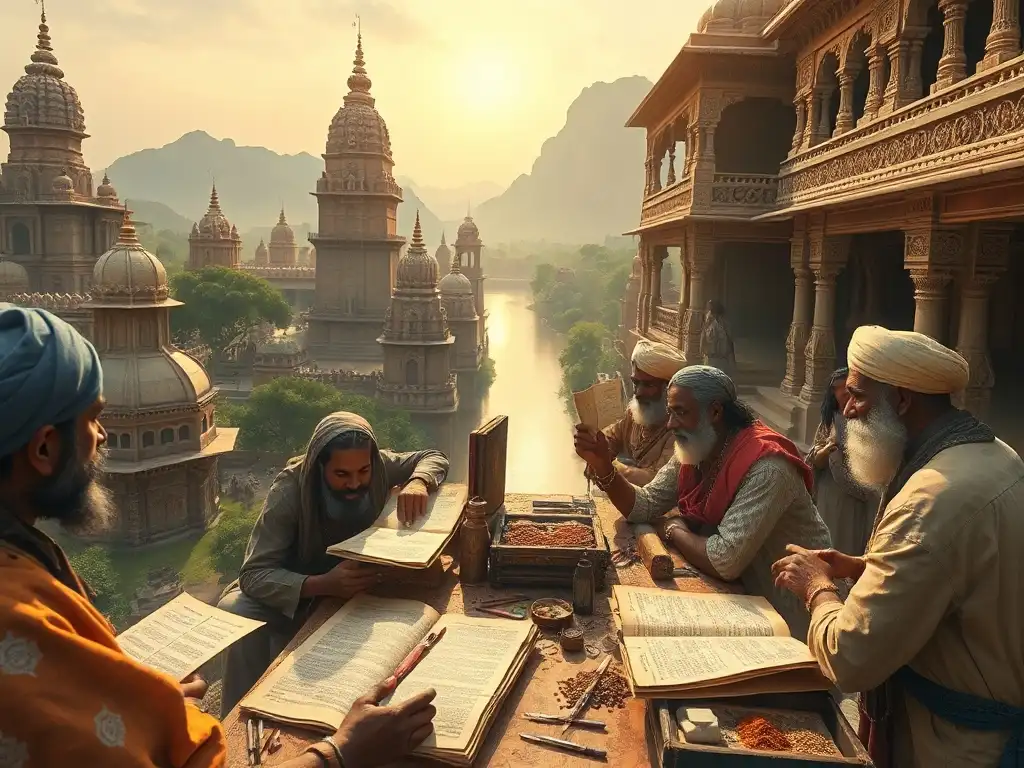
The history of ancient Indian civilizations is a multifaceted tapestry woven from both written records and unwritten traditions. While scripts and inscriptions offer invaluable insights into the political, economic, and social structures of these civilizations, they often fail to encapsulate the full breadth of cultural practices, beliefs, and knowledge systems that thrived in ancient India. This section delves into the unwritten aspects that profoundly shaped ancient Indian civilizations history, highlighting the importance of oral traditions and cultural practices that remain unrecorded.
Oral Traditions vs. Written Records in Ancient India
Oral traditions played a pivotal role in preserving the history and cultural identity of ancient Indian civilizations. Long before the advent of writing systems, knowledge, stories, and rituals were transmitted through generations via oral means. This method of communication was not merely a substitute for written records but served as a living repository of collective memory.
The Significance of Oral Traditions
- Preservation of Knowledge: Oral traditions helped maintain the continuity of cultural knowledge, including folklore, mythology, and spiritual practices. These narratives often contained moral teachings and social norms that were integral to community life.
- Flexibility and Adaptability: Oral traditions allowed for the adaptation of stories and practices to changing contexts. This flexibility ensured that the narratives remained relevant and resonant with the community's evolving identity.
- Community Engagement: The performative aspect of oral storytelling fostered community bonds. Festivals, rituals, and gatherings often revolved around oral recitations, reinforcing social cohesion and shared values.
Limitations of Written Records
While written records provide concrete evidence of historical events, they often reflect the perspectives of the elite or literate classes, sidelining the voices of marginalized groups. This creates a skewed understanding of ancient Indian civilizations, as many cultural practices and beliefs may not have been deemed worthy of documentation.
- For instance, the Vedas and Upanishads, despite being foundational texts, primarily represent the views of the Brahminical order, potentially neglecting the diverse experiences of other societal groups.
- Additionally, the Indus Valley Civilization, with its sophisticated urban planning and trade networks, leaves us with limited written records, mainly seals and inscriptions, which do not elucidate their societal norms or daily life.
Cultural Practices Not Captured by Scripts
Ancient Indian civilizations were characterized by a rich tapestry of cultural practices that often eluded the grasp of written documentation. These practices encompassed various aspects of life, including rituals, art forms, and social customs, and were vital to the identity of these civilizations.
Key Cultural Practices
- Rituals and Festivals: Many rituals and festivals, such as Diwali and Makar Sankranti, have deep-rooted significance that is often transmitted through oral narratives rather than written accounts. These events encapsulate a blend of agricultural, seasonal, and spiritual elements that reflect the community's connection to nature and the cosmos.
- Traditional Arts and Crafts: The intricate craftsmanship of ancient artisans, including pottery, weaving, and metalwork, often went unrecorded in written form. Techniques and designs were passed down through generations, with each community infusing its unique cultural identity into the artifacts produced.
- Social Structures and Gender Roles: The dynamics of family life and gender roles in ancient Indian societies were primarily conveyed through oral storytelling and practices. The nuances of kinship, inheritance, and social norms were often too complex to be adequately captured in texts, leading to a gap in our understanding of these aspects.
- Music and Dance: The diverse musical traditions and dance forms of ancient India, such as Bharatanatyam and Kathak, are deeply rooted in oral traditions. Their evolution and significance are often celebrated through performance rather than written documentation, highlighting the role of art in cultural expression.
Conclusion
The unwritten aspects of ancient Indian civilizations history reveal a vibrant and dynamic cultural landscape that transcends the limitations of written records. By honoring oral traditions and unrecorded practices, we gain a more holistic understanding of the values, beliefs, and experiences that shaped these ancient societies. As we explore the contributions of ancient Indian civilizations, it is essential to recognize and appreciate the silent narratives that continue to influence modern India today.
The Role of Archaeology in Understanding Ancient Indian History
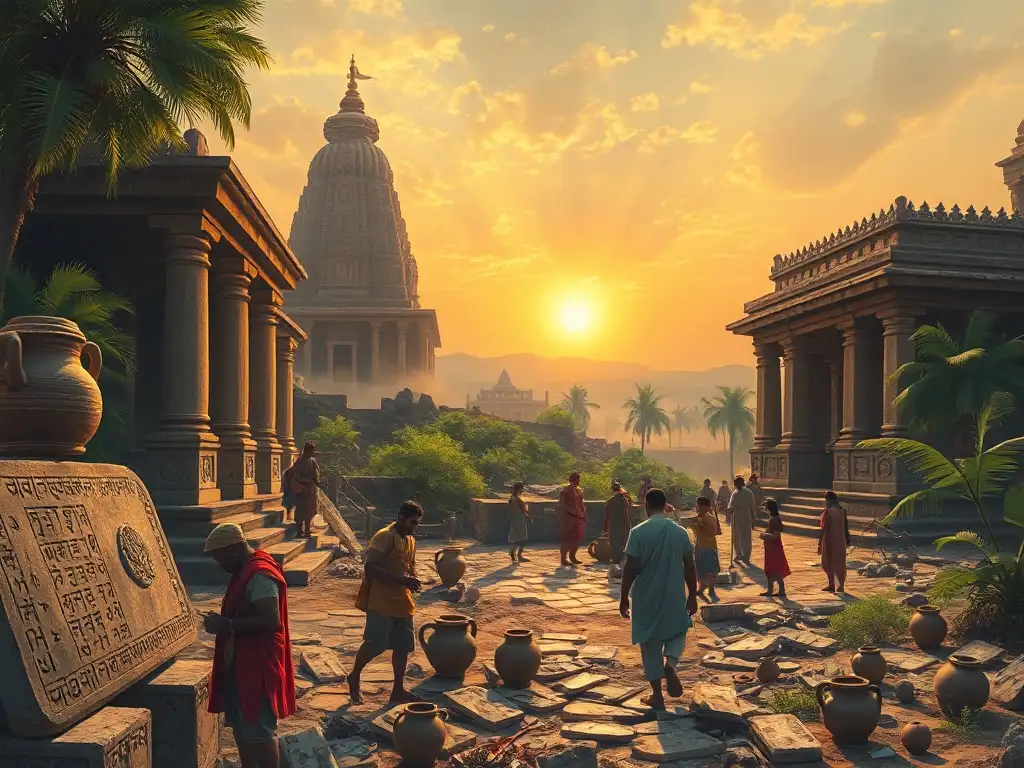
Archaeology plays a pivotal role in unraveling the complexities of ancient Indian civilizations history. While ancient scripts provide critical insights into the linguistic and cultural aspects of these civilizations, archaeology serves to fill the gaps left by unwritten history. It acts as a tangible link to the past, offering artifacts, structures, and evidence of daily life that written records alone cannot convey.
The physical remnants of ancient Indian civilizations, such as pottery, coins, tools, and architectural marvels, provide a wealth of information regarding trade, social structure, and technological advancements. For instance, the discovery of urban planning in the Indus Valley Civilization showcases advanced engineering and a sophisticated urban lifestyle, which ancient texts may not have documented in detail.
Moreover, archaeology aids in contextualizing ancient scripts. By examining the locations and conditions where inscriptions are found, archaeologists can infer the societal, political, and economic circumstances of the time. This multi-faceted approach allows historians to construct a more comprehensive narrative of ancient Indian history, bridging the gaps between written and unwritten records.
How Archaeological Discoveries Complement Ancient Scripts
Archaeological discoveries complement ancient scripts by providing context and supporting evidence that enhance our understanding of historical narratives. While scripts may convey religious beliefs, political ideologies, and literary traditions, archaeological findings can illustrate the practical aspects of life in ancient India.
- Artifacts and Daily Life:
- Excavated artifacts, such as cooking utensils and tools, reveal the daily lives and practices of ancient peoples. For example, terracotta figurines found at various sites provide insights into the artistic expressions and possible religious practices of the time.
- Urban Infrastructure:
- The ruins of ancient cities like Mohenjo-Daro and Harappa demonstrate advanced urban planning that ancient scripts may only hint at. The layout of streets and drainage systems indicates a high degree of civic organization and engineering skill.
- Trade and Economy:
- Inscriptions referencing trade agreements or economic activities gain significance when paired with archaeological evidence of trade goods, such as beads and seals. The discovery of maritime trade routes highlights the economic interactions between ancient Indian civilizations and other cultures.
- Cultural Practices:
- Ritualistic artifacts, such as altars and pottery associated with religious practices, provide a tangible connection to the beliefs and values expressed in ancient texts. This intersection of material culture and written records creates a fuller picture of ancient Indian life.
By integrating archaeological evidence with the study of ancient scripts, historians can construct a more nuanced understanding of ancient Indian civilizations history. This holistic approach ensures that the narratives we build are grounded in both literary and material evidence.
Case Studies: Significant Archaeological Finds in Ancient India
Several significant archaeological discoveries have profoundly impacted our understanding of ancient Indian civilizations history. Each case study not only highlights the importance of archaeology but also demonstrates how it enhances our knowledge of written records.
- Harappa and Mohenjo-Daro:
- These twin cities of the Indus Valley Civilization reveal an advanced society with sophisticated urban planning. The discovery of standardized weights and measures indicates a complex trade network. Furthermore, inscriptions on seals found at these sites provide clues to the script used by the Indus people, although its meaning remains largely undeciphered.
- The Ajanta Caves:
- Home to a series of rock-cut Buddhist caves, the Ajanta site showcases exquisite murals and sculptures reflecting the religious practices of the time. The inscriptions found within these caves provide valuable information about the patrons and the socio-religious context of the period, complementing the artistic evidence.
- Nalanda University:
- Excavations at Nalanda, one of the world's oldest residential universities, reveal a complex educational institution that fostered scholarly pursuits. The discovery of numerous manuscripts and inscriptions highlights its role in the dissemination of knowledge, particularly in Buddhist philosophy and other disciplines.
- The Mauryan Pillars:
- The Ashoka Pillars, with their edicts inscribed in Brahmi script, provide insights into the governance and ethical principles of the Mauryan Empire. Archaeological studies of these pillars, along with their locations, help to understand the political landscape and the spread of Buddhism during Ashoka’s reign.
Through these case studies, we see how archaeological findings can illuminate aspects of ancient Indian civilizations history that remain obscure in written records. The synergy between archaeology and ancient scripts enriches our comprehension of the past, ensuring that the story of ancient India is told with depth and accuracy.
Conclusion: Bridging the Gap in Ancient Indian Civilizations History
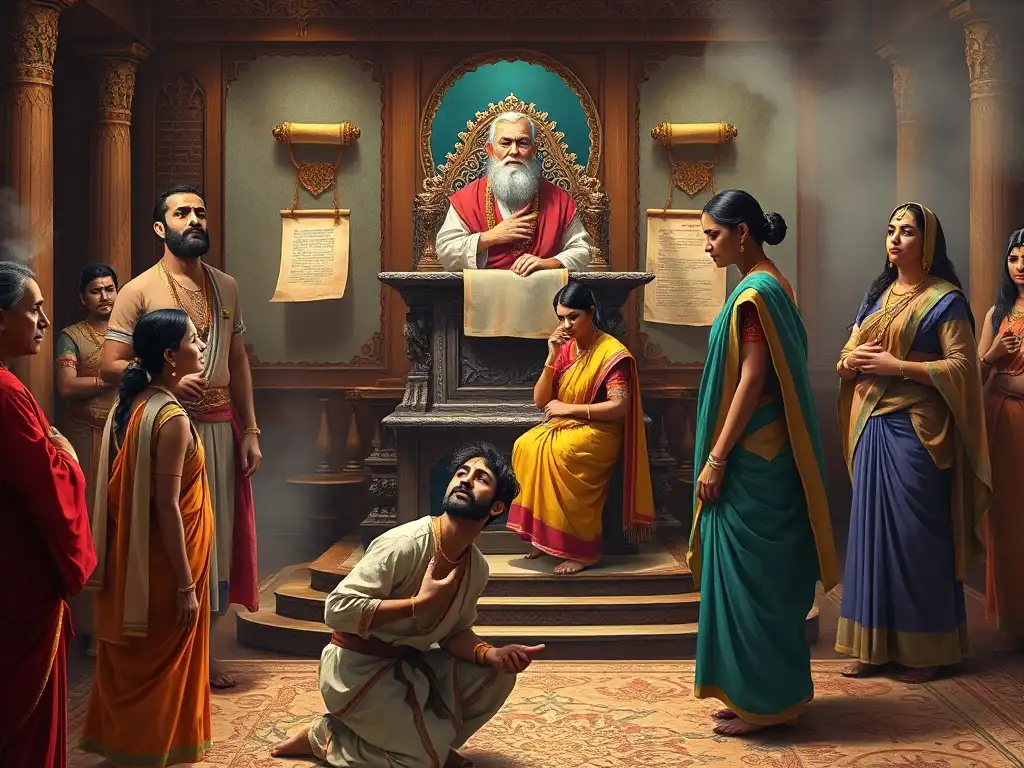
The study of ancient Indian civilizations history is not just about deciphering scripts and inscriptions; it also involves piecing together fragments of cultural, social, and economic narratives that these artifacts hint at but do not fully reveal. Despite the wealth of information that ancient scripts like Brahmi and Kharosthi provide, significant gaps remain in our understanding of the daily lives, spiritual beliefs, and complex societal structures of these civilizations.
The Future of Research on Ancient Indian Scripts and Civilizations
As we move forward, the future of research on ancient Indian scripts and civilizations appears promising, yet challenging. Advances in technology, such as Artificial Intelligence and machine learning, are paving the way for innovative methods of analysis. For instance, researchers are now utilizing image recognition software to enhance the legibility of faded inscriptions and to identify patterns across various artifacts that were previously overlooked.
Moreover, interdisciplinary approaches that incorporate archaeology, anthropology, and linguistics are essential for a holistic understanding. Collaborative efforts between historians, linguists, and archaeologists can lead to more comprehensive interpretations of the scripts and the contexts in which they were used.
Key Areas for Future Research:
- Deciphering Undeciphered Scripts: Continued efforts to decode scripts like the Indus Valley script could provide invaluable insights into this enigmatic civilization.
- Contextual Analysis: Understanding the socio-political and economic contexts in which these scripts were created can illuminate their purpose.
- Technological Integration: Utilizing digital humanities tools can aid in the preservation and dissemination of ancient texts, making them accessible to a wider audience.
This research will not only enhance our understanding of ancient Indian civilizations history but also contribute to a greater appreciation of their rich and diverse cultural heritage.
Final Thoughts on the Unwritten History of Ancient India
The unwritten history of ancient India continues to present a compelling mystery filled with potential discoveries. While ancient Indian scripts and inscriptions serve as crucial sources of information, they represent only a fraction of the vast tapestry of life in these civilizations. The unrecorded stories, oral traditions, and cultural practices that have not been captured in writing remain integral to understanding the full scope of ancient Indian history.
As scholars and enthusiasts delve deeper into these unwritten narratives, the hope is that we will bridge the gaps in our knowledge. Embracing a multidisciplinary approach and leveraging new technologies will be key to unlocking the secrets of the past. Ultimately, the journey of exploring ancient Indian civilizations history is ongoing, and each new discovery brings us closer to a fuller understanding of this remarkable heritage.
Frequently Asked Questions
What are the main ancient Indian civilizations discussed in the article?
The article explores the Indus Valley Civilization, Maurya Empire, and Gupta Empire, highlighting their cultural and historical significance.
How did ancient Indian scripts contribute to our understanding of history?
While ancient scripts provide valuable insights, they often leave gaps, leading historians to rely on archeological findings and interpretations to piece together the ancient Indian civilizations history.
What challenges do historians face when studying ancient Indian civilizations?
Historians encounter incomplete records, language barriers, and cultural differences, making it difficult to fully understand the rich history of these civilizations.
Why is the Indus Valley Civilization significant in ancient Indian history?
The Indus Valley Civilization is notable for its advanced urban planning, trade systems, and social organization, which laid foundational aspects of later Indian cultures.
How did the Gupta Empire influence the cultural development of ancient India?
The Gupta Empire is often referred to as the Golden Age of ancient India due to its achievements in art, science, and literature, profoundly shaping the region's cultural heritage.
Final Reflection: Unveiling the Mysteries of Ancient Indian Civilizations
The exploration of ancient Indian civilizations history reveals a tapestry of culture, knowledge, and spirituality that continues to resonate in our modern world. As we delve into the unwritten histories and the gaps left by ancient scripts, we uncover not just the achievements of these civilizations, but also the profound lessons they impart about resilience, innovation, and the human spirit. The significance of these ancient narratives is not merely academic; they shape our understanding of identity and continuity in a rapidly changing world.
The impact of ancient Indian civilizations is felt in various facets of contemporary society, from philosophy and art to science and governance. These civilizations laid the groundwork for many principles that guide us today, yet their stories remain partially obscured. As we strive to piece together this intricate puzzle, we recognize the importance of preserving and honoring these legacies. History is not just about the past; it is a bridge to the future.
This quote encapsulates the essence of our journey through history, reminding us that the lessons of the past can illuminate our path forward.
As we conclude this exploration, I invite you to reflect on your own connection to history and culture. Consider how the stories of ancient Indian civilizations can inspire you in your daily life. Whether through embracing the values of wisdom, community, or creativity, let the lessons of the past guide your actions and decisions. Together, we can ensure that the unwritten histories are not forgotten, but rather celebrated and integrated into the fabric of our present and future.
Thank you for taking the time to explore the fascinating world of ancient Indian scripts with us! Your curiosity has brought you closer to understanding the untold stories of Indian history, and now it's time to dive even deeper. Empower yourself and others by taking the following steps:
- Engage with your community: Join or start a discussion group focused on ancient Indian history. Share insights and findings with others who share your passion!
- Read further: Explore a variety of resources, including books, documentaries, and online courses about these ancient scripts to expand your knowledge and deepen your understanding.
- Spread the word: Share this article with friends or on social media to inspire others to discover the rich heritage of ancient India!
What aspect of ancient Indian history do you believe holds the most untold secrets waiting to be uncovered?