
The Relationship Between Prakrit and Other Ancient Languages of the World


Welcome to Ancient India History, where we embark on a fascinating journey through the rich tapestry of India's past. In this exploration, we delve into the intricate connections of the Prakrit ancient language and its profound influence on other ancient languages around the globe. What secrets does this linguistic heritage hold, and how has it shaped the cultural landscape of civilization? Join us as we uncover the remarkable stories and contributions of ancient Indian civilizations, from the enigmatic Indus Valley to the illustrious Gupta Empire. Get ready to dive deeper into a world where language and history intertwine!
Introduction to Prakrit Ancient Language Connections
The study of ancient languages provides a fascinating window into the cultures, philosophies, and societies of bygone eras. Among these languages, Prakrit holds a unique position as it serves as a bridge between the ancient and modern linguistic landscapes of India.
Prakrit, a group of Middle Indo-Aryan languages, is not only pivotal in understanding the evolution of Indian languages but also in exploring its connections with other ancient languages across the world. This article delves into the intricate relationships Prakrit shares with languages like Sanskrit, Pali, and even some non-Indian tongues, highlighting its significance in the broader context of linguistic history.
Historical Context of Prakrit
To fully appreciate the connections Prakrit has with other ancient languages, it is essential to understand its historical backdrop. Prakrit emerged during a period when the Indian subcontinent was rich in cultural and linguistic diversity. The evolution of Prakrit occurred alongside significant historical events, including the rise of various kingdoms and the spread of religious philosophies.
The Origins of Prakrit Languages
Prakrit languages are believed to have evolved from Sanskrit, the classical language of ancient India, around the 6th century BCE. They represent a vernacular form that was more accessible to the common people, contrasting with the more formal and rigid Sanskrit. The Prakrit family includes several dialects, each reflecting regional variations and influences. Notably, Ardha Magadhi, Shauraseni, and Maharashtri are prominent dialects that played significant roles in literature and inscriptions.
Through linguistic analysis, researchers have identified the following key aspects of Prakrit's origins:
- Evolution from Sanskrit: Prakrit languages simplified many of the complex grammatical structures of Sanskrit, making them easier to speak and write.
- Influence from Local Languages: As Prakrit spread across different regions, it absorbed elements from local dialects and languages, enriching its vocabulary and phonetics.
- Use in Literature and Drama: Prakrit became the language of choice for various literary works, particularly in plays and poetry, showcasing its adaptability and appeal among diverse audiences.
Prakrit in Ancient Indian Civilizations
Prakrit's significance extends beyond mere linguistic evolution; it played a crucial role in the cultural and religious dynamics of ancient Indian civilizations. From the Mauryan Empire to the Gupta Empire, Prakrit was used in administration, literature, and everyday communication. Its presence can be traced in various historical texts, including the Jain Agamas and the Buddhist scriptures, where it was employed to convey philosophical concepts and teachings.
Key contributions of Prakrit in ancient Indian civilizations include:
- Buddhism and Jainism: Prakrit served as the lingua franca for early Buddhist and Jain texts, making their teachings more accessible to the lay population.
- Cultural Exchange: As trade routes expanded, Prakrit facilitated communication between different regions and cultures, fostering a rich exchange of ideas and traditions.
- Literary Heritage: The use of Prakrit in classical dramas, such as those by Kalidasa and Bhasa, not only showcases its literary richness but also its impact on subsequent Indian literature.
Through this exploration of Prakrit's historical context and its connections with other ancient languages, we can gain a deeper understanding of how this language shaped not only Indian civilization but also contributed to the broader tapestry of linguistic history across the world.
Linguistic Features of Prakrit
Prakrit is a fascinating ancient language characterized by its unique linguistic features that set it apart from its contemporaries. As a member of the Indo-Aryan language family, Prakrit exhibits various phonetic, syntactic, and grammatical traits that reflect its evolution and usage in ancient Indian society. The language is primarily known for its dialectical diversity, with several regional variants that emerged across different geographical areas, influencing its phonetic and grammatical structures.
One of the most notable features of Prakrit is its relatively simple phonetic inventory compared to Sanskrit, making it more accessible to the common people of ancient India. This simplicity facilitated the language's adoption and adaptation across various regions, leading to a rich tapestry of dialects. Furthermore, Prakrit's flexibility allowed it to serve as a medium for diverse literary forms, including poetry, drama, and prose, thus enriching the cultural landscape of ancient India.
Phonetics and Phonology of Prakrit
The phonetic structure of Prakrit is distinguished by a limited set of sounds, which often makes it easier to pronounce than Sanskrit. It typically includes:
- Vowels: Prakrit maintains a range of vowel sounds, similar to those in Sanskrit but with fewer complexities in their usage.
- Consonants: The language features a variety of consonantal sounds, including both voiced and voiceless stops, nasals, and fricatives. Notably, Prakrit tends to simplify the retroflex sounds found in Sanskrit, leading to a more streamlined phonetic system.
Phonologically, Prakrit often exhibits sound changes and reductions, which are indicative of its spoken nature. For instance, the phenomenon of vowel harmony and the dropping of unstressed syllables are common, contributing to the fluidity of the spoken language. These phonetic characteristics not only highlight the linguistic evolution of Prakrit but also its role as a bridge between the more rigid structures of Sanskrit and the emerging vernacular languages.
Syntax and Grammar of Prakrit
Prakrit's syntax and grammar are also marked by simplifications when compared to Sanskrit. The language predominantly follows a Subject-Object-Verb (SOV) order, which is typical for many Indo-Aryan languages. Key grammatical features include:
- Noun Declensions: Prakrit employs a simplified system of noun declensions, with fewer cases than Sanskrit. This reduction makes the language more approachable for speakers and writers.
- Verb Conjugations: While Prakrit retains the rich verb conjugation system of Sanskrit, it often simplifies aspects such as tense and mood, reflecting the day-to-day communication styles of its users.
- Use of Particles: Prakrit frequently employs particles to convey nuances in meaning, allowing for flexibility in expression that aligns well with the spoken traditions of the time.
These grammatical traits underscore Prakrit's role as a lingua franca among various communities, enabling effective communication across different regions and cultures in ancient India.
Prakrit and Its Relations to Other Ancient Languages
The relationships between Prakrit and other ancient languages are critical to understanding its place in the linguistic landscape of the time. As a language that evolved alongside others, Prakrit shares numerous connections that highlight its significance in historical linguistics.
Connections with Indo-Aryan Languages
Prakrit is intrinsically linked to the Indo-Aryan language family, acting as a transitional form between Sanskrit and the numerous regional languages that developed later. Its vocabulary, phonology, and grammatical structures reveal the influence of early Indo-Aryan languages, particularly in terms of:
- Lexical Borrowing: Prakrit incorporates many words and expressions from Sanskrit, demonstrating a rich interaction between the two languages. However, it also introduced new terms that reflected the local culture and environment.
- Dialectical Variations: Various dialects of Prakrit, such as Ardhamagadhi and Maharashtri, showcase distinct linguistic features while retaining core elements from the original Indo-Aryan lexicon.
This complex interplay underscores Prakrit's role as a foundational language that helped shape the evolution of later Indian languages, ensuring its lasting impact on the linguistic heritage of the region.
Prakrit and Dravidian Language Links
In addition to its connections with Indo-Aryan languages, Prakrit also exhibits intriguing links to the Dravidian language family. This relationship is particularly evident in regions where both language groups coexisted, leading to mutual influences that enriched both linguistic traditions. Key aspects of this connection include:
- Vocabulary Exchange: Certain Prakrit words have been identified as having Dravidian origins, suggesting a cultural and linguistic exchange that facilitated communication between speakers of different languages.
- Structural Influences: The syntax and phonological features of Prakrit may have been influenced by nearby Dravidian languages, particularly in areas where bilingualism was common.
These connections highlight the dynamic nature of ancient Indian languages, revealing a tapestry of interactions that shaped the development of Prakrit and its relations with other linguistic traditions. Understanding these links offers deeper insights into the cultural and historical contexts in which Prakrit thrived, marking its significance in the broader narrative of ancient Indian history.
The Influence of Prakrit on Other Ancient Languages Globally
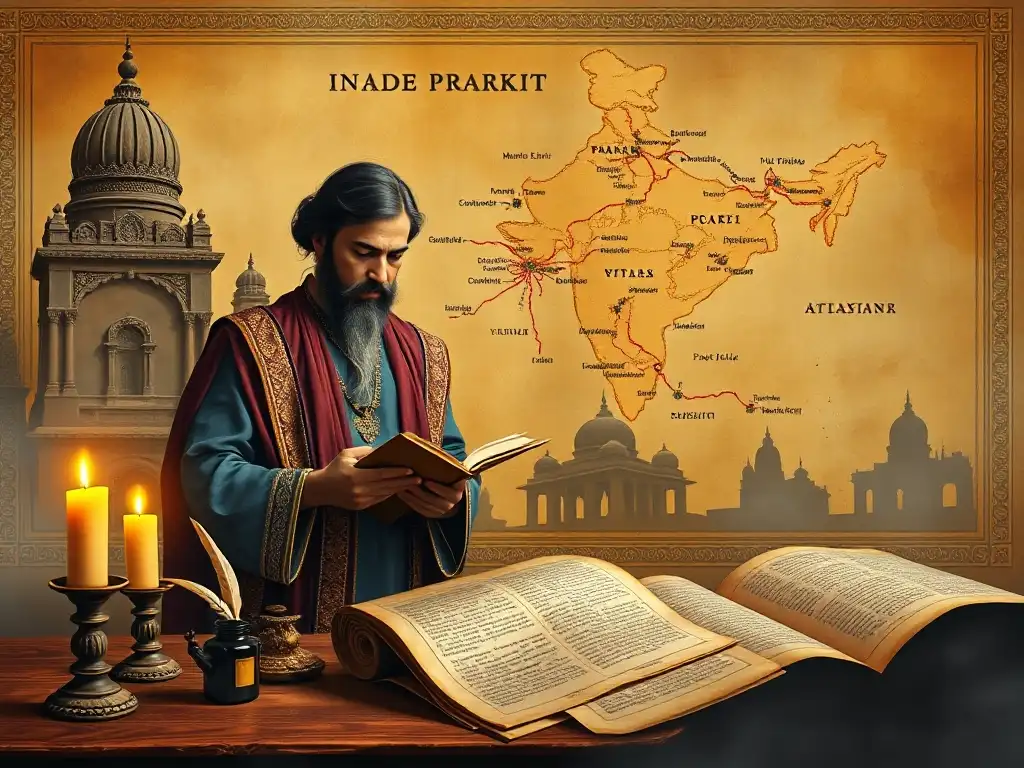
Prakrit, an ancient language that flourished in India from around the 3rd century BCE, has left a significant mark on various languages across the globe. Primarily derived from Sanskrit, Prakrit served as a medium of expression for many early forms of literature and communication. Its influence extends beyond the Indian subcontinent, reaching languages in Southeast Asia and parts of the Middle East.
The linguistic features of Prakrit, such as its phonetics and grammar, have been absorbed by several ancient languages. This adoption can be seen particularly in the syntax and vocabulary of languages like Pali, which is closely associated with the Theravada Buddhist texts. Furthermore, the spread of Buddhism facilitated the introduction of Prakrit's elements into the languages of regions influenced by Indian culture, contributing to a rich tapestry of linguistic development.
Prakrit's Impact on Southeast Asian Languages
The spread of Prakrit through trade and the expansion of Buddhism led to its substantial impact on Southeast Asian languages, particularly in countries like Thailand, Myanmar, and Indonesia. The inscriptions found in these regions, often written in scripts derived from Brahmi and influenced by Prakrit, showcase the linguistic transformation that occurred as a result of cultural exchanges.
- Thai Language: The Thai language has absorbed vocabulary and phonetic structures from Prakrit through the Pali language, as many Buddhist texts were translated into Thai. This influence is evident in religious terminology and everyday expressions.
- Burmese Language: Similarly, the Burmese language exhibits Prakrit influence, especially in its script and certain lexicons. The adoption of religious terms and administrative language can be traced back to Prakrit roots.
- Indonesian Languages: In Indonesia, languages such as Javanese and Balinese reflect Prakrit influence, particularly in their literary traditions. Historical texts and inscriptions showcase a blend of local languages and Prakrit, emphasizing the cultural exchange during ancient trade routes.
Comparative Analysis with Other Ancient Language Families
Comparing Prakrit with other ancient language families reveals intriguing similarities and differences. While Prakrit shares roots with Indo-Aryan languages, its evolution diverges distinctly from other families like Semitic or Turkic languages.
- Indo-European Family: Within the Indo-European family, Prakrit is closely related to Sanskrit and Ancient Greek. The grammatical structures and syntax exhibit similarities, although Prakrit is often more accessible and reflects colloquial usage compared to the more formal Sanskrit.
- Semitic Languages: In contrast, Semitic languages such as Hebrew and Arabic differ significantly in structure and phonetics from Prakrit. However, trade and cultural exchanges have led to some borrowed vocabulary, particularly in the context of trade and religion.
- Turkic Languages: While there is less direct influence, the Turkic languages have also absorbed cultural elements from Indian civilizations, including some linguistic traits likely derived through interactions with Prakrit-speaking populations.
The Role of Literature in Understanding Prakrit Connections

Literature serves as a key resource for understanding the connections between Prakrit and other ancient languages. The rich body of texts produced in Prakrit not only reflects the linguistic characteristics of the language but also offers insights into the cultural and philosophical ideas of ancient Indian society.
Major Literary Works in Prakrit
Several major literary works in Prakrit highlight its significance in ancient literature. Notable examples include:
- Panchatantra: This ancient collection of interrelated animal fables emphasizes moral lessons and has been translated into many languages, showcasing the narrative style and storytelling techniques influenced by Prakrit.
- Kālidāsa's Works: While primarily written in Sanskrit, the works of Kālidāsa, such as "Shakuntala," exhibit Prakrit elements, especially in dialogues that reflect the vernacular speech of the time.
- Jain Literature: Jain texts composed in Prakrit, such as the "Aṅgavāḍa," are crucial for understanding the language's development and its relationship with religious thought, demonstrating how literature can encapsulate cultural identity.
Prakrit in Religious Texts
Prakrit has played a crucial role in religious texts, particularly in Buddhism and Jainism. The use of Prakrit in these texts made them more accessible to the general populace, fostering a broader understanding of religious philosophies.
- Buddhist Scriptures: Many of the earliest Buddhist scriptures were composed in a form of Prakrit, reflecting the language's role in the dissemination of Buddhist teachings across Asia. The Pali Canon, while distinct, shares roots with Prakrit and showcases the language's adaptability.
- Jain Agamas: Jain religious texts, known as Agamas, were also written in Prakrit, illustrating the connection between language and religious practice. These texts provide insights into Jain philosophy and ethics, reinforcing the importance of Prakrit in the historical development of Indian religions.
The relationship between Prakrit and other ancient languages is multifaceted, with its influence resonating through literature, culture, and religious texts, contributing to the rich linguistic heritage of ancient India and beyond.
Conclusion: The Significance of Prakrit Ancient Language Connections
The study of Prakrit and its connections to other ancient languages is crucial for understanding the linguistic landscape of ancient India and its influence on surrounding regions. Prakrit serves as a bridge between the Vedic Sanskrit of the early Indo-Aryan texts and the later vernacular languages that emerged in the Indian subcontinent. Its significance lies not only in its role as a medium for literary expression but also in its contributions to the development of various regional dialects and languages.
By examining the similarities and differences between Prakrit and other ancient languages, such as Pali, Sanskrit, and even non-Indo-European languages, researchers can gain insights into the cultural exchanges that occurred in ancient times. The interactions between these languages reveal patterns of migration, trade, and the spread of religious and philosophical ideas. For instance, the influence of Prakrit on Pali, which became the language of Theravada Buddhism, underscores its role in disseminating spiritual teachings across South Asia and beyond.
Moreover, the preservation of Prakrit texts provides valuable information about the social, political, and economic contexts of the era. As scholars continue to explore these connections, they uncover the complexities of language evolution and the shared heritage of human communication. Ultimately, understanding Prakrit's relationships with other ancient languages enriches our appreciation of the linguistic diversity and historical narratives that have shaped the Indian subcontinent.
Future Research Directions on Prakrit Language Connections
As the field of historical linguistics evolves, there are numerous avenues for future research focusing on Prakrit and its connections with other ancient languages. Scholars can explore several promising directions, including:
- Comparative Linguistic Studies: Conducting in-depth comparative analyses of Prakrit with other contemporary languages, such as Latin, Greek, and ancient Semitic languages, can shed light on shared linguistic features and the diffusion of language families.
- Dialectal Variations: Investigating the regional dialects of Prakrit, such as Ardhamagadhi and Maharashtri, can help elucidate how local contexts influenced language development and contributed to the emergence of modern Indian languages.
- Cultural Exchange: Examining the role of Prakrit in trade and cultural exchanges between India and neighboring regions, such as Central Asia and the Middle East, can provide a broader understanding of the sociolinguistic dynamics at play during ancient times.
- Digital Humanities: Utilizing technology and digital tools for text analysis can facilitate the preservation and study of Prakrit manuscripts, allowing researchers to analyze large corpora of texts for linguistic patterns and historical developments.
- Interdisciplinary Approaches: Collaborating with experts from fields such as anthropology, archaeology, and history can enrich the study of Prakrit by integrating perspectives on the cultural and historical contexts in which these languages functioned.
By pursuing these research directions, scholars can expand the understanding of Prakrit's significance within the tapestry of ancient languages and further appreciate its contributions to the evolution of communication in the Indian subcontinent and beyond.
- Introduction to Prakrit Ancient Language Connections
- Historical Context of Prakrit
- Linguistic Features of Prakrit
- Prakrit and Its Relations to Other Ancient Languages
- The Influence of Prakrit on Other Ancient Languages Globally
- Prakrit's Impact on Southeast Asian Languages
- Comparative Analysis with Other Ancient Language Families
- The Role of Literature in Understanding Prakrit Connections
- Conclusion: The Significance of Prakrit Ancient Language Connections
- Future Research Directions on Prakrit Language Connections
Frequently Asked Questions
What is Prakrit in the context of ancient languages?
Prakrit refers to a group of ancient Indian languages that were spoken and written during various periods in Indian history, notably alongside Sanskrit.
How does Prakrit relate to Sanskrit?
Prakrit is considered a derivative of Sanskrit, often used in literature and dialogues, showcasing a more colloquial form of expression compared to the formal nature of Sanskrit.
What are some other ancient languages connected to Prakrit?
Prakrit shares connections with other ancient languages like Pali, which is significant in Buddhist texts, and influences from Aramaic and Greek due to historical interactions and trade.
Why is the study of Prakrit important for understanding ancient cultures?
Studying Prakrit helps scholars uncover the social and cultural dynamics of ancient Indian civilizations, providing insights into literature, philosophy, and daily life of the time.
How did Prakrit influence modern languages?
The evolution of Prakrit has contributed to the development of several modern languages in India, such as Hindi, Gujarati, and Marathi, showcasing its lasting impact on linguistic heritage.
Final Reflection: The Enduring Legacy of Prakrit's Ancient Connections
The exploration of Prakrit and its connections to other ancient languages reveals not only the intricate tapestry of linguistic evolution but also the profound cultural exchanges that have shaped human history. As we delve into the significance of Prakrit, we recognize its role as a bridge between diverse civilizations, highlighting the interconnectedness of human expression across time and space. This understanding is crucial today, as we navigate a world that often feels fragmented; the threads of our shared linguistic heritage remind us of our common origins and the power of communication.
The influence of Prakrit on the cultural and social landscape is undeniable, as it has paved the way for the development of numerous languages and literary traditions. The study of Prakrit opens a window to the past, illuminating how languages evolve and influence one another. As we reflect on this, we are reminded of the words of linguist Noam Chomsky: Language is a process of free creation.
This notion underscores the importance of recognizing the fluidity of language and its capacity to adapt and thrive, enriching our understanding of identity and culture.
As we conclude this exploration, I invite you to reflect on the lessons embedded in the story of Prakrit and its ancient connections. Consider how the languages we speak today are not just tools for communication but also vessels of history, culture, and shared human experience. Embrace the opportunity to learn from the past, fostering a deeper appreciation for the languages that connect us all. Let us carry forward this legacy, celebrating our linguistic diversity while recognizing the unity that lies beneath.
Unveil the Wonders of Ancient Language Connections!
Thank you for exploring the fascinating relationship between Prakrit and other ancient languages with us! Your interest reflects a desire to understand how languages shape our history and culture. Now, let’s take that knowledge further and deepen your connection to this ancient linguistic journey.
- Dive deeper: Explore resources and primary texts on Prakrit to uncover more about its influence on modern languages.
- Join the conversation: Share your insights regarding language evolution on social media or in community forums to inspire others.
- Surprise yourself: Try learning a few basic phrases in Prakrit or other related ancient languages—connecting with history has never been more enriching!
How do you think understanding ancient languages can enhance our appreciation of culture today?