
The Significance of Prakrit in Ancient Indian Political Texts


Welcome to Ancient India History, where we embark on a captivating journey through the rich tapestry of ancient Indian civilizations. Today, we delve into the intriguing world of language and politics, exploring the importance of Prakrit in politics. This fascinating article will unveil how this ancient language shaped political discourse and influenced governance from the Indus Valley to the Gupta Empire. Prepare to be inspired as we uncover the profound connections between language and power—your adventure through the depths of history begins here!
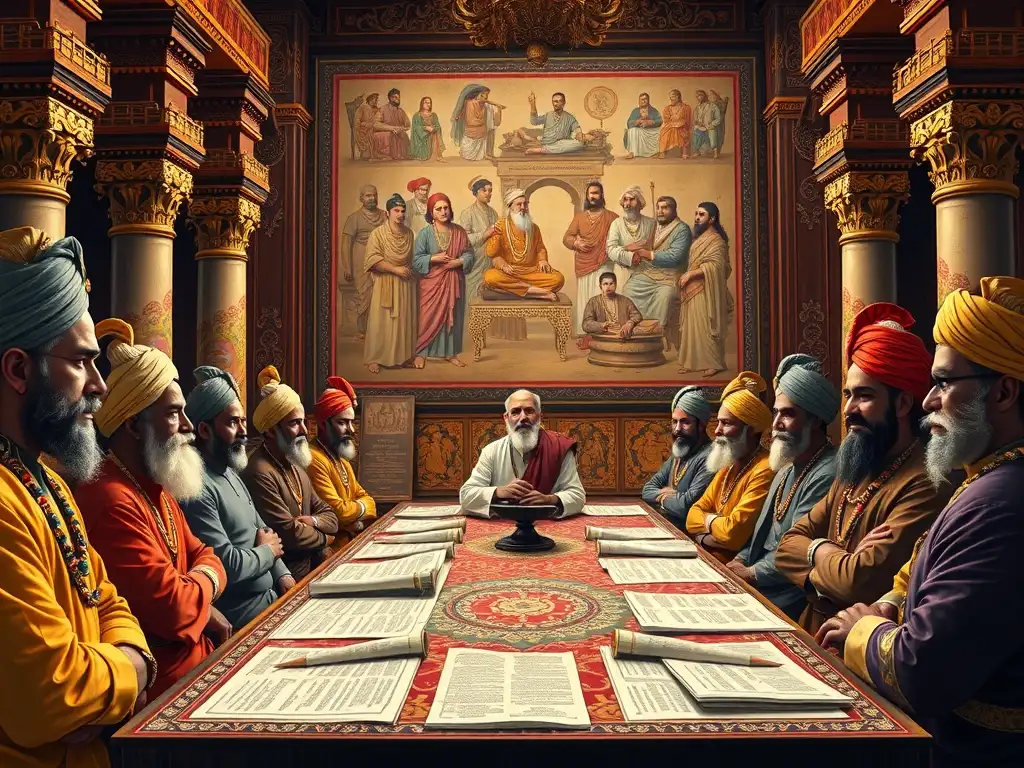
The significance of Prakrit in ancient Indian political texts is a fascinating subject that reflects the intricate relationship between language and governance in early Indian civilization. Prakrit, a group of Middle Indo-Aryan languages, served as a crucial medium of communication among various strata of society, particularly during a time when the more formal Sanskrit was predominantly used by the elite and religious scholars.
This article explores the importance of Prakrit in politics, unraveling its role in shaping political discourse, influencing administrative practices, and fostering a connection with the common populace. By delving into the historical context and the socio-political dynamics of ancient India, we aim to illuminate how Prakrit emerged as a significant language in the political landscape, facilitating communication, representation, and governance.
Introduction to Prakrit
Understanding Prakrit: Definition and Origin
Prakrit refers to a variety of Middle Indo-Aryan languages that evolved from the earlier forms of Sanskrit. Historically, the term encompasses several dialects that were spoken across different regions of India, including Magadhi, Shauraseni, and Maharashtri. These dialects were more accessible to the general populace compared to the classical Sanskrit, which was often reserved for religious and scholarly texts.
The origin of Prakrit can be traced back to the 6th century BCE, with significant development occurring during the Mauryan and Gupta periods. The term “Prakrit” itself translates to “natural” or “ordinary,” suggesting its role as the language of the masses. As a linguistic bridge, Prakrit facilitated communication across diverse cultures and communities, enabling the dissemination of ideas, beliefs, and political agendas.
The Role of Prakrit in Ancient India
In ancient India, Prakrit played a multifaceted role beyond mere communication. It was the language of literature, drama, and everyday life, reflecting the values and aspirations of the society. Significant literary works such as the Panchatantra and Jataka tales were composed in Prakrit, showcasing its richness and versatility.
Moreover, Prakrit served as a vehicle for political expression. The use of Prakrit in inscriptions, edicts, and official documents indicates its importance in governance and law. Rulers recognized that communicating in a language understood by the masses was vital for effective administration and social cohesion. This connection to the populace contributed to the legitimacy of political authority and facilitated the dissemination of governance principles.
Historical Background of Prakrit in Politics
Prakrit: The Language of the Common People
Prakrit emerged as the language of the common people, contrasting sharply with the elite status of Sanskrit. This accessibility made it a powerful tool for political leaders who sought to engage with their subjects directly. Historical records reveal that many kings and emperors, including Ashoka, utilized Prakrit in their inscriptions to reach a broader audience, thereby enhancing their governance and public relations.
The widespread use of Prakrit in urban centers and villages allowed for a more inclusive political discourse. It enabled local leaders to communicate effectively with their constituents, ensuring that the voices of the common people were heard in the political arena. This linguistic choice was instrumental in fostering a sense of belonging and participation among the populace.
Political Context of Prakrit Usage in Ancient India
The political context in which Prakrit was utilized is crucial to understanding its significance. During the Mauryan Empire, for instance, the edicts of Ashoka were inscribed in Prakrit, reflecting his commitment to dharma and ethical governance. By adopting this language, Ashoka not only communicated his policies but also sought to cultivate a moral connection with his subjects.
Similarly, during the Gupta period, the use of Prakrit in various inscriptions and literary works underscored its role in reinforcing the political ideology of the time. The language became a medium through which rulers articulated their visions, aspirations, and achievements, thus solidifying their authority and legacy in the annals of history.
The significance of Prakrit in ancient Indian political texts transcends mere linguistic relevance; it embodies the cultural, social, and political dynamics of the time, making it an essential subject of study for understanding the complexities of ancient Indian governance.
The Importance of Prakrit in Political Texts
Prakrit, as a language, plays a crucial role in understanding the political landscape of ancient India, especially during the era when it flourished alongside Sanskrit. Its significance in political texts lies primarily in its accessibility and relatability to the common populace. Unlike Sanskrit, which was often reserved for the elite and scholarly classes, Prakrit was the vernacular of the masses. This linguistic choice allowed political ideas and governance principles to permeate broader sections of society, fostering a more inclusive political dialogue.
The importance of Prakrit in politics is also reflected in its use as a medium for expressing local governance and administrative practices. Regional kings and local rulers often employed Prakrit in their edicts, inscriptions, and proclamations, thereby legitimizing their authority among their subjects. Additionally, Prakrit literature often critiques political systems and leaders, providing a unique lens through which we can analyze the socio-political dynamics of the time. Its role as a bridge between the ruling elite and the general populace makes Prakrit an indispensable part of the study of ancient Indian political texts.
Key Ancient Texts Written in Prakrit
Several key ancient texts were composed in Prakrit, significantly contributing to our understanding of political thought and governance. Among these, the "Arthashastra" by Kautilya, while primarily in Sanskrit, contains sections that reflect the influence of Prakrit, particularly in its discussions of local administration and the role of the common citizen in governance.
Another notable work is the "Digha Nikaya," part of the Pali Canon, which, while predominantly in Pali, has parallels in Prakrit and discusses the ethical and moral responsibilities of rulers. The "Panchatantra," a collection of fables with political allegories, also includes Prakrit narratives that emphasize the cunning and wisdom needed in governance.
Moreover, inscriptions from the Mauryan Empire, particularly those of Emperor Ashoka, often utilized Prakrit to convey messages directly to his subjects, showcasing an early form of public communication that sought to unify diverse populations under a common administrative framework.
Analysis of Political Concepts in Prakrit Literature
Prakrit literature provides a rich repository for analyzing political concepts such as kingship, governance, and justice. The narratives often emphasize the moral responsibilities of rulers, portraying the ideal king as one who is just, wise, and compassionate. Texts like the "Nīti Sūtra" explore the principles of governance, highlighting the importance of ethical leadership and the welfare of the subjects.
Moreover, the use of allegory and fable in Prakrit literature serves to critique political structures and the behavior of rulers. For instance, the stories within the "Panchatantra" not only entertain but also serve as cautionary tales about the consequences of poor leadership and the necessity of shrewdness in political dealings.
Through these narratives, Prakrit literature not only reflects the political realities of ancient India but also engages in a dialogue about the moral dimensions of power, illustrating how literature can shape and critique political ideologies.
Prakrit and Its Influence on Political Thought
Prakrit's influence on political thought in ancient India was profound, as it facilitated a unique interaction between the rulers and their subjects. The language's accessibility allowed for a broader dissemination of political ideas, which were often grounded in the realities of everyday life. This democratization of political discourse was crucial in shaping public opinion and fostering civic engagement among the populace.
The adoption of Prakrit in political contexts also signified a shift in power dynamics, where local rulers began to assert their authority through a language that resonated with the common people. By doing so, they established a connection that transcended mere governance, creating a sense of shared identity and cultural cohesion among diverse groups within their realms.
The Philosophical Underpinnings of Prakrit in Governance
The philosophical aspects of Prakrit in governance can be traced back to its roots in the Jain and Buddhist traditions, which emphasized ethical conduct and the welfare of all beings. These philosophies informed the political discourse of the time, with Prakrit texts advocating for a governance model that prioritized compassion, non-violence, and social justice.
The Jain texts, in particular, present a vision of rulers as guardians of dharma, promoting the idea that true leadership stems from moral integrity and selflessness. Similarly, Buddhist influences in Prakrit literature often stress the importance of benevolence and wisdom in leadership, providing a framework for rulers to follow that seeks not only to maintain order but also to uplift the community.
These philosophical underpinnings resonate strongly in the political narratives of the time, suggesting that governance was not solely about power but also about responsibility and ethical stewardship.
Case Studies: Political Leaders Who Employed Prakrit
Several notable political leaders in ancient India effectively utilized Prakrit to communicate their ideas and solidify their power. Emperor Ashoka, perhaps the most famous of these leaders, is renowned for his edicts inscribed in Prakrit that promoted the principles of Dhamma—a moral code emphasizing compassion and non-violence. His use of the language in public inscriptions ensured that his messages reached a diverse audience, fostering a sense of unity and shared purpose among his subjects.
Another example is Chandragupta Maurya, the founder of the Maurya Empire, who is believed to have employed Prakrit in his administration to connect with the local populace. His political strategies often involved a keen understanding of local customs and languages, allowing him to effectively govern a vast and diverse empire.
Furthermore, King Harshavardhana in the 7th century CE used Prakrit in his literary works and court communications. His patronage of Prakrit literature, including the famous play "Nagananda," illustrated his commitment to cultural and political engagement with his subjects, showcasing how language can be a tool for both governance and cultural expression.
These case studies highlight the strategic use of Prakrit by political leaders in ancient India, emphasizing its importance not just as a language but as a vital instrument in the realm of politics.
Comparison of Prakrit and Sanskrit in Political Discourse
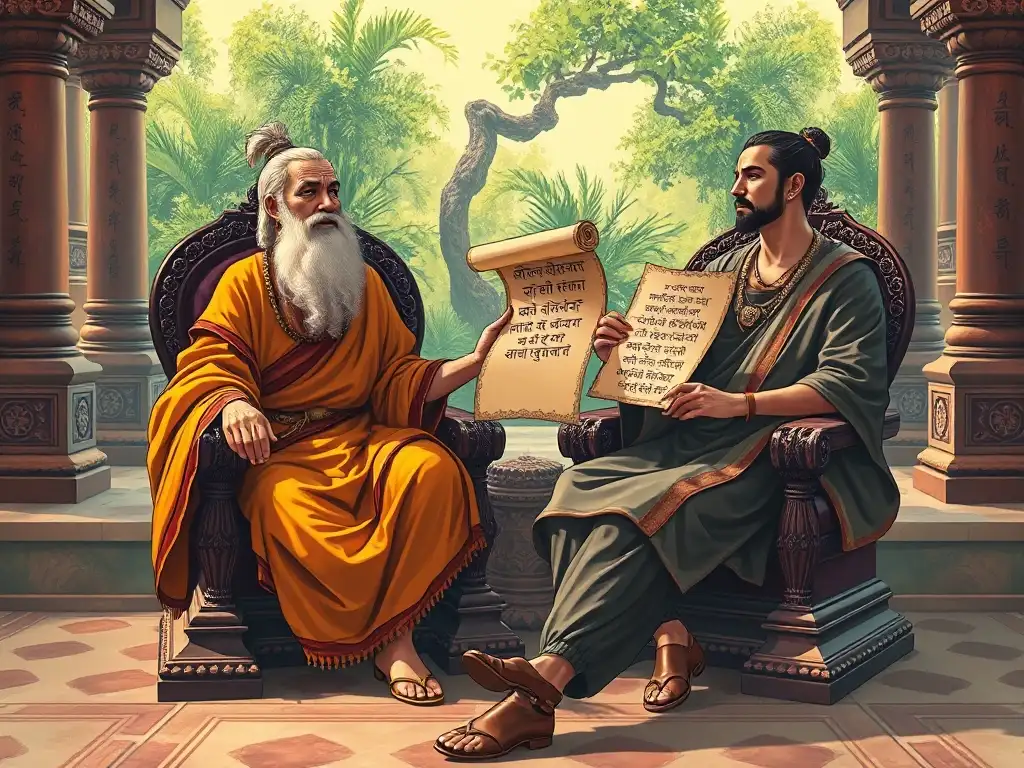
The comparison of Prakrit and Sanskrit in the context of political discourse reveals significant differences that shaped the communication and governance of ancient Indian civilizations. While Sanskrit was predominantly used by the elite, scholars, and in formal religious texts, Prakrit emerged as a language of the common people, making it more accessible for broader communication. This distinction is crucial in understanding how political ideas were disseminated across different social strata.
In the realm of political texts, Sanskrit often conveyed complex philosophical and administrative concepts, serving as a medium for authoritative documents and royal decrees. Conversely, Prakrit was utilized in a more pragmatic context, allowing rulers and politicians to reach the masses effectively. The choice of language in political communication thus reflected the audience's social and cultural background, influencing the reception of political messages.
Distinctions Between Prakrit and Sanskrit Usage in Politics
The distinctions between Prakrit and Sanskrit in political contexts are rooted in their historical usage and societal perceptions. Sanskrit, regarded as the language of the gods and the intellectuals, was often associated with high culture and philosophy. Its usage in political texts was primarily formal, serving to legitimize power through sacred scriptures and royal edicts.
In contrast, Prakrit was the language of everyday life for many, spoken by merchants, artisans, and the rural population. This linguistic accessibility allowed for a more direct and relatable form of political discourse. Political figures who adopted Prakrit in their communications were often seen as approachable and in tune with the common people's needs. This accessibility played a critical role in shaping public opinion and facilitating grassroots movements.
Advantages of Prakrit in Political Communication
Prakrit offered several advantages in political communication that contributed to its significance in ancient Indian political texts. One of the primary benefits was its ability to bridge the gap between the ruling class and the general populace. By using Prakrit, leaders could convey their messages in a language that was easily understood by the majority, fostering a sense of inclusivity.
Additionally, the informal nature of Prakrit allowed for a more conversational tone in political discourse. This helped humanize political leaders, making them more relatable and approachable. The emotional resonance of Prakrit often enabled political messages to strike a chord with the populace, fostering loyalty and support.
Moreover, the use of Prakrit in inscriptions and documents reflected a progressive approach to governance, emphasizing the importance of engaging with the subjects in a language they could comprehend. This practice not only facilitated better communication but also contributed to the overall stability and cohesion of society.
Conclusion
Recap of the Importance of Prakrit in Politics
The importance of Prakrit in politics is underscored by its role as a vehicle for effective communication between rulers and the masses. Its usage allowed for the dissemination of political ideas in a language that resonated with the everyday experiences of the people. This accessibility was vital for building trust and legitimacy in governance, making Prakrit an essential component of political discourse in ancient India.
The Lasting Legacy of Prakrit in Modern Political Thought
The legacy of Prakrit in modern political thought can be seen in the continued emphasis on the need for accessible language in governance and public communication. The principles derived from the use of Prakrit, such as inclusivity and relatability, are echoed in contemporary political practices that prioritize engaging with citizens in understandable terms. This enduring influence illustrates how ancient linguistic choices continue to inform the dynamics of political communication today, reflecting the timeless importance of language in shaping political landscapes.
Further Reading and Resources
Understanding the significance of Prakrit in ancient Indian political texts requires a deeper dive into various scholarly works and resources that explore the language's historical context, usage, and contributions to political discourse. Below are some recommended texts and online resources that can enhance your knowledge on this topic.
Recommended Texts on Prakrit and Ancient Politics
-
"Prakrit Literature: An Overview" by S. K. Gupta
This book provides a comprehensive overview of Prakrit literature and its role in ancient Indian society, including political texts. It highlights the cultural and linguistic aspects that shaped the political landscape of the time.
-
"Ancient Indian Political Thought" by T. R. Sharma
This text examines the philosophical foundations of governance in ancient India and discusses how Prakrit was used to articulate political ideas. It delves into major texts and their implications for understanding statecraft.
-
"The Language of Administration in Ancient India" by A. N. Choudhury
A critical exploration of how Prakrit served as a medium of administration and governance, this book analyzes various inscriptions and documents, providing insights into the bureaucratic language of ancient India.
-
"The Rise of Prakrit: Language and Society in Ancient India" by V. R. Rao
This work discusses the sociolinguistic factors that contributed to the prominence of Prakrit in political contexts, including its relationship with Sanskrit and regional dialects.
-
"Political Discourse in Ancient India: The Role of Prakrit" by M. S. Kapoor
Focusing on specific political texts written in Prakrit, this book examines how language influenced political narratives and public discourse during ancient times.
Online Resources for Exploring Prakrit in Ancient Literature
-
Digital Library of India
An extensive online resource, this digital library offers access to a plethora of ancient texts, including those written in Prakrit. Users can search for specific works or authors to find relevant political literature.
-
The Prakrit Foundation
This organization focuses on the preservation and study of Prakrit languages and literature. Their website features research papers, articles, and links to online courses that delve into the importance of Prakrit in various domains, including politics.
-
Sanskrit and Prakrit Texts on JSTOR
JSTOR hosts a myriad of academic journals that provide articles and research papers on the linguistic and literary significance of Prakrit. A subscription may be required for full access, but many institutions provide free access to their members.
-
Online Prakrit Dictionary
This resource is invaluable for scholars and enthusiasts alike, offering definitions and translations of Prakrit terms, especially those used in political texts. It aids in understanding the nuances and context of the language.
-
YouTube Lectures on Ancient Indian Languages
Various scholars and educators share their insights on Prakrit and its significance through video lectures available on platforms like YouTube. These resources can provide a more engaging learning experience.
By exploring these recommended texts and online resources, readers can gain a more profound appreciation of the importance of Prakrit in ancient Indian politics, enhancing their understanding of this significant aspect of India's rich historical tapestry.
- Introduction to Prakrit
- Historical Background of Prakrit in Politics
- The Importance of Prakrit in Political Texts
- Prakrit and Its Influence on Political Thought
- Comparison of Prakrit and Sanskrit in Political Discourse
- Conclusion
- Further Reading and Resources
- What is Prakrit and its relevance in ancient India?
- How did Prakrit influence political texts in ancient India?
- What role did Prakrit play in the administration of ancient Indian empires?
- Which ancient Indian empires prominently featured Prakrit in their political discourse?
- Why is the study of Prakrit important for understanding ancient Indian politics?
Frequently Asked Questions
What is Prakrit and its relevance in ancient India?
Prakrit refers to a group of Middle Indo-Aryan languages that were spoken in ancient India, serving as a lingua franca for various regions, facilitating communication and administration.
How did Prakrit influence political texts in ancient India?
Prakrit was used in many ancient political texts, making political ideas more accessible to the general populace and reflecting the democratic ethos of the time.
What role did Prakrit play in the administration of ancient Indian empires?
Prakrit enabled effective governance by allowing rulers to communicate with diverse populations, ensuring that policies and laws reached a broader audience.
Which ancient Indian empires prominently featured Prakrit in their political discourse?
The Maurya and Gupta empires prominently utilized Prakrit in their political texts, showcasing its significance in administrative and cultural contexts.
Why is the study of Prakrit important for understanding ancient Indian politics?
Studying Prakrit helps historians uncover the socio-political dynamics of ancient India, revealing how language shaped governance and public engagement in political processes.
Final Reflection: The Enduring Importance of Prakrit in Politics
The significance of Prakrit in ancient Indian political texts is not merely a relic of history; it resonates profoundly in today's discourse on language, power, and governance. As we navigate a world increasingly defined by cultural diversity and political complexity, understanding the role of Prakrit in shaping political narratives invites us to reconsider how language influences authority and societal structures. The lessons drawn from these ancient texts remind us that language is not just a means of communication but a powerful tool for political expression and identity.
The influence of Prakrit extends beyond its historical context, continuing to shape the cultural and social landscape of modern India. The recognition of Prakrit as a language of the common people highlights the importance of inclusivity in political dialogue.
As we reflect on this, we are reminded of the words of the renowned scholar, “Language is the road map of a culture. It tells you where its people come from and where they are going.” > This underscores the idea that the study of Prakrit is not just an academic pursuit but a vital exploration of our shared heritage and the ongoing evolution of political thought.
As we conclude this exploration of the importance of Prakrit in politics, I invite you to reflect on your own relationship with language and its role in shaping your understanding of the world. Consider how the lessons from ancient political texts can inspire you to engage more thoughtfully in contemporary discussions about governance and community.
By embracing the richness of linguistic diversity and recognizing the power of language in political contexts, we can contribute to a more inclusive and informed society. Let us carry forward the legacy of Prakrit, not just as a historical artifact, but as a living testament to the transformative power of language in politics.
Unveil the Power of Prakrit in Ancient Wisdom!
Thank you for diving into the fascinating world of Prakrit and its significance in ancient Indian political texts. Your interest in this topic not only enriches your understanding but also connects you to the rich tapestry of Indian history. Now, it’s time to deepen your insights!
Here are a few action-oriented steps you can take right now:
- Delve Deeper: Explore Prakrit's influence on modern Indian languages and cultures by visiting your local library or accessing online resources.
- Share Your Insights: Discuss your findings with friends or on social media platforms to spark engaging conversations about ancient political philosophies.
- Join a Community: Connect with fellow history enthusiasts by participating in online forums or local history clubs to share knowledge and explore related subjects further.
What aspect of Prakrit do you find most compelling, and how do you believe it shapes our understanding of ancient Indian governance?