
The Influence of Ancient Indian Scripts on Artistic Expression and Performance

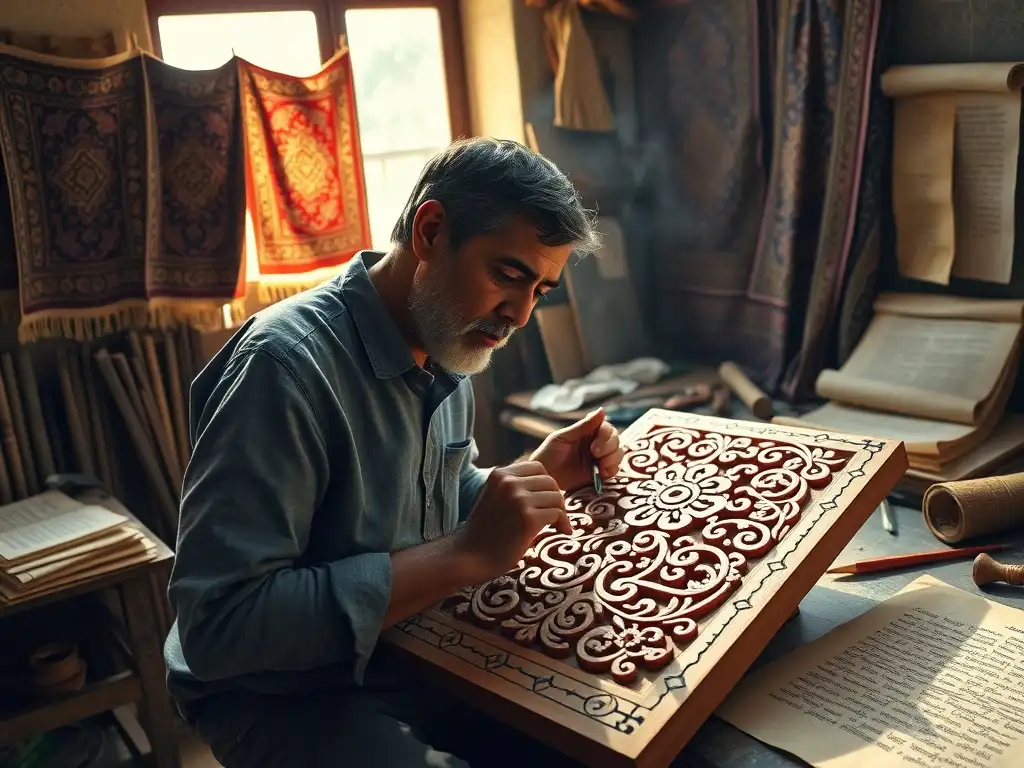
Welcome to Ancient India History, where we embark on a captivating journey through time to unveil the rich tapestry of ancient Indian civilizations. From the enigmatic Indus Valley to the illustrious Gupta Empire, our exploration reveals how ancient Indian scripts influenced art, shaping not only the visual aesthetics but also the cultural narratives of their time. Prepare to delve into the intricate connections between language and artistic expression, and discover how these ancient scripts continue to resonate in today's world. Join us as we uncover the profound legacy of this remarkable heritage—your adventure into the past begins here!
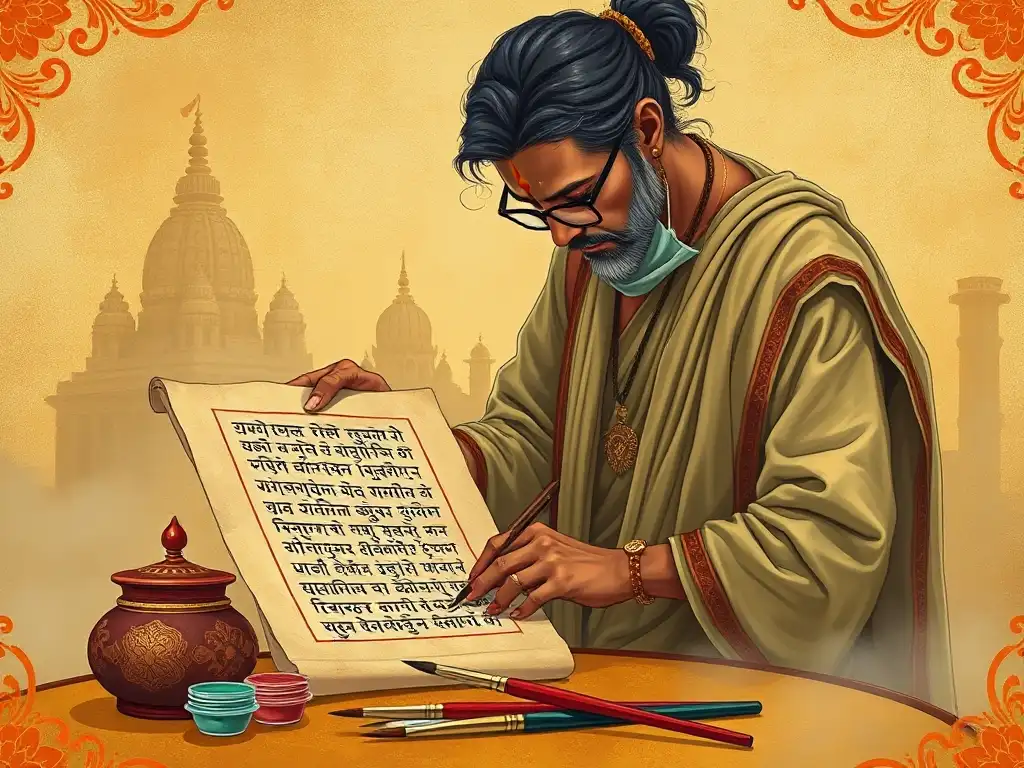
Introduction to Ancient Indian Scripts and Their Cultural Significance
The rich tapestry of ancient Indian history is interwoven with the profound influence of its scripts on the realms of art and performance. Ancient Indian scripts, such as Brahmi and Gupta, not only served as vehicles for communication but also played a pivotal role in shaping cultural expression across various artistic mediums.
From inscriptions on temple walls to manuscripts containing literary works, these scripts have left an indelible mark on the artistic heritage of India. This article delves into the intricate relationship between ancient Indian scripts and their influence on art, exploring how these writing systems contributed to the evolution of visual arts, sculpture, and architecture.
Overview of Ancient Indian Scripts
Ancient Indian scripts served as the foundation for linguistic development and cultural exchange throughout the subcontinent. The earliest known script, Brahmi, emerged around the 3rd century BCE and is considered the ancestor of many modern Indian scripts. It was primarily used for writing in various languages, including Sanskrit and Prakrit. Another significant script, Kharosthi, was prevalent in the northwestern regions of India and was used primarily in trade and administration.
The evolution of these scripts is a testament to the dynamic nature of ancient Indian civilization. They not only facilitated communication but also preserved religious texts, philosophical treatises, and artistic expressions. The Gupta script, which developed later, exemplifies the sophistication of ancient Indian writing systems, further influencing the aesthetics of art and literature during the Gupta Empire (circa 320-550 CE).
The Role of Scripts in Ancient Indian Civilization
Scripts were instrumental in the administration and governance of ancient Indian kingdoms. They provided a means for record-keeping and documentation, which was essential for trade, taxation, and legal matters. Additionally, scripts played a vital role in the dissemination of religious teachings and cultural narratives. Sacred texts, such as the Vedas and Upanishads, were meticulously inscribed, ensuring their preservation for future generations.
Moreover, scripts acted as a bridge between various cultures and communities, fostering a sense of unity and shared identity within the diverse landscape of ancient India. The inscriptions found on monuments, coins, and artifacts highlight the significance of scripts in communicating royal edicts, commemorating victories, and celebrating patronage of the arts.
The Connection Between Ancient Indian Scripts and Art
The influence of ancient Indian scripts on artistic expression is evident in numerous forms of art, particularly in visual arts and architecture. The intricate relationship between language and art not only reflects the cultural ethos of the time but also showcases the creativity and innovation of ancient Indian artisans.
How Scripts Influenced Visual Arts in Ancient India
In visual arts, ancient Indian scripts were often incorporated into paintings and murals, serving both decorative and communicative purposes. The use of scripts in art allowed for the illustration of stories from epics like the Mahabharata and Ramayana, enabling viewers to engage with the narrative on multiple levels.
For example, the exquisite frescoes of the Ajanta Caves (2nd century BCE to 6th century CE) feature inscriptions that provide context to the scenes depicted, linking the visual narrative with the written word. Similarly, the miniature paintings of the Mughal era exhibit a blend of text and imagery, enhancing the overall aesthetic experience while preserving historical and literary references.
The Impact of Scripts on Sculpture and Architecture
Scripts also had a profound impact on sculpture and architecture in ancient India. Inscriptions on stone pillars, such as those of Emperor Ashoka, not only conveyed important messages but also enhanced the visual appeal of the structures. These inscriptions often featured elaborate calligraphy and ornate designs that complemented the artistic elements of the architecture.
The interplay between script and architecture is particularly evident in the temples of Southern India, where inscriptions were intricately carved into the stone façades. These inscriptions often contained prayers, hymns, and the names of patrons, thus merging the spiritual and artistic dimensions of the structure. The presence of scripts in such monumental art forms underscores their significance in conveying cultural narratives and preserving the legacy of ancient Indian civilizations.
The exploration of ancient Indian scripts reveals their profound influence on artistic expression and performance. As we delve deeper into this topic, we will uncover more about the specific connections between scripts and various art forms, enriching our understanding of India's cultural heritage.
Ancient Indian Scripts and Performance Arts
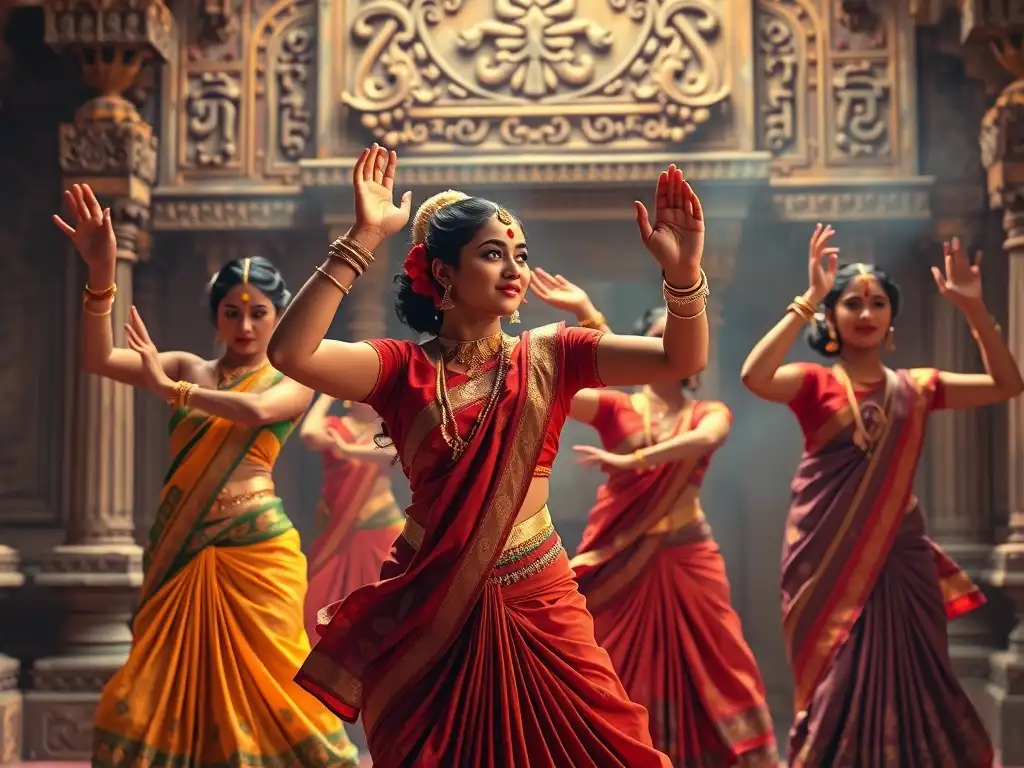
Ancient Indian scripts played a pivotal role in shaping various performance arts, including dance, theatre, and music. The scripts served not only as a medium for communication but also as a source of inspiration for artistic expression. The use of written language in these art forms allowed for the preservation and transmission of cultural stories, traditions, and spiritual beliefs, creating a rich tapestry that defined the cultural heritage of ancient India.
The intricate relationship between scripts and performance arts can be observed in the way narratives were structured and presented. Scripts provided a framework for storytelling, enabling artists to convey complex themes and emotions. Moreover, the visual aesthetics of the scripts themselves often influenced the design and choreography of performances, as artists drew inspiration from the shapes and stylistic elements of the letters and symbols.
The Role of Scripts in Dance and Theatre
In ancient Indian dance and theatre, scripts served as essential elements for choreography and performance. The classical dance forms, such as Bharatanatyam and Kathak, incorporated mudras (hand gestures) and footwork that were often documented using scripts. These scripts detailed not only the movements but also the emotions and narratives behind the performances.
For instance, the Natya Shastra, an ancient Indian treatise on performing arts attributed to Bharata Muni, emphasizes the importance of written texts in guiding actors and dancers. This foundational text outlines the significance of combining physical movement with prescribed vocal expressions, which were often inscribed in scripts. The result was a holistic artistic experience that blended visual, auditory, and emotional elements.
Scripted Narratives in Ancient Indian Performance
Scripted narratives were crucial in the development of ancient Indian performance arts. They provided a structure for storytelling, enabling artists to depict epic tales, mythology, and historical events through their performances. Scripts often contained poetic verses, dialogues, and stage directions that guided performers in conveying the intended message.
One of the most notable examples is the Ramayana and Mahabharata, two epic narratives that have been retold through various performance arts across centuries. These texts, often inscribed in scripts like Brahmi and Devanagari, served as blueprints for theatrical performances, influencing not only the dialogues but also the visual presentation and staging of the stories. The scripts also allowed for regional variations, as local dialects and artistic styles were integrated into the performances, enriching the cultural legacy of ancient India.
Notable Examples of Scripts Influencing Art
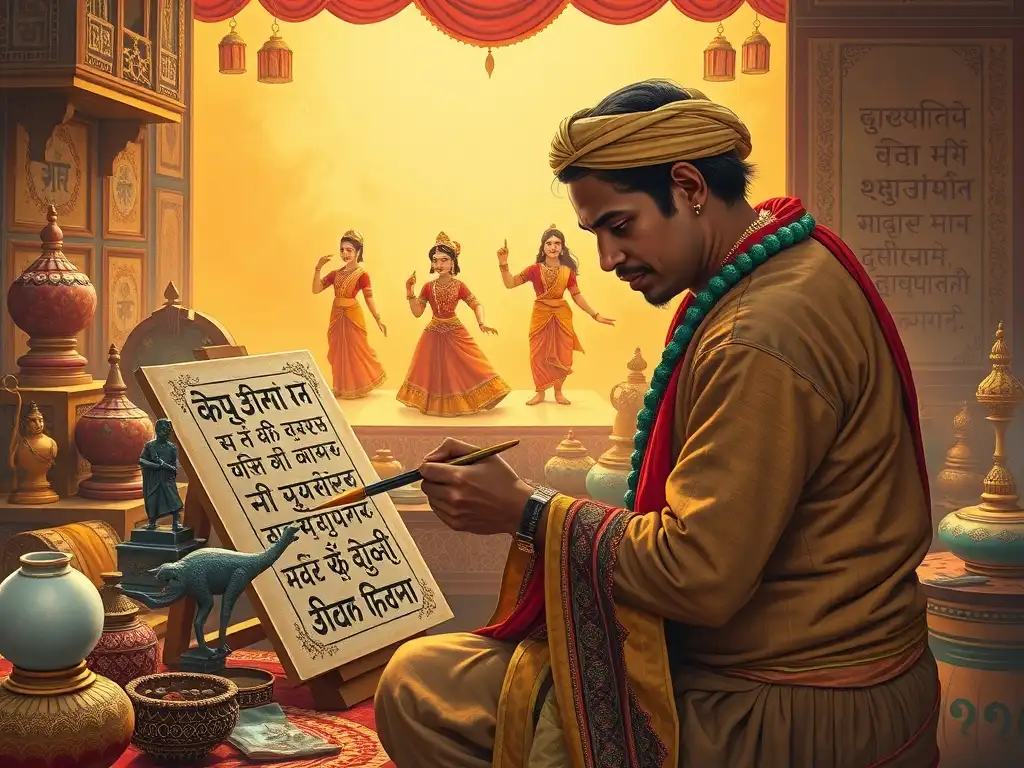
The influence of ancient Indian scripts on artistic expression is evident in various forms of art, from sculpture to painting. The unique characteristics of each script contributed to distinct artistic styles, reflecting the cultural and historical context in which they were used. Below are notable examples of how specific scripts influenced art in ancient India.
Case Study: Brahmi Script and Its Artistic Representation
The Brahmi script, one of the earliest writing systems in India, holds significant historical and artistic value. Its use in inscriptions, particularly during the Mauryan period, showcases its influence on art. The script's forms and shapes inspired various artistic representations, including carvings and sculptures found in ancient stupas.
The rock edicts of Emperor Ashoka, inscribed in Brahmi, not only conveyed moral and ethical messages but also served as artistic landmarks. The inscriptions were often embellished with intricate designs and motifs, reflecting the aesthetic sensibilities of the time. The combination of script and art in these edicts exemplifies how Brahmi influenced both the visual and intellectual aspects of ancient Indian culture.
Case Study: Devanagari Script in Artistic Works
Devanagari script, which evolved later than Brahmi, has had a profound impact on literature and the arts in India. Its calligraphic beauty and structural elegance have inspired numerous artistic expressions, particularly in painting and manuscript illumination.
In various traditional art forms, such as Pahari and Mughal paintings, Devanagari script is often integrated into the visual composition. Poetic verses, inscriptions, and even titles of artworks are rendered in Devanagari, enhancing the artistic narrative. The script's fluidity complements the aesthetic elements, creating a harmonious blend of text and image that has defined many cultural artifacts throughout history.
The influence of ancient Indian scripts on art and performance continues to resonate in contemporary expressions, where the legacy of these scripts informs and inspires modern artists and performers alike.
The Legacy of Ancient Indian Scripts on Modern Artistic Expression
The legacy of ancient Indian scripts, such as Brahmi, Kharosthi, and Devanagari, extends far beyond their original linguistic functions; they have significantly influenced modern artistic expression in various forms. These scripts not only served as a means of communication but also as a source of aesthetic inspiration. The fluidity of their curves and the geometric precision of their letters have been integrated into contemporary art, architecture, and design, creating a fusion that honors the past while innovating for the future.
One of the most notable impacts of these scripts can be seen in visual arts, where artists incorporate calligraphy into their work. For instance, the intricate patterns of Devanagari script can be found in modern paintings, textiles, and graphic designs, helping to evoke a sense of cultural identity and continuity. Furthermore, the aesthetic appeal of these ancient scripts has encouraged artists to explore their forms, leading to a resurgence of interest in traditional techniques that celebrate India’s rich cultural heritage.
Moreover, the storytelling aspect of ancient inscriptions has also influenced modern performance arts, including theater and dance. The narratives conveyed through these scripts have inspired contemporary adaptations of traditional performances, allowing performers to connect their art to the historical roots of Indian culture.
Continuation of Ancient Influences in Contemporary Indian Art
The continuation of ancient influences in contemporary Indian art is a testament to the resilience and adaptability of cultural expressions. Artists today are increasingly drawing upon the themes, motifs, and narratives found in ancient scripts to create works that resonate with modern audiences. This interweaving of past and present is evident in various art forms, including painting, sculpture, and installation art.
In contemporary Indian painting, for example, many artists incorporate elements of ancient scripts to communicate deeper meanings and evoke emotional responses. The use of ancient scripts not only enriches the visual experience but also provides a layer of narrative that connects viewers to India's historical context. This revival of script-inspired art serves as a bridge between generations, fostering a dialogue that reflects the continuity of Indian culture.
Additionally, public art projects and installations often feature ancient scripts as a means to educate and engage communities. Murals and street art that incorporate these scripts promote cultural awareness and appreciation, transforming urban spaces into living galleries that celebrate India's artistic heritage.
The Role of Scripts in Reviving Traditional Art Forms
Ancient Indian scripts play a crucial role in the revival of traditional art forms that may have otherwise faded into obscurity. By reintroducing these scripts into artistic practices, artists and scholars are breathing new life into age-old traditions. The scripts serve as both a visual and conceptual framework, encouraging artists to explore and reinterpret traditional motifs and narratives.
For instance, traditional crafts like Madhubani painting and Pattachitra have seen a resurgence in popularity, partly due to their integration with ancient scripts. Artists are using these inscriptions to narrate stories from mythology and folklore, thus preserving the cultural narratives that these ancient scripts encapsulate. This revival not only honors the past but also engages younger generations, fostering a renewed interest in India’s rich artistic heritage.
Furthermore, workshops and educational programs aim to teach traditional art techniques alongside the study of ancient scripts, ensuring that these precious cultural practices are passed down. This educational approach emphasizes the importance of both the visual elements and the historical significance of the scripts, reinforcing their relevance in contemporary society.
Conclusion: The Enduring Impact of Ancient Indian Scripts on Art and Performance
The enduring impact of ancient Indian scripts on art and performance is profound and multifaceted. These scripts have not only shaped the aesthetic landscape of Indian art but have also provided a narrative framework that continues to inspire contemporary artists and performers. As they blend ancient influences with modern techniques, artists maintain a connection to their cultural heritage while pushing the boundaries of artistic expression.
Summary of Key Findings
The exploration of ancient Indian scripts reveals several key findings regarding their influence on artistic expression:
- Aesthetic Inspiration: Ancient scripts inspire modern visual arts through their unique forms and patterns.
- Cultural Continuity: Artists draw upon ancient narratives and themes, sustaining a dialogue between past and present.
- Revival of Tradition: The integration of scripts into traditional art forms fosters a resurgence of interest and practice.
The Future of Artistic Expression Inspired by Ancient Scripts
Looking ahead, the future of artistic expression inspired by ancient Indian scripts appears promising. As artists continue to explore and reinterpret these scripts, new forms of creativity will emerge, fostering innovations that honor traditional roots while embracing contemporary influences. The integration of technology, such as digital art and interactive installations, may also provide novel avenues for showcasing the beauty and significance of these ancient scripts.
Additionally, as global interest in Indian culture and heritage grows, the role of ancient scripts in art and performance is likely to gain further recognition, leading to collaborations that transcend cultural boundaries. This cross-pollination of ideas will not only enrich the artistic landscape but also reinforce the importance of preserving and celebrating India’s diverse cultural legacy.
- Introduction to Ancient Indian Scripts and Their Cultural Significance
- Overview of Ancient Indian Scripts
- The Role of Scripts in Ancient Indian Civilization
- The Connection Between Ancient Indian Scripts and Art
- Ancient Indian Scripts and Performance Arts
- The Role of Scripts in Dance and Theatre
- Scripted Narratives in Ancient Indian Performance
- Notable Examples of Scripts Influencing Art
- The Legacy of Ancient Indian Scripts on Modern Artistic Expression
- Conclusion: The Enduring Impact of Ancient Indian Scripts on Art and Performance
Frequently Asked Questions
What are ancient Indian scripts?
Ancient Indian scripts, such as Brahmi and Kharosthi, are the earliest forms of writing in India. They played a crucial role in documenting religious texts, literature, and administrative records.
How did ancient Indian scripts influence art?
The influence of ancient Indian scripts on art is profound, as they inspired various artistic expressions, including calligraphy, sculpture, and painting, often reflecting themes from literature and philosophy.
What is the significance of the Indus Valley script?
Though still undeciphered, the Indus Valley script is significant because it represents one of the earliest forms of written language in ancient India, hinting at the region's complex society and culture.
How did the Gupta Empire contribute to artistic expression?
The Gupta Empire is known for its golden age of art and culture, where advancements in sculpture, architecture, and literature flourished, often incorporating elements from ancient scripts into their works.
What are some examples of ancient Indian art influenced by scripts?
Examples include temple carvings, where inscriptions in ancient scripts narrate mythological stories, and manuscripts that showcase intricate illustrations inspired by the texts of that era.
Final Reflection: The Enduring Legacy of Ancient Indian Scripts in Art
The influence of ancient Indian scripts on artistic expression and performance remains profoundly relevant today, as these scripts serve as a bridge connecting our contemporary culture to its rich historical roots. The intricate designs and meanings embedded in these scripts not only inspire modern artists but also challenge us to explore the depths of our own cultural identities. The artistic expressions derived from these ancient texts remind us that creativity is timeless and that the stories of our ancestors continue to resonate in our lives.
The impact of ancient Indian scripts on the cultural and social landscape is undeniable, shaping not only visual arts but also performance traditions that celebrate our shared heritage. As we witness a resurgence of interest in traditional art forms, it becomes clear that these scripts are more than mere symbols; they are vessels of history and identity. Art is the most beautiful of all lies.
This quote encapsulates the essence of how ancient scripts transform the mundane into the extraordinary, allowing us to see the world through a lens enriched by centuries of wisdom and creativity.
As we reflect on the lessons from ancient Indian scripts, I invite you to consider how these influences can enrich your own artistic journey. Embrace the stories and symbols that resonate with you, and allow them to inspire your creative expression. Whether through writing, painting, or performance, let the echoes of the past guide you in forging a unique path that honors both tradition and innovation. The future of art lies in our ability to weave together the threads of history with our personal narratives, creating a tapestry that celebrates the beauty of our shared human experience.
Unleash Your Creative Potential Inspired by Ancient Scripts!
Thank you for embarking on this journey into the rich tapestry of ancient Indian scripts and their lasting influence on artistic expression and performance. We hope you’ve uncovered the profound connections that enhance creativity and inspire new forms of art. Now, it's time to harness that inspiration and take action!
Here’s how you can dive deeper and ignite your own creative passions:
- Explore the beauty of ancient scripts by attending a local workshop or an online class focused on calligraphy or traditional Indian art forms.
- Share your newfound knowledge! Discuss the impact of these ancient scripts with friends or within community groups—your insights could spark exciting conversations.
- Create a piece of art or a performance inspired by the scripts you learned about—whether it's a painting, a dance, or a short story, let your imagination flow!
What artistic expression or performance do you feel most inspired to create based on the teachings of ancient Indian scripts?