
The Significance of Sanskrit in Contemporary Indian Politics

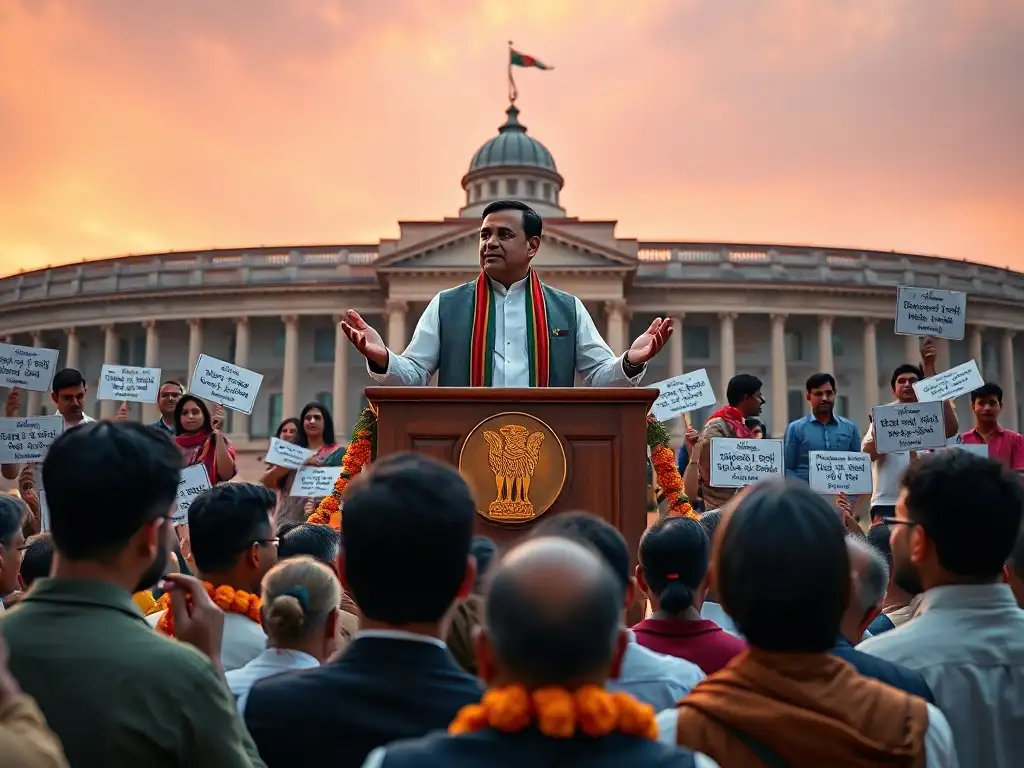
Welcome to Ancient India History, where we delve into the rich tapestry of India’s past, exploring the remarkable civilizations that shaped the subcontinent. In our featured article, "The Significance of Sanskrit in Contemporary Indian Politics," we uncover the profound influence of this ancient language on modern governance and political discourse. How has Sanskrit, a cornerstone of Indian heritage, continued to resonate through the corridors of power?
Join us as we embark on a captivating journey through time, revealing the intricate connections between language and politics that have defined a nation. Dive deeper to discover the legacy that still echoes today!
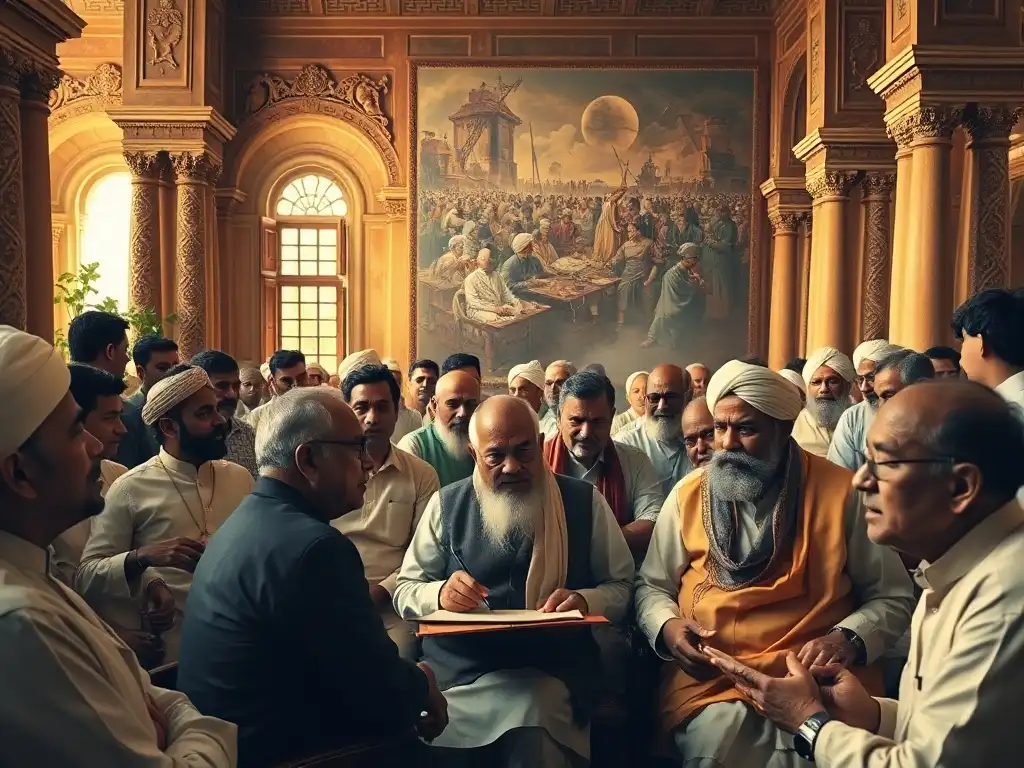
Introduction to Sanskrit and Its Historical Context
Sanskrit, often regarded as the mother of many languages in the Indian subcontinent, holds a profound significance in shaping not only the cultural but also the political landscape of India. This ancient language is a repository of knowledge, philosophy, and governance that has influenced various facets of Indian society. Understanding its role in contemporary Indian politics provides insight into how ancient traditions resonate in modern governance and policymaking. As India navigates its identity in the global arena, the Sanskrit influence on Indian politics emerges as a crucial aspect to explore.
Overview of Sanskrit as an Ancient Language
Sanskrit is one of the oldest languages in the world, with roots tracing back over 3,500 years. Recognized for its precise grammar and rich vocabulary, it is the classical language of Indian literature and Hindu scriptures, such as the Vedas and Upanishads. Its structure allows for an intricate expression of ideas, making it a valuable tool in various fields, including philosophy, science, and mathematics.
- Key Features of Sanskrit:
- Complex grammar and phonetics
- Extensive literature encompassing poetry, drama, and philosophy
- Influence on numerous Indian languages
Historical Role of Sanskrit in Indian Culture and Governance
Throughout history, Sanskrit has played a pivotal role in the administration and governance of India. From the early Vedic period to the Maurya and Gupta Empires, Sanskrit was the language of the elite and was used in royal decrees, official documents, and scholarly discourse. This facilitated a unified cultural identity among diverse regions.
- Sanskrit in Governance:
- Used in legal texts and treaties
- Promoted ethical governance through texts like the Arthashastra
- Instrumental in the codification of laws and administrative practices
The Resurgence of Sanskrit in Modern India
In recent years, there has been a notable resurgence of interest in Sanskrit, reflecting a desire to reconnect with India's ancient heritage. This revival is not merely cultural; it has significant implications for contemporary politics as well.
Revival Movements: The Push for Sanskrit Education
Various movements across India aim to revive Sanskrit education, promoting its learning and usage among younger generations. Organizations and institutions are working tirelessly to reintegrate Sanskrit into educational curricula, advocating for its relevance in today's society.
- Key Initiatives:
- Establishment of Sanskrit schools and universities
- Community workshops and online courses
- Cultural festivals celebrating Sanskrit literature and arts
Government Initiatives Promoting Sanskrit Language
The Indian government has recognized the importance of Sanskrit in fostering national identity and cultural heritage. Several initiatives have been launched to promote the language at various levels of education and public life.
- Government Programs:
- Financial support for Sanskrit research and literature
- Inclusion of Sanskrit in the Three Language Formula in schools
- Recognition of Sanskrit as a classical language of India
Through these efforts, Sanskrit is not only being preserved but is also finding a place in contemporary political discourse, reinforcing its significance in shaping India's identity and governance.
Sanskrit Influence on Indian Politics

Sanskrit, an ancient language with profound historical significance in India, has found a unique place in contemporary Indian politics. Its influence can be seen in various aspects of political discourse, identity formation, and party ideologies. The revival and promotion of Sanskrit within political frameworks not only reflect a connection to India's rich heritage but also serve as a tool for garnering support from various voter demographics. Politicians often leverage the language to evoke a sense of cultural pride and belonging, which resonates deeply with many citizens.
Political Discourse: Use of Sanskrit in Speeches and Writings
The incorporation of Sanskrit in political speeches and writings has become increasingly prevalent among Indian politicians. Many leaders utilize Sanskrit terminology to articulate their visions and policies, tapping into the language's emotional and cultural resonance. For instance, phrases like "Dharma" (duty) or "Swaraj" (self-rule) are often employed to communicate values that align with traditional Indian ethos.
Moreover, the use of Sanskrit can enhance the rhetorical quality of speeches, lending them an air of gravitas and authority. Politicians aim to connect with the electorate by invoking the wisdom of ancient texts, thereby appealing to a collective memory that many Indians share. This approach is not only about the language itself but also about the underlying ideals that Sanskrit embodies, fostering a sense of unity and national pride among listeners.
Sanskrit in Political Symbolism and Identity
Sanskrit also plays a critical role in shaping political symbolism and identity in India. Political parties often adopt Sanskrit names, slogans, and symbols to communicate their ideologies and connect with voters on a cultural level. For example, the use of Sanskrit in party names or campaign slogans can signify a party's commitment to preserving and promoting Indian heritage.
This strategy is particularly effective in regions where cultural nationalism is strong, as it reinforces a shared identity among constituents. Additionally, the revival of Sanskrit education and its promotion in public institutions serve not only to preserve the language but also to foster a sense of pride in India's ancient civilization. By integrating Sanskrit into their political narratives, parties are able to create a distinctive identity that resonates with voters seeking a connection to their cultural roots.
Case Studies: Sanskrit in Contemporary Political Parties
The influence of Sanskrit on Indian politics can be illustrated through specific case studies of contemporary political parties. These examples highlight how political entities are harnessing the language to strengthen their positions and appeal to the electorate.
Example 1: Bharatiya Janata Party and Its Use of Sanskrit
The Bharatiya Janata Party (BJP) has been a prominent advocate for the reintroduction of Sanskrit in various aspects of public life. The party often employs Sanskrit terms in its campaigns and communications, reflecting its vision of cultural nationalism. Leaders like Prime Minister Narendra Modi have used Sanskrit in speeches to evoke historical pride and underline their commitment to India's cultural heritage.
The BJP's initiatives also include promoting Sanskrit education and integrating it into school curricula, thereby aiming to revitalize the language among the youth. This approach not only serves to strengthen the party's base among traditionalists but also attracts those who value cultural revivalism.
Example 2: Aam Aadmi Party and Sanskrit Integration in Policies
The Aam Aadmi Party (AAP) has taken a different approach to Sanskrit by integrating it into its governance policies. The party recognizes the importance of language in education and cultural identity and has proposed initiatives to include Sanskrit in the curriculum of public schools. This move is aimed at fostering multilingualism and preserving the linguistic heritage of India.
Furthermore, AAP leaders have occasionally referenced Sanskrit in their speeches to emphasize values such as equality and justice, drawing on the language’s philosophical underpinnings. By promoting Sanskrit, AAP seeks to create a more inclusive political narrative that resonates with diverse segments of the population and highlights the importance of cultural heritage in contemporary governance.
The Role of Sanskrit in Shaping National Identity
Sanskrit, often referred to as the mother of many Indian languages, plays a pivotal role in shaping contemporary Indian national identity. Its historical significance stretches back to ancient texts, philosophical doctrines, and scientific literature, making it a cornerstone of India's cultural heritage. This ancient language not only reflects the rich tapestry of Indian civilization but also serves as a symbol of pride and unity among its speakers and enthusiasts.
In recent years, there has been a resurgence of interest in Sanskrit, particularly among nationalist movements that emphasize the importance of indigenous languages. By promoting Sanskrit, these movements aim to reinforce a sense of belonging and cultural continuity that transcends regional and linguistic divides. The promotion of Sanskrit in schools, universities, and public discourse has become a vehicle for fostering national pride, encouraging many to explore their roots and heritage through this classical language.
Cultural Heritage and Nationalism
Cultural heritage is intrinsically tied to national identity, and Sanskrit is often viewed as a vital component of India's ancient civilization. Its literature encompasses a wide array of subjects, from spirituality and philosophy to science and mathematics. By celebrating Sanskrit, proponents argue that India can reclaim its historical legacy and inspire a sense of nationalism rooted in knowledge and cultural richness.
The resurgence of interest in Sanskrit has been embraced by various political entities, with many advocating for its inclusion in educational curricula and public life. This push is not merely about reviving an ancient language but is also about fostering a collective memory that resonates with contemporary Indian society. For instance, festivals, cultural programs, and seminars celebrating Sanskrit literature have become popular, attracting diverse audiences and reinvigorating interest in India's past.
Sanskrit's Contribution to Indian Unity and Diversity
Sanskrit serves as a bridge connecting different linguistic and cultural groups across India. With over 1,600 languages spoken in the country, the promotion of Sanskrit as a unifying language has the potential to foster greater understanding and cooperation among various communities. It acts as a common thread that ties together the diverse cultural practices and traditions of India, highlighting the shared heritage that transcends regional differences.
Moreover, the influence of Sanskrit on numerous regional languages creates a linguistic bond that enriches India's cultural landscape. For example, languages such as Hindi, Bengali, Marathi, and Kannada have drawn extensively from Sanskrit, leading to a shared vocabulary and grammatical structures. This linguistic connection not only enhances communication but also encourages a sense of solidarity among speakers of different languages, reinforcing the idea of a unified yet diverse nation.
Challenges and Criticisms of Sanskrit in Politics
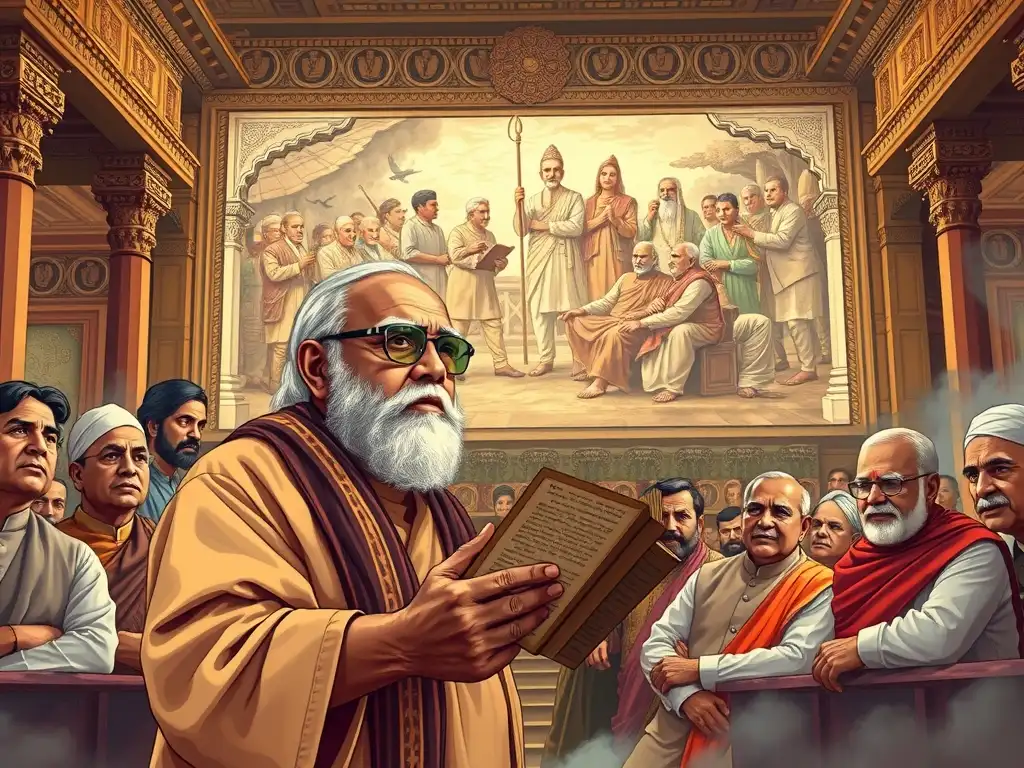
Despite its rich heritage and significance, the role of Sanskrit in contemporary Indian politics is not without challenges and criticisms. The promotion of Sanskrit can sometimes evoke debates about elitism, accessibility, and the practical implications of prioritizing an ancient language in modern governance.
Perception Issues: Elitism vs. Accessibility
One of the primary criticisms of Sanskrit's promotion in politics is that it may reinforce elitism. Critics argue that Sanskrit, being a classical language, is often associated with a privileged class that has historically dominated cultural and educational spheres. As such, the emphasis on Sanskrit can alienate those who do not have access to its study or who perceive it as an exclusive domain.
The challenge lies in balancing the promotion of Sanskrit with the need for inclusivity. Advocates of the language must work to ensure that its revival does not come at the expense of other regional languages and dialects, which are equally vital in representing the diverse voices of India. Efforts to democratize the learning of Sanskrit and make it accessible to all, regardless of socioeconomic status, are essential to overcoming these perception issues.
Debates on Language Policy in Indian Politics
The role of Sanskrit in language policy remains a contentious issue in Indian politics. While some political factions advocate for its revival and prominence in public life, others argue for the prioritization of regional languages that serve as the mother tongues for the majority of the population. This debate raises questions about the role of government in language promotion and the implications for national identity.
Furthermore, the political landscape often influences language policy, with different parties leveraging the significance of Sanskrit to rally support among specific voter bases. As a result, discussions surrounding Sanskrit can become politicized, leading to polarized views on its relevance in contemporary society. Ultimately, the challenge lies in navigating these complex dynamics while fostering a sense of unity and respect for India's linguistic diversity.
Future Prospects: The Evolution of Sanskrit in Political Context
The future of Sanskrit in the political landscape of India is poised for a remarkable transformation, driven by both a resurgence of interest in the language and its cultural significance. As political parties and leaders increasingly recognize the role of cultural heritage in nation-building, Sanskrit is being revisited as a means to forge a connection with India's ancient past. This may lead to its incorporation in more political discourse, policies, and educational curricula, thereby enriching the political dialogue with historical context and philosophical depth.
Moreover, the growing awareness of Sanskrit's linguistic sophistication and the philosophical concepts embedded within it may influence contemporary political ideologies. The potential for Sanskrit to serve as a bridge between traditional values and modern governance could attract a younger generation interested in exploring their roots while addressing current issues. Therefore, the evolution of Sanskrit in the political context is likely to foster a renewed appreciation of India's heritage, thereby influencing public sentiment and policymaking in the years to come.
Potential Trends in Sanskrit Influence on Governance
Several trends are emerging that could shape the influence of Sanskrit on governance in India:
- Cultural Integration: As regional parties and national movements draw from cultural narratives, Sanskrit may be utilized to strengthen regional identities and promote cultural pride. This could manifest in the revival of Sanskrit in public speeches, literature, and cultural festivals.
- Policy Frameworks: There may be an increasing effort to weave Sanskrit into policy frameworks, especially in education and cultural preservation. Initiatives to promote Sanskrit education in schools and universities could gain momentum, encouraging a deeper understanding of Indian history and philosophy.
- Legislative Use: The potential for incorporating Sanskrit in legislative practices could enhance the richness of legal language and interpretation. This might lead to a greater appreciation of ancient texts that provide insights into governance and ethics.
- Public Engagement: The use of Sanskrit in public forums, debates, and discussions could facilitate a more profound engagement with civic matters, encouraging citizens to connect with their cultural heritage while participating in democratic processes.
The Role of Technology in Promoting Sanskrit
Technology is playing a pivotal role in the revival and promotion of Sanskrit within the modern political landscape. Several initiatives illustrate how digital tools and platforms are facilitating this resurgence:
- Online Learning Platforms: Numerous online courses and resources are now available for learning Sanskrit, making the language accessible to a global audience. This digital democratization allows individuals to engage with Sanskrit literature, philosophy, and grammar, thereby fostering a renewed interest in the language.
- Social Media Campaigns: Political leaders and organizations are leveraging social media to share content related to Sanskrit, highlighting its relevance in contemporary issues. Campaigns that emphasize cultural pride through Sanskrit can galvanize public interest and participation.
- Apps and Software: Various applications aimed at teaching Sanskrit or facilitating its usage in daily communication are emerging. These tools can help integrate Sanskrit into daily life, enhancing its visibility and practicality.
- Digital Archives: The digitization of ancient texts and manuscripts in Sanskrit allows for easier access to scholarly resources. This can inspire research and discourse surrounding the language, its literature, and its political significance.
Conclusion: The Lasting Impact of Sanskrit on Indian Political Landscape
The lasting impact of Sanskrit on the Indian political landscape is multifaceted and profound. As India navigates the complexities of modern governance, the integration of Sanskrit offers a unique lens through which to view contemporary issues and aspirations. By embracing its historical and cultural significance, political leaders can foster a deeper connection with the populace and promote a sense of unity rooted in shared heritage.
Summary of Key Points
- Cultural Relevance: Sanskrit serves as a means of connecting modern governance with India's rich history and traditions.
- Emerging Trends: Increased cultural integration, policy frameworks, and public engagement highlight the growing influence of Sanskrit in governance.
- Technological Advancements: Digital platforms and tools are essential in promoting Sanskrit education and usage, making it more accessible to the public.
Final Thoughts on the Importance of Sanskrit in Modern India
Sanskrit's role in modern India transcends mere language; it embodies a cultural heritage that informs identity, values, and governance. As the political landscape continues to evolve, the significance of Sanskrit as a tool for fostering dialogue, understanding, and unity cannot be overstated. By acknowledging and cultivating this ancient language, contemporary Indian politics can not only honor its past but also build a more cohesive and culturally aware society for the future. Thus, the influence of Sanskrit on Indian politics will likely remain a critical area of exploration and development in the years ahead.
- Introduction to Sanskrit and Its Historical Context
- Overview of Sanskrit as an Ancient Language
- Historical Role of Sanskrit in Indian Culture and Governance
- The Resurgence of Sanskrit in Modern India
- Sanskrit Influence on Indian Politics
- Case Studies: Sanskrit in Contemporary Political Parties
- The Role of Sanskrit in Shaping National Identity
- Challenges and Criticisms of Sanskrit in Politics
- Future Prospects: The Evolution of Sanskrit in Political Context
- Conclusion: The Lasting Impact of Sanskrit on Indian Political Landscape
- What is the significance of Sanskrit in contemporary Indian politics?
- How has Sanskrit influenced political language in India?
- Are there any political parties that emphasize Sanskrit in their agenda?
- What are some examples of Sanskrit in government initiatives?
- How does the Sanskrit influence impact legislation and policies?
Frequently Asked Questions
What is the significance of Sanskrit in contemporary Indian politics?
Sanskrit plays a vital role in shaping the cultural identity of India, influencing political rhetoric and policies that reflect traditional values and heritage.
How has Sanskrit influenced political language in India?
The use of Sanskrit in political discourse enhances national pride and evokes historical connections, often appealing to the cultural sentiments of the electorate.
Are there any political parties that emphasize Sanskrit in their agenda?
Yes, several parties integrate Sanskrit into their platforms to promote cultural nationalism and leverage its historical significance in Indian civilization.
What are some examples of Sanskrit in government initiatives?
Initiatives like Sanskrit universities and the promotion of Sanskrit education in schools aim to revive and sustain the language, showcasing its importance in modern governance.
How does the Sanskrit influence impact legislation and policies?
The influence of Sanskrit can be seen in policies that aim to preserve cultural heritage, impacting areas such as education, arts, and language preservation efforts in India.
Final Reflection: The Enduring Influence of Sanskrit in Indian Politics
The significance of Sanskrit in contemporary Indian politics cannot be overstated; it serves as a bridge between ancient wisdom and modern governance. As we navigate the complexities of today's political landscape, the resurgence of interest in Sanskrit highlights its role in shaping national identity and cultural heritage. The revival of this ancient language is not merely an academic pursuit; it is a powerful tool that influences political discourse and policy-making in India today.
Sanskrit's influence extends beyond mere linguistic revival; it is a cultural renaissance that resonates deeply within the social fabric of India. The language embodies the philosophical and ethical principles that have guided Indian civilization for millennia. As political leaders increasingly draw upon Sanskrit to articulate their visions and connect with the populace, we witness a profound transformation in how cultural narratives are woven into the political dialogue. Language is the road map of a culture. It tells you where its people come from and where they are going.
– Rita Mae Brown. This quote encapsulates the essence of how Sanskrit not only reflects India's past but also shapes its future.
As we reflect on the lessons presented in this article, I invite you to consider your own relationship with language and culture. How can you engage with the rich tapestry of your heritage to foster a deeper understanding of your identity and its implications in today's world?
Embrace the opportunity to explore the significance of languages like Sanskrit, not just as relics of the past, but as living, breathing entities that can inspire and inform our political and social landscapes. Let us commit to honoring this legacy and harnessing its potential to create a more inclusive and culturally aware society.
Unveil the Power of Sanskrit in Today’s Politics!
Thank you for exploring the rich tapestry of Sanskrit's significance in contemporary Indian politics with us! Your interest in this profound language connects you to a deeper understanding of the cultural heritage that shapes modern governance. Now, let's take action!
- Dive deeper! Enroll in a Sanskrit course today to discover how this ancient language influences political discourse and policy-making.
- Share your insights! Discuss this article with friends and family to spread awareness about Sanskrit's relevance and empower more people to engage in meaningful conversations about culture and politics.
- Join the community! Subscribe to forums or social media groups dedicated to Sanskrit and its applications to stay updated and involved in discussions surrounding its impact on contemporary society.
Which aspects of Sanskrit do you believe have the most significant influence on today’s political landscape?