
Unveiling the Rich Vocabulary of Prakrit: Words That Shaped a Civilization


Welcome to Ancient India History, where we embark on a captivating journey through the vibrant tapestry of India's past. In our featured article, "Unveiling the Rich Vocabulary of Prakrit: Words That Shaped a Civilization," we delve into the profound influence of the Prakrit language on ancient Indian civilization. Discover how this remarkable language not only enriched communication but also played a pivotal role in shaping cultural and social dynamics.
Join us as we unravel the layers of history and explore the words that echo through time, inviting you to delve deeper into the rich narratives of ancient India. Your exploration begins here!
The Prakrit languages, flourishing in ancient India, represent a vital link to understanding the intricate tapestry of historical and cultural development across the subcontinent. Emerging alongside Sanskrit, Prakrit served as a medium of expression for various communities, encapsulating their experiences, thoughts, and societal norms. This article delves into the influence of the Prakrit language on civilization, uncovering how its vocabulary contributed to shaping social structures, arts, literature, and even spiritual discourses in ancient India.
From the Indus Valley Civilization to the Gupta Empire, Prakrit languages like Ardhamagadhi and Maharashtri played significant roles in literature, drama, and philosophy. Their linguistic diversity reflects the pluralism of ancient Indian society, providing a glimpse into the everyday life and beliefs of its people. In examining the evolution and impact of Prakrit, we will explore key terms and expressions that not only enriched the language but also influenced cultural practices, fostering a deeper appreciation for the legacy of ancient Indian civilizations.
As we embark on this exploration, we will uncover how the vocabulary of Prakrit encapsulated the essence of its time—enabling communication, preserving knowledge, and nurturing the philosophical underpinnings that continue to resonate in contemporary discussions about language and identity in the Indian subcontinent.
- Introduction to Prakrit Language and Its Historical Significance
- The Origins of Prakrit Language
- Vocabulary of Prakrit: Key Terms and Concepts
- Prakrit's Role in Literature and Philosophy
- The Influence of Prakrit on Society and Culture
- Preservation and Study of Prakrit Language
- Conclusion: The Lasting Legacy of Prakrit Language
- Call to Action
- Frequently Asked Questions
- Final Reflection: The Enduring Legacy of Prakrit Language Influence
- Unlock the Beauty of the Prakrit Language Today!
Introduction to Prakrit Language and Its Historical Significance
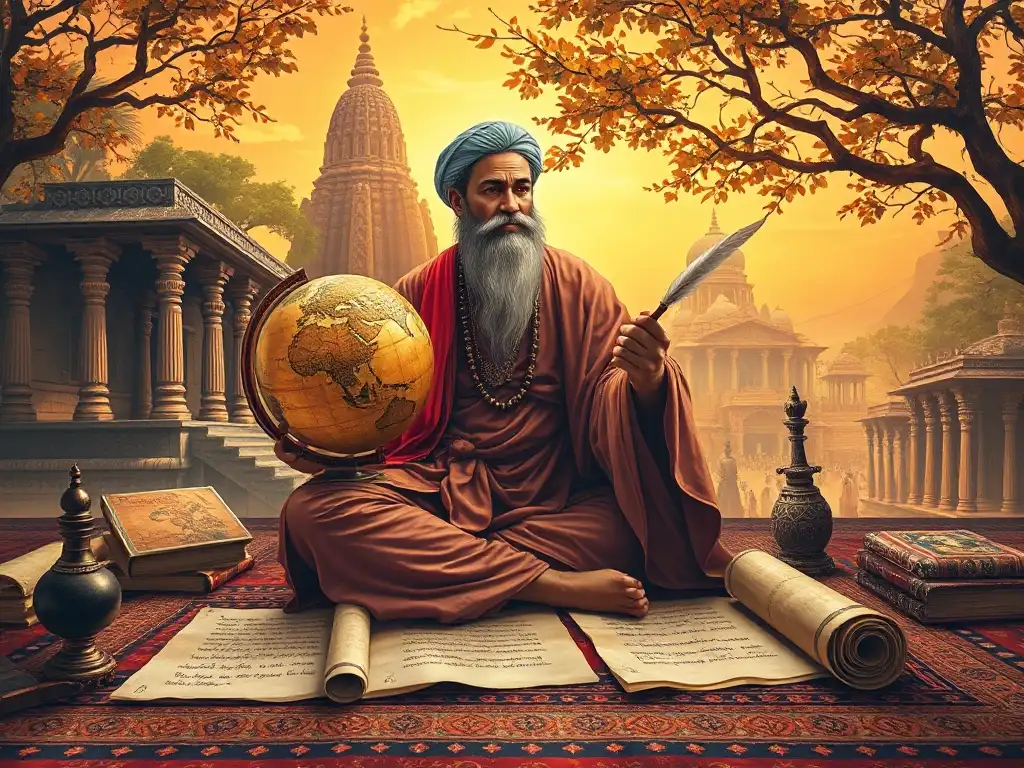
The Prakrit languages, a group of Middle Indo-Aryan languages, served as a crucial link in the evolution of linguistic and cultural identity in ancient India. Emerging around the 6th century BCE, Prakrit was not merely a form of communication; it was a vibrant reflection of the socio-cultural dynamics of the time. This section explores the essence of the Prakrit language, its prominence in ancient Indian civilization, and its lasting impact on various facets of life, including literature, religion, and societal norms.
Overview of Prakrit Language
Prakrit encompasses a range of dialects that were spoken across different regions of ancient India. Notably, Pali—the language of the Theravada Buddhist scriptures—and other forms like Ardhamagadhi and Maharashtri were pivotal in spreading ideas and philosophies. The term "Prakrit" itself translates to "natural" or "original," highlighting its organic development from Sanskrit, which was considered more formal and classical.
The linguistic structure of Prakrit demonstrates a distinctive simplicity compared to Sanskrit, which made it more accessible to the common populace. This accessibility facilitated the transmission of ideas and cultural narratives, making it a vehicle for storytelling, poetry, and religious texts. Here are some key features of Prakrit:
- Phonetics: Prakrit languages exhibit a more relaxed phonetic system, allowing for a more fluid and expressive verbal communication.
- Grammar: The grammatical rules are less rigid than those of Sanskrit, promoting a more conversational tone.
- Vocabulary: Prakrit includes a wealth of vocabulary derived from local dialects, enriching its lexicon and making it representative of diverse cultures within ancient India.
Importance of Prakrit in Ancient Indian Civilization
Prakrit played a significant role in various domains of ancient Indian civilization, creating a bridge between different social strata and facilitating cultural exchange. The language's importance can be categorized into several key areas:
- Literary Contributions:
- Drama and Poetry: Prakrit was the language of choice for numerous plays and poetic compositions. Renowned playwrights like Bhasa and Kalidasa utilized Prakrit to convey emotions and narratives that resonated with the audience, thus enriching Indian literature.
- Religious Texts: Many Jain and Buddhist scriptures were composed in Prakrit, making these texts accessible to a broader audience and ensuring the proliferation of spiritual teachings.
- Cultural Exchange:
- Prakrit served as a lingua franca among various communities, promoting interaction and cultural exchange. The use of Prakrit across regions allowed for the amalgamation of ideas, traditions, and practices.
- Social Structure:
- The language was instrumental in challenging the rigid caste system that was prevalent in ancient India. By allowing common people to express themselves in their native dialects, Prakrit played a role in democratizing literature and making cultural participation inclusive.
Prakrit Language Influence on Civilization
The influence of the Prakrit language on civilization is multifaceted, affecting various aspects of life in ancient India:
- Philosophy and Religion: Prakrit was pivotal in the dissemination of philosophical ideas, particularly those of Buddhism and Jainism. The teachings of Buddha, articulated in Pali, reached a diverse audience, fostering a spiritual movement that transcended geographical boundaries.
- Art and Architecture: The artistic expressions of ancient India, including sculptures and cave paintings, often incorporated Prakrit inscriptions. These inscriptions not only conveyed religious and philosophical ideas but also reflected the vernacular culture of the time.
- Historical Documentation: Prakrit texts provide invaluable insights into the socio-political dynamics of ancient Indian kingdoms. Inscriptions and edicts in Prakrit, such as those from the Mauryan Empire, document the governance and administration practices of the time.
- Legacy: The impact of Prakrit extends beyond its historical era. Its linguistic features can be traced in modern languages, and its literary traditions continue to inspire contemporary writers and poets.
The Prakrit language profoundly influenced the tapestry of ancient Indian civilization, shaping its literature, religious practices, and cultural exchanges. Its legacy endures, underscoring the significance of linguistic diversity in fostering social cohesion and cultural richness.
The Origins of Prakrit Language
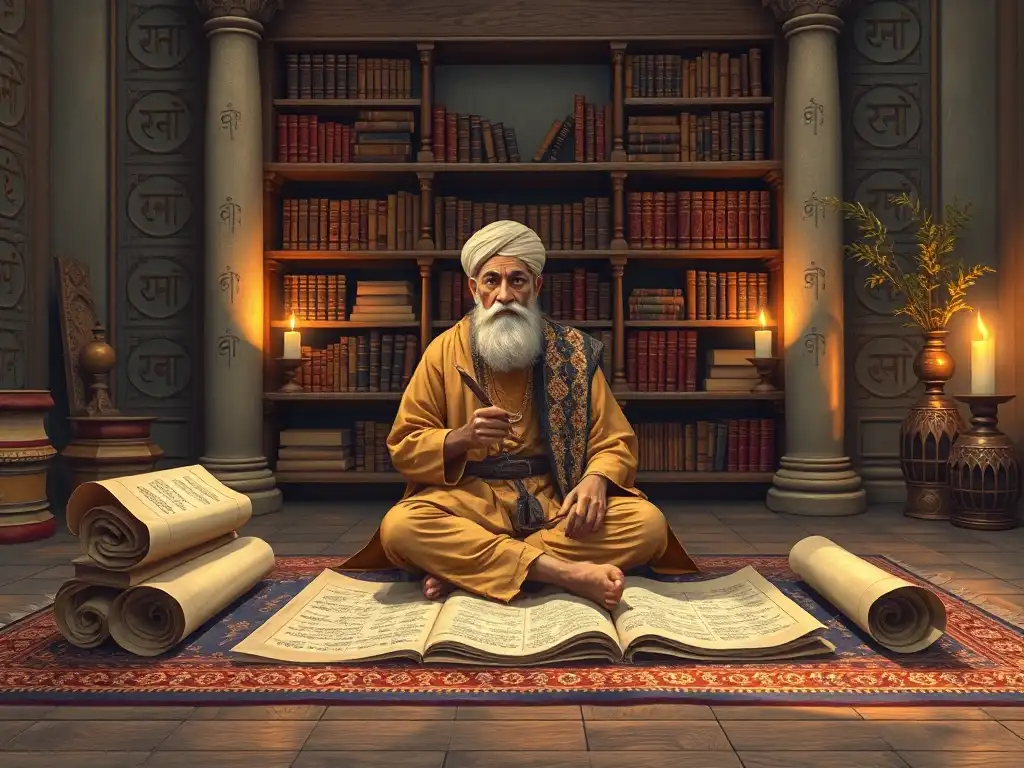
The Prakrit language, often regarded as a significant precursor to many modern Indian languages, has its roots deeply embedded in the ancient linguistic landscape of India. Emerging around the 6th century BCE, Prakrit served as a vernacular counterpart to the more formal and classical Sanskrit. This language played a crucial role in shaping the cultural and literary fabric of ancient Indian civilization, influencing not only communication but also philosophical and religious discourse.
Historical Context of Prakrit
To understand the historical context of Prakrit, it is essential to consider the socio-political environment of ancient India. During the time when Prakrit emerged, the Indian subcontinent was characterized by the rise of various kingdoms and the flourishing of trade routes. The use of Sanskrit was predominantly limited to the elite—scholars, priests, and rulers—while Prakrit became the language of the masses. This distinction created a linguistic divide that reflected social hierarchies.
Prakrit is believed to have been spoken in various regions, leading to its diverse dialects, which catered to different communities. The language's evolution can be traced through numerous inscriptions, texts, and literature, including the famous Jain and Buddhist scriptures, which utilized Prakrit to reach wider audiences. This accessibility contributed to the spread of ideas, religious beliefs, and cultural practices throughout the subcontinent.
The significance of Prakrit is also evident in its use in ancient theatrical performances and poetry, where it was preferred for its lyrical quality and emotional expression. The language became a vehicle for expressing the everyday experiences of common people, thereby enriching the cultural narrative of the time.
Evolution of Prakrit from Sanskrit
The evolution of Prakrit from Sanskrit is a fascinating journey of linguistic transformation. While Sanskrit was the language of the learned and the sacred, Prakrit arose as a natural response to the need for a more relatable and accessible form of communication. The transition from Sanskrit to Prakrit involved a process of simplification and adaptation, which included:
- Phonetic Changes: Prakrit underwent significant phonological changes, leading to the simplification of consonant clusters and vowel sounds. This made it easier for the general populace to pronounce and use.
- Morphological Simplification: The complex inflections and grammatical rules of Sanskrit were streamlined in Prakrit, enabling smoother communication. For instance, while Sanskrit has numerous cases and forms, Prakrit reduced these to a more manageable structure.
- Lexical Adaptation: Many words were borrowed from local dialects and languages, enriching the Prakrit vocabulary and reflecting the cultural diversity of the regions in which it was spoken.
This evolution was not merely linguistic but also cultural, as Prakrit began to embody the values, emotions, and stories of the people, making it a vital part of the historical narrative.
Major Dialects of Prakrit
Prakrit is not a monolithic language; it comprises several dialects, each reflecting the unique cultural and regional characteristics of its speakers. Some of the major dialects of Prakrit include:
- Ardhamagadhi:
- Primarily used in Jain texts, Ardhamagadhi is considered one of the oldest forms of Prakrit. It served as a medium for conveying Jain philosophy and teachings.
- Maharashtri:
- Predominantly spoken in the Maharashtra region, Maharashtri was widely used in poetry and drama. Its influence can be seen in several classical works, contributing significantly to the development of later Marathi literature.
- Shauraseni:
- This dialect was prevalent in the regions surrounding present-day Madhya Pradesh and Uttar Pradesh. Shauraseni is notable for its role in the early development of Hindi and its extensive use in classical literature.
- Magadhi:
- Closely associated with the region of Magadha, this dialect played a crucial role in Buddhist texts. It reflects the linguistic traits of the eastern Indian subcontinent.
- Paisaci:
- Often regarded as a more colloquial variant, Paisaci is believed to have been spoken in rural areas and influenced many local dialects.
The rich diversity of Prakrit dialects illustrates not only the linguistic evolution within ancient India but also highlights the cultural exchange that occurred across regions. Each dialect contributed uniquely to the tapestry of Indian civilization, influencing languages, literature, and cultural practices that continue to resonate today.
The exploration of the Prakrit language and its dialects showcases its profound impact on the civilization of ancient India, demonstrating how language can shape culture, thought, and identity. Understanding this influence is essential for appreciating the historical narratives that define the Indian subcontinent's heritage.
Vocabulary of Prakrit: Key Terms and Concepts
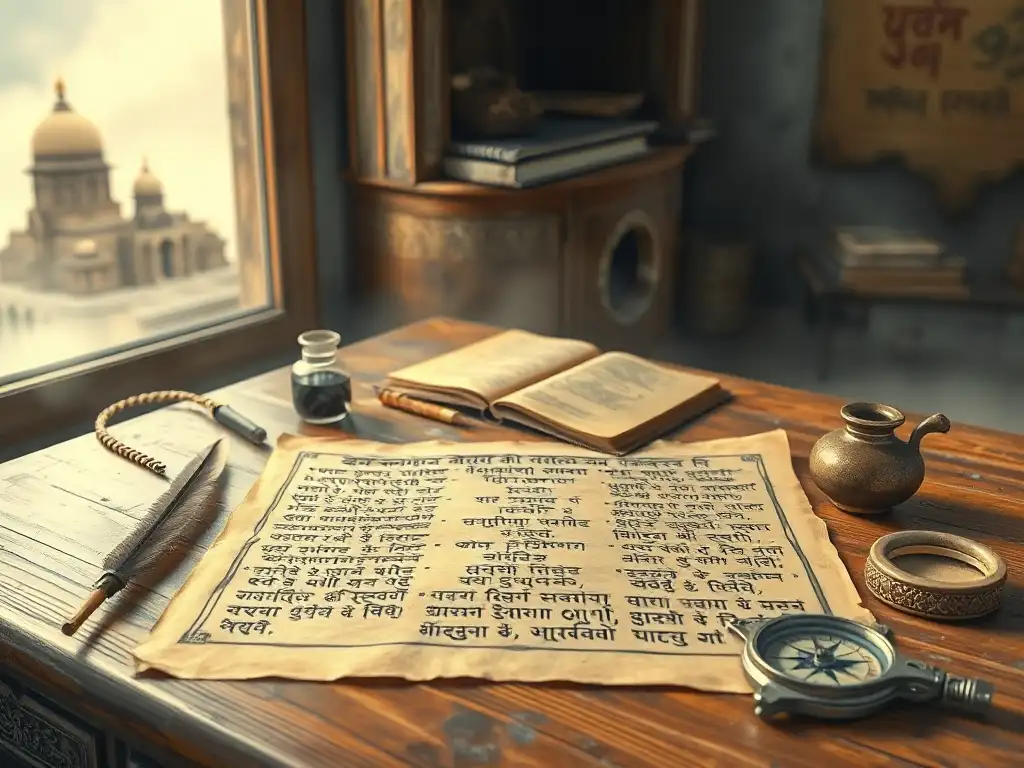
The vocabulary of Prakrit, an ancient Indian language that evolved from the Sanskrit family, serves as a crucial lens through which we can understand the cultural, social, and philosophical landscape of ancient Indian civilization. Prakrit was widely spoken in various forms across different regions, and its rich lexicon reflects the daily lives, beliefs, and practices of its speakers. This section explores key terms and concepts that form the backbone of the Prakrit language and its influence on civilization.
Common Words in Prakrit and Their Meanings
The Prakrit lexicon comprises numerous words that are not only foundational to the language but also reveal insights into the lifestyle and values of its speakers. Here are some commonly used words in Prakrit along with their meanings:
| Prakrit Word | Meaning |
|---|---|
| Maha | Great |
| Dhamma | Law or Righteousness |
| Sangha | Community or Assembly |
| Kamma | Action or Deed |
| Pali | The language used in Theravada Buddhism texts |
These words illustrate essential concepts in Prakrit-speaking societies—ranging from the emphasis on community (Sangha) to the importance of ethical conduct (Dhamma). Understanding these terms helps to grasp the moral and social frameworks that guided ancient Indian civilizations.
Terms Reflecting Cultural Practices and Beliefs
Prakrit vocabulary also encapsulates various cultural practices and beliefs that were prevalent during ancient times. Terms related to religion, art, and daily life showcase the civilization's values and priorities. Some notable examples include:
- Buddha - Awakened One: This term signifies not just a title but the transformative journey of enlightenment that was central to Buddhist philosophy.
- Jain - Follower of Jainism: Reflects the ethical and metaphysical principles that governed the lives of millions in ancient India.
- Vihara - Monastery: Indicates the significance of communal living and spiritual practice, particularly in Buddhism and Jainism.
- Puja - Worship: A term that denotes the ritualistic aspects of various religious practices, demonstrating the spiritual dimensions of daily life.
These terms highlight how language served as a vessel for conveying complex ideas about existence, morality, and spirituality.
Influence of Prakrit Vocabulary on Other Languages
The influence of Prakrit extends beyond its immediate speakers; it has significantly shaped several other languages in the Indian subcontinent and beyond. Notably, the following points illustrate this linguistic impact:
- Sanskrit: While Prakrit is derived from Sanskrit, its evolution led to a colloquial form of the language that simplified many Sanskrit terms, making them more accessible to the broader population.
- Modern Indian Languages: Languages such as Hindi, Bengali, and Gujarati have incorporated numerous Prakrit words into their vocabularies, especially in contexts related to culture, religion, and philosophy.
- Influence on Southeast Asian Languages: The spread of Buddhism, accompanied by the Prakrit language, influenced languages such as Thai and Khmer, particularly in religious and cultural lexicons.
The legacy of the Prakrit language is a testament to its role in shaping not only ancient Indian civilization but also the linguistic landscape of regions far beyond its original geographic boundaries. Understanding this influence is vital for appreciating the interconnectedness of languages and cultures throughout history.
Prakrit's Role in Literature and Philosophy
Prakrit in Ancient Texts and Literature
The Prakrit languages, a group of Middle Indo-Aryan languages, played a crucial role in shaping ancient Indian literature and was a medium through which ideas, stories, and philosophies found expression. Emerging around the 3rd century BCE, Prakrit was predominantly spoken among the common people, contrasting with the more formal and scholarly Sanskrit. This accessibility made it a vehicle for a variety of literary forms, including poetry, prose, and drama.
The early works in Prakrit include the Jain Agamas, which are sacred texts of Jainism that provide insight into the community's beliefs and practices. The Pali Canon, although primarily in Pali, also shares many linguistic features with Prakrit, reflecting the interconnectedness of these languages in the context of Buddhist literature.
Notably, the Gatha Saptashati, a collection of verses attributed to the poet Somadeva, is one of the earliest examples of Prakrit poetry. This anthology not only showcases the aesthetic qualities of Prakrit but also serves as a testament to the social and cultural milieu of its time. The use of Prakrit in these texts signifies its importance as a literary medium that facilitated the transmission of cultural and philosophical ideas across generations.
Philosophical Insights through Prakrit Expressions
Prakrit was not merely a language of the masses; it also encompassed profound philosophical insights that resonate with the teachings of Buddhism and Jainism. The simplicity and clarity of Prakrit made it an effective tool for conveying complex concepts, allowing philosophical ideas to reach a broader audience.
For instance, in the Sutras of Buddhism, the use of Prakrit enabled the teachings of the Buddha to be recorded and disseminated among the laypeople. The linguistic accessibility of Prakrit facilitated a deeper understanding of concepts such as Dharma (the law or truth), Karma (action and its consequences), and Nirvana (liberation from the cycle of birth and death). This democratization of philosophy was crucial in fostering a rich cultural discourse during ancient times.
Additionally, Jain philosophical texts, often written in Prakrit, emphasized Ahimsa (non-violence) and Anekantavada (the doctrine of non-absolutism). These principles were articulated in a manner that was relatable to the everyday experiences of the populace, thus elevating the language's role in ethical and philosophical discussions.
Notable Works in Prakrit Literature
Several remarkable works in Prakrit literature stand out for their artistic merit and philosophical depth. Among them are:
- Mrichchhakatika (The Little Clay Cart): Written by Shudraka, this play is a significant contribution to ancient Indian theatre. It combines humor, romance, and social commentary, showcasing the everyday lives of people through a Prakrit lens.
- Ashvaghosha's Buddhacharita: A biography of the Buddha, this work not only highlights the narrative prowess of its author but also reflects the spiritual ethos of the time, demonstrating how Prakrit served as a bridge between the divine and the mundane.
- Pavanjaya's Paumachariyam: This epic poem narrates the story of Rama and Sita in a Prakrit dialect, emphasizing the cultural resonance of these tales within the Jain tradition. The narrative style and poetic form reveal the linguistic richness of Prakrit and its flexibility in adapting to various literary styles.
These works exemplify Prakrit's significant influence on civilization, not just as a means of communication but as a vital component of cultural heritage, literary expression, and philosophical inquiry. The legacy of Prakrit continues to inspire scholars and enthusiasts of ancient Indian history, underlining the enduring impact of language on civilization.
The Influence of Prakrit on Society and Culture
Prakrit Language Influence on Art and Architecture
The Prakrit language significantly influenced the artistic and architectural evolution of ancient Indian civilizations. During the time of its prominence, Prakrit was not merely a means of communication; it was a vehicle for expressing cultural identity and artistic expression. Key aspects of this influence can be observed in various art forms, including sculptures, paintings, and inscriptions.
- Inscriptional Art: Many ancient inscriptions were composed in Prakrit, particularly during the Maurya and post-Maurya periods. These inscriptions often adorned stupas and temples, serving both decorative and didactic purposes. For instance, the Ashoka Edicts, which conveyed moral and ethical teachings, utilized Prakrit to reach a wider audience, emphasizing accessibility in communication.
- Sculptural Representations: The use of Prakrit in sculpture can be seen in the intricate carvings found in places like Ajanta and Ellora. The narrative reliefs often depicted scenes from Jataka tales, which were written in Prakrit, highlighting the stories and cultural values of the time. This not only preserved the linguistic heritage but also enriched the visual experience of the beholder.
- Architectural Terminology: The vocabulary derived from Prakrit has left its mark on architectural terminology. Terms like "chaitya" (prayer hall) and "vihara" (monastic residence) are rooted in Prakrit and reflect the religious and cultural significance of these structures in society.
The influence of the Prakrit language on art and architecture showcases its role as a pivotal element in shaping the aesthetic and cultural landscape of ancient India.
Prakrit in Religious Contexts: Buddhism and Jainism
Prakrit's role in the religious domain, particularly in Buddhism and Jainism, is profound and multifaceted. Both of these religions utilized Prakrit in their teachings, scriptures, and monastic traditions, influencing the spiritual and philosophical discourse of ancient Indian society.
- Buddhism: The emergence of Buddhism saw the adoption of Prakrit for the dissemination of its teachings. The Pali Canon, which is closely related to Prakrit, contains fundamental Buddhist texts. The use of a vernacular language allowed the teachings of the Buddha to resonate with common people, making complex philosophical ideas more accessible. This accessibility facilitated the spread of Buddhism across diverse regions, transcending linguistic barriers.
- Jainism: Similarly, Jain texts such as the Agamas were composed in Prakrit. The Jain community emphasized the use of Prakrit to articulate their doctrines, ensuring that ethical principles and philosophical tenets were communicated effectively to lay followers. The emphasis on local languages in religious practices fostered a greater sense of belonging and community among practitioners.
- Cultural Integration: The integration of Prakrit into religious practices also fostered a culture of learning and debate. Monasteries became centers for linguistic and philosophical training, where the nuances of Prakrit were explored, thus enriching the intellectual landscape of ancient India.
Overall, the influence of Prakrit in Buddhism and Jainism not only shaped religious practices but also contributed to the development of a rich philosophical tradition that continues to echo through centuries.
The social impact of Prakrit vocabulary on ancient communities was profound, as it facilitated communication, cultural exchange, and social cohesion among diverse populations.
- Common Language: Prakrit served as a common tongue among various ethnic and social groups in ancient India. Its usage across different regions fostered a sense of unity, allowing diverse communities to interact and share ideas. This linguistic commonality played a crucial role in the integration of various cultures and traditions.
- Literary Expression: The vernacular nature of Prakrit allowed for a flourishing of literature that reflected the lives and experiences of ordinary people. Works such as Bhasa's plays and Prakrit poetry captured the essence of daily life, social norms, and emotions, providing insights into the societal values of the time. This literary heritage enriched the cultural tapestry of ancient India.
- Social Stratification: The influence of Prakrit also permeated social stratification. As it was associated with both elite and popular forms of expression, it allowed marginalized voices to be heard in the literary and cultural discourse. The adaptation of Prakrit in various social contexts challenged rigid linguistic hierarchies, promoting inclusivity and representation.
In essence, the social impact of Prakrit vocabulary on ancient communities was significant, as it not only facilitated communication but also promoted cultural richness and social inclusivity within the fabric of society.
Preservation and Study of Prakrit Language

The preservation and study of the Prakrit language are crucial for understanding its influence on civilization, particularly in the context of ancient Indian societies. As a vernacular language that emerged from Sanskrit, Prakrit was widely spoken across various regions of India and played a significant role in shaping cultural and literary traditions. Its study not only enriches our comprehension of historical texts but also highlights the linguistic diversity present in ancient India.
Modern Efforts to Revive Prakrit
In recent years, there has been a growing interest in reviving the Prakrit language, with various initiatives aimed at promoting its study and usage. These efforts include:
- Academic Programs: Several universities in India and abroad have introduced courses on Prakrit, offering degrees and diplomas that focus on its grammar, literature, and historical significance.
- Workshops and Seminars: Scholars and enthusiasts frequently organize workshops and seminars to discuss Prakrit literature, its grammatical structures, and its cultural impact. These events serve as platforms for exchanging ideas and fostering interest among new learners.
- Digital Resources: The advent of technology has led to the creation of digital platforms that provide access to Prakrit texts, dictionaries, and learning materials. Online courses and mobile applications are also being developed to facilitate self-learning.
- Cultural Programs: Organizations dedicated to preserving ancient languages often conduct cultural programs that include Prakrit language performances, poetry recitations, and storytelling sessions, showcasing its rich heritage and encouraging community involvement.
Academic Studies and Research on Prakrit Vocabulary
The academic exploration of Prakrit vocabulary has revealed a wealth of information about ancient Indian civilization. Researchers focus on various aspects, including:
- Etymological Studies: Scholars analyze the origins and evolution of Prakrit words, tracing their roots back to Sanskrit and other languages, thus providing insights into linguistic development and cultural exchanges.
- Comparative Linguistics: By comparing Prakrit with contemporary languages, linguists are able to identify similarities and differences, shedding light on how languages influence each other.
- Textual Studies: Extensive research is conducted on Prakrit texts, including dramas, poems, and inscriptions. This analysis helps to understand the societal norms, religious beliefs, and daily life depicted in ancient literature.
- Documentation: Efforts are underway to document various Prakrit dialects that were once prevalent across India. This documentation is vital for preserving linguistic diversity and understanding regional influences on the language.
Resources for Learning about Prakrit Language
For those interested in delving into the Prakrit language, numerous resources are available to facilitate learning:
- Books and Textbooks: There are several authoritative texts on Prakrit grammar and vocabulary, catering to different levels of learners. Notable authors and scholars have published comprehensive guides that serve as excellent reference materials.
- Online Courses: Platforms like Coursera and edX offer courses on ancient Indian languages, including specific modules on Prakrit. These courses often feature video lectures, quizzes, and forums for discussion.
- Dictionaries and Glossaries: Various dictionaries and glossaries are available, both in print and online, which provide translations and explanations of Prakrit words, aiding learners in building their vocabulary.
- Academic Journals: Subscribing to journals that focus on linguistics, history, and cultural studies can provide access to the latest research findings and discussions related to Prakrit language.
- Community Groups: Engaging with local or online groups dedicated to the study of Prakrit can provide support, resources, and motivation for learners. Participating in discussions and study groups enhances the learning experience through shared knowledge.
By understanding and preserving the Prakrit language, we can gain deeper insights into the civilization it shaped and the rich tapestry of history it represents.
Conclusion: The Lasting Legacy of Prakrit Language

The Prakrit language, with its roots deeply embedded in ancient Indian civilization, has left an indelible mark on the cultural, literary, and linguistic landscape of the region. Its evolution reflects the dynamics of social and religious changes throughout history, influencing not only the vernaculars of its time but also the classical languages that followed. The profound impact of Prakrit can be observed in various domains, including literature, drama, and philosophical texts.
Summary of Prakrit's Influence on Civilization
Prakrit language served as a bridge between the elite Sanskrit and the common vernaculars, facilitating communication among diverse communities. Its contributions to civilization can be summarized through several key aspects:
- Literature and Drama: Prakrit was the medium for many significant literary works, including the famed plays of Bhasa and the poetry of Ashvaghosha. These works not only entertained but also educated and reflected societal norms of the time.
- Religious Texts: Many early Buddhist and Jain scriptures were composed in various Prakrit dialects, which helped spread philosophical teachings to a broader audience. The use of Prakrit in these texts made them more accessible to lay practitioners, thus fostering the growth of these religions.
- Cultural Exchange: The language facilitated cultural interactions across regions, leading to a rich exchange of ideas and practices among different communities. This cross-pollination significantly enriched the socio-cultural fabric of ancient India.
- Influence on Modern Languages: The evolution of many modern Indian languages can be traced back to Prakrit. Its phonetic and syntactic features contributed richly to the development of languages such as Hindi, Marathi, and Bengali.
Prakrit's influence on civilization is profound and multifaceted, shaping the literary heritage, religious thought, and linguistic evolution within the Indian subcontinent.
Future of Prakrit Studies and Language Preservation
The preservation and study of Prakrit hold significant importance in understanding India's historical and linguistic evolution. As scholars continue to explore the depths of this ancient language, several initiatives can be undertaken to ensure its legacy endures:
- Academic Research and Scholarship:
- Increased funding for research projects focusing on Prakrit literature and linguistics can help uncover new insights.
- Establishing dedicated courses in universities that focus on Prakrit and its dialects would encourage new generations of scholars.
- Digital Archiving:
- Creating online repositories of Prakrit texts and manuscripts can facilitate access for researchers and enthusiasts worldwide.
- Utilizing digital tools for the transcription and translation of ancient texts can bridge the gap between historical linguistics and modern technology.
- Community Engagement:
- Organizing workshops and seminars that encourage the study of Prakrit at community levels can help foster a grassroots movement towards language preservation.
- Engaging local communities through cultural festivals that celebrate Prakrit literature can enhance awareness and appreciation of the language.
- Language Revitalization Programs:
- Implementing programs aimed at teaching Prakrit in schools, especially in regions with historical ties to the language, can instill pride and interest in this rich linguistic heritage.
Embracing these initiatives will not only preserve the legacy of the Prakrit language but also enhance our understanding of its role in shaping ancient Indian civilization. As we continue to unravel the complexities of Prakrit, its influence on civilization becomes an essential chapter in the broader narrative of human history.
Call to Action
The exploration of the Prakrit language and its influence on civilization opens up a fascinating window into ancient Indian culture. As we delve deeper into the intricacies of Prakrit, we invite you to join us in uncovering the layers of meaning, usage, and historical significance that this language encapsulated. Engaging with Prakrit not only enriches our understanding of linguistic evolution but also highlights the interconnectedness of culture, philosophy, and society in ancient India.
Encouraging Further Exploration of Prakrit Language and Culture
Prakrit serves as a critical bridge linking the rich tapestry of ancient Indian civilizations. Here are a few ways to further explore this intriguing subject:
- Participate in Workshops: Look for local or online workshops focused on ancient languages, particularly those that offer practical sessions on Prakrit.
- Join Discussion Forums: Engage with communities interested in linguistics and ancient Indian history. Platforms like Reddit or specialized forums can offer stimulating discussions and insights.
- Visit Historical Sites: If possible, visiting sites where Prakrit inscriptions or literature were found, such as the ruins of ancient universities like Nalanda or Taxila, can provide a tangible connection to the language.
- Follow Lectures and Seminars: Many universities and institutions offer free online lectures on ancient Indian languages. These can be an excellent way to deepen your knowledge.
By taking these steps, you can appreciate how the Prakrit language has significantly shaped civilization and continue to influence modern languages and cultures.
Suggested Readings and Resources on Prakrit Language Influence on Civilization
To further enhance your understanding of the Prakrit language and its impact on civilization, consider delving into the following readings and resources:
- Books:
- The Prakrit Languages: A Historical and Comparative Study by [Author Name] - This book provides an in-depth analysis of Prakrit and its evolution over time.
- Language and Power: Exploring Political Linguistics by [Author Name] - A chapter dedicated to the influence of Prakrit in shaping societal structures in ancient India.
- Research Papers:
- "The Role of Prakrit in the Cultural Heritage of India" - A comprehensive study available in academic journals that examine the linguistic contributions of Prakrit.
- "Prakrit Inscriptions and Their Historical Context" - An insightful paper discussing the significance of Prakrit inscriptions in understanding ancient Indian history.
- Online Resources:
- Digital Libraries: Access digitized manuscripts and texts written in Prakrit through platforms like the Digital South Asia Library.
- Language Learning Apps: Explore apps that introduce users to the basics of Prakrit vocabulary and grammar.
- Documentaries:
- Look for documentaries that explore ancient Indian civilizations, focusing on their languages and scripts, available on platforms like YouTube or educational streaming services.
Engaging with these resources will deepen your appreciation of the Prakrit language and its profound influence on civilization, providing a greater context for its historical significance.
Frequently Asked Questions
What is the Prakrit language?
Prakrit is a group of ancient Indian languages that evolved from Sanskrit and were spoken by the common people. It played a crucial role in the literary and cultural development of ancient Indian civilizations.
How did Prakrit influence ancient Indian civilization?
The Prakrit language significantly influenced various aspects of culture, including literature, art, and philosophy. Its accessibility allowed for a broader dissemination of ideas and contributed to the cultural richness of the time.
What are some notable works in Prakrit?
Notable literary works in Prakrit include the "Panchatantra" and "Gaha Sattasai," which showcase the language's expressive vocabulary and its role in storytelling and moral lessons.
How does Prakrit relate to modern languages?
Many modern Indian languages have roots in Prakrit, showcasing its lasting influence on linguistic development. For example, languages like Hindi, Bengali, and Marathi have incorporated many Prakrit words and structures.
Why is the study of Prakrit important today?
Studying Prakrit provides insights into the socio-cultural dynamics of ancient India and highlights the linguistic diversity that shaped modern Indian civilization, making it essential for understanding India's historical legacy.
Final Reflection: The Enduring Legacy of Prakrit Language Influence
The exploration of Prakrit reveals its profound impact on civilization, reminding us that language is not merely a tool for communication but a vessel of culture and identity. In today's world, where globalization often leads to the dilution of local languages, understanding the significance of Prakrit serves as a powerful reminder of the need to preserve linguistic heritage. The words and expressions that emerged from Prakrit not only shaped the cultural landscape of ancient societies but continue to resonate in contemporary discourse, illustrating the timeless nature of language.
The influence of Prakrit extends beyond its historical context, as it continues to inspire modern literature, art, and philosophy. Its rich vocabulary and nuanced expressions have left an indelible mark on various languages and cultures, fostering a sense of continuity and connection through the ages.
As Mahatma Gandhi once said, “A language is something infinitely greater than grammar and philology. It is the poetic testament of the genius of a race and culture, and the living embodiment of the thoughts and fancies that have moulded them.” > This quote encapsulates the essence of how Prakrit has shaped not only a civilization but also the very fabric of human expression.
As we reflect on the lessons from the Prakrit language, let us challenge ourselves to appreciate and celebrate the languages that surround us today. Consider how the words we choose can influence our communities and contribute to the preservation of cultural identities. Embrace the richness of language in your daily life, and recognize that by valuing our linguistic heritage, we honor the past while paving the way for a more inclusive and diverse future.
Unlock the Beauty of the Prakrit Language Today!
Thank you for diving into the fascinating world of Prakrit! By exploring its rich vocabulary, you've taken a vital step in uncovering the linguistic roots that shaped an entire civilization. Now, it’s time to embrace that knowledge and let it enrich your journey.
Here are some **exciting actions** you can take:
- Start a daily word challenge: Learn and use one new Prakrit word each day. Share your favorites on social media with the hashtag **#PrakritWords**!
- Join a discussion group or online forum dedicated to ancient languages. Engaging with fellow enthusiasts will deepen your understanding and appreciation.
- Create a personal vocabulary journal to note down fascinating Prakrit words and their meanings, along with your reflections on how they relate to modern terms.
Which Prakrit word resonates with you the most, and how do you think it could influence your perspective on language today? We invite you to share your thoughts below!