
Ancient India's Approach to Theft and Property Laws: A Historical Perspective


Welcome to Ancient India History, where we embark on an enthralling journey through time to uncover the rich tapestry of India's past. In our featured article, "Ancient India's Approach to Theft and Property Laws: A Historical Perspective," we delve into the intricate web of ancient Indian property laws history, revealing how these early legal frameworks shaped societal norms and influenced modern legal systems. What drove these civilizations to establish such unique laws?
What can we learn from their approaches to theft and ownership? Join us as we explore these compelling questions and more, inviting you to discover the profound contributions of ancient Indian civilizations to the world.
Ancient India boasts a rich tapestry of legal traditions, particularly in the realm of property laws and theft regulation. Understanding the historical framework of these laws provides invaluable insights into how ancient civilizations navigated issues of ownership, theft, and justice.
From the intricate codes of the Indus Valley Civilization to the well-documented legal texts of the Gupta Empire, the evolution of property laws in ancient India reflects broader societal values, economic practices, and cultural norms. This exploration not only highlights the legal principles that governed property rights but also sheds light on the societal implications and enforcement mechanisms of theft laws throughout various periods in Indian history.
The Indus Valley Civilization: Early Legal Frameworks
The Indus Valley Civilization, one of the world's earliest urban cultures, established foundational practices related to property and theft. Archaeological evidence suggests a structured society with defined property boundaries. Key aspects include:
- Urban Planning: The cities were meticulously planned, indicating an understanding of property delineation.
- Trade Regulations: The presence of seals and weights points to a system of trade, requiring laws to address property rights.
While written records from this period are scarce, the archaeological findings imply that the civilization had mechanisms to resolve conflicts regarding property ownership and theft.
The Vedic texts, composed during the early centuries of Indian civilization, provide a wealth of information regarding property laws and societal expectations. Notable elements include:
- Dharma Shastras: These texts laid down principles of justice, including guidelines for theft and property disputes.
- Ownership Rights: Property was often linked to familial lineage, with laws emphasizing inheritance and rightful ownership.
The emphasis on social duties and ethical conduct during this period influenced how theft was perceived and prosecuted.
Mauryan Empire: Codification of Laws
Under the Mauryan Empire, particularly during the reign of Emperor Ashoka, property laws became more codified. Key features include:
- Legal Edicts: Ashoka's edicts reflect a commitment to justice and ethical governance, addressing issues of theft and property rights.
- Formal Judicial System: The establishment of courts allowed for the resolution of property disputes, signifying a shift towards more organized legal practices.
This period marked a significant development in the formalization of laws protecting property and addressing theft.
Gupta Empire: Advancements in Legal Texts

The Gupta Empire is often regarded as a golden age of Indian culture and governance, including advancements in legal systems. Important contributions include:
- Manusmriti: This ancient legal text elaborated on property laws, detailing rights and responsibilities concerning ownership.
- Judicial Practices: The Gupta period saw the establishment of more sophisticated judicial practices, with defined procedures for addressing theft.
The frameworks established during this time laid the groundwork for future legal systems in India.
Conclusion: Legacy of Ancient Indian Property Laws
The evolution of theft and property laws in ancient India reflects the complexities of its societies and their values. By examining the historical context and legal frameworks, we can appreciate how these ancient practices influence contemporary legal thought and property rights in India today. The rich tapestry of ancient Indian jurisprudence offers profound insights into the cultural heritage and social norms of one of the world's oldest civilizations.
- The Indus Valley Civilization: Early Legal Frameworks
- Vedic Period: Codes of Conduct and Social Order
- Mauryan Empire: Codification of Laws
- Gupta Empire: Advancements in Legal Texts
- Conclusion: Legacy of Ancient Indian Property Laws
- What were the key aspects of ancient Indian property laws?
- How did theft impact property laws in ancient India?
- What historical texts provide insight into ancient Indian property laws?
- How did social class influence property ownership in ancient India?
- What was the role of women in property laws during ancient India?
Introduction to Ancient Indian Property Laws History

The history of property laws in ancient India reflects the complexities of its societal structures and cultural values. Property laws were not merely legal frameworks; they were intertwined with the religious, economic, and social norms of the time. Understanding these laws provides insight into how ancient Indian civilizations approached issues like ownership, inheritance, and theft, and how they aimed to maintain harmony and order within their communities.
Overview of Legal Systems in Ancient India
Ancient India boasted a diverse array of legal systems that evolved over centuries, influenced by various cultures, religions, and regional practices. The foundations of these legal systems can be traced back to several ancient texts, including the Dharma Shastras, which laid down the principles of law and justice.
- Key Texts and Sources:
- Manusmriti: One of the earliest texts detailing laws concerning property, inheritance, and duties of individuals.
- Yajnavalkya Smriti: A later text that expanded upon property laws and provided a more comprehensive legal framework.
- Arthashastra: Written by Kautilya, it not only focused on statecraft but also addressed economic policies and property management.
- Types of Property:
- Movable and Immovable Property: Laws differentiated between these types, impacting inheritance and transactions.
- Public vs. Private Property: Public lands, temples, and communal resources had specific legal protections compared to personal property.
- Judicial Practices:
- Local assemblies, known as Panchayats, played a crucial role in resolving disputes, where community leaders would adjudicate based on customary laws.
- The King or state authorities had the final say in legal matters, often enforcing laws that aligned with Dharma (moral law).
Importance of Property Laws in Ancient Indian Society
Property laws in ancient India were not just legal stipulations but were vital to social structure and cultural identity.
- Social Hierarchy: Property ownership often indicated social status. Higher castes had more extensive rights and access to resources, which was reinforced by legal frameworks.
- Inheritance Laws: These laws determined how property was passed down generations, ensuring continuity of family lineage and economic stability.
- Sons typically inherited property, while women's rights varied greatly, often dependent on the prevailing customs. Some texts provided women rights to their father's property, while others restricted them.
- Economic Stability: Proper regulation of property rights helped in maintaining economic equilibrium within communities. It discouraged theft and disputes over ownership, which could lead to social unrest.
- Cultural Significance: Property laws were often linked to religious and ethical values, reflecting the belief that adherence to these laws was essential for societal harmony.
The study of ancient Indian property laws reveals much about the civilization's values, priorities, and social dynamics. It underscores how legal frameworks were essential for managing property rights, economic stability, and social order in ancient Indian society. Through these laws, we can discern the intricate balance between individual rights and communal responsibilities that characterized ancient Indian life.
Historical Context of Theft and Property Laws in Ancient India

Early Legal Texts and Codes
The foundation of Ancient Indian property laws history can be traced back to some of the earliest legal texts which provided a framework for dealing with theft and property rights. Among these texts, the Manusmriti (or Manu Smriti) is particularly significant, dating back to approximately 200 BCE to 200 CE. This ancient legal code not only detailed the social order but also addressed issues regarding ownership, theft, and the legal repercussions associated with such offenses.
In addition to the Manusmriti, other texts like the Yajnavalkya Smriti and the Narada Smriti also contributed to the evolution of property laws. These texts presented a systematic approach to defining property rights, emphasizing the importance of ownership and the consequences of theft.
- Key Features of Early Legal Texts:
- Distinction between different types of property: movable vs. immovable.
- Clear definitions of theft and the roles of both the victim and the perpetrator.
- Prescribed penalties and restitution methods for theft-related offenses.
The Role of Dharma Shastras in Property Laws
The Dharma Shastras played a pivotal role in shaping property laws within ancient Indian society. These texts functioned as a legal and moral compass, guiding individuals on their rights and responsibilities concerning property ownership. The Dharma Shastras not only governed civil laws but also intertwined with societal norms and ethics.
- Legal Provisions:
- The Dharma Shastras outlined the rights of individuals to own property, inherit, and bequeath assets.
- They specified the circumstances under which property could be rightfully seized, thus setting boundaries for theft.
- Social Implications:
- Ownership was often tied to caste and family lineage, influencing who could own what property.
- The laws promoted a sense of community responsibility, emphasizing collective ownership in some cases.
- Restitution and Punishment:
- Penalties for theft varied based on the severity of the offense and the social status of the individuals involved.
- Restitution was a common theme; offenders were often required to return stolen property or compensate the victim, highlighting the value placed on social harmony.
Influence of Religion on Theft and Property Regulations
Religion played a significant role in shaping the legal landscape concerning theft and property laws in ancient India. The principles of justice and morality derived from religious beliefs profoundly influenced legal practices.
- Hinduism and Legal Principles:
- The Hindu belief system emphasized the concept of Dharma, which encompassed moral duties and ethical conduct. This concept directly impacted how laws were framed and enforced.
- The notion of karma influenced the perception of theft, where the consequences of wrongful actions could manifest in this life or the next.
- Buddhism and Legal Perspectives:
- Buddhist teachings also contributed to the discourse on property laws, advocating for non-attachment and ethical behavior. This led to a nuanced understanding of ownership and the responsibilities it entails.
- Impact on Legal Practices:
- Religious authorities often acted as mediators in disputes over property, reinforcing the notion that moral and ethical standards were as critical as legal statutes.
- The intertwining of law and religion led to the establishment of a societal framework where legal and ethical considerations were inextricably linked, creating a holistic approach to theft and property laws.
The interplay between ancient texts, the Dharma Shastras, and religious beliefs shaped the complex landscape of theft and property laws in ancient India, establishing a legal tradition that balanced individual rights with social ethics.
Comparative Analysis of Ancient Indian Property Laws
Property Ownership Concepts in Ancient India
In ancient India, the concept of property ownership was deeply intertwined with social status, family lineage, and community obligations. Property was not merely a personal asset but often represented a collective responsibility. The Vedic texts provide insights into the ownership dynamics, highlighting that land and livestock were the primary forms of wealth.
- Types of Ownership:
- Individual Ownership: Primarily for agricultural land, where families would cultivate land passed down through generations.
- Joint Ownership: Common among extended families (joint families), where property was collectively owned and managed.
- Community Ownership: Certain lands, especially forests and grazing areas, were owned communally, reflecting the agrarian society's reliance on shared resources.
- Legal Framework: The Manusmriti, a significant legal text, elaborated on property rights, suggesting that land ownership could be inherited but also emphasized the need to maintain dharma (duty) towards the community.
The ancient Indian property laws history reveals a sophisticated understanding of ownership, where rights and responsibilities were balanced with societal norms.
The Distinction Between Private and Public Property
Ancient Indian property laws made a clear distinction between private and public property, greatly influencing the societal structure and governance.
- Private Property:
- Primarily included land, livestock, and personal belongings.
- Ownership was usually hereditary, with rights transferred through generations.
- The rights of the owner were protected by law, but they were also expected to contribute to the welfare of the community, particularly during famines or crises.
- Public Property:
- Included communal lands, temples, and infrastructure maintained for public use.
- Governed by local rulers or community leaders, public property served as a resource for the entire community.
- The laws concerning public property were aimed at ensuring equitable access and sustainability.
The ancient texts often emphasized the role of kings in protecting public property, reflecting a social contract where rulers were expected to maintain justice and order in property matters.
Comparison with Contemporary Legal Systems
When comparing ancient Indian property laws to contemporary legal systems, notable similarities and differences emerge.
- Similarities:
- Both systems recognize the importance of property rights and the concept of ownership.
- Modern laws, like ancient ones, often distinguish between private and public property, though the definitions have evolved.
- The idea of inheritance remains a cornerstone of property law in many cultures today, similar to ancient practices.
- Differences:
- Legal Formalization: Contemporary systems are typically more codified, with formal registration processes and defined legal remedies for property disputes.
- Individualism vs. Collectivism: Modern property laws often emphasize individual ownership and rights, whereas ancient Indian laws incorporated communal and familial aspects, reflecting a more collective approach.
- Regulation and Enforcement: Today, property laws are enforced by structured judicial systems, while ancient laws relied heavily on social norms and the authority of local rulers or community elders.
The ancient Indian property laws history presents a rich tapestry of ownership concepts that resonate in various forms with contemporary legal frameworks, highlighting the evolution of societal values surrounding property and its implications for justice and community well-being.

In ancient India, judicial practices concerning theft were deeply embedded in the legal systems and cultural norms of the time. The approach to theft was not merely punitive; it also aimed to restore societal harmony and uphold dharma (righteousness). Theft was viewed as a violation of property rights, which were significant in the ancient Indian context, especially given the agrarian and trade-based economies. Various texts, including the Manusmriti and Arthashastra, provide insights into how theft was perceived and dealt with in ancient Indian society.
Types of Thefts Recognized by Ancient Indian Law
Ancient Indian property laws history classified theft into several categories, reflecting the complexity of societal norms and the context in which theft occurred. The primary types included:
- Simple Theft: This was the most straightforward form, involving the unlawful taking of someone else's property with the intent to permanently deprive the owner of it.
- Burglary: Recognized as a more severe form of theft, it involved breaking into a dwelling or property to commit theft, often during the night.
- Theft by Deception: This involved obtaining property through fraudulent means, such as trickery or misrepresentation, where the victim willingly parted with their possession under false pretenses.
- Theft of Sacred Objects: Theft involving religious or sacred items was particularly heinous, as it not only violated property rights but also disrespected cultural and religious sentiments.
- Robbery: This involved force or intimidation in the act of stealing, distinguishing it from simple theft by the element of violence.
The Manusmriti, a key legal text, states:
A thief who steals from a house or the fields of another shall, if caught, pay back double the value of what he has stolen.
This illustrates the economic implications of theft and the necessity for restitution.
Punishments and Penalties for Theft
The penalties for theft in ancient India varied significantly based on the severity and type of theft committed. The legal texts outlined specific punishments aimed at deterrence and restitution:
- Restitution: The most common penalty involved returning the stolen property, often with an additional fine that could be double or triple the value of the stolen goods, depending on the circumstances.
- Corporal Punishment: For more serious offenses, especially repeated theft or burglary, punishments could escalate to corporal measures. This included whipping or other forms of physical punishment as a means to deter future crimes.
- Imprisonment: In certain cases, thieves could face imprisonment, especially if they were deemed a continuous threat to society.
- Social Sanctions: Beyond legal penalties, societal ostracism was a significant deterrent. A thief faced not only legal repercussions but also loss of social status and respect within the community.
- Death Penalty: In extreme cases, such as theft involving violence or significant disruption to societal order, the death penalty was considered. This was more common in cases of robbery where harm was inflicted upon the victim.
Role of Local Courts and Assemblies in Adjudication
The adjudication of theft cases in ancient India was typically conducted by local courts and assemblies, reflecting a decentralized legal system that emphasized community involvement.
- Panchayats: Local assemblies, known as Panchayats, played a crucial role in resolving disputes. Comprising respected elders and community leaders, these bodies would listen to both parties and render judgments based on collective wisdom and established norms.
- Village Courts: In rural areas, village courts were instrumental in addressing cases of theft. They operated on customary laws and often involved mediation, allowing for a more restorative approach to justice.
- Royal Courts: In cases involving significant theft or when local assemblies failed to resolve disputes, cases could escalate to royal courts. These courts were more formal and followed codified laws, reflecting the centralized authority of the king or emperor.
- Evidence and Witnesses: The presentation of evidence and witness testimonies was vital in trials. The reliability of witnesses was scrutinized, and the burden of proof rested largely on the accuser.
The ancient Indian legal system thus blended formal and informal mechanisms to address theft, demonstrating a nuanced understanding of justice that sought not only to punish but also to restore social order.
The judicial practices regarding theft in ancient India reveal a complex interplay of cultural values, legal principles, and societal norms that contributed significantly to the development of ancient Indian property laws history. Through various forms of adjudication and penalties, ancient civilizations aimed to uphold the principles of justice and societal harmony.
Evolution of Property Laws Throughout Ancient Indian History
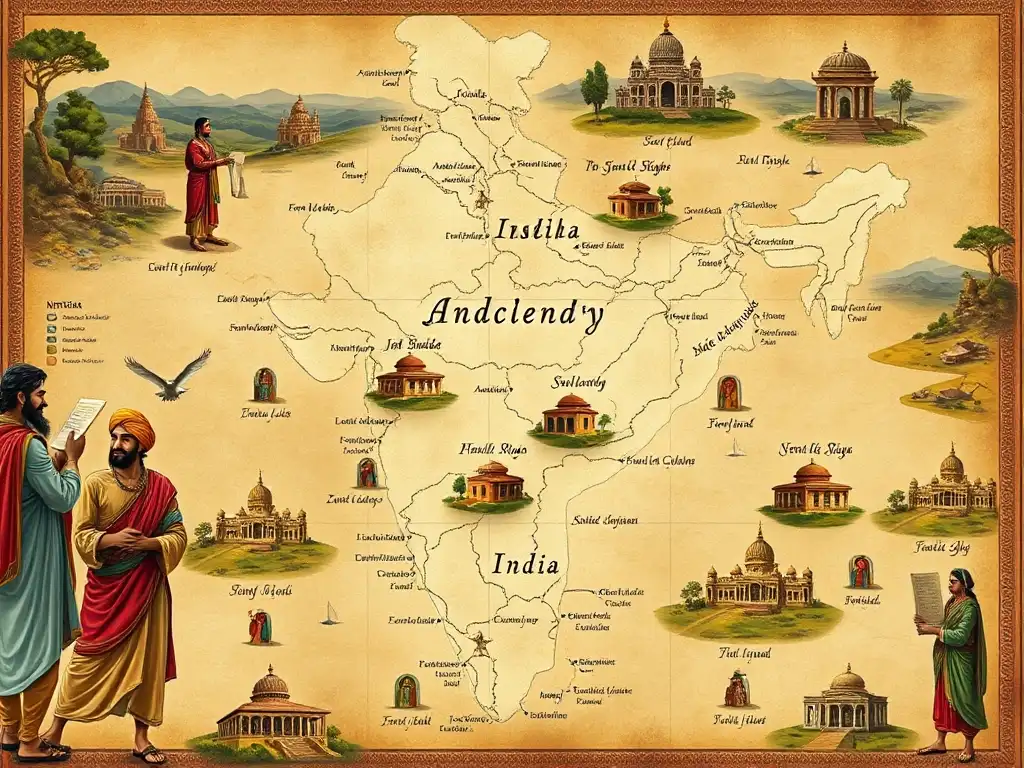
The evolution of property laws in ancient India reflects a complex interplay of cultural, religious, and socio-political factors. These laws governed the ownership, transfer, and protection of property, shaping the economic landscape of various civilizations from the Indus Valley to the Gupta Empire. The historical trajectory of these laws reveals significant shifts influenced by changing beliefs, governance structures, and social hierarchies.
Changes in Property Laws from the Vedic Period to the Gupta Empire
The Vedic period (circa 1500–500 BCE) laid the foundation for many legal principles in ancient India, including those related to property. During this time, property was primarily communal, with land and resources shared among clans or tribes. The concept of ownership began to evolve, influenced by the development of agriculture and settlement patterns. Texts such as the Rigveda mention the possession of cattle and land, indicating an emerging recognition of private property.
By the time of the Maurya Empire (circa 322–185 BCE), property laws became more codified. Notably, the Arthashastra, attributed to Kautilya, outlines various aspects of property management, including taxation and state control over resources. This period saw the introduction of more structured legal frameworks governing land ownership and transactions, emphasizing the state's role in regulating property rights.
The Gupta Empire (circa 240–550 CE) marked a significant advancement in property laws. The Gupta legal system recognized individual ownership and the transfer of property through sale, gift, or inheritance. The Dharmashastras, especially the Manusmriti, provided guidelines on property rights, inheritance laws, and the responsibilities of landowners. These texts delineated the rights of women and the lower castes concerning property, reflecting a more nuanced understanding of societal roles.
The Impact of Socio-Political Changes on Property Regulations
Socio-political dynamics played a crucial role in shaping property laws in ancient India. The transition from tribal systems to more centralized states led to the need for formalized legal codes. As kingdoms expanded, the regulation of land and resources became essential for maintaining control and ensuring tax revenues.
The rise of merchant classes during the Maurya and Gupta periods also influenced property regulations. Trade and commerce necessitated clearer legal frameworks for contracts and property transactions. The establishment of guilds and trade organizations prompted the need for laws governing property ownership among merchants, leading to more sophisticated legal practices.
Cultural influences, particularly from Hindu and Buddhist philosophies, further affected property laws. The Hindu concept of dharma emphasized ethical ownership and the moral obligations of landowners. Conversely, Buddhist teachings promoted detachment from material possessions, impacting societal attitudes towards property. These philosophical undercurrents shaped the legal discourse surrounding property throughout ancient Indian history.
Case Studies of Notable Legal Decisions
Several case studies from ancient Indian history illustrate the application of property laws and their implications. One notable example is the decision regarding the inheritance rights of women, as discussed in the Manusmriti. Texts established that women had the right to inherit property, though their status varied significantly across different regions and periods. This legal provision had lasting implications for women's property rights in subsequent historical contexts.
Another significant case involved land disputes during the Gupta period, where local rulers and courts adjudicated conflicts over land ownership. Resolutions often relied on precedent and customary practices, showcasing the importance of local governance in property law enforcement.
Moreover, the legal mechanisms for resolving theft and property disputes, such as the use of oaths and witnesses, are well-documented in ancient texts. These mechanisms highlight the evolving nature of property laws, adapting to the complexities of societal interactions.
The history of ancient Indian property laws is a testament to the intricate relationship between legal frameworks, socio-political changes, and cultural values. Understanding these developments provides essential insights into the foundations of India's legal systems and societal norms.
Conclusion: Legacy of Ancient Indian Property Laws

The legacy of ancient Indian property laws is a testament to the sophisticated legal frameworks established by early civilizations. These laws not only governed the ownership and transfer of property but also reflected the social, economic, and cultural dynamics of the time. In the context of ancient India, property laws were intertwined with religious beliefs, social norms, and the principles of justice, which contributed to their enduring significance.
One of the most notable aspects of ancient Indian property laws was the emphasis on rightful ownership and the protection of individual rights. Texts such as the Manusmriti and the Yajnavalkya Smriti laid out comprehensive guidelines regarding land tenure, inheritance, and the rights of women and marginalized groups. These legal codes recognized the importance of property in establishing social status and economic stability, thereby influencing community structures.
Moreover, the procedural aspects of property disputes in ancient India, including the role of local courts (panchayats) and the involvement of community elders, highlight a decentralized approach to justice. This system fostered a sense of communal responsibility and encouraged resolution through dialogue and consensus, rather than coercion.
Influence on Modern Indian Legal Framework
The influence of ancient Indian property laws is evident in the contemporary legal landscape of India. Many principles derived from ancient texts have found their way into modern statutes, particularly in matters related to property rights and inheritance. For instance, the equal rights of women in inheritance, which were articulated in ancient legal texts, have been reinforced in modern laws such as the Hindu Succession Act of 1956. This act aimed to rectify historical injustices and promote gender equality in property ownership.
| Aspect | Ancient Laws | Modern Laws |
|---|---|---|
| Ownership | Individual and communal rights | Primarily individual rights |
| Inheritance | Matrilineal and patrilineal systems | Equal rights regardless of gender |
| Dispute resolution | Panchayats and local elders | Formal courts and legal representation |
| Community involvement | High emphasis on consensus | Less community involvement |
The procedural fairness and emphasis on social harmony found in ancient practices continue to resonate today, as modern legal practitioners often advocate for alternative dispute resolution methods, such as mediation and arbitration. This reflects a broader understanding that legal systems should not only enforce laws but also promote social cohesion.
Reflection on the Importance of Understanding Ancient Laws Today
Understanding ancient Indian property laws is crucial for several reasons. Firstly, it provides insights into the evolution of legal thought and practice in India, showcasing how historical contexts shaped contemporary legal frameworks. By studying these ancient laws, legal scholars and practitioners can better appreciate the cultural and philosophical underpinnings of current property laws.
Secondly, acknowledging the historical significance of these laws fosters a deeper appreciation for the rights and responsibilities associated with property ownership today. It highlights the ongoing struggle for equitable property rights among various social groups, particularly women and marginalized communities, which remains a pressing issue in contemporary society.
Finally, examining the principles of justice and community involvement in ancient legal practices can inspire modern legal systems to adopt more inclusive and participatory approaches. Such reflections can lead to reforms that not only address legal issues but also enhance social equity and justice.
The study of ancient Indian property laws offers valuable lessons that are relevant to today's legal challenges, ensuring that the wisdom of the past continues to inform the pursuit of justice and equity in the present.
References and Further Reading on Ancient Indian Property Laws History
Suggested Texts for In-Depth Study
To gain a comprehensive understanding of Ancient Indian property laws history, several key texts provide detailed insights into the legal frameworks, societal norms, and cultural contexts of ancient Indian civilizations.
- Arthashastra by Kautilya (Chanakya)
- Written in the 4th century BCE, this treatise on statecraft and economic policy outlines various aspects of governance, including property rights and legal procedures. Kautilya emphasizes the importance of law in maintaining order and justice.
- Manusmriti (Laws of Manu)
- This ancient legal text, dating back to around 200 BCE to 200 CE, offers a perspective on social order, including inheritance and property rights. It reflects the patriarchal structure of society and the roles of different castes in property ownership.
- Yajnavalkya Smriti
- Another critical legal text that focuses on personal law, including property rights and inheritance. It is known for its structured approach to various legal issues, providing a more nuanced understanding of property law in ancient India.
- The Indian Penal Code
- While primarily a colonial-era document, it incorporates many principles derived from earlier texts, offering a historical lens through which to analyze the evolution of property laws and theft in India.
- Ancient Indian Law: An Historical Analysis by T. R. A. Narasimha Rao
- This book delves into the historical development of legal systems in ancient India, including property laws, and provides critical analysis of primary sources.
Online Resources for Ancient Indian Legal History
For those seeking additional knowledge on Ancient Indian property laws history, several online resources can enhance your understanding:
-
Digital Library of India
This extensive online archive offers access to a variety of ancient texts and manuscripts, including legal texts and commentaries from different periods of Indian history.
-
Internet Archive
A vast repository of books, many of which cover topics related to ancient Indian law and property rights. Key texts are available for free, making it an excellent resource for researchers.
-
Google Scholar
Utilize this platform to find scholarly articles and papers related to ancient Indian property laws. It aggregates academic publications that analyze various aspects of property law throughout Indian history.
-
ResearchGate
A networking site for researchers where you can find papers and articles authored by historians and legal scholars focusing on ancient Indian legal systems.
-
Academia.edu
Similar to ResearchGate, this platform allows you to follow researchers and access their papers on topics related to ancient legal practices, including property laws.
By exploring these suggested texts and online resources, readers can obtain a deeper insight into the complexities of ancient Indian property laws history and how these laws shaped societal structures in ancient India.
Frequently Asked Questions
What were the key aspects of ancient Indian property laws?
Ancient Indian property laws emphasized ownership rights, inheritance, and transfer of property, which were often guided by religious texts and customary practices.
How did theft impact property laws in ancient India?
Theft was taken seriously in ancient India, with laws designed to protect property rights. Punishments for theft were often severe, reflecting the importance of property security in society.
What historical texts provide insight into ancient Indian property laws?
Key texts such as the Manusmriti and Arthashastra offer valuable insights into the legal framework governing property and theft in ancient India, detailing both rights and responsibilities.
Property laws varied based on social class, with higher castes typically enjoying more rights and privileges regarding property ownership and inheritance, leading to a complex legal landscape.
What was the role of women in property laws during ancient India?
Women had limited rights in property ownership, often depending on their relationship to male relatives. However, some laws did provide for inheritance rights, reflecting a gradual evolution in gender equality within property laws.
Final Reflection: The Enduring Legacy of Ancient Indian Property Laws
The exploration of Ancient Indian property laws reveals a profound understanding of justice and societal balance that resonates deeply in today's legal frameworks. As we navigate the complexities of modern property rights and theft, it becomes clear that the principles established in ancient texts continue to influence contemporary discussions on equity and justice. The wisdom of the past serves as a guiding light, reminding us that the foundations of law are built on the values of fairness and respect for individual rights.
The impact of these ancient laws extends beyond mere historical interest; they shape our cultural and social landscapes even today. The principles of ownership, restitution, and community responsibility found in texts such as the Manusmriti and Arthashastra reflect a sophisticated understanding of human behavior and societal needs. As we grapple with issues of property disputes and theft in our modern world, we can draw inspiration from the ancient wisdom that emphasized harmony and accountability. Law is the embodiment of the moral sentiment of the people.
– William Blackstone. This quote underscores the idea that laws are not static; they evolve with the moral compass of society, a concept that was well understood in ancient India.
As we reflect on the lessons from Ancient India's approach to property laws, I invite you to consider how these principles can be applied in your own life and community. What can we learn from the past to create a more equitable society today? Embrace the opportunity to engage with these historical insights, allowing them to inform your understanding of justice and property rights. By doing so, we not only honor the legacy of our ancestors but also pave the way for a future where fairness and respect for property are upheld as fundamental values.
Unveil the Wisdom of Ancient Indian Laws!
Thank you for delving into the fascinating world of ancient India's approach to theft and property laws! We hope you found insight into how historical perspectives can inform modern understanding of justice and ethics. Now, let’s take your learning a step further!
Here are some engaging ways you can deepen your exploration:
- Dive Deeper: Explore various justice systems globally to see how ancient practices influence contemporary law.
- Share Your Thoughts: Initiate discussions with friends or in online communities about what modern society can learn from historical legal frameworks.
- Get Creative: Compose a short story or blog post envisioning how ancient Indian property laws might be relevant in today's digital landscape.
What aspect of ancient law do you think holds the most relevance for today's society, and why? Join the discussion!