
Deciphering the Role of Women in Ancient Indian Land Ownership

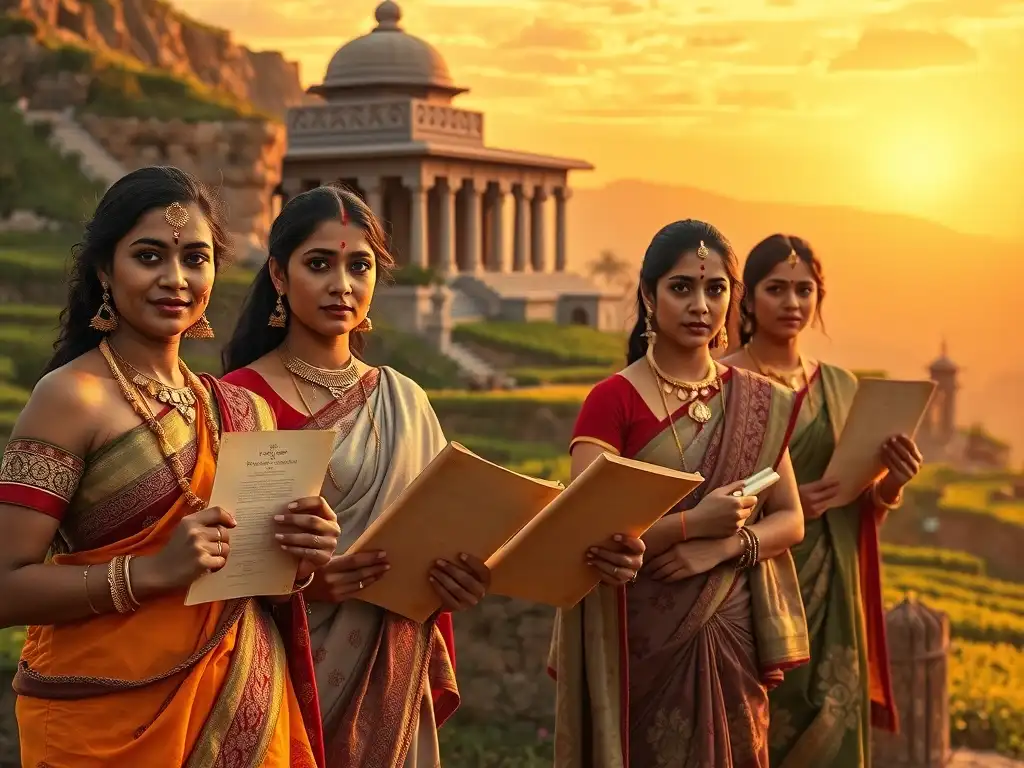
Welcome to Ancient India History, where we invite you to journey through the rich tapestry of ancient civilizations that shaped the subcontinent. In this exploration, we delve into the compelling narrative of Women in Ancient Indian Society, shedding light on their pivotal roles within the legal frameworks of land ownership. How did these remarkable women navigate the complexities of law and society during times of great change?
Join us as we uncover the untold stories and significant contributions of women, revealing their influence and legacy in shaping ancient India. Prepare to be intrigued and inspired as you dive deeper into this fascinating chapter of our history!
- Introduction to Women in Ancient Indian Society and Land Ownership
- Historical Context of Land Ownership in Ancient India
- Women in Ancient Indian Society: Rights and Roles
- Women as Landowners in Ancient India
- Factors Influencing Women's Land Ownership
- Challenges Faced by Women Regarding Land Ownership
- The Legacy of Women’s Land Ownership in Ancient India
- Conclusion: The Role of Women in Ancient Indian Society and Land Ownership
- References and Further Reading on Women in Ancient Indian Society
-
Frequently Asked Questions
- What was the role of women in land ownership in ancient India?
- How did societal norms affect women's property rights?
- Were there any legal frameworks that supported women's land ownership?
- Did women's roles in land ownership change over time?
- What was the impact of women's land ownership on ancient Indian society?
- Final Reflection: Understanding the Legacy of Women in Ancient Indian Society
- Unveil the Legacy of Women’s Empowerment!
Introduction to Women in Ancient Indian Society and Land Ownership
The role of women in ancient Indian society has been a subject of extensive research and debate, particularly when it comes to their rights and involvement in land ownership. This aspect is pivotal, as land has historically been a symbol of power and economic stability.
The complexities surrounding women and land ownership reflect broader social, economic, and legal frameworks that governed ancient Indian civilizations, from the Indus Valley through to the Gupta Empire. Understanding these dynamics not only sheds light on the status of women in these societies but also provides valuable insights into the evolution of property and inheritance laws that shaped their lives.
Overview of Ancient Indian Society
Ancient Indian society was marked by a rich tapestry of cultures, beliefs, and practices that varied significantly across regions and time periods. The social structure was predominantly hierarchical, characterized by the caste system, which influenced various aspects of life, including property rights. Women’s roles were multifaceted, encompassing domestic responsibilities while also participating in religious, economic, and even political spheres.
- Caste System: The stratification of society into different castes affected women's societal roles and their access to resources, including land.
- Cultural Norms: Traditional beliefs often dictated that land ownership was primarily a male domain, yet there are instances where women held significant rights.
Despite these restrictive norms, evidence suggests that women occasionally enjoyed rights to property and inheritance, challenging the notion of their complete subjugation.
Importance of Land Ownership in Ancient India
Land ownership in ancient India was not just a matter of economic necessity; it was also intertwined with social status and familial lineage. Owning land provided security and autonomy, making it a critical factor for both men and women in the society.
- Economic Stability: Land was a primary source of livelihood, affecting agricultural production and trade.
- Social Status: Ownership often conferred prestige and influence within the community, impacting a family's standing in society.
Moreover, various ancient texts and legal codes reveal that women, particularly those from certain castes or familial backgrounds, could own and inherit land, albeit under specific conditions.
Purpose of the Article: Understanding Women's Roles in Land Ownership
This article aims to delve deeper into the often-overlooked roles of women in ancient Indian land ownership. By examining historical texts, legal codes, and archaeological findings, we will explore how women navigated the complexities of property rights in a predominantly patriarchal society.
Through this exploration, we intend to:
- Highlight specific instances of women's land ownership and the legal frameworks that supported or restricted these rights.
- Analyze the impact of cultural practices on women's ability to inherit and control land.
- Provide a nuanced understanding of how these practices evolved over time and influenced modern perceptions of women's rights in property ownership.
By understanding these elements, readers will gain a comprehensive perspective on the multifaceted roles women played in ancient Indian society, particularly concerning land ownership.
Historical Context of Land Ownership in Ancient India
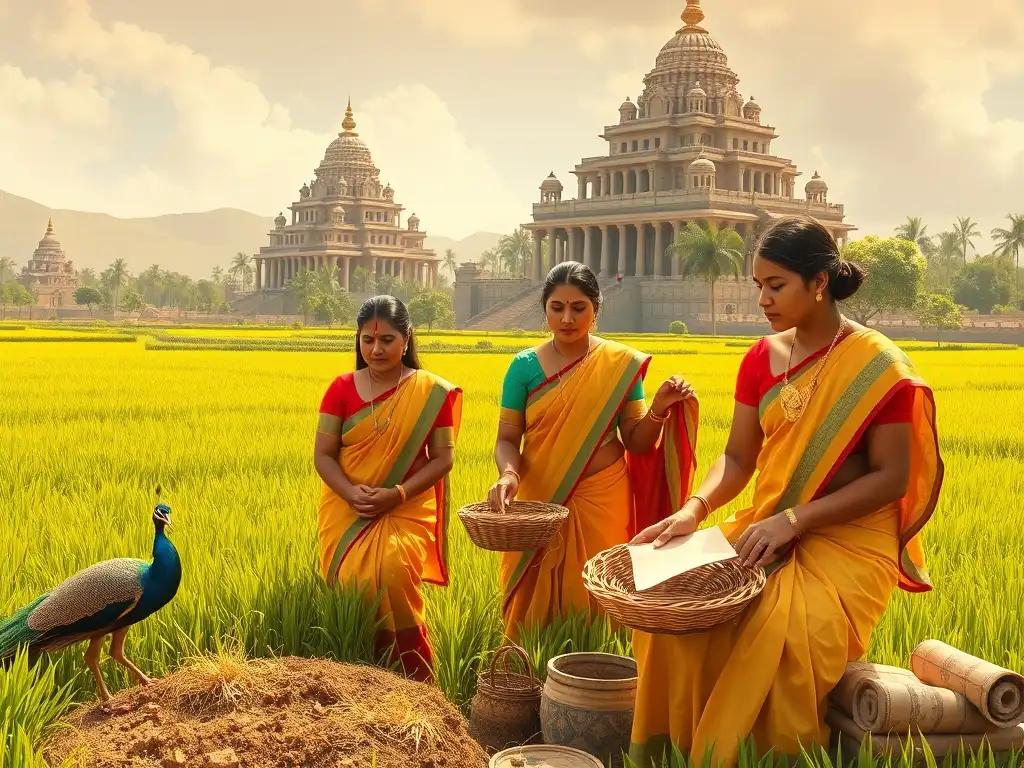
Evolution of Property Rights in Ancient India
The intricate tapestry of land ownership in ancient India reveals a dynamic evolution of property rights, particularly concerning women in ancient Indian society. Initially shaped by socio-economic factors, the rights to land underwent significant transformations influenced by various cultural and legal frameworks.
In the earliest civilizations, such as the Indus Valley, land ownership was likely communal, with little distinction in rights based on gender. However, as societies progressed and became more stratified, legal codes began to emerge, establishing clearer property rights. The Vedic texts provide some of the earliest insights into these evolving rights, where women were recognized as having the capability to own and manage property, although often within the confines of familial structures.
The subsequent evolution of property rights saw the codification of these principles in legal texts, such as the Manusmriti, which articulated the roles and rights of women in relation to property and inheritance. Over time, these rights became more defined, allowing women to inherit property under certain conditions, albeit often with limitations compared to their male counterparts.
Key Periods Influencing Land Ownership
Indus Valley Civilization
The Indus Valley Civilization (c. 3300–1300 BCE) is one of the earliest urban cultures in the world, where evidence suggests a relatively egalitarian society. While specific records of land ownership are scarce, archaeological findings indicate that land was an essential resource for sustaining communities. The lack of clear gender roles in land management during this period implies that women likely participated in agricultural and economic activities, though formal ownership structures remain undocumented.
The cities of Harappa and Mohenjo-Daro showcased advanced urban planning, which may suggest that land was allocated for communal use rather than individual ownership. This communal approach could imply an equal status for women in terms of land utilization, although further research is required to draw definitive conclusions.
Vedic Period
Transitioning into the Vedic Period (c. 1500–500 BCE), the texts from this era such as the Rigveda provide more pronounced references to women in relation to property. Women were often depicted as possessing property rights, especially in the context of marriage and familial arrangements.
The concept of "Stridhan," or women’s wealth, emerges during this time, which included gifts and inheritance specifically allocated to women, enhancing their status within the household. However, the extent of these rights could vary significantly based on caste and regional practices, reflecting a complex social hierarchy.
Additionally, the Vedic texts highlight the role of women as contributors to agricultural production, which indirectly underscores their stake in land ownership, albeit mainly through familial connections.
Mauryan and Gupta Empires
The Mauryan Empire (c. 322–185 BCE) and the subsequent Gupta Empire (c. 240–550 CE) marked significant advancements in governance and legal frameworks, further influencing property rights. Under the Mauryan administration, the codification of laws began to take shape, leading to clearer definitions of property ownership.
During the Gupta period, there is evidence of women exercising more rights in property ownership. Legal texts from this time suggest that women could inherit land and property, granting them a more substantial role in economic activities. The recognition of women's rights to own and manage land not only reflects the evolving legal landscape but also indicates a cultural shift towards acknowledging women's contributions to society.
The Gupta era, often referred to as a golden age, saw women participating in various professions, further solidifying their status as landowners. Despite the progress, women still faced societal limitations, with many rights contingent upon their relationships with male family members.
The historical context of land ownership in ancient India reveals a complex interplay of cultural, legal, and social factors that shaped the role of women in society. From communal practices in the Indus Valley to the more defined rights during the Gupta Empire, the evolution of property rights reflects broader changes in the perception of women's status and agency within ancient Indian civilization.
Women in Ancient Indian Society: Rights and Roles

The social status of women in ancient India was multifaceted, shaped by various cultural, religious, and economic factors. While there were periods and regions where women enjoyed considerable rights and autonomy, there were also times when their roles were more restrictive.
-
Family and Domestic Sphere:
Women primarily occupied the domestic sphere, where they were often seen as caretakers and managers of the household. Their responsibilities included managing family resources, raising children, and maintaining cultural traditions. This domestic role was not without its significance; women's contributions to family stability and cultural continuity were highly valued.
-
Education and Knowledge:
In some ancient texts, women were not only allowed but encouraged to pursue education, particularly in areas such as philosophy, music, and arts. For instance, notable figures like Gargi and Maitreyi are recognized for their intellectual contributions in philosophical discussions, indicating that women had access to knowledge and could participate in scholarly debates.
- Economic Contributions:
Women were involved in various economic activities, including agriculture, textile production, and trade. Their roles in these sectors were crucial for the sustenance of the household. In some communities, women could own and manage businesses, highlighting their economic agency in certain contexts.
- Religious Participation:
Women played active roles in religious practices and rituals. They were involved in temple activities and could serve as priestesses in certain traditions. Their participation in religious life underscores their importance in maintaining spiritual and cultural practices within society.
Overall, while women in ancient India had defined roles within the family and society, they also exhibited agency and contributed significantly to various aspects of life.
Legal Framework Surrounding Women's Property Rights
The legal framework concerning property rights for women in ancient India was complex and varied significantly across different regions and periods. While certain texts and traditions granted women specific rights, practical application often diverged from these principles.
Manusmriti and Other Texts
The Manusmriti, one of the oldest legal texts in ancient India, serves as a foundational document in understanding women’s property rights. It presents a dual perspective:
- Inheritance Rights: The Manusmriti acknowledges the right of women to inherit property, particularly in the case of their father's estate. However, it often emphasizes that women should ultimately remain under the protection of male guardians, which limited their autonomy in property management.
- Property Ownership: While women were allowed to own property, their rights were typically conditional and often tied to their marital status. For instance, a married woman might only retain ownership of her property for her lifetime, after which it would revert to her husband's family.
- Other Texts: Other texts such as the Arthashastra and Dharmashastra also discuss property rights but often reinforce the notion of male guardianship over women's rights. They highlight regional and caste-based variations in the application of these laws.
Regional Variations in Land Ownership Laws
Land ownership laws in ancient India were not uniform and exhibited significant regional variations, influenced by local customs, economic conditions, and societal norms.
- North India:
In many North Indian states, particularly among agrarian communities, women were granted more substantial rights to inherit agricultural land. Customary practices often allowed daughters to inherit property alongside sons, particularly if there were no male heirs.
- South India:
In contrast, South Indian societies sometimes exhibited stricter norms regarding women's property rights. In some communities, women had limited inheritance rights, and property was predominantly passed down through the male line.
- Tribal and Indigenous Communities:
Among certain tribal and indigenous groups, women often enjoyed greater autonomy and rights regarding land ownership. Their roles as primary cultivators and decision-makers in agricultural practices granted them significant influence over resources.
- Urban vs. Rural Dynamics:
Urban centers often witnessed different property dynamics compared to rural areas. Women in urban settings, especially those engaged in trade and commerce, sometimes had more opportunities to own and manage property independently.
Overall, the legal landscape surrounding women's property rights in ancient India was characterized by a mix of codified laws and customary practices, reflecting the diverse and evolving nature of women's roles in society.
Women as Landowners in Ancient India
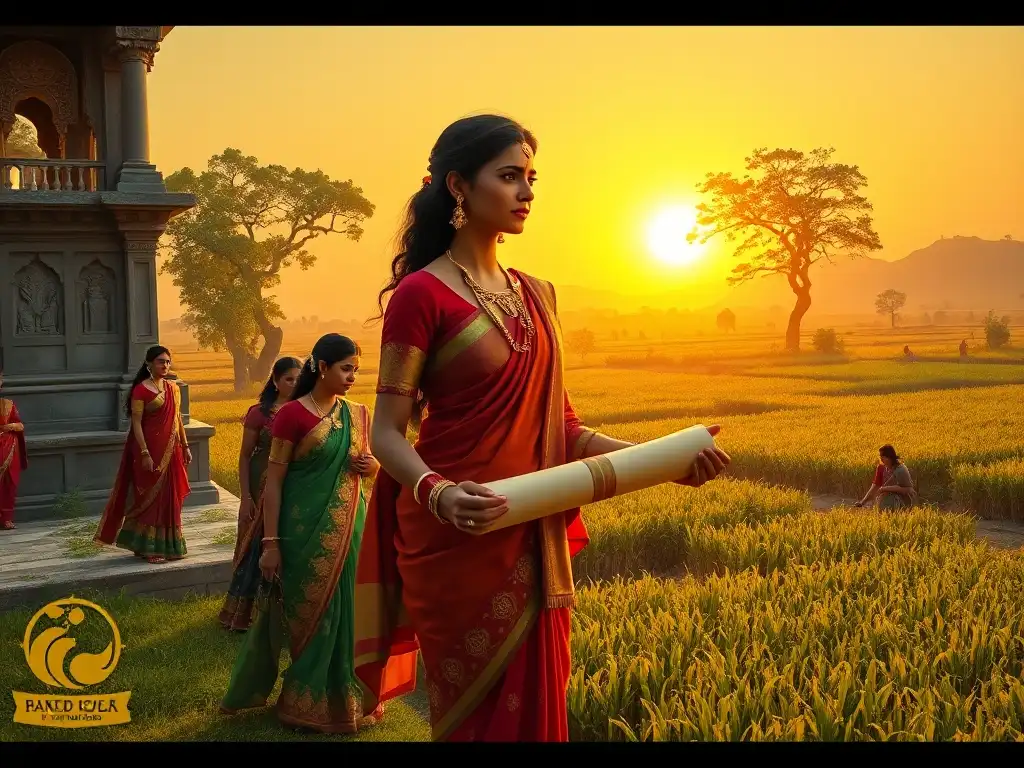
Case Studies of Prominent Women Landowners
Vasanti
Vasanti, a notable figure from ancient Indian history, exemplifies the role of women in land ownership. Historical texts reveal that she was a landowner in the region of the Indus Valley, where her wealth stemmed from agricultural production. Vasanti's land ownership was significant not only for her family but also for the local economy, as she played a vital role in managing agricultural activities.
Her case highlights the fact that women could independently own and manage land, which was often passed down through matrilineal lines. This practice was particularly prevalent in certain regions of India, where women inherited property from their mothers, allowing them to establish their own economic standing within society. Vasanti's influence in her community as a landowner demonstrates how women contributed to the agrarian economy and had a say in local governance.
Rudrani
Another prominent woman landowner is Rudrani, who lived during the Gupta Empire. She is well-documented in inscriptions and texts that indicate her ownership of extensive lands, including agricultural fields and commercial properties. Rudrani not only inherited her land but actively participated in trade and economic activities, showcasing the multifaceted roles women could assume beyond traditional domestic spheres.
Rudrani's ability to manage her assets effectively allowed her to wield considerable influence in her community. Her legacy is a testament to the economic independence women could achieve through land ownership during this period. Furthermore, her involvement in land transactions and her contributions to local society illustrate the empowerment women experienced in ancient India, challenging the contemporary perceptions of their roles.
Examination of Land Ownership Practices Among Women
Inheritance Rights
The inheritance rights of women in ancient India were complex and varied significantly across different regions and time periods. Generally, women had the right to inherit land, especially in matrilineal societies where property was passed down through the female line. Legal texts such as the Manusmriti provide insights into the inheritance practices, indicating that women could inherit property from their parents, though the amount was often less than that allocated to male heirs.
In many cases, widows were entitled to a share of their deceased husband’s property, which provided them a measure of economic security. However, the legal frameworks were not uniformly applied, and local customs often influenced the actual practices. This variability meant that while some women enjoyed robust rights, others faced significant restrictions based on prevailing societal norms.
Dowry and Land Transfer
The practice of dowry in ancient India also intersected with land ownership, influencing women's rights to property. In many instances, land was included as part of the dowry, effectively transferring ownership to the groom's family. This practice not only served as a form of economic support for the bride but also ensured her family's social standing.
However, the dowry system had its complexities and drawbacks. While it could enhance a woman's status within her marital home, it also led to instances of exploitation and increased pressure on families to provide substantial dowries. The transfer of land through dowry highlighted the transactional nature of marriage, where women's rights were often tied to familial and marital arrangements rather than individual ownership.
Women in ancient Indian society had a nuanced relationship with land ownership that reflected broader social, economic, and legal dynamics. The case studies of women like Vasanti and Rudrani illustrate that while women could be significant landowners, their rights were deeply intertwined with inheritance laws and the dowry system, which shaped their experiences and status in society.
Factors Influencing Women's Land Ownership
The role of women in ancient Indian society, particularly regarding land ownership, is a multifaceted topic shaped by various interrelated factors. Understanding these influences provides valuable insight into the complexities of women's rights in property and inheritance laws throughout history. This section explores the key factors that impacted women's land ownership in ancient India, including cultural norms, economic factors, and political influences.
Cultural Norms and Practices
Cultural norms and practices significantly influenced women's land ownership in ancient India. Traditional views often dictated the social status and rights of women, affecting their ability to own and inherit land.
- Patriarchal Structure: Ancient Indian society was predominantly patriarchal, meaning that property rights were largely reserved for men. This societal structure often limited women's access to land, as inheritance typically passed from father to son.
- Marriage and Dowry: Marriage customs also played a critical role in land ownership. Women were often given a dowry at the time of marriage, which could include land or property. However, this practice often did not equate to ownership; the land remained under the control of male relatives.
- Religious Texts and Literature: Ancient texts, such as the Manusmriti, provided guidelines on women's roles within society, often emphasizing their subservience to male family members. While some texts, like the Arthashastra, recognized women's rights to property, the prevailing interpretation often limited these rights.
Through these cultural lenses, women's ownership of land was seen as a deviation from the norm, leading to societal pressures that discouraged female land ownership.
Economic Factors Affecting Women’s Land Rights
Economic factors played a crucial role in shaping women's land rights throughout ancient Indian civilization. Various economic conditions could either enhance or restrict women's access to property.
- Agrarian Economy: In agrarian societies, land was the primary source of wealth and economic stability. While women in some regions were involved in agricultural practices, their contributions were often overlooked in terms of ownership rights. Land was seen as a male domain, and women's labor was often unpaid or recognized only through familial ties.
- Wealth Accumulation: The accumulation of wealth often determined one's ability to claim land. Wealthy families sometimes granted women land as part of inheritance, but this was not universal. The economic status of the family directly influenced the extent to which women could own or inherit property.
- Occupational Roles: Women who engaged in trade or held influential roles within their communities sometimes gained more autonomy over property. However, these opportunities were rare and often dependent on the woman’s status, such as being a widow or a member of a royal family.
Economic disparities and societal expectations frequently dictated the extent to which women could participate in land ownership, reinforcing traditional gender roles.
Political Influence on Women's Property Rights
Political dynamics also played a significant role in shaping women's property rights in ancient India. The evolution of laws and governance directly impacted women's ability to own land.
- Legal Frameworks: Various dynasties and ruling powers enacted laws that either restricted or expanded women's rights to property. For example, during the reign of certain progressive rulers, women were granted more rights to inherit and own land, while more conservative regimes often retracted these rights.
- Influence of Queens and Female Leaders: Prominent queens and female leaders sometimes challenged existing norms, advocating for women's rights to land ownership. Their influence could lead to more favorable policies regarding women's rights in property and inheritance, although such changes were often temporary.
- Community Governance: In some regions, local governance systems allowed for more equitable treatment of women regarding land ownership. Women's involvement in community decision-making could lead to enhanced rights, although this varied significantly across different regions and cultures.
The political landscape in ancient India significantly influenced women's property rights, with varying degrees of recognition and support depending on the prevailing rulers and governance structures.
These factors collectively illustrate the complex interplay between cultural norms, economic conditions, and political influences that shaped women's land ownership in ancient Indian society. Understanding these dynamics provides a deeper appreciation of the historical context surrounding women in ancient Indian society and their struggles for property rights.
Challenges Faced by Women Regarding Land Ownership
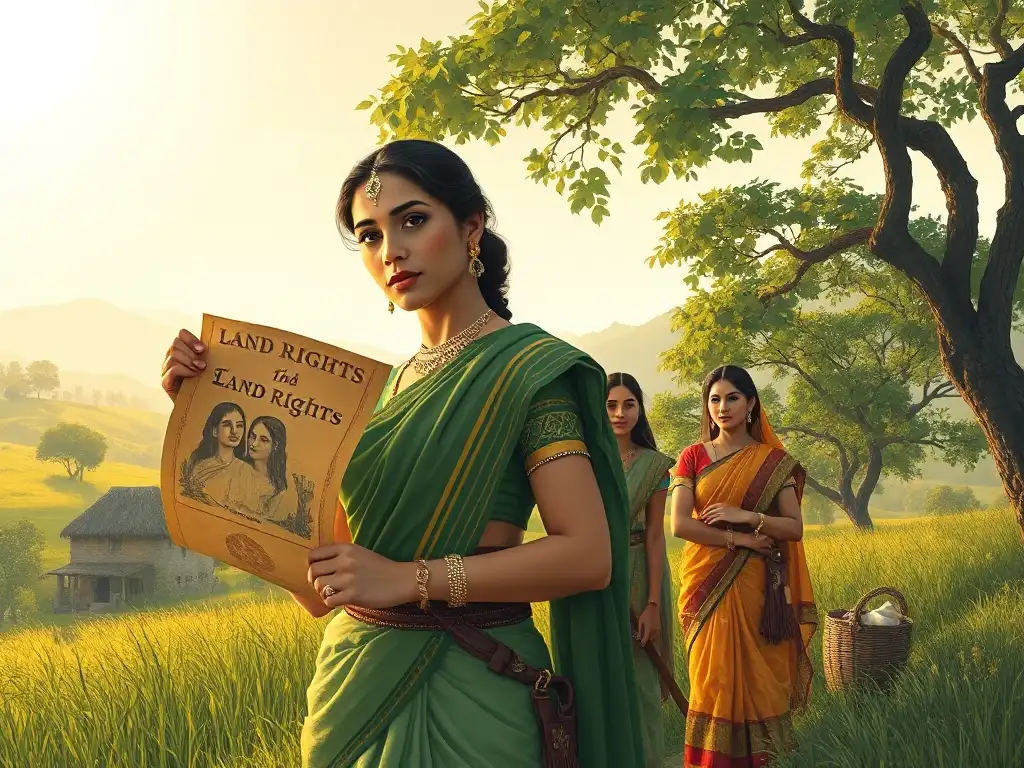
The issue of land ownership among women in ancient India is complex, marked by significant societal challenges and legal obstacles. Despite their crucial roles in agricultural and economic activities, women faced numerous barriers that limited their rights to land ownership. This section delves into the societal attitudes, legal hindrances, and historical instances that shaped the experience of women regarding land ownership in ancient Indian society.
Societal Attitudes Toward Women Landowners
In ancient Indian society, deeply entrenched patriarchal norms significantly influenced the perception of women as landowners. While historical texts and archaeological evidence suggest that women, especially in certain communities, could own land, societal attitudes often viewed female landownership with skepticism.
- Gender Norms: The prevailing belief was that land ownership was primarily a male domain. Women were expected to manage household responsibilities rather than engage in economic activities directly tied to land ownership.
- Cultural Restrictions: Various cultural practices, such as dowry systems and marriage customs, often undermined women's autonomy over land. In many cases, land was considered a family asset and was passed down through male heirs, leading to a perception that women were merely custodians of inherited property rather than rightful owners.
- Economic Contributions: Despite their contributions to agriculture and household economies, women's roles were often marginalized. Their work in fields was typically viewed as an extension of their duties rather than a formal contribution that warranted ownership rights.
These societal attitudes created an environment where women’s rights to land were not only overlooked but actively discouraged, impacting their socio-economic status and overall empowerment.
Legal Obstacles and Discrimination
The legal framework governing property and inheritance laws in ancient India further complicated women’s access to land ownership. Although some texts suggest legal provisions for women’s rights to property, the practical application of these laws was often discriminatory.
- Religious Texts: Various ancient texts, including the Manusmriti and Dharmashastras, provide guidelines on inheritance. While some passages advocate for women's rights to inherit property, the interpretations often favored male heirs. For instance, the concept of Stridhan (women's property) was recognized, but it was often limited to gifts and not formal land ownership.
- Enforcement Issues: Even when laws existed to support women's rights, enforcement was inconsistent. Local customs and traditions frequently took precedence over formal legal codes, leading to widespread discrimination against women.
- Lack of Legal Awareness: Women often lacked the knowledge and resources to assert their legal rights. This lack of awareness was compounded by limited access to education and legal representation, leaving many women vulnerable to exploitation and deprivation of their rightful inheritance.
These legal obstacles created a systemic barrier that hindered women's ability to claim and retain land ownership, perpetuating their socio-economic marginalization.
Historical Instances of Displacement or Loss of Rights
Throughout history, instances of women losing their land rights due to social and legal discrimination can be documented. These historical cases underline the systemic challenges faced by women in ancient Indian society.
- Displacement during Marriages: Upon marriage, women were often expected to relinquish their claims to parental property, further entrenching the idea that land ownership was inherently male. In many cases, women were displaced from their ancestral lands, only to be left with minimal or no rights to property.
- Wars and Conflicts: Historical accounts reveal that wars and conflicts often resulted in the displacement of entire communities, including women. Following such events, women frequently found themselves stripped of land ownership, as traditional rights were overridden by the victors' claims.
- Legal Disputes: In many instances, women faced challenges in legal disputes over land ownership. Male relatives or guardians often contested their claims, leading to prolonged legal battles that women were ill-equipped to fight, resulting in the loss of their rights.
These historical instances highlight the enduring challenges women faced regarding land ownership, reflecting a broader pattern of discrimination that persisted throughout ancient Indian history.
By examining these challenges, we gain a clearer understanding of the multifaceted barriers women encountered concerning land ownership in ancient India, revealing a rich yet often overlooked aspect of women in ancient Indian society.
The Legacy of Women’s Land Ownership in Ancient India
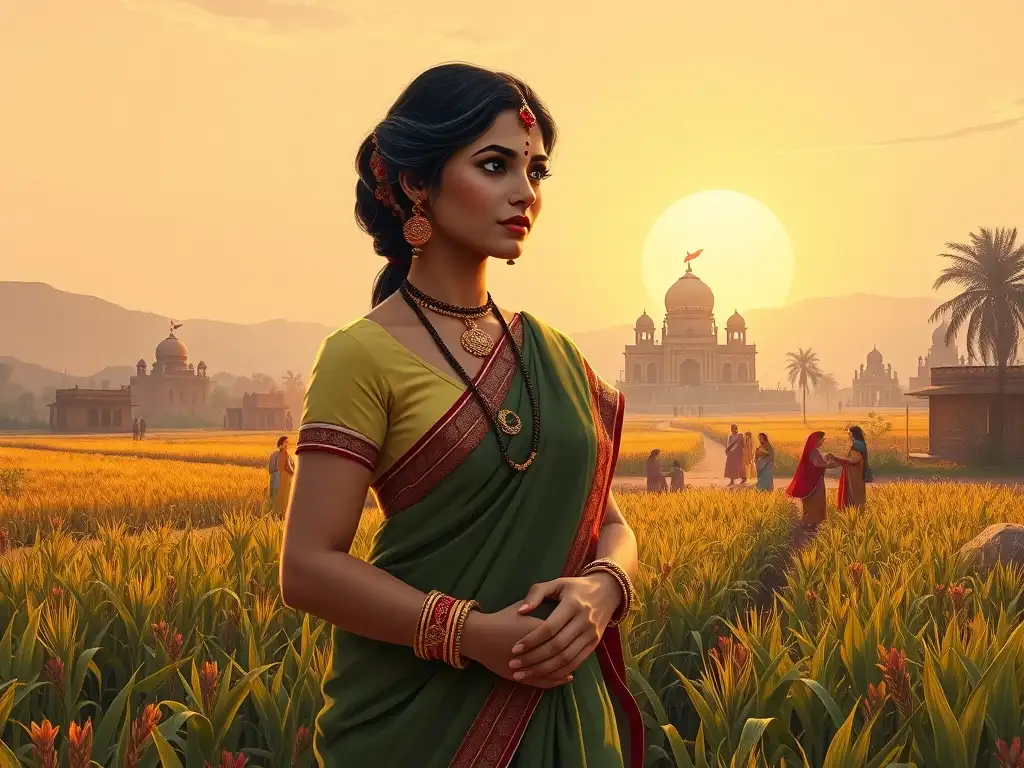
The legacy of women's land ownership in ancient India is a crucial aspect of understanding the role of women within the broader context of Women in Ancient Indian Society. Historically, women in various ancient Indian civilizations, such as those in the Indus Valley and during the Vedic period, enjoyed certain rights related to land ownership. These rights were often tied to familial and societal structures, reflecting the complexities of gender roles within these ancient communities.
Long-term Impacts on Modern Indian Society
The impacts of women's land ownership in ancient India have reverberated through the centuries, influencing contemporary discussions on gender rights and property laws. In ancient texts, women were recognized as independent stakeholders in land transactions, which laid a foundation for female agency and autonomy. For example, women could inherit property, a practice highlighted in numerous scriptures like the Manusmriti, where it is stated that daughters had rights to their father's property.
This historical precedent has manifested in modern India, as legal frameworks have evolved to reflect these ancient practices. The Hindu Succession Act of 1956, which aimed to rectify gender inequalities in inheritance laws, can be seen as a continuation of the ancient rights women once held. Despite this, societal norms and practices continue to challenge women's rights to land ownership, illustrating a complex interplay between ancient legacies and modern realities.
Key points regarding the long-term impacts include:
- Cultural Recognition: Women’s historical land ownership has influenced cultural perceptions of women as capable landholders.
- Legal Frameworks: The evolution of property laws in India shows a gradual acknowledgment of women's rights to inherit and own land.
- Societal Challenges: Despite legal recognition, cultural practices often hinder women's actual control over land, reflecting a disconnect between law and societal norms.
Comparisons to Contemporary Women's Land Rights
When examining contemporary women's land rights in India, it is essential to draw parallels and contrasts with the rights afforded to women in ancient times. In modern India, while women are legally entitled to inherit land, the enforcement of these rights varies significantly across different regions and communities.
- Legal Rights vs. Reality: Modern laws, such as the Hindu Succession Amendment Act of 2005, provide equal rights to daughters in ancestral property. However, in practice, many women still face significant barriers, such as societal resistance and lack of awareness about their legal rights.
- Regional Variations: The status of women's land rights differs across India. In matrilineal societies, such as among certain communities in Kerala and Meghalaya, women traditionally hold significant control over land. In contrast, in patriarchal regions, women's rights are often marginalized, echoing a regression from the rights they historically possessed.
- Economic Empowerment: Access to land is directly linked to economic empowerment. Women who own land are more likely to invest in their families and communities, leading to broader socio-economic benefits. This is reminiscent of ancient practices where women managed agricultural lands and contributed to the economy.
The ongoing struggle for equitable land rights highlights the importance of understanding the historical context of women's land ownership in ancient India. By examining these legacies, we can better appreciate the complexities of contemporary discussions surrounding Women in Ancient Indian Society and their rightful place within modern legal frameworks.
The legacy of women's land ownership in ancient India is a multifaceted topic that continues to influence modern discussions on gender equality and property rights. Understanding this legacy is critical for addressing current challenges and ensuring the equitable treatment of women in property and inheritance laws.
Conclusion: The Role of Women in Ancient Indian Society and Land Ownership
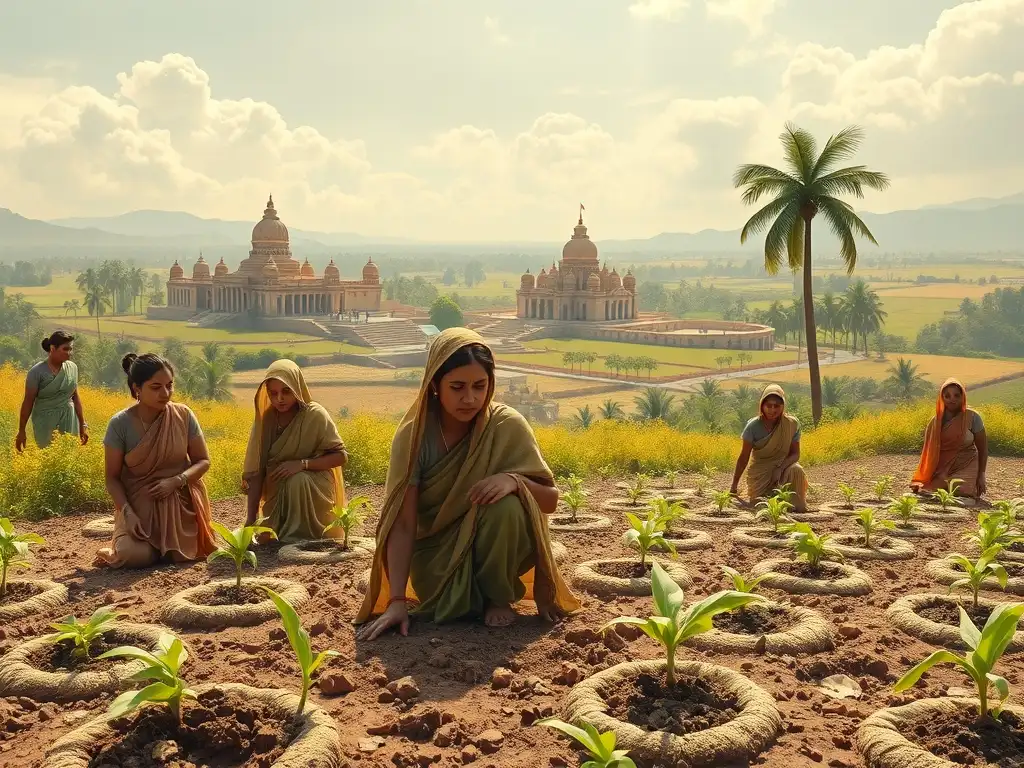
Summary of Findings
The examination of women in ancient Indian society reveals a complex and nuanced picture regarding land ownership and property rights. Evidence suggests that women held various degrees of ownership and control over property, which was often influenced by their social status, family lineage, and regional customs. The Vedic texts, for instance, indicate that women could inherit property, particularly in the case of dowries or gifts from their families.
Moreover, during different periods, such as the Maurya and Gupta empires, women occupied significant roles that impacted their rights to land. Historical records indicate that women not only managed family estates but also participated in economic transactions, showcasing their agency in property matters. This is particularly evident in inscriptions and legal texts that highlight women as landowners in their own right, further emphasizing their contribution to the agricultural economy.
It's important to note that while some women enjoyed rights to property, this was not universally applicable. The Dharmashastras, ancient Indian legal texts, provide guidelines that sometimes restricted women's rights in favor of male heirs. Thus, the legal framework established a dichotomy where women's rights were contingent upon societal norms and legal interpretations.
Reflection on Women’s Contributions to Property and Inheritance Laws
The contributions of women to property and inheritance laws in ancient India are often understated yet significant. Women played an essential role in shaping property rights through their participation in familial and social structures. Their involvement in land ownership challenged the patriarchal norms prevalent in many aspects of ancient Indian society.
Women, particularly in the role of mothers and daughters, were pivotal in negotiating land rights during marriage and inheritance discussions. The practice of Stridhan, where women were entitled to gifts and property given to them during their lifetime, underscored their importance in economic matters. This concept not only recognized women's contributions but also provided them with a measure of financial security.
Furthermore, the evolution of property rights over time demonstrates that women were not passive recipients of laws but active agents of change. Their ability to manage and inherit property contributed to the economic stability of families and communities, fostering a more inclusive society that acknowledged women's roles beyond domestic spheres.
The exploration of women in ancient Indian society concerning land ownership reveals a historical landscape where they not only participated in but also influenced property laws. This legacy continues to resonate in contemporary discussions about gender equality and property rights, highlighting the enduring impact of women throughout Indian history.
References and Further Reading on Women in Ancient Indian Society
Suggested Texts and Sources
To gain a deeper understanding of the role of women in ancient Indian society, especially in the context of land ownership and property laws, the following texts and sources are invaluable:
-
"Women in Ancient India" by Kumkum Sangari and Sudesh Vaid
This book provides a comprehensive overview of women's roles across various ancient Indian texts and practices, highlighting their contributions to society and property rights.
-
"The Laws of Manu" (Manusmriti)
An essential ancient text that outlines the legal and social status of women in ancient India, including insights into property rights and inheritance laws.
-
"Women and Law in Ancient India" by A. K. Sharma
This work delves into the intricate details of legal texts and their implications on women's rights and societal roles.
-
"Gender and Property Rights in India" by Nirmala Banerjee
A focused study on how property laws affected women's status in ancient and medieval India, offering a critical analysis of gender dynamics in land ownership.
-
"History of Women in India" by R. S. Sharma
A historical perspective on women's roles throughout Indian history, particularly examining how societal norms evolved concerning land and property ownership.
Online Resources for Additional Research
For those seeking further information on the topic of women in ancient Indian society and their relationship with property and inheritance laws, the following online resources are recommended:
-
Digital South Asia Library
A vast repository of resources related to South Asian studies, including digitized texts that focus on women’s history and legal rights in ancient India.
-
The Indian History Congress
This organization provides access to academic papers and articles that discuss various aspects of Indian history, including the roles of women in society.
-
Women in Ancient India: A Historical Overview (YouTube Lecture)
A detailed lecture available on YouTube that explores the historical context of women's rights and their status in ancient Indian society.
-
The National Archives of India
An online portal that offers access to historical documents and resources pertaining to ancient Indian laws and societal norms regarding women.
-
Academia.edu
A platform where scholars publish papers and articles; searching for "Women in Ancient Indian Society" can yield various academic contributions on the topic.
By leveraging these texts and online resources, researchers and enthusiasts can better understand the complex and often overlooked role of women in ancient Indian land ownership and their broader societal contributions.
Frequently Asked Questions
What was the role of women in land ownership in ancient India?
Women in ancient India had limited rights regarding land ownership, but there were instances where they could inherit or control property, particularly in matrilineal societies.
How did societal norms affect women's property rights?
Societal norms often dictated that patriarchal structures dominated property rights, which meant that women's rights to land were often secondary to male relatives.
Were there any legal frameworks that supported women's land ownership?
Yes, legal texts like the Manusmriti outlined some rights for women, but their implementation varied widely across regions and communities in ancient India.
Did women's roles in land ownership change over time?
Yes, the role of women in land ownership evolved, particularly during different dynasties, with some periods showing greater autonomy and rights for women compared to others.
What was the impact of women's land ownership on ancient Indian society?
Women's land ownership contributed to their economic independence and played a role in the social fabric, allowing them to participate more actively in community affairs and decision-making.
Final Reflection: Understanding the Legacy of Women in Ancient Indian Society
The exploration of women's roles in land ownership in ancient India reveals a profound connection to contemporary discussions about gender equality and property rights. As we navigate the complexities of modern society, it becomes increasingly clear that understanding historical contexts can illuminate current challenges. The recognition of women's agency in ancient land ownership is not merely an academic exercise; it is a powerful reminder of the potential for women to influence economic and social structures.
This topic has significantly shaped our cultural and social landscape, highlighting the often-overlooked contributions of women throughout history. By examining the nuances of women's involvement in land ownership, we uncover a legacy that continues to resonate today. The stories of these women challenge the prevailing narratives and inspire a deeper appreciation for their roles in shaping society. History is not just about the past; it is a guide to the future.
This quote encapsulates the importance of acknowledging and learning from the past as we strive for a more equitable future.
As we reflect on the lessons from ancient Indian society, I invite you to consider how these insights can inform your own perspectives and actions. What can we learn from the resilience and agency of women in history? Let this understanding inspire you to advocate for gender equality in your community and beyond. Embrace the opportunity to honor the legacy of women in ancient Indian society by actively participating in the ongoing dialogue about women's rights and empowerment today.
Unveil the Legacy of Women’s Empowerment!
Thank you for exploring the significant role of women in ancient Indian land ownership with us! Your journey into this fascinating subject highlights the complexity and richness of female contributions to society. Now, let's take this knowledge further and make a meaningful impact!
Here are a few inspiring actions you can take:
- Dive Deeper: Explore more articles on the topic—delve into related subjects such as women’s roles in other ancient cultures or their influence on contemporary practices.
- Share the Knowledge: Engage with your community! Discuss what you've learned with friends or family, or share this article on social media to ignite a broader conversation.
- Join the Conversation: Leave a comment below to share your thoughts or any additional insights you may have on this subject—your perspective is valuable!
How do you think understanding ancient women's land rights can shape our views on gender equality today?