
Dispute Resolution in Ancient India: Legal Mechanisms and Practices

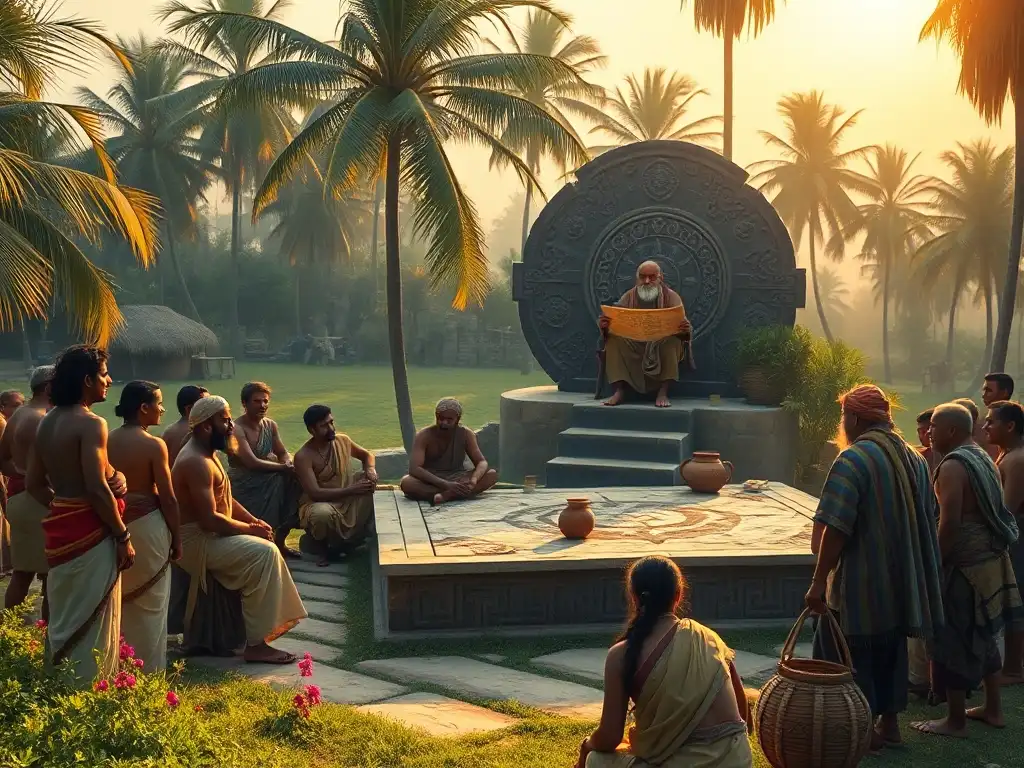
Welcome to Ancient India History, where we embark on an enlightening journey through the tapestry of India's past, exploring the remarkable civilizations that shaped its legacy. In our featured article, "Dispute Resolution in Ancient India: Legal Mechanisms and Practices," we delve into the fascinating world of ancient Indian dispute resolution practices—uncovering how these early societies navigated conflicts and maintained harmony. Prepare to be captivated by the innovative legal systems that emerged from the Indus Valley to the Gupta Empire, and discover insights that resonate even today.
Join us as we unravel the complexities of ancient law and its enduring impact on modern practices. Dive deeper into the wisdom of the past and ignite your curiosity!
- Introduction to Ancient Indian Dispute Resolution Practices
- Historical Context of Dispute Resolution in Ancient India
- Types of Dispute Resolution Mechanisms in Ancient India
- Procedures for Dispute Resolution in Ancient India
- Cultural and Social Influences on Dispute Resolution Practices
- Comparison of Ancient Indian Dispute Resolution Practices with Other Civilizations
- Conclusion: The Legacy of Ancient Indian Dispute Resolution Practices
- References and Further Reading on Ancient Indian Legal Texts
-
Frequently Asked Questions
- What were the primary dispute resolution practices in ancient India?
- How did the Indus Valley civilization handle disputes?
- What role did religion play in dispute resolution in ancient India?
- Were there written laws governing disputes in ancient India?
- How did the Gupta Empire contribute to dispute resolution practices?
- Final Reflection: The Enduring Legacy of Ancient Indian Dispute Resolution Practices
- Unveil the Wisdom of Ancient Dispute Resolution!
Introduction to Ancient Indian Dispute Resolution Practices
In the vast tapestry of Ancient India's history, the mechanisms for resolving disputes stand out as a testament to the sophistication and depth of its legal systems. Ancient Indian dispute resolution practices were deeply intertwined with the cultural, social, and philosophical contexts of the time, reflecting a society that valued harmony and order.
These practices encompassed a variety of legal frameworks, from the codes outlined in seminal texts like the Manu Smriti to community-based arbitration methods. As we delve into the nuances of these ancient legal practices, it becomes evident that they not only addressed conflicts but also played a crucial role in shaping societal norms and values.
Overview of Legal Mechanisms in Ancient India
The legal landscape of Ancient India was characterized by a plurality of systems that catered to the diverse needs of its population. Key among these were:
- Written Codes: Texts such as the Manu Smriti provided formal legal guidelines, covering a range of topics from property rights to family law, thus establishing a foundational legal framework.
- Local Customs and Traditions: Dispute resolution often relied on customary laws that varied by region and community, emphasizing the importance of local practices in the legal process.
- Panchayat System: This village assembly played a central role in adjudicating disputes through communal decision-making, showcasing the democratic principles of justice in ancient society.
These mechanisms worked collaboratively to ensure that justice was accessible, equitable, and culturally relevant.
Importance of Dispute Resolution in Ancient Indian Society
Dispute resolution in Ancient India was not merely a legal necessity but a vital component of societal cohesion. The significance of these practices can be summarized as follows:
- Maintaining Social Order: Effective dispute resolution mechanisms minimized conflicts, thereby maintaining peace and stability within communities.
- Cultural Preservation: The integration of local customs into legal practices preserved cultural identities and reinforced community bonds.
- Empowerment of Individuals: Access to dispute resolution empowered individuals, allowing them to seek justice and uphold their rights within their societal frameworks.
In essence, the practices of dispute resolution in Ancient India were reflective of a society that prioritized harmony, justice, and the collective well-being of its people. Through an exploration of these rich traditions, we gain invaluable insights into the legal principles that guided one of the world's oldest civilizations.
Historical Context of Dispute Resolution in Ancient India
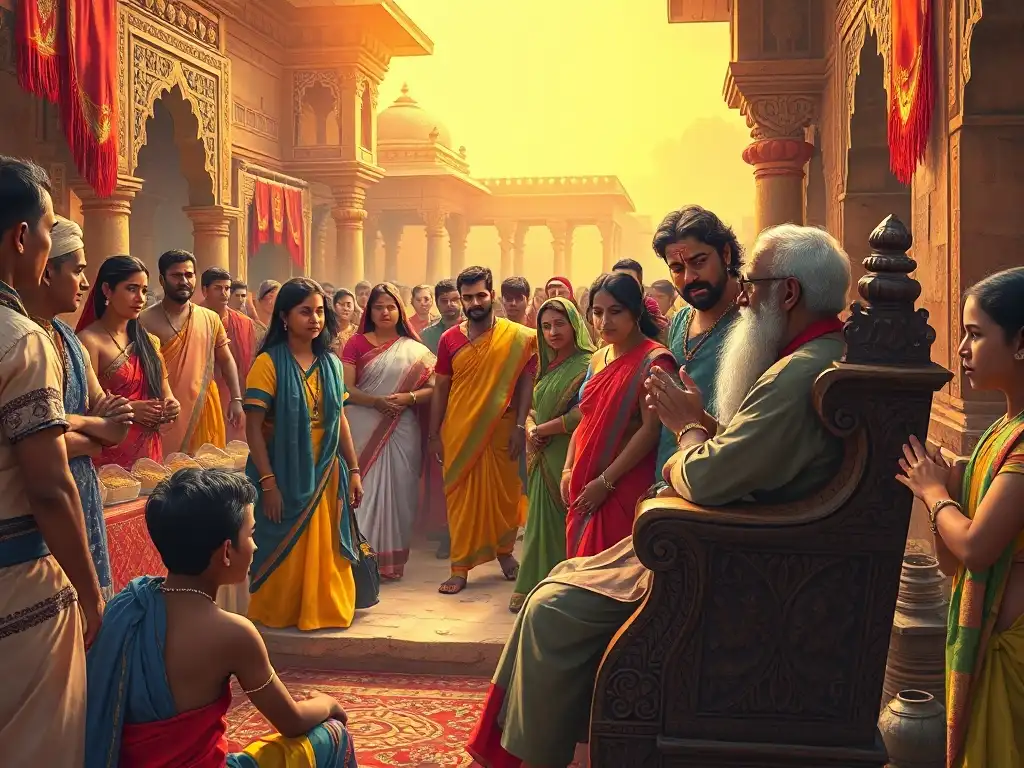
Dispute resolution in ancient India was deeply intertwined with the social, political, and economic fabric of various civilizations. The legal mechanisms available during this period were not merely formalities but were often rooted in the prevailing philosophical and ethical frameworks. Ancient Indian societies emphasized harmony, and thus, dispute resolution practices aimed to restore balance rather than simply punish offenders.
Evolution of Legal Systems in Ancient Indian Civilizations
The evolution of legal systems in ancient India can be traced back to the Vedic period (circa 1500–500 BCE), where the foundations of Dharma (moral law) were established. During this time, the concept of justice was closely associated with the duties and responsibilities of individuals within their social roles.
- Vedic Texts: Early texts, such as the Rigveda, mentioned arbitration and mediation as preferred methods for resolving disputes. These practices were informal and relied on community elders' wisdom to facilitate resolutions.
- Post-Vedic Developments: As societies grew more complex, so did their legal needs. The emergence of kingdoms and republics led to more structured legal systems. The Mahajanapadas (sixteen great cities) established local governance systems that incorporated formal dispute resolution mechanisms.
- Integration of Dharma and Artha: The later philosophies integrated Dharma (law) with Artha (economic prosperity), emphasizing that the law must not only serve justice but also promote the welfare of the state and its citizens.
As these systems evolved, they became increasingly codified, leading to the development of significant legal texts that would influence future practices.
Key Ancient Indian Legal Texts Influencing Dispute Resolution
Ancient Indian legal texts played a crucial role in shaping the understanding and implementation of dispute resolution practices. These texts provided frameworks and guidelines that not only defined legal principles but also illustrated the ethical considerations underlying them.
Manu Smriti and Its Relevance
The Manu Smriti, attributed to the sage Manu, is one of the most influential texts in ancient Indian legal thought. Composed around the 2nd century BCE to the 2nd century CE, it provides a comprehensive overview of Dharma, including laws concerning social conduct, family affairs, and dispute resolution.
- Legal Framework: The text outlines specific procedures for resolving disputes, emphasizing the importance of evidence and witness testimony. It advocates for mediation as the primary means of resolving conflicts, thereby promoting social harmony.
- Role of the King: Manu Smriti also delineates the king's role in dispute resolution, portraying him as the ultimate arbiter of justice. His duty was to ensure fairness and uphold Dharma, reflecting the interconnectedness of law and morality.
- Social Stratification: The text's recommendations were often influenced by the varna (social class) system, which determined the rights and privileges of individuals. This aspect has led to debates regarding its application and relevance in modern interpretations of legal practices.
Arthashastra: A Treatise on Statecraft and Law
The Arthashastra, authored by Kautilya (Chanakya) in the 4th century BCE, serves as a pivotal text in understanding ancient Indian legal practices, particularly in the context of governance and statecraft.
- Comprehensive Legal System: Unlike the Manu Smriti, which focused on individual conduct, the Arthashastra emphasizes the ruler's role in maintaining order and justice. It presents a pragmatic approach to law, advocating for a legal system that serves the state’s interests.
- Dispute Resolution Mechanisms: Kautilya outlines various methods for resolving disputes, including arbitration, litigation, and diplomatic negotiations. The text provides strategic insights into how rulers could manipulate legal processes to maintain power and stability.
- Focus on Realpolitik: The Arthashastra's focus on realpolitik and statecraft highlights the complexities of legal practices in ancient India, showcasing how law was often a tool for governance rather than just a moral guideline.
Ancient Indian dispute resolution practices were shaped by a rich tapestry of philosophical, social, and political influences. Key texts like the Manu Smriti and Arthashastra not only codified legal principles but also reflected the broader cultural values of their time, offering insights into the intricate balance between law, morality, and governance.
Types of Dispute Resolution Mechanisms in Ancient India
Formal Legal Institutions
In ancient India, formal legal institutions played a pivotal role in the resolution of disputes, reflecting a structured approach to justice that can be traced back to various legal texts, such as the Manu Smriti. These institutions were integral to maintaining order and ensuring that justice was served according to established laws and customs.
Role of Kings and Rulers in Dispute Resolution
The king or ruler was often seen as the ultimate arbiter of justice, embodying the principle of Dharma (righteousness). According to texts like the Arthashastra by Kautilya, rulers were expected to:
- Uphold Dharma: Enforce laws that align with moral and ethical standards.
- Deliver Justice: Resolve disputes personally or delegate authority to judges.
- Ensure Public Welfare: Promote the welfare of citizens, fostering a sense of security.
Kings had the authority to oversee judicial proceedings, and their decisions were often final. This centralization of power ensured that disputes were handled with a sense of authority and legitimacy, reflecting the societal values of the time.
Function of Courts in Ancient Indian Society
Courts in ancient India were institutions where legal matters were addressed. They functioned at various levels, from local village assemblies (Panchayats) to royal courts. The structure of these courts included:
- Judges (Dharmacharyas): Learned individuals well-versed in legal texts who presided over cases.
- Counsels: Advocates or representatives who argued on behalf of disputants.
- Witnesses: Individuals who provided testimony to support either side of a dispute.
The proceedings were typically oral, and the emphasis was placed on establishing truth through testimonies and evidence. The principles of justice were deeply embedded within the legal framework, ensuring fairness and impartiality in judgment.
Informal Dispute Resolution Practices
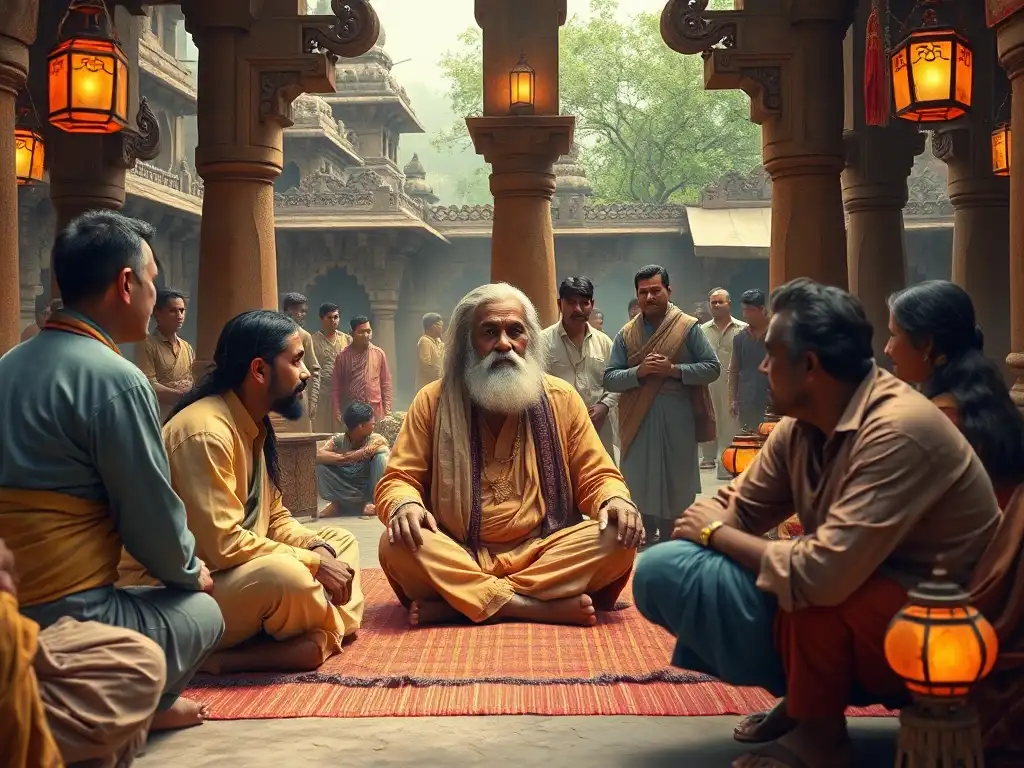
In addition to formal institutions, informal dispute resolution practices coexisted, often reflecting the community-oriented nature of ancient Indian society. These methods were accessible and culturally significant, allowing for the resolution of disputes in a manner that emphasized reconciliation and harmony.
The Role of Elders and Community Leaders
Elders and community leaders played a crucial role in resolving disputes at the local level. Their involvement was characterized by:
- Respect and Authority: Elders were revered for their wisdom and understanding of customs, making their judgment highly respected.
- Consensus Building: They facilitated discussions among parties involved, promoting dialogue to reach amicable solutions.
- Cultural Norms: Decisions made by community leaders were often based on established customs and traditions, ensuring that resolutions aligned with societal values.
This informal mechanism fostered a sense of community and belonging, reinforcing social bonds while addressing conflicts.
Mediation and Arbitration in Ancient Indian Culture
Mediation and arbitration were common practices in ancient India, allowing disputants to resolve their issues without resorting to formal legal channels. Key characteristics of these practices included:
- Neutral Mediators: Individuals chosen for their impartiality who facilitated communication between parties.
- Collaborative Solutions: Encouragement of cooperative problem-solving, where both parties could express their grievances and negotiate terms.
- Cultural Acceptance: These practices were widely accepted and often preferred over formal litigation, as they aligned with the societal emphasis on harmony and relationship preservation.
By utilizing mediation and arbitration, ancient Indian societies effectively minimized conflict escalation and promoted restorative justice, ensuring that disputes were resolved in a manner conducive to maintaining social cohesion.
Procedures for Dispute Resolution in Ancient India
Steps Involved in Legal Proceedings
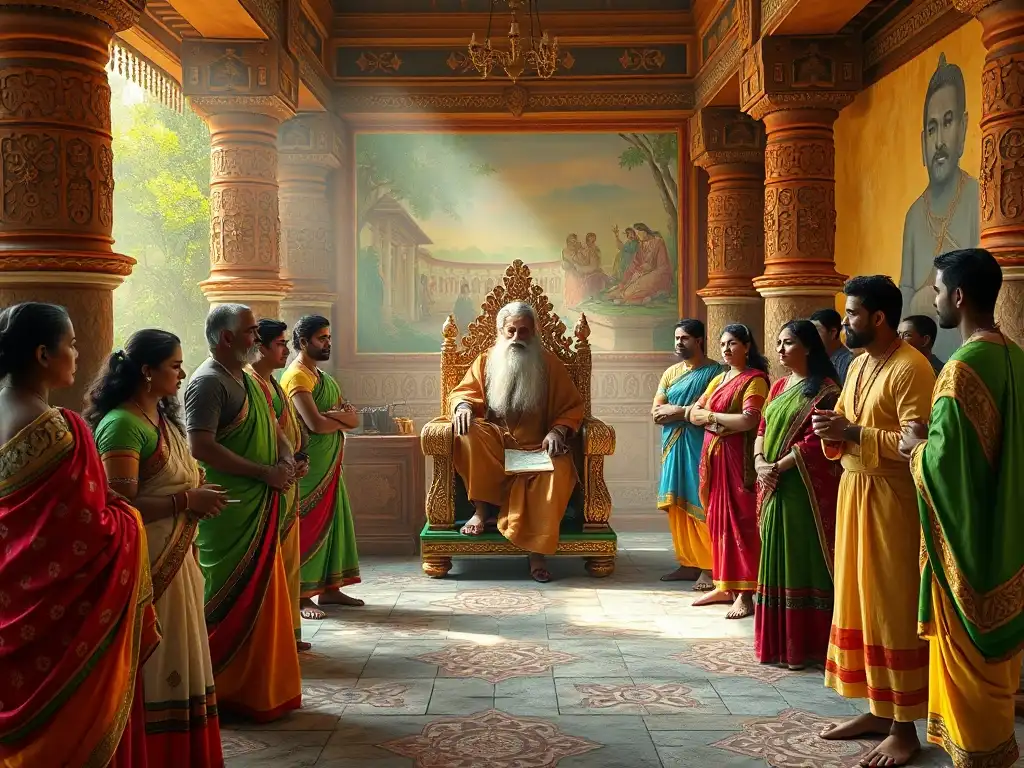
Dispute resolution in ancient India was a structured process, reflecting the cultural and legal sophistication of the time. The legal mechanisms were often documented in texts like the Manu Smriti, which provided guidelines for various legal proceedings. The steps involved in these procedures can be summarized as follows:
- Filing a Complaint:
- The aggrieved party would initiate the process by formally filing a complaint, detailing the nature of the dispute.
- This could involve a verbal declaration in front of a village elder or a written document, depending on the severity of the issue.
- Notification to the Opposing Party:
- Once a complaint was filed, the opposing party would be notified to present their side.
- This step ensured that both parties were aware of the allegations and could prepare their defenses.
- Preliminary Hearing:
- A preliminary hearing might be conducted to assess the merits of the case and determine whether it warranted a full trial.
- This involved a quick review of the evidence and arguments from both sides.
- Full Trial:
- If the case proceeded, a full trial would take place where both parties could present evidence and make their arguments.
- The proceedings were often public, allowing the community to witness the process.
- Judicial Decision:
- After considering all evidence, the judge would render a decision, which could involve punishment, restitution, or other remedies.
Initiating a Dispute: Filing Complaints and Claims
The initial step in ancient Indian dispute resolution was crucial, as it set the entire legal process in motion. The act of filing a complaint was often conducted with careful consideration and adherence to established customs.
- Forms of Complaints: Complaints could be verbal or written, depending on the social context and the literacy of the individuals involved. For example, in rural settings, oral traditions were prevalent, while urban centers might see written documents being used more frequently.
- Community Involvement: Often, local leaders or elders played a significant role in this initial stage, acting as mediators who could help in resolving disputes before they escalated to formal legal proceedings.
Evidence Gathering and Witness Testimonies
The collection of evidence and the testimonies of witnesses were fundamental aspects of the legal process in ancient India. The integrity of these components directly influenced the outcomes of disputes.
- Types of Evidence:
- Documentary Evidence: Formal records, contracts, and other documents were critical in substantiating claims.
- Physical Evidence: In certain cases, physical evidence such as property or belongings could be presented.
- Witness Testimonies: Witnesses played a pivotal role in the legal process. Their testimonies were often considered authoritative, especially if they were respected members of the community.
- Cross-Examinations: The ability to challenge the credibility of evidence and witness testimonies was an essential part of the process, ensuring that all sides were heard fairly.
Judicial Decision-Making in Ancient India
The judicial processes in ancient India were underpinned by a combination of legal texts, customs, and the moral authority of judges. Understanding how decisions were made reveals much about the values of ancient Indian societies.
The Role of Judges and Their Authority
Judges held a significant position in the legal framework of ancient India, often serving not only as arbiters of disputes but also as moral guides for the community.
- Qualifications of Judges: Judges were typically expected to possess extensive knowledge of legal texts, ethics, and societal norms. Their authority was derived from their wisdom and understanding of dharma (moral law).
- Discretionary Power: Judges often had the discretion to interpret laws and make decisions based on the specifics of each case. This flexibility allowed for a more contextual approach to justice, catering to the complexities of human relationships.
Principles Guiding Judicial Decisions
The principles that guided judicial decisions in ancient India were deeply rooted in ethical considerations and cultural values.
- Dharma: The concept of dharma was central to all legal decisions. Judges were tasked with ensuring that their rulings aligned with the moral and ethical standards of the society.
- Equity and Fairness: There was an emphasis on equitable treatment of all parties involved. Judges were expected to consider the circumstances of each case, aiming for resolutions that were just and fair.
- Restorative Justice: Rather than focusing solely on punishment, ancient Indian dispute resolution practices often emphasized restoration of relationships and communal harmony, reflecting a holistic approach to justice.
The procedures for dispute resolution in ancient India were characterized by a blend of structured processes, moral considerations, and community involvement, illustrating a comprehensive legal system that valued both justice and social harmony. The ancient Indian dispute resolution practices not only shaped the legal landscape of the time but also laid foundational principles that resonate in modern legal thought.
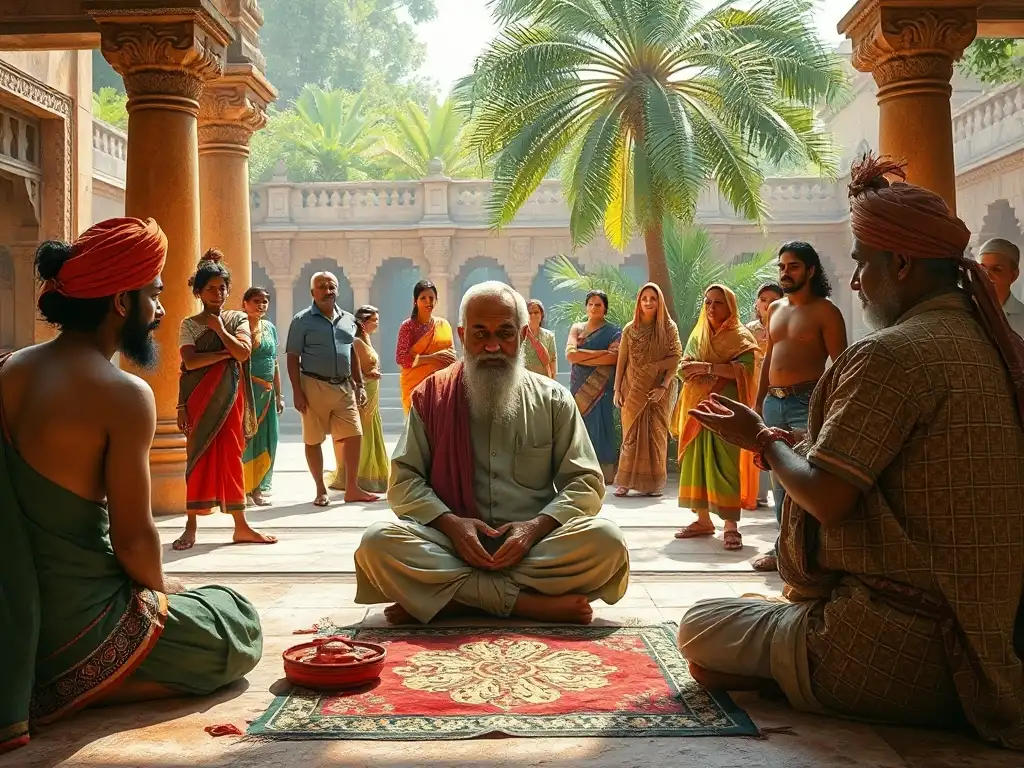
Dispute resolution in ancient India was not merely a legal endeavor; it was deeply intertwined with the cultural and social fabric of the civilization. Various elements, such as religion, philosophy, and prevailing gender roles, shaped the mechanisms and practices surrounding disputes and their resolutions.
Impact of Religion and Philosophy on Legal Mechanisms
The influence of religion and philosophy on ancient Indian dispute resolution practices is significant. The legal principles and frameworks were deeply rooted in the philosophies of dharma (duty/righteousness) and karma (action) as articulated in sacred texts such as the Vedas and Upanishads. These concepts governed not just personal behavior but also societal norms and legal structures.
- Dharma: This concept was pivotal in determining right conduct and justice. The Manusmriti, one of the most important ancient legal texts, outlines duties and responsibilities based on dharma, which varied by caste and gender. Disputes were often resolved by referring to these duties, making the resolution process a moral endeavor rather than merely a legal one.
- Religious Courts: Temples often served as centers for dispute resolution, where priests acted as mediators. The religious context added a layer of sanctity to the process, encouraging parties to arrive at amicable solutions in alignment with their spiritual beliefs. For instance, the concept of Samskara (rituals) often played a role in resolving family disputes, as adherence to social and religious customs could influence the outcomes.
- Philosophical Texts: Works by philosophers such as Chanakya (Kautilya) in the Arthashastra also provided insights into the legal mechanisms of the time. Chanakya emphasized the importance of pragmatic approaches to justice, advocating for diplomacy and negotiation over conflict.
Gender Roles in Ancient Indian Dispute Resolution
The role of gender in dispute resolution practices in ancient India was complex and often hierarchical. While men predominantly occupied legal and judicial roles, women’s involvement in dispute resolution was not entirely absent.
Women's Participation in Legal Proceedings
Women played a nuanced role in ancient Indian legal contexts. Their participation varied considerably based on social status, locality, and the specific historical period.
- Legal Rights: Texts like the Manusmriti acknowledge women's rights to property and inheritance, thus allowing them to engage in legal proceedings, particularly in cases of property disputes. However, the extent of these rights often depended on the woman's marital status and family dynamics.
- Mediation Roles: Women often acted as mediators within their families or communities. They were seen as peacemakers, utilizing their relational skills to resolve conflicts without escalating them to formal legal disputes. Their role as mediators was crucial in maintaining familial harmony, especially in joint family systems.
- Limitations and Challenges: Despite their participation, societal norms often constrained women's roles within the legal system. Women were generally expected to adhere to patriarchal structures, which limited their access to formal legal mechanisms.
The interplay of religion, philosophy, and gender roles significantly influenced ancient Indian dispute resolution practices. The reliance on moral frameworks, community-based mediation, and varying degrees of women's participation paints a comprehensive picture of how disputes were addressed in this rich historical context. Understanding these influences enhances our appreciation of ancient Indian legal systems and their lasting legacy in contemporary practices.
Comparison of Ancient Indian Dispute Resolution Practices with Other Civilizations
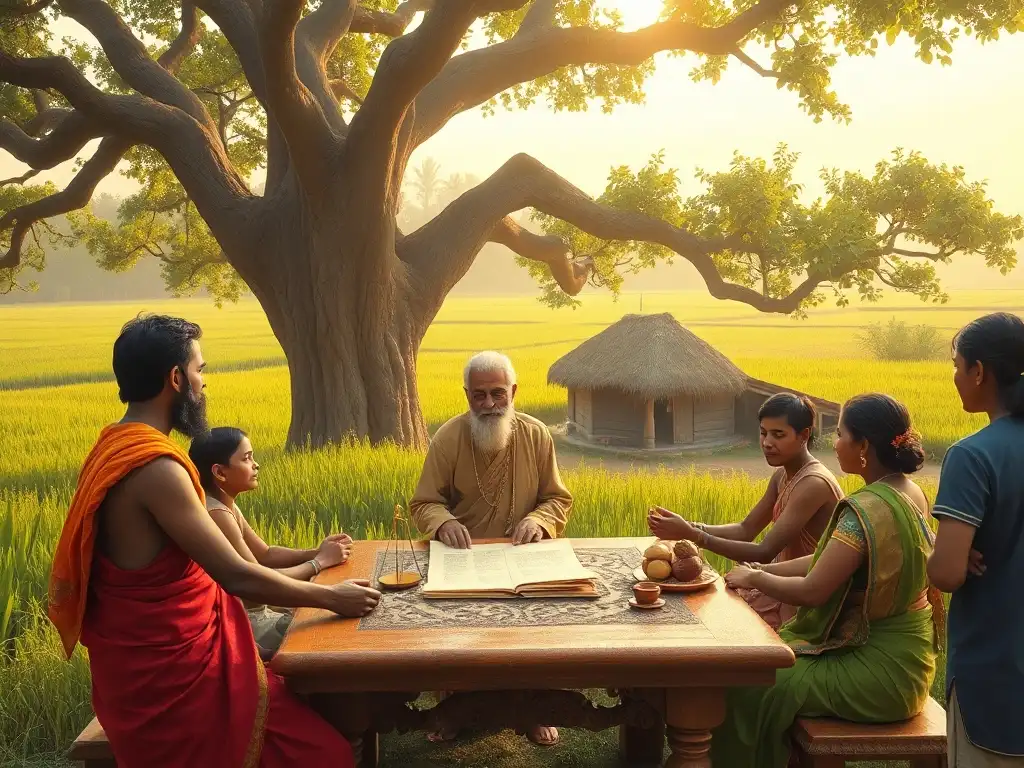
Similarities with Ancient Roman and Greek Legal Systems
Ancient Indian dispute resolution practices exhibit notable similarities with the legal systems of ancient Rome and Greece. These civilizations, like ancient India, placed significant emphasis on community involvement and informal resolution mechanisms. Here are some key parallels:
- Community Mediation:
- In both ancient India and Greece, local communities played a crucial role in resolving disputes. Elders or respected community members often acted as mediators, reflecting a trust in collective judgment.
- Ancient Romans utilized conciliatores, who facilitated settlements between disputing parties, similar to the panchayat system in India.
- Written Legal Codes:
- Just like the Twelve Tables of Rome and Greek legal texts, ancient Indian civilizations had their own codified laws, such as the Manu Smriti. These texts provided frameworks for justice and outlined the responsibilities of individuals, thereby promoting societal order.
- Role of Religion:
- Dispute resolution in all three civilizations was often intertwined with religious beliefs. In ancient India, laws were considered divinely inspired, much like how the Roman legal system integrated aspects of religion through ius divinum (divine law).
- Procedural Formalities:
- Both the Romans and Greeks had established procedures for trials, which often included the presentation of evidence and witness testimonies. Similarly, ancient Indian texts emphasized the importance of fair hearings and due process.
Unique Aspects of Ancient Indian Dispute Resolution
Ancient Indian dispute resolution practices were also marked by unique features that set them apart from other contemporary civilizations. These aspects reveal the complexity and depth of the legal mechanisms employed in ancient India:
- Role of Customary Law:
- Customary practices held significant weight in ancient Indian dispute resolution. Unlike the rigid statutory laws of Rome, ancient Indian law often relied on local customs and traditions, allowing for flexible interpretations that catered to specific community needs.
- Panchayat System:
- The panchayat system, a council of five elders, served as a primary dispute resolution mechanism. This decentralized form of governance enabled quicker resolutions and emphasized local participation, contrasting with the more centralized legal structures found in Rome and Greece.
- Focus on Restorative Justice:
- Ancient Indian legal principles often prioritized restoring harmony over punitive measures. This approach aimed to mend relationships rather than solely punish wrongdoers, reflecting a holistic understanding of justice.
- Spiritual and Ethical Dimensions:
- The integration of moral and ethical considerations into dispute resolution was particularly pronounced in ancient India. Legal texts frequently stressed the importance of dharma (duty/righteousness) in administering justice, a concept less emphasized in Roman and Greek systems.
- Diversity of Practices:
- The vast geographical and cultural diversity across ancient India led to a variety of dispute resolution methods. Different regions developed unique practices, influenced by local customs, languages, and societal norms, which is less visible in the more uniform legal practices of Rome and Greece.
While ancient Indian dispute resolution practices share certain similarities with those of ancient Rome and Greece, they are distinguished by their reliance on community customs, restorative principles, and ethical dimensions. These unique aspects reflect the rich tapestry of legal thought and practice that characterized ancient Indian civilization.
Conclusion: The Legacy of Ancient Indian Dispute Resolution Practices
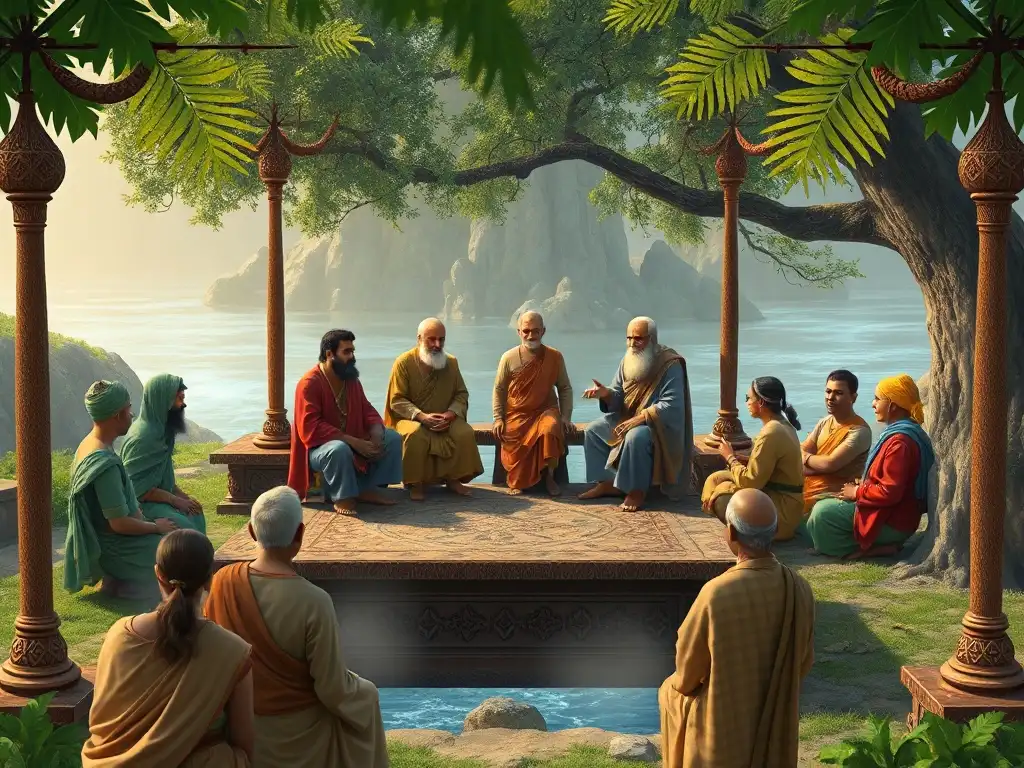
The legacy of ancient Indian dispute resolution practices is deeply rooted in the historical, cultural, and legal frameworks that shaped early Indian civilization. These practices not only reflect the values and norms of ancient society but also laid the groundwork for subsequent legal systems in India. The intricate blend of customary law, religious texts, and local traditions provided a comprehensive approach to conflict resolution that prioritized harmony, community involvement, and fairness.
Influence on Modern Legal Systems in India
The influence of ancient Indian dispute resolution practices can be observed in the contemporary legal systems of India. The principles derived from texts such as the Manu Smriti, which outlined various forms of conflict resolution, continue to resonate in modern legal frameworks. Key features of ancient practices that have permeated into current legal systems include:
- Community Mediation: The emphasis on resolving disputes within the community remains significant today. Modern legal systems often advocate for mediation and conciliation, mirroring the community-centric approaches of ancient times.
- Role of Elders: In ancient India, the involvement of respected elders or community leaders in dispute resolution was prevalent. This practice persists in many rural areas, where local leaders mediate conflicts, ensuring that resolutions are culturally accepted and respected.
- Customary Laws: Many aspects of customary laws that originated in ancient India continue to inform local governance and dispute resolution practices across various regions. These laws provide a flexible framework that adapts to the socio-cultural dynamics of different communities.
- Restorative Justice: Ancient practices often focused on restoring relationships rather than merely punishing offenders. This principle has gained traction in modern restorative justice initiatives, which aim to heal both the victim and the offender.
The integration of these principles into the modern legal landscape underscores the enduring significance of ancient Indian dispute resolution practices and their adaptability to contemporary needs.
Continuing Relevance of Ancient Practices in Contemporary Dispute Resolution
The relevance of ancient Indian dispute resolution practices extends beyond historical significance; they continue to play a vital role in contemporary practices. As society grapples with increasing complexities in interpersonal and communal conflicts, the wisdom of ancient methods offers valuable insights. Notably, several aspects of these practices are being revived and adapted in the following ways:
- Alternative Dispute Resolution (ADR): The rise of ADR methods, such as arbitration and mediation, reflects the ancient practices that prioritized amicable resolutions. These methods are increasingly preferred in business and personal disputes, reducing the burden on the formal court system.
- Integration of Traditional Knowledge: There is a growing recognition of the importance of integrating traditional knowledge and practices into formal dispute resolution mechanisms. This fusion allows for culturally sensitive approaches that resonate more with local populations.
- Educational Initiatives: Programs aimed at educating individuals about traditional conflict resolution methods are being implemented, highlighting the effectiveness of these ancient techniques. Workshops and courses on negotiation and mediation often draw from ancient texts and practices.
- Cultural Revival: As societies seek to reconnect with their heritage, there is a renewed interest in ancient dispute resolution practices. Cultural festivals and community gatherings often include discussions on traditional methods, promoting their application in modern contexts.
The ancient Indian dispute resolution practices have carved a niche in both historical and contemporary landscapes. Their principles and methodologies continue to influence modern legal frameworks, emphasizing the importance of community, justice, and restoration. The enduring legacy of these practices serves as a testament to their effectiveness and relevance in addressing disputes in a culturally sensitive manner, ensuring that the wisdom of the past informs the pathways to harmony in the present and future.
References and Further Reading on Ancient Indian Legal Texts
Suggested Texts and Resources for In-Depth Study
To gain a comprehensive understanding of Ancient Indian dispute resolution practices, several key texts and resources are invaluable. Below is a list of suggested readings that provide insights into legal frameworks, societal norms, and the mechanisms of dispute resolution in ancient India:
-
Manu Smriti
A foundational text, the Manu Smriti is a crucial source for understanding ancient Indian law. It outlines social duties, legal procedures, and ethical considerations in dispute resolution.
-
Yajnavalkya Smriti
This text serves as a critical counterpart to Manu's work, offering alternative perspectives on legal practices and emphasizing the importance of dharma (moral law) in resolving disputes.
-
Arthashastra by Kautilya
Written by Chanakya (Kautilya), this ancient treatise not only discusses statecraft but also delves into legal practices, including methods for resolving conflicts and maintaining social order.
-
Niti Shastra
This genre of texts includes various writings that provide guidance on ethical governance and justice. The Niti Shastra emphasizes the role of wisdom and fairness in dispute resolution.
-
Historical Accounts and Commentaries
Works by historians like R. C. Majumdar and Romila Thapar provide contextual understanding and critical analysis of ancient legal texts, highlighting their relevance in contemporary discussions about law and justice.
Academic Studies on Ancient Indian Dispute Resolution Practices
For those interested in a more scholarly examination of ancient Indian dispute resolution practices, the following academic studies and papers offer detailed analyses and insights:
-
"The Role of Dharma in Ancient Indian Law"
This study explores how the concept of dharma shaped legal practices and influenced the resolution of disputes in ancient India.
-
"Dispute Resolution Mechanisms in Ancient Indian Society"
This research paper examines various mechanisms employed in ancient India to resolve disputes, such as arbitration, mediation, and public assemblies (panchayats).
-
"Comparative Analysis of Ancient Indian and Contemporary Legal Practices"
This comparative study highlights the evolution of dispute resolution methods from ancient times to the present, drawing parallels and noting significant changes.
-
"Cultural Influences on Legal Practices in Ancient India"
This academic article discusses how cultural, social, and religious factors influenced legal practices and dispute resolution in ancient Indian civilizations.
-
"Exploring the Judicial System of Ancient India"
This comprehensive analysis reviews the judicial systems established in different ancient Indian empires, focusing on their mechanisms for resolving disputes and administering justice.
These texts and studies provide a solid foundation for understanding the intricate landscape of ancient Indian dispute resolution practices, contributing to a broader appreciation of the legal systems that governed ancient Indian society.
Frequently Asked Questions
What were the primary dispute resolution practices in ancient India?
Ancient India utilized various legal mechanisms including panchayats, which are village councils that resolved disputes through community consensus and traditional norms.
How did the Indus Valley civilization handle disputes?
The Indus Valley civilization is believed to have employed negotiation and mediation techniques, reflecting a community-oriented approach to conflict resolution without formal legal systems.
What role did religion play in dispute resolution in ancient India?
Religion significantly influenced dispute resolution practices, with many disputes being settled based on scriptural authority and moral principles derived from Hinduism, Buddhism, and Jainism.
Were there written laws governing disputes in ancient India?
Yes, ancient Indian texts like the Manusmriti and Arthashastra outline various legal codes and procedures for resolving disputes, emphasizing the importance of justice and equity.
How did the Gupta Empire contribute to dispute resolution practices?
The Gupta Empire advanced dispute resolution by establishing more formalized legal systems and promoting the role of judges to interpret laws, enhancing fairness and order in society.
Final Reflection: The Enduring Legacy of Ancient Indian Dispute Resolution Practices
The exploration of ancient Indian dispute resolution practices reveals a profound understanding of justice that resonates with contemporary society. Today, as we navigate complex legal systems and interpersonal conflicts, the wisdom embedded in these historical practices serves as a reminder of the importance of harmony and community in resolving disputes. The principles of mediation, negotiation, and restorative justice that were prevalent in ancient India are not just relics of the past; they are essential tools for fostering understanding and reconciliation in our modern world.
The cultural and social landscape continues to be shaped by the values instilled in ancient Indian dispute resolution mechanisms. These practices emphasized the role of community and dialogue, highlighting that justice is not merely about punishment but about restoring relationships. As Mahatma Gandhi once said, ">An eye for an eye only ends up making the whole world blind." This perspective encourages us to seek resolutions that heal rather than divide, a lesson that remains critically relevant in our increasingly polarized society.
As you reflect on the insights gained from ancient Indian dispute resolution practices, consider how you can incorporate these principles into your own life. Embrace the art of listening, seek to understand differing perspectives, and prioritize reconciliation over conflict. By doing so, you not only honor the legacy of these ancient practices but also contribute to a more compassionate and just world. Let us take inspiration from the past to shape a future where disputes are resolved with wisdom and empathy.
Unveil the Wisdom of Ancient Dispute Resolution!
Thank you for taking the time to explore the fascinating world of dispute resolution in Ancient India! By diving into the legal mechanisms and practices of the past, you've uncovered valuable insights that can enrich your understanding of conflict management today. Now, let’s take that knowledge further and make a difference in your own life!
Here are a few powerful actions you can take:
- Engage with your community: Share what you've learned with friends or through social networks! Discuss how ancient techniques can influence modern mediation practices.
- Explore local conflict resolution workshops or seminars to enhance your skills and apply historical wisdom to real-world scenarios.
- Consider starting a discussion group focused on the lessons from ancient legal systems and their potential impact on contemporary practices.
Which legal mechanism from ancient India do you think could be most beneficial in today’s world, and how might you implement it in your life? We’d love to hear your thoughts!