
Legal Texts as Historical Documents: Insights into Ancient Indian Life


Welcome to Ancient India History, where we embark on a captivating journey through the rich tapestry of one of the world's oldest civilizations. Here, you'll discover how ancient Indian legal texts serve not just as legal frameworks, but as profound historical documents that unveil the intricacies of life in ancient India. From the sophisticated governance of the Indus Valley to the philosophical underpinnings of the Gupta Empire, our exploration promises to illuminate the remarkable contributions of these ancient cultures. Are you ready to delve into the legal systems that shaped societal norms and values? Your adventure awaits!
- Introduction to Ancient Indian Legal Texts
- Historical Context of Ancient Indian Legal Texts
- Prominent Ancient Indian Legal Texts
- Insights into Ancient Indian Life through Legal Texts
- The Role of Dharma in Ancient Indian Legal Texts
- Critiques and Interpretations of Ancient Indian Legal Texts
- Conclusion: The Legacy of Ancient Indian Legal Texts
- Frequently Asked Questions
- Final Reflection: Ancient Indian Legal Texts as Windows into a Rich Cultural Heritage
- Unveil the Wisdom of Ancient India!
Introduction to Ancient Indian Legal Texts
The study of ancient Indian legal texts offers a profound window into the intricate tapestry of life, society, and governance in ancient India. These texts, which include codifications of laws, ethical guidelines, and social norms, serve as crucial historical documents that illuminate not only the legal frameworks of the time but also the values, beliefs, and practices of diverse Indian civilizations.
From the early Indus Valley Civilization to the flourishing Gupta Empire, these legal documents reflect the evolution of societal structures and the complexities of human interactions. By exploring these texts, we gain insights into the legal consciousness of ancient Indians, their approaches to justice, and the principles that guided their communities.
Definition of Ancient Indian Legal Texts
Ancient Indian legal texts encompass a variety of writings that articulate rules, regulations, and ethical codes that governed personal and social conduct. Among the most significant of these texts are:
- Manu Smriti: Often regarded as one of the foundational texts of Hindu law, it outlines the duties and responsibilities of individuals in society.
- Yajnavalkya Smriti: A later legal text that builds upon Manu's principles, providing a more refined perspective on law and governance.
- Narada Smriti: Focuses on procedural laws and the administration of justice.
These texts are characterized by their blend of legal, moral, and philosophical aspects, making them invaluable for understanding the broader cultural context of ancient Indian civilization.
Importance of Legal Texts in Understanding History
Legal texts are pivotal in reconstructing the historical narrative of ancient India for several reasons:
- Cultural Insights: They reveal the societal values and norms that shaped daily life, as well as the hierarchical structures within communities.
- Political Framework: These documents provide evidence of governance models, administrative practices, and the relationship between rulers and subjects.
- Evolution of Law: By examining changes in legal texts over time, scholars can trace the evolution of legal thought and practice in response to social and political changes.
Through these lenses, legal texts emerge not merely as a set of rules but as dynamic reflections of the historical currents that influenced their creation and interpretation.
Overview of Ancient Indian Civilizations
Ancient India was home to several remarkable civilizations, each contributing to the development of its legal systems.
- Indus Valley Civilization (c. 3300–1300 BCE): Known for its advanced urban planning and trade, though specific legal texts from this period are scarce, archaeological findings suggest a complex societal structure.
- Vedic Period (c. 1500–500 BCE): This era saw the emergence of texts like the Vedas, which laid the philosophical groundwork for later legal traditions.
- Maurya Empire (c. 322–185 BCE): The reign of Emperor Ashoka highlighted the integration of law with moral and ethical governance, as reflected in his edicts.
- Gupta Empire (c. 240–550 CE): Often referred to as the Golden Age of India, this period produced significant legal texts that advanced the codification of laws and ethical standards.
Understanding the contributions and characteristics of these civilizations is essential to appreciate the rich legacy of legal thought in ancient India, as encapsulated in its legal texts.
Historical Context of Ancient Indian Legal Texts

The Evolution of Legal Systems in Ancient India
The evolution of legal systems in ancient India is a complex tapestry interwoven with cultural, religious, and social norms that shaped the lives of its inhabitants. Ancient Indian legal texts, particularly the Dharma Shastras, played a pivotal role in codifying these norms and establishing frameworks for justice and governance.
- Pre-Vedic Period: In the early stages, legal customs were primarily oral traditions governed by community consensus. Tribes and clans followed customary laws which were often unwritten and based on societal norms.
- Vedic Period (1500 - 500 BCE): The emergence of the Vedic texts marked a significant shift. The Rigveda and other Vedic scriptures began to articulate principles of justice and social order. The concept of Dharma (righteousness) became central, influencing future legal codes.
- Post-Vedic Period: The Dharmashastra literature began to flourish, with texts like the Manu Smriti emerging as authoritative sources of law. This period saw the formalization of laws concerning marriage, inheritance, and property rights, indicating a structured approach to governance.
- Mauryan Empire (322 - 185 BCE): The establishment of a centralized state under Ashoka led to the integration of legal texts into the administration. Edicts carved on pillars served as public proclamations of law, reflecting a blend of moral and legal authority.
- Gupta Period (c. 240 - 550 CE): This era witnessed a consolidation of earlier legal traditions, with texts like Yajnavalkya Smriti refining legal practices and expanding on social justice. The codification of laws during this time laid the groundwork for future legal systems in India.
Key Periods Influencing Legal Texts
The historical development of ancient Indian legal texts can be traced through several key periods, each contributing unique elements to the legal landscape:
- Indus Valley Civilization (c. 3300 - 1300 BCE): Although not many legal texts survive, archaeological findings suggest a structured society with advanced urban planning, indicating the presence of rules and regulations governing trade and property.
- Vedic Period (1500 - 500 BCE): The transition from oral to written traditions initiated during this time was crucial. The Brahmanas and later texts began to formalize rituals and ethical guidelines, setting the stage for legal discourse.
- Post-Vedic Developments (500 BCE - 200 CE): The rise of Dharma Shastras during this period was significant. Legal thinkers like Manu and Yajnavalkya contributed extensively to codifying laws that addressed various aspects of life, from personal conduct to state governance.
- Medieval Period (c. 600 - 1200 CE): The influence of Islamic law began to intertwine with traditional Hindu legal practices, leading to a unique synthesis. This period also saw the emergence of regional legal texts that catered to local customs.
- Colonial Period (18th - 20th Century): British colonial rule introduced Western legal principles, which profoundly impacted traditional legal systems. The adaptation of ancient texts into modern contexts became a vital area of study.
Major Sources of Ancient Indian Legal Texts
Ancient Indian legal texts are derived from various sources, each contributing to the understanding of law and governance in ancient India. Here are some major sources:
- Dharma Shastras: These texts are foundational to understanding ancient Indian law. The Manu Smriti, Yajnavalkya Smriti, and Narada Smriti are among the most authoritative, covering topics such as duties, rights, and social responsibilities.
- Arthashastra: Authored by Kautilya (Chanakya), this treatise focuses on statecraft, economic policy, and military strategy. It provides insights into the legal and administrative frameworks of governance during the Mauryan Empire.
- Court Edicts and Inscriptions: The edicts of Ashoka and other inscriptions provide a glimpse into the laws and moral codes that governed society. These public declarations served not only as legal guidelines but also as instruments of social reform.
- Commentaries and Sub-commentaries: Scholars like Medhatithi and Vijñaneshvara wrote extensive commentaries on the Dharma Shastras, clarifying and interpreting legal principles. These texts are indispensable for understanding the application and evolution of laws over time.
- Regional Texts: Various regional texts emerged, reflecting local customs and practices. These texts often adapted the broader principles of Dharma Shastras to fit the unique cultural and social contexts of different Indian communities.
The study of ancient Indian legal texts offers invaluable insights into the historical development of legal thought and practice, revealing the interplay between law, society, and culture in ancient India.
Prominent Ancient Indian Legal Texts

Manu Smriti: The Foundation of Dharma
The Manu Smriti, also known as the Manusmriti, is one of the most significant ancient Indian legal texts, regarded as a foundational work that outlines the principles of Dharma (moral law) in Hindu society. Compiled around the 2nd century BCE to 2nd century CE, it provides a comprehensive guide on various aspects of life, including law, ethics, and social duties. The text is attributed to the sage Manu, who is often considered the progenitor of humankind in Hindu mythology.
Content and Structure of Manu Smriti
The Manu Smriti is divided into twelve chapters, with each chapter addressing distinct themes related to society and law. Key sections include:
- Creation and Nature of Law: Discusses the origins of the universe and the role of Dharma in human life.
- Social Classes (Varna): Outlines the duties and responsibilities of the four main varnas: Brahmins, Kshatriyas, Vaishyas, and Shudras.
- Family and Marriage: Provides rules governing marriage, family life, and the roles of men and women.
- Criminal Law: Addresses various offenses and the corresponding punishments, emphasizing the importance of justice.
- Rituals and Sacrifices: Covers the significance of rituals in maintaining social order and individual Dharma.
The text employs a didactic style, presenting legal principles through a series of verses (shlokas) that blend philosophical ideas with practical guidelines. This structure facilitates its use as a manual for both spiritual and societal governance.
Historical Significance and Influence
The Manu Smriti has profoundly influenced the development of Hindu law and social customs throughout history. Its principles were adopted and adapted by various subsequent texts and legal codes, establishing a framework for governance and morality. Furthermore, the text's emphasis on Dharma has shaped the ethical landscape of Indian society, influencing not only legal systems but also cultural practices.
Despite its historical significance, the Manu Smriti has faced criticism, particularly regarding its views on caste and gender. Scholars argue that while it reflects the societal norms of its time, some of its prescriptions may have contributed to social stratification and gender inequality in later periods.
The Yajnavalkya Smriti is another pivotal ancient Indian legal text, believed to have been composed in the 3rd century CE. Named after the sage Yajnavalkya, this text stands out for its systematic approach to legal issues and its comprehensive coverage of civil, criminal, and family law.
Key Features of Yajnavalkya Smriti
The Yajnavalkya Smriti is notable for several key features:
- Comprehensive Legal Framework: It addresses various aspects of law, including property rights, inheritance, and dispute resolution.
- Flexibility and Adaptability: Unlike the more rigid structure of the Manu Smriti, the Yajnavalkya Smriti allows for adaptability in legal interpretations, accommodating changing social norms.
- Focus on Judicial Procedures: It emphasizes the importance of fair trial procedures and the roles of judges, highlighting the need for justice in legal matters.
The text is organized into three primary sections— Samaya (time), Prakriti (nature), and Sambandha (relations)—which collectively provide a holistic understanding of law in society.
Impact on Subsequent Legal Thought
The Yajnavalkya Smriti has significantly influenced later legal texts and is often regarded as a bridge between ancient legal principles and the evolving legal landscape of India. Its emphasis on a more flexible interpretation of laws paved the way for subsequent legal developments, contributing to the evolution of Dharma Shastras and the Niyaya (logic) schools of thought.
Both the Manu Smriti and the Yajnavalkya Smriti serve as vital historical documents that offer insights into ancient Indian life, reflecting the complexities of legal, social, and ethical issues that permeated the civilization. Their enduring legacy continues to shape contemporary discussions on law and morality in India.
Other Notable Legal Texts
In addition to the well-known Manu Smriti, several other notable legal texts emerged in ancient India that shaped the legal framework and governance of the time. These texts reflect the diverse philosophical, ethical, and practical considerations of law and administration. Among these texts, the Arthashastra and the Niti Shastra stand out as significant contributions to the understanding of ancient Indian legal and political thought.
Arthashastra and its Legal Implications
The Arthashastra, attributed to the ancient scholar Kautilya (Chanakya), is a comprehensive text on statecraft, military strategy, and economic policy. Written in the 4th century BCE, it provides a pragmatic approach to governance and law, focusing on realpolitik. Kautilya's work emphasizes the importance of law in maintaining order and stability within the state.
Key legal implications of the Arthashastra include:
- State Control: The text advocates for strong state control over various aspects of life, including trade, agriculture, and industry. It recognizes the need for laws that ensure the state's economic prosperity while also upholding moral values.
- Legal Enforcement: Kautilya discusses the roles of various officials and the legal system in enforcing laws. He emphasizes the importance of a well-defined legal framework to facilitate justice and deter crime.
- Judicial Processes: The Arthashastra elaborates on the judicial processes, including the appointment of judges, the conduct of trials, and the execution of justice. It outlines the importance of evidence and the necessity for fair trials.
- Diplomatic Law: The text also addresses issues of international relations and the legal considerations that govern diplomacy, showing the interconnectedness of law and statecraft.
Overall, the Arthashastra serves as a crucial document that not only provides insights into ancient Indian governance but also illustrates the practical application of legal principles in real-world scenarios.
Niti Shastra: Principles of Governance and Law
The Niti Shastra is a collection of aphorisms and maxims concerning ethics, morality, and governance. While there are various texts that fall under the umbrella of Niti Shastra, one of the most notable is the Niti Sutras attributed to Bhartrihari. This text lays out the principles necessary for effective governance and the moral responsibilities of rulers and citizens alike.
Key features of the Niti Shastra include:
- Ethical Governance: The Niti Shastra emphasizes the importance of ethical conduct in governance. It teaches that rulers should lead by example and uphold moral values to maintain the trust of their subjects.
- Rights and Duties: The text outlines the rights and duties of individuals within society. It underscores the idea that law is not just a tool for punishment but also a means to ensure social harmony.
- Social Justice: Niti Shastra promotes the concept of Dharma, or righteous duty, which includes justice and fairness in legal matters. It highlights that laws should serve the greater good and protect the vulnerable.
- Pragmatic Leadership: The aphorisms in Niti Shastra provide guidance on practical leadership, advising rulers to be wise, strategic, and just in their decision-making processes.
The Niti Shastra, through its profound insights into governance and law, continues to resonate in discussions about ethics and justice today, showcasing the enduring legacy of ancient Indian legal thought.
Insights into Ancient Indian Life through Legal Texts
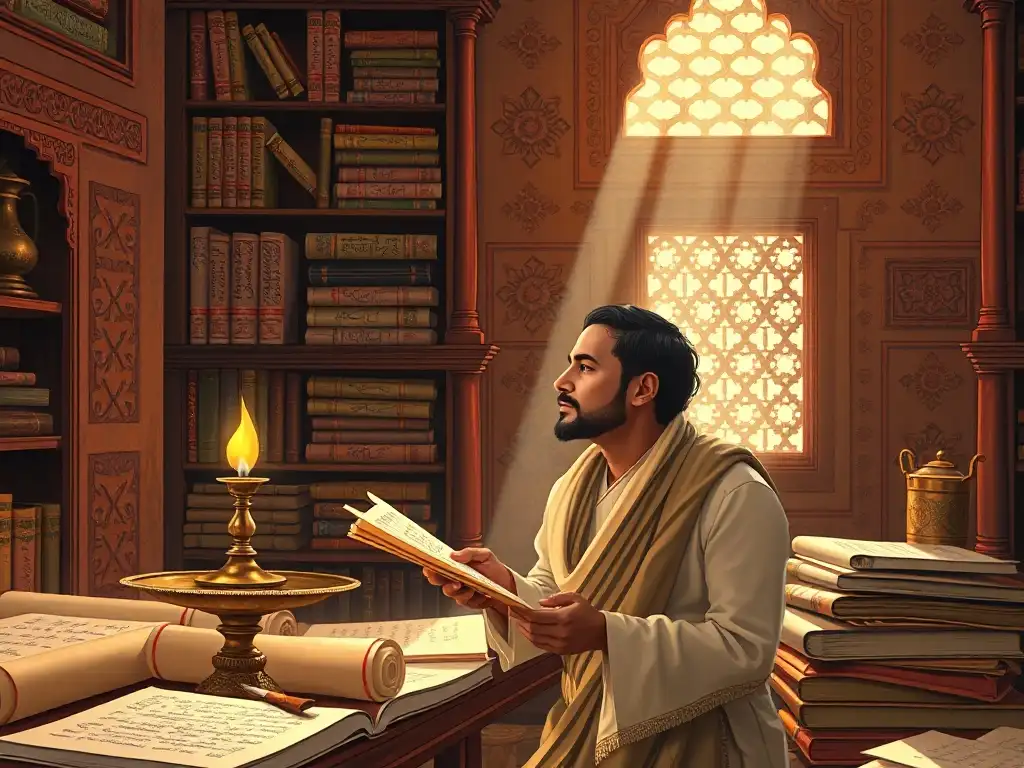
Legal texts from ancient India serve as critical windows into the social structure of the time. They encapsulate the hierarchies, norms, and values that defined everyday life. The most prominent among these texts is the "Manu Smriti," which not only delineates laws but also reflects the social stratification prevalent in ancient Indian society.
Caste System and Legal Provisions
The caste system, or "varna" system, is intricately documented in ancient Indian legal texts. The Manusmriti explicitly categorizes society into four varnas: Brahmins (priests), Kshatriyas (warriors), Vaishyas (merchants), and Shudras (laborers). Each caste had specific duties and rights, which were reinforced through legal stipulations. For instance:
- Brahmins were afforded the highest privileges, including the right to study and teach the Vedas.
- Kshatriyas were granted the authority to govern and protect.
- Vaishyas were permitted to engage in commerce and agriculture.
- Shudras were assigned menial tasks, with limited rights.
These divisions were not merely social but were enshrined in law, dictating interactions and responsibilities across the spectrum of society. Additionally, legal texts often prescribed punishments for those who violated caste boundaries, indicating the rigidity of this structure.
Gender Roles and Rights in Ancient India
Ancient Indian legal texts also provide insight into the roles and rights of women. While the Manusmriti acknowledges the importance of women in familial and social contexts, it does so within a framework that often limits their autonomy. Key points include:
- Marriage and Family: Legal texts promote the idea of women's reliance on male guardians, whether fathers or husbands, for security and status.
- Property Rights: Despite some provisions allowing women to inherit property, the extent of these rights varied significantly depending on caste and social standing.
- Education and Employment: Legal texts suggest that opportunities for women's education were limited, primarily focusing on domestic roles.
By examining these aspects, we gain a clearer picture of women's societal roles and the constraints they faced, as portrayed in ancient legal frameworks.
Economic Practices and Legal Regulations
Economic practices in ancient India were heavily influenced by legal regulations, as reflected in the "Arthashastra" and other texts. These documents not only discuss economic transactions but also the legalities surrounding them, providing a comprehensive view of the economic life of the time.
Trade, Commerce, and Legal Framework
Trade and commerce were vital to ancient Indian society, and legal texts played a crucial role in regulating these activities. The legal framework established by texts like the "Arthashastra" included:
- Regulations on Trade: Specific laws governed trade practices, including weights and measures, pricing, and trade routes.
- Merchant Guilds: These texts document the existence of merchant guilds, known as "shrenis," which were empowered to settle disputes and regulate trade among their members.
- Taxation: Legal provisions outlined the taxation imposed on trade, which varied based on the type of goods and the nature of the transaction.
This intricate legal framework indicates a sophisticated understanding of economics, emphasizing the importance of trade to the prosperity of ancient Indian states.
Land Ownership and Property Rights
Land ownership and property rights were central themes in ancient Indian legal texts. These texts detail the complexities surrounding land ownership, usage, and transfer, revealing much about the agrarian economy of the time. Key aspects include:
- Land Tenure Systems: Legal texts describe various forms of land tenure, including private ownership and communal landholding, highlighting the diverse practices that existed.
- Rights of Landowners: The rights of different classes of landowners were explicitly delineated, with specific legal protections against wrongful seizure or encroachment.
- Inheritance Laws: Inheritance rules were prescribed, often favoring male heirs, which illustrates the gender biases entrenched in property rights.
Through these regulations, ancient Indian legal texts provide a nuanced understanding of the economic structures governing land and property, revealing the interplay between law and daily life in ancient India.
The Role of Dharma in Ancient Indian Legal Texts

The concept of Dharma plays a pivotal role in ancient Indian legal texts, serving as a foundational principle that intertwines law, ethics, and social order. In many ways, Dharma transcends mere legal stipulations, encompassing a broader moral philosophy that informs the governance of individual conduct and societal norms. This section explores how Dharma is articulated within ancient Indian legal texts and its implications for understanding ancient Indian life.
Concept of Dharma and its Legal Relevance
Dharma, often translated as "duty," "righteousness," or "law," is a complex term with various interpretations in ancient Indian philosophy. In the context of legal texts, Dharma signifies not only the rules and regulations governing behavior but also an ethical framework guiding individuals toward fulfilling their responsibilities within society.
- Sources of Dharma: Ancient Indian legal texts, such as the Manu Smriti, delineate Dharma as derived from multiple sources:
- Scriptural Authority: Sacred texts like the Vedas provide a divine foundation for Dharmic principles.
- Custom and Tradition: Local customs contribute to the understanding of Dharma, emphasizing the importance of societal norms.
- Rational Thought: Philosophical inquiry also plays a role, encouraging individuals to discern right from wrong through reason.
- Legal Codes and Dharma: In practical terms, the legal codes of ancient India were deeply influenced by the concept of Dharma. Laws were often framed to uphold social order and justice, reflecting the moral values of the time. The Manu Smriti, for example, addresses various aspects of life, including family law, property rights, and criminal justice, all while emphasizing adherence to Dharma.
Ethical Considerations in Legal Codes
The ethical considerations embedded in ancient Indian legal texts highlight the intrinsic link between law and morality. Unlike modern legal systems that may prioritize statutory adherence, ancient Indian legal codes often required individuals to align their actions with ethical standards.
- Justice and Fairness: The pursuit of justice is a recurring theme across these texts. Legal provisions were designed to ensure fairness, often advocating for restorative rather than punitive measures. For instance, the Manu Smriti emphasizes proportionality in punishment, suggesting that the severity of penalties should reflect the nature of the offense.
- Role of Intention: In ancient Indian jurisprudence, the intention behind an action was considered crucial. Legal texts often take into account the motives of individuals when assessing culpability, thereby acknowledging the ethical dimensions of human behavior.
- Social Responsibility: Legal codes also reflect a collective sense of responsibility towards the welfare of society. Laws not only governed individual actions but also aimed to promote the common good, reminding individuals of their duties toward family, community, and the state.
The Interplay between Law and Morality
The interplay between law and morality in ancient Indian legal texts underscores the holistic approach to governance and societal conduct. This relationship is characterized by the following aspects:
- Moral Authority of Law: Ancient Indian legal texts assert that laws must be rooted in moral principles. The legitimacy of a law often hinged on its alignment with Dharmic values, suggesting that moral authority is essential for the efficacy of legal systems.
- Evolution of Norms: As societal values evolved, so too did the interpretation of Dharma within legal frameworks. This adaptability illustrates how ancient Indian legal texts responded to changing moral and ethical landscapes, ensuring that laws remained relevant to contemporary society.
- Conflict Resolution: Legal texts often provide guidance on resolving conflicts between individual desires and societal norms. They advocate for a balance between personal freedoms and communal obligations, highlighting the importance of ethical considerations in legal decision-making.
The role of Dharma in ancient Indian legal texts is a testament to the intricate relationship between law, ethics, and the social fabric of the time. Understanding these dimensions offers profound insights into ancient Indian life, illustrating how legal systems were not merely a means of governance but also a reflection of the moral and ethical ideals of the civilization.
Critiques and Interpretations of Ancient Indian Legal Texts

Scholarly Perspectives on Legal Texts
The examination of ancient Indian legal texts, such as the Manu Smriti, has sparked a wealth of scholarly discourse. Scholars have approached these texts not merely as legal codes but as comprehensive reflections of societal norms, values, and aspirations of their time. For example, the Manu Smriti, which dates back to approximately 200 BCE to 200 CE, offers insights into the caste system, gender roles, and religious duties that were prevalent in ancient Indian society.
Critics argue that these texts were often prescriptive rather than descriptive, idealizing societal norms while overlooking the complexities of lived experiences. The ambivalence in these texts creates a fertile ground for interpretation. Scholars have categorized the perspectives into several schools:
- Traditionalists: They uphold the texts as sacred and authoritative, arguing that they encapsulate timeless wisdom that continues to resonate.
- Revisionists: These scholars challenge the notion of universal applicability, emphasizing the need to contextualize the texts within their historical and cultural frameworks.
- Feminist Scholars: They critique sections of the texts that perpetuate patriarchy, calling for a re-evaluation of gender norms entrenched in ancient legal frameworks.
Debates Surrounding Interpretation and Applicability
The interpretation of ancient Indian legal texts often leads to robust debates among historians, legal scholars, and cultural analysts. A significant area of contention is the application of these texts in contemporary legal systems. While some advocate for their inclusion in modern jurisprudence, citing their cultural importance, others warn against uncritical acceptance due to their patriarchal leanings and rigid social stratifications.
Several key points emerge from these debates:
- Historical Context: Understanding the socio-political environment in which these texts were produced is crucial. For instance, the Manu Smriti reflects the social stratification of its time, which may not align with modern values of equality and justice.
- Interpretive Variability: Different schools of thought interpret the same legal principles in varied ways. This variability can lead to diverse applications in contemporary legal contexts, challenging the notion of a singular interpretation.
- Cultural Relevance: As India navigates its legal landscape, the relevance of ancient texts is often weighed against the need for progressive laws that reflect contemporary values. This juxtaposition raises questions about the balance between tradition and modernity in legal practices.
Modern Relevance of Ancient Legal Principles
Despite the critiques and debates surrounding ancient Indian legal texts, their principles continue to resonate in modern legal discussions. The fundamental ideas of justice, duty (dharma), and social responsibility found in texts like the Manu Smriti and Yajnavalkya Smriti still inform various aspects of Indian law and ethics today.
- Justice and Morality: Many modern legal frameworks in India incorporate concepts of justice that echo ancient principles. The notion of dharma as a guiding principle for ethical conduct remains relevant, shaping discussions around justice and morality in contemporary society.
- Family Law: Ancient legal texts have laid the groundwork for family law in India. Customary laws regarding marriage, inheritance, and family responsibilities often draw upon these historical principles, illustrating their enduring influence.
- Legal Pluralism: The existence of multiple legal systems within India, including personal laws based on religion, reflects the pluralistic nature of ancient legal principles. This pluralism acknowledges the diversity of legal traditions that coexist in modern Indian society, influenced by ancient texts.
While ancient Indian legal texts may evoke criticism and debate, their principles continue to shape the modern legal landscape, offering a rich tapestry of historical insights that inform current practices and societal values.
Conclusion: The Legacy of Ancient Indian Legal Texts

The legacy of ancient Indian legal texts is a profound reflection of the societal norms, values, and governance structures that shaped ancient Indian civilization. These texts not only served as legal codes but also provided a glimpse into the cultural and ethical dimensions of life during their time. They encapsulated the principles of justice, moral responsibilities, and social order, which were pivotal in maintaining harmony within diverse communities.
Summary of Key Insights
In examining ancient Indian legal texts such as the Manu Smriti, several key insights emerge:
- Social Hierarchy and Dharma: These texts often delineated the roles and responsibilities of various social classes, emphasizing the concept of dharma—the moral law that governs individual conduct. This framework was instrumental in maintaining social cohesion.
- Legal Procedures and Punishments: Ancient Indian legal texts detailed various legal procedures, including the administration of justice and the types of punishments assigned for specific offenses. This reflects a structured approach to law enforcement and societal regulation.
- Economic Regulations: The legal codes addressed economic transactions, property rights, and trade regulations, which were crucial for the development of commerce and trade in ancient societies.
- Gender Roles: Many texts articulated the roles of women within society, often prescribing limitations while simultaneously recognizing their importance in familial and social structures.
- Religious Influence: The intertwining of law and religion in ancient texts highlights how spiritual beliefs influenced legal frameworks, guiding moral behavior and societal norms.
Lasting Impact on Contemporary Legal Systems
The influence of ancient Indian legal texts extends into contemporary legal systems, particularly in the Indian subcontinent. Several enduring impacts include:
- Concept of Justice: Modern legal systems retain echoes of the principles outlined in ancient texts, particularly the emphasis on justice as a means to uphold social order.
- Legal Terminology and Concepts: Terms and concepts from texts like the Manu Smriti have permeated legal education and practice, influencing the language used in contemporary legal discourse.
- Cultural Reverberations: The cultural narratives embedded in these texts continue to shape societal attitudes toward law, governance, and morality in modern India.
- Comparative Legal Studies: Scholars often draw parallels between ancient Indian legal frameworks and other ancient legal systems, enhancing the understanding of global legal evolution.
Future Research Directions in Ancient Indian Legal Studies
As the field of ancient Indian legal studies evolves, several promising research directions can be explored:
- Interdisciplinary Approaches: Integrating insights from anthropology, sociology, and history can yield a more comprehensive understanding of the socio-legal landscape of ancient India.
- Comparative Analysis: Studying ancient Indian legal texts in relation to other ancient legal systems, such as those in Mesopotamia or Greece, can reveal unique characteristics and shared principles.
- Digital Humanities: Utilizing digital tools to analyze ancient manuscripts can aid in preserving these texts and making them accessible for future generations.
- Focus on Lesser-Known Texts: While texts like the Manu Smriti are well-studied, there is a wealth of lesser-known legal documents that merit exploration, potentially revealing diverse legal traditions within ancient India.
- Impact of Colonialism: Investigating how colonial rule affected the interpretation and implementation of ancient legal texts can offer insights into the transformation of legal practices in modern India.
The study of ancient Indian legal texts remains a vibrant field, promising to uncover further nuances of India’s rich legal heritage and its implications for contemporary society.
Frequently Asked Questions
What are ancient Indian legal texts?
Ancient Indian legal texts are authoritative documents that outline laws, regulations, and social norms in ancient Indian society. They provide insight into cultural practices and legal frameworks of the time.
How do these texts reflect ancient Indian culture?
These texts are crucial for understanding social structure, values, and daily life in ancient India. They reveal how laws were intertwined with religion and morality, influencing societal behavior.
What significance do ancient Indian legal texts hold for historians?
Historians use these texts as primary sources to analyze the evolution of legal systems and governance in ancient India. They help reconstruct historical narratives and understand societal changes over time.
Can you name some notable ancient Indian legal texts?
Yes, prominent texts include the Manusmriti, Yajnavalkya Smriti, and Narada Smriti. These texts are foundational for studying Hindu law and provide insights into legal principles of the era.
How did the legal principles evolve during the Gupta Empire?
During the Gupta Empire, legal principles became more codified, reflecting a shift towards centralized governance. This period saw the integration of local customs with established laws, leading to a more structured legal system.
Final Reflection: Ancient Indian Legal Texts as Windows into a Rich Cultural Heritage
The exploration of ancient Indian legal texts reveals not only the intricacies of legal frameworks but also the values, beliefs, and societal norms of a bygone era. These texts serve as a testament to the sophistication of ancient Indian civilization, illustrating how law was intertwined with daily life and governance. In today's rapidly changing world, understanding these historical documents is crucial, as they provide a foundation for contemporary legal systems and cultural identity. The relevance of these texts is undeniable; they remind us that the past continues to shape our present and future.
The influence of ancient Indian legal texts extends beyond mere historical curiosity; they are vital cultural artifacts that resonate deeply within our social fabric. These texts encapsulate the wisdom of ancient thinkers, reflecting a society that valued justice, ethics, and community. As we navigate modern legal challenges, the principles enshrined in these documents can guide us in fostering a more equitable society. The law is the embodiment of the moral sentiment of the people.
– William Blackstone. This quote underscores the enduring impact of legal texts, reminding us that laws are not just rules but reflections of collective values.
As we conclude this exploration, I invite you to reflect on the lessons embedded within these ancient texts and consider how they can inform your understanding of justice and community today. Embrace the opportunity to learn from the past and apply these insights in your own life, whether in your personal relationships, professional endeavors, or civic responsibilities. By engaging with the wisdom of ancient Indian legal texts, we can cultivate a deeper appreciation for our shared human experience and strive towards a more just and harmonious future.
Unveil the Wisdom of Ancient India!
Thank you for exploring the fascinating insights of ancient Indian legal texts with us! By delving into these historical documents, you have unlocked a treasure trove of knowledge about the lives, values, and societies of our ancestors. Now, it’s time to take action and dive even deeper into this captivating subject.
- Join a discussion: Share your thoughts on how ancient laws still influence modern society in our community forum.
- Explore further: Investigate specific legal codes or notable historical events that shaped ancient India.
- Spread the word: Share this article with friends or on social media to encourage others to discover the richness of ancient Indian history.
What aspect of ancient Indian law surprised you the most, and how do you think it resonates with today's world?