
The Manusmriti: The Landmark Code on Inheritance Laws


Welcome to Ancient India History, where we invite you to embark on an enlightening journey through the vibrant tapestry of ancient Indian civilizations. Today, we delve into a compelling topic that shaped social structures and personal legacies: inheritance laws in ancient India. Discover the profound insights of The Manusmriti: The Landmark Code on Inheritance Laws, a pivotal text that not only reflects the legal frameworks of its time but also offers a window into the cultural ethos of ancient India.
As you explore, prepare to uncover the intricacies and nuances of these laws that have influenced generations. Your adventure into the past begins now—read on to unlock the secrets of a remarkable era!

Introduction to Inheritance Laws in Ancient India
The Manusmriti, often regarded as one of the most significant texts in ancient Indian legal history, offers profound insights into the inheritance laws in ancient India. As a comprehensive code, it not only outlines the rights and responsibilities regarding property and inheritance but also reflects the societal norms and values of its time.
Understanding these laws is crucial for grasping the broader legal framework that governed ancient Indian society, as well as the cultural and philosophical underpinnings that influenced these regulations. The Manusmriti serves as a vital document, illustrating the evolution of legal thought and its practical implications in the lives of individuals and families throughout ancient India.
Overview of Inheritance in Ancient Indian Society
In ancient Indian society, the inheritance of property was deeply intertwined with the social structure and familial relationships. Inheritance laws were primarily governed by a combination of scriptural directives, customary practices, and local traditions. Key features include:
- Patrilineal Structure: Most inheritance laws favored male heirs, ensuring that property remained within the patrilineal lineage. Sons were typically prioritized in inheritance, reflecting the patriarchal nature of society.
- Role of Daughters: Daughters often had limited rights to inheritance, which could vary significantly based on the specific community and prevailing customs. In some cases, they were entitled to a share but often faced restrictions, especially in a patrilocal context.
- Joint Family System: The joint family system played a crucial role in property dynamics, where family property was jointly held, and individual ownership was less pronounced. This system fostered communal living and shared responsibilities among family members.
These aspects underscore the complex interplay between law, culture, and social organization, illustrating how inheritance laws were not merely legal frameworks but also reflections of the values and norms of ancient Indian civilization.
Importance of The Manusmriti in Legal History
The Manusmriti holds a pivotal place in the legal history of ancient India for several reasons:
- Comprehensive Legal Framework: It provides a detailed account of various aspects of law, including inheritance, marriage, and duties of individuals. This comprehensive nature makes it a crucial reference for understanding ancient legal practices.
- Influential Text: The Manusmriti influenced subsequent legal texts and codes in India, shaping the foundation of Hindu law and continuing to impact legal thought in various ways throughout history.
- Cultural Reflection: Beyond its legal implications, the Manusmriti serves as a reflection of the cultural and philosophical ethos of ancient India. It offers insights into the moral and ethical considerations that guided society, providing a lens through which we can examine ancient Indian values.
Historical Context of The Manusmriti
Understanding the historical context of the Manusmriti is essential for appreciating its significance and impact on the legal landscape of ancient India.
Origin and Authorship of The Manusmriti
The Manusmriti is attributed to Manu, a legendary figure often regarded as the progenitor of humanity in Hindu mythology. Scholars believe that the text was composed between 200 BCE and 200 CE, during a time of significant social and political transformations in ancient India. While the exact authorship remains debated, the text is considered a compilation of various traditions and legal principles that evolved over centuries.
Socio-Political Conditions in Ancient India
The socio-political conditions prevailing during the time of the Manusmriti's composition were marked by:
- Emergence of Kingdoms: The rise of various kingdoms and regional powers led to increased complexity in social structures, necessitating clearer legal frameworks for governance.
- Caste System: The codification of laws was also influenced by the evolving caste system, which delineated social roles and responsibilities, directly impacting inheritance practices.
- Cultural Synthesis: The interaction between various cultural and philosophical traditions, including Buddhism and Jainism, contributed to the richness of legal discourse, as evidenced in texts like the Manusmriti.
These conditions created a fertile ground for the development of legal codes that sought to address the diverse needs and challenges faced by society, making the Manusmriti a critical document in the evolution of inheritance laws in ancient India.
Key Provisions of The Manusmriti on Inheritance

The Manusmriti, also known as the Laws of Manu, is a foundational text in Hindu law that outlines various aspects of social and legal norms in ancient India, particularly concerning inheritance laws. Among its key provisions, the Manusmriti establishes the principle of primogeniture, where the eldest son is typically favored in inheritance matters. This prioritization reflects a societal structure that values lineage continuity and male inheritance.
Another significant provision is the division of property. The Manusmriti stipulates that property should be divided equally among male heirs, ensuring that wealth is distributed within the family. However, it also emphasizes that a father has the right to determine how his property is to be divided before his death, allowing for personal discretion in inheritance matters. Additionally, the text provides guidelines on gift-giving, allowing individuals to bestow property upon their chosen heirs, thus introducing flexibility into the rigid structures of inheritance.
The Manusmriti also addresses the concept of stridhan, or women's property, which includes gifts given to women at the time of marriage. This provision acknowledges women's economic rights to some extent, although it places limitations on their ability to inherit ancestral property, reflecting the complex dynamics of gender and property rights in ancient Indian society.
Types of Property Recognized in The Manusmriti
The Manusmriti categorizes property into different types, each having distinct rules of inheritance. The primary types recognized include:
- Ancestral Property: This is property passed down through generations, primarily intended for male heirs. The rules of inheritance for ancestral property emphasize that it must be divided among male descendants.
- Self-Acquired Property: Property that an individual acquires through their own efforts or means is classified as self-acquired. The owner retains full rights to this property and can designate heirs as they choose.
- Stridhan: As mentioned previously, stridhan refers to the property that a woman possesses, which can include gifts and inheritances from her family. While women have rights to stridhan, its management and control often remain limited by societal norms.
These classifications illustrate the hierarchical nature of property rights in ancient India, reinforcing male dominance in inheritance while offering women certain protections regarding their personal gifts.
Rules of Inheritance for Different Castes
The Manusmriti delineates inheritance rules that vary according to caste, reflecting the rigid social hierarchy of ancient Indian society. The rules can be summarized as follows:
- Brahmins: Inheritance among Brahmins is prioritized for the eldest son, who receives the majority share. Other sons receive smaller portions of the property.
- Kshatriyas: Similar to Brahmins, the Kshatriya caste follows the principle of primogeniture, with the eldest son inheriting the lion's share of ancestral property.
- Vaishyas: While the rules for Vaishyas are akin to those of the Kshatriyas, there is some leeway for property to be shared among brothers, particularly in business ventures.
- Shudras: The rules for Shudras, the lowest caste, are less defined in the Manusmriti. Generally, they are expected to serve the higher castes and have limited rights to property, with inheritance often dictated by the needs of the community rather than strict legal frameworks.
This caste-based differentiation in inheritance laws served to reinforce societal divisions and maintain the status quo within the hierarchical structure of ancient Indian civilization.
Female Inheritance Rights and Limitations
The Manusmriti presents a complex view of women's rights to inheritance, establishing certain entitlements while simultaneously imposing significant limitations. Women, according to the text, have the right to stridhan, which includes gifts and property acquired through marriage. However, their rights to inherit ancestral property are severely restricted.
- Limited Rights: Women are generally not entitled to inherit property from their parents or husbands. Instead, they are expected to rely on their male relatives for financial support and security.
- Rights in Marriage: Upon marriage, a woman's stridhan becomes her personal property, which she can control. However, her ability to manage or dispose of this property often remains constrained by societal expectations and norms.
- Widows and Daughters: The Manusmriti does provide specific provisions for widows and daughters, allowing them to receive a portion of their deceased husband's or father's property. However, these rights are often interpreted in the context of the overall patriarchal framework, limiting their actual control over the wealth.
Thus, while the Manusmriti acknowledges some level of property rights for women, it ultimately upholds a patriarchal system where male lineage predominates in matters of inheritance.
Comparative Analysis of Inheritance Laws

In examining inheritance laws in ancient India, the Manusmriti serves as a critical reference point. However, it is essential to compare its provisions with other contemporary legal texts and systems to understand the broader context of property rights in ancient Indian society.
The Manusmriti vs. Other Ancient Indian Texts
The Manusmriti is often compared to other ancient texts, such as the Yajnavalkya Smriti and Narada Smriti, which also outline inheritance laws. While all three texts emphasize male inheritance, notable differences exist:
- Yajnavalkya Smriti: This text provides a more egalitarian perspective on inheritance, suggesting that daughters should receive equal shares alongside sons, particularly in the absence of male heirs.
- Narada Smriti: Narada introduces additional flexibility regarding women's rights to inherit property, advocating for a more progressive approach compared to the Manusmriti.
These variations illustrate the evolving discourse on inheritance laws in ancient India and the potential for reform within the legal frameworks of the time.
Influence of Regional Variations on Inheritance Laws
Regional variations in ancient India significantly impacted the application of inheritance laws as outlined in the Manusmriti. Different regions exhibited unique customs that influenced property rights:
- South India: In many South Indian communities, matrilineal inheritance systems emerged, where property is passed down through female lineage. This contrasts sharply with the patriarchal orientation of the Manusmriti.
- North India: In contrast, Northern Indian states adhered more closely to the Manusmriti's provisions, emphasizing male inheritance and often limiting women’s rights.
- Tribal Societies: Various tribal communities developed their own inheritance customs, which may diverge from the texts, reflecting their distinct cultural practices and social structures.
These regional influences highlight the complexity of inheritance laws in ancient India, demonstrating that while texts like the Manusmriti provided a framework, local customs often dictated the actual practice of inheritance rights.
Impact of The Manusmriti on Modern Inheritance Laws
The Manusmriti, often referred to as the "Laws of Manu," has had a profound and lasting impact on the legal and social fabric of ancient and contemporary India, particularly concerning inheritance laws. Dating back to around 200 BCE to 200 CE, this ancient text laid down principles governing various aspects of life, including property rights, family law, and social obligations. Its influence can be observed in the foundational structures of modern inheritance laws in India, where many provisions echo the ancient guidelines.
The Manusmriti delineated the rights of individuals regarding property inheritance, emphasizing patriarchy in familial structures. Male heirs were prioritized, and daughters were often relegated to secondary positions in inheritance claims. This framework established societal norms that persisted through centuries, influencing modern legal systems and practices. As a result, the legacy of the Manusmriti can still be seen in contemporary inheritance laws, particularly in how they address issues of gender and property rights.
Furthermore, the principles articulated in the Manusmriti have sparked debates on gender equality and reform in inheritance laws. While the original text reflects a patriarchal viewpoint, modern interpretations and legal reforms are progressively working towards creating a more equitable framework for property rights, challenging the traditional norms established by the Manusmriti.
Legacy of The Manusmriti in Contemporary Indian Law
The legacy of the Manusmriti in contemporary Indian law is evident in various codified statutes that govern inheritance and property rights. For instance, the Hindu Succession Act of 1956 aimed to rectify some of the inequalities perpetuated by the Manusmriti by granting daughters equal rights to inherit parental property. This act marked a significant shift towards gender equality, although the struggle for full equality continues.
Despite legal reforms, remnants of the Manusmriti's patriarchal ideology often persist in societal attitudes and practices. Many families still favor sons over daughters in matters of inheritance, reflecting deep-seated cultural beliefs that can overshadow legislative changes. This paradox highlights the challenges of translating legal principles into social practice, where traditions and customs sometimes resist reformative efforts.
Additionally, legal scholars and reformists continue to engage with the Manusmriti to reinterpret its provisions in light of modern values and rights. This ongoing dialogue illustrates the complex relationship between ancient texts and contemporary legal frameworks, as society strives to reconcile historical legacies with the principles of justice and equality.
Challenges and Reforms in Inheritance Rights Today
While significant progress has been made in reforming inheritance laws, challenges remain in ensuring equitable access to property rights for all individuals, especially women. Disparities in inheritance practices often stem from cultural norms and familial pressures that prioritize male heirs. Many women face social stigma or resistance when asserting their rights to inherit property, leading to under-reporting of inheritance claims and continued economic disadvantage.
Reforms in inheritance laws must tackle these challenges head-on. Efforts to raise awareness about women's rights to inheritance and property ownership are crucial for fostering a more inclusive society. Educational programs and legal aid initiatives can empower women to understand their rights and navigate the complexities of the legal system.
Moreover, the judicial system plays a critical role in enforcing inheritance laws. Courts have often been called upon to interpret and enforce the provisions of the Hindu Succession Act, and their decisions can set precedents that influence societal attitudes towards inheritance rights. Continued advocacy for judicial accountability and reform will be essential to uphold the principles of equality established in contemporary inheritance laws.
Myths and Realities of Inheritance Laws in Ancient India
The Manusmriti and other ancient texts have given rise to numerous myths regarding inheritance laws in ancient India, often misrepresenting the actual practices and principles of the time. Understanding these myths is essential to clarify the historical context and the realities of property rights in ancient Indian society.
Common Misconceptions about The Manusmriti
One of the most prevalent misconceptions is that the Manusmriti was universally accepted and followed as law throughout ancient India. In reality, the text represents a set of guidelines that varied in application across different regions and communities. Various local customs and practices often coexisted with the principles outlined in the Manusmriti, leading to diverse interpretations of inheritance laws.
Another myth is that the Manusmriti completely prohibited women from inheriting property. While it is true that women were often seen as secondary heirs, the text does acknowledge women's rights to inherit in certain contexts, such as when there were no male heirs. This nuance is frequently overlooked, leading to a simplistic understanding of the text's stance on female inheritance.
Clarifying the Realities of Female Inheritance
The realities of female inheritance in ancient India were complex and multifaceted. While the Manusmriti and other texts did reinforce patriarchal norms, women could still hold property rights under specific circumstances. For instance, women were entitled to inherit property from their fathers, especially in the absence of male heirs. Additionally, certain communities practiced matrilineal inheritance, where property was passed down through women, challenging the prevailing norms of the Manusmriti.
In ancient India, the role of women in property management and inheritance was often influenced by regional customs and socio-economic factors. While many women faced barriers to inheritance, others navigated these challenges successfully, illustrating the diverse realities of female inheritance across different contexts.
Understanding these historical complexities is vital for addressing contemporary issues regarding women's inheritance rights. By recognizing the nuanced realities of the past, society can inform modern legal frameworks and promote a more equitable approach to inheritance laws that honor the rights of all individuals.
Conclusion: The Enduring Relevance of The Manusmriti
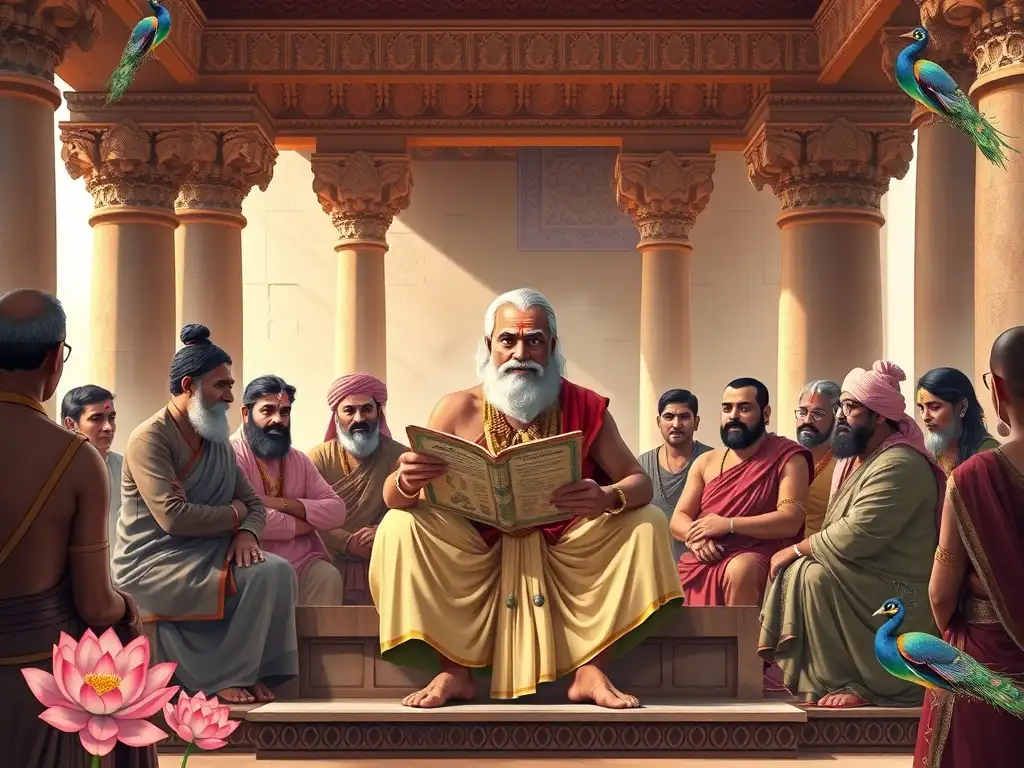
The Manusmriti, often referred to as the "Laws of Manu," remains a significant text in the discussion of inheritance laws in ancient India. Its detailed provisions for property rights and inheritance reflect the socio-economic structures and cultural values of its time. Despite the passage of centuries, the principles articulated in the Manusmriti continue to influence contemporary legal frameworks and societal norms surrounding inheritance in India.
While modern legal systems have evolved, incorporating more egalitarian views, the Manusmriti serves as a historical reference point. It highlights the transition from rigid caste-based inheritance systems to the more flexible and inclusive practices seen today. The text's influence can be observed in various aspects of Hindu personal law, particularly in the areas of succession and property rights. Understanding this ancient code provides valuable insights into the evolution of legal thought and practices that shape current discussions on inheritance.
Lessons from The Manusmriti for Modern Society
The Manusmriti offers several crucial lessons that resonate with modern society, particularly concerning the principles of justice, equity, and the role of law in regulating personal relationships. One of the most significant lessons is the importance of clear and codified inheritance laws. By establishing specific guidelines for property distribution, the Manusmriti aimed to reduce disputes and provide a framework for conflict resolution among families.
Additionally, the text emphasizes the need for adaptability in legal systems. While the Manusmriti reflects a particular historical context, its underlying principles can inform contemporary discussions about gender equality and property rights. For instance, the limited rights of women in inheritance highlighted by the Manusmriti have prompted modern legal reforms aimed at creating a more equitable distribution of property among genders.
The Manusmriti also reminds us of the cultural context in which laws are developed. Understanding the historical and social backgrounds that shaped these laws can help current societies create legal frameworks that respect tradition while promoting fairness and inclusivity.
Future Directions in the Study of Inheritance Laws in Ancient India
The study of inheritance laws in ancient India, particularly through the lens of the Manusmriti, presents various avenues for future research. One potential direction involves comparative studies that analyze the Manusmriti alongside other ancient legal texts from different cultures, such as the Code of Hammurabi or Roman law. Such comparisons can illuminate the unique characteristics of Indian legal traditions and their contributions to global legal thought.
Another important area for exploration is the regional variations in the application of Manusmriti principles across different parts of India. Understanding how local customs and practices influenced the interpretation and implementation of inheritance laws can provide a more nuanced view of ancient Indian society.
Moreover, interdisciplinary approaches that incorporate anthropology, sociology, and history can enrich the study of inheritance laws. By examining the socio-economic factors that influenced these laws, researchers can better understand the dynamics of power, family structure, and societal change in ancient India.
Finally, as contemporary discussions on inheritance laws continue to evolve, revisiting texts like the Manusmriti can provide essential perspectives on current legal challenges and reforms, ensuring that the lessons of the past inform the future.
- Introduction to Inheritance Laws in Ancient India
- Overview of Inheritance in Ancient Indian Society
- Importance of The Manusmriti in Legal History
- Historical Context of The Manusmriti
- Key Provisions of The Manusmriti on Inheritance
- Types of Property Recognized in The Manusmriti
- Rules of Inheritance for Different Castes
- Female Inheritance Rights and Limitations
- Comparative Analysis of Inheritance Laws
- Impact of The Manusmriti on Modern Inheritance Laws
- Myths and Realities of Inheritance Laws in Ancient India
- Conclusion: The Enduring Relevance of The Manusmriti
- Lessons from The Manusmriti for Modern Society
- Future Directions in the Study of Inheritance Laws in Ancient India
Frequently Asked Questions
What is the Manusmriti?
The Manusmriti is an ancient Indian text that serves as a landmark code on inheritance laws and social conduct, outlining the legal framework for various aspects of life in ancient India.
How did inheritance laws function in ancient India?
Inheritance laws in ancient India, as described in the Manusmriti, dictated property distribution among family members, with a focus on primogeniture and the rights of sons over daughters.
Were there differences in inheritance laws based on gender?
Yes, the Manusmriti reflects a patriarchal society where sons were given priority in inheritance, whereas daughters had limited rights, often dependent on their marital status.
The inheritance laws established by the Manusmriti reinforced a patriarchal social structure, influencing family dynamics and the economic power of male heirs in ancient Indian society.
Are the inheritance laws in the Manusmriti still relevant today?
While the Manusmriti laid the foundation for inheritance laws, modern legal frameworks in India have evolved, promoting gender equality and addressing the historical biases present in ancient laws.
Final Reflection: The Enduring Legacy of Inheritance Laws in Ancient India
The exploration of inheritance laws in ancient India, particularly through the lens of the Manusmriti, reveals a complex tapestry of cultural values and societal norms that continue to resonate today. As we navigate the intricacies of modern legal frameworks and personal relationships, it is essential to recognize how these ancient codes have shaped our understanding of property rights and familial obligations. The Manusmriti stands not just as a historical document but as a testament to the evolving nature of inheritance, reminding us that the past is never truly behind us.
The influence of the Manusmriti on contemporary society is profound, as it has laid the groundwork for ongoing discussions about gender equality and the distribution of wealth. Reflecting on these ancient laws allows us to appreciate the strides we have made while acknowledging the challenges that persist. As Mahatma Gandhi once said, "> A nation's greatness is measured by how it treats its weakest members." This sentiment underscores the importance of revisiting these ancient texts, not only to understand their historical context but also to inspire a more equitable future.
As you contemplate the lessons embedded within the Manusmriti and its implications for inheritance laws, I invite you to consider your own role in this ongoing narrative. How can you apply the insights gained from this ancient code to foster fairness and justice in your own life? Let this reflection be a catalyst for action, encouraging you to engage with the principles of equity and compassion as you navigate your personal and communal relationships. Together, we can honor the past while actively shaping a more inclusive future.
Unveil the Power of Inheritance: Take Action Today!
Thank you for exploring the complexities of the Manusmriti and its influential role in inheritance laws. By examining this landmark code, you've gained valuable insights into how ancient frameworks can guide our modern understanding.
Now, it's time to take those insights and put them into action. Here’s how you can engage further with this essential topic:
- Explore Further: Read our detailed analysis on the social implications of inheritance in Ancient India. Discover how these laws shaped families and societies across generations.
- Join the Conversation: Share your thoughts on inheritance in today’s context in the comments below. Your perspective could illuminate contemporary issues!
- Spread the Knowledge: Share this article with friends or on social media. Help others benefit from the rich history surrounding inheritance laws.
Which aspect of ancient inheritance laws resonates most with your experiences today?