
The Craftsmanship of Kavya: Exploring the Techniques of Classical Poets

Welcome to Ancient India History, where we embark on a fascinating journey through the intricate tapestry of ancient Indian civilizations. Here, we delve into the rich cultural heritage and remarkable contributions that have shaped our world. In our featured article, “The Craftsmanship of Kavya: Exploring the Techniques of Classical Poets,” we invite you to discover the enchanting realm of Classical Indian poetry techniques. Uncover the artistry behind these timeless works and learn how the profound elegance of Kavya continues to influence literature today. Your exploration of India’s literary legacy begins now—let curiosity be your guide!
Introduction to Classical Indian Poetry Techniques
The realm of Classical Indian poetry is a vibrant tapestry woven with intricate techniques and rich cultural nuances that reflect the profound literary heritage of ancient India. At the heart of this tradition lies Kavya, a term that signifies not only poetry but also an elaborate and sophisticated art form. This article delves into the craftsmanship of Kavya, exploring the various poetic techniques employed by classical poets that have shaped the literary landscape. From vivid imagery to rhythmic patterns, understanding these techniques is essential for appreciating the depth and artistry of classical Indian poetry.
Understanding Kavya and Its Significance
Kavya, often regarded as the pinnacle of literary expression in ancient India, encompasses a wide range of poetic forms and styles. It is characterized by its ornate language and meticulous structuring, which serve to elevate the emotional and aesthetic experience of the reader. The significance of Kavya extends beyond mere entertainment; it acts as a medium for philosophical reflection, cultural storytelling, and historical documentation.
As we explore the realm of classical Indian poetry techniques, it's vital to recognize the intricate relationship between form and content in Kavya. Poets meticulously crafted their verses, utilizing a plethora of devices such as:
- Alankara (figurative speech): Enhancing the beauty and emotional impact of poetry.
- Rasa (emotional essence): Conveying specific feelings and moods to resonate with the audience.
- Prakriti (nature imagery): Creating vivid landscapes that enrich the narrative.
The Role of Poetic Techniques in Classical Literature
The techniques employed in classical Indian poetry are not merely ornamental; they serve as essential tools for expression and communication. These techniques help poets convey complex themes, evoke emotions, and create a lasting impact on the reader.
Key Poetic Techniques:
- Metre (Chhanda): The rhythmic structure that dictates the flow and musicality of the verses.
- Dhvani (suggestive meaning): The use of implied meanings that invite deeper interpretation.
- Upama (simile): Drawing comparisons to illustrate concepts and enhance imagery.
By leveraging these techniques, poets were able to craft works that transcended time, inviting readers to engage with ideas that are still relevant today.
Historical Context of Classical Indian Poetry
To fully appreciate the craftsmanship of Kavya, it is essential to situate it within its historical context. The evolution of classical Indian poetry is marked by various influences, cultural shifts, and literary developments that have shaped the art form over centuries.
The Evolution of Poetry in Ancient India
The origins of classical Indian poetry can be traced back to the Vedic period, where poetic forms began to emerge alongside religious texts. Over time, poetry evolved through various stages, including:
- Sanskrit Drama: Where poetry intertwined with performance, enhancing its accessibility and appeal.
- Bhakti Movement: A shift towards devotional poetry, emphasizing personal connection with the divine.
This evolution reflects the dynamic nature of Indian culture, adapting to changing social, political, and spiritual contexts.
Influential Poets and Their Contributions to Kavya
Throughout history, numerous poets have left an indelible mark on the tradition of Kavya. Their contributions have not only enriched the literary canon but have also influenced generations of writers and thinkers. Notable figures include:
- Kalidasa: Renowned for works like "Shakuntala," which exemplify the beauty of nature and human emotion.
- Bhasa: A pioneer in Sanskrit drama whose poetic dialogues showcased the interplay of love and conflict.
Each poet brought unique techniques to their craft, pushing the boundaries of expression and creativity, thus ensuring that classical Indian poetry remains a vital part of the cultural heritage.
The techniques of classical Indian poetry, particularly within the framework of Kavya, reveal a sophisticated blend of artistry and cultural richness. As we continue this exploration, we will delve deeper into the specific techniques that define this literary tradition and the lasting impact they have had on generations of poets and readers alike.
Core Techniques of Classical Indian Poetry
Classical Indian poetry, particularly in the Kavya tradition, is renowned for its intricate techniques that elevate the art form. The craftsmanship involved in creating these poetic works is not merely about the choice of words but also involves a deep understanding of structure, sound, and meaning. Central to this artistry are three fundamental components: metre and rhythm, figures of speech, and recurring themes and motifs. These elements work in concert to create a rich tapestry of expression that captures the nuances of human experience and emotion.
Metre and Rhythm in Classical Poetry
Metre, or "chanda," is a foundational aspect of classical Indian poetry, serving as the structural backbone of poetic composition. Various metres, such as "Anushtubh" or "Trishtubh," dictate the number of syllables and the arrangement of long and short sounds. This rhythmic quality not only enhances the aesthetic appeal of the poetry but also aids in memorization and oral transmission.
- Types of Metre: There are several types of metres used in classical poetry. For example:
- Anushtubh: The most common metre, consisting of 32 syllables.
- Trishtubh: Contains 44 syllables and is often used in epic poetry.
- Jagati: A longer metre with 48 syllables, allowing for expansive expression.
The rhythm, often interwoven with musicality, can evoke emotions and establish a mood, making it a powerful tool in the hands of poets. The careful selection of metre and rhythm is crucial for achieving the desired emotional impact and resonance within the audience.
Figures of Speech in Classical Indian Poetry
Figures of speech, or "alamkara," are essential for enhancing the expressiveness of classical Indian poetry. These literary devices enrich the text and allow poets to convey complex emotions and ideas succinctly. Some prevalent figures of speech include:
- Simile (upama): A comparison between two unlike things using "like" or "as," creating vivid imagery.
- Metaphor (rupaka): A direct comparison that implies one thing is another, providing depth and layers of meaning.
- Alliteration (anupraasa): The repetition of consonant sounds at the beginning of words, contributing to the musical quality of the verse.
- Personification (bhootayasa): Attributing human qualities to non-human entities, enhancing emotional engagement.
These devices not only beautify the language but also engage the reader’s imagination, enabling a deeper connection with the text. The mastery of figures of speech distinguishes classical poets, showcasing their creativity and linguistic dexterity.
Themes and Motifs in Classical Poetry
The themes and motifs prevalent in classical Indian poetry often reflect the cultural and philosophical underpinnings of the time. Common themes include:
- Love (prema): Explored through various lenses, such as romantic love, divine love, and the pain of separation.
- Nature (prakriti): Often depicted as a reflection of human emotions, nature serves as both a backdrop and an active participant in the narrative.
- Philosophy and Spirituality: Many poets delve into existential questions, offering insights into the nature of life, the cosmos, and the divine.
Motifs such as the "rasa" (aesthetic experience) and "bhava" (emotional state) play crucial roles in shaping the reader's experience. The interplay of these themes allows classical poetry to transcend mere storytelling, inviting readers to explore the profound complexities of existence.
Comparative Analysis of Classical Poetic Techniques
The techniques employed in classical Indian poetry can be compared to those in other literary forms, revealing both unique characteristics and universal patterns. While the emphasis on metre and figures of speech is common across various traditions, the specific execution and cultural context often differ markedly.
Differences Between Kavya and Other Literary Forms
Kavya, as a distinct form of classical Indian poetry, possesses unique features that set it apart from other literary genres such as prose or folk poetry. Key differences include:
- Structure: Kavya adheres to strict metrical forms, whereas prose may have a more fluid structure without rigid constraints.
- Language: Kavya employs highly refined and sophisticated language, often drawing on Sanskrit's rich lexicon, while folk poetry may use colloquial language to resonate with a broader audience.
- Theme Exploration: Kavya often delves into elevated themes of love, philosophy, and nature, while other forms may focus more on everyday life and social issues.
This comparative analysis underscores the richness of classical Indian poetry and its enduring impact on literature, demonstrating how the techniques employed by poets contribute to its timeless appeal.
The Influence of Classical Indian Poetry Techniques on Modern Literature
The techniques of classical Indian poetry, particularly those found in Kavya, have significantly influenced modern literature both in India and across the globe. The meticulous use of meter, rhyme, and imagery in classical works has paved the way for a rich tapestry of poetic expression that contemporary poets draw upon. For instance, the intricate alaṅkāras (figures of speech) and rasa (emotional essence) articulated in ancient texts continue to resonate in modern poetry, allowing poets to explore complex emotions and themes with depth and sophistication.
Moreover, the influence of classical Indian poetry techniques can be seen in the structure of modern verses. Many contemporary poets employ traditional meters such as Anushtubh or Trishtubh, showcasing their roots while innovatively blending them with free verse. This fusion creates a dialogue between the past and present, enriching the literary landscape. Notably, poets like A.K. Ramanujan and Gulzar have successfully integrated these classical elements into their works, demonstrating that the essence of Kavya can transcend time, adapting to modern sensibilities while retaining its classical charm.
Continuation of Poetic Traditions in Contemporary India
Contemporary Indian poetry is a vibrant extension of the traditions established by classical poets. Many modern poets consciously engage with the themes and forms of Kavya, bridging the gap between ancient and modern sensibilities. This continuation is evident in the thematic exploration of love, nature, and the human condition, which remains central to both classical and modern poetry.
Furthermore, various literary festivals and workshops in India focus on reviving classical techniques, encouraging new generations of poets to experiment with traditional forms. This revival is a testament to the enduring appeal of classical poetry. For instance, initiatives like the Bangalore Poetry Festival often feature sessions dedicated to exploring the nuances of classical Indian poetic forms, attracting a diverse audience eager to engage with their literary heritage.
Modern Adaptations and Revivals of Classical Techniques
Modern adaptations of classical Indian poetry techniques highlight the versatility of Kavya in addressing contemporary issues. Poets today are not only revisiting traditional forms but also reinterpreting them to reflect current societal dynamics. For example, the use of sarga (narrative) and kāvya (poetry) in modern works can address themes such as gender, identity, and cultural displacement, making classical techniques relevant in today’s context.
Literary movements, such as the Chhayavad in the early 20th century, showcased how classical influences could be integrated with modern thoughts and feelings. Poets like Jaishankar Prasad and Suryakant Tripathi 'Nirala' drew heavily on classical techniques while expressing modern existential dilemmas, thus creating a unique blend that resonated with the Indian populace.
Conclusion: The Enduring Legacy of Kavya Techniques
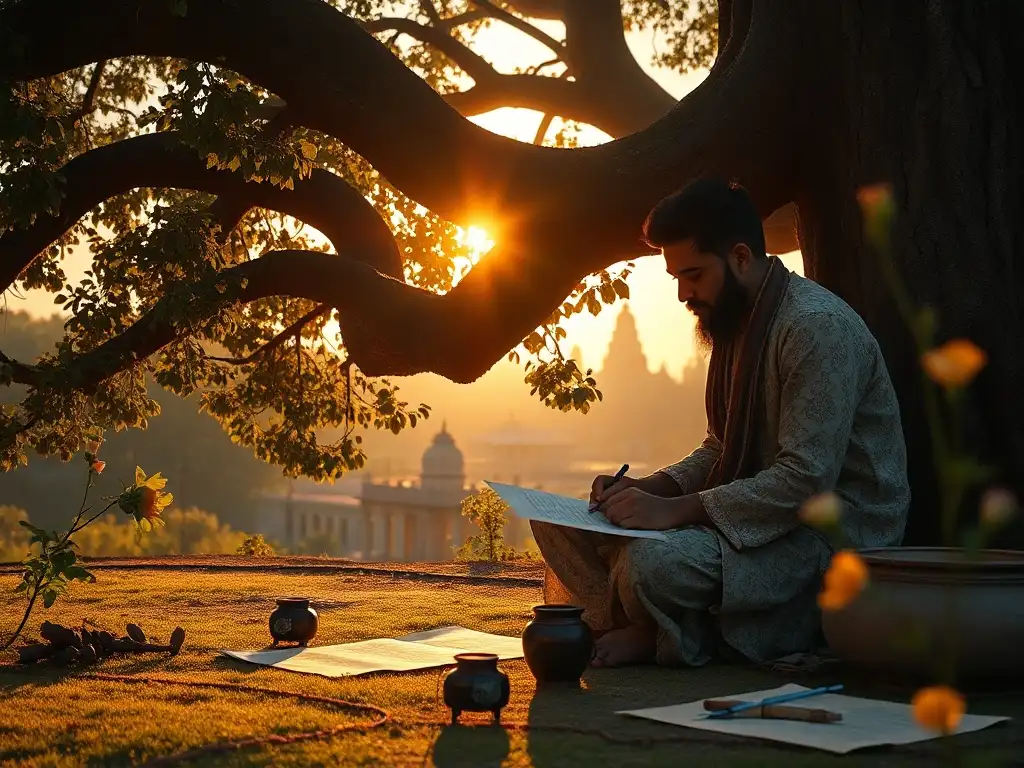
The legacy of Kavya techniques is not only preserved but also transformed in modern literature. The intricate craftsmanship that characterized classical poetry has influenced poets to innovate and explore new realms of expression, ensuring that the essence of these ancient techniques persists. This legacy is reflected in the continued study and appreciation of Kavya, which serves as a foundational element in understanding the evolution of Indian literature.
The Importance of Preserving Classical Indian Poetry Techniques
Preserving classical Indian poetry techniques is crucial for maintaining the cultural identity and literary heritage of India. These techniques are not merely historical artifacts; they embody the artistic expressions and aesthetic values of their time. By keeping these traditions alive, we ensure that future generations can appreciate the depth, beauty, and complexity of classical works.
Educational institutions and literary organizations play a vital role in this preservation. By incorporating classical poetry into curricula and promoting workshops and seminars focused on these techniques, they create a framework for understanding and appreciating the richness of Indian literary traditions.
Future Directions in the Study of Kavya and Its Craftsmanship
The study of Kavya and its craftsmanship is poised for exciting developments in the future. Scholars are increasingly embracing interdisciplinary approaches, combining literature with fields such as history, sociology, and cultural studies. This holistic perspective allows for a deeper understanding of how classical poetry techniques interacted with various aspects of society and culture.
Furthermore, the rise of digital humanities opens up new avenues for research and dissemination. Online platforms can facilitate access to classical texts, critical analyses, and discussions, engaging a broader audience in the exploration of Kavya. As interest in Indian literature continues to grow globally, the innovative study of classical techniques will likely inspire new interpretations and creative expressions in literature, ensuring that the legacy of Kavya remains vibrant and relevant.
- Introduction to Classical Indian Poetry Techniques
- Understanding Kavya and Its Significance
- The Role of Poetic Techniques in Classical Literature
- Historical Context of Classical Indian Poetry
- Core Techniques of Classical Indian Poetry
- Metre and Rhythm in Classical Poetry
- Figures of Speech in Classical Indian Poetry
- Themes and Motifs in Classical Poetry
- Comparative Analysis of Classical Poetic Techniques
- The Influence of Classical Indian Poetry Techniques on Modern Literature
- Continuation of Poetic Traditions in Contemporary India
- Modern Adaptations and Revivals of Classical Techniques
- Conclusion: The Enduring Legacy of Kavya Techniques
- The Importance of Preserving Classical Indian Poetry Techniques
- Future Directions in the Study of Kavya and Its Craftsmanship
Frequently Asked Questions
What is Kavya in classical Indian poetry?
Kavya refers to a specific style of classical Indian poetry that emphasizes ornate language, emotional depth, and meticulous structure, often reflecting the beauty of nature and human experience.
What are some common techniques used in classical Indian poetry?
Classical Indian poetry employs various techniques such as metaphor, simile, alliteration, and alamkara (figures of speech) to enhance aesthetic appeal and convey deeper meanings.
How did the Indus Valley influence classical Indian poetry?
The Indus Valley Civilization laid the groundwork for early literary traditions, contributing to the development of language, art, and cultural narratives that shaped classical Indian poetry in subsequent eras.
Who were prominent poets of the classical Indian period?
Notable poets include Kalidasa, Bhasa, and Bhavabhuti, who are celebrated for their masterful use of language, intricate narratives, and the ability to evoke profound emotions through their works.
What is the significance of structure in classical Indian poetry?
Structure in classical Indian poetry is crucial for maintaining rhythm and meter, enhancing the musicality of the verses, and ensuring that the poem resonates with the reader both intellectually and emotionally.
Final Reflection: The Enduring Legacy of Classical Indian Poetry Techniques
The craftsmanship of Kavya remains profoundly relevant today, as it not only showcases the intricate techniques of classical Indian poetry but also serves as a bridge connecting us to our rich literary heritage. In a world increasingly dominated by rapid communication and fleeting expressions, the depth and beauty of classical poetry remind us of the power of language to evoke emotion, provoke thought, and preserve culture. The techniques explored in this article are not merely historical artifacts; they are vibrant tools that can enhance our understanding of both literature and life itself.
Classical Indian poetry techniques have shaped our cultural landscape, influencing countless writers and poets across generations. The meticulous use of meter, rhyme, and metaphor in Kavya not only enriches the text but also invites readers to engage with the work on a deeper level. As we navigate the complexities of modern life, the wisdom embedded in these ancient techniques continues to resonate. Poetry is the language of the soul, a reflection of our innermost thoughts and feelings.
This sentiment encapsulates the ongoing influence of classical poetry, reminding us that the art of expression is timeless and universal.
As you reflect on the techniques of classical Indian poetry, consider how they can inspire your own creative endeavors and personal growth. I invite you to explore the beauty of language in your daily life, whether through writing, reading, or simply appreciating the poetic moments that surround you. Let the craftsmanship of Kavya guide you in cultivating a deeper connection with your own experiences and the world around you, ensuring that the legacy of classical poetry continues to thrive in our hearts and minds.
Unleash Your Inner Poet and Celebrate Classical Craftsmanship!
Thank you for diving into the rich world of classical poetry with us! You've uncovered the artistry and intricate techniques that define the work of great poets. Now, it's time to channel that inspiration into action and explore the poetic abilities within yourself and your community.
- Start writing your own poem: Grab a pen and paper, or open a document, and pour your thoughts into verse. Embrace the techniques you've learned and let your creativity flow!
- Join a poetry workshop or local group: Connect with fellow poetry enthusiasts to share your work and gain feedback. Consider participating in online forums or community events for a broader reach.
- Share your favorite classical poems: Post on social media or create a blog to highlight the beauty of classical poetry, inspiring others to explore this art form as well.
What inspires you most about classical poetry, and how do you plan to weave it into your daily life?