
Exploring the Historical Context of Sangam Literature: A Guide to Ancient Tamil Kings

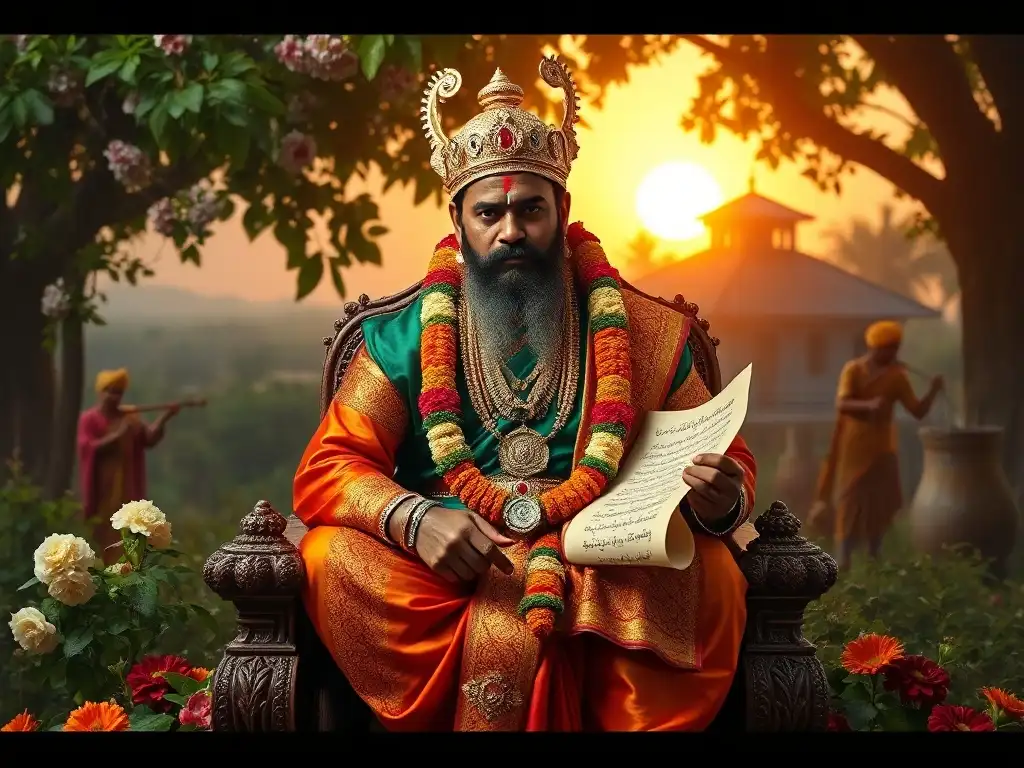
Welcome to Ancient India History, where we embark on an intriguing journey through the rich tapestry of ancient Indian civilizations. Our exploration today focuses on the captivating world of Sangam literature, a remarkable reflection of the lives and legacies of ancient Tamil kings. As you delve into our main article, "Exploring the Historical Context of Sangam Literature: A Guide to Ancient Tamil Kings," you’ll uncover the profound cultural contributions and the poetic richness that flourished during this vibrant era.
Prepare to ignite your curiosity and deepen your appreciation for a history that shaped not just a region, but the very essence of human expression. Dive in and discover the stories waiting to be told!
Introduction to Sangam Literature and Ancient Tamil Kings
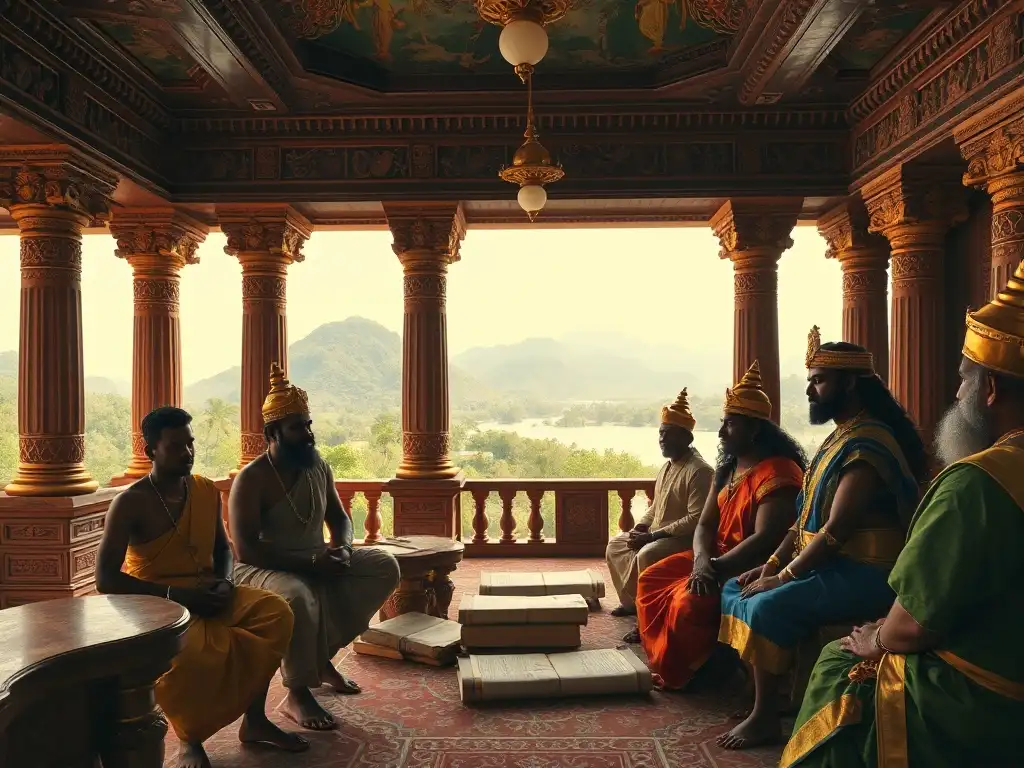
Sangam literature stands as a monumental testament to the cultural and literary richness of ancient Tamil civilization, encapsulating the ethos, values, and societal intricacies of its time. Composed during a period known as the Sangam era, which spanned from approximately 300 BCE to 300 CE, this body of work not only showcases the poetic prowess of Tamil poets but also offers profound insights into the lives and legacies of ancient Tamil kings.
The literary pieces from this period highlight the intricate relationship between rulers and the arts, illustrating how the patronage of these kings fostered a vibrant literary culture that has had a lasting impact on Tamil literature and identity.
Through this guide, we will delve deeper into the historical context of Sangam literature, exploring the influential Tamil kings who played pivotal roles in its creation and dissemination. By examining the connection between these rulers and the literary works produced during their reigns, we gain a clearer understanding of how the political and social landscapes of ancient Tamil Nadu shaped its rich literary tradition.
What is Sangam Literature?
Sangam literature refers to a collection of ancient Tamil writings produced by a community of poets known as the Sangam, which translates to "assembly" in Tamil. The literature is characterized by its diverse themes, ranging from love and valor to nature and ethics. The works are primarily composed in Tamil and are believed to have been compiled in several anthologies, with notable collections including the Ettuthokai and the Pattupattu.
The poetry showcases a variety of styles and forms, such as Akam (inner life) and Puram (outer life), reflecting the duality of human experience. The poets not only celebrated the beauty of love and nature but also chronicled the deeds of kings and warriors, providing a glimpse into the socio-political dynamics of their time.
Significance of Sangam Literature in Ancient Tamil History
Sangam literature holds a prominent place in ancient Tamil history, serving as both a cultural repository and a historical record. It provides invaluable insights into the customs, traditions, and social structures of Tamil society during the Sangam period. The literature also contributes to our understanding of the linguistic development of Tamil and its literary forms.
Moreover, the texts often extol the virtues of ancient Tamil kings, portraying them as benevolent rulers who upheld dharma (righteousness) and supported the arts. This patronage not only elevated the status of poets but also cemented the kings' legacies within the cultural memory of their people, influencing subsequent generations.
Overview of Ancient Tamil Kings and Their Role in Literature
The ancient Tamil kings, such as those from the Chola, Pandya, and Cheran dynasties, played a crucial role in the evolution of Sangam literature. These rulers were not merely patrons of the arts; they were often depicted as active participants in literary discourse. Their courts became centers of cultural exchange, where poets thrived under royal patronage.
Kings like Karikala Chola and Nedunjeliyan are frequently referenced in Sangam poetry, exemplifying the ideals of heroism and leadership. Their contributions to literature, coupled with their military exploits and administrative acumen, created a rich tapestry that highlights the interplay between governance and cultural production in ancient Tamil society.
The Historical Background of Sangam Literature
The Time Period of Sangam Literature
The Sangam period is traditionally divided into three phases: the Early Sangam (300 BCE - 100 CE), the Middle Sangam (100 - 250 CE), and the Later Sangam (250 - 300 CE). Each phase is marked by distinct literary styles and themes, reflecting the evolving social and political landscape of Tamil Nadu.
The Early Sangam period is characterized by a focus on the heroic deeds of kings and warriors, while the Middle Sangam period sees a diversification of themes, including love and nature. The Later Sangam period culminates in a synthesis of these earlier literary traditions, leading to a rich and varied body of work that continues to inspire contemporary Tamil literature.
Major Historical Events Influencing Sangam Literature
Several historical events significantly influenced the themes and content of Sangam literature. The rise and fall of various dynasties, such as the Chola, Pandya, and Cheran, shaped the political landscape and provided the backdrop for many poetic compositions.
Additionally, trade relations with other cultures, particularly through the Silk Route, led to cultural exchanges that enriched Tamil literature. The patronage offered by these kings during times of prosperity fostered a flourishing of the arts, allowing poets to explore new themes and styles.
The Socio-Political Landscape of Ancient Tamil Nadu
The socio-political landscape of ancient Tamil Nadu was complex and dynamic, characterized by a network of small kingdoms and chiefdoms. The competition between these rulers often led to warfare, alliances, and cultural exchange, all of which are reflected in Sangam literature.
The presence of a thriving agrarian economy provided the resources necessary for royal patronage of the arts, while the social hierarchy, with its emphasis on caste and kinship, influenced the themes of loyalty and honor in the poetry. Furthermore, the evolving role of women in society, as depicted in Sangam literature, offers a nuanced understanding of gender dynamics during this period.
The exploration of Sangam literature and its historical context reveals the profound connection between ancient Tamil kings and the literary heritage of Tamil Nadu. Through the lens of poetry, we gain insights into the socio-political dynamics, cultural values, and artistic expressions that shaped one of the most vibrant periods in Indian history.
Prominent Ancient Tamil Kings and Their Contributions
The political landscape of ancient Tamil Nadu was dominated by several powerful kingdoms, each contributing significantly to the flourishing of Sangam literature. The three primary dynasties—Chola, Pandya, and Chera—played pivotal roles in fostering a rich literary culture during the Sangam period (approximately 300 BCE to 300 CE). Their patronage and support for poets and scholars led to the creation of a distinctive body of literature that reflects the social, cultural, and philosophical ethos of the time.
The kings of these dynasties were not just rulers; they were also patrons of art, literature, and culture. They provided resources and opportunities for poets, thus enabling the literary heritage of Tamil Nadu to thrive. Many of the Sangam poems, which delve into themes of love, valor, and nature, were composed in their courts, showcasing the interplay between governance and cultural expression.
The Early Chola Dynasty and Sangam Literature
The Early Chola Dynasty, known for its maritime prowess and efficient administration, significantly influenced the development of Sangam literature. Rulers such as Karikala Chola are often credited with advancing Tamil culture and literature. The Chola kings were known for their patronage of poets like Auvaiyar and Kannanar, who contributed to the literary corpus of the time.
The Chola influence is evident in the themes of valor and heroism found in many Sangam poems. The rulers often commissioned works that celebrated their military conquests and the valor of their warriors, reflecting their desire to immortalize their legacies in literature. Furthermore, the Chola kings’ support of temple construction and maintenance also fostered a cultural environment conducive to the arts, promoting the growth of poetry that celebrated both divine and earthly themes.
The Pandya Dynasty's Influence on Tamil Literature
The Pandya Dynasty, another prominent player in the Sangam period, made substantial contributions to Tamil literature through its support of poets and literary works. The Pandyas are often associated with an era of cultural renaissance, where literature flourished alongside advancements in trade and commerce.
Key figures such as the poetess Avvaiyar emerged during this time, and her works often reflect the ethical and moral values upheld by the Pandyan kings. The dynasty's emphasis on justice, wisdom, and benevolence is mirrored in the themes of Sangam literature, which often extol virtues and moral conduct. The Pandyas' patronage not only preserved existing literary traditions but also encouraged new poetic forms, enriching the Tamil literary landscape.
The Chera Kings and Their Literary Patronage
The Chera Dynasty, notable for its extensive trade networks and cultural influences, also played a vital role in the evolution of Sangam literature. The Chera kings were known for their patronage of the arts, and they actively supported poets who contributed to the rich tapestry of Tamil poetry.
Poets like Ilango Adigal, who authored the famous epic "Silappathikaram," were inspired by the Chera rulers' ethos and legacy. The Chera kings often featured prominently in poems, not just as patrons but as embodiments of the ideals of kingship and governance. Their commitment to promoting culture and literature laid the foundation for the sophisticated poetic expressions that characterize Sangam literature.
Themes and Characteristics of Sangam Literature
Sangam literature is marked by its profound depth and variety, encompassing numerous themes that reflect the complexities of ancient Tamil society. The poems are not merely artistic expressions but also serve as historical documents that provide insight into the social, political, and cultural milieu of the time.
The characteristic features of Sangam poetry include its emotional depth, vivid imagery, and the use of metaphors and similes. The poets employed a range of literary devices to convey their messages, making the literature both engaging and thought-provoking. The interplay between personal emotions and societal values is a recurring theme, offering a glimpse into the lives and beliefs of the people of ancient Tamil Nadu.
Key Themes in Sangam Poetry
Several key themes dominate Sangam poetry, reflecting the multifaceted nature of life in ancient Tamil Nadu. Among these themes are:
- Love (Aham): This theme explores the complexities of human relationships, often portraying the nuances of romantic love, longing, and emotional turmoil.
- War and Valor (Puram): Many poems celebrate the heroism of warriors and the glory of battles, showcasing the martial prowess and valor of kings and their armies.
- Nature: The natural landscape, including flora, fauna, and seasons, is intricately woven into the poetry, serving as a backdrop for human emotions and experiences.
- Social Values and Ethics: The poems often reflect the moral and ethical frameworks that governed society, emphasizing virtues such as honor, loyalty, and righteousness.
These themes not only highlight personal experiences but also resonate with broader societal norms and values, making Sangam literature a rich tapestry of human experience.
Literary Devices and Styles in Sangam Literature
Sangam literature is renowned for its artistic expression, employing a variety of literary devices that enhance the emotional and aesthetic appeal of the poems. Some of the notable devices include:
- Metaphors and Similes: Poets frequently used metaphors and similes to create vivid imagery, making abstract emotions more relatable and tangible.
- Alliteration and Assonance: The rhythmic quality of the poetry is enhanced through the use of sound devices, creating a musicality that captivates readers.
- Imagery: Rich and evocative imagery is a hallmark of Sangam poetry, as poets painted detailed pictures of landscapes, emotions, and experiences.
- Symbolism: Many poems employ symbols, such as the use of flowers to represent beauty or the sea to symbolize longing, adding layers of meaning to the texts.
These literary devices not only enrich the poetry but also reflect the sophisticated understanding of language and expression possessed by the poets of the Sangam era.
The Role of Nature and Society in Sangam Poetry
Nature plays a significant role in Sangam literature, serving as both a setting and a character in its own right. The natural world is often depicted in relation to human emotions, with landscapes mirroring the inner experiences of the poets.
- Symbolic Representation: Different landscapes symbolize various emotional states. For instance, the lush greenery of forests may represent love and joy, while barren deserts might symbolize longing and despair.
- Cultural Reflection: The relationship between humans and nature in Sangam poetry reflects the agrarian society of ancient Tamil Nadu, where the cycles of nature deeply influenced daily life and cultural practices.
Additionally, societal norms and values are intricately woven into the fabric of Sangam poetry. The poets often commented on social issues, ethical dilemmas, and the human condition, making their works timeless reflections on society. Through their exploration of personal and social themes, Sangam poets provide a window into the cultural psyche of ancient Tamil civilization, enriching our understanding of their world.
The Relationship Between Kings and Poets in Ancient Tamil Society
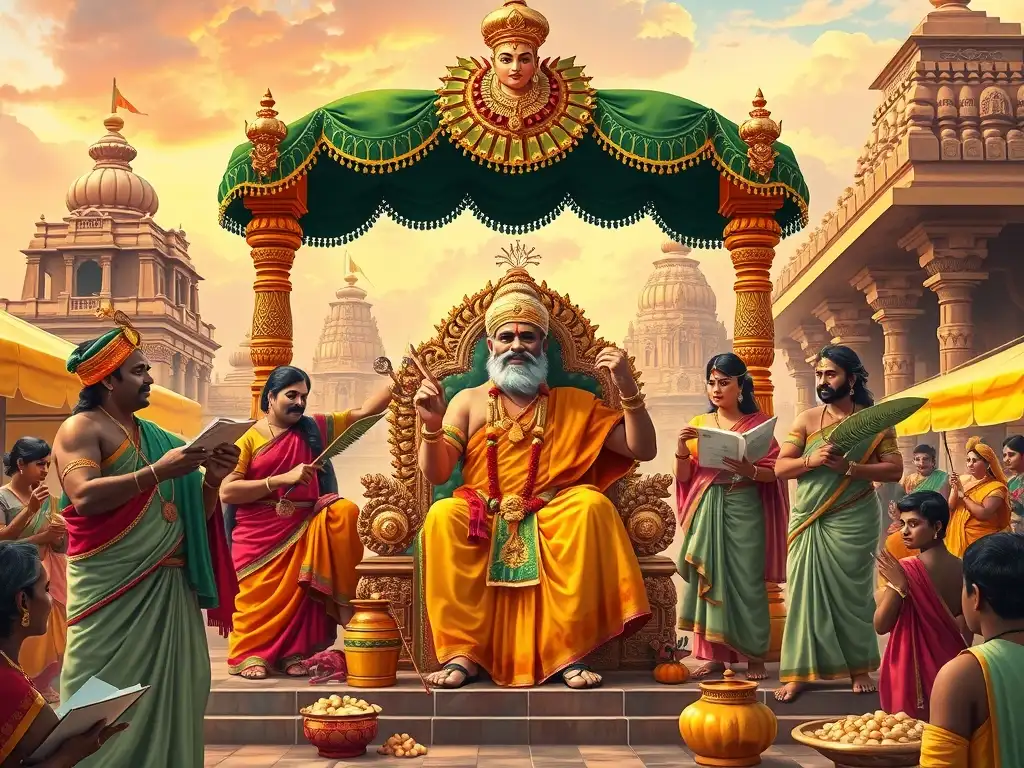
In ancient Tamil society, the relationship between kings and poets was deeply intertwined, forming a symbiotic alliance that significantly influenced both governance and cultural expression. Kings not only ruled their territories but also acted as patrons of the arts, recognizing the power of poetry as a means to legitimize their reign and enhance their prestige. Poets, in turn, played a crucial role in shaping the narrative of royal legitimacy and valor through their verses, often glorifying the kings and their accomplishments.
This patronage system fostered a vibrant literary culture where poets thrived under the support of royal courts. The poets, known as "sangam" poets, were revered figures in society, often enjoying considerable respect and recognition. Their works served not only as entertainment but also as a means to document historical events, social norms, and the ethos of their times. This dynamic relationship between rulers and poets was pivotal in the establishment of Tamil as a significant literary language, which would endure through the ages.
Patronage of Poets by Ancient Tamil Kings
The patronage of poets by ancient Tamil kings was a hallmark of the Sangam period, which flourished between 300 BCE and 300 CE. Kings such as Karikala Chola and Chera rulers actively supported poets, inviting them to their courts and providing them with resources to compose their works. This financial and social support was vital for poets, allowing them to focus on their craft without the distraction of economic burdens.
Royal patronage often came with expectations; poets were expected to compose poems that celebrated the king's lineage, victories, and contributions to society. This reciprocal relationship not only benefited poets through material support but also helped kings consolidate their power by embedding their legacies in the cultural memory of the Tamil people. The result was a rich tapestry of literature that highlighted both the grandeur of the kings and the poetic genius of their supporters.
The Impact of Royal Support on Literary Output
The support from ancient Tamil kings had a profound impact on the literary output during the Sangam era. With the backing of powerful rulers, poets could produce a vast array of works, encompassing themes of love, valor, ethics, and the beauty of nature. This flourishing of literature was characterized by the emergence of various genres, including elegies, epics, and lyrical poetry, which reflected the complexities of human emotions and societal values.
Furthermore, the royal endorsement of literary works ensured their preservation and circulation. Many poems were recited in public assemblies, enhancing their visibility and accessibility. The recognition of poets and their contributions led to an environment where literary excellence was celebrated, promoting a culture of creativity that resonated through generations. This legacy is evident in the continued relevance of Sangam literature, which remains a foundational element of Tamil heritage.
Notable Poets and Their Associations with Kings
Several notable poets emerged during the Sangam period, each with unique associations with ancient Tamil kings. For instance, the renowned poet Avvaiyar was closely linked to the Pandya kings and is celebrated for her wisdom and moral teachings. Another significant figure, Kabilar, was known for his deep connections with the Chola dynasty, often composing poems that praised their valor and contributions.
The works of these poets not only served to elevate the status of their royal patrons but also offered insights into the political and social dynamics of their time. Through their verses, they captured the essence of the era, portraying the values and aspirations of the Tamil people. The enduring nature of their contributions highlights the importance of the relationship between kings and poets in shaping the literary landscape of ancient Tamil civilization.
The Legacy of Sangam Literature and Its Modern Relevance
The legacy of Sangam literature extends far beyond its historical context, influencing contemporary Tamil culture and identity. The themes and narratives present in these ancient texts continue to resonate with modern audiences, reflecting timeless human experiences and societal values. Sangam literature serves as a bridge connecting the past with the present, enriching the cultural tapestry of Tamil Nadu and beyond.
How Sangam Literature Influences Contemporary Tamil Culture
Sangam literature remains a significant cultural touchstone in contemporary Tamil society, influencing various forms of artistic expression, including music, dance, and theater. The poetic forms and themes explored in Sangam texts are often revisited in modern works, allowing new generations to engage with their rich heritage. Festivals and cultural events frequently celebrate Sangam poetry, fostering a sense of identity and continuity among Tamil people.
Moreover, the moral and philosophical teachings embedded in Sangam literature contribute to the ethical frameworks within which contemporary Tamil society operates. Themes of love, valor, and social responsibility continue to inspire individuals, shaping cultural norms and values that persist in today’s world.
The Preservation of Sangam Texts and Historical Records
The preservation of Sangam texts has been a critical endeavor, ensuring that the wisdom and artistry of ancient Tamil poets are not lost to time. Various manuscripts, palm-leaf documents, and inscriptions have been meticulously preserved and studied, providing insights into the socio-political landscape of the Sangam period. Institutions dedicated to Tamil studies have played a vital role in safeguarding these invaluable texts, promoting research and scholarship focused on their historical context and literary significance.
Furthermore, the efforts to translate and publish these works in multiple languages have broadened their reach, allowing a global audience to appreciate the richness of Tamil literature. This ongoing preservation and promotion serve not only to honor the legacy of ancient poets but also to foster a deeper understanding of Tamil culture among diverse communities.
Importance of Sangam Literature in Understanding Ancient Indian Civilizations
Sangam literature is essential in understanding the broader tapestry of ancient Indian civilizations. It offers a unique perspective on the socio-economic, political, and cultural life of ancient Tamil society, reflecting the interactions with neighboring regions and cultures. Through its exploration of themes such as trade, warfare, and governance, Sangam literature provides valuable insights into the complexities of ancient Indian history.
Moreover, the literary contributions from the Sangam era highlight the linguistic diversity and richness of India’s cultural heritage. The works of these poets not only document the historical context of their time but also showcase the artistic and intellectual achievements of ancient Indian civilizations. As such, studying Sangam literature is crucial for anyone seeking to comprehend the intricate narratives that have shaped the Indian subcontinent throughout history.
Conclusion: The Enduring Impact of Sangam Literature and Ancient Tamil Kings
Sangam literature represents a pivotal chapter in the tapestry of ancient Indian history, particularly in the context of Tamil culture and its evolution. The works produced during the Sangam period (circa 300 BCE to 300 CE) not only highlight the socio-political landscapes of ancient Tamil kingdoms but also offer profound insights into the customs, traditions, and philosophical thoughts that characterized the era. The literary contributions of this period, spanning poetry, prose, and ethical treatises, continue to resonate with contemporary audiences, making Sangam literature a crucial subject of study for understanding the rich heritage of Tamil civilization.
The ancient Tamil kings, notably the Cholas, Pandyas, and Cheras, played a significant role in the patronage and circulation of these literary works. Their contributions to arts and literature fostered an environment where poets and scholars thrived, leading to a flourishing of creativity that would set the foundations for Tamil literature. The political and cultural narratives within Sangam literature reflect the values and aspirations of these rulers, showcasing a unique blend of governance, ethics, and aesthetics that remains relevant in discussions about leadership and cultural identity today.
Summary of Key Points
- Historical Significance: Sangam literature provides insight into the political, social, and cultural dynamics of ancient Tamil kingdoms.
- Literary Contributions: The period is marked by a rich array of poetic forms and themes that celebrate love, valor, and ethics.
- Patronage of Kings: Ancient Tamil kings were instrumental in supporting and promoting the arts, leading to the preservation and growth of Tamil literary traditions.
- Cultural Reflection: The texts serve as a mirror reflecting the societal norms, values, and philosophical thoughts of the time.
The Ongoing Importance of Sangam Literature Today
Sangam literature's relevance transcends historical interest; it continues to influence contemporary Tamil culture, literature, and identity. Scholars and enthusiasts alike engage with these texts to explore themes of social justice, love, and political ethics, which are just as pertinent in today's world. Additionally, the revival of interest in regional languages and literature encourages a deeper appreciation for Sangam works, prompting new interpretations and adaptations in various forms of media.
The literary techniques and poetic devices employed by Sangam poets also inform modern Tamil literature, inspiring a new generation of writers. Festivals celebrating Tamil literature often highlight Sangam poetry, reinforcing its significance in the cultural consciousness of Tamil society. As Tamil Nadu and the global Tamil diaspora celebrate their heritage, the legacy of Sangam literature remains a cornerstone of Tamil identity.
References and Further Reading on Sangam Literature
Suggested Books and Articles
- "The Sangam Literature: An Introduction": by A. K. Ramanujan - This book provides a comprehensive overview of the themes and forms of Sangam poetry.
- "Tamil Literature: The Sangam Age": by K. S. Rajasekaran - A detailed exploration of the historical and cultural context of the Sangam period.
- "The Tamil Epic: A Study of the Tholkappiyam": by S. R. Rao - An analysis of the foundational texts that shaped Tamil literary tradition.
Online Resources for Exploring Sangam Literature and Tamil History
- Tamil Virtual Academy: Offers a wealth of resources on Tamil literature, including Sangam poetry.
- Digital Library of India: Features a collection of texts related to Tamil history and literature, including translations of Sangam works.
- The Institute of Tamil Studies: Provides access to research papers, articles, and historical documents related to Tamil literature and its impact.
By engaging with these resources, readers can deepen their understanding of Sangam literature and appreciate the enduring legacy of the ancient Tamil kings who shaped this remarkable literary tradition.
- Introduction to Sangam Literature and Ancient Tamil Kings
- The Historical Background of Sangam Literature
- Prominent Ancient Tamil Kings and Their Contributions
- Themes and Characteristics of Sangam Literature
- The Relationship Between Kings and Poets in Ancient Tamil Society
- The Legacy of Sangam Literature and Its Modern Relevance
- Conclusion: The Enduring Impact of Sangam Literature and Ancient Tamil Kings
- References and Further Reading on Sangam Literature
Frequently Asked Questions
What is Sangam literature?
Sangam literature refers to a collection of ancient Tamil texts composed between 300 BCE and 300 CE, celebrating the culture, values, and lives of ancient Tamil society.
Who were the ancient Tamil kings?
The ancient Tamil kings were rulers of Tamil Nadu, known for their patronage of art, literature, and trade, significantly influencing the development of Sangam literature.
How did Sangam literature reflect the society of ancient Tamil Nadu?
Sangam literature provides insights into the social norms, politics, and religion of ancient Tamil society, showcasing the rich cultural heritage and everyday life of its people.
What are the main themes found in Sangam literature?
The main themes include love, valor, ethics, and the natural environment, often exploring the connection between human emotions and the landscape of Tamil Nadu.
Why is Sangam literature important in understanding ancient Indian history?
Sangam literature is crucial for understanding ancient Indian history as it reveals the political, social, and economic conditions of the time, offering a glimpse into the civilization's contributions and legacy.
Final Reflection: The Enduring Legacy of Sangam Literature and Its Ancient Tamil Kings
Sangam literature serves as a vital link to our past, illuminating the rich tapestry of ancient Tamil culture and its kings. In today's world, where cultural heritage often feels overshadowed by rapid modernization, understanding the historical context of Sangam literature becomes increasingly relevant. It reminds us of the profound narratives that shaped societies, and the wisdom embedded in these texts continues to resonate with contemporary audiences. The stories of valor, love, and governance found in Sangam literature are not mere relics of history; they are timeless lessons that speak to the human experience.
Cultural narratives, such as those found in Sangam literature, have a lasting impact on our identity and values. The poems and prose from this era not only document the lives of ancient Tamil kings but also reflect the ethos of a society that cherished art, valor, and community. As we navigate the complexities of modern life, we can draw inspiration from the principles upheld by these ancient rulers. Literature is the most beautiful of all lies.
This quote encapsulates the essence of Sangam literature, where the beauty of language intertwines with the truths of existence, urging us to appreciate our heritage while shaping our future.
As we conclude this exploration, I invite you to reflect on the lessons of Sangam literature and the legacies of its ancient Tamil kings. Consider how these narratives can inspire your own journey and understanding of leadership, love, and community. Engage with the stories of the past, allowing them to inform your present and guide your future. By embracing this rich cultural heritage, we can foster a deeper connection to our roots and cultivate a more profound appreciation for the diverse narratives that shape our world today.
Uncover the Richness of Sangam Literature!
Thank you for diving into the fascinating world of Sangam literature and its profound connection to ancient Tamil kings! We hope you’ve gained valuable insights into this remarkable historical tapestry. Now, let’s turn that knowledge into action!
Here are some engaging steps you can take to deepen your exploration:
- Dive Deeper into the Texts: Start by reading selections of Sangam poems available online or at your local library to experience the beauty of these ancient writings firsthand.
- Join the Conversation: Share your thoughts and discoveries about Sangam literature in online forums or on social media. Invite friends to discuss their interpretations and insights!
- Visit Historical Sites: Plan a trip to Tamil Nadu and explore historical landmarks associated with Sangam literature. Don't just read about it— immerse yourself in the culture and history!
What aspects of Sangam literature resonate with you the most, and how do you think they have shaped Tamil identity? Let’s discuss in the comments below!