
The Forgotten Puranas: Exploring LesserKnown Texts

Welcome to Ancient India History, where we journey through the rich and diverse tapestry of ancient Indian civilizations. Here, we delve into the fascinating world of ancient Indian texts and traditions, uncovering the hidden gems that often go unnoticed. In our featured article, "The Forgotten Puranas: Exploring Lesser-Known Texts," we invite you to discover the profound insights and stories that these lesser-known scriptures offer. What secrets do they hold about our past? Join us as we unravel the mysteries of India's literary heritage and ignite your curiosity to learn more about the incredible legacy of ancient India!
Introduction to Ancient Indian Texts and Traditions
The history of ancient India is intricately woven with a myriad of texts that encapsulate the philosophies, traditions, and cultural practices of its civilizations. Among these texts, the Puranas hold a unique place, serving as repositories of mythological stories, cosmology, and moral teachings. While much attention has been given to the famous epics like the Mahabharata and Ramayana, the lesser-known Puranas often remain overshadowed, despite their profound influence on Indian heritage.
This article aims to shed light on these forgotten Puranas, exploring their significance in the broader context of ancient Indian texts and traditions. By delving into these works, we can uncover a richer understanding of the cultural fabric that shaped ancient Indian society.
Overview of Puranas and Itihasas
The Puranas are a genre of ancient Indian literature that encompasses a wide range of texts, traditionally attributed to the sage Vyasa. They serve as a vital source of historical and religious narratives, encompassing various themes, including cosmology, creation myths, and genealogies of gods and heroes. In contrast, the Itihasas, primarily represented by the Mahabharata and Ramayana, are epic narratives that recount historical events and moral dilemmas faced by characters.
Key characteristics of Puranas include:
- Diverse Mythology: Narratives about deities, sages, and legendary heroes.
- Cultural Practices: Insights into rituals, festivals, and societal norms.
- Philosophical Discourses: Discussions on dharma (duty), karma (action), and moksha (liberation).
Despite their importance, many Puranas remain lesser-known, often overlooked in favor of more prominent texts. This raises questions about the preservation of cultural memory and the understanding of ancient Indian traditions.
Significance of Lesser-Known Texts in Ancient Indian Literature
The lesser-known Puranas play a crucial role in illuminating aspects of ancient Indian life that are often neglected in mainstream narratives. These texts provide insights into:
- Regional Diversity: Many lesser-known Puranas reflect localized traditions and practices, showcasing the rich tapestry of India's diverse cultures.
- Social Norms and Values: They offer perspectives on societal structures, gender roles, and ethical values prevalent in ancient times.
- Historical Context: By studying these texts, scholars can piece together historical events and shifts in belief systems that may not be documented elsewhere.
Understanding these lesser-known texts enhances our comprehension of ancient Indian texts and traditions, revealing a more nuanced picture of a civilization that valued both epic tales and the wisdom contained in everyday narratives.
The Role of Puranas in Ancient Indian Culture
The Puranas were not merely literary works but played an indispensable role in shaping the cultural and spiritual landscape of ancient India. They served as a bridge between the divine and the mundane, offering guidance on how to live a pious life while navigating the complexities of the world.
Understanding the Puranic Tradition
The Puranic tradition is characterized by a unique blend of mythology, philosophy, and cultural history. Each Purana embodies distinct cultural nuances and reflects the socio-political climate of its time. Some key aspects include:
- Mythological Narratives: Engaging stories that often convey moral lessons and teachings.
- Ritualistic Practices: Guidelines for rituals, worship, and festivals that are still relevant in modern Hinduism.
- Puranic Cosmology: Concepts of time cycles, creation, and the universe, which have influenced various philosophical schools.
Through these narratives, the Puranas have preserved ancient wisdom and contributed to the continuity of cultural practices across generations.
Influence of Puranas on Society and Religion
The Puranas have significantly influenced various aspects of society and religion in ancient India. Their impact can be observed in:
- Religious Practices: The Puranas have shaped worship practices and festivals, leading to the establishment of temples and religious gatherings.
- Cultural Identity: They have fostered a sense of belonging and identity among communities by connecting individuals to their cultural heritage.
- Literary Influence: Many subsequent literary works and artistic expressions draw inspiration from Puranic tales, enriching the cultural landscape of India.
The forgotten Puranas are invaluable to our understanding of ancient Indian texts and traditions. They offer a wealth of knowledge that broadens our appreciation of India's rich cultural heritage and invites us to explore the narratives that have shaped its civilizations throughout history.
Key Characteristics of Lesser-Known Puranas
Lesser-known Puranas, often overshadowed by their more famous counterparts like the Vishnu Purana or Shiva Purana, possess distinct characteristics that contribute to their unique value in the landscape of ancient Indian texts and traditions. These texts typically exhibit a rich amalgamation of mythology, cosmology, and moral teachings that reflect the socio-cultural milieu of their times.
One prominent feature is their regional specificity; many of these texts incorporate local legends and geographical details, making them invaluable for understanding the diverse narratives across ancient India. Furthermore, the lesser-known Puranas often emphasize folk traditions and rituals that may not be prominent in the major Puranas.
Additionally, these texts frequently explore themes of devotion (bhakti), ethics, and the relationship between the divine and humanity, presenting a more nuanced perspective on spirituality. The language and style can also vary significantly, showcasing regional dialects and variations that enrich the linguistic heritage of ancient India.
Unique Features of Forgotten Puranas
The forgotten Puranas exhibit several unique features that set them apart from the canonical texts. Firstly, their narratives often diverge from the mainstream Puranic tales, offering alternative accounts of deities, historical events, and cosmological principles. This divergence provides insights into the evolving nature of religious beliefs and practices over time.
Moreover, many lesser-known Puranas include extensive genealogies and stories of local heroes, linking them to the broader mythological framework while emphasizing local significance. This aspect not only highlights regional pride but also serves to preserve the cultural memory of various communities.
Another unique feature is the inclusion of various forms of artistic expression, such as poetry, hymns, and dialogues, which contribute to their literary richness. These texts often engage with philosophical discourses, reflecting the intellectual currents of their period, and invite readers to ponder deeper existential questions.
Themes and Narratives in Lesser-Known Texts
The themes and narratives in lesser-known Puranas are diverse, encompassing a wide range of human experiences and moral dilemmas. Common themes include the triumph of good over evil, the quest for knowledge, and the dynamics of dharma (righteousness) and adharma (unrighteousness).
Many texts delve into creation myths and cosmological narratives, exploring the origins of the universe and the cyclical nature of time. The interplay between gods and humans is a recurring motif, often depicted through stories that illustrate the consequences of divine intervention in human affairs.
Additionally, these texts frequently address societal issues such as gender roles, ethics, and the importance of community, providing a reflection of the social fabric of ancient India. The narratives often serve as cautionary tales, offering moral lessons that resonate with the values of the society from which they emerged.
Notable Lesser-Known Puranas
Among the plethora of Puranic literature, several lesser-known texts stand out for their unique contributions to the understanding of ancient Indian culture and traditions. These texts offer a glimpse into the rich tapestry of beliefs and practices that shaped the spiritual landscape of their time.
The Varaha Purana: Insights and Contributions
The Varaha Purana, dedicated to Lord Varaha (the boar incarnation of Vishnu), serves as a crucial resource for understanding ancient Indian cosmology and ritual practices. This Purana is notable for its detailed descriptions of various sacred sites and the significance of pilgrimage, reflecting the importance of geography in religious life.
Moreover, the text contains narratives that articulate the relationship between the divine and the material world, emphasizing themes of preservation and sustenance. The Varaha Purana also includes hymns and prayers that are still recited in various rituals, showcasing its continued relevance in contemporary practices.
The Bhavishya Purana: Prophecies and Historical Context
The Bhavishya Purana is particularly intriguing due to its prophetic nature, containing predictions about future events and significant historical occurrences. This Purana is often cited for its accounts of societal changes and the rise and fall of dynasties, providing a remarkable historical lens through which to view ancient Indian civilization.
Its narratives are interspersed with ethical teachings, encouraging readers to reflect on the moral dimensions of power and governance. The Bhavishya Purana stands out as a text that not only offers glimpses into the future but also serves as a commentary on the present, making it a unique asset in the study of ancient Indian texts and traditions.
The Matsya Purana: Myths and Legends
The Matsya Purana is rich in mythological narratives, particularly those surrounding the great flood and the preservation of life through divine intervention. This Purana presents the story of Matsya, the fish incarnation of Vishnu, who saves humanity from destruction, emphasizing themes of rebirth and renewal.
In addition to its mythic tales, the Matsya Purana also serves as a significant source of information on ancient Indian rituals, medicinal practices, and astrology. Its diverse content showcases the interconnectedness of mythology, science, and spirituality in ancient Indian thought, making it an essential text for exploring the cultural heritage of the subcontinent.
Preservation and Transmission of Ancient Indian Texts
The preservation and transmission of ancient Indian texts, particularly the Puranas, play a crucial role in understanding the rich tapestry of Indian history and culture. These texts, often composed in Sanskrit, have been passed down through generations, serving not only as spiritual scriptures but also as repositories of historical and cultural knowledge. The methods of preservation varied widely, encompassing oral traditions, manuscript copying, and, more recently, digital archiving. Each approach has contributed to the survival of these texts, albeit with varying degrees of fidelity and accessibility.
The oral tradition was the initial mode of transmission, where scholars and sages memorized texts and recited them during rituals and public gatherings. This method ensured that the texts were preserved in their entirety for centuries. However, as written forms began to emerge, manuscripts became the primary medium for preservation. The transition from oral to written texts marked a significant evolution in how knowledge was recorded and shared, allowing for a broader dissemination of ideas and stories across different regions of India.
Manuscript Tradition and Its Importance
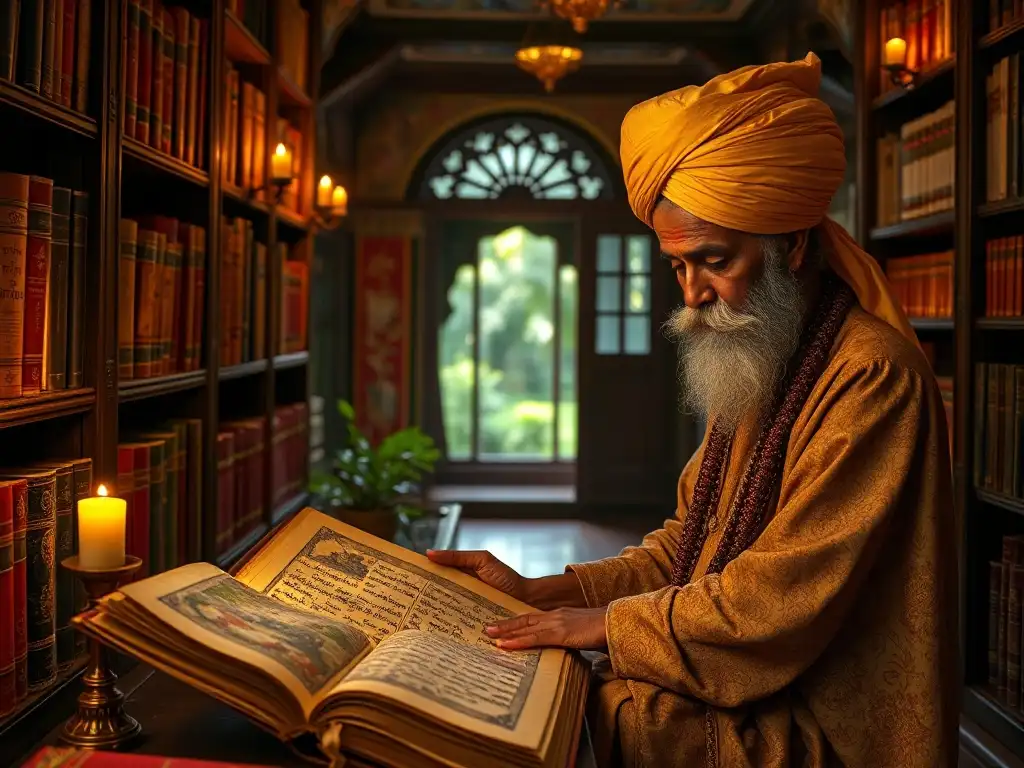
The manuscript tradition is pivotal in ensuring the survival of lesser-known Puranas and other ancient Indian texts. Manuscripts were often meticulously copied by scribes, maintaining the integrity of the original compositions. This painstaking process also allowed for variations to emerge, leading to different versions of the same text, which can provide insights into regional beliefs and practices. Each manuscript serves as a unique artifact, reflecting the socio-cultural context in which it was created.
Manuscript collections, such as those found in temples, monasteries, and libraries, have been invaluable in preserving these texts. Notable repositories include the Saraswati Mahal Library in Thanjavur and the Bhandarkar Oriental Research Institute in Pune. The study of these manuscripts not only aids in understanding ancient Indian traditions and philosophies but also highlights the intricate connections between different texts and the cultural milieu of their time. Scholars continue to engage with these manuscripts, translating and digitizing them to ensure broader access and appreciation.
Challenges in Preserving Lesser-Known Puranas
Despite the efforts to preserve ancient Indian texts, lesser-known Puranas face significant challenges. One of the primary issues is the lack of awareness and scholarly attention compared to more prominent texts like the Mahabharata or Ramayana. This has led to fewer resources being dedicated to their preservation and study. Additionally, many of these texts exist in fragmented forms or as incomplete manuscripts, making it difficult for scholars to reconstruct their original narratives.
Environmental factors pose another challenge. Manuscripts are often susceptible to damage from humidity, pests, and improper storage conditions. The degradation of materials over time can lead to the loss of invaluable information. Furthermore, the transition to digital formats requires careful handling to ensure that the nuances of ancient scripts and languages are accurately represented, which can be a daunting task for researchers.
The Impact of Forgotten Puranas on Modern Understanding
The forgotten Puranas, though lesser-known, significantly impact our understanding of ancient Indian traditions and culture. They encompass a wide range of topics, including cosmology, mythology, and moral teachings, which enrich our comprehension of the philosophical underpinnings of ancient Indian society. These texts often reflect local customs and beliefs, offering insights into regional diversity that mainstream texts may overlook.
Moreover, the revival of interest in these texts has sparked discussions on their relevance to contemporary issues. By examining the values and narratives contained within the forgotten Puranas, modern readers can draw parallels to current societal challenges, including environmental conservation, ethics, and communal harmony. Thus, these texts serve as a bridge connecting past wisdom with present dilemmas.
Reviving Interest in Ancient Indian Traditions
There has been a renewed interest in lesser-known Puranas, driven by scholars, cultural activists, and enthusiasts who recognize their significance. Workshops, seminars, and literary festivals increasingly feature discussions on these texts, fostering a deeper appreciation among the public. Initiatives aimed at translating and publishing these texts have made them more accessible, allowing a wider audience to explore their rich narratives and teachings.
Educational institutions are also beginning to incorporate these texts into their curricula, highlighting their importance within the broader context of ancient Indian literature. This revival not only honors the traditions of the past but also encourages a more inclusive understanding of India's cultural heritage.
Contributions to Contemporary Indian Literature and Culture
The impact of forgotten Puranas extends into contemporary Indian literature and culture, influencing writers, artists, and filmmakers. Many modern authors draw inspiration from the themes and characters found within these texts, weaving them into new narratives that resonate with today's audiences. This intertextuality enriches contemporary storytelling, creating a dialogue between past and present.
Furthermore, the philosophical and moral lessons embedded in these ancient texts find expression in modern cultural practices, including dance, theater, and visual arts. Artists often reinterpret stories from lesser-known Puranas, making them relevant to contemporary social issues and audience sensibilities. As a result, these ancient narratives continue to inspire creativity and reflection, ensuring that the wisdom of ancient Indian traditions remains alive and impactful in the modern world.
Conclusion: The Importance of Rediscovering Ancient Indian Texts
The forgotten Puranas represent a treasure trove of knowledge and cultural heritage that is often overlooked in the broader discussion of ancient Indian texts and traditions. These texts, which encompass a wide range of subjects from cosmology to mythology, provide invaluable insights into the spiritual, social, and philosophical fabric of ancient India. By rediscovering these lesser-known works, we not only enrich our understanding of Indian history but also appreciate the diverse narratives that shape the Indian cultural landscape.
The significance of these texts lies in their ability to connect contemporary society with its historical roots. They serve as a bridge, linking modern readers with the ideas, beliefs, and practices of ancient civilizations. This connection fosters a deeper appreciation for the continuity of tradition and the evolution of cultural identity over centuries. Additionally, the Puranas often contain moral lessons and philosophical reflections that remain relevant today, emphasizing the timeless nature of their teachings.
Encouraging Further Exploration of Puranas and Itihasas
To foster a greater appreciation for the Puranas and Itihasas, it is essential to encourage more extensive exploration and study of these texts. Scholars, students, and enthusiasts alike should delve into the nuances of these narratives, examining their historical context, literary structure, and philosophical underpinnings. Academic institutions and cultural organizations can play a pivotal role by offering courses, workshops, and seminars focused on these ancient texts.
Furthermore, the integration of modern technology can facilitate wider access to these texts. Digital libraries, online platforms, and translation projects can help disseminate knowledge about the Puranas to a global audience. By making these texts more accessible, we can inspire a new generation of readers to engage with ancient Indian literature, fostering a revival of interest in these rich narratives.
Final Thoughts on the Richness of Ancient Indian Literature
The richness of ancient Indian literature extends far beyond the well-known epics like the Mahabharata and Ramayana. The Puranas, with their unique blend of myth, history, and devotion, offer a glimpse into the complexities of ancient Indian thought and culture. They reflect not only the spiritual beliefs of the time but also the social dynamics, scientific knowledge, and artistic expressions of various epochs.
As we reflect on the depth and diversity of these texts, it becomes evident that they are integral to understanding the broader tapestry of Indian civilization. The Puranas challenge us to look beyond the conventional narratives and appreciate the multifaceted layers of history that have shaped not only India but also the world. In doing so, we honor the legacy of our ancestors and ensure that their voices continue to resonate through the ages.
- Introduction to Ancient Indian Texts and Traditions
- The Role of Puranas in Ancient Indian Culture
- Key Characteristics of Lesser-Known Puranas
- Notable Lesser-Known Puranas
- Preservation and Transmission of Ancient Indian Texts
- Manuscript Tradition and Its Importance
- Challenges in Preserving Lesser-Known Puranas
- The Impact of Forgotten Puranas on Modern Understanding
- Reviving Interest in Ancient Indian Traditions
- Contributions to Contemporary Indian Literature and Culture
- Conclusion: The Importance of Rediscovering Ancient Indian Texts
- What are the Puranas in the context of ancient Indian texts?
- How do the Puranas contribute to our understanding of ancient Indian culture?
- Why are some Puranas considered lesser-known?
- What role did oral tradition play in the transmission of Puranic texts?
- How can the study of Puranas impact modern interpretations of ancient Indian texts and traditions?
Frequently Asked Questions
What are the Puranas in the context of ancient Indian texts?
The Puranas are a genre of ancient Indian texts that encompass myths, legends, and traditions, often detailing the history and philosophy of ancient Indian civilizations.
How do the Puranas contribute to our understanding of ancient Indian culture?
The Puranas provide invaluable insights into social norms, religious practices, and cultural values, reflecting the diverse traditions and belief systems of ancient Indian societies.
Why are some Puranas considered lesser-known?
Many lesser-known Puranas have not received as much scholarly attention or public recognition, but they contain unique narratives and perspectives that enrich our understanding of ancient Indian history.
What role did oral tradition play in the transmission of Puranic texts?
Oral tradition was crucial for the preservation and dissemination of Puranic stories, allowing for the continuation of these texts through generations before they were eventually written down.
How can the study of Puranas impact modern interpretations of ancient Indian texts and traditions?
Studying the Puranas can help modern scholars and enthusiasts gain a deeper appreciation for the complexity of ancient Indian texts and traditions, revealing their relevance to contemporary cultural identities.
Final Reflection: Rediscovering the Wisdom of Ancient Indian Texts
In a world increasingly dominated by rapid technological advancements and fleeting trends, the significance of ancient Indian texts and traditions remains profoundly relevant. These texts, particularly the lesser-known Puranas, offer a rich tapestry of cultural heritage, spiritual wisdom, and moral guidance that can illuminate our paths today. As we navigate the complexities of modern life, it is essential to recognize that the insights contained within these ancient narratives can provide us with a deeper understanding of ourselves and the world around us.
The influence of the Puranas extends far beyond their historical context; they continue to shape our cultural and social landscapes in myriad ways. By engaging with these texts, we not only honor our past but also enrich our present. The stories, teachings, and philosophies embedded within them resonate with contemporary issues, encouraging us to reflect on our values and beliefs.
As Mahatma Gandhi once said, "> The best way to find yourself is to lose yourself in the service of others." This sentiment echoes the core messages found in the Puranas, urging us to cultivate compassion, humility, and a sense of duty towards our communities.
As we conclude this exploration of the forgotten Puranas, I invite you to embark on your own journey of discovery. Take a moment to reflect on how these ancient teachings can inspire your daily life—whether through acts of kindness, a commitment to learning, or a deeper appreciation for the interconnectedness of all beings. Let the wisdom of these texts guide you as you forge your path forward, reminding you that the lessons of the past can illuminate the way to a more meaningful future.
Unveil the Secrets of the Forgotten Puranas!
Thank you for diving into the fascinating world of the lesser-known Puranas with us! By exploring these ancient texts, you’ve uncovered a rich tapestry of history, mythology, and culture that has shaped India's heritage. Now, it’s time to take your newfound knowledge further!
Here are a few impactful steps you can take right now:
- Start your own exploration: Choose one of the lesser-known Puranas and dedicate some time this week to read and reflect on its narratives and teachings.
- Share your insights: Discuss your favorite discoveries on social media or with friends, and spark conversations about the significance of these texts in today’s world.
- Join a community: Look for book clubs or online forums dedicated to ancient scriptures and engage with fellow enthusiasts to deepen your understanding.
How will you apply the wisdom of the Puranas to your own life journey? We invite you to share your thoughts in the comments below!