
The Legacy of Sangam Literature in Contemporary Tamil Poetry: A Lasting Influence

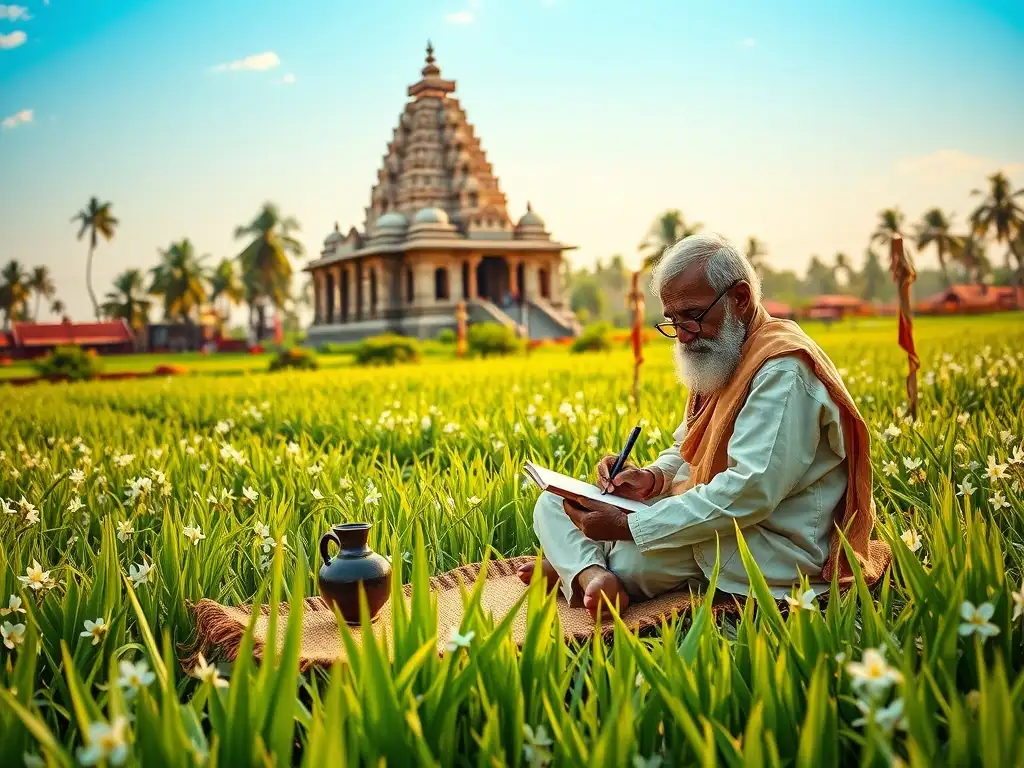
Welcome to Ancient India History, where we embark on a fascinating journey through the rich tapestry of ancient Indian civilizations. From the ingenious urban planning of the Indus Valley to the intellectual brilliance of the Gupta Empire, our exploration reveals the profound cultural contributions that have shaped not only India but the world. In this article, we delve into the lasting influence of Sangam literature on contemporary Tamil poetry, an enchanting topic that unveils the depth of poetic expression and its resonance through time.
Curious about how these ancient verses continue to inspire modern voices? Join us as we unravel the captivating legacy of Sangam literature and its impact on today's literary landscape!
Introduction to Sangam Literature
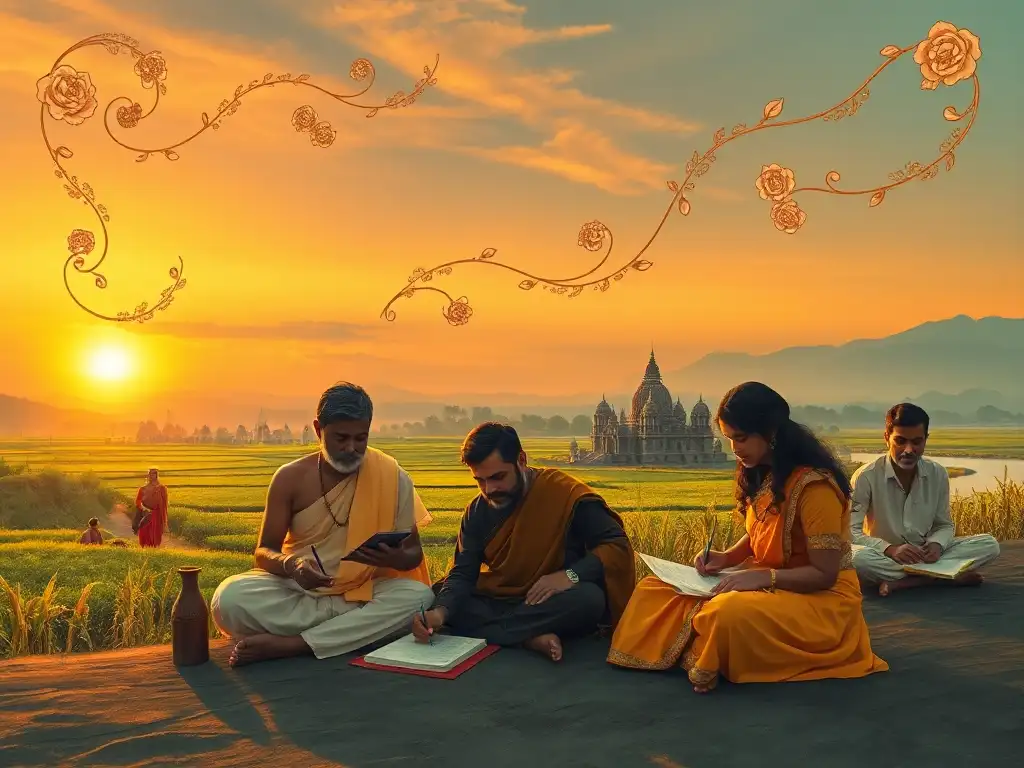
Sangam literature stands as a monumental pillar of ancient Indian literary tradition, specifically within the Tamil cultural sphere. Dating back to the early centuries of the Common Era, this body of work encapsulates the rich tapestry of social, political, and emotional life in ancient Tamil Nadu. Comprising poems that were composed by various poets, often referred to as the Sangam poets, this literature not only provides insights into the lives of the people of that era but also serves as a profound influence on contemporary Tamil poetry.
The legacy of Sangam literature is felt across time, showcasing its enduring relevance and the deep-rooted cultural identity it fosters among Tamil speakers. This article delves into the intricate relationship between Sangam literature and its influence on modern Tamil poetry, exploring how ancient themes, styles, and philosophies continue to shape contemporary voices.
Definition of Sangam Literature
Sangam literature is defined as a collection of Tamil poetry that was produced during the Sangam period, approximately from 300 BCE to 300 CE. This literature is characterized by its diverse themes, ranging from love and valor to ethics and the natural world. The term "Sangam" itself refers to the assembly of poets and scholars who contributed to this literary corpus, which is composed of over 2,300 poems. These poems are categorized into two major sections: Aham (inner life) and Puram (outer life), reflecting the intimate and societal aspects of human experience.
Historical Context of Sangam Literature
The historical backdrop of Sangam literature is one of dynamic change and cultural exchange in ancient Tamil Nadu. The period saw the rise of significant kingdoms such as the Cholas, Pandyas, and Cheras, each contributing to the flourishing of arts and literature. This era was marked by a vibrant trade network, which facilitated interactions with other cultures, thus enriching Tamil literary practices.
Furthermore, the patronage of kings and chieftains played a pivotal role in nurturing literary talents, allowing poets to explore various themes and styles. The historical context of Sangam literature reveals a society deeply engaged in artistic expression, with poetry serving as a vital means of communication and cultural preservation.
Key Themes in Sangam Literature
Sangam literature is renowned for its exploration of universal themes that resonate even today. Some of the key themes include:
- Love (Aham): The emotional nuances of love and relationships are depicted with great sensitivity, encompassing romantic love, longing, and separation.
- Heroism (Puram): Celebrating valor and bravery, these poems often recount the exploits of warriors and their enduring legacies.
- Nature: The intricate relationship between humans and their environment is a recurring motif, showcasing the beauty of the Tamil landscape and its impact on life.
- Ethics and Morality: Many poems reflect on societal values, virtues, and the moral dilemmas faced by individuals, providing a framework for ethical living.
These themes not only highlight the richness of Tamil culture but also serve as foundational elements that continue to influence contemporary Tamil poetry.
The Influence of Sangam Literature on Tamil Poetry
The influence of Sangam literature on Tamil poetry is profound and multifaceted, shaping various aspects of poetic expression and thematic exploration in modern times. Understanding this impact requires a closer examination of the evolution of Tamil poetry and the specific elements derived from Sangam literature.
Overview of Tamil Poetry Evolution
Tamil poetry has evolved significantly from the Sangam period to the present day. The transition from ancient to modern poetry reflects changes in language, style, and thematic focus. While contemporary poets often draw from personal experiences and modern societal issues, the foundational aspects of Sangam literature remain pivotal. The continuity of poetic forms, such as the Venba and Aasai, showcases how traditional structures have been adapted to express contemporary sentiments.
Key Elements of Sangam Literature in Contemporary Tamil Poetry
Contemporary Tamil poetry displays several key elements derived from Sangam literature, which include:
- Imagery and Symbolism: The vivid imagery and symbolic representations that characterize Sangam poetry continue to inspire modern poets, who use similar techniques to evoke emotions and create connections with their audience.
- Themes of Love and Nature: The exploration of love and the natural world remains central to contemporary Tamil poetry, allowing poets to reflect on personal experiences while resonating with the timeless themes of Sangam literature.
- Cultural Identity: Many modern Tamil poets draw upon the cultural heritage represented in Sangam literature to assert their identity and express their thoughts on contemporary issues, maintaining a dialogue with their past.
The lasting influence of Sangam literature on contemporary Tamil poetry is a testament to its rich legacy. By intertwining ancient themes with modern expressions, Tamil poets continue to honor and evolve the traditions laid down by their predecessors, ensuring that the spirit of Sangam literature endures through the ages.
Notable Contemporary Tamil Poets Influenced by Sangam Literature
Contemporary Tamil poetry has been significantly shaped by the enduring legacy of Sangam literature, which dates back to the early centuries of the Common Era. Several prominent poets have drawn inspiration from the themes, styles, and philosophical underpinnings of Sangam texts, effectively bridging the ancient and modern in their works. This section highlights notable contemporary Tamil poets who have embraced the influence of Sangam literature, demonstrating its relevance in today's poetic expressions.
Vairamuthu: A Modern Voice of Sangam
Vairamuthu stands as one of the most celebrated contemporary Tamil poets, whose works reflect a profound engagement with Sangam literature. His poetry often echoes the rich emotional landscapes found in ancient texts, particularly in themes of love and longing. Vairamuthu's use of vivid imagery and metaphor can be traced back to the Sangam tradition, where nature and human emotions intertwine seamlessly.
In his acclaimed works, Vairamuthu employs classical forms and structures reminiscent of Sangam poetry, while simultaneously addressing modern sensibilities. His ability to evoke deep feelings through simple yet powerful language has earned him a devoted readership. For instance, his celebrated poem "Muthal Murai" encapsulates the essence of love in a manner that resonates with the emotional depth of Sangam poets like Kabilar and Avvaiyar.
Kavingar Vaali: Reinterpreting Sangam Ideals
Kavingar Vaali, another luminary in contemporary Tamil poetry, is known for his innovative reinterpretations of themes found in Sangam literature. His lyrics often reflect the philosophical queries and societal observations characteristic of the Sangam poets. Vaali uses his platform to explore contemporary issues while drawing parallels to the timeless ideals found in ancient texts.
His poetry delves into the complexities of love, societal norms, and personal identity, mirroring the nuanced portrayals in Sangam literature. In songs like "Ninaithale Inikkum," Vaali captures a sense of nostalgia and longing that resonates with the emotional depth of Sangam love poetry. Through his works, he pays homage to the past while inviting readers to reflect on the present, embodying the legacy of Sangam literature in modern contexts.
K. S. Narasimhaswamy: Melding Tradition with Modernity
K. S. Narasimhaswamy is celebrated for his ability to blend traditional Tamil poetic forms with modern themes and issues. His works reflect a deep reverence for Sangam literature, often invoking its stylistic elements and thematic concerns. Narasimhaswamy’s poetry is characterized by its lyrical quality and philosophical depth, making it a rich tapestry of both ancient and contemporary influences.
He frequently addresses themes of love, nature, and societal dilemmas, much like the poets of the Sangam era. However, he adds layers of contemporary relevance that resonate with current societal challenges. His poem "Akkarai Pookkal" exemplifies this fusion, as it reflects on the beauty of nature while simultaneously commenting on modern life. Through such works, Narasimhaswamy cements the influence of Sangam literature in shaping contemporary Tamil poetic discourse.
Thematic Parallels Between Sangam Literature and Contemporary Works
The thematic parallels between Sangam literature and contemporary Tamil poetry reveal the timelessness of certain human experiences. While the contexts may differ, many themes explored in Sangam texts continue to resonate in modern poetry. This section examines the enduring themes of love, nature, and social issues that link the two eras of Tamil poetic expression.
Love and Relationships in Sangam and Modern Poetry
Love has always been a central theme in Tamil poetry, and this is particularly evident in both Sangam literature and contemporary works. The Sangam poets portrayed various dimensions of love, from romantic to platonic, often highlighting the emotional turmoil that accompanies such relationships. This exploration of love is mirrored in contemporary poetry, where modern poets reflect on the complexities of love in today's world.
Contemporary poets often draw inspiration from the emotional intensity of Sangam love poems, utilizing similar motifs and imagery to express their sentiments. The poignant expressions of love, longing, and heartache found in Sangam texts continue to resonate, offering a rich source of inspiration for modern poets who seek to articulate the intricacies of human relationships in contemporary times.
Nature and Landscape: A Continuous Inspiration
Nature and landscape play a pivotal role in both Sangam literature and contemporary Tamil poetry. The Sangam poets frequently celebrated the beauty of the Tamil landscape, using vivid descriptions of flora and fauna to evoke emotions and set the tone of their poems. This deep connection with nature remains a significant theme in modern poetry, where poets often utilize natural imagery to express their feelings and observations.
Contemporary Tamil poets continue to draw from the Sangam tradition by depicting the beauty and intricacies of the natural world. This thematic continuity reflects an enduring appreciation for the environment, as modern poets articulate their relationship with nature through innovative expressions, thus keeping the spirit of Sangam literature alive.
Social Issues Reflected in Both Eras
Both Sangam literature and contemporary Tamil poetry address social issues, albeit in different contexts. The Sangam poets often tackled themes such as social justice, class differences, and the roles of women in society. Similarly, modern poets engage with pressing social issues, reflecting on challenges such as inequality, identity, and cultural changes in contemporary Tamil society.
The exploration of social themes in poetry serves as a mirror to the evolving societal landscape, allowing readers to draw connections between past and present. By addressing these themes, both Sangam poets and contemporary writers contribute to a greater understanding of the human condition and the social fabric of their respective eras, showcasing the lasting influence of Sangam literature on modern Tamil poetry.
The Role of Sangam Literature in Shaping Tamil Identity
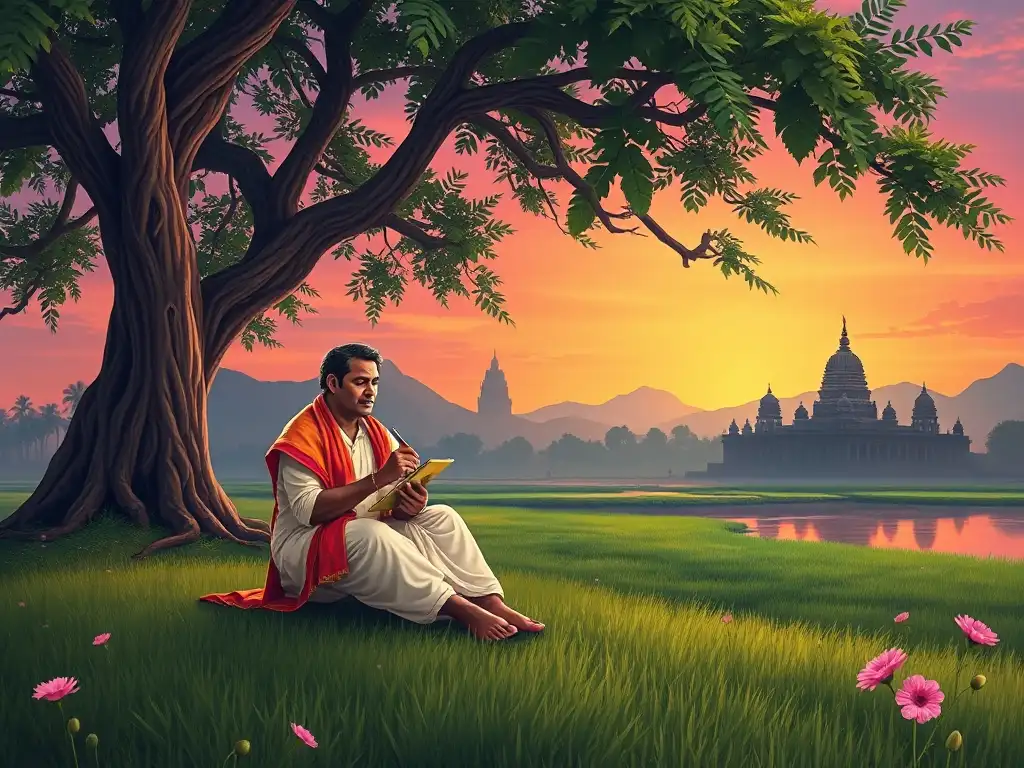
Sangam literature, composed between 300 BCE and 300 CE, serves as a cornerstone of Tamil identity, encapsulating the cultural, social, and literary ethos of ancient Tamil society. This body of work reflects the values, beliefs, and experiences of the Tamil people, establishing a strong sense of belonging and pride. The themes of love, valor, and nature interwoven in Sangam poetry resonate deeply with contemporary Tamil sentiments, contributing to a collective identity that continues to thrive today.
The influence of Sangam literature extends beyond mere themes; it also shapes the linguistic and artistic expressions in Tamil culture. The rich imagery and emotional depth found in the poems inspire modern Tamil poets, who strive to evoke similar sentiments through their work. This literary heritage fosters a connection to the past, ensuring that the cultural narratives of the Tamil people remain alive and relevant in contemporary discussions about identity and belonging.
Moreover, Sangam literature has been instrumental in preserving regional dialects and idioms, which have become integral to Tamil identity. By embracing and celebrating these linguistic features, contemporary Tamil poetry not only pays homage to its roots but also reinforces the importance of cultural diversity within the broader Indian context.
Cultural Significance of Sangam Poetry
The cultural significance of Sangam poetry is profound, as it encapsulates the social dynamics, traditions, and values of ancient Tamil society. It provides insight into the lives of the people, showcasing their relationships, struggles, and aspirations. Themes such as love (ākam), valor (puram), and the beauty of nature permeate the verses, offering a comprehensive view of how the Tamils understood and interacted with their world.
Sangam poetry also reflects the pluralistic nature of Tamil culture, where various influences coalesce to create a unique literary tradition. The poems often celebrate the diversity of human experiences, addressing not only personal feelings but also communal concerns. This holistic approach to storytelling fosters a sense of unity among Tamils, as they recognize shared values and experiences that transcend time.
Furthermore, the cultural practices depicted in Sangam literature, from festivals to agricultural rituals, continue to be celebrated in contemporary Tamil society. The resonances of these ancient poems can be seen in various forms of art, music, and dance, highlighting the enduring relevance of Sangam literature in shaping cultural expressions in modern Tamil life.
Preservation of Language and Heritage Through Poetry
Sangam literature plays a crucial role in preserving the Tamil language and heritage. The works of ancient poets have contributed significantly to the development of Tamil as a classical language, rich in vocabulary and literary forms. This preservation is evident in the continued use of many words, idioms, and poetic devices that originated in Sangam poetry, which are still prevalent in contemporary Tamil writing.
The structured forms of poetry found in Sangam literature, such as the akkam and puram genres, provide a framework for modern poets to explore and express their ideas. By adhering to these forms, contemporary Tamil poets not only honor their literary ancestors but also contribute to the evolution of the language, ensuring its vitality for future generations.
Additionally, educational institutions and cultural organizations frequently reference Sangam literature in their curricula and programs, further solidifying its place in Tamil heritage. This ongoing engagement with Sangam texts ensures that the knowledge and wisdom embedded in these works continue to inspire and inform future literary endeavors.
Conclusion: The Enduring Impact of Sangam Literature on Tamil Poetry
The legacy of Sangam literature is deeply woven into the fabric of Tamil poetry, influencing both its themes and stylistic elements. Contemporary Tamil poets draw inspiration from the emotional depth, vivid imagery, and thematic richness of Sangam works, creating a bridge between the past and the present. This connection not only enriches modern poetry but also reaffirms the cultural significance of the Sangam era in shaping Tamil identity.
Summary of Key Influences
Sangam literature has left several key influences on contemporary Tamil poetry:
- Themes: Love, valor, and nature continue to be central themes in modern poetry.
- Language: The preservation of Tamil linguistic features and idioms.
- Cultural Practices: Reflection of traditional customs and festivals in poetic expressions.
- Artistic Expression: Influence on various art forms, including music and dance.
These influences collectively ensure that the essence of Sangam literature remains alive, informing the creative expressions of today's Tamil poets.
Future of Tamil Poetry and Sangam Legacy
As Tamil poetry evolves, the legacy of Sangam literature will undoubtedly continue to play a pivotal role. The exploration of new themes and forms, while staying rooted in traditional frameworks, allows contemporary poets to innovate while honoring their literary heritage.
In the future, we can expect a fusion of ancient and modern influences, as poets incorporate contemporary issues into their work while drawing inspiration from the timeless themes found in Sangam literature. This dynamic interplay will not only keep the spirit of Sangam poetry alive but also enrich the broader landscape of Tamil literature, ensuring its relevance in an ever-changing world.
The influence of Sangam literature on Tamil poetry is profound and enduring, shaping the identity and cultural expressions of the Tamil people for generations to come.
References
The exploration of Sangam literature and its influence on contemporary Tamil poetry is supported by a range of academic texts, anthologies, and research studies. These references provide insights into the thematic continuities, stylistic elements, and cultural resonance of Sangam poetry in modern works. Below are some key resources that delve into this rich literary tradition.
Key Texts on Sangam Literature
-
"Sangam Literature: A Historical Overview" by A. K. Ramanujan
This seminal work examines the historical context of Sangam literature, discussing its themes, forms, and societal implications. Ramanujan’s analysis sheds light on how these ancient texts continue to resonate with contemporary poets.
-
"The Tamil Literary Tradition" by S. R. Ananthanarayanan
Ananthanarayanan provides a comprehensive study of Tamil literature, with a significant focus on Sangam poetry. His work highlights the linguistic richness and thematic diversity that have shaped Tamil literary expression over centuries.
-
"Anthology of Sangam Literature" compiled by R. Parthasarathy
This anthology features a selection of key poems, offering translations and commentary that help bridge the gap between ancient and modern Tamil poetry. It serves as an essential resource for understanding the stylistic nuances of Sangam works.
Contemporary Tamil Poetry Anthologies
-
"The New Tamil Poets" edited by K. S. S. Kandasamy
This anthology showcases the voices of contemporary Tamil poets who are influenced by the Sangam tradition. The collection illustrates how modern themes and concerns are intertwined with the ancient poetic forms and structures.
-
"Voices from the Tamil Diaspora" edited by A. M. Muthusamy
This anthology features Tamil poets from the diaspora, reflecting on their cultural heritage through the lens of Sangam literature. The poems often echo the emotional depth and lyrical beauty characteristic of ancient Tamil poetry.
-
"Echoes of the Past: Modern Tamil Poetry" by Lakshmi Narasimhan
Narasimhan’s collection emphasizes the thematic and stylistic echoes of Sangam literature in contemporary works. The anthology serves as a testament to the enduring legacy of the Sangam poets in the modern literary landscape.
Academic Research on Tamil Literary Influence
-
"Continuity and Change in Tamil Literature" by P. S. Mani
This research paper explores the influence of Sangam literature on subsequent Tamil literary movements, analyzing the ways in which ancient themes have been adapted and transformed in modern poetry.
-
"The Aesthetics of Sangam Poetry: A Modern Perspective" by R. V. Rajan
Rajan’s scholarly article examines the aesthetic principles of Sangam poetry and their relevance to contemporary poetic practices. His analysis highlights how modern poets draw inspiration from the emotional and philosophical depths of Sangam texts.
-
"Cultural Memory and Tamil Poetry: The Sangam Influence" by M. G. Venkatesh
This study investigates the role of cultural memory in shaping Tamil poetry, focusing on how the Sangam tradition informs the identities and expressions of contemporary poets. Venkatesh’s work underscores the lasting impact of ancient literature on modern creative endeavors.
- Introduction to Sangam Literature
- The Influence of Sangam Literature on Tamil Poetry
- Notable Contemporary Tamil Poets Influenced by Sangam Literature
- Thematic Parallels Between Sangam Literature and Contemporary Works
- The Role of Sangam Literature in Shaping Tamil Identity
- Conclusion: The Enduring Impact of Sangam Literature on Tamil Poetry
- References
Frequently Asked Questions
What is Sangam literature?
Sangam literature refers to a collection of ancient Tamil texts composed between 300 BCE and 300 CE, showcasing the rich cultural and literary heritage of the Tamil-speaking people.
How has Sangam literature influenced contemporary Tamil poetry?
Sangam literature's themes, poetic forms, and stylistic elements have greatly influenced modern Tamil poets, shaping their expressions and cultural identity.
What are the main themes found in Sangam literature?
Sangam literature encompasses a range of themes including love, valor, and nature, reflecting the complexities of human emotions and the social environment of ancient Tamil society.
Are there specific poets who draw inspiration from Sangam literature?
Yes, many contemporary Tamil poets, such as Kannadasan and Vairamuthu, often reference or draw inspiration from Sangam texts, continuing the tradition of Tamil poetry.
How does the study of Sangam literature benefit modern readers?
Studying Sangam literature offers insights into Tamil culture, history, and linguistic evolution, enriching our understanding of the continuity and transformation within Tamil poetry.
Final Reflection: The Enduring Echo of Sangam Literature in Tamil Poetry
The legacy of Sangam literature continues to resonate profoundly in contemporary Tamil poetry, illustrating how ancient texts can shape modern expressions of identity and emotion. In a world where cultural heritage often risks fading into obscurity, the vibrant threads of Sangam poetry weave a rich tapestry that informs and inspires today's poets. This enduring influence not only highlights the timelessness of its themes but also underscores the importance of preserving our literary roots in an ever-evolving society.
The impact of Sangam literature on contemporary Tamil poetry is not merely historical; it is a living, breathing force that shapes the cultural and social landscape of Tamil Nadu and beyond. Through the lens of Sangam, poets today explore themes of love, nature, and human experience, echoing the sentiments of their ancient predecessors. As poet K. Satchidanandan aptly stated, The past is not a dead weight; it is a source of inspiration and creativity.
This ongoing dialogue between past and present enriches our understanding of identity and cultural continuity, reminding us that literature serves as a bridge connecting generations.
As we reflect on the profound influence of Sangam literature, I invite you to consider how these timeless themes resonate in your own life. What stories do you carry within you that echo the sentiments of love, longing, and nature found in Sangam poetry?
Take a moment to explore your personal connection to this rich literary tradition and allow it to inspire your own expressions, whether through writing, art, or simply in your daily interactions. Embrace the legacy of Sangam literature as a guiding light, encouraging you to honor the past while forging your unique path in the world of contemporary Tamil poetry.
Unleash the Power of Sangam: Embrace Tamil Poetry Today!
Thank you for diving into the rich legacy of Sangam literature and discovering its profound influence on contemporary Tamil poetry! Your appreciation for this literary heritage empowers you to explore and celebrate its timeless beauty. Now, let's take inspired action together!
- Immerse yourself in Tamil poetry: Choose a poem from Sangam literature or a modern Tamil poet and read it aloud. Feel the rhythm and emotion come alive!
- Join a local or online poetry group: Share your thoughts on Tamil poetry, discuss its significance, and connect with fellow enthusiasts who cherish this cultural treasure.
- Create your own poem! Write a short piece inspired by themes from Sangam literature, such as love, nature, or valor. Don’t hesitate to share it on social media or poetry forums.
As you embark on this poetic journey, consider what aspects of Sangam literature resonate with you the most and how they can inspire your own creative expression.