
The Spiritual Dimensions of Sangam Literature: Poetry as a Path to Enlightenment


Welcome to Ancient India History, where we embark on a journey through the rich tapestry of ancient Indian civilizations. In this exploration, we delve into the profound themes that shaped the spiritual and cultural landscape of the time. Our featured article, “The Spiritual Dimensions of Sangam Literature: Poetry as a Path to Enlightenment,” invites you to discover the spiritual significance embedded in Sangam literature.
What wisdom does this ancient poetry hold, and how can it illuminate our understanding of enlightenment? Join us as we unravel these mysteries and uncover the vibrant legacies of the past that continue to resonate today.
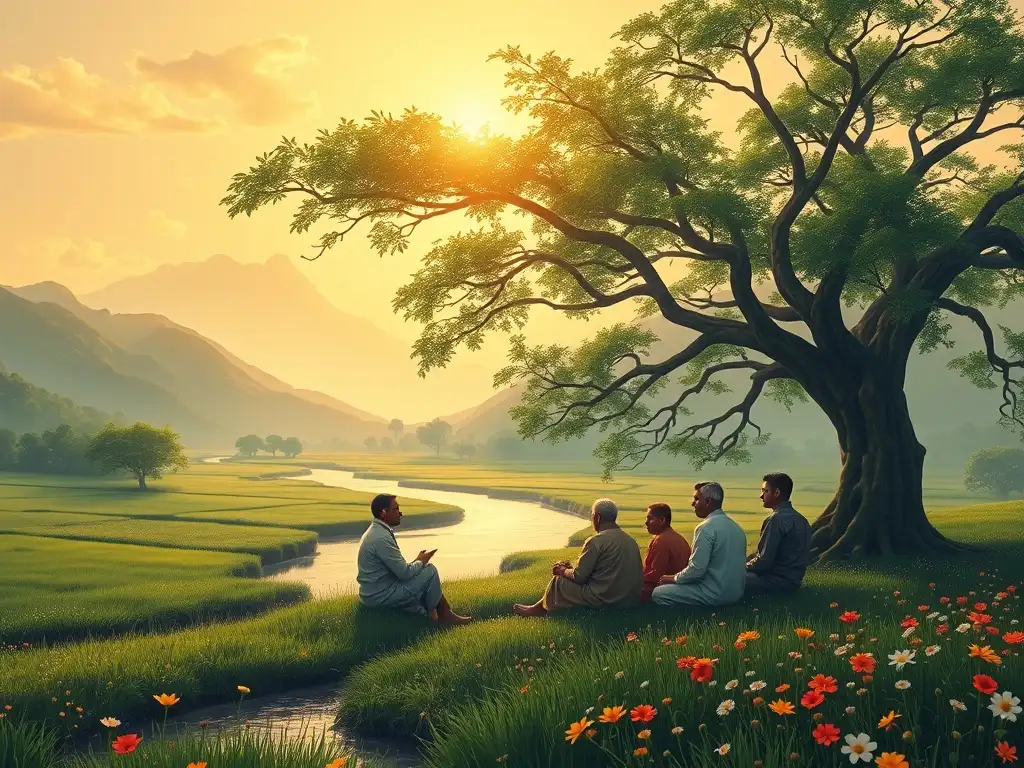
Introduction to Sangam Literature
Sangam literature, a remarkable and foundational aspect of ancient Indian cultural heritage, flourished in the Tamil-speaking regions of South India between approximately 300 BCE and 300 CE. This body of work encompasses a vast collection of poems that explores a variety of themes, including love, valor, and the natural world.
However, one of the most profound aspects of Sangam literature is its spiritual significance, which serves as a testament to the philosophical and metaphysical contemplations of the time. By delving into this rich literary tradition, we uncover how poetry not only reflects the societal values and norms of ancient India but also serves as a pathway to enlightenment and self-realization.
In this article, we will explore the spiritual dimensions of Sangam literature, specifically focusing on its poetic expressions that strive to convey deeper truths and insights. Through an examination of key themes and concepts, we will reveal how these works resonate with the broader spiritual landscape of ancient Indian thought, offering valuable lessons that continue to inspire seekers of wisdom today.
Overview of Sangam Literature and Its Historical Context
Sangam literature is characterized by its origin in the Sangam period, a time noted for its vibrant literary and cultural activities. The term "Sangam" itself refers to an assembly of poets who contributed to this literary movement, gathering in the ancient Tamil capital of Madurai. The texts produced during this era are categorized into three main types: Ettuthokai (Eight Anthologies), Pattupattu (Ten Idylls), and Kural (Tirukkural), each rich with poetic forms and styles.
This literature not only serves as a historical record of the socio-political landscape but also provides insights into the spiritual ethos of the time. The poems are infused with references to deities, nature, and the human experience, reflecting the deep intertwining of spirituality and daily life in ancient Tamil society.
Importance of Spirituality in Ancient Indian Poetry
The exploration of spirituality in literature is a defining characteristic of ancient Indian poetry. In the context of Sangam literature, spiritual themes often manifest through metaphors and imagery that invite readers to reflect on their inner selves and the nature of existence. Poets drew inspiration from their surroundings, using the beauty of nature as a backdrop for deeper philosophical inquiries.
The spiritual essence of these works lies not only in their content but also in their ability to evoke an emotional response, guiding readers on a journey toward self-discovery and enlightenment. This connection between poetry and spirituality highlights the role of literature as a medium for exploring complex human emotions and spiritual truths.
The Spiritual Significance of Sangam Literature
The spiritual significance of Sangam literature can be understood through its exploration of enlightenment, the human condition, and the relationship between the individual and the divine. The poems often serve as a reflection of the poets' personal quests for meaning, illustrating how literary expression can facilitate a deeper understanding of life and spirituality.
Understanding the Concept of Spiritual Enlightenment in Sangam Poetry
In Sangam poetry, spiritual enlightenment is often portrayed as a journey rather than a destination. Poets articulate the struggle between worldly desires and the pursuit of higher truths, emphasizing the importance of introspection and self-awareness. This duality is captured in the contrasting themes of akam (inner life) and puram (outer life), where the balance between personal fulfillment and societal obligations is explored.
The quest for enlightenment in this context is not merely individualistic; it is often connected to communal values and the collective spiritual journey of society. This interconnectedness suggests that personal growth and enlightenment are enhanced through relationships with others and a deep engagement with the world around us.
Key Themes of Spirituality in Sangam Literature
The key themes of spirituality in Sangam literature include:
- Nature and Divinity: Many poems draw parallels between the natural world and spiritual concepts, depicting nature as a manifestation of the divine.
- Love and Devotion: The exploration of love, whether romantic or spiritual, serves as a metaphor for the soul's longing for union with the divine.
- Moral and Ethical Reflections: The literature often addresses ethical dilemmas, encouraging readers to reflect on their actions and their spiritual implications.
- Transience of Life: Acknowledgment of life's impermanence leads to a deeper appreciation of the present moment and the pursuit of lasting wisdom.
Through these themes, Sangam literature not only captures the essence of ancient Tamil culture but also offers timeless insights into the human experience, making it a significant spiritual resource for generations to come.
Poetic Devices and Their Spiritual Implications
Sangam literature is renowned for its intricate use of poetic devices that elevate the spiritual significance of its verses. These devices not only enhance the aesthetic quality of the poetry but also serve as conduits for deeper philosophical and spiritual exploration. Through the skilled application of metaphors, imagery, rhythm, and sound, poets create a multi-layered narrative that resonates with the reader's inner self, promoting introspection and enlightenment.
Metaphors and Imagery in Sangam Poetry
Metaphors and vivid imagery are pivotal in Sangam poetry, allowing poets to convey profound spiritual truths through relatable experiences. For instance, the metaphor of the ocean frequently symbolizes the vastness of knowledge and the depth of spiritual realization. Poets employ imagery rooted in everyday life—such as the blooming of flowers or the changing seasons—to express complex spiritual states and emotional landscapes. This connection between the mundane and the sublime encourages readers to perceive the divine within their ordinary surroundings, reinforcing the belief that spirituality is woven into the very fabric of life.
Symbolism of Nature in Spiritual Context
Nature serves as a central theme in Sangam literature, often symbolizing various spiritual concepts. The changing seasons, for instance, are used to represent the cycles of life, death, and rebirth, echoing the philosophical underpinnings of karma and dharma. The lush landscapes depicted in the poems often reflect the inner emotional states of the characters, creating a dialogue between the external world and the internal self. By aligning human experiences with the rhythms of nature, poets illustrate the interconnectedness of all existence, prompting readers to seek harmony with their surroundings as a pathway to spiritual enlightenment.
The Role of Rhythm and Sound in Conveying Spiritual Messages
The rhythmic structure and sound quality of Sangam poetry play a crucial role in its spiritual delivery. The use of alliteration, assonance, and varied meter creates a musicality that enhances the emotional impact of the verses. This auditory experience invites readers to engage with the text on a sensory level, facilitating a meditative state conducive to spiritual reflection.
Furthermore, the rhythmic patterns often reflect the natural cadences of life, embodying the idea that spirituality is not just an abstract concept but an experience rooted in the physical world. This connection between sound and spirituality underscores the belief that poetry can lead one toward enlightenment.
Prominent Poets and Their Spiritual Contributions
The Sangam era boasts numerous poets whose works are imbued with spiritual significance, each contributing unique perspectives and teachings. Their poetry often serves as a mirror reflecting the spiritual zeitgeist of ancient Tamil society, highlighting the quest for truth and understanding.
Thiruvalluvar and His Philosophical Insights
Thiruvalluvar, a seminal figure in Sangam literature, is best known for his philosophical treatise, the Tirukkural. His verses encapsulate profound ethical and spiritual insights, advocating for virtuous living as a pathway to spiritual fulfillment. Thiruvalluvar's teachings emphasize the importance of love, righteousness, and self-control, presenting a holistic approach to spirituality that transcends religious boundaries. His poetic form, characterized by brevity and depth, encourages readers to engage in self-reflection and cultivate inner virtue, ultimately leading to enlightenment.
Auvaiyar’s Wisdom and Spiritual Teachings
Auvaiyar, another illustrious poet of the Sangam period, is celebrated for her wisdom and deep spiritual insights. Her poems often explore themes of devotion, humility, and the nature of the divine. Auvaiyar's works resonate with a sense of personal spirituality, emphasizing the importance of love and surrender to God. Through her poignant verses, she articulates the idea that true spiritual understanding arises from compassion and the recognition of the interconnectedness of all beings. Her teachings invite readers to embark on a journey of self-discovery and divine realization.
Other Notable Poets and Their Spiritual Themes
In addition to Thiruvalluvar and Auvaiyar, other notable poets of the Sangam era contributed to the spiritual tapestry of the literature. Poets like Kapilar and Ilango Adigal explored themes of love, duty, and the quest for truth, often intertwining personal experiences with universal spiritual principles. Their works reflect the diverse philosophical thoughts prevalent during the time, encouraging readers to ponder their own spiritual journeys. This rich array of voices within Sangam literature highlights the enduring quest for enlightenment that characterizes the spiritual legacy of ancient India.
Comparative Analysis: Sangam Literature and Other Spiritual Texts
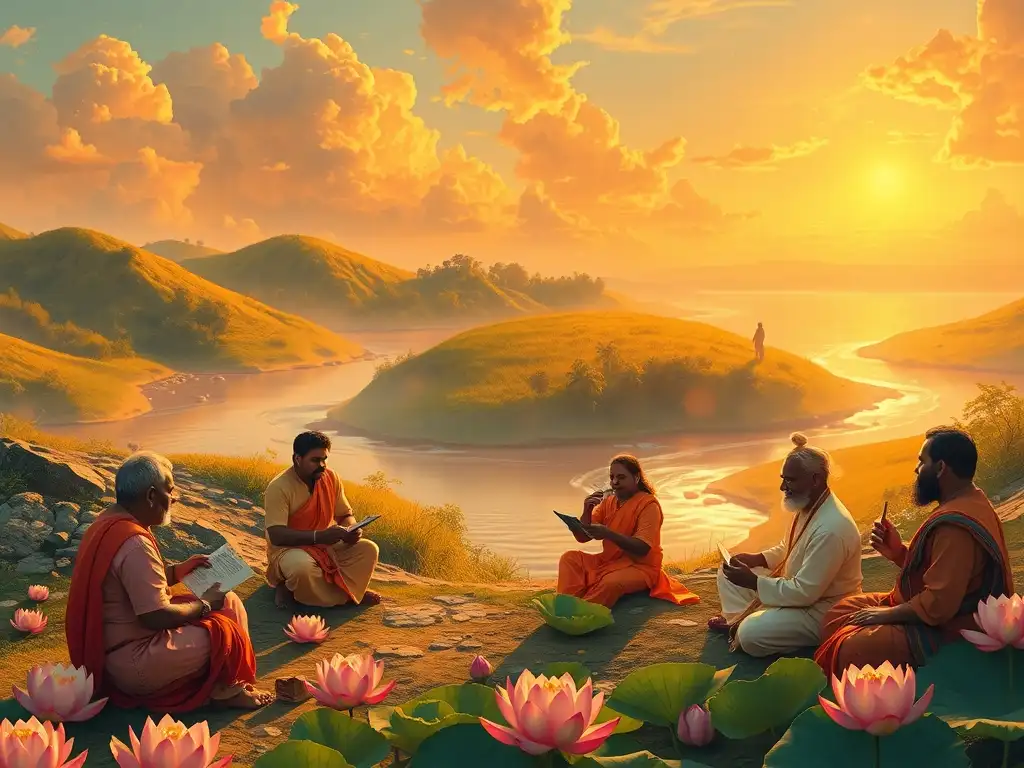
Sangam literature, a collection of ancient Tamil texts, provides profound insights into spiritual dimensions that resonate with various spiritual traditions across India. A comparative analysis with other significant spiritual texts reveals both shared themes and distinctive characteristics that define its unique standing in the spiritual landscape of ancient India.
Similarities with Vedic Literature
Sangam literature shares several thematic and philosophical similarities with Vedic literature, particularly in its exploration of existential questions and the nature of the divine. Both bodies of work emphasize concepts such as dharma (righteousness) and the importance of ethical living.
- Nature and Divinity: Just as Vedic texts celebrate the connection between nature and spirituality, Sangam poetry often draws inspiration from the natural world, using it as a metaphor for divine experiences. The landscape, flora, and fauna are integral elements reflecting the poet's inner journey.
- Sacred Spaces: Both traditions highlight the significance of sacred spaces, whether it be the forests and mountains in Sangam literature or the rituals and sacrificial sites in Vedic texts. These spaces serve as conduits for spiritual experiences and enlightenment.
- Universal Themes: Concepts such as love, loss, and the quest for truth are prevalent in both literatures. The emotional depth found in Sangam poetry mirrors the philosophical inquiries seen in Vedic hymns, creating a bridge between personal experience and universal spirituality.
Differences from Bhakti Poetry
While Sangam literature and Bhakti poetry both engage with devotional themes, they differ significantly in their focus and expression of spirituality.
- Cultural Context: Sangam poetry is deeply rooted in the socio-political landscape of ancient Tamil Nadu, reflecting the lives and emotions of the people. In contrast, Bhakti poetry arose later, emphasizing personal devotion to a singular deity, often in a more universal context.
- Philosophical Approach: Sangam poetry tends to explore spirituality through a lens of nature and human experiences, while Bhakti poetry often centers on a direct relationship with God, characterized by intense emotional devotion (bhakti) and surrender. This shift marks a transition from a more nature-centric spirituality in Sangam literature to a personal and devotional approach in Bhakti.
- Language and Structure: The linguistic style and structural composition of Sangam poems are distinct, employing a rich array of metaphors and similes, often structured around the landscape of Tamil Nadu. Bhakti poetry, however, is generally more straightforward, focusing on lyrical expressions of devotion.
Influence of Sangam Literature on Later Spiritual Traditions
The spiritual significance of Sangam literature has had a lasting impact on various spiritual traditions that followed. Its themes and poetic forms have influenced numerous religious and philosophical movements in India.
- Integration into Bhakti Movement: Elements of Sangam poetry, such as the celebration of love and the connection to nature, can be seen in the works of later Bhakti poets like Meera Bai and Kabir. These poets adopted the emotional intensity and vivid imagery of Sangam texts to express their devotion.
- Philosophical Foundations: Sangam literature's exploration of existential themes laid the groundwork for subsequent philosophical discourses in Tamil Nadu, contributing to the development of schools of thought like Shaivism and Vaishnavism.
- Cultural Preservation: The preservation of Sangam texts has allowed for a continuous dialogue on spirituality in Tamil culture, influencing rituals, festivals, and the arts that continue to be celebrated today.
The Relevance of Sangam Literature in Modern Spiritual Practices
The rich spiritual insights found within Sangam literature remain relevant in contemporary spiritual practices, offering guidance and inspiration for those seeking deeper meaning in their lives.
How Sangam Poetry Inspires Contemporary Spiritual Seekers
Modern spiritual seekers can draw inspiration from the timeless themes of Sangam poetry, which explore the human experience and the quest for meaning.
- Mindfulness and Connection to Nature: The vivid depictions of nature in Sangam poetry encourage individuals to cultivate mindfulness and an appreciation for the natural world, fostering a sense of connection that is often overlooked in contemporary life.
- Emotional Expression: The emotional depth of Sangam poems resonates with seekers striving to articulate their feelings and experiences. This emotional honesty is crucial in modern spiritual practices, where authenticity is often emphasized.
- Community and Belonging: The communal aspects of Sangam literature, reflecting the social dynamics of ancient Tamil society, can inspire modern practitioners to seek community and connection within their spiritual journeys.
The Role of Sangam Literature in Understanding Ancient Indian Spirituality
Sangam literature serves as a crucial lens through which to understand the spiritual landscape of ancient India, revealing complex interactions between culture, nature, and spirituality.
- Historical Context: By studying Sangam texts, scholars and practitioners can gain insights into the socio-political and cultural contexts that shaped ancient spiritual beliefs and practices. This understanding is vital for appreciating the evolution of spirituality in India.
- Philosophical Insights: The philosophical inquiries embedded in Sangam poetry offer valuable perspectives on concepts such as love, duty, and the pursuit of truth, contributing to a broader understanding of Indian spirituality.
- Cultural Heritage: Sangam literature is an integral part of Tamil cultural heritage, showcasing the richness of spiritual expressions and their relevance in contemporary discussions about spirituality and identity.
Through its exploration of these dimensions, Sangam literature continues to illuminate pathways to enlightenment, bridging the ancient with the modern in its spiritual significance.
Conclusion: The Lasting Impact of Sangam Literature on Spiritual Enlightenment
Sangam literature, a treasure trove of Tamil poetry from ancient India, holds profound spiritual significance that transcends time and cultural boundaries. Its verses not only capture the essence of human emotions and relationships but also serve as a pathway to spiritual enlightenment. The intricate interplay of themes such as love, nature, and the divine in these texts provides readers with insights into the human condition and the universe's greater mysteries. The teachings embedded within the poetry encourage reflection, fostering a deeper understanding of oneself and one's place in the cosmos.
The impact of Sangam literature on spiritual enlightenment is evident in its ability to inspire individuals across generations. The poets, known as "Sangam poets," crafted verses that resonate with the core principles of spirituality, such as harmony, compassion, and the pursuit of truth. Their reflections on life and existence can lead to transformative experiences for readers, guiding them towards a more meaningful and enlightened existence. As a result, Sangam literature continues to be a source of inspiration, offering timeless wisdom for those seeking to explore their spiritual journey.
Summary of Spiritual Themes and Their Significance
The spiritual themes present in Sangam literature are diverse and multifaceted. Among these, the concepts of love (both earthly and divine), nature, and the quest for knowledge stand out prominently.
- Love and Devotion: Many poems express deep emotions related to personal relationships, often blurring the lines between human love and divine devotion. This duality underscores the idea that love is a manifestation of the divine, encouraging readers to cultivate love in all aspects of life.
- Nature and the Cosmos: The poets frequently draw inspiration from the natural world, reflecting on its beauty and impermanence. Nature serves as a metaphor for spiritual truths, reminding readers of the interconnectedness of all living things and the importance of living in harmony with the environment.
- Pursuit of Knowledge: The valorization of learning and wisdom in Sangam literature emphasizes the significance of intellectual and spiritual growth. The poets advocate for the pursuit of knowledge as a means to attain enlightenment, urging individuals to seek deeper truths beyond mere surface understanding.
These themes hold significant relevance in contemporary society, as they encourage a holistic approach to spirituality that integrates emotional, environmental, and intellectual dimensions. By examining these spiritual themes, readers can gain valuable insights into their own lives and aspirations.
Encouragement to Explore Sangam Literature for Spiritual Growth
For those seeking spiritual growth and enlightenment, delving into Sangam literature offers a unique and enriching experience. The poetry serves as a guide, inviting readers to reflect on their own emotions, relationships, and connections to the world around them.
Engaging with these ancient texts can foster a deeper appreciation for the complexities of life and inspire personal transformation. Here are a few ways to explore Sangam literature for spiritual growth:
- Reading and Reflecting: Spend time reading selected poems and reflecting on their meanings. Consider how the themes resonate with your personal experiences and spiritual beliefs.
- Discussion and Interpretation: Join study groups or forums where you can discuss Sangam literature with others. Sharing interpretations and insights can enrich your understanding and reveal new perspectives.
- Creative Expression: Consider writing your own poetry inspired by the themes of Sangam literature. Expressing your thoughts and feelings through poetry can be a powerful tool for personal growth and exploration.
Sangam literature not only provides a glimpse into the spiritual dimensions of ancient Indian culture but also serves as a timeless resource for individuals seeking enlightenment in today's world. Embrace this literary journey and allow its wisdom to guide you on your path to spiritual fulfillment.
- Introduction to Sangam Literature
- The Spiritual Significance of Sangam Literature
- Poetic Devices and Their Spiritual Implications
- Prominent Poets and Their Spiritual Contributions
- Comparative Analysis: Sangam Literature and Other Spiritual Texts
- The Relevance of Sangam Literature in Modern Spiritual Practices
- Conclusion: The Lasting Impact of Sangam Literature on Spiritual Enlightenment
Frequently Asked Questions
What is Sangam literature?
Sangam literature refers to a collection of ancient Tamil poems composed between 300 BCE and 300 CE, celebrated for its rich emotional depth and cultural significance in ancient South India.
How does Sangam literature explore spirituality?
The poetry in Sangam literature often delves into themes of love, nature, and the divine, reflecting the spiritual beliefs and practices of the time, serving as a guide to inner enlightenment.
What are some key themes in Sangam poetry?
Key themes include devotion, nature, and heroism, with poets often expressing their spiritual journeys and connections to the divine, thus enriching the spiritual landscape of ancient Tamil culture.
Why is Sangam literature significant in understanding ancient Indian culture?
It offers insights into the social, political, and spiritual life of early Tamil societies, showcasing the interconnectedness of culture and spirituality, which is crucial for studying the evolution of ancient Indian civilization.
How can Sangam literature be a path to enlightenment?
Through its lyrical expressions and deep philosophical insights, Sangam literature encourages readers to contemplate their existence, fostering a journey towards self-realization and spiritual awakening.
Final Reflection: The Enduring Spiritual Significance of Sangam Literature
The exploration of Sangam literature reveals its profound spiritual significance, resonating deeply in today's world. In an era where many seek solace and meaning amidst chaos, the timeless wisdom embedded in these ancient poems offers a pathway to enlightenment that transcends cultural and temporal boundaries. The vibrant tapestry of emotions, philosophies, and spiritual insights woven into Sangam poetry continues to inspire and guide individuals on their personal journeys toward self-discovery and inner peace.
Sangam literature not only reflects the spiritual ethos of its time but also shapes our contemporary cultural landscape. The themes of love, nature, and the divine found in these texts resonate with the universal human experience, fostering a connection that is both personal and collective. As we navigate the complexities of modern life, the teachings of Sangam poets remind us of the importance of introspection and the pursuit of higher truths. Poetry is the language of the soul, a bridge between the earthly and the divine.
This sentiment encapsulates the essence of Sangam literature, inviting us to engage with our spiritual selves and the world around us.
As you reflect on the insights gained from Sangam literature, I encourage you to embrace its lessons in your daily life. Consider how the themes of interconnectedness, love, and spiritual awakening can inform your actions and relationships. Let the wisdom of these ancient poets guide you on your path, inspiring you to cultivate a deeper understanding of yourself and the universe. In doing so, you not only honor the legacy of Sangam literature but also embark on a transformative journey toward enlightenment that enriches your life and the lives of those around you.
Embrace the Power of Sangam Poetry!
Thank you for exploring the beautiful depths of Sangam literature with us! We hope you’ve gained insight into how this ancient poetic tradition serves as a profound path to spiritual enlightenment. Now, it’s time to take your journey a step further.
Here are some actions to deepen your connection with Sangam poetry and its spiritual essence:
- Dive into a Sangam poem today: Choose a poem that resonates with you, reflect on its meanings, and consider how its themes apply to your own life.
- Share your thoughts: Start a conversation with friends or in online forums about how Sangam poetry influences contemporary spirituality.
- Join a local or online literature group: Engage with others to discuss and explore the impact of Sangam literature on spiritual and cultural identities.
What aspect of Sangam poetry inspires you the most on your spiritual journey?