
Discover the Enigmatic Temples of Khajuraho: A Luxury Heritage Tour


Welcome to Ancient India History, where we invite you to embark on a fascinating journey through the vibrant tapestry of ancient Indian civilizations. Our featured article, “Discover the Enigmatic Temples of Khajuraho: A Luxury Heritage Tour,” delves into the breathtaking artistry and historical significance of the Khajuraho temples, renowned for their exquisite sculptures and rich narratives.
As you explore the intricate stories woven into these architectural marvels, prepare to be captivated by the allure of India's past and the luxurious experiences that await you. Join us as we uncover the mysteries of a heritage that continues to inspire and intrigue!
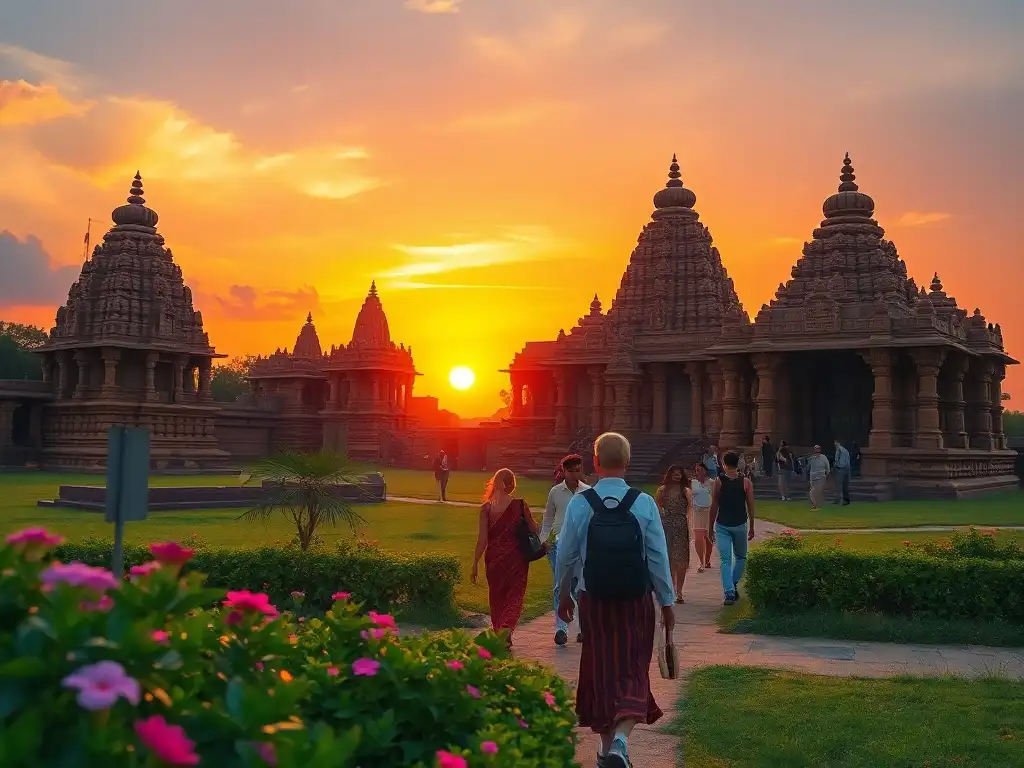
Introduction to Khajuraho Temple Heritage Tour
The Khajuraho temple heritage tour offers a captivating journey into the heart of ancient Indian civilization, showcasing the extraordinary artistry and architectural brilliance of one of India's most famous UNESCO World Heritage Sites. Nestled in the central Indian state of Madhya Pradesh, the Khajuraho temples stand as a testament to the rich cultural tapestry that flourished during the Chandela dynasty between the 9th and 11th centuries.
These temples, renowned for their intricate sculptures and stunning carvings, not only reflect the spiritual beliefs of their time but also offer insights into the societal norms, values, and artistic achievements of ancient India.
Embarking on a luxury heritage tour of Khajuraho allows travelers to delve deeper into this historical marvel, combining comfort and exclusivity with an enriching exploration of India’s past. Visitors can expect to be mesmerized by the breathtaking artistry that adorns the temple walls, each telling stories of love, life, and spirituality. From intimate guided tours to bespoke experiences, this journey is designed for those who seek to appreciate the profound legacy of ancient Indian architecture and culture, while enjoying the lavish amenities that modern luxury travel provides.
The Allure of Khajuraho Temples
The allure of the Khajuraho temples is multifaceted, drawing visitors from around the globe to experience their grandeur. With over 20 temples spread across a sprawling complex, each structure is imbued with unique characteristics and historical significance. The temples are divided into three groups: Western, Eastern, and Southern, with the Western group housing the most famous temples, including the Kandariya Mahadeva and Lakshmana Temple.
Visitors are often captivated by the stunning erotic sculptures that feature prominently in many of the temples. These carvings depict various aspects of human life, including love, dance, and even everyday activities, showcasing the artistic freedom that flourished during that era. As one strolls through the intricately designed corridors, the vibrant expressions captured in stone evoke a sense of connection to the past, allowing for a unique reflection on the cultural narratives of ancient India.
Unique Architectural Features of Khajuraho Temples
The architectural brilliance of the Khajuraho temples is evident in their detailed craftsmanship and innovative design. Noteworthy features include:
- Shikhara (spire): Each temple is crowned with a towering shikhara, symbolizing Mount Meru, the axis of the universe in Hindu cosmology.
- Intricate Carvings: The walls are adorned with thousands of sculptures, ranging from divine figures to secular scenes, showcasing the artisans' skill and creativity.
- Geometric Precision: The layout of the temples reflects advanced knowledge of geometry and symmetry, emphasizing harmony and balance.
- Varying Styles: Different temples exhibit various architectural styles, influenced by local traditions and the prevailing artistic trends of the time.
These elements not only highlight the aesthetic appeal of the temples but also their significance as centers of spiritual and artistic expression.
Historical Context of the Khajuraho Temples
To truly appreciate the Khajuraho temples, one must understand their historical context. Built during the reign of the Chandela dynasty, these temples served as important religious and cultural hubs. The region was a melting pot of various beliefs, reflecting Hinduism, Jainism, and Buddhism, with many temples dedicated to different deities.
The period of their construction, roughly between the 9th and 11th centuries, was marked by prosperity and artistic flourishing. The temples' erotic sculptures, often misunderstood, are believed to reflect the Kamasutra philosophy, which emphasizes the importance of love and sensuality as part of a balanced life. This cultural openness is indicative of the progressive attitudes during the Chandela era.
Today, as visitors embark on a luxury heritage tour of Khajuraho, they not only marvel at the architectural grandeur but also engage with the stories of the people, beliefs, and artistic influences that shaped this remarkable site, making it a truly enriching experience.
Planning Your Luxury Heritage Tour to Khajuraho
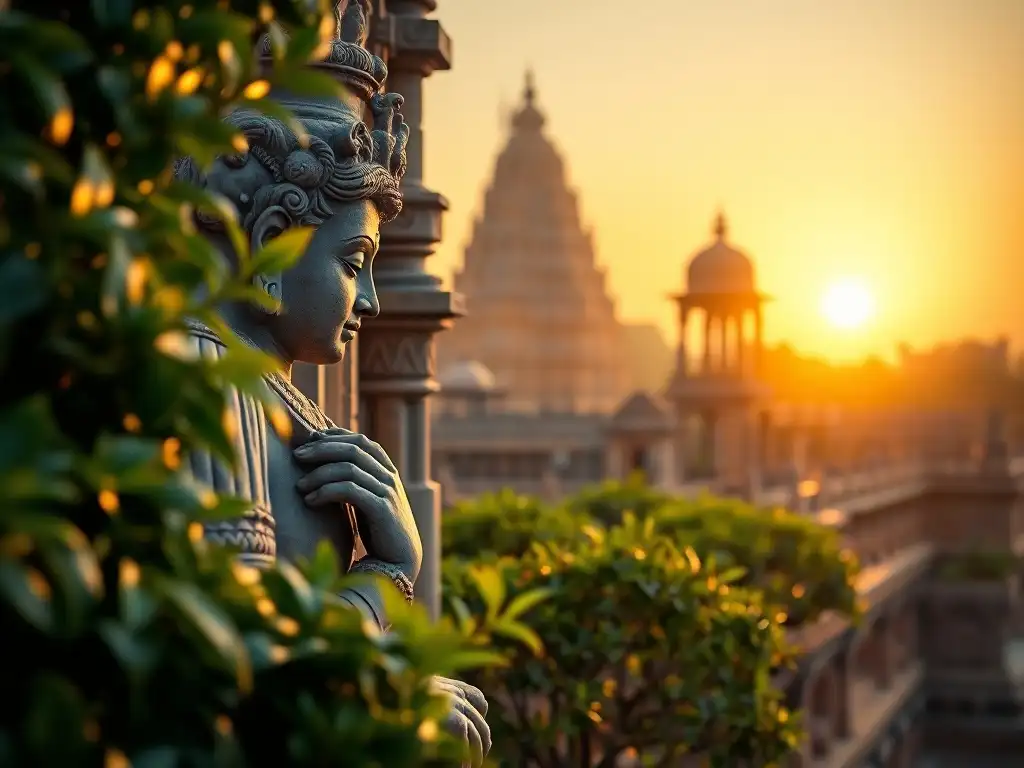
Embarking on a luxury heritage tour to Khajuraho requires careful planning to ensure an enriching experience that immerses you in the historical and cultural essence of this UNESCO World Heritage Site. Begin by selecting the duration of your stay, typically ranging from 2 to 4 days, to allow ample time for both relaxation and exploration. Consider booking your trip during the cooler months, from October to March, when the weather is more conducive for outdoor activities.
When planning your itinerary, prioritize the iconic temples, each renowned for their intricate carvings and unique architectural styles. It’s advisable to allocate time for guided tours to gain deeper insights into the history and symbolism of the sculptures. Additionally, exploring local culture through culinary experiences or artisan workshops can enhance your understanding of the region's heritage.
For transportation, arrange private transfers for a seamless travel experience. Luxury vehicles can be booked in advance, ensuring comfort and convenience throughout your journey. Lastly, consider local customs and dress codes when visiting religious sites, demonstrating respect for the culture while enjoying your luxurious adventure.
Best Time to Visit Khajuraho for a Heritage Tour
The ideal time to visit Khajuraho for a heritage tour is during the winter months, particularly from October to March. During this period, temperatures are pleasantly mild, making it comfortable for sightseeing and exploration. The days are generally sunny, allowing for stunning photography of the temples and their intricate details.
Visiting in February also coincides with the Khajuraho Dance Festival, where classical dance performances take place against the backdrop of the temples, enriching your cultural experience. The summer months (April to June) can be sweltering, with temperatures soaring above 40°C (104°F), while the monsoon season (July to September) may pose challenges due to humidity and heavy rainfall. Therefore, timing your visit during the winter months not only enhances comfort but also offers unique cultural opportunities.
Luxury Accommodation Options in Khajuraho
Khajuraho boasts a range of luxury accommodations that blend modern amenities with traditional Indian hospitality. Here are some top options:
- The Lalit Temple View Khajuraho: This five-star hotel features opulent rooms with views of the temples, a spa, and fine dining options showcasing local cuisine.
- Radisson Jass Hotel Khajuraho: Known for its elegant architecture and lush gardens, this hotel offers spacious rooms, a swimming pool, and exceptional service.
- Khajuraho Resort: A boutique option that combines luxury with intimacy, offering personalized services and beautifully landscaped surroundings.
Each of these accommodations provides a perfect base for your luxury heritage tour, ensuring comfort and convenience while exploring the rich history of the temples.
Exploring the Temples of Khajuraho
Exploring the temples of Khajuraho is a journey through time, showcasing the artistic brilliance and spiritual depth of ancient Indian civilization. The temples, built between the 9th and 11th centuries by the Chandela dynasty, are celebrated for their exquisite sculptures and intricate carvings that depict various aspects of life, spirituality, and mythology.
The architectural style of Khajuraho temples reflects a unique blend of North Indian and Dravidian influences, characterized by their towering spires and detailed relief work. As you explore, take note of the distinct themes represented in the carvings, from erotic scenes to celestial beings, which illustrate the region's diverse cultural narratives.
Must-Visit Temples in Khajuraho
Khajuraho is home to over 20 temples, each with its own distinct features. Here are some must-visit temples:
- Kandariya Mahadev Temple: The largest and most ornate temple, dedicated to Lord Shiva, known for its stunning sculptures and intricate architecture.
- Lakshmana Temple: A prime example of the Nagara style, featuring detailed carvings of deities and a beautiful sanctum.
- Parvati Temple: Dedicated to the goddess Parvati, this temple is renowned for its elegant design and serene ambiance.
- Chaunsat Yogini Temple: The oldest temple in Khajuraho, dedicated to the goddess Kali, offering a unique perspective on the evolution of temple architecture.
Each temple provides a unique glimpse into the spiritual and artistic heritage of the period, making them essential stops on your heritage tour.
Guided Tours vs. Self-Exploration
When exploring the temples of Khajuraho, you have the option of guided tours or self-exploration, each offering distinct advantages.
Guided Tours:
- In-Depth Knowledge: Professional guides provide historical context and intricate details about the sculptures and architecture, enhancing your understanding.
- Time Efficiency: Guides can help optimize your itinerary, ensuring you don't miss key highlights.
- Cultural Insights: Engaging with locals through guided tours can offer deeper insights into the traditions and customs surrounding the temples.
Self-Exploration:
- Flexibility: You can set your own pace, spending more time at temples that capture your interest.
- Personal Experience: Discovering the temples on your own allows for a more personal and intimate experience, fostering a unique connection to the sites.
- Cost-Effectiveness: Self-guided exploration can be more budget-friendly, allowing you to allocate resources towards other aspects of your luxury tour.
Ultimately, the choice between guided tours and self-exploration depends on your personal preferences and travel style, but both methods promise an enriching experience of Khajuraho's stunning heritage.
Cultural Experiences Beyond the Temples
While the stunning temples of Khajuraho are undoubtedly the main attraction, the cultural experiences surrounding them offer visitors an enriching glimpse into the region’s heritage. The town is dotted with vibrant markets, local art galleries, and cultural performances that reflect the rich traditions of Madhya Pradesh. Engaging with local artisans, attending traditional music and dance shows, and participating in festivals are just a few ways to immerse oneself in the local culture.
Visitors can explore the nearby villages to witness the traditional lifestyles of the locals. Many of these communities are known for their unique crafts, such as pottery, weaving, and wood carving. Engaging with these artisans not only supports their livelihoods but also provides a deeper understanding of the skills and techniques passed down through generations.
Furthermore, Khajuraho hosts several cultural events throughout the year, including the Khajuraho Dance Festival. This annual event showcases classical dance forms, offering an impressive reflection of India's diverse artistic heritage. Attending such performances allows tourists to appreciate the intricate storytelling and emotive expressions that are integral to Indian dance.
Connecting with Local Art and Handicrafts
A visit to Khajuraho is incomplete without exploring its vibrant local art scene. The region is renowned for its exquisite handicrafts, including intricately carved wooden items, terracotta figurines, and handwoven textiles. Local artisans often invite tourists into their workshops, providing an opportunity to see the meticulous processes behind their craft.
Many shops in Khajuraho offer a variety of handmade souvenirs, where visitors can purchase unique pieces that serve as lasting reminders of their trip. From traditional Madhya Pradesh tribal art to contemporary interpretations, the selections highlight the region's artistic diversity. Engaging with these artisans not only enriches the travel experience but also fosters a deeper appreciation for the local culture and heritage.
Additionally, workshops and classes are often available for those who wish to try their hand at traditional crafts. These interactive experiences allow tourists to create their own pieces under the guidance of skilled artisans, providing a personal connection to the art form.
Culinary Delights of Khajuraho
The culinary landscape of Khajuraho is as diverse and rich as its cultural heritage. Visitors are treated to a gastronomic journey that features regional specialties and traditional Indian cuisine. Street food stalls and local restaurants serve a variety of dishes, from spicy chaats to rich curries, offering flavors that reflect the area's agricultural abundance.
One must-try dish is Dal Bafla, a local specialty made from wheat dough balls served with lentil curry. Another popular option is Biryani, which is infused with aromatic spices and often includes marinated meat or vegetables. For a sweet treat, Jalebi—a deep-fried dessert soaked in syrup—provides a perfect end to any meal.
Fine dining establishments in Khajuraho also focus on presenting traditional dishes with a modern twist, catering to luxury travelers looking for an exquisite dining experience. These restaurants often emphasize locally sourced ingredients, allowing guests to enjoy the freshest flavors while embracing the culinary traditions of the region.
Tips for a Memorable Luxury Heritage Tour
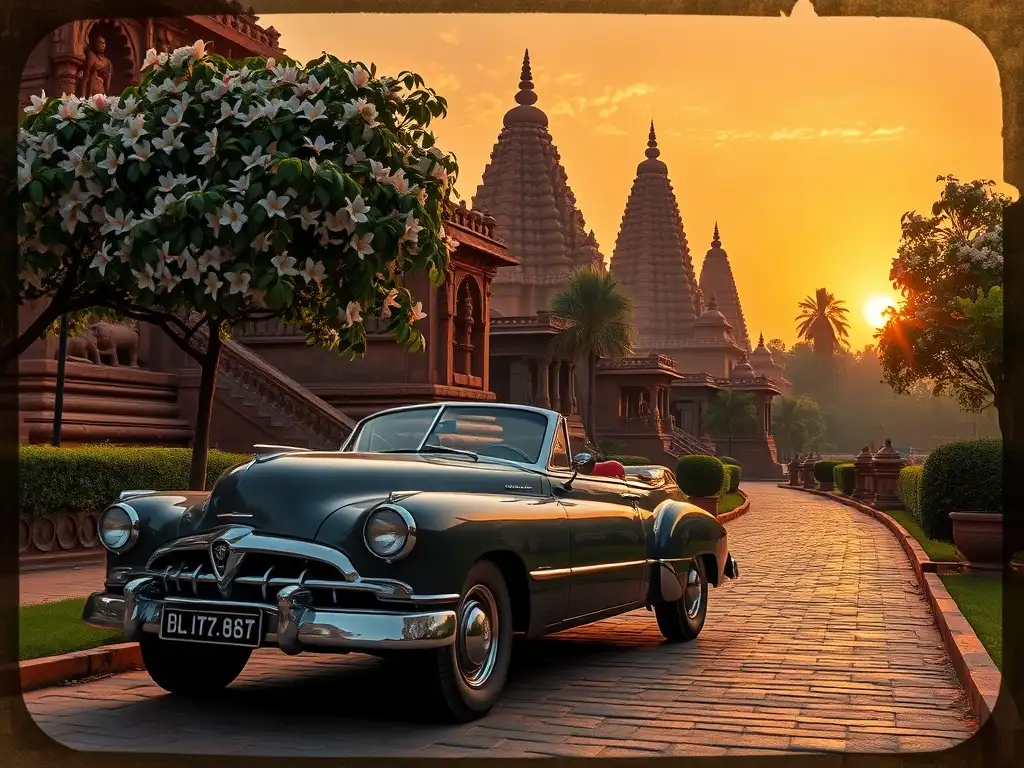
Embarking on a luxury heritage tour in Khajuraho requires thoughtful planning to ensure an unforgettable experience. From selecting the right accommodations to choosing the best times to visit the temples, keeping a few key tips in mind can enhance your journey.
Essential Packing Tips for Khajuraho Heritage Tour
When preparing for a Khajuraho heritage tour, packing appropriately is essential for comfort and convenience. Here are some key items to consider:
- Comfortable Footwear: As you will be exploring the temples and local markets, sturdy walking shoes are a must.
- Lightweight Clothing: The climate can be warm, so breathable fabrics are advisable. Modest attire is also recommended, especially when visiting religious sites.
- Sun Protection: A wide-brimmed hat, sunglasses, and sunscreen are important for protection against the sun.
- Camera Gear: Don’t forget your camera to capture the stunning architecture and vibrant local life.
- Reusable Water Bottle: Staying hydrated is crucial, and bringing a water bottle can help reduce plastic waste.
By packing wisely, travelers can focus on enjoying their luxury heritage tour without unnecessary discomfort.
Navigating Khajuraho: Transportation Options
Navigating Khajuraho is relatively straightforward, with several transportation options available to suit different preferences. Here’s a breakdown of the most common modes of transport:
- Private Car Rentals: For those seeking convenience, renting a car with a driver is a popular option. This provides flexibility and allows for personalized itineraries.
- Taxis and Auto-Rickshaws: Local taxis and auto-rickshaws are readily available and can be hailed from the street or booked through apps. They are a great way to get around for shorter distances.
- Bicycle Rentals: For the more adventurous traveler, renting a bicycle can be an enjoyable way to explore the town and its surroundings at a leisurely pace.
- Walking Tours: Many of the temples are located within walking distance of each other, making it feasible to explore on foot. Guided walking tours are also available for those wanting to learn more about the history and architecture directly from knowledgeable locals.
By utilizing these transportation options, visitors can easily navigate Khajuraho and make the most of their luxury heritage tour.
Conclusion: Embrace the Enchantment of Khajuraho
The temples of Khajuraho stand as a testament to the artistic and architectural brilliance of ancient India. With their intricate carvings, stunning sculptures, and deep-rooted symbolism, these UNESCO World Heritage Sites offer a unique glimpse into the spiritual and cultural ethos of the Chandela dynasty. Each temple narrates a story, inviting visitors to explore the diverse themes of love, devotion, and the celebration of life that permeate their walls.
Embarking on a luxury heritage tour to Khajuraho allows you to immerse yourself not just in the visual splendor of the temples, but also in the rich history and traditions that have shaped this remarkable destination. As you wander through the beautifully landscaped gardens and ancient stone corridors, you will find yourself enchanted by the intricate details that speak volumes of the craftsmanship and devotion of the artisans who built them.
A visit to Khajuraho is more than just a journey through time; it is an experience that transcends the ordinary, offering a profound connection to India’s rich cultural heritage. Whether you are an art enthusiast, a history buff, or someone seeking a spiritual retreat, Khajuraho promises an unforgettable adventure that will linger in your memory long after your visit.
Call to Action
Are you ready to explore the mesmerizing temples of Khajuraho? Book your luxury heritage tour today and uncover the secrets of this ancient marvel! Experience the grandeur of the Chandela dynasty and allow the enchanting stories of love and devotion to unfold before you.
- Contact us now to plan your personalized itinerary!
- Join guided tours led by expert historians who will enrich your understanding of these architectural wonders.
- Immerse yourself in the local culture with exclusive experiences, from traditional dance performances to culinary delights.
Don’t miss out on the opportunity to witness one of India’s most extraordinary treasures. Your adventure awaits! 🌏✨
- Introduction to Khajuraho Temple Heritage Tour
- The Allure of Khajuraho Temples
- Unique Architectural Features of Khajuraho Temples
- Historical Context of the Khajuraho Temples
- Planning Your Luxury Heritage Tour to Khajuraho
- Exploring the Temples of Khajuraho
- Cultural Experiences Beyond the Temples
- Tips for a Memorable Luxury Heritage Tour
- Conclusion: Embrace the Enchantment of Khajuraho
- Call to Action
Frequently Asked Questions
What is the significance of the Khajuraho temples?
The Khajuraho temples are renowned for their intricate sculptures and erotic carvings, showcasing the artistic and cultural wealth of ancient India. They are a UNESCO World Heritage Site and reflect the spiritual and social life of the time.
How can one embark on a Khajuraho temple heritage tour?
A Khajuraho temple heritage tour can be arranged through various travel agencies that offer luxury packages, including guided tours, accommodation, and transportation to explore the temples and their historical context.
What is the best time to visit Khajuraho?
The ideal time to visit Khajuraho is between October and March, when the weather is pleasant and suitable for exploring the temples and enjoying the rich cultural experiences available.
Are there any festivals celebrated at Khajuraho?
Yes, Khajuraho hosts the Khajuraho Dance Festival every February, showcasing classical Indian dance forms against the backdrop of the temples, allowing visitors to experience the fusion of art and heritage.
What are some tips for exploring the Khajuraho temples?
When visiting, it’s advisable to wear comfortable clothing for long walks, carry water, and hire a knowledgeable guide to gain deeper insights into the symbolism and history behind the temple sculptures.
Final Reflection: Embracing the Legacy of Khajuraho's Temples
The Khajuraho temple heritage tour is not merely a journey through time; it is a profound exploration of the intricate relationship between art, spirituality, and culture that continues to resonate today. As we navigate a world increasingly defined by rapid change and fleeting trends, the timeless beauty and architectural grandeur of the Khajuraho temples remind us of the enduring power of heritage. These temples stand as a testament to human creativity and devotion, inviting us to reflect on our own connections to history and the narratives that shape our identities.
The influence of the Khajuraho temples extends far beyond their geographical location; they have become a symbol of cultural richness and diversity in India. As we engage with the stories etched in stone, we are reminded of the universal themes of love, devotion, and the celebration of life. The temples serve as a bridge between the past and the present, inspiring countless artists, scholars, and travelers. Art is the most beautiful of all lies.
This quote encapsulates the essence of the Khajuraho experience, where every carving tells a story that transcends time and speaks to the human condition.
As you contemplate your own journey through the Khajuraho temple heritage tour, I invite you to embrace the lessons these magnificent structures impart. Reflect on the importance of preserving our cultural heritage and consider how you can contribute to this legacy in your own life. Let the beauty and intricacy of the temples inspire you to seek out and celebrate the stories that connect us all, fostering a deeper appreciation for the rich tapestry of human experience. Your journey is not just about witnessing history; it is about becoming a part of it.
Unveil the Wonders of Khajuraho Today!
Thank you for exploring the fascinating world of Khajuraho with us! We hope you’ve discovered the intricate beauty and rich history of these magnificent temples. Now, it’s time to take your passion for this heritage beyond the page. Here’s how you can connect with this cultural treasure:
- Embark on a Luxury Heritage Tour: Book your journey to Khajuraho and experience the temples' beauty firsthand.
- Join our community on social media to share your thoughts and find inspiration from fellow history enthusiasts.
- Explore more articles on our website to deepen your understanding of Indian art and architecture.
What aspect of Khajuraho's temples fascinates you the most—**the exquisite carvings** or **the legendary stories behind them**? Share your thoughts with us!