
The Lost City of Dholavira: A Luxurious Journey to Indus Valley Marvels

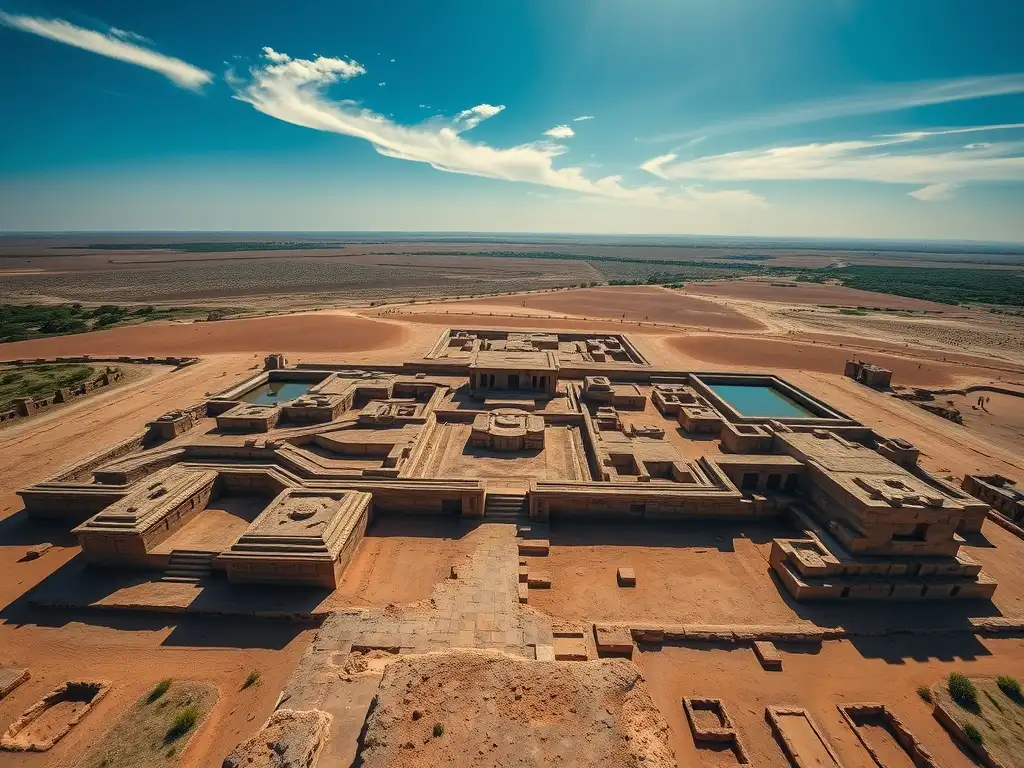
Welcome to Ancient India History, where we invite you to embark on a captivating journey through time. In this exploration, we delve into the remarkable Dholavira Indus Valley history, unveiling the secrets of a lost city that once flourished in the heart of one of the world's earliest civilizations. From intricate urban planning to luxurious lifestyles, Dholavira stands as a testament to the ingenuity of ancient Indian societies.
Are you ready to uncover the marvels of this historical gem? Join us as we unravel the layers of luxury and culture that defined the Indus Valley, igniting your curiosity and inspiring your next adventure in historical travel.
- Introduction to Dholavira: A Luxurious Journey into Indus Valley History
- Discovering the Marvels of Dholavira
- Planning Your Luxurious Journey to Dholavira
- Exploring Dholavira: Must-See Attractions
- Guided Tours to Enhance Your Experience
- Cultural Experiences and Local Interactions
- The Legacy of Dholavira: Insights into Ancient Indian Heritage
- Conclusion: The Transformative Experience of Dholavira
- Additional Resources
- Frequently Asked Questions
- Final Reflection: Rediscovering Dholavira's Timeless Legacy
- Unveil the Wonders of Dholavira: Your Adventure Awaits!
Introduction to Dholavira: A Luxurious Journey into Indus Valley History
The exploration of ancient civilizations offers a unique lens through which we can understand the evolution of human societies. Among these, the Indus Valley Civilization stands out as one of the most remarkable and sophisticated urban cultures of the ancient world. At the heart of this civilization lies Dholavira, an archaeological marvel that not only encapsulates the grandeur of its time but also serves as a testament to the ingenuity and craftsmanship of its people. This article will take you on a luxurious journey to Dholavira, uncovering its rich history, cultural significance, and the treasures that await modern-day explorers.
As we delve into the Dholavira Indus Valley history, we will uncover the architectural wonders, advanced urban planning, and the vibrant culture that thrived over 4,500 years ago. Dholavira stands as a symbol of the ancient Indian heritage that continues to inspire travelers and historians alike, making it a must-visit destination for those seeking an enriching experience in luxury and history.
Overview of Dholavira and Its Historical Significance
Dholavira, located on the arid island of Khambhat in present-day Gujarat, India, was discovered in 1967 by archaeologist J.P. Joshi and has since become one of the most significant archaeological sites of the Indus Valley Civilization. This ancient city flourished between 3000 BCE and 1500 BCE, showcasing remarkable advancements in urban planning and architecture.
Key highlights of Dholavira include:
- Sophisticated Water Management: Dholavira's inhabitants developed an intricate system of reservoirs and channels, enabling them to harness and manage water effectively in a region with scarce rainfall.
- Architectural Marvels: The city is renowned for its well-planned layout, featuring fortified walls, streets, and multi-storied buildings made from locally sourced stone.
- Rich Cultural Artifacts: Excavations have uncovered numerous seals, pottery, and jewelry, reflecting the artistic prowess and trade connections of the Dholavira people.
- Inscription of Symbols: A significant find at Dholavira was the series of inscriptions on stone, which are believed to represent the written language of the Indus Valley Civilization, offering insights into their societal structure and communication methods.
The historical significance of Dholavira extends beyond its physical structures; it provides a glimpse into the lives of its inhabitants, their social organization, and their interaction with the environment. This rich tapestry of history makes Dholavira a vital component of India's ancient heritage.
The Indus Valley Civilization: An Introduction
The Indus Valley Civilization (IVC), also known as the Harappan Civilization, is one of the world's earliest urban cultures, existing around 3300 BCE to 1300 BCE in the northwestern regions of South Asia. Covering parts of modern-day Pakistan, northwest India, and eastern Afghanistan, the IVC is distinguished by its advanced urban planning, architecture, and social organization.
Key characteristics of the Indus Valley Civilization include:
- Urban Planning: Cities like Harappa and Mohenjo-Daro were meticulously planned with grid patterns, drainage systems, and public baths, reflecting a high level of civic administration.
- Trade Networks: The IVC engaged in extensive trade with neighboring regions, including Mesopotamia, facilitating cultural and economic exchanges.
- Art and Craftsmanship: The civilization is known for its intricate beadwork, pottery, and metallurgy, showcasing the artistic skills of its artisans.
Understanding the Indus Valley Civilization is essential for appreciating the historical context of Dholavira. It is within this framework that we can explore the luxurious journey through the ruins of Dholavira and experience the legacy of a civilization that laid the groundwork for future generations.
Discovering the Marvels of Dholavira
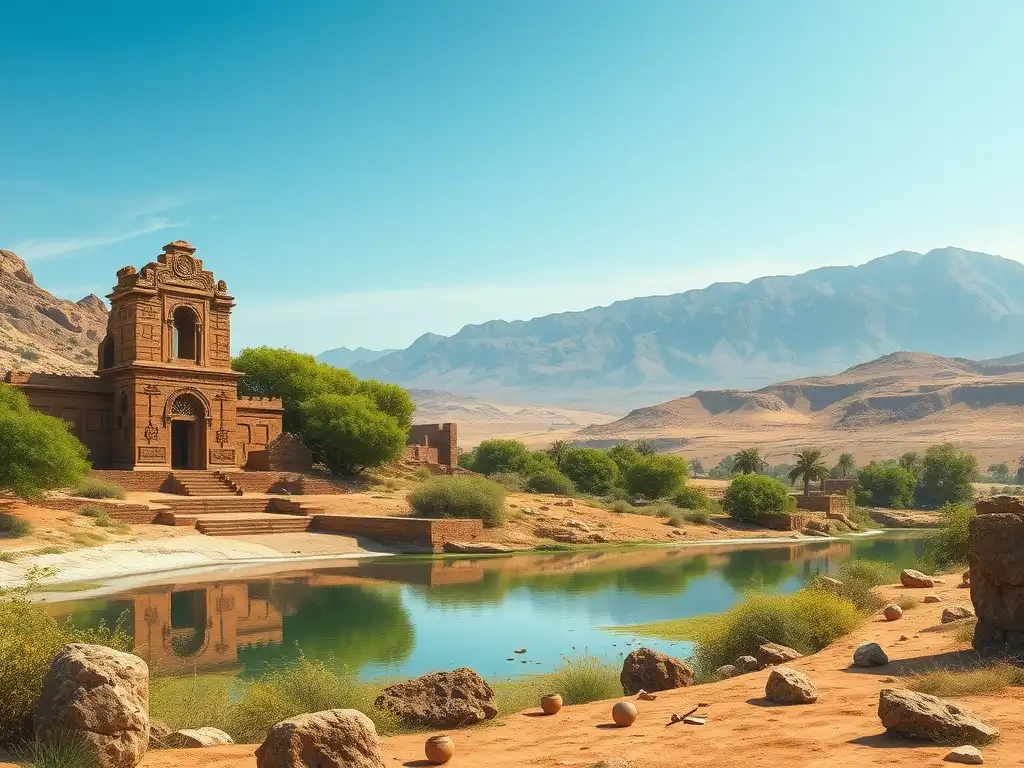
Dholavira, a UNESCO World Heritage site, is one of the most significant archaeological sites of the Indus Valley Civilization, located on the arid island of Khadir in the state of Gujarat, India. This ancient city, flourishing around 4500 years ago, offers a unique glimpse into the engineering prowess and cultural richness of one of the world's earliest urban societies. As we delve into the fascinating aspects of Dholavira's history, we uncover not only its architectural marvels but also the vibrant life that thrived within its walls.
The Archaeological Importance of Dholavira
Dholavira is renowned for its remarkable preservation and the insights it provides into the Indus Valley Civilization (IVC). Discovered in 1967-68 by archaeologist Jagat Pati Joshi, this site is distinguished by its advanced water conservation systems, intricate urban planning, and unique architectural designs.
- Strategic Location: Situated near the arid Rann of Kutch, Dholavira's location was strategically chosen for trade routes, allowing the civilization to flourish through commerce with both inland and coastal areas.
- Water Management: One of the most impressive features of Dholavira is its sophisticated water management system, which includes reservoirs, dams, and channels that showcase the engineering skills of its inhabitants. These systems allowed the city to harness rainwater efficiently, crucial for survival in a desert climate.
- Cultural Significance: The artifacts unearthed at Dholavira, including seals, pottery, and tools, reflect a rich cultural tapestry. The presence of script on seals indicates a form of communication, suggesting that this society had a complex administrative system.
This combination of strategic location, advanced engineering, and cultural richness makes Dholavira a pivotal site for understanding the Indus Valley Civilization's impact on ancient history.
Key Features of Dholavira's Urban Planning and Architecture
The urban layout of Dholavira is a testament to the ingenuity of its planners and builders. The city is divided into three distinct sections, each serving a specific purpose, demonstrating a high degree of organization and foresight.
- The Citadel:
- Positioned on elevated ground, the citadel served as the administrative and religious center. Its fortified walls, made from massive blocks of stone, provided security and a commanding view of the surrounding area.
- The Middle Town:
- This area housed the residences of the city's elite and craftsmen. The layout features well-planned streets, public spaces, and drainage systems, indicating an understanding of urban sanitation and hygiene.
- The Lower Town:
- The largest section, the lower town, was primarily residential, accommodating the majority of the population. Houses were constructed using mud-bricks and featured flat roofs, often adorned with decorative elements.
- Architectural Innovations: The use of stone in construction is particularly noteworthy. Unlike other IVC sites that predominantly used mud-brick, Dholavira's builders utilized locally sourced stone, showcasing their adaptability and resourcefulness.
- Public Spaces: The presence of large public squares suggests that Dholavira was a hub for social and cultural activities, where inhabitants gathered for festivals and trade.
Dholavira's urban planning and architectural features not only highlight the advanced state of the Indus Valley Civilization but also provide a glimpse into the daily lives of its inhabitants.
Cultural Insights: Life in the Indus Valley Civilization
Life in Dholavira was marked by a blend of sophistication and simplicity, reflecting the values and beliefs of the Indus Valley Civilization.
- Economy and Trade: The economy of Dholavira was primarily based on agriculture, supplemented by trade. The fertile lands around the city allowed for the cultivation of various crops, while trade routes facilitated the exchange of goods such as beads, textiles, and metalwork with distant regions.
- Social Structure: Evidence suggests a well-defined social hierarchy, with distinct roles for artisans, traders, and laborers. The presence of high-quality artifacts indicates a thriving community of skilled craftsmen.
- Religious Practices: Religious life in Dholavira likely revolved around the worship of nature deities, as evidenced by ritualistic artifacts and the layout of public spaces. The discovery of large water reservoirs may also indicate the importance of water in their spiritual practices.
- Art and Craftsmanship: The craftsmanship in Dholavira is highlighted by intricate seals, pottery, and jewelry. The artistry reflects not only functional aspects but also a deep appreciation for aesthetics, indicating a rich cultural life.
Dholavira stands as a remarkable representation of the Indus Valley Civilization's achievements. Its advanced urban planning, architectural innovations, and rich cultural practices provide invaluable insights into the lives of its ancient inhabitants, making it a pivotal site for understanding ancient Indian heritage.
Planning Your Luxurious Journey to Dholavira
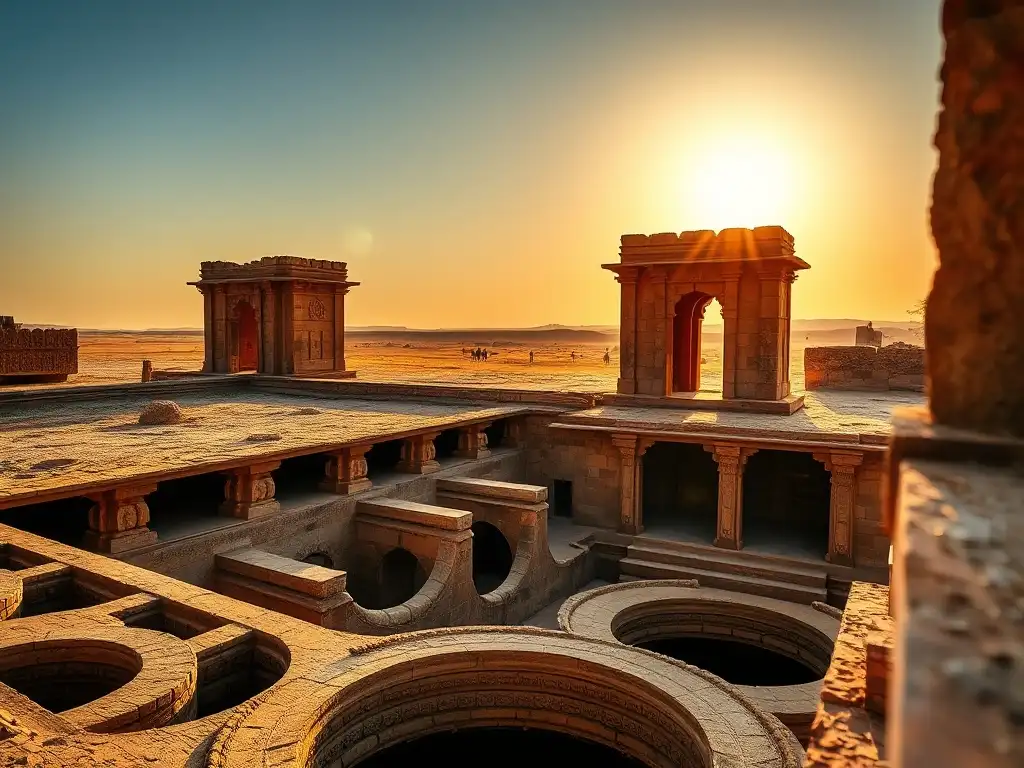
Embarking on a luxurious journey to Dholavira, one of the most prominent archaeological sites of the Indus Valley Civilization, requires careful planning to fully appreciate its historical significance and stunning landscapes. With its unique blend of ancient history and modern luxury, Dholavira offers visitors an unparalleled experience that intertwines comfort with exploration. Here’s how to ensure your trip is both luxurious and culturally enriching.
Best Time to Visit Dholavira: Climate and Seasonal Highlights
Dholavira experiences a typical desert climate, characterized by extreme temperatures and seasonal variations. The best time to visit is between October and March, when the weather is more temperate and pleasant for exploration.
- October to November: Early winter brings mild temperatures, ideal for sightseeing. The landscape showcases the remnants of the ancient city against clear blue skies.
- December to February: These months feature cooler temperatures, with daytime highs averaging between 20°C to 25°C (68°F to 77°F) and chilly nights. This period is perfect for evening outdoor activities and cultural events.
- March: As spring approaches, temperatures begin to rise, reaching up to 35°C (95°F). While it’s still a good time to visit, travelers should be prepared for warmer days.
During the monsoon season (June to September), Dholavira can experience heavy rainfall, making the terrain challenging for exploration. However, the rains also rejuvenate the landscape, offering a different perspective of the region’s natural beauty.
Choosing Luxury Accommodations Near Dholavira
Selecting the right accommodation is crucial for a luxurious experience while visiting Dholavira. The region offers a range of options, from upscale hotels to unique heritage stays that provide a glimpse into the rich cultural tapestry of Gujarat.
Recommended Luxury Hotels in Gujarat
- Taj Gateway Hotel (Surat): A blend of luxury and comfort, this hotel offers modern amenities along with a rich cultural experience. Guests can enjoy exquisite dining and spa facilities, making it a perfect base for exploring Dholavira.
- Ramada Hotel (Ahmedabad): Located in the heart of the city, this hotel provides easy access to local attractions. Its luxurious accommodations and top-notch services ensure a relaxing stay after a day of adventure.
- The Leela Palace (Udaipur): While a bit far from Dholavira, this opulent hotel is worth considering for its lavish setting by Lake Pichola. Visitors can experience royal hospitality before heading off to explore the ancient sites.
Unique Heritage Stays and Eco-Friendly Resorts
For those seeking a more immersive experience, consider unique heritage stays and eco-friendly resorts that reflect the local culture and heritage.
- Heritage Resort (Rann of Kutch): This resort offers an authentic experience with traditional architecture and local cuisine. Guests can enjoy cultural performances and explore the surrounding area, including the famous salt desert.
- Eco-Resort at Little Rann of Kutch: Designed to blend with nature, this eco-resort emphasizes sustainability while providing luxurious accommodations. It’s an ideal spot for nature lovers and those interested in wildlife.
- Bhuj House: A boutique heritage hotel that showcases traditional Gujarati architecture and hospitality. Staying here provides a unique chance to engage with local artisans and learn about the region's history.
Planning your luxurious journey to Dholavira is about balancing comfort with the rich cultural heritage of the Indus Valley. By choosing the right time to visit and selecting accommodations that reflect the grandeur of ancient India, travelers can create unforgettable memories while exploring this historical marvel.
Exploring Dholavira: Must-See Attractions
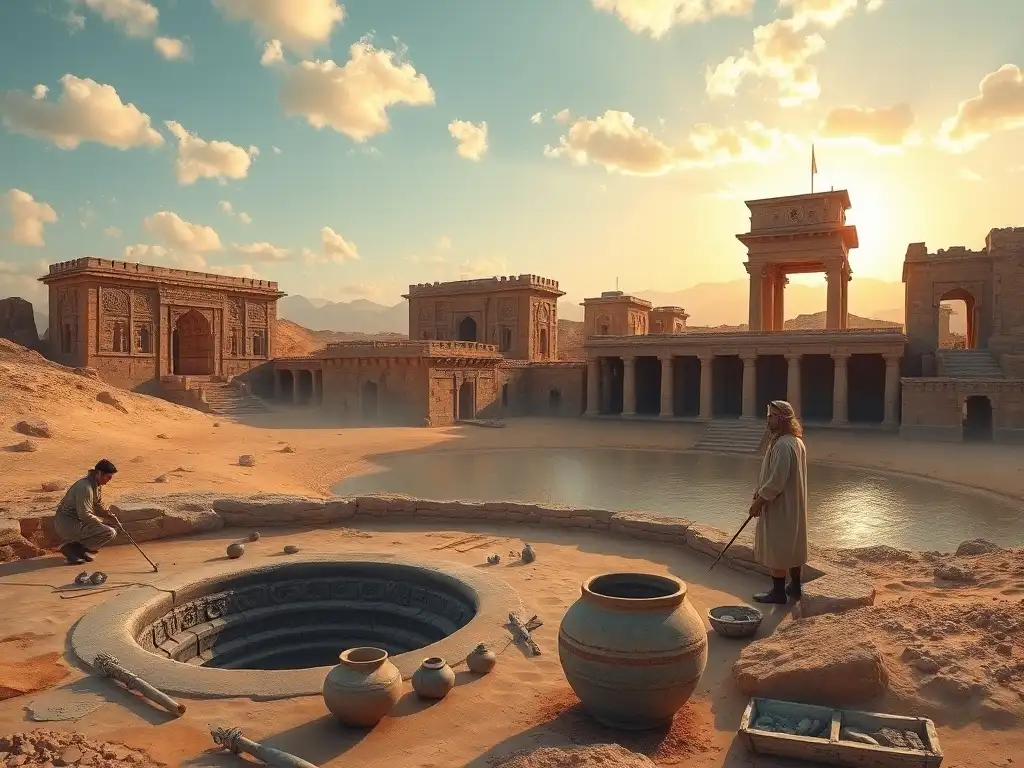
Dholavira, one of the prominent archaeological sites of the Indus Valley Civilization, is a treasure trove for those interested in ancient history and luxurious travel experiences. This remarkable city, located on the arid island of Khadir in Gujarat, India, showcases the ingenuity and sophistication of its inhabitants. As you embark on your journey through Dholavira, several key attractions stand out, each offering a glimpse into the impressive engineering, rich culture, and historical significance of this ancient marvel.
The Water Conservation System: A Marvel of Engineering
One of the most remarkable features of Dholavira is its advanced water conservation system, which reflects the ingenuity of the Indus Valley people. This system is considered one of the most sophisticated in the ancient world, designed to manage the scarce water resources of the arid region.
- Step-Wells: Dholavira is home to a series of step-wells that were ingeniously constructed to collect and store rainwater. These wells not only supplied water for drinking and irrigation but also played a crucial role in the city’s social and cultural life.
- Reservoirs: The city housed large reservoirs, which were meticulously designed to hold water during the monsoon season. These reservoirs utilized natural topography to maximize water retention, showcasing a deep understanding of hydrology.
- Drainage System: The drainage system of Dholavira was equally impressive, featuring well-planned channels that ensured efficient water flow and waste management. This system indicates a high level of urban planning and public health awareness among the residents.
The water conservation system of Dholavira not only highlights the engineering prowess of the Indus Valley Civilization but also emphasizes the sustainable practices that were essential for survival in a challenging environment.
The Citadel and its Significance in Dholavira Indus Valley History
At the heart of Dholavira lies the Citadel, a monumental structure that serves as a testament to the city’s historical and strategic importance. The Citadel is a fortified area that was likely the center of political and religious activities.
- Architectural Layout: The Citadel is characterized by its unique architectural design, featuring well-defined walls and gateways that indicate its role as a defensive structure. The layout reflects a sophisticated understanding of fortification techniques.
- Cultural Hub: It is believed that the Citadel served as a cultural hub where various activities, including trade, governance, and spiritual practices, took place. The presence of large open spaces suggests that communal gatherings and rituals were common.
- Historical Context: The Citadel's strategic location, overlooking the surrounding landscape, provided an advantage in monitoring trade routes and protecting the settlement from potential invasions. This aspect is crucial in understanding the socio-political dynamics of the Dholavira Indus Valley history.
The Citadel not only exemplifies the architectural brilliance of the time but also plays a critical role in narrating the historical significance of Dholavira within the broader context of the Indus Valley Civilization.
The Archaeological Museum: Exhibits That Bring History to Life
To fully appreciate the rich history of Dholavira, a visit to the Archaeological Museum is essential. This museum houses a collection of artifacts that provide invaluable insights into the daily lives, culture, and technological advancements of the Indus Valley people.
- Artifacts on Display: The museum features a variety of artifacts, including pottery, seals, tools, and jewelry, which highlight the artistic and technical skills of the civilization. Each exhibit tells a story of the people who once thrived in this area.
- Educational Programs: Engaging displays and educational programs within the museum aim to immerse visitors in the history and culture of Dholavira. Guided tours and workshops allow for a deeper understanding of the archaeological findings.
- Preservation Efforts: The museum also emphasizes the importance of preserving the cultural heritage of Dholavira. Conservation efforts are highlighted, showcasing the commitment to safeguarding these historical treasures for future generations.
The Archaeological Museum serves as a portal to the past, allowing visitors to connect with the remarkable legacy of the Dholavira Indus Valley history, making it a must-visit destination for history enthusiasts and luxury travelers alike.
Guided Tours to Enhance Your Experience
Exploring the wonders of Dholavira, an exemplary site of the Indus Valley Civilization, is made significantly more rewarding through guided tours. These tours not only provide access to the archaeological marvels of this ancient city but also offer insights into its historical significance, architecture, and cultural heritage.
Incorporating expert commentary and curated experiences, guided tours allow travelers to immerse themselves in the rich tapestry of Dholavira's history. From the intricacies of its water conservation systems to the remnants of its sophisticated urban planning, a guided tour elevates your understanding and appreciation of this UNESCO World Heritage site.
Exclusive Luxury Tours to Dholavira
For those seeking an unforgettable experience, exclusive luxury tours to Dholavira offer a blend of comfort and cultural exploration. These tours typically include:
- Private Transportation: Travel in style with air-conditioned vehicles, ensuring a comfortable journey through the arid landscapes of Gujarat.
- Personalized Itineraries: Luxury tours often allow for customization, catering to specific interests such as archaeology, photography, or local cuisine.
- Accommodation in Heritage Hotels: Stay in luxurious hotels that echo the grandeur of ancient Indian architecture, providing a seamless blend of history and comfort.
- Gourmet Dining Experiences: Indulge in meals that feature local specialties, prepared by top chefs who emphasize authentic flavors and culinary techniques.
These exclusive tours not only provide premium services but also ensure that guests gain a profound understanding of Dholavira's significance in the broader context of Indus Valley history.
Private Guided Tours vs. Group Tours: What to Choose?
When considering a tour to Dholavira, travelers often face the decision between private guided tours and group tours. Here are some key comparisons:
| Feature | Private Guided Tours | Group Tours |
|---|---|---|
| Personal Attention | High - tailored to individual needs | Limited - shared attention among many |
| Flexibility | High - itinerary can be adjusted | Low - fixed schedule |
| Cost | Generally higher due to exclusivity | More affordable due to shared costs |
| Social Interaction | Low - intimate experience | High - meet new people |
| Expert Guidance | Exclusive access to knowledgeable guides | Shared guides with larger groups |
Ultimately, the choice between private and group tours depends on personal preferences. Those who value a tailored experience with in-depth discussions may prefer private tours, while those looking for a budget-friendly option with social interaction might opt for group tours.
Recommended Tour Companies for Historical Travel
Several tour companies specialize in luxury travel to historical sites, including Dholavira. Here are some recommended options:
- Heritage Tours India
- Specialty: Focused on providing immersive historical experiences.
- Highlights: Custom itineraries and expert archaeologists as guides.
- Indus Valley Expeditions
- Specialty: Offers luxury tours specifically designed for history enthusiasts.
- Highlights: Exclusive access to lesser-known sites in addition to Dholavira.
- Luxury Heritage Travel
- Specialty: Combines luxury accommodation with rich cultural excursions.
- Highlights: Gourmet dining experiences and cultural performances.
- Experiential India Tours
- Specialty: Tailored experiences that reflect individual interests and preferences.
- Highlights: Personalized service with knowledgeable local guides.
Choosing the right tour company can significantly enhance your journey to Dholavira, allowing you to delve into the depths of Indus Valley history with expert guidance and luxurious comfort.
Cultural Experiences and Local Interactions
Engaging with Local Artisans: Crafting Traditions of the Indus Valley
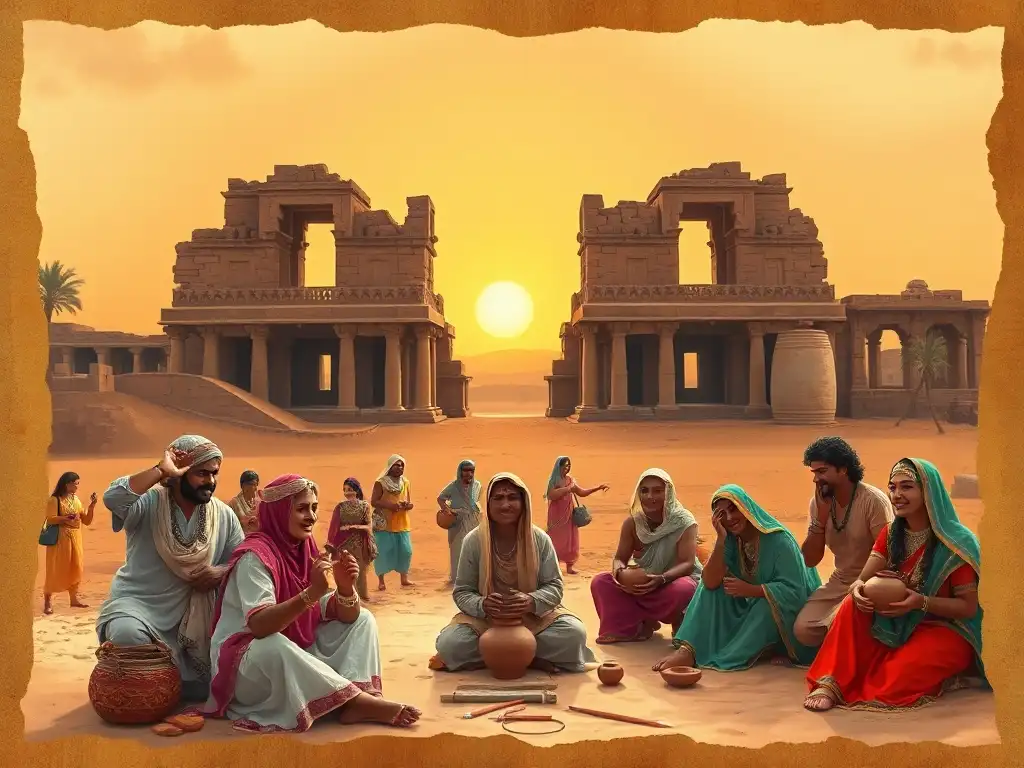
One of the most enriching aspects of visiting Dholavira is the opportunity to engage with local artisans who keep the ancient crafts of the region alive. The artisans in this area are known for their skill in various traditional crafts, including pottery, weaving, and bead-making. These crafts not only reflect the artistic heritage of the Indus Valley civilization but also provide insight into the daily lives of its people.
- Pottery: Visitors can observe artisans creating intricate pottery pieces using techniques that have been passed down through generations. The clay used is often sourced from nearby riverbeds, and the designs are inspired by the geometric patterns found in ancient artifacts.
- Weaving: Local weavers produce beautiful textiles that showcase traditional Gujarati designs. Many of these textiles are handwoven on looms, employing age-old techniques that enhance their authenticity.
- Bead-making: Dholavira is renowned for its colorful bead-making tradition. Artisans meticulously craft beads from materials such as glass, stone, and clay, which were also prominent during the Indus Valley era.
By participating in workshops or attending demonstrations, travelers not only gain a deeper appreciation for these crafts but also contribute to the preservation of these important cultural practices.
Culinary Delights: Indulging in Traditional Gujarati Cuisine
A journey to Dholavira is incomplete without savoring the exquisite flavors of traditional Gujarati cuisine. The region's culinary offerings are a delightful fusion of local ingredients and ancient cooking techniques, providing visitors with a taste of the past.
- Thali Experience: A typical Gujarati thali includes a variety of dishes, such as dal, sabzi, roti, and rice, all served on a single platter. Each component is carefully prepared, showcasing the use of spices and cooking methods that have been refined over centuries.
- Street Food: The bustling streets of nearby towns offer an array of street food options. Visitors can enjoy snacks like dhokla, a steamed savory cake made from fermented rice and chickpea flour, and khandvi, thin rolls of gram flour filled with spiced coconut.
- Sweets: No culinary exploration is complete without indulging in traditional sweets. Gulab jamun and basundi are popular choices that reflect the sweetness of Gujarati hospitality.
Participating in local cooking classes can enhance the experience, allowing travelers to learn how to prepare these dishes using traditional methods. This not only enriches their culinary skills but also fosters a deeper connection with the local culture.
Engaging with artisans and enjoying traditional cuisine are vital parts of the Dholavira experience, providing travelers with a unique insight into the rich tapestry of Dholavira Indus Valley history and its vibrant cultural heritage.
The Legacy of Dholavira: Insights into Ancient Indian Heritage
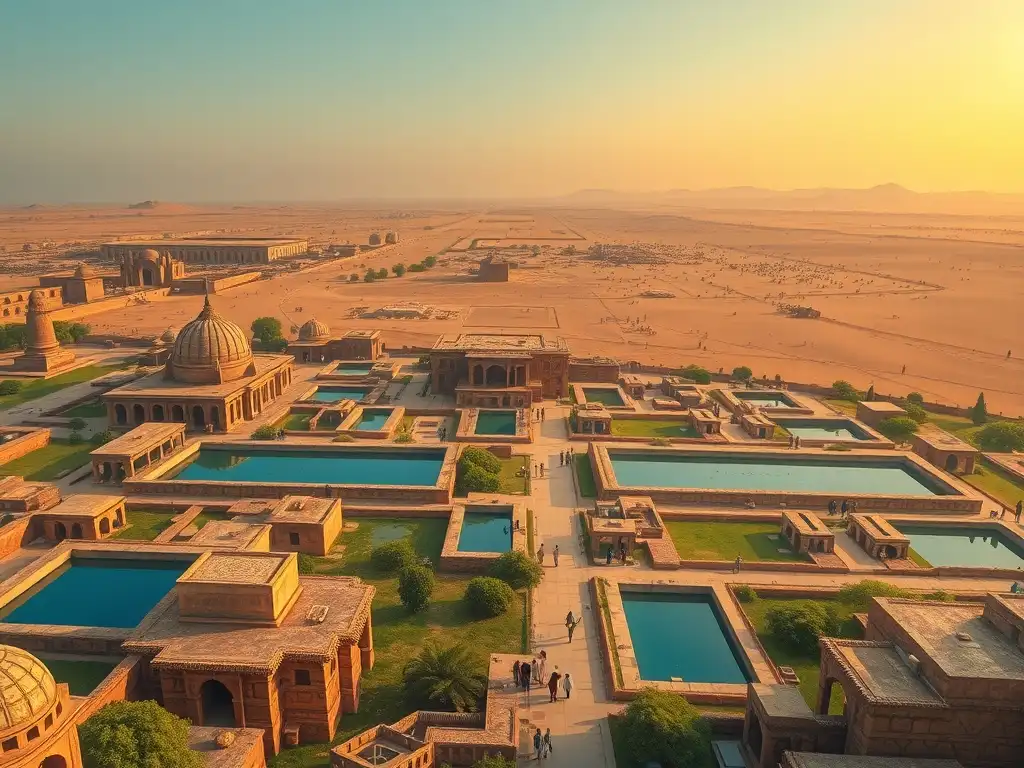
Dholavira, one of the prominent cities of the Indus Valley Civilization, stands out as a remarkable testament to ancient Indian engineering and urban planning. Situated on the arid island of Khadir in the state of Gujarat, Dholavira was built around 4500 years ago and showcases the sophistication of its inhabitants through advanced water management systems, architectural ingenuity, and social organization. Recognized as a UNESCO World Heritage Site in 2021, Dholavira offers invaluable insights into the cultural and historical tapestry of ancient India.
The city is characterized by its impressive infrastructure, including a sophisticated network of reservoirs and channels that allowed for effective water conservation in a region with limited rainfall. This feat not only highlights the technological prowess of the people but also their deep understanding of environmental sustainability. The layout of Dholavira, divided into distinct sectors for residential, administrative, and commercial purposes, reflects a complex societal structure and a thriving economy, predominantly based on agriculture and trade.
Moreover, the archaeological findings at Dholavira, such as seals, pottery, and inscriptions, provide intriguing glimpses into the daily lives, beliefs, and artistic expressions of its inhabitants. These artifacts reveal a civilization that was not only advanced in terms of urban planning but also rich in culture and creativity.
The Role of Dholavira in Understanding Indus Valley Civilization
Dholavira plays a pivotal role in piecing together the narrative of the Indus Valley Civilization (IVC), one of the world's earliest urban societies. Its strategic location along trade routes facilitated interactions with other contemporary civilizations, significantly contributing to the exchange of goods and ideas. The city’s layout, with its well-planned streets and public spaces, showcases the hallmark features of IVC urban planning, which included advanced drainage systems and standardized brick sizes.
The archaeological excavations at Dholavira have uncovered a wealth of information about the social hierarchy and governance of the time. For instance, the discovery of large public buildings suggests that the city may have served as a political or administrative center. Additionally, the presence of elaborate water storage systems indicates a society that prioritized resource management, essential for thriving in a semi-arid region.
Moreover, Dholavira's unique inscriptions, which remain undeciphered, present an exciting challenge for researchers and historians. These inscriptions may hold clues to the language, trade practices, and cultural exchanges of the IVC. The study of such artifacts is crucial for understanding the complexities of communication and societal organization during this period, thereby enriching our comprehension of ancient Indian history.
Preservation Efforts and Their Importance for Future Generations
Preservation of Dholavira is not merely about maintaining its physical structures; it encompasses safeguarding the cultural and historical significance of the site for future generations. Ongoing efforts by the Archaeological Survey of India (ASI) focus on excavating, conserving, and protecting the site from environmental threats and human-induced damage.
The establishment of visitor centers and educational programs aims to raise awareness about the importance of Dholavira and the Indus Valley Civilization. These initiatives encourage sustainable tourism, allowing visitors to appreciate the site while ensuring its integrity is maintained.
Additionally, collaboration with local communities is vital for the preservation of Dholavira. Engaging local populations in conservation efforts fosters a sense of ownership and pride in their heritage. This approach not only helps in the physical preservation of the site but also promotes the transmission of cultural values and historical knowledge to younger generations.
The legacy of Dholavira extends beyond its ruins; it is a vibrant part of ancient Indian heritage that offers profound insights into the past. By understanding its role in the Indus Valley Civilization and committing to its preservation, we can ensure that the wonders of Dholavira continue to inspire and educate future generations about the rich tapestry of Indian history.
Conclusion: The Transformative Experience of Dholavira
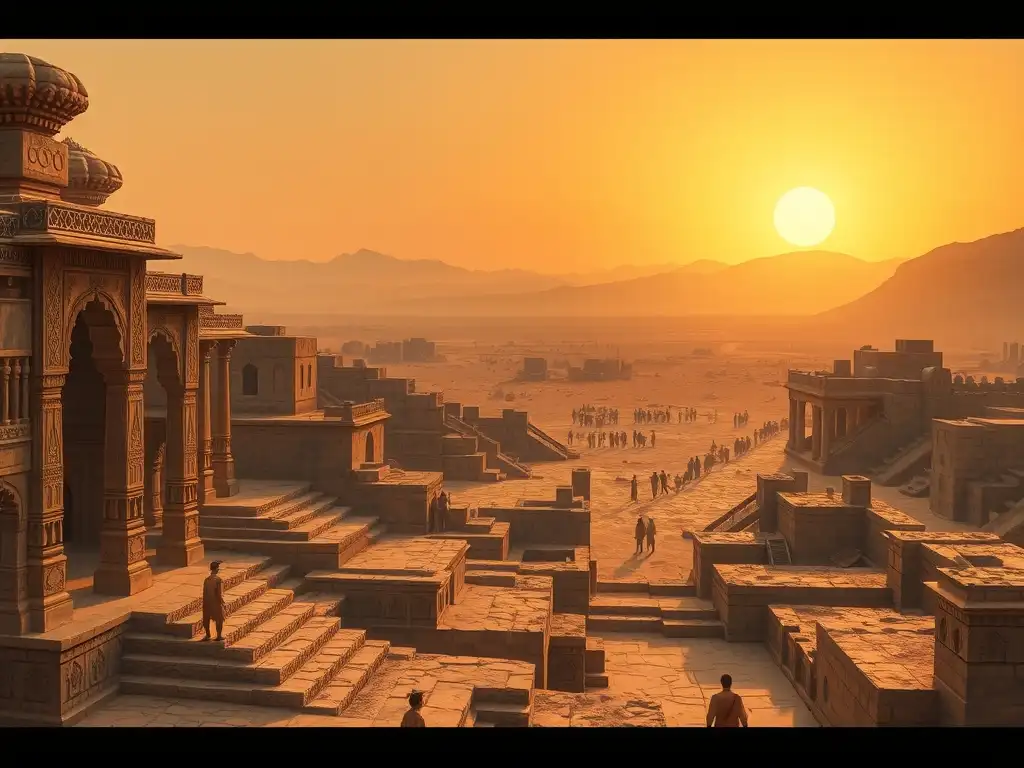
Dholavira, a UNESCO World Heritage Site, is one of the most remarkable examples of the Indus Valley Civilization, showcasing the sophisticated urban planning and architectural prowess of ancient India. This city, located in the arid landscapes of Gujarat, invites travelers to immerse themselves in its historical richness and cultural legacy. The experience of visiting Dholavira transforms not only one’s understanding of ancient civilizations but also offers a profound appreciation for the ingenuity and creativity that characterized this era.
The journey to Dholavira is not just about observing ruins; it is about engaging with a narrative that spans thousands of years. The meticulous layouts of the city, its water conservation systems, and its intricate trade routes reveal the advanced societal structures that flourished here. As travelers explore the remnants of this ancient city, they encounter the artistry reflected in its seals, pottery, and jewelry, which further illuminate the daily lives and beliefs of the people who once inhabited this vibrant locale.
Embracing the Rich Heritage of Ancient India
Visiting Dholavira allows travelers to step back in time and embrace the rich heritage of ancient India. The site boasts a unique blend of natural beauty and historical significance, providing an unparalleled backdrop for heritage tourism.
- Architectural Marvels: The well-preserved structures, including the citadel, the residential areas, and the sophisticated drainage system, highlight the advanced engineering skills of the Indus Valley people. Travelers can marvel at how these ancient builders optimized their environment to create a sustainable living space.
- Cultural Insights: Engaging with local historians and guides can deepen one’s understanding of the cultural practices and societal norms of the time. Their narratives breathe life into the stones, offering insights into the spiritual and communal aspects of Dholavira’s inhabitants.
- Natural Wonders: The surrounding arid landscape, dotted with salt marshes and unique flora and fauna, adds another layer to the experience. Travelers can appreciate how the ancient civilization thrived in this challenging environment, utilizing local resources to flourish.
In essence, Dholavira is not just a destination; it is an invitation to explore the very foundations of Indian civilization, providing a transformative journey that resonates long after the visit.
Final Thoughts on Exploring Dholavira's Indus Valley History
The exploration of Dholavira’s Indus Valley history is a unique opportunity that transcends conventional travel experiences. It is a journey into the heart of one of the world’s oldest urban centers, where each stone tells a story and every path leads to new discoveries.
- Educational Value: For history enthusiasts, Dholavira serves as a living classroom. The site offers invaluable lessons in archaeology, urban planning, and ancient trade networks, making it a perfect destination for scholars and curious travelers alike.
- Luxury Travel Experience: Modern amenities combined with the historical ambiance elevate the travel experience. Luxurious accommodations, gourmet dining, and personalized tours allow visitors to indulge in comfort while exploring the grandeur of ancient history.
- Sustainable Tourism: As interest in heritage tourism grows, Dholavira stands as a model for sustainable practices. Efforts to preserve the site and promote responsible travel ensure that future generations can also experience its wonders.
A visit to Dholavira is more than just a journey through the remnants of the past; it is an enriching experience that fosters a deep appreciation for the ingenuity of ancient Indian civilizations. Travelers leave not only with memories of a remarkable site but also with a broader understanding of the intricate tapestry that is India's cultural heritage.
Additional Resources
Recommended Books and Documentaries on Indus Valley Civilization
For those eager to delve deeper into the Dholavira Indus Valley history, a selection of insightful books and documentaries can enhance your understanding of this ancient civilization. Here are some notable recommendations:
-
Books:
-
"The Indus Civilization: A Contemporary Perspective" by Gregory L. Possehl
This comprehensive book provides an in-depth analysis of the archaeological findings and cultural significance of the Indus Valley Civilization, including Dholavira.
-
"Dholavira: A Harappan City" by Ravindranath A. V.
A focused study on Dholavira, this book explores the unique urban planning, architecture, and social structure of the city within the broader context of the Indus Valley.
-
"Indus Valley Civilization" by Jonathan Mark Kenoyer
A well-regarded work that traces the development of the Indus Valley Civilization, with special attention to its trade networks and technological innovations.
-
-
Documentaries:
-
"The Lost City of Dholavira"
This documentary captures the discovery and excavation of Dholavira, showcasing its grandeur and the advanced urban planning of the Indus Valley inhabitants.
-
"Secrets of the Indus Valley"
A visually engaging documentary that explores the mysteries of the Indus Valley Civilization, featuring interviews with archaeologists and historians.
-
"Ancient India: The Forgotten Civilization"
This documentary series provides a broader perspective on the various ancient Indian civilizations, highlighting the contributions and legacies of the Indus Valley.
-
These resources will greatly enrich your knowledge and appreciation of the Dholavira Indus Valley history.
Useful Travel Guides for Planning Your Heritage Tour
When planning a heritage tour to explore the wonders of Dholavira and the broader Indus Valley region, consider these essential travel guides:
-
"Guide to Dholavira: The Archaeological Marvel"
This guide provides essential information on the archaeological sites, visitor tips, and historical context of Dholavira, ensuring a well-rounded travel experience.
-
"India's Heritage Trails"
A comprehensive travel guide that covers various heritage sites across India, including detailed itineraries for exploring the Indus Valley Civilization's key locations.
-
"Heritage Travel in Gujarat: A Cultural Journey"
Focused on the state of Gujarat, this guide includes Dholavira as a significant stop, offering insights on local customs, cuisine, and travel logistics.
-
Mobile Apps:
-
"Indus Valley Explorer"
An interactive app that provides maps, historical facts, and audio guides to enhance your visit to Dholavira and other Indus Valley sites.
-
-
Travel Blogs:
-
"Wanderlust in the Indus Valley"
A blog that features personal travel experiences, tips, and hidden gems related to Dholavira and the surrounding areas.
-
By utilizing these resources, you can ensure a memorable and enlightening journey through the rich tapestry of Dholavira Indus Valley history.
Frequently Asked Questions
What is Dholavira known for in Indus Valley history?
Dholavira is known for its advanced urban planning, sophisticated water conservation systems, and remarkable architectural features, making it a significant site in Indus Valley history.
How does Dholavira compare to other Indus Valley sites?
Dholavira stands out due to its unique layout, large reservoirs, and extensive use of stone, differentiating it from other sites like Mohenjo-Daro and Harappa.
What contributions did Dholavira make to ancient Indian civilization?
The city contributed significantly to ancient Indian civilization through its innovative engineering, trade networks, and cultural exchanges, showcasing the richness of Indus Valley culture.
When was Dholavira discovered, and why is it significant?
Dholavira was discovered in 1968 and is significant for being one of the largest and most well-preserved archaeological sites of the Indus Valley Civilization, providing insights into urban life and governance.
How can one visit Dholavira today?
Visitors can reach Dholavira by traveling to Gujarat, where the site is located. It offers opportunities for exploration and appreciation of its historical significance and mesmerizing ruins.
Final Reflection: Rediscovering Dholavira's Timeless Legacy
The story of Dholavira is not just a glimpse into the past; it is a profound reminder of the intricate tapestry of human civilization that continues to shape our present. As we delve into the rich history of the Indus Valley, we uncover not only the architectural marvels and advanced urban planning of Dholavira but also the enduring lessons of sustainability and community that resonate in today's world. The echoes of this ancient city remind us that our modern pursuits of luxury and progress must be balanced with respect for our environment and heritage.
Cultural landmarks like Dholavira serve as a bridge connecting us to our ancestors, illuminating the values and innovations that have stood the test of time. The ongoing fascination with the Indus Valley civilization highlights our collective desire to understand where we come from and how those roots influence our identity today. As historian and archaeologist Dr. Jane Smith eloquently stated, To study ancient civilizations is to engage in a dialogue with our past, revealing the timeless truths that inform our present and future.
This dialogue encourages us to reflect on our own societal structures and the legacies we wish to leave behind.
As we conclude our journey through the marvels of Dholavira, I invite you to take a moment to reflect on the lessons embedded within its ruins. Consider how the principles of innovation, community, and environmental stewardship practiced by the Indus Valley civilization can inspire your own life. Whether it’s through sustainable living, fostering community connections, or simply appreciating the beauty of our shared history, let Dholavira guide you toward a more mindful and enriched existence. Embrace the opportunity to carry forward the wisdom of the past into a brighter future.
Unveil the Wonders of Dholavira: Your Adventure Awaits!
Thank you for diving into the captivating history of Dholavira with us! We hope this journey through the marvels of the Indus Valley has ignited your curiosity and inspired you to explore further. Now, it’s time to take action and turn this adventure into reality!
Here are a few exciting steps you can take right now:
- Plan your trip to Dholavira and immerse yourself in the ancient architecture and vibrant culture firsthand!
- Share your newfound knowledge with friends and family—start conversations about the wonders of the Indus Valley and inspire others to uncover its treasures.
- Join local archaeology or history groups to deepen your understanding and connect with fellow enthusiasts who are passionate about ancient civilizations.
What aspect of Dholavira are you most eager to explore on your journey?