
Discover the Wonders of Ancient Indian Astronomy at Jantar Mantar

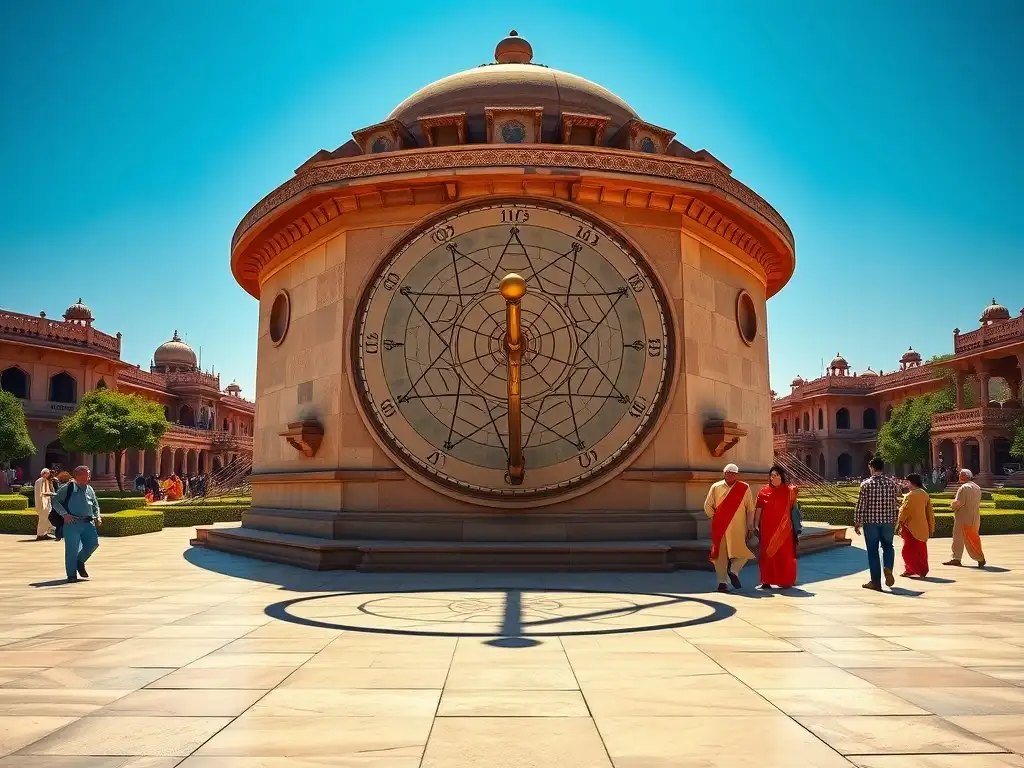
Welcome to Ancient India History, where we embark on a captivating journey through the rich tapestry of ancient Indian civilizations. From the majestic Indus Valley to the illustrious Gupta Empire, our exploration uncovers the remarkable contributions that shaped our world. In this article, we delve into the fascinating realm of Ancient Indian astronomy discoveries, spotlighting the wonders of Jantar Mantar. Prepare to be intrigued as we unveil the celestial achievements of our ancestors, inviting you to explore further and discover the depths of their knowledge and innovation. Join us as we unravel the stars!

Introduction to Ancient Indian Astronomy Discoveries
Ancient Indian astronomy is a profound and fascinating field that reflects the rich tapestry of scientific thought and cultural heritage in India. Dating back thousands of years, this discipline showcases the impressive astronomical discoveries made by ancient Indian scholars, who not only observed celestial phenomena but also developed sophisticated mathematical and observational techniques. Key texts such as the Aryabhatiya by Aryabhata and Surya Siddhanta provide invaluable insights into the methodologies and cosmological concepts of the time, highlighting the profound understanding ancient Indians had of the cosmos.
At the heart of this exploration lies Jantar Mantar, a remarkable collection of astronomical instruments constructed in the 18th century by Maharaja Jai Singh II of Jaipur. This site represents not only a scientific endeavor but also a cultural landmark that embodies the intersection of art, architecture, and astronomy. As we delve into the wonders of ancient Indian astronomy through the lens of Jantar Mantar, we uncover the legacy of astronomical discoveries that have shaped our understanding of the universe and continue to inspire generations of scholars and enthusiasts alike.
The Marvel of Jantar Mantar: A Historical Overview
Jantar Mantar, which translates to "instrument for measuring the harmony of the heavens," is one of five astronomical observatories built by Maharaja Jai Singh II across India. Established between 1724 and 1735, the Jaipur Jantar Mantar stands as the largest and most impressive of these observatories. The site consists of 19 architectural astronomical instruments, each designed for a specific purpose, such as measuring time, predicting eclipses, and tracking stars and planets.
Key Features of Jantar Mantar:
- Samrat Yantra (Supreme Instrument): The largest sundial in the world, it accurately tells the local time and is aligned with the celestial equator.
- Jaiprakash Yantra: A unique instrument consisting of two hemispherical structures that help determine the position of celestial bodies in the sky.
- Rama Yantra: Used to measure the altitude and azimuth of celestial bodies, reflecting the precision of ancient Indian astronomical methods.
The architectural brilliance of Jantar Mantar is not just a testament to the technical skill of its creators, but also to the philosophical and scientific inquiries that drove their work. By engaging with the instruments and the astronomical observations made at Jantar Mantar, visitors can immerse themselves in ancient Indian advancements in astronomy, making it a significant destination for luxury and historical travel enthusiasts eager to explore India’s rich heritage.
As we continue to uncover the wonders of ancient Indian astronomy at Jantar Mantar, we are reminded of the profound impact these discoveries have had on the scientific community and their enduring relevance in today's world.
Exploring the Astronomical Instruments at Jantar Mantar
Jantar Mantar, a collection of architectural astronomical instruments, was constructed in the 18th century by Maharaja Jai Singh II in various locations across India, with the most famous being in Jaipur. This remarkable site showcases the ingenuity of ancient Indian astronomy, embodying a blend of art, science, and architecture. Each instrument at Jantar Mantar serves a specific purpose, designed to observe celestial bodies, track time, and understand the cosmos. The intricate designs not only reflect the knowledge of the universe that ancient Indian astronomers possessed but also their contributions to the broader field of astronomy.
Visitors to Jantar Mantar can marvel at these grand structures, each of which provides insight into how early scientists measured time and celestial positions without the aid of modern technology. The site is not just a tourist destination; it is a testament to the advanced understanding of astronomy in ancient India, making it a vital stop for anyone interested in the history of science and technology.
The Samrat Yantra: The Giant Sundial
The Samrat Yantra, a massive sundial, is one of the most striking features of Jantar Mantar. Standing at an impressive height of 27 meters (about 90 feet), it is designed to accurately measure time based on the position of the sun. The instrument consists of a triangular gnomon that casts a shadow on a circular dial divided into 60 divisions, each representing a minute of time.
As the sun moves across the sky, the shadow of the Samrat Yantra shifts, allowing observers to read the time with remarkable precision. Notably, this instrument can measure time to within two seconds of accuracy, showcasing the advanced mathematical and astronomical knowledge of the era. The Samrat Yantra not only reflects the capabilities of ancient Indian astronomers but also serves as a visual representation of the profound relationship between time and celestial movements.
The Jayaprakash Yantra: Understanding Celestial Bodies
The Jayaprakash Yantra is another fascinating instrument at Jantar Mantar, designed to assist in the observation of celestial bodies. This unique structure resembles a large hemisphere with a series of markings that correspond to the positions of stars and planets. It allows astronomers to determine the altitude and azimuth of celestial objects.
One of the distinctive features of the Jayaprakash Yantra is its capacity to help in predicting eclipses and tracking the movement of celestial bodies across the sky. By aligning the instrument with specific stars, observers could gain insights into the cosmos that were previously unattainable. The Jayaprakash Yantra exemplifies the sophistication of ancient Indian astronomical practices and highlights the cultural significance of astronomy in guiding agricultural and religious activities of the time.
The Misra Yantra: Measuring Time with Precision
The Misra Yantra is designed as a multi-purpose instrument that combines elements of both the sundial and other timekeeping devices. It features several concentric circles, each serving a different function, including measuring time in various units and determining the positions of celestial bodies. This instrument embodies the complexity and innovation of ancient Indian astronomy.
One of the remarkable aspects of the Misra Yantra is its ability to measure time based on the movement of celestial bodies, accounting for various celestial phenomena such as the equinoxes and solstices. This multidimensional approach to timekeeping demonstrates the advanced mathematical and observational skills of ancient Indian astronomers. The Misra Yantra serves as an important reminder of how ancient civilizations sought to understand their place in the universe through precise measurement and observation.
The Impact of Jantar Mantar on Modern Astronomy
Jantar Mantar has left an indelible mark on the field of modern astronomy and continues to inspire astronomers and historians around the world. The instruments developed by Maharaja Jai Singh II laid the groundwork for further advancements in observational astronomy. Many concepts used in contemporary astronomical methods have their roots in the principles observed at Jantar Mantar.
Moreover, the preservation of these instruments has garnered attention from researchers and educators, fostering a renewed interest in ancient astronomical practices and their relevance today. The site serves as a living museum, where the interplay of history, science, and culture offers a unique perspective on the evolution of astronomy.
In addition, the global recognition of Jantar Mantar as a UNESCO World Heritage Site emphasizes the importance of ancient Indian contributions to science. By studying these astronomical instruments, modern scientists can appreciate the ingenuity and creativity of their predecessors, further bridging the gap between ancient and contemporary scientific understanding.
Planning Your Visit to Jantar Mantar: A Heritage Tour Experience

Visiting Jantar Mantar is not just an exploration of ancient astronomical instruments; it’s also a journey through time that allows travelers to appreciate the scientific prowess of ancient Indian civilizations. To make the most of your visit, thoughtful planning is essential. Begin by researching the various Jantar Mantar sites, as there are five across India, with the most famous located in Jaipur. Each site features unique instruments and architectural styles, so understanding their differences can enhance your experience.
Consider booking a guided heritage tour that delves into the history and significance of Jantar Mantar. Knowledgeable guides can provide insights into the astronomical discoveries made here, including the functioning of each instrument and their applications in ancient Indian society. Additionally, many tours offer a blend of historical context with local cultural experiences, such as traditional Rajasthani cuisine, that allow you to immerse yourself fully in the region's heritage.
Best Time to Visit Jantar Mantar
The optimal time to visit Jantar Mantar is during the cooler months of October to March. This period offers pleasant weather, making it comfortable to explore the expansive site and observe the intricate details of the astronomical instruments. If you can, aim to visit early in the morning or late afternoon to avoid the midday heat and enjoy softer lighting for photography.
Keep in mind that special events or festivals may also be held at Jantar Mantar, providing unique opportunities to experience the site. For instance, look for astronomy night events or educational workshops that might coincide with your visit, allowing you to engage more deeply with the ancient practices of astronomy.
Luxury Tours and Guides: Elevating Your Experience
For a truly elevated experience, consider opting for luxury tours that provide personalized service and exclusive access. These tours often include private guides who are experts in ancient Indian astronomy and can tailor the experience to your interests. You may find that some luxury packages offer after-hours access to Jantar Mantar, allowing you to explore the site without the crowds and enjoy a more tranquil atmosphere.
Moreover, luxury tours may include additional amenities such as transportation in high-end vehicles, gourmet meals at local restaurants, and visits to nearby historical sites to enrich your overall understanding of the region’s cultural heritage. Seek out operators who specialize in heritage and cultural tours to ensure a memorable experience that highlights the significance of ancient Indian astronomy discoveries.
Conclusion: Embracing Ancient Indian Astronomy Discoveries at Jantar Mantar

Jantar Mantar stands as a testament to the remarkable achievements of ancient Indian astronomers, showcasing their sophisticated understanding of celestial movements through intricate instruments. As you plan your visit, it becomes evident that this site is more than just an observatory; it’s a gateway to understanding the rich tapestry of India's scientific heritage.
By immersing yourself in the heritage tour experience, you not only witness the architectural grandeur of Jantar Mantar but also appreciate the discoveries that shaped our understanding of astronomy. Whether you explore through a luxury tour or a guided experience, embracing the ancient Indian astronomy discoveries at Jantar Mantar will undoubtedly leave you with lasting memories and a deeper appreciation for the brilliance of ancient civilizations.
Additional Resources
For those interested in delving deeper into the fascinating world of ancient Indian astronomy, there are several resources available that can enhance your understanding and appreciation of this remarkable field. Here are some recommended materials to explore:
- Books:
- The History of Indian Astronomy by K. R. Rao – This comprehensive text provides insights into the evolution of astronomical practices in India from ancient times to the modern era.
- Astronomy in India: A Historical Perspective by R. C. Gupta – This book explores significant astronomical discoveries and contributions made by ancient Indian scholars.
- Documentaries:
- The Stars of India: A Journey through Ancient Astronomy – This documentary highlights the achievements of ancient Indian astronomers and their instruments, including those found at Jantar Mantar.
- Skywatchers of Ancient India – A visually engaging film that portrays the celestial observations and interpretations by ancient Indian astronomers.
- Online Courses:
- Coursera and edX often provide courses on the history of science and astronomy, which may include modules on ancient Indian contributions.
- The Great Courses offers lectures focused on world astronomy history, featuring segments on ancient civilizations.
- Visitor Information:
- Official websites of Jantar Mantar locations, such as Jaipur and Delhi, provide details on visiting hours, guided tours, and educational programs related to ancient astronomy.
Engaging with these resources can significantly enhance your experience and understanding of the ancient astronomical practices that flourished in India, particularly at sites like Jantar Mantar.
Final Thoughts on Ancient Indian Astronomy and Heritage
Ancient Indian astronomy represents a remarkable blend of scientific inquiry, philosophical thought, and cultural expression. The discoveries made by ancient Indian astronomers not only advanced the understanding of celestial phenomena but also laid the groundwork for many modern astronomical concepts. Jantar Mantar stands as a testament to this rich heritage, showcasing the ingenuity and precision of astronomical instruments that were used centuries ago.
Visiting Jantar Mantar allows travelers to step back in time and appreciate the sophisticated methods employed by astronomers who meticulously observed the heavens. The site reflects the deep connection between science, spirituality, and daily life in ancient India, revealing how celestial events influenced agriculture, religious practices, and societal norms.
As we explore ancient Indian astronomy, it is essential to recognize its relevance today. The principles and techniques developed by ancient scholars continue to inspire contemporary scientists and astronomers worldwide. By appreciating and preserving this heritage, we not only honor the contributions of our ancestors but also encourage future generations to explore the wonders of the universe.
Incorporating ancient Indian astronomy into luxury and historical travel experiences offers a unique opportunity to connect with a rich cultural legacy while fostering a deeper appreciation for the cosmos. Whether you are a history enthusiast, a science lover, or simply seeking a profound travel experience, the journey through ancient Indian astronomy promises to be enlightening and inspiring.
- Introduction to Ancient Indian Astronomy Discoveries
- The Marvel of Jantar Mantar: A Historical Overview
- Exploring the Astronomical Instruments at Jantar Mantar
- The Impact of Jantar Mantar on Modern Astronomy
- Planning Your Visit to Jantar Mantar: A Heritage Tour Experience
- Best Time to Visit Jantar Mantar
- Luxury Tours and Guides: Elevating Your Experience
- Conclusion: Embracing Ancient Indian Astronomy Discoveries at Jantar Mantar
- Additional Resources
- Final Thoughts on Ancient Indian Astronomy and Heritage
Frequently Asked Questions
What is Jantar Mantar and its significance in ancient Indian astronomy?
Jantar Mantar is an astronomical observatory built in the 18th century in India. It features large instruments designed for measuring time, predicting eclipses, and tracking stars, showcasing the advanced knowledge of ancient Indian astronomy.
What are some key discoveries in ancient Indian astronomy?
Ancient Indian astronomers made notable discoveries including the concept of the heliocentric model, accurate calculations of planetary positions, and the introduction of zero in mathematical calculations, which were crucial for astronomical studies.
How did ancient Indian astronomy influence other cultures?
The astrological texts and astronomical methods developed in ancient India significantly impacted Islamic and European astronomy. The translation of these texts into Arabic helped disseminate this knowledge across cultures.
Who were some notable astronomers in ancient India?
Prominent figures include Aryabhata, who formulated the value of pi and proposed the rotation of the Earth, and Brahmagupta, who contributed to the understanding of planetary motion and mathematics.
What role did astronomy play in ancient Indian society?
Astronomy was integral to agriculture, religious practices, and navigation. The calendrical systems developed based on astronomical observations helped in planning agricultural activities and timing festivals.
Final Reflection: Embracing the Legacy of Ancient Indian Astronomy
The wonders of ancient Indian astronomy are not just relics of the past; they are a testament to the brilliance of human intellect and curiosity. In today's fast-paced world, where technology often overshadows traditional knowledge, the discoveries made at Jantar Mantar remind us of the profound insights our ancestors had about the cosmos. The intricate instruments and their precise calculations reveal a civilization that was not only aware of celestial movements but also deeply connected to the universe around them. This legacy challenges us to appreciate and learn from the wisdom of those who came before us.
The influence of ancient Indian astronomy extends far beyond historical significance; it continues to inspire modern scientific inquiry and cultural appreciation. The principles and methodologies employed by ancient astronomers can still be seen in contemporary practices, urging us to explore the universe with the same passion and dedication. As Carl Sagan once said, "> We are made of star-stuff. We are a way for the universe to know itself." This profound connection between humanity and the cosmos is a reminder of our shared heritage and the importance of preserving and celebrating these ancient discoveries.
As you reflect on the wonders of ancient Indian astronomy, consider how you can incorporate this knowledge into your own life. Let the stories of Jantar Mantar inspire you to look up at the stars with wonder and curiosity. Engage with the cosmos, whether through stargazing, learning about celestial events, or exploring the rich history of astronomy in your culture. By doing so, you not only honor the legacy of those who paved the way for our understanding of the universe but also ignite your own journey of discovery and exploration.
Unveil the Secrets of Ancient Astronomy Today!
Thank you for diving into the fascinating world of Ancient Indian Astronomy with us! By exploring the wonders of Jantar Mantar, you've gained insight into the brilliance and innovation of our ancestors. Now, it's time to take the next step and connect with this rich heritage even further.
Here are a few exciting actions you can take right now:
- Visit a Jantar Mantar – If possible, plan a trip to the nearest site and experience the grandeur of these ancient instruments firsthand!
- Join a local astronomy club – Connect with fellow enthusiasts who share your passion for the cosmos and delve deeper into the secrets of the stars.
- Share your discoveries – Discuss the wonders of Jantar Mantar with your friends and family, highlighting its significance. We invite you to engage with us in the comments below!
What aspect of ancient astronomy fascinates you the most, and how do you think it influences our current understanding of the universe?