
The Wonders of Ancient Indian Warfare: A Historical Tour of Forts and Battlefields

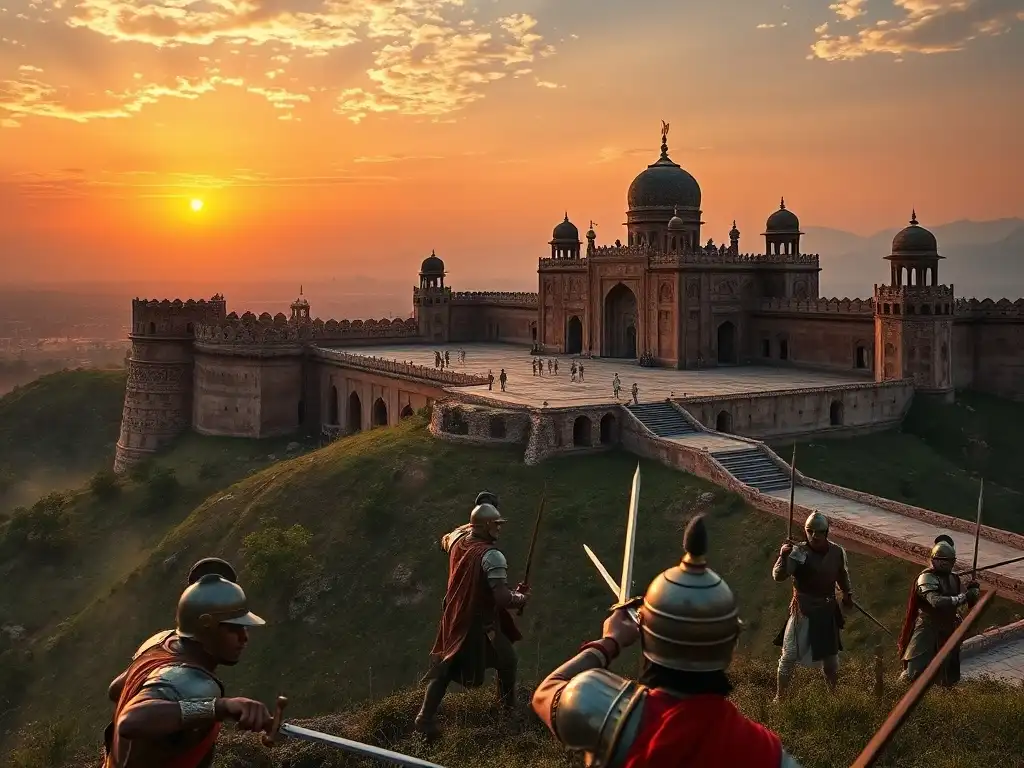
Welcome to Ancient India History, where the echoes of a vibrant past come alive! Here, we invite you to embark on an extraordinary journey through the wonders of ancient Indian warfare, uncovering the strategic brilliance and valor that shaped the subcontinent's rich tapestry. From the formidable forts that still stand as testaments to architectural prowess, to the battlefields where legends were forged, our exploration promises to inspire and enlighten.
Are you ready to delve into the stories that reveal not just the conflicts, but the culture and innovations of ancient civilizations? Join us as we unravel the captivating saga of warfare in ancient India, and discover how these historical narratives continue to influence the world today!
Introduction to Ancient Indian Warfare History
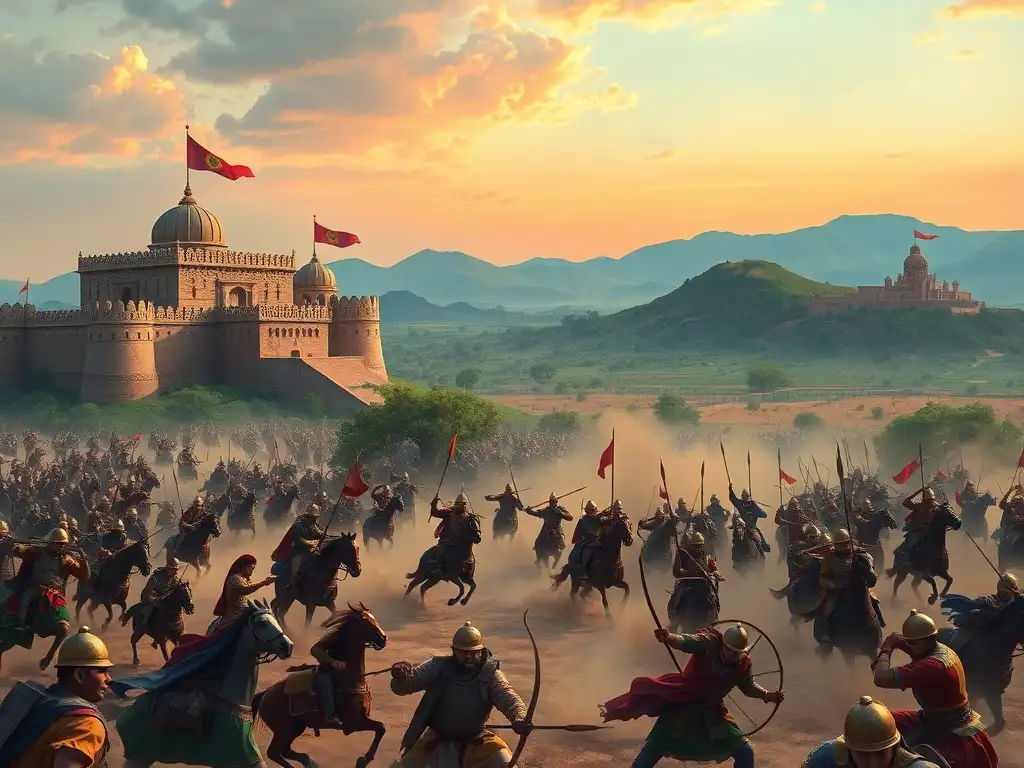
The history of ancient Indian warfare is a tapestry woven with valor, strategy, and remarkable innovations that shaped the subcontinent's past. From the early skirmishes of tribal societies to the grand battles of empires, the evolution of military practices in India reveals a complex interplay between culture, technology, and political dynamics.
This journey through time not only showcases the advancements in weaponry and tactics but also highlights the majestic forts and battlefields that stand as testaments to India's rich martial heritage. Exploring ancient Indian warfare history offers travelers a unique perspective on how these historical sites reflect the strategies and philosophies that governed warfare in ancient times.
Key Periods in Ancient Indian Warfare
Understanding ancient Indian warfare requires a closer look at the key periods that defined its evolution. Each era contributed uniquely to military practices, fortifications, and the art of war.
The Indus Valley Civilization: Early Military Structures
The foundations of ancient Indian warfare can be traced back to the Indus Valley Civilization (c. 3300–1300 BCE). This early civilization, known for its advanced urban planning, also exhibited signs of military organization. Archaeological evidence suggests:
- Fortified Cities: Sites like Mohenjo-Daro and Harappa featured walls made of baked bricks, indicating a need for defense against potential invaders.
- Weapons and Tools: The discovery of copper and bronze tools suggests the use of rudimentary weapons, including daggers and spears, which were pivotal in early combat scenarios.
These early military structures set the stage for future developments in warfare throughout the Indian subcontinent.
The Vedic Period: Chariots and War Strategies
The Vedic Period (c. 1500–500 BCE) marked a significant evolution in the art of warfare, characterized by the introduction of chariots and organized military formations. Key elements of this era include:
- Chariot Warfare: The emergence of chariots revolutionized combat, providing mobility and a platform for archers. This innovation allowed for more dynamic battle strategies.
- Military Texts: Ancient texts like the Rigveda and Mahabharata provide insights into the strategies employed during this time, emphasizing the role of divine favor and moral righteousness in warfare.
The Vedic warriors, known as Kshatriyas, exemplified the martial spirit of this period, blending bravery with strategic acumen.
The Maurya Empire: Innovations in Military Tactics
The rise of the Maurya Empire (c. 322–185 BCE) brought forth significant advancements in military tactics and organization. Under the reign of Chandragupta Maurya and his grandson Ashoka, the following innovations emerged:
- Centralized Military: The establishment of a standing army allowed for better coordination and preparedness for warfare.
- War Elephants: The use of war elephants became a hallmark of Mauryan military strategy, providing both psychological and physical advantages on the battlefield.
- Diplomacy and Warfare: Ashoka's transition from a warrior to a proponent of peace illustrates the duality of military might and diplomacy in ancient warfare.
This era exemplifies the sophisticated military strategies that laid the groundwork for future empires.
The Gupta Empire: The Golden Age of Warfare and Strategy
The Gupta Empire (c. 240–550 CE) is often referred to as the golden age of ancient Indian civilization, marked not only by cultural achievements but also by military prowess. Key aspects of warfare during this period include:
- Advanced Military Strategies: The Guptas employed innovative tactics, utilizing a combination of infantry, cavalry, and war elephants.
- Forts and Infrastructure: The establishment of fortified cities such as Ujjain and Pataliputra showcased advanced architecture designed for defense and military logistics.
- Literary Contributions: Works like the Arthashastra, attributed to Kautilya, offer insights into statecraft, espionage, and military tactics, reflecting the intellectual advancements in warfare.
The Gupta Empire's military legacy continues to influence modern military thought and strategy.
By exploring these key periods in ancient Indian warfare history, travelers can appreciate the intricate relationship between military evolution and the cultural fabric of ancient India. As we delve deeper into this captivating topic, the forts and battlefields that pepper the Indian landscape await to share their stories of valor and strategy.
Iconic Forts and Battlefields in Ancient India
Ancient Indian warfare history is rich with remarkable forts and battlefields that tell the story of military strategies, architectural grandeur, and the valor of warriors. Among the most iconic are the forts scattered across the Indian subcontinent, many of which stand as a testament to the advanced engineering and strategic planning of their time. These structures not only served as military strongholds but also as residences for royalty and centers of political power.
Forts such as the Red Fort in Delhi, Jaipur’s Amer Fort, and Chittorgarh Fort are prime examples of the blend of beauty and functionality. The battlefields—like those of Panipat, Kurukshetra, and Haldighati—are significant for their historical battles that shaped the course of Indian history. Each site offers a unique glimpse into the military prowess and cultural evolution of ancient Indian civilizations.
The Majestic Forts of Rajasthan: A Testament to Military Architecture
Rajasthan is home to some of the most magnificent forts in India, showcasing the fusion of art and military design. The Amber Fort, with its intricate carvings and formidable walls, served as a stronghold for the Kachwaha Rajputs. The Mehrangarh Fort in Jodhpur, perched on a hill, offers breathtaking views and reflects the power of the Rathore clan.
These forts were not only defensive structures but also centers of administration and culture. They housed palaces, temples, and gardens, creating a thriving ecosystem within their walls. The architectural innovations, such as the use of sandstone and marble, as well as features like bastions, watchtowers, and moats, highlight the advanced military techniques of the time.
Moreover, the fortifications were strategically placed to control trade routes and protect against invasions, symbolizing the importance of military readiness in ancient Indian society. The stories of battles fought and won within these walls continue to resonate, making Rajasthan's forts a must-visit for history enthusiasts.
The Historical Significance of the Battlefields
Battlefields in ancient India are not merely geographical locations; they are historical narratives etched into the land. Sites like Kurukshetra, known for the epic Mahabharata war, encapsulate the philosophical and moral dilemmas faced by warriors. The Battle of Panipat, which saw the rise and fall of empires, is another crucial event that reshaped the Indian subcontinent.
These battlefields serve as reminders of the valor and strategy employed by ancient warriors. They provide insight into the military tactics, weaponry, and the socio-political context of the times. Visiting these sites allows travelers to connect with the past, offering a deeper understanding of the conflicts that defined ancient Indian civilizations.
Exploring Ancient Indian Warfare Through Heritage Tours
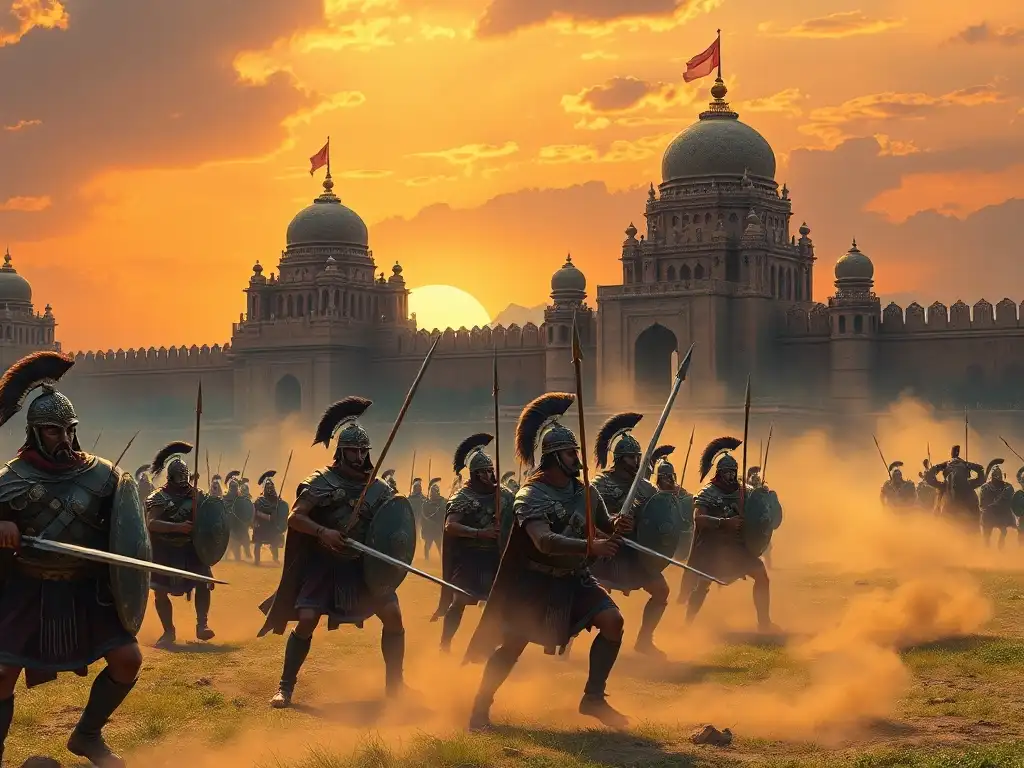
Heritage tours focusing on ancient Indian warfare offer a unique opportunity to delve into the historical and cultural significance of forts and battlefields. These tours are designed to provide an immersive experience, combining education with exploration.
Travelers can witness the grandeur of ancient architecture while learning about the battles that took place there, often guided by experts who share in-depth knowledge of the history and strategies involved. The blend of storytelling and site exploration enriches the travel experience, making it both informative and engaging.
Luxury Historical Travel: A Journey Through Time
Luxury historical travel in India allows visitors to explore ancient warfare history in comfort and elegance. High-end tours often include stays in heritage hotels, which are former palaces or forts, providing a luxurious yet authentic experience.
These tours may offer private guides, gourmet dining that incorporates traditional cuisine, and exclusive access to certain historical sites. Travellers can enjoy bespoke itineraries that cater to their interests, whether it's focusing on military architecture, famous battles, or the lives of legendary warriors. This approach not only enhances comfort but also enriches the understanding of India’s glorious past.
Best Practices for Planning Your Historical Tour
Planning a historical tour focused on ancient Indian warfare requires thoughtful consideration to ensure a rewarding experience. Here are some best practices:
- Research: Understand the historical significance of the sites you wish to visit. Familiarize yourself with key battles, architectural styles, and cultural contexts to enhance your appreciation of the sites.
- Choose Reputable Tour Operators: Opt for operators specializing in heritage tours with experience in ancient military history. They can provide knowledgeable guides and well-structured itineraries.
- Consider Timing: Visit during the cooler months, from October to March, to enjoy comfortable weather while exploring outdoor sites.
- Pack Appropriately: Wear comfortable clothing and sturdy footwear suitable for walking and exploring rugged terrains.
- Engage with Local Culture: Include interactions with local historians or participation in cultural events to gain a deeper understanding of the region's heritage.
By following these practices, travelers can ensure a fulfilling and enriching journey through the fascinating world of ancient Indian warfare history.
Conclusion: The Lasting Legacy of Ancient Indian Warfare
The history of ancient Indian warfare is a fascinating tapestry woven with tales of valor, strategy, and innovation. From the formidable forts that served as bastions of defense to the intricate battle formations that marked the battlefield, the legacy of ancient Indian military practices continues to influence contemporary society. The strategic mastery exhibited by ancient Indian warriors, including the use of elephants in battle and the development of advanced weaponry, showcases a deep understanding of both combat and logistics that was ahead of its time.
Moreover, the architectural brilliance of forts like Mehrangarh and Chittorgarh not only served military purposes but also became emblematic of the cultural and societal values of their times. These structures stand today as reminders of the historical significance of warfare in shaping the political landscape of ancient India. The stories of heroic battles and legendary leaders inspire a sense of pride in the rich heritage of the subcontinent.
As we reflect on the lessons learned from ancient Indian warfare, it is evident that the strategic principles and valor displayed in these historical narratives have a lasting impact, providing insights into leadership, resilience, and the importance of preserving one's culture and identity.
Call to Action: Discover Ancient Indian Warfare History Today!
Are you ready to delve deeper into the captivating world of ancient Indian warfare history? Embark on a journey through time by exploring the majestic forts and legendary battlefields that narrate the epic stories of bravery and strategy.
- Join guided heritage tours that take you through iconic sites, where expert historians will unfold the stories behind each fort's architecture and the battles that shaped their legacies.
- Visit museums that house artifacts and exhibits dedicated to ancient military technology, offering a glimpse into the innovations that were pivotal in ancient Indian warfare.
- Participate in reenactments of historic battles and experience firsthand the tactics and formations that warriors employed centuries ago.
Don’t miss the chance to connect with the rich tapestry of ancient Indian warfare history. Plan your visit today and immerse yourself in the vibrant past that continues to inspire future generations! ✈️🌍
- Introduction to Ancient Indian Warfare History
- Key Periods in Ancient Indian Warfare
- Iconic Forts and Battlefields in Ancient India
- Exploring Ancient Indian Warfare Through Heritage Tours
- Conclusion: The Lasting Legacy of Ancient Indian Warfare
- Call to Action: Discover Ancient Indian Warfare History Today!
Frequently Asked Questions
What are the main characteristics of ancient Indian warfare?
Ancient Indian warfare was marked by strategic planning, use of chariots, and cavalry. Techniques varied across different civilizations, reflecting diverse military practices and technologies.
How did geography influence ancient Indian warfare?
Geography played a crucial role in ancient Indian warfare. The presence of mountains, rivers, and plains shaped strategies and tactics, determining the success of various battles and fortifications.
What role did forts play in ancient Indian warfare?
Forts were essential for defense and strategic control in ancient India. They served as military bases, storage for supplies, and shelters for warriors during conflicts, showcasing architectural brilliance.
Who were some notable figures in ancient Indian military history?
Prominent figures include Chandragupta Maurya and Ashoka, who were influential in establishing powerful empires. Their military strategies and contributions significantly impacted the course of Indian history.
How did the Gupta Empire influence warfare in ancient India?
The Gupta Empire is known for its military innovations and expansionist policies. They employed advanced tactics and technologies, leading to enhanced warfare efficiency and the establishment of a vast empire.
Final Reflection: The Enduring Legacy of Ancient Indian Warfare
The exploration of ancient Indian warfare history reveals not only the strategic brilliance of past civilizations but also their profound impact on our modern world. From the majestic forts that stand as silent sentinels of bygone eras to the battlefields that echo with tales of valor, the remnants of these historical sites serve as a reminder of the complexities of human conflict and the lessons we can learn from them. Understanding this history is crucial as it shapes our cultural identity and influences contemporary military strategies.
The significance of ancient Indian warfare extends beyond mere tactics and weaponry; it reflects the rich tapestry of social, political, and cultural dynamics that defined the subcontinent. The stories of legendary warriors and their epic confrontations continue to inspire generations, reminding us of the resilience and ingenuity of our ancestors. History is not just about the past; it is a guide to our future.
This ongoing influence encourages us to reflect on how these historical narratives can inform our understanding of conflict and peace in today's world.
As we conclude this exploration, I invite you to reflect on the lessons embedded in the history of ancient Indian warfare. Consider how the strategies, values, and philosophies of the past can be applied to our present challenges. Whether it’s fostering dialogue in conflict resolution or embracing the spirit of innovation in our endeavors, let the legacy of these ancient warriors inspire you to forge a path of understanding and growth in your own life.
Embark on Your Journey Through History!
Thank you for diving into the rich saga of Ancient Indian warfare with us! We hope you uncovered the fascinating stories behind the forts and battlefields that shaped this incredible history. Now, it’s time to step into action and explore further!
Here are some steps you can take to deepen your connection with this remarkable heritage:
- Plan a visit to a nearby ancient fort and immerse yourself in the captivating history that surrounds you.
- Share what you've learned! Discuss the key insights from this article with friends or family—you might ignite someone's passion for ancient history!
- Join a local history group or an online forum to connect with fellow enthusiasts, where you can exchange insights and discover more intriguing narratives.
What aspect of Ancient Indian warfare intrigues you the most, and how do you plan to explore it further?