
How to Experience the Majesty of the Indus Valley Civilization: A Luxury Travel Guide

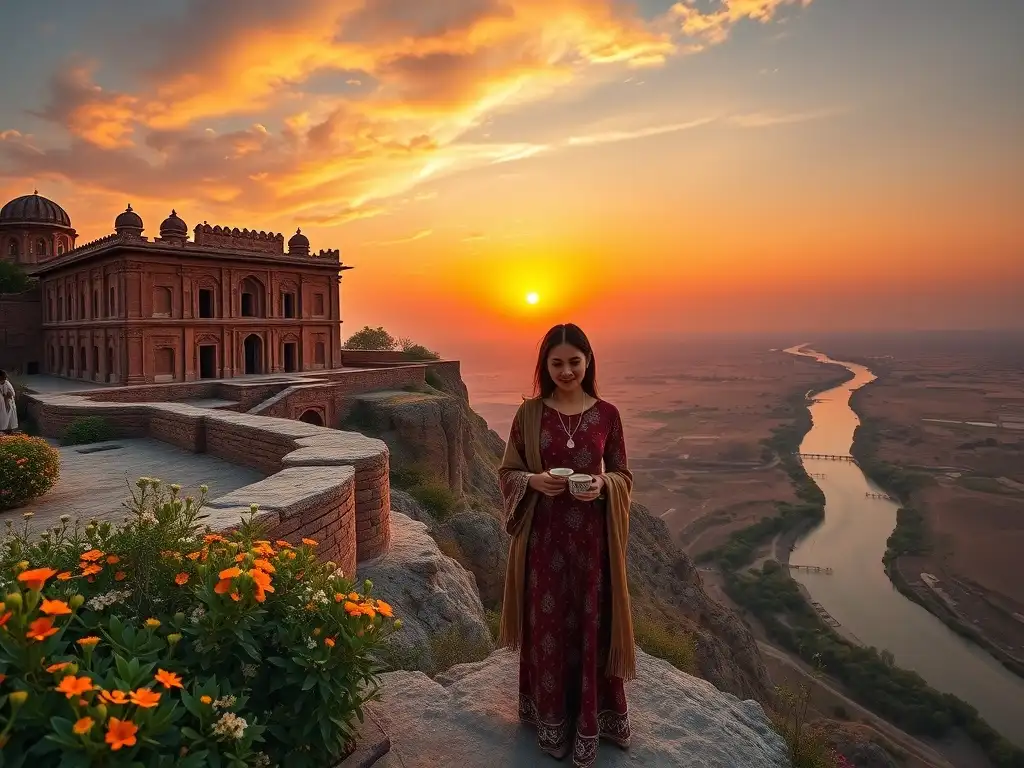
Welcome to Ancient India History, where we embark on a journey through time to uncover the rich tapestry of India's past. In our latest article, "How to Experience the Majesty of the Indus Valley Civilization: A Luxury Travel Guide," we invite you to delve into the opulent experiences that await you in one of the world's oldest civilizations. Discover how luxury travel can bring to life the grandeur of the Indus Valley, from its sophisticated urban planning to its mesmerizing cultural heritage. Are you ready to unlock the secrets of this ancient marvel? Let's explore together!
- Introduction to Luxury Travel in the Indus Valley Civilization
- Key Destinations in the Indus Valley Civilization
- Luxury Accommodations Near Indus Valley Sites
- Exclusive Tours and Experiences
- Gourmet Dining Experiences in the Region
- Luxury Transportation Options for Your Journey
- Essential Travel Tips for Luxury Travelers
- Conclusion: Crafting Your Luxury Journey through History
-
Frequently Asked Questions
- What is the Indus Valley Civilization known for?
- How can luxury travel enhance the experience of visiting the Indus Valley?
- What are some must-visit sites in the Indus Valley?
- How does the Gupta Empire relate to the Indus Valley Civilization?
- What luxury amenities can travelers expect when exploring the Indus Valley?
- Final Reflection: Embracing the Luxury of History in the Indus Valley
- Embark on Your Journey Through the Indus Valley Marvels!
Introduction to Luxury Travel in the Indus Valley Civilization
Exploring the majestic remnants of the Indus Valley Civilization offers a unique opportunity to immerse yourself in one of the world’s oldest urban cultures. As a pivotal era marked by advanced city planning, intricate drainage systems, and remarkable craftsmanship, the Indus Valley Civilization beckons luxury travelers to experience its rich heritage in style.
This guide is crafted not only to highlight the historical significance of this ancient civilization but also to provide travelers with insights into how to experience it in a luxurious and memorable way. From opulent accommodations to bespoke guided tours, we will delve into the best practices for enjoying a lavish journey through the heart of ancient India.
Overview of the Indus Valley Civilization
The Indus Valley Civilization, flourishing around 2500 BCE, was one of the world’s earliest urban societies. Spanning present-day Pakistan and northwest India, it was renowned for its sophisticated city layouts, such as Harappa and Mohenjo-Daro, characterized by:
- Advanced Urban Planning: Streets laid out in grid patterns, suggesting a high level of organization and municipal governance.
- Innovative Drainage Systems: Homes equipped with advanced sanitation systems, highlighting the civilization's commitment to hygiene and public health.
- Trade Networks: Evidence of extensive trade with distant regions, including Mesopotamia, indicating their economic prowess.
The civilization's decline around 1900 BCE remains a topic of intrigue and research, with various theories suggesting climate change, resource depletion, or invasion as potential causes. This historical backdrop provides a fascinating context for luxury travelers seeking to explore ancient sites while enjoying modern comforts.
Why Choose Luxury Travel for Historical Exploration?
Choosing luxury travel for exploring historical sites, like those of the Indus Valley Civilization, elevates the experience beyond mere sightseeing. Here are several compelling reasons to consider this approach:
- Exclusive Access: Luxury travel often includes private tours and exclusive access to archaeological sites, enabling a deeper understanding of their significance without the crowds.
- Comfort and Convenience: Traveling in comfort allows for a more relaxed exploration of ancient sites. High-end accommodations provide a perfect base for unwinding after a day of discovery.
- Tailored Experiences: Luxury travel providers specialize in bespoke itineraries, allowing travelers to customize their journeys based on personal interests, whether it be art, architecture, or archaeology.
- Expert Guidance: Luxurious tours often include knowledgeable guides who provide in-depth insights and context, enriching the historical exploration experience.
- Cultural Immersion: High-end travel often integrates local cultural experiences, such as gourmet dining featuring traditional cuisine, enhancing the connection to the region's heritage.
Embracing luxury travel while exploring the remnants of the Indus Valley Civilization not only enhances the journey but also fosters a greater appreciation for this remarkable chapter in human history.
Key Destinations in the Indus Valley Civilization
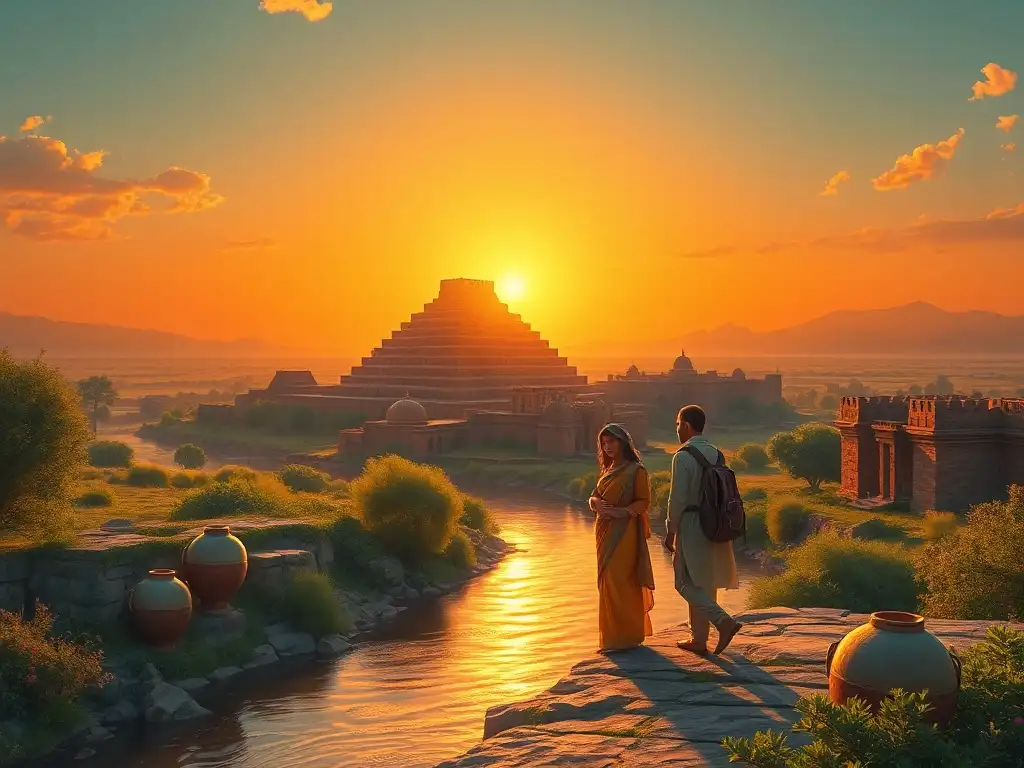
The Indus Valley Civilization, one of the world's earliest urban cultures, boasts remarkable sites that showcase its grandeur and sophistication. For luxury travelers eager to immerse themselves in this ancient world, the following destinations stand out as must-visit locations.
Mohenjo-Daro: The Crown Jewel of Ancient Urban Planning
Mohenjo-Daro, often hailed as the pinnacle of Indus Valley architecture, is a UNESCO World Heritage site that exemplifies advanced urban planning. Dating back to around 2500 BCE, this city features a well-organized layout, complete with sophisticated drainage systems and standardized fired-brick buildings.
- Key Attractions:
- The Great Bath: This monumental structure is believed to have held ritual significance, showcasing the civilization's emphasis on cleanliness and communal gatherings.
- The Citadel: Elevated above the surrounding structures, the Citadel likely served as a religious or administrative center, offering stunning views of the city.
- Residential Areas: The intricate layout of houses, complete with private wells and bathrooms, highlights the advanced living standards of the time.
Travelers can enjoy luxury accommodations nearby, allowing for a comfortable exploration of this ancient wonder. Guided tours often include in-depth historical insights, ensuring an enriching experience.
Harappa: Unveiling the Secrets of an Ancient City
Harappa, another key site of the Indus Valley Civilization, offers a glimpse into the daily lives of its inhabitants. Established around the same time as Mohenjo-Daro, Harappa presents a unique blend of archaeological significance and cultural richness.
- Key Attractions:
- The Granary: This structure is one of the largest and most well-preserved buildings in Harappa, indicating the civilization's agricultural prowess.
- The Seal Workshops: Visitors can explore areas where artisans crafted seals, which were used for trade and administrative purposes, showcasing the civilization's economic sophistication.
- The Cemetery: A fascinating site that provides insights into burial practices and spiritual beliefs of the time, offering a deeper understanding of societal norms.
Luxury travelers can find exclusive tours that combine the exploration of Harappa's ruins with cultural experiences, such as local crafts demonstrations and gourmet dining experiences inspired by ancient recipes.
Lothal: Gateway to Maritime Trade of the Past
Lothal stands out as a significant port city of the Indus Valley Civilization, known for its advanced dockyard that facilitated maritime trade with distant lands. Dating back to approximately 2400 BCE, Lothal is a testament to the civilization's commercial prowess and innovation.
- Key Attractions:
- The Dockyard: Considered one of the world's earliest, this engineering marvel underscores the importance of trade in the Indus Valley economy.
- The Warehouse: This massive structure was likely used for storage and trade, providing insights into the commercial activities of the time.
- The Bead Factory: Visitors can witness the remnants of bead-making workshops, emphasizing the craftsmanship and trade networks of the ancient civilization.
Luxury travel options in Lothal include boutique hotels that offer a blend of modern amenities and local aesthetics, ensuring a comfortable stay as you delve into the history of this remarkable city.
By exploring these key destinations, luxury travelers can not only witness the architectural and cultural achievements of the Indus Valley Civilization but also engage in enriching experiences that celebrate its legacy. Whether walking through the streets of Mohenjo-Daro, uncovering the secrets of Harappa, or standing at the ancient dockyards of Lothal, each site offers a unique window into a civilization that laid the foundations for future societies.
Luxury Accommodations Near Indus Valley Sites
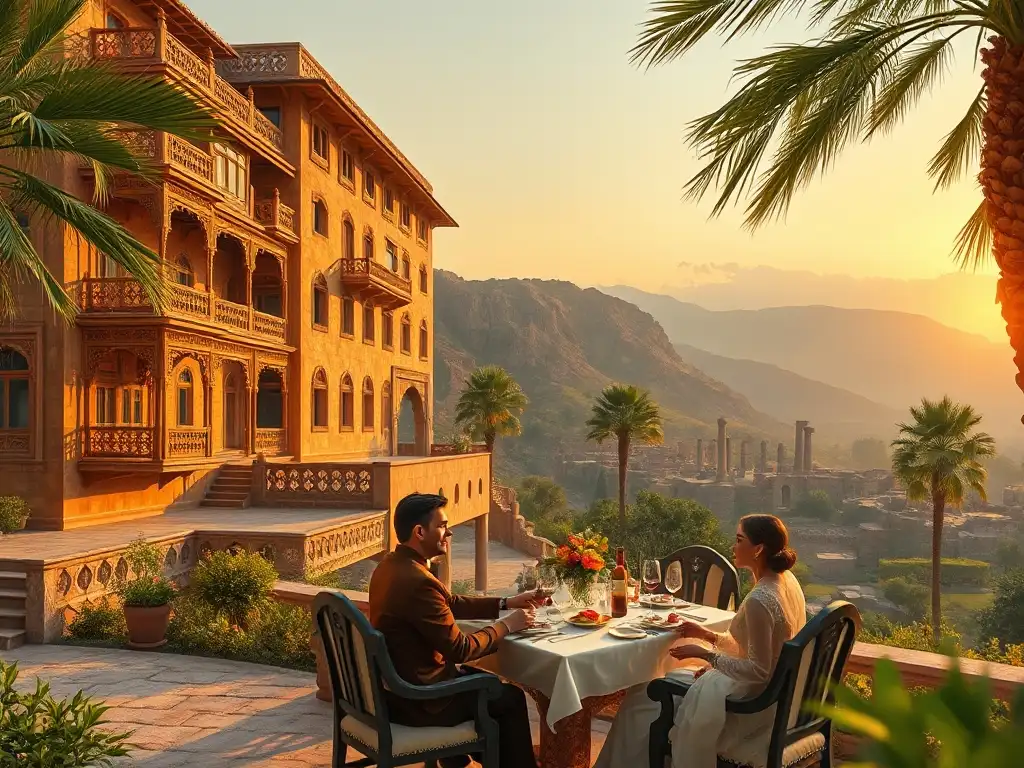
When planning a visit to the majestic remnants of the Indus Valley Civilization, choosing the right place to stay can greatly enhance your experience. Luxury accommodations not only provide comfort but also immerse you in the rich history and culture of ancient India. Below are some of the top luxury hotels that cater to travelers seeking both relaxation and an enriching historical experience.
Top Luxury Hotels for Travelers in the Indus Valley
The Oberoi Udaivilas, Udaipur
Nestled on the banks of Lake Pichola, The Oberoi Udaivilas is a stunning representation of Udaipur's regal heritage. The hotel features:
- Palatial Architecture: With its intricate domes, expansive courtyards, and lush gardens, this hotel reflects the splendor of Rajasthan's royal past.
- Luxurious Amenities: Guests can indulge in a rejuvenating spa, infinity pools, and gourmet dining options that serve both local and international cuisines.
- Cultural Experiences: The hotel organizes guided tours to nearby historical sites, including the City Palace and the Jag Mandir, giving guests a taste of Udaipur's rich cultural tapestry.
Staying at The Oberoi Udaivilas is like stepping into a fairy tale, where every corner whispers the stories of bygone eras.
ITC Mughal, Agra: A Luxurious Historical Experience
Located in Agra, the ITC Mughal is a tribute to the Mughal era, making it a perfect base for exploring the wonders of the Indus Valley Civilization and the iconic Taj Mahal. Highlights include:
- Mughal Architecture: The hotel showcases magnificent Mughal-style architecture, complete with beautiful gardens and tranquil water bodies that reflect the grandeur of the Mughal dynasty.
- Culinary Delights: Guests can savor exquisite Mughlai cuisine at the hotel’s renowned restaurants, crafted by skilled chefs who bring the flavors of ancient India to life.
- Proximity to Historic Sites: Just a stone's throw from the Taj Mahal, ITC Mughal offers easy access to Agra Fort and other significant historical landmarks.
ITC Mughal seamlessly blends luxury with history, providing an unforgettable experience that pays homage to India's rich heritage.
Oberoi Amarvilas: Experiencing Luxury with a View of the Taj Mahal
The Oberoi Amarvilas stands out as one of the most luxurious hotels in Agra, offering breathtaking views of the Taj Mahal. Key features include:
- Stunning Views: Every room is designed to provide a clear view of the Taj Mahal, allowing guests to experience its beauty at any time of day.
- Exquisite Design: The hotel reflects the grandeur of the Mughal era, featuring ornate interiors, sprawling gardens, and a world-class spa that offers traditional therapies.
- Cultural Activities: The Oberoi Amarvilas hosts various cultural events and excursions that delve into the history of the Mughal dynasty and the Indus Valley Civilization, making it a perfect choice for history enthusiasts.
At Oberoi Amarvilas, luxury meets history, creating an enchanting atmosphere where every moment feels like a royal experience.
Choosing to stay at these luxury accommodations not only elevates your travel experience but also allows you to connect with the profound history of the Indus Valley Civilization and its remarkable contributions to the world. Whether it's enjoying a regal meal, relaxing at a world-class spa, or simply soaking in the breathtaking views, these hotels ensure an unforgettable journey through time.
Exclusive Tours and Experiences
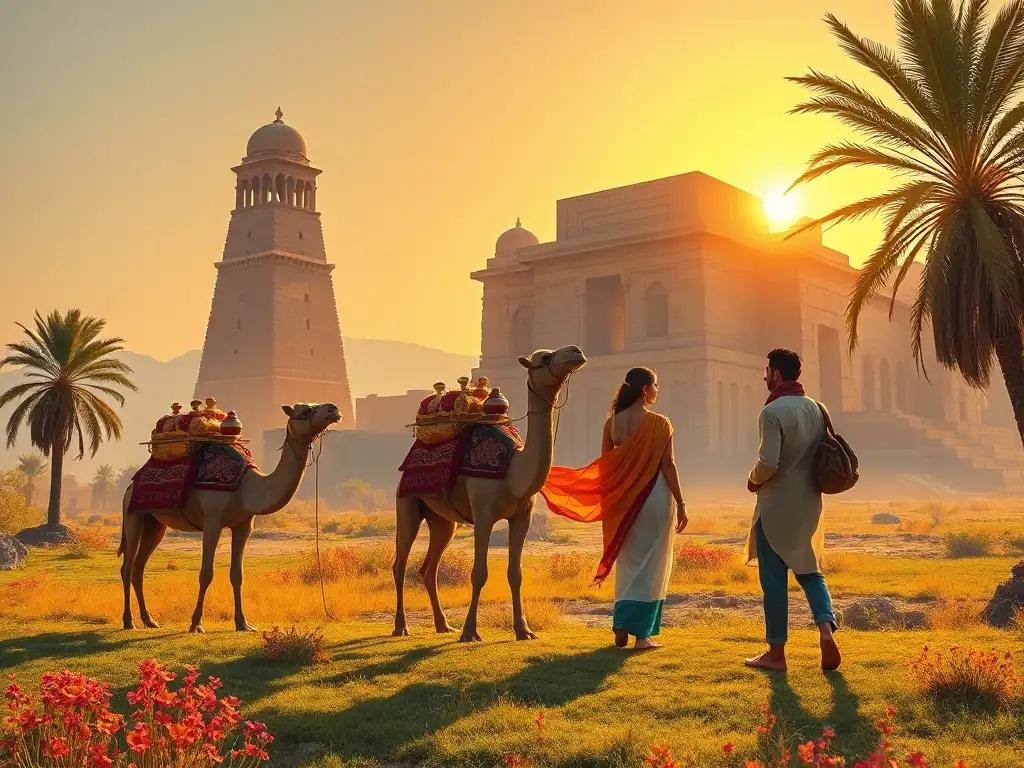
The Indus Valley Civilization, one of the world's oldest urban cultures, offers a treasure trove of historical sites and experiences for luxury travelers. To truly immerse yourself in the grandeur of this ancient civilization, opting for exclusive tours and experiences is essential. These curated journeys not only provide insights into the rich heritage of the Indus Valley but also ensure a comfortable and opulent travel experience.
Private Guided Tours of Indus Valley Sites
Private guided tours are the epitome of luxury travel when exploring the Indus Valley Civilization. These tours offer personalized itineraries, allowing you to visit iconic archaeological sites such as:
- Mohenjo-Daro: Recognized as a UNESCO World Heritage Site, this ancient city is famed for its advanced urban planning and sophisticated drainage systems.
- Harappa: Another prominent site, Harappa showcases remarkable brickwork and the remnants of a thriving civilization.
- Dholavira: Known for its unique water conservation systems and intricate architecture, this site provides a glimpse into the ingenuity of the Indus people.
When booking a private tour, you can expect:
- Expert Guides: Local historians and archaeologists, fluent in English, will guide you through the stories and significance of each site.
- Luxury Transportation: Travel in comfort with private vehicles equipped with amenities such as air conditioning and refreshments.
- Customization: Tailor your itinerary to include specific interests, such as photography sessions or visits to lesser-known sites.
In addition, many luxury travel companies offer exclusive access to certain areas, enhancing your experience even further.
Booking Luxury Tours with Indian Luxury Trains
For a truly opulent experience, consider booking a journey on one of India's luxury trains that connect to key Indus Valley sites. These trains offer a unique blend of comfort and historical exploration. Notable options include:
| Train Name | Route | Highlights |
|---|---|---|
| Palace on Wheels | Delhi to Rajasthan and beyond | Lavish interiors, gourmet dining, guided tours at major sites |
| Maharajas' Express | Delhi to Varanasi and Agra | Luxurious cabins, spa services, cultural performances onboard |
| Royal Rajasthan on Wheels | Delhi to Rajasthan | Heritage-rich journey, exclusive excursions, and themed dinners |
These trains provide not just transportation but also a luxurious travel experience, complete with fine dining and opulent accommodations. Make sure to book in advance to secure your spot, as these journeys tend to fill up quickly.
Cultural Experiences: Learning from Local Historians
To deepen your understanding of the Indus Valley Civilization, engaging with local historians can be an enriching experience. Many luxury travel providers offer opportunities to meet and learn from experts who specialize in the history and culture of the region.
- Personalized Lectures: Enjoy exclusive talks and Q&A sessions where you can delve into the nuances of ancient Indian history.
- Site-Specific Insights: While visiting archaeological sites, local historians can provide context and anecdotal stories that enhance your appreciation of the civilization.
Engaging Workshops on Ancient Crafts
Participating in workshops focused on ancient crafts is another way to connect with the cultural heritage of the Indus Valley. These hands-on experiences may include:
- Pottery Making: Learn the traditional techniques used by ancient artisans to create pottery that reflects the aesthetic of the Indus Valley.
- Textile Weaving: Engage with local weavers and discover the intricate methods that have been passed down through generations.
- Jewelry Crafting: Explore ancient techniques in jewelry making, using materials that were historically significant in the region.
These workshops not only provide a unique souvenir to take home but also foster a deeper connection to the ancient culture. By engaging directly with local artisans, you gain insights into the skills and traditions that have shaped the region's identity over millennia.
By choosing luxury travel experiences focused on the Indus Valley Civilization, you will not only explore its magnificent sites but also engage with its rich cultural legacy in a way that is both intimate and informative.
Gourmet Dining Experiences in the Region
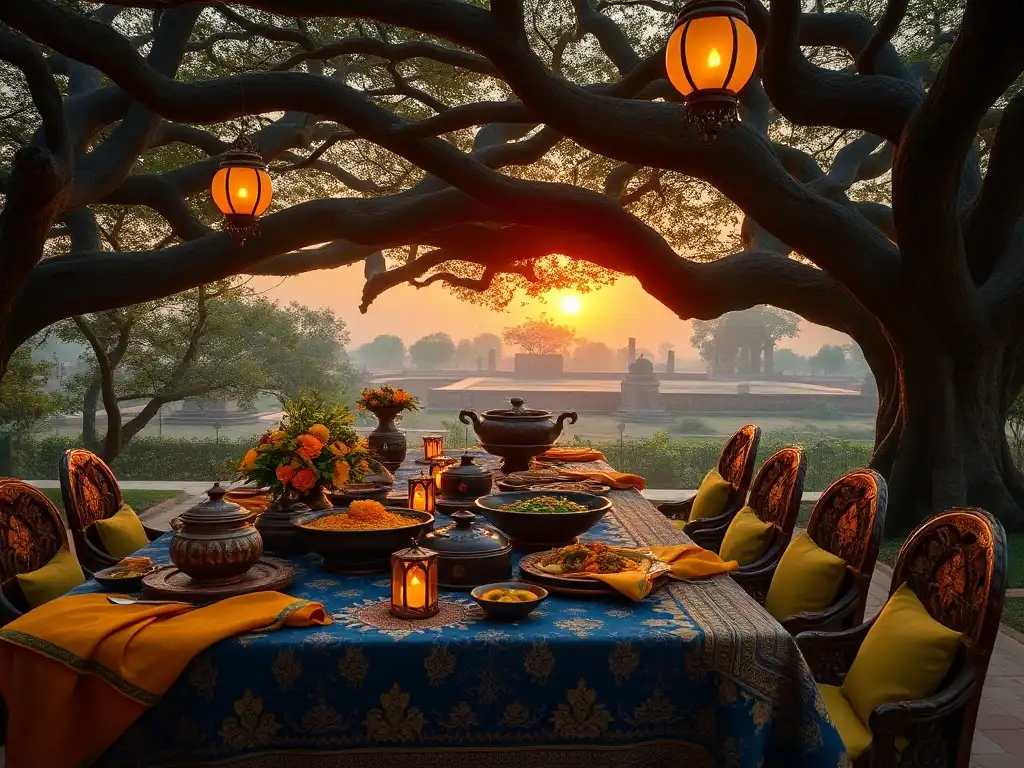
The Indus Valley Civilization, known for its remarkable urban planning and advanced society, also offers a rich culinary heritage that reflects its historical significance. To truly immerse yourself in the luxurious experience of the region, it is essential to explore the gourmet dining options that capture the essence of ancient flavors while providing modern indulgences. From fine dining restaurants that overlook historical sites to local eateries that serve traditional dishes, the gastronomic journey through the Indus Valley is as enriching as the sites themselves.
Fine Dining Options Near Historical Sites
When planning a luxury travel experience centered around the Indus Valley Civilization, selecting fine dining establishments positioned near key historical sites enhances your visit. Here are some top recommendations:
- The Taj Mahal Palace, Mumbai
- Overlooking the iconic Gateway of India, this luxurious hotel features several fine dining options, including Wasabi by Morimoto, which offers contemporary Japanese cuisine fused with local flavors.
- Bukhara, New Delhi
- Renowned for its rustic ambiance, Bukhara serves North Indian cuisine with an emphasis on tandoor-cooked dishes. Dining here evokes a sense of royal heritage, mirroring the opulence of ancient times.
- Kebabs & Kurries, The Leela Palace, New Delhi
- With a menu that highlights traditional Indian kebabs and curries, this restaurant provides an exquisite dining experience with a view of the historical sites of New Delhi.
The Spice Route: Culinary Journey through Ancient Flavors
Exploring the ancient culinary traditions of the Indus Valley involves tracing the historical Spice Route, which played a crucial role in the exchange of flavors and ingredients. This route was not only vital for trade but also for the cultural exchanges that enriched the local gastronomy. Key elements of this culinary journey include:
- Herbs and Spices: The use of spices like cumin, coriander, and turmeric can be traced back to the ancient Indus Valley. These ingredients are staples in contemporary Indian cuisine, linking modern diners to their historical roots.
- Cooking Techniques: Traditional methods such as tandoori cooking and slow-cooking stews reflect practices that have been passed down through generations, allowing travelers to savor authentic flavors.
- Fusion Dishes: Luxury dining in the region often incorporates ancient recipes with modern techniques, creating fusion dishes that provide a unique tasting experience while honoring the civilization's heritage.
Traditional Cuisine: Savoring Indus Valley Gastronomy
To fully appreciate the luxury of dining in the region, one must indulge in traditional cuisine that has evolved from the Indus Valley Civilization. Ingredients such as lentils, rice, and seasonal vegetables were staples in the ancient diet and remain central to modern Indian cooking. Here are some highlights:
- Sweets and Desserts: Indulge in traditional sweets such as Gulab Jamun or Rasgulla, which are made using age-old recipes and reflect the sweetness of Indian hospitality.
- Curries: Try a variety of rich and flavorful curries, such as Paneer Butter Masala or Dal Makhani, which have roots in ancient cooking styles and utilize local spices.
- Breads: Accompany your meal with freshly baked breads like Naan or Roti, which are essential components of traditional dining and complement the diverse range of dishes.
Recommended Dishes to Try at Indian Accent, Delhi
Indian Accent, one of India's most acclaimed restaurants, offers a unique take on traditional cuisine, blending it with global influences. When visiting, be sure to try the following recommended dishes:
- Bespoke Tasting Menu: Experience a curated selection of dishes that change seasonally, highlighting local ingredients and ancient recipes.
- Tandoori Broccoli: A modern twist on traditional tandoori dishes, this dish showcases the use of ancient spices in a contemporary presentation.
- Kashmiri Lamb: Slow-cooked to perfection, this dish embodies the rich flavors of the region and reflects the culinary heritage of the Indus Valley.
- Mango Mousse: For dessert, enjoy a light and fragrant mango mousse that celebrates the tropical fruits of the region, encapsulating the essence of Indian summer.
By exploring these gourmet dining experiences, travelers can indulge in the luxurious flavors of the Indus Valley Civilization while enriching their journey through this ancient land. Enjoying a meal steeped in history adds a unique dimension to your luxury travel adventure, creating lasting memories tied to the rich heritage of one of the world's oldest civilizations.
Luxury Transportation Options for Your Journey
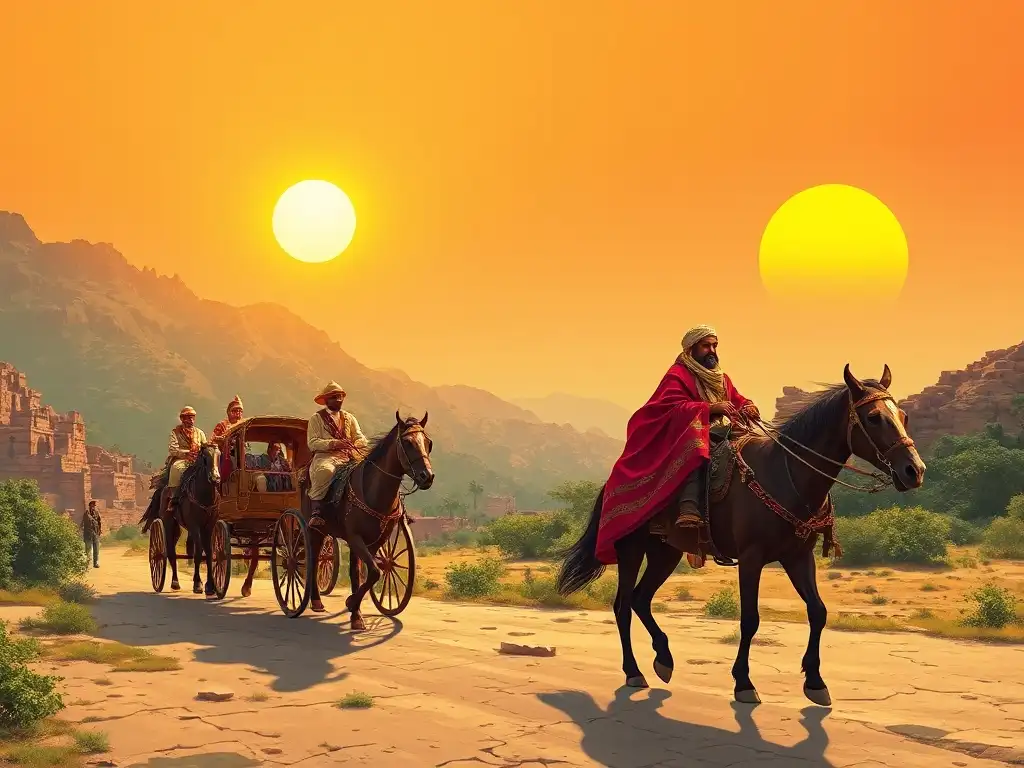
Traveling through the mesmerizing landscapes of the Indus Valley Civilization can be an extraordinary experience, especially when you choose luxury transportation options that complement the grandeur of this ancient heritage. Here, we explore various opulent travel methods to ensure your journey is as majestic as the sites you will visit.
Private Chauffeur Services for Seamless Travel
Opting for a private chauffeur service is one of the most convenient and luxurious ways to navigate the historical sites of the Indus Valley. With a dedicated driver, you can enjoy a personalized itinerary that allows you to explore at your own pace.
Benefits of Private Chauffeur Services:
- Comfort: Travel in a luxury sedan or SUV, equipped with all the modern amenities.
- Local Knowledge: Your chauffeur often has extensive knowledge of the region, providing insights and stories that enhance your cultural experience.
- Flexibility: Customize your travel schedule, allowing unplanned stops at local attractions or scenic spots.
For example, while visiting the ancient city of Mohenjo-Daro, a chauffeur can take you to lesser-known sites or local markets, enriching your visit and making it truly unique.
Helicopter Tours Over Indus Valley Sites
For those seeking an unparalleled perspective of the Indus Valley Civilization, consider indulging in a helicopter tour. This aerial experience offers breathtaking views of ancient sites, rivers, and landscapes that shaped one of the world’s earliest urban cultures.
Highlights of Helicopter Tours:
- Bird's Eye View: Get a unique vantage point of monumental sites such as Harappa and the Indus River.
- Time Efficiency: Cover vast distances in a fraction of the time, allowing you to visit multiple sites in one day.
- Unforgettable Experience: The thrill of flying over ancient ruins and picturesque landscapes adds a memorable touch to your luxury travel itinerary.
Many tour operators offer packages that include guided helicopter rides, providing detailed commentary on the historical significance of the sites viewed from above.
Luxury Trains: Experience the Royal Rajasthan on Wheels
Traveling by luxury train is another exquisite option for experiencing the Indus Valley Civilization. The "Royal Rajasthan on Wheels" is one of the most luxurious train journeys in India, offering an opulent travel experience through regions steeped in history.
Features of Luxury Train Travel:
- Lavish Cabins: Enjoy well-appointed cabins with en-suite bathrooms, fine dining, and personalized service.
- Guided Excursions: Each stop includes guided tours of historical sites, with expert guides providing insights into the cultural heritage of the Indus Valley.
- Cultural Immersion: Experience onboard entertainment, including traditional music and dance, further immersing you in India’s rich heritage.
Whether you are visiting ancient ruins or exploring local bazaars, luxury train travel provides a unique and sumptuous way to experience the remnants of the Indus Valley Civilization, all while enjoying the comforts of a five-star hotel on wheels.
By choosing these luxury transportation options, your journey through the Indus Valley will not only be comfortable but also an enriching exploration of one of history's most significant civilizations.
Essential Travel Tips for Luxury Travelers
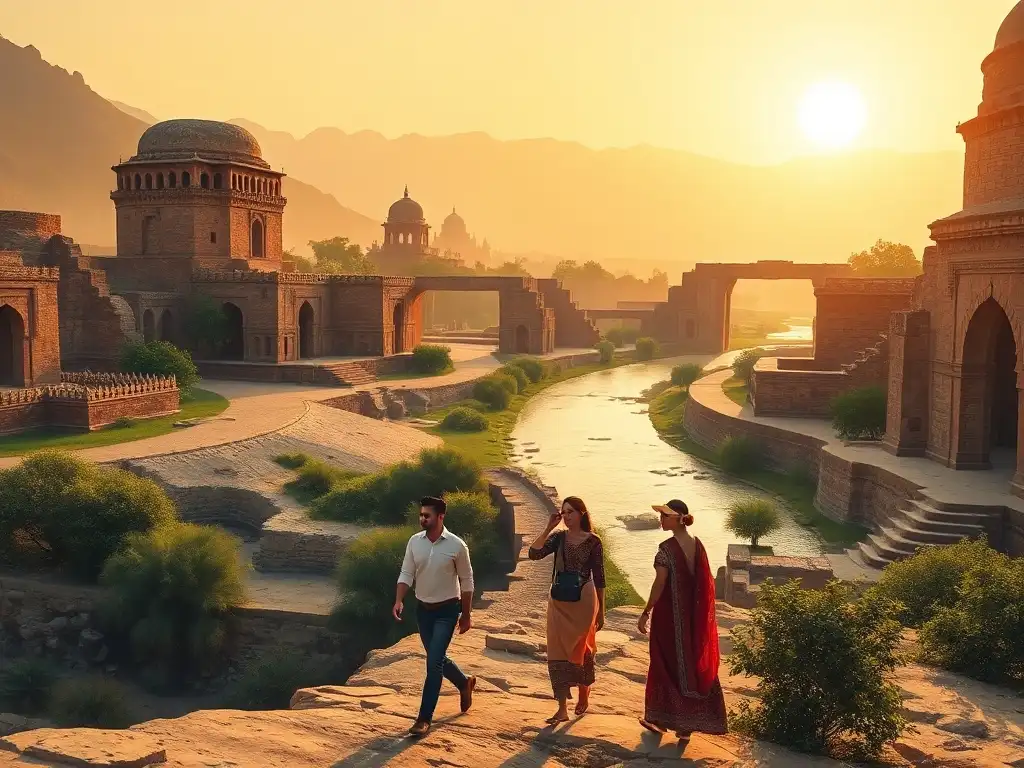
Traveling to the ancient sites of the Indus Valley Civilization is a unique experience that offers a blend of luxury and history. To make the most of your journey, it is essential to consider a few key travel tips tailored specifically for luxury travelers.
Best Times to Visit the Indus Valley Civilization Sites
The Indus Valley Civilization, with its rich archaeological heritage, is located primarily in modern-day Pakistan and northwest India. The best times to visit these sites largely depend on the climate and tourist seasons.
- Autumn (September to November): This is the ideal time for luxury travelers to visit. The weather is mild and pleasant, making it comfortable for exploration. Major sites like Mohenjo-Daro and Harappa can be enjoyed without the oppressive heat.
- Spring (February to April): Another favorable season, spring offers blooming landscapes and a vibrant atmosphere. Travelers can experience cultural festivals that often take place during this time, enhancing their visit.
- Winter (December to February): While temperatures can drop, luxury travelers may still enjoy the experience, especially in well-appointed accommodations that offer warmth and comfort.
- Summer (May to August): This period can be extremely hot, especially in the plains. However, if you are well-prepared and stay in luxurious, air-conditioned hotels, you can still explore the sites during early mornings or late afternoons.
What to Pack for Luxury Travel in Ancient India
When embarking on a luxury journey to the ancient sites of the Indus Valley Civilization, packing appropriately is key to ensuring comfort and style. Here are some essential items to consider:
- Clothing: Lightweight, breathable fabrics are essential due to the warm climate. Consider packing:
- Linen or cotton shirts and trousers
- Stylish maxi dresses or skirts for women
- A light scarf or shawl to cover shoulders when visiting religious sites
- Footwear: Comfortable walking shoes are a must for exploring archaeological sites. Options include:
- High-quality sandals
- Supportive sneakers
- Accessories: To elevate your travel experience, don’t forget:
- Elegant sunglasses
- A fashionable sun hat
- A stylish backpack or tote for day trips
- Technology: Equip yourself with:
- A high-quality camera to capture the stunning ruins
- Portable chargers to keep your devices powered throughout the day
Understanding the cultural etiquette of the region is crucial for luxury travelers to show respect and appreciation for the local customs. Here are some key practices to keep in mind:
- Dress Modestly: While exploring ancient sites, it's important to dress modestly. This not only shows respect but also aligns with local customs.
- Photography: Always ask for permission before taking photographs of locals or sacred places. Some sites may have restrictions, so be aware of signage.
- Greetings: Familiarize yourself with basic greetings in the local language. A simple "Namaste" with hands pressed together can go a long way in establishing rapport.
- Dining Etiquette: When dining, remember that many traditional meals are served on communal plates. It’s polite to wait for everyone to be served before starting your meal.
- Respecting Traditions: Participate in local customs and rituals if invited, but do so with an understanding of their significance.
By following these essential travel tips, luxury travelers can truly immerse themselves in the rich history of the Indus Valley Civilization while enjoying a sophisticated and respectful journey through ancient India.
Conclusion: Crafting Your Luxury Journey through History
Recap of the Majesty of the Indus Valley Civilization
The Indus Valley Civilization, one of the world's oldest urban cultures, flourished around 2500 BCE in what is now Pakistan and northwest India. This ancient civilization is renowned for its advanced urban planning, sophisticated drainage systems, and impressive architectural feats, such as the well-known cities of Harappa and Mohenjo-Daro. Visitors can marvel at the remnants of this civilization, which showcase a blend of artistry and engineering that continues to inspire modern architects and historians alike.
Key highlights of the Indus Valley Civilization include:
- Urban Planning: Cities were laid out in a grid pattern, demonstrating foresight in urban design.
- Advanced Drainage Systems: The civilization had one of the earliest sewage systems, a testament to their engineering prowess.
- Art and Craftsmanship: Artifacts such as pottery, jewelry, and seals illustrate the aesthetic values and skills of its people.
Experiencing the Indus Valley Civilization through luxury travel allows you to delve into this remarkable history while enjoying the finest accommodations and personalized services, creating a unique blend of education and indulgence.
Final Recommendations for a Memorable Luxury Travel Experience
To ensure your journey through the Indus Valley Civilization is both luxurious and enriching, consider the following recommendations:
- Choose Exclusive Tours:
- Opt for private guided tours that focus on lesser-known sites in addition to the main attractions. This personalized approach provides deeper insights and avoids the crowds.
- Stay in Boutique Hotels:
- Select accommodations that reflect the local culture and history. Boutique hotels often offer unique decor and tailored experiences that larger chains cannot match.
- Indulge in Gastronomic Experiences:
- Enjoy fine dining experiences that showcase local cuisine. Look for restaurants that emphasize traditional dishes, prepared with a modern twist.
- Incorporate Wellness:
- Many luxury hotels offer wellness programs that include yoga, meditation, and spa treatments inspired by ancient techniques, allowing you to rejuvenate after a day of exploration.
- Connect with Local Experts:
- Engage with historians or archaeologists who specialize in the Indus Valley Civilization. Their knowledge can enrich your experience and provide a deeper understanding of the sites you visit.
- Document Your Journey:
- Consider hiring a professional photographer or videographer to capture your experience. This will not only preserve your memories but also provide stunning visuals to share with friends and family.
By following these recommendations, you can craft a luxury travel experience that not only honors the majesty of the Indus Valley Civilization but also provides lasting memories of this incredible journey through time.
Frequently Asked Questions
What is the Indus Valley Civilization known for?
The Indus Valley Civilization is recognized for its advanced urban planning, sophisticated drainage systems, and the creation of scripted communication, showcasing an impressive level of societal development.
How can luxury travel enhance the experience of visiting the Indus Valley?
Luxury travel provides exclusive access to historical sites, personalized tours, and comfortable accommodations, allowing travelers to immerse themselves in the cultural richness of the Indus Valley.
What are some must-visit sites in the Indus Valley?
Key sites include Mohenjo-Daro, Harappa, and Lothal, where visitors can explore ancient ruins, artifacts, and the history of this remarkable civilization.
How does the Gupta Empire relate to the Indus Valley Civilization?
While the Gupta Empire came later, it is often viewed as a continuation of the cultural and intellectual legacy established by the earlier Indus Valley Civilization, contributing to advancements in science, art, and literature.
What luxury amenities can travelers expect when exploring the Indus Valley?
Travelers can expect high-end accommodations, gourmet dining, private guides, and curated experiences that provide insights into the history and culture of the Indus Valley, making for a truly memorable trip.
Final Reflection: Embracing the Luxury of History in the Indus Valley
The allure of the Indus Valley Civilization is not merely a relic of the past; it is a vibrant tapestry that continues to inspire luxury travel experiences today. As travelers seek to immerse themselves in the grandeur of ancient cultures, the Indus Valley stands out as a testament to human ingenuity and sophistication. The juxtaposition of luxury and history invites us to explore not just the physical remnants of this civilization, but also the profound stories and lessons it imparts to modern society.
Cultural heritage shapes our identity and informs our understanding of the world. The Indus Valley Civilization, with its advanced urban planning and rich artistic expressions, serves as a reminder of the heights humanity can achieve. As we navigate through luxury travel experiences in this region, we are not just indulging in opulence; we are engaging with a legacy that has influenced countless generations. History is not a burden on the memory but an illumination of the soul.
This quote resonates deeply as we reflect on how the past enriches our present and guides our future.
As you consider your next travel adventure, I invite you to reflect on the lessons of the Indus Valley Civilization and the luxury that comes from understanding its significance. Let your journey be more than just a trip; let it be an exploration of cultural richness that inspires you to appreciate the beauty of history. Embrace the opportunity to connect with the past, and allow it to shape your perspective as you navigate the luxurious experiences that await you in this remarkable region.
Embark on Your Journey Through the Indus Valley Marvels!
Thank you for exploring the grandeur of the Indus Valley Civilization with us! We hope this luxury travel guide has sparked your curiosity and excitement for this incredible ancient world. Now it's time to turn your inspiration into action and take the next step on your journey!
- Plan your trip: Start crafting your personalized travel itinerary to the Indus Valley. Research upscale accommodations and unique experiences that bring this fascinating civilization to life!
- Connect with fellow travelers: Share your passion for history by joining online communities or social media groups dedicated to ancient cultures. Exchange tips and experiences with like-minded adventurers!
- Dive into local heritage: Immerse yourself in the local culture by attending events or workshops that showcase the art, cuisine, and traditions inspired by the Indus Valley.
What aspect of the Indus Valley Civilization are you most excited to explore on your journey? Let's discuss in the comments below!