
Luxurious Experiences: Dining in Historical Locations in Ancient India

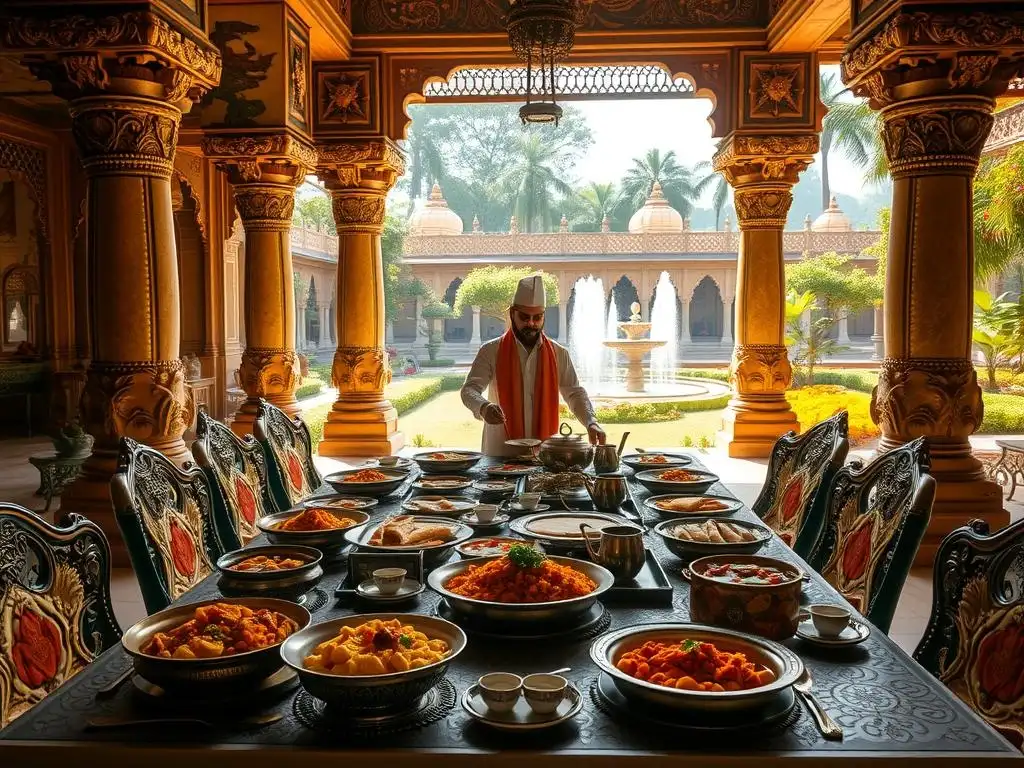
Welcome to Ancient India History, where we embark on a journey through the rich tapestry of ancient Indian civilizations. In our featured article, "Luxurious Experiences: Dining in Historical Locations in Ancient India," we invite you to uncover the opulent dining experiences that once graced the tables of emperors and dignitaries. Explore how the culinary traditions of the Indus Valley to the Gupta Empire not only tantalized the taste buds but also served as a reflection of the era's grandeur and sophistication.
What secrets lie in the flavors of the past? Join us as we delve deeper into this captivating exploration of history and luxury, and let your curiosity lead the way to unforgettable discoveries!
-
Luxurious Dining Experiences in Historical Locations in Ancient India
- Introduction to Dining Experiences in Ancient India
- The Allure of Historical Dining Locations
- Iconic Dining Experiences in Ancient Indian Cities
- The Cultural Impact of Dining in Historical Settings
- Tips for Luxurious Dining in Ancient India
- Conclusion: Embrace the Luxurious Dining Experiences in Ancient India
- Call to Action
- Frequently Asked Questions
- Final Reflection: The Timeless Allure of Dining in Ancient India
- Embark on a Culinary Journey Through Time!
Luxurious Dining Experiences in Historical Locations in Ancient India
Introduction to Dining Experiences in Ancient India
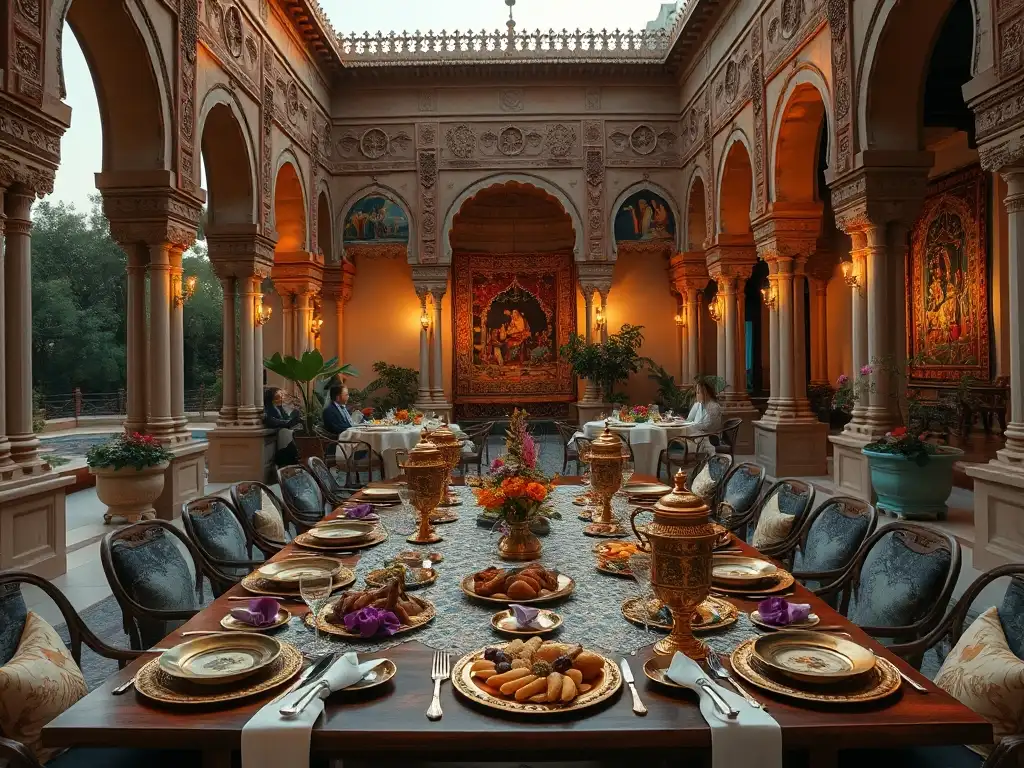
Dining experiences in ancient India offer a unique opportunity to immerse oneself in the rich tapestry of history, culture, and gastronomy that has evolved over millennia. From the sophisticated culinary practices of the Indus Valley Civilization to the opulent feasts of the Mughal Empire, ancient India's dining traditions are a reflection of its diverse heritage.
The blend of flavors, spices, and cooking techniques tells a story of the land's cultural exchanges and innovations. This exploration of luxurious dining experiences in historical locations not only tantalizes the palate but also enriches the mind, allowing travelers to connect with the past in a deeply personal way.
The Allure of Historical Dining Locations
Dining in historical locations presents a unique blend of ambiance, heritage, and culinary excellence. Imagine savoring a meal in a centuries-old palace or beneath the ruins of a majestic fort, where every bite is accompanied by echoes of the past. These experiences are more than just meals; they are journeys back in time, where guests can appreciate the architectural grandeur and stories of the civilizations that once thrived in these spaces.
Why Choose Historical Sites for Dining Experiences?
- Cultural Immersion: Dining at historical sites allows guests to experience local traditions and customs, often accompanied by performances or storytelling that enhance the meal.
- Architectural Beauty: Many historical dining locations boast stunning architecture, providing a feast for the eyes as well as the palate.
- Unique Menus: Restaurants located in these sites often offer dishes that are inspired by ancient recipes, utilizing traditional cooking methods and local ingredients.
- Memorable Atmosphere: The ambiance of a historical setting adds a layer of magic to the dining experience, making it unforgettable.
Notable Historical Locations for Dining in Ancient India
-
The Samode Haveli, Jaipur
A former royal residence, this haveli offers a regal dining experience with traditional Rajasthani cuisine served in an exquisite courtyard surrounded by intricate frescoes.
-
The Taj Mahal Palace, Mumbai
Overlooking the Arabian Sea, this iconic hotel combines luxury with history, offering a range of dining options that reflect India's culinary diversity while celebrating its colonial past.
-
The Fort Rampuria, Rajasthan
Set within the walls of a 19th-century fort, dining here is an immersive experience where guests can enjoy authentic Rajasthani dishes amid stunning vistas of the surrounding landscape.
-
The Neemrana Fort Palace, Rajasthan
This 15th-century fort has been transformed into a luxurious heritage hotel, where visitors can dine on the terrace while enjoying breathtaking views of the Aravalli hills.
-
The Khajuraho Temples, Madhya Pradesh
While not a traditional dining venue, many local eateries around these UNESCO World Heritage sites offer culinary delights that pay homage to the region's rich artistic heritage.
Exploring these luxurious dining experiences in historical locations not only satisfies the appetite but also nurtures the soul, creating lasting memories that resonate with the grandeur of ancient India.
Iconic Dining Experiences in Ancient Indian Cities
Dining experiences in ancient India are uniquely intertwined with the historical and cultural fabric of the region. Each city bears witness to its past through its culinary offerings, presenting a blend of flavors, traditions, and settings that echo the grandeur of bygone eras. From royal palaces to ancient ruins, the dining options available provide not just sustenance but a rich narrative of history and heritage, making them unforgettable experiences for travelers.
Dining in the Royal Palaces of Jaipur
Jaipur, the Pink City, is renowned for its magnificent palaces that once housed the royal family. Dining within these regal walls is an experience that transcends mere meals; it is a journey back in time. Many of the palaces, such as the City Palace and the Rambagh Palace, have transformed parts of their premises into luxurious restaurants that serve traditional Rajasthani cuisine.
Visitors can indulge in elaborate thalis featuring dishes like dal baati churma and gatte ki sabzi, all served in settings adorned with intricate frescoes and royal artifacts. The ambiance, complemented by traditional music and dance performances, enhances the dining experience, allowing guests to savor not only the food but also the essence of royal heritage.
Culinary Delights at the Ruins of Hampi
Hampi, a UNESCO World Heritage Site, is famous for its ancient temples and stunning ruins. Amidst the historical backdrop, visitors can find unique dining experiences that celebrate the region's rich culinary heritage. Local eateries near the ruins offer a chance to taste authentic dishes like jolada rotti (sorghum bread) accompanied by spicy brinjal chutney.
Dining here often involves open-air settings that allow guests to enjoy their meals with panoramic views of the ancient landscape. The rustic charm of Hampi enhances the dining experience, merging the flavors of traditional South Indian cuisine with the awe-inspiring sights of ancient architecture.
Gastronomy at the Historical Sites of Delhi
Delhi, the capital city, is replete with historical landmarks that have been the backdrop to countless culinary adventures. One can find luxurious dining options in venues such as the Lodhi Hotel, where the restaurant overlooks the Lodhi Gardens and serves a fusion of Mughlai and contemporary cuisine. Signature dishes like biryani and kebabs are prepared using traditional techniques, reflecting the flavors that once graced the tables of emperors.
Moreover, dining at historical sites like Humayun’s Tomb offers a unique experience where one can enjoy a picnic-style meal amidst the lush gardens, allowing visitors to absorb the beauty of Mughal architecture while relishing local snacks and sweets.
The Cultural Impact of Dining in Historical Settings
Dining in historical locations goes beyond mere consumption; it acts as a bridge connecting modern diners with the cultural narratives of ancient India. The settings, dishes, and customs associated with these meals provide insight into the societal values and traditions of the time.
How Dining Experiences Reflect Ancient Indian Traditions
Food in ancient India was not merely about nourishment; it was a means of expressing hospitality, celebrating festivals, and showcasing regional diversity. Dining experiences today often incorporate these elements, presenting meals that are deeply rooted in tradition.
For instance, communal dining practices, where families or communities gather to share food, are reflective of ancient Indian values of togetherness and sharing. Traditional rituals associated with meal preparation and consumption are often preserved in these dining experiences, allowing guests to partake in the rich tapestry of Indian culture.
The Role of Food in Ancient Indian Society
Food has always played a pivotal role in shaping social dynamics in ancient Indian society. It served as a status symbol, a means of cultural expression, and a way to strengthen communal bonds. Historical texts and archaeological findings reveal that food was an integral part of religious ceremonies and social gatherings.
In many ancient communities, the choice of ingredients and the manner of cooking were influenced by regional availability, climate, and cultural practices. Today, luxurious dining experiences at historical sites strive to honor these traditions, offering dishes that reflect the agricultural practices and culinary techniques of ancient times, thus preserving the legacy of India's rich gastronomic history.
Tips for Luxurious Dining in Ancient India
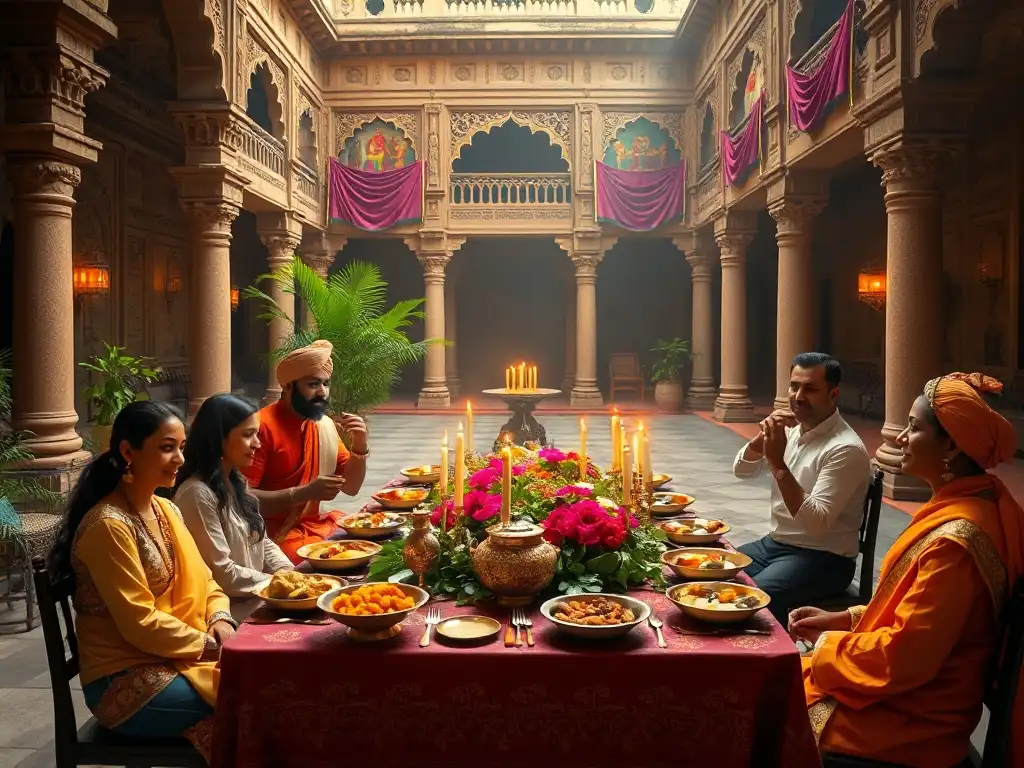
Dining in ancient India offers a unique opportunity to immerse yourself in history while savoring exquisite cuisine. Here are some key tips to enhance your luxurious dining experience:
- Research Historical Locations: Before you embark on your journey, take time to research ancient sites that offer dining experiences. Look for places that not only provide a meal but also a glimpse into the rich heritage of India.
- Reservations Are Key: Many luxury dining establishments require reservations, especially those located in historical sites. Booking in advance ensures you secure a table and may even provide opportunities for personalized experiences.
- Dress Appropriately: While enjoying a luxurious dining experience, dressing in a manner that respects the cultural heritage of the location is essential. Opt for elegant yet modest attire that reflects the richness of India's history.
- Engage with the Staff: The staff at these historic dining locations are often well-versed in the history and culture of the site. Engaging with them can provide valuable insights into the dishes served and the significance of the location.
- Savor Local Flavors: Luxurious dining experiences often feature local dishes made from traditional recipes. Embrace the opportunity to try regional specialties, which may include royal meals that were once served to emperors.
Preparing for Your Dining Experience
Preparing for a luxurious dining experience in ancient India involves thoughtful planning and an appreciation for the cultural context of your meal. Here are some steps to consider:
- Understand the Cuisine: Familiarize yourself with the local cuisine where you will be dining. Each region in India has its specialties, from the spicy curries of the South to the rich, creamy dishes of the North.
- Consider Dietary Restrictions: If you have dietary restrictions or preferences, inform the restaurant in advance. Many luxury dining experiences can accommodate special requests, ensuring your meal is both enjoyable and safe.
- Arrive Early: Arriving at your dining location early allows you to explore the surroundings and appreciate the historical significance of the site. This extra time can enhance your overall dining experience.
- Be Open to New Experiences: Luxurious dining in ancient India is not just about the food; it’s also about the ambiance and history. Be open to trying new dishes and experiencing the dining traditions unique to the region.
Recommended Luxury Dining Services and Experiences
When seeking luxurious dining experiences in ancient India, consider the following notable options:
- The Spice Route at The Imperial, Delhi: This award-winning restaurant offers a taste of India's rich culinary heritage in a stunning setting reminiscent of the ancient spice trade routes. The menu features dishes from various regions, crafted with traditional techniques.
- Trident, Agra: Overlooking the Taj Mahal, the dining experience at Trident combines breathtaking views with a menu that highlights Mughlai cuisine, known for its aromatic spices and regal recipes.
- Bukhara at ITC Maurya, Delhi: Renowned for its rustic charm and authentic North Indian cuisine, Bukhara serves dishes cooked over an open fire, reminiscent of ancient cooking methods used by nomadic tribes.
- Dinning under the Stars at Samode Haveli, Jaipur: Experience a royal meal amidst the grandeur of a historic haveli, with a menu that features traditional Rajasthani dishes served in an enchanting outdoor setting.
- The Raj Palace, Jaipur: This luxury heritage hotel offers an exquisite dining experience where guests can dine like royalty in opulent surroundings, complete with traditional Indian music and dance performances.
Conclusion: Embrace the Luxurious Dining Experiences in Ancient India
Embarking on a journey through the luxurious dining experiences in ancient India allows travelers to connect with the rich tapestry of history, culture, and gastronomy. By preparing adequately, embracing local flavors, and choosing the right dining establishments, you can create lasting memories that celebrate the opulence of India's ancient past.
Whether dining under the stars at a historic haveli or enjoying a royal feast fit for emperors, the culinary adventures in ancient India are sure to delight the senses and leave an indelible mark on your travel experience. Embrace these moments—each meal is not just nourishment but a story waiting to be savored.
Call to Action
If you're ready to immerse yourself in the opulence of ancient India while enjoying exquisite dining experiences, now is the perfect time to plan your journey. Picture yourself savoring a royal feast in a majestic fort or indulging in a sumptuous meal amidst the ruins of a historic palace. The rich flavors and fragrant spices of Indian cuisine, paired with the grandeur of historical settings, create an unforgettable experience.
Don't miss the opportunity to explore the culinary delights that ancient India has to offer. Here are a few steps you can take to make your luxurious dining experience a reality:
- Research Historical Locations: Identify the historical sites in India that resonate with your interests. From the palatial homes of Maharajas to ancient temples, each location has its own unique dining options.
- Book in Advance: Many luxurious dining experiences in historical locations require reservations. Ensure you book ahead to secure your spot and avoid disappointment.
- Try Local Cuisine: Be adventurous with your palate! Opt for traditional dishes that reflect the region's history and culture. This will not only enhance your dining experience but also offer insights into ancient culinary practices.
- Engage with Guides: Consider hiring local guides who specialize in historical tours. They can provide context about the significance of each location and recommend the best dining experiences.
- Share Your Experience: After your journey, share your experiences with others. Whether through social media or travel blogs, your insights can inspire fellow travelers to embark on their own culinary adventures.
Embark on a luxurious dining journey through the historical landscapes of ancient India. Your taste buds and your sense of adventure await! 🍽️✨
Frequently Asked Questions
What were common dining experiences in ancient India?
Dining experiences in ancient India often involved lavish banquets with a variety of cuisines. Royal courts would host elaborate meals featuring fruits, grains, and meats, showcasing the culinary diversity of the time.
Social status greatly influenced dining experiences in ancient India. The elite classes enjoyed gourmet meals in historical locations, while commoners had simpler fare, often shared in communal settings.
What types of cuisine were popular in ancient Indian dining?
Popular cuisines included vegetarian dishes made from lentils, grains, and vegetables, as well as meat-based delicacies. Spices played a crucial role, enhancing flavors and showcasing the culinary artistry of the period.
Were there any special rituals associated with dining in ancient India?
Yes, dining often included rituals and traditions, such as washing hands before meals and sharing food. These practices emphasized purity, respect, and the communal aspect of eating together.
How did the Gupta Empire influence dining practices?
The Gupta Empire is known for its cultural flourishing, which included advancements in cuisine. During this time, new cooking techniques and diverse ingredients were introduced, leading to more luxurious dining experiences in historical locations.
Final Reflection: The Timeless Allure of Dining in Ancient India
Dining experiences in ancient India are not merely a reflection of culinary practices but a profound connection to the rich tapestry of history and culture that shaped the subcontinent. Today, as we navigate a world increasingly focused on the ephemeral, the allure of dining in historical locations serves as a reminder of our roots and the stories that have been woven into the very fabric of our society. These experiences invite us to savor not just the flavors of the past but also the essence of a civilization that thrived on hospitality, artistry, and tradition.
The impact of these luxurious dining experiences transcends mere gastronomy; they are a celebration of heritage and identity. From the opulent feasts of royal courts to the communal meals that fostered unity among diverse communities, the dining practices of ancient India continue to influence our cultural landscape today. As we indulge in these experiences, we are reminded of the words of the great Indian philosopher Rabindranath Tagore: The highest education is that which does not merely give us information but makes our life in harmony with all existence.
This sentiment resonates deeply as we explore the intersections of food, history, and community, urging us to appreciate the narratives that accompany each dish.
As we reflect on the significance of dining experiences in ancient India, I encourage you to seek out these connections in your own life. Consider how the meals you share with others can become a bridge to the past, a celebration of culture, and a means of fostering relationships. Let each dining experience be an opportunity to honor the traditions that have shaped our world, inviting you to create your own stories that will resonate for generations to come. Embrace the richness of history at your table, and allow it to inspire your culinary journey forward.
Embark on a Culinary Journey Through Time!
Thank you for diving into the rich tapestry of Ancient India's luxurious dining experiences! We hope you've gained insight into how history and gastronomy intertwine to create unforgettable moments. Now, it’s time to bring that inspiration to life!
Take these actionable steps to deepen your exploration:
- Plan a visit to a historical location that offers a unique dining experience; savor the flavors that once graced royal tables.
- Share your findings with friends on social media or in a discussion group—invite them to join you in discovering the heritage of Indian cuisine!
- Consider trying your hand at recreating some ancient recipes at home; experiment with flavors that would make any royal chef proud!
Which historical dining experience are you most excited to explore, and how do you believe it might enhance your understanding of ancient cultures?