
Step Back in Time: Exploring the Ancient City of Hampi in Splendid Comfort

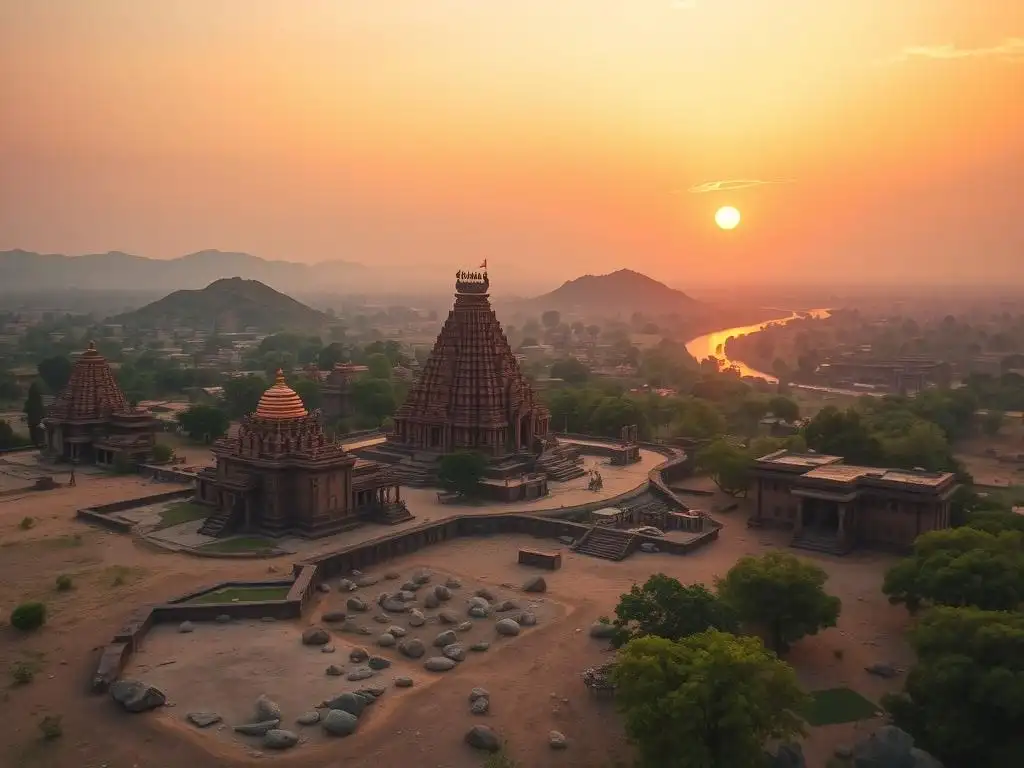
Welcome to Ancient India History, where we invite you to embark on an extraordinary journey through time, exploring the rich tapestry of ancient Indian civilizations. In our featured article, "Step Back in Time: Exploring the Ancient City of Hampi in Splendid Comfort," we delve into the breathtaking cultural heritage of Ancient Hampi—a UNESCO World Heritage site that showcases the grandeur of the Vijayanagara Empire.
Get ready to uncover the secrets of this remarkable city, from its majestic ruins to its vibrant traditions, and discover why Hampi remains a treasure trove for luxury and historical travel enthusiasts. Your adventure into the heart of ancient India begins here—let the exploration unfold!
Introduction to Ancient Hampi Cultural Heritage
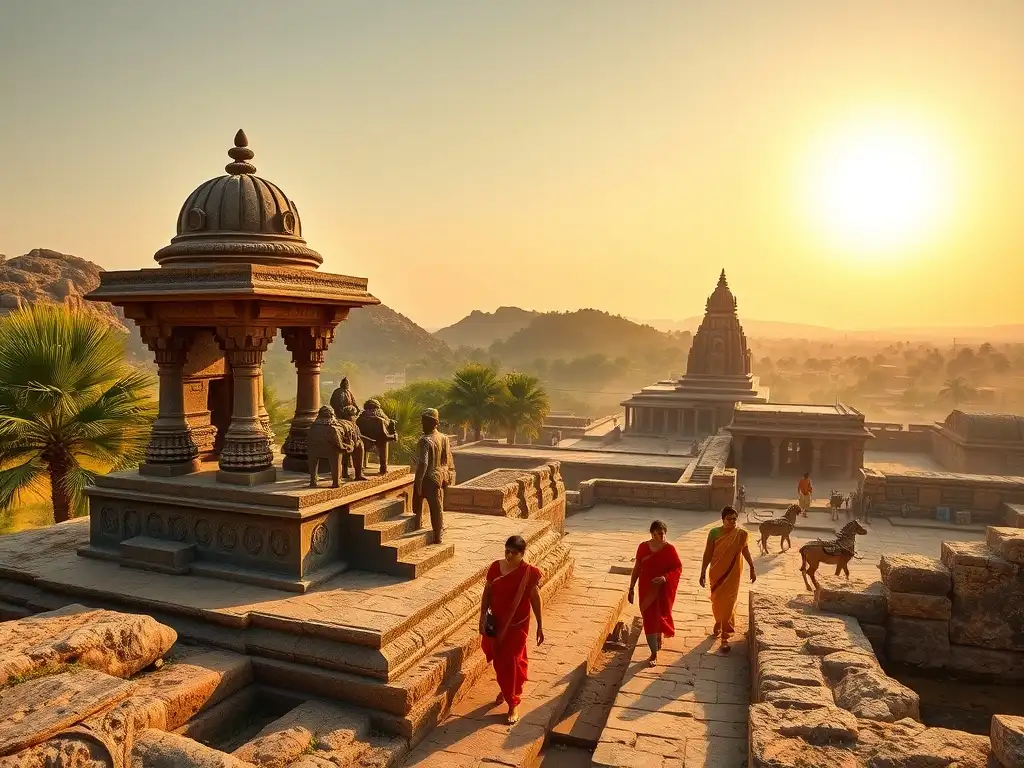
Nestled in the heart of Karnataka, India, the ancient city of Hampi stands as a testament to the grandeur of the Vijayanagara Empire, which flourished from the 14th to the 17th centuries. This UNESCO World Heritage Site is not just a collection of ruins; it is a vibrant tapestry of history, culture, and architectural brilliance that beckons travelers to step back in time. With its stunning landscapes, intricately carved temples, and bustling bazaars, Hampi is a unique destination that encapsulates the essence of ancient Indian civilization.
Hampi was once a thriving metropolis, renowned for its wealth and sophistication. The city served as a crucial center for trade, religion, and culture, attracting scholars, artists, and merchants from far and wide. Today, the remnants of this glorious past can be experienced through its monumental structures, such as the iconic Virupaksha Temple, the majestic Vittala Temple with its musical pillars, and the royal enclosures that reveal the life of the empire's elite.
Embarking on a journey through Hampi is not merely about visiting historical sites; it is about immersing oneself in the rich cultural heritage that continues to thrive in the local communities. Visitors can indulge in the region's vibrant festivals, savor traditional cuisines, and witness the artistry of local artisans, all of which offer an authentic glimpse into the cultural fabric of ancient India.
As we delve deeper into the wonders of Hampi, this article will guide you through the luxury and comfort of exploring this ancient city, ensuring that your journey is not only enriching but also splendidly comfortable. Prepare to discover the enchanting allure of Hampi, where every stone tells a story, and every corner reveals a piece of history—an unforgettable experience awaits.
- What is the significance of Ancient Hampi in Indian history?
- Why is Hampi recognized as a UNESCO World Heritage Site?
- What can visitors expect to see in Hampi's cultural landscape?
- How does Hampi contribute to the understanding of ancient Indian civilization?
- What are some key architectural features found in Hampi?
The Rich History of Hampi: A Glimpse into the Past
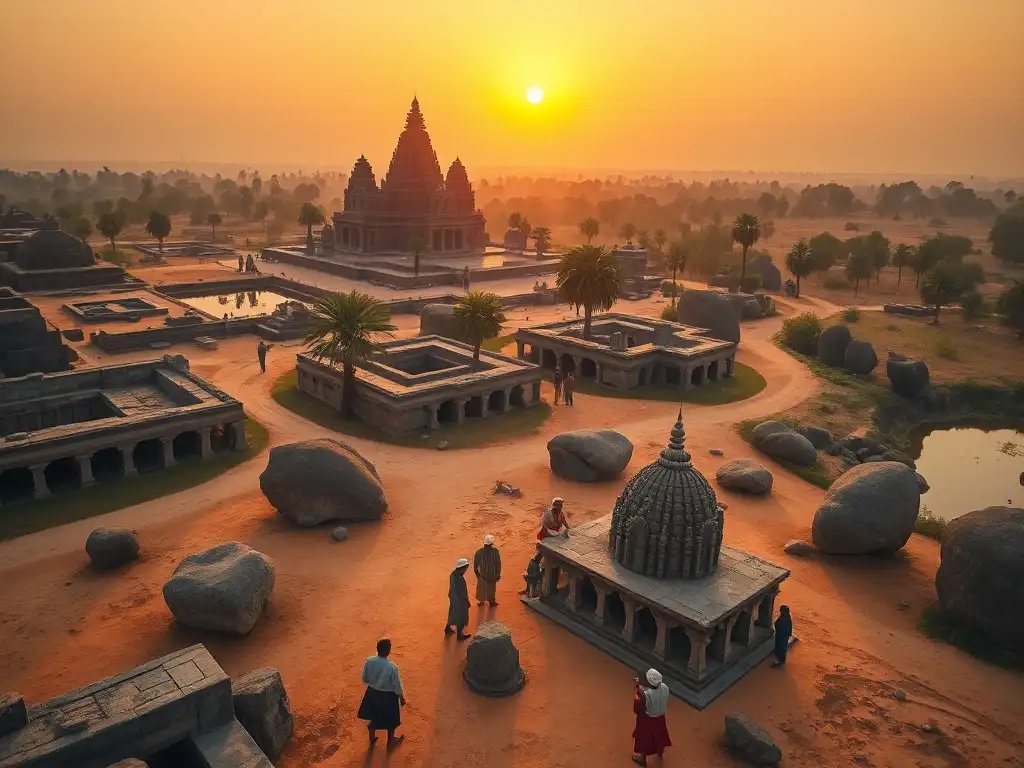
Hampi, a UNESCO World Heritage Site, is a breathtaking testament to the rich cultural heritage of ancient India. Once the capital of the Vijayanagara Empire, Hampi flourished from the 14th to the 16th century, serving as a thriving center of trade, politics, and religion. The ruins scattered across this monumental landscape tell a story of prosperity, artistic excellence, and spiritual devotion.
The city's history can be traced back to the 14th century when it was established by Harihara I and Bukka Raya I, the founders of the Vijayanagara Empire. Hampi quickly grew into a vibrant metropolis, attracting merchants, travelers, and scholars from various parts of the world. Its strategic location on trade routes facilitated commerce, making it a melting pot of diverse cultures and traditions.
Hampi's decline began in the late 16th century, following the defeat of the Vijayanagara Empire by the Deccan Sultanates. Despite its fall, the remnants of Hampi’s glorious past continue to captivate visitors, offering a unique glimpse into the architectural and cultural achievements of ancient Indian civilization.
The Vijayanagara Empire and Its Influence on Ancient Hampi
The Vijayanagara Empire, known for its remarkable contributions to art, architecture, and culture, played a pivotal role in shaping Hampi's identity. At its zenith, the empire extended across southern India, encompassing parts of modern-day Karnataka, Andhra Pradesh, Tamil Nadu, and Maharashtra. Hampi was not just a capital but also a symbol of the empire's power and sophistication.
Key Contributions of the Vijayanagara Empire:
- Cultural Syncretism: The empire was marked by a harmonious blend of Hindu and Islamic architectural styles, fostering a unique cultural identity. This syncretism is vividly reflected in the diverse forms of art, music, and dance that flourished during this period.
- Patronage of Arts and Literature: The Vijayanagara rulers were great patrons of the arts, encouraging the creation of exquisite sculptures, paintings, and literature. Notable poets like Kuvempu and writers like Raghavanka thrived, contributing to a rich literary heritage that still resonates today.
- Economic Prosperity: Hampi's strategic location made it a hub for trade and commerce. The empire's flourishing economy attracted traders from distant lands, including Persia, Arabia, and Europe, fostering a vibrant marketplace that facilitated the exchange of goods and ideas.
- Religious Tolerance: The rulers of the Vijayanagara Empire practiced religious tolerance, promoting various faiths and fostering an environment of coexistence among Hindus, Muslims, and Jains. This inclusivity is evident in the diverse range of temples and monuments found in Hampi.
Architectural Marvels: Temples and Ruins of Hampi
Hampi is renowned for its stunning architectural marvels, which showcase the ingenuity and artistry of ancient Indian builders. The city is dotted with numerous temples, palaces, and other structures, each narrating a story of its own.
Notable Architectural Highlights:
- Virupaksha Temple:
- The most significant temple in Hampi, dedicated to Lord Shiva.
- Features intricate carvings and a stunning central tower (vimana) that rises majestically over the landscape.
- The temple complex is a vibrant site of worship, attracting pilgrims and tourists alike.
- Vijaya Vittala Temple:
- Famous for its iconic stone chariot and musical pillars.
- A masterpiece of Dravidian architecture, showcasing elaborate carvings and stunning sculptures.
- The temple complex reflects the empire's artistic brilliance and religious devotion.
- Lotus Mahal:
- A unique structure blending Islamic and Hindu architectural styles.
- Served as a pleasure palace for the royal family, adorned with intricate motifs and a stunning lotus-shaped ceiling.
- The use of arches and domes is a hallmark of the architectural diversity present in Hampi.
- Royal Enclosure:
- A vast area comprising palaces, audience halls, and other royal structures.
- Highlights the grandeur of the Vijayanagara rulers and their administrative prowess.
- Features the impressive Mahanavami Dibba, an elevated platform used for royal ceremonies.
Hampi's architectural wonders are not merely remnants of a bygone era; they are living testaments to the city's cultural heritage and historical significance. Visitors exploring these ancient sites can immerse themselves in the stories that have shaped the landscape of Hampi, making it a must-visit destination for those seeking to experience the richness of ancient Indian civilization.
Luxury Accommodations Near Hampi: Comfort Meets Heritage
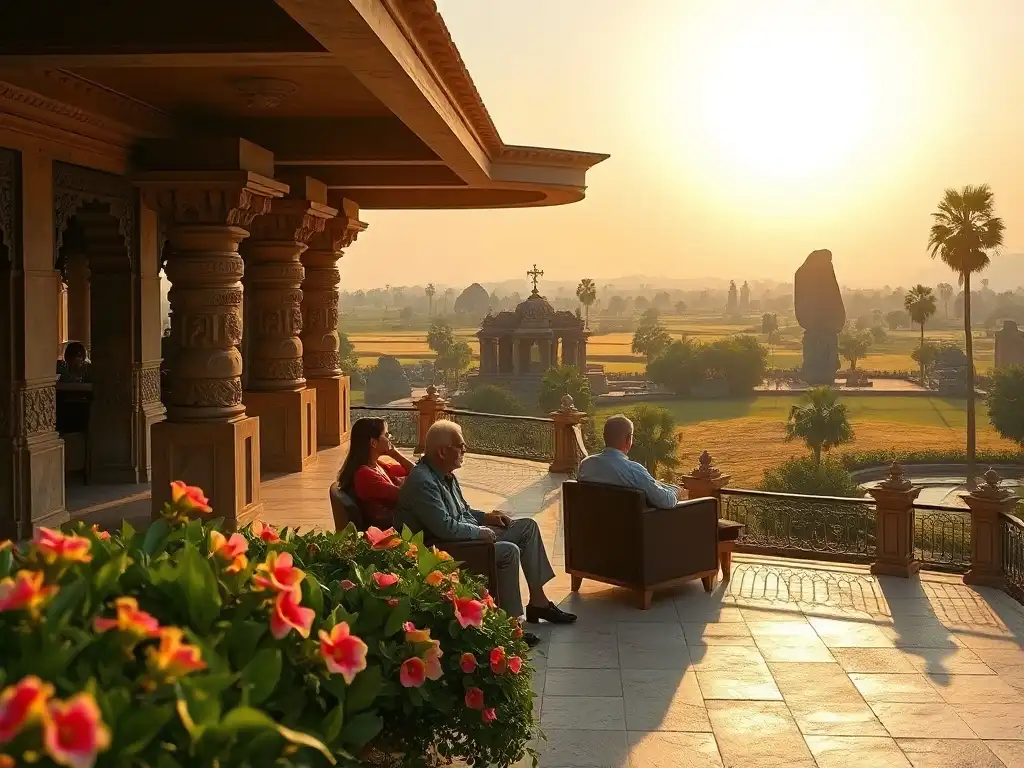
When visiting Hampi, the ancient city known for its remarkable ruins and stunning landscapes, finding the right accommodation is essential for a luxurious experience. The area offers a unique blend of comfort and heritage, allowing travelers to immerse themselves in the rich cultural tapestry of ancient India while enjoying modern amenities.
Top Luxury Hotels in Hampi for the Discerning Traveler
Hampi boasts several luxury hotels that provide an exquisite stay, with stunning views and superior services. Below is a selection of the top luxury hotels in Hampi, each offering an unparalleled experience:
| Hotel Name | Features | Price Range (per night) |
|---|---|---|
| Evolve Back, Hampi | - Eco-friendly luxury resort - Heritage cottages - Ayurvedic spa - Fine dining options |
₹15,000 - ₹25,000 |
| Hotel Hampi International | - Scenic views of the ruins - Pool and wellness facilities - Multicuisine restaurant |
₹6,000 - ₹10,000 |
| Kishkinda Heritage Resort | - Traditional architecture - Lush gardens - Cultural performances available |
₹5,000 - ₹8,000 |
| Royal Orchid Central Kireeti | - Contemporary style with local influences - Rooftop dining - Close proximity to heritage sites |
₹7,000 - ₹12,000 |
These hotels are strategically located, offering easy access to Hampi's iconic sites like the Virupaksha Temple and Vittala Temple Complex, ensuring that guests can explore the ancient Hampi cultural heritage with utmost convenience.
Exclusive Heritage Tours: Experience Ancient Hampi in Style
For those looking to delve deeper into the rich history of Hampi, exclusive heritage tours are available, providing personalized experiences tailored for luxury travelers. These tours often include:
- Private Guided Tours: Enjoy a customized itinerary led by knowledgeable guides who share insights about the historical significance and architectural marvels of Hampi.
- Cultural Immersion Experiences: Participate in local traditions, including workshops on traditional crafts, cooking classes featuring local cuisine, and attending classical dance performances.
- Luxury Transportation: Travel in style with private vehicles equipped with amenities, ensuring comfort during your explorations around the ancient city.
- Gastronomic Delights: Indulge in gourmet meals at renowned restaurants that specialize in local and international cuisine, often featuring ingredients sourced from the surrounding region.
By opting for these exclusive heritage tours, travelers can not only witness the enchanting ruins of Hampi but also gain a deeper appreciation for its cultural heritage, all while enjoying the finest comforts available.
Exploring Ancient Hampi: Must-See Attractions
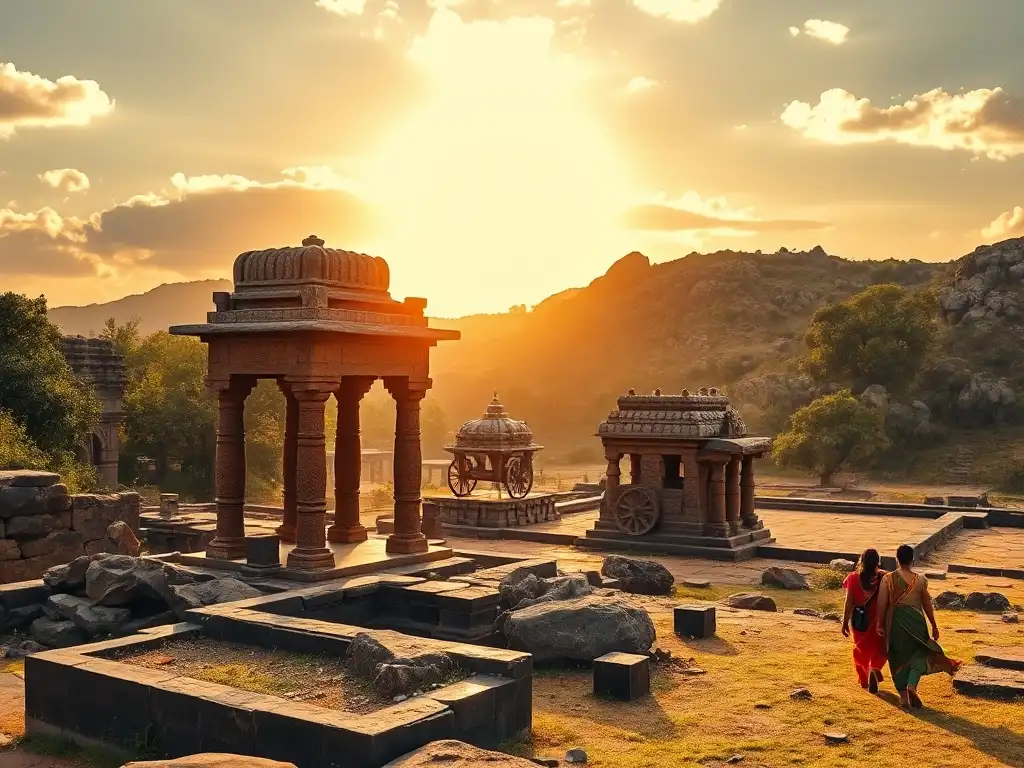
Exploring Ancient Hampi offers a unique opportunity to delve into the rich tapestry of ancient Indian civilization. This UNESCO World Heritage Site is renowned for its stunning architecture, historical significance, and vibrant cultural heritage. Visitors to Hampi are treated to a plethora of attractions that showcase the grandeur of the Vijayanagara Empire, which flourished between the 14th and 17th centuries. Here, we highlight two distinct categories of attractions: the iconic sites that mark Hampi’s historical journey and the lesser-known hidden gems that offer a more intimate glimpse into the past.
Iconic Sites of Hampi: A Historical Journey
Hampi is home to numerous iconic sites that stand as testaments to its historical significance. These landmarks not only reflect the architectural prowess of the time but also narrate the stories of a bygone era. Here are some must-see attractions:
- Virupaksha Temple:
- One of the oldest functioning temples in India, Virupaksha Temple is dedicated to Lord Shiva. Its intricate carvings and towering gopuram (gateway) are a marvel to behold. The temple complex is a hub of activity, especially during festivals, making it a vibrant center of pilgrimage.
- Vijaya Vittala Temple:
- Known for its iconic stone chariot and musical pillars, this temple encapsulates the artistic brilliance of the Vijayanagara era. The chariot, carved from stone, stands as a symbol of Hampi's grandeur and is a popular photography spot.
- Lotus Mahal:
- A stunning example of Indo-Islamic architecture, the Lotus Mahal is characterized by its unique petal-shaped design. This structure served as a pleasure palace for the royal family and offers a glimpse into the luxurious lifestyle of the past.
- Hampi Bazaar:
- Stretching along the base of the Virupaksha Temple, Hampi Bazaar was once a bustling market. Today, it offers a mix of historic charm and local crafts, making it a perfect place for souvenir shopping.
- Royal Enclosure:
- This area was the heart of the Vijayanagara Empire's governance. It includes several significant structures, such as the Mahanavami Dibba, a ceremonial platform, and the audience hall, which reflect the political and cultural importance of the site.
These iconic attractions collectively showcase the architectural diversity and historical depth of ancient Hampi, drawing visitors from around the globe to experience its cultural heritage.
While Hampi’s iconic sites are undoubtedly captivating, the allure of hidden gems adds a layer of exploration for the adventurous traveler. These lesser-known attractions provide a deeper connection to the ancient culture of Hampi and are often less crowded, allowing for a more personal experience.
- Anegundi Village:
- Situated just across the river from Hampi, Anegundi is believed to be the mythical Kishkindha from the Ramayana. The village is dotted with ancient temples and offers stunning views of the surrounding landscapes, making it a peaceful retreat.
- Chandramouleshwara Temple:
- This lesser-known temple is dedicated to Lord Shiva and features exquisite carvings and architecture. The serene atmosphere of the temple, combined with its historical significance, makes it a worthwhile visit.
- Pampa Sarovara:
- A picturesque lake associated with the Ramayana, Pampa Sarovara is an excellent spot for tranquility and reflection. The lake is surrounded by lush greenery and offers a calming landscape that is perfect for a quiet afternoon.
- Malyavanta Raghunatha Temple:
- Perched atop a hill, this temple offers panoramic views of the Hampi landscape. The trek to the temple is invigorating, and the site is often less frequented, allowing for a more intimate experience with nature and history.
- Anjaneya Hill:
- Believed to be the birthplace of Lord Hanuman, this hill offers a challenging trek that rewards visitors with breathtaking views of Hampi. The hill is adorned with a temple dedicated to Hanuman, making it a spiritual site for devotees.
Exploring these hidden gems not only enriches the experience of Hampi but also allows travelers to appreciate the depth of ancient Hampi's cultural heritage in a more personal and immersive way. Whether you are drawn to its iconic landmarks or the allure of the less traveled paths, Hampi promises a journey through time that is both enlightening and unforgettable.
Engaging with Local Culture: Culinary and Craft Experiences
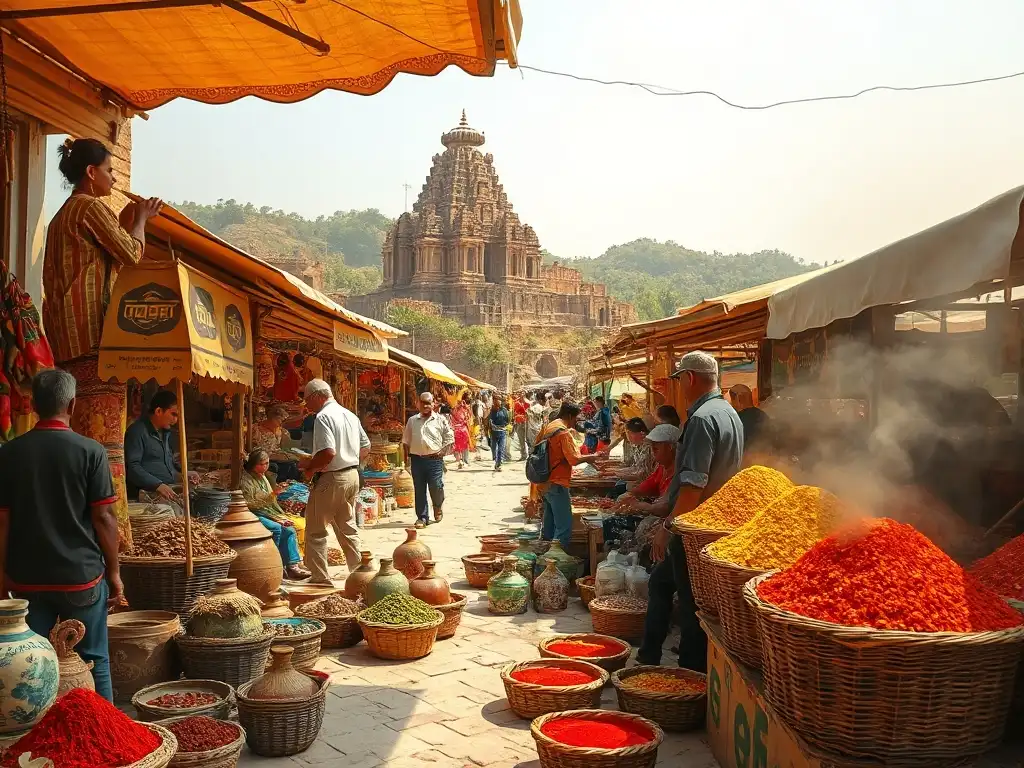
Engaging with the local culture is a crucial aspect of experiencing the Ancient Hampi cultural heritage. Visitors can immerse themselves in the region's rich traditions by exploring its culinary delights and artisanal crafts. This section focuses on two primary avenues for engagement: traditional cuisine and handicrafts, both of which play a vital role in preserving and promoting Hampi’s unique cultural identity.
Traditional Cuisine of Hampi: A Taste of Ancient India
The culinary landscape of Hampi is a vibrant tapestry woven from ancient recipes, local ingredients, and cultural influences. Traditional cuisine here reflects the historical significance of the region, showcasing flavors that have been passed down through generations.
- Staple Dishes:
- Ragi Mudde: A traditional dish made from finger millet, often served with spicy curries.
- Saaru: A lentil-based soup that is both nutritious and flavorful, typically enjoyed with rice.
- Bisibelebath: A one-pot dish combining rice, lentils, and vegetables, steeped in spices that create a rich, aromatic flavor.
- Street Food Delights:
- Chaat: A popular snack featuring a mix of spices, yogurt, and tamarind, embodying the lively spirit of Hampi's culinary scene.
- Pani Puri: Hollow, crispy puris filled with flavored water, offering a refreshing burst of taste.
- Sweet Treats:
- Laddu: These sweet confections are made from chickpea flour and sugar, often served during festivals, showcasing the region's affinity for sweets.
Visiting local eateries, known as "darshinis," provides an authentic dining experience where one can savor these flavors while interacting with the friendly local community. Many establishments pride themselves on using traditional cooking methods, ensuring that the essence of ancient recipes is retained.
Handicrafts and Local Artisans: Supporting Ancient Hampi’s Heritage
Hampi is not only a hub for culinary exploration but also a treasure trove of handicrafts and artisan work. The craftsmanship here is deeply rooted in the history and culture of the region, providing a glimpse into the skills and traditions of ancient Indian artisans.
- Key Handicrafts:
- Wood Carving: Intricately designed wooden items, including furniture and decorative pieces, reflect the artistic heritage of Hampi. Artisans often use local woods, enhancing the authenticity of their products.
- Stone Sculpture: Following in the footsteps of the ancient sculptors of Hampi, local artisans continue to create stunning stone carvings that celebrate mythological themes and natural beauty.
- Textiles: Handwoven fabrics in vibrant colors and patterns are a hallmark of Hampi's textile heritage, often crafted using traditional techniques passed down through generations.
- Artisan Workshops:
- Participating in workshops led by skilled artisans allows visitors to learn about the techniques and stories behind each craft. Engaging with these artisans not only enriches the travel experience but also supports the preservation of their crafts.
- Market Visits:
- The bustling markets in Hampi provide an excellent opportunity to purchase these handicrafts directly from artisans. This not only contributes to the local economy but also ensures that traditional crafts continue to thrive in the modern age.
By engaging with the local culture through its culinary and craft experiences, visitors to Hampi can appreciate the depth of its Ancient Hampi cultural heritage. These experiences foster a deeper connection to the region, allowing for a more enriching and memorable journey through history.
Responsible Travel in Hampi: Preserving Ancient Heritage
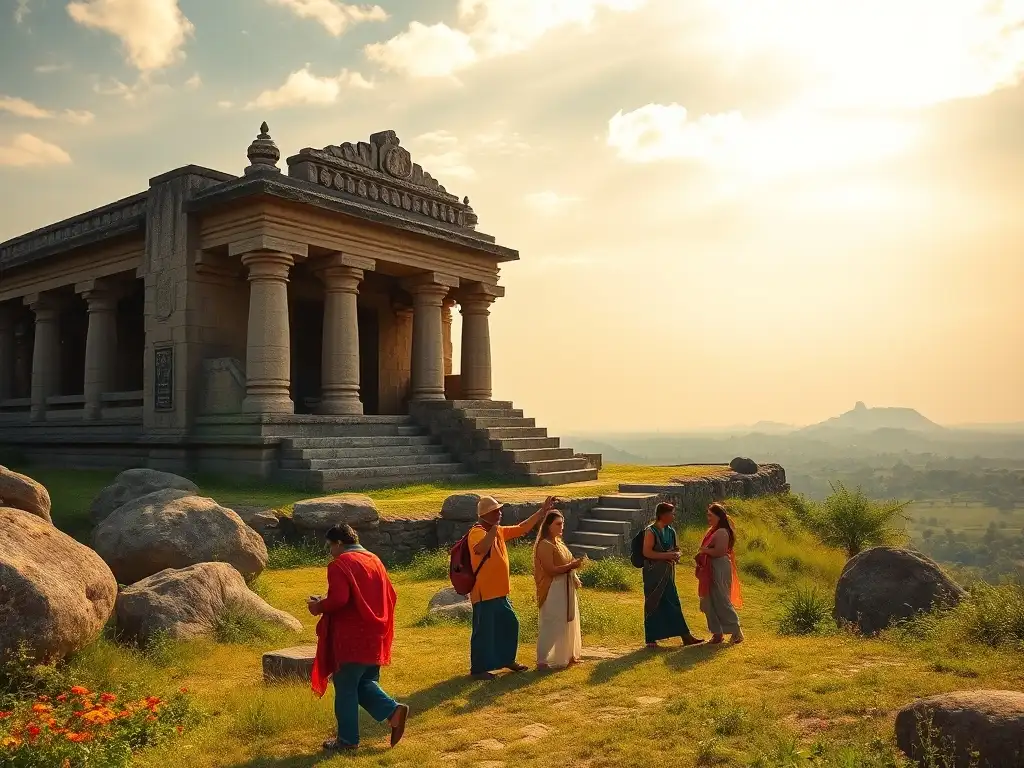
Traveling to Hampi, a UNESCO World Heritage Site, offers an unparalleled opportunity to experience the rich tapestry of ancient Indian civilization. However, with this privilege comes the responsibility of preserving its cultural heritage for future generations. Responsible travel practices are essential to ensure that the remnants of the Vijayanagara Empire, along with its stunning temples and landscapes, remain intact.
Sustainable Tourism Practices in Hampi
Sustainable tourism in Hampi focuses on minimizing the environmental impact while maximizing the socio-economic benefits for local communities. Here are some key practices that travelers can adopt:
- Eco-Friendly Accommodations: Opt for hotels and guesthouses that prioritize sustainability, such as those using solar energy, rainwater harvesting, and waste management systems. Establishments that engage in local sourcing of food and materials also contribute positively to the economy.
- Respectful Exploration: While exploring the ancient ruins, it's essential to follow designated paths and guidelines to prevent further erosion or damage to these historical sites. Engaging in guided tours led by knowledgeable locals can enhance understanding while ensuring that the integrity of the sites is maintained.
- Waste Management: Carry reusable water bottles and bags to reduce plastic waste. Many local initiatives promote waste segregation and recycling, allowing tourists to contribute to cleaner surroundings.
- Cultural Sensitivity: Understanding and respecting local customs and traditions is vital. Dress modestly, especially when visiting temples, and seek permission before photographing individuals or sacred places. This not only shows respect but also fosters goodwill between travelers and locals.
By adopting these sustainable practices, visitors to Hampi can enjoy its ancient cultural heritage while ensuring that it remains preserved for generations to come.
Engaging with Local Communities: Authentic Experiences
One of the most enriching aspects of visiting Hampi is the opportunity to connect with its local communities. Engaging with residents not only provides authentic experiences but also supports the preservation of their cultural heritage. Here are some ways to foster these connections:
- Participate in Cultural Workshops: Many local artisans offer workshops in traditional crafts, such as pottery, weaving, or painting. By participating, travelers can gain insight into the skills passed down through generations and contribute to the livelihoods of these artisans.
- Culinary Experiences: Exploring Hampi’s rich culinary landscape through cooking classes or food tours allows visitors to savor traditional dishes while learning about the historical influences that shaped the region's cuisine. This interaction with local chefs and families enhances cultural appreciation.
- Community-Based Tourism Initiatives: Seek out community-led tours that focus on the history, culture, and daily life of Hampi’s inhabitants. These experiences often include storytelling sessions, traditional music and dance performances, and visits to local markets, providing a deeper understanding of the area.
- Volunteering Opportunities: Engaging in local projects, such as conservation efforts or educational programs, not only enriches the travel experience but also leaves a positive impact on the community. Many organizations welcome tourists to assist in various initiatives.
By actively engaging with the local community, travelers can create meaningful connections and ensure that their visit contributes positively to the preservation of Hampi's ancient cultural heritage. Through these authentic experiences, the rich history of Hampi can continue to thrive amidst the comforts of modern tourism.
Frequently Asked Questions
What is the significance of Ancient Hampi in Indian history?
Ancient Hampi was a thriving city during the Vijayanagara Empire, renowned for its remarkable architecture and cultural richness, making it a crucial part of India's heritage.
Why is Hampi recognized as a UNESCO World Heritage Site?
Hampi is listed as a UNESCO World Heritage Site due to its exceptional cultural significance and the preservation of its historical monuments, which reflect the grandeur of the Vijayanagara Empire.
What can visitors expect to see in Hampi's cultural landscape?
Visitors can explore ancient temples, palaces, and stunning landscapes, each narrating the story of Hampi’s historical glory and architectural marvels.
How does Hampi contribute to the understanding of ancient Indian civilization?
Hampi provides insights into socio-economic structures, religious practices, and artistic achievements, thus enriching our understanding of the diversity in ancient Indian civilization.
What are some key architectural features found in Hampi?
Hampi is famous for its intricate carvings, monolithic sculptures, and unique temple designs, showcasing the artistic skills and cultural values of the time.
Final Reflection: Embracing the Timelessness of Ancient Hampi's Cultural Heritage
The exploration of Ancient Hampi's cultural heritage is not just a journey through history; it is a vivid reminder of our shared human experience. In today's fast-paced world, where technology often overshadows tradition, the stories etched in the stones of Hampi resonate with profound relevance. They urge us to pause, reflect, and appreciate the rich tapestry of our past, reminding us that the essence of culture is not merely in its artifacts but in the values and narratives that shape our identities.
Hampi stands as a testament to the enduring influence of ancient civilizations on contemporary society. The intricate architecture, vibrant festivals, and age-old traditions continue to inspire artists, historians, and travelers alike, fostering a deeper connection to our roots. As we navigate through modernity, we must remember the wisdom of those who came before us. History is not a burden on the memory but an illumination of the soul.
This quote encapsulates the idea that understanding our heritage enriches our lives and informs our future choices.
As you reflect on your own journey through the ancient city of Hampi, I invite you to consider how its cultural heritage can inspire you in your daily life. Let the stories of resilience, creativity, and community from Hampi encourage you to embrace your own heritage and share it with others. By doing so, we not only honor the past but also pave the way for a future that values diversity and interconnectedness. Take a moment to step back, breathe in the lessons of history, and allow them to guide you in your personal and communal endeavors.
Unveil the Wonders of Hampi!
Thank you for taking the time to journey through the captivating history of Hampi with us. We hope you feel inspired by the extraordinary tales and breathtaking ruins that this ancient city has to offer. Now, it’s your turn to step into this world of wonder and adventure!
Here are a few exciting ways to make the most of your newfound knowledge:
- Plan your dream trip to Hampi and experience its enchanting landscapes and vibrant culture firsthand. Don't forget to consult local guides for unique experiences!
- Share your passion for history by discussing what you learned with friends or joining an online forum to exchange insights about Hampi and other ancient sites.
- Delve deeper into the stories behind Hampi by exploring books on its architectural marvels or considering a short course on ancient Indian history.
So, what are you waiting for? Which breathtaking landmark in Hampi are you most excited to explore in person? Let’s dive into the conversation!