
The Unexplored Treasures of Ancient India: A Luxurious Journey of Discovery

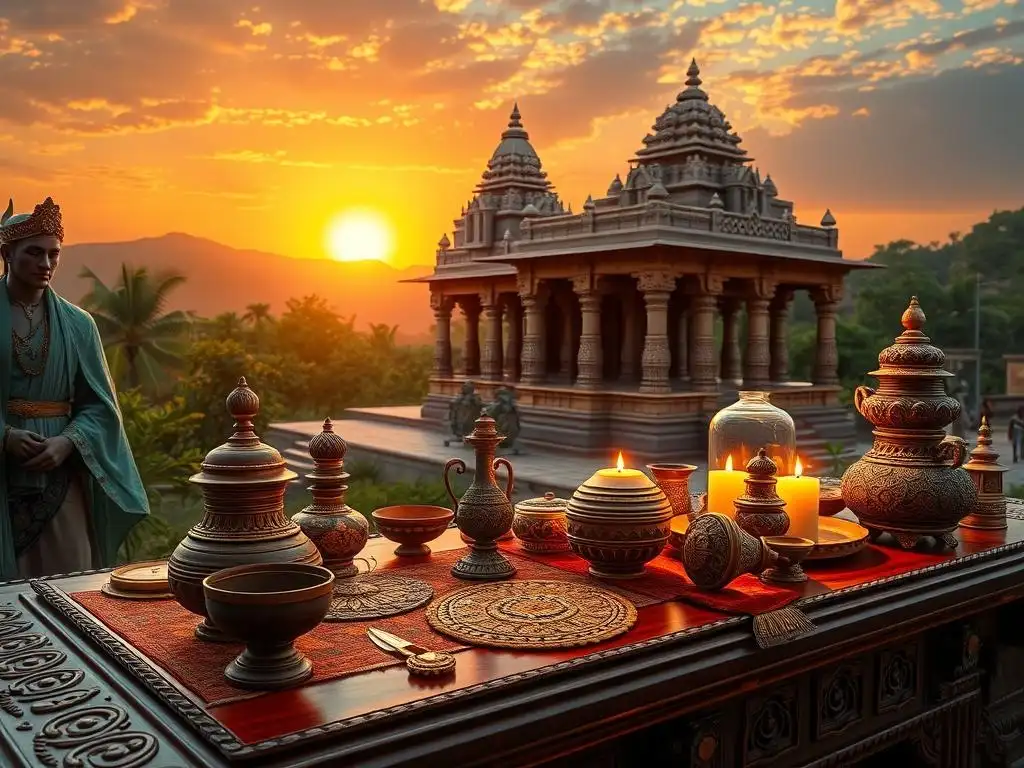
Welcome to Ancient India History, where we invite you to embark on a captivating journey through the rich tapestry of ancient Indian civilizations. From the intricate urban planning of the Indus Valley to the opulent courts of the Gupta Empire, our exploration unveils the ancient Indian civilization treasures that have shaped the cultural landscape of the subcontinent. Are you ready to discover the hidden gems and luxurious experiences that history has to offer? Join us as we delve into the unexplored treasures of Ancient India, promising a voyage filled with wonder and enlightenment.
Introduction to Ancient Indian Civilization Treasures
Ancient India, a land steeped in rich history and diverse cultural heritage, offers an array of treasures that resonate with the narratives of its past civilizations. From the sophisticated urban planning of the Indus Valley Civilization to the intellectual advancements during the Gupta Empire, the treasures of ancient Indian civilization are as varied as they are fascinating. These treasures not only include exquisite architecture and art but also the profound philosophies and scientific achievements that have shaped human thought.
The allure of exploring these treasures is magnified when approached through the lens of luxury travel. Modern travelers seeking a deeper understanding of ancient Indian heritage can indulge in opulent experiences that bring them closer to the majestic remnants of bygone eras. Luxury heritage tours provide an opportunity to explore ancient sites, palatial residences, and sacred spaces with a level of comfort and exclusivity that enhances the overall experience.
In this article, we will embark on a luxurious journey through the unexplored treasures of ancient India, uncovering the hidden gems that tell the story of its vibrant civilizations. We will delve into the remarkable contributions of these cultures, the historical significance of their artifacts, and the unparalleled experiences that await those who wish to immerse themselves in this captivating legacy. Prepare to discover the ancient Indian civilization treasures that continue to inspire and awe, inviting you to witness their beauty and significance first-hand.
- What are some key treasures of ancient Indian civilizations?
- How did the Indus Valley Civilization contribute to ancient Indian culture?
- What was the significance of the Gupta Empire in ancient Indian history?
- How can we explore the luxurious journey of ancient Indian discoveries?
- What are some modern-day implications of studying ancient Indian civilization treasures?
Discovering the Indus Valley Civilization Treasures
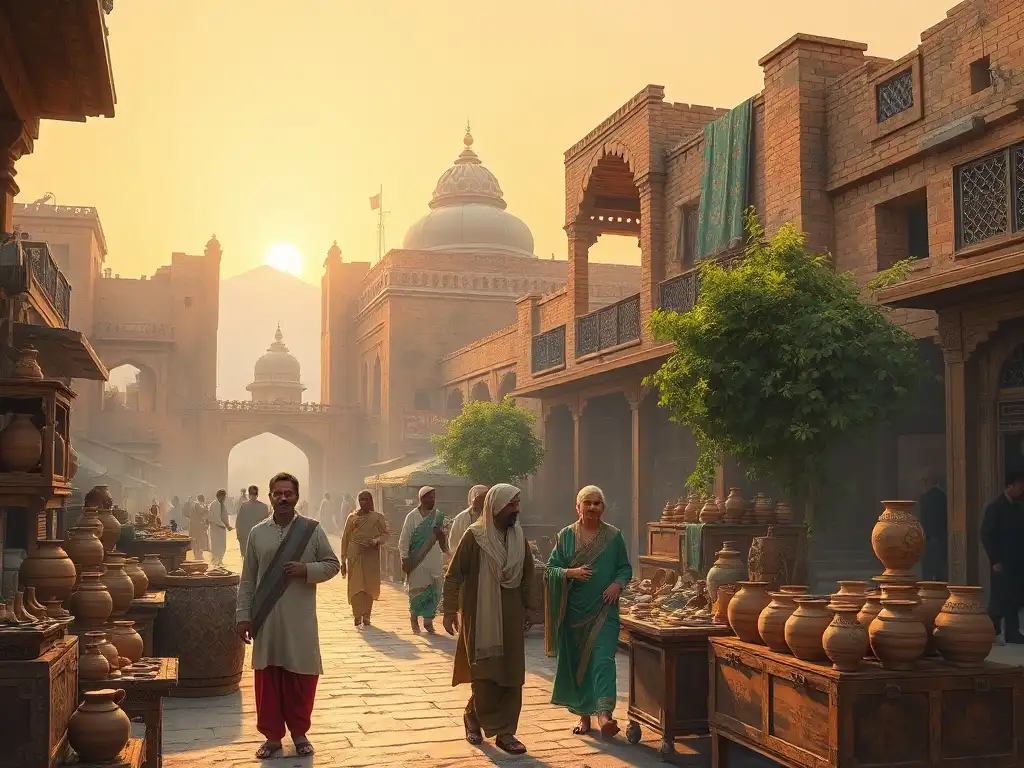
The Marvels of Mohenjo-Daro and Harappa
The Indus Valley Civilization, which flourished around 2500 BCE, is one of the most remarkable ancient Indian civilizations. Its two major urban centers, Mohenjo-Daro and Harappa, showcase advanced planning, architecture, and sophistication that have left historians and archaeologists in awe.
Urban Planning and Architecture
Both Mohenjo-Daro and Harappa exhibit exceptional urban planning, characterized by:
- Grid-like streets: Streets were laid out in a grid pattern, a feature that reflects advanced urban design.
- Drainage systems: Remarkably engineered drainage systems demonstrated a high level of sanitation and hygiene.
- Public baths: The Great Bath of Mohenjo-Daro is a prime example of social and ritual significance, highlighting the importance of communal spaces.
These cities were not just residential areas; they were centers of trade and culture, with evidence of standardized weights and measures, pointing to a complex economic system.
Cultural Significance
The architectural marvels of Mohenjo-Daro and Harappa are complemented by their cultural elements, such as:
- Granaries: Large granaries suggest that agriculture was a significant part of the economy, supporting a complex society.
- Seals and Writing: Indus seals, often inscribed with symbols and motifs, indicate a form of writing that remains undeciphered but hints at a rich cultural narrative.
Unique Artifacts and Their Stories
The treasures of the Indus Valley Civilization include a plethora of unique artifacts that provide insight into the daily lives, beliefs, and technological advancements of this ancient society.
Terracotta Figurines
Terracotta figurines, often depicting animals and human forms, were commonly found at excavation sites. These figurines are believed to serve religious or decorative purposes and reflect the artistic skills and cultural practices of the time.
- Dancing Girl: A bronze statue known as the "Dancing Girl" exemplifies the artistry of the civilization. This statuette is celebrated for its intricate details and posture, suggesting a culture that valued art and performance.
Beads and Ornaments
The Indus Valley was also known for its bead-making industry, producing stunning jewelry from semi-precious stones. These artifacts reveal:
- Trade Networks: The variety of materials used indicates extensive trade connections with other civilizations.
- Social Status: Ornaments were likely used to signify wealth and status within the community.
Tools and Pottery
Artifacts such as tools and pottery provide further evidence of the technological advancements of the Indus Valley civilization.
- Pottery: The painted pottery, often featuring geometric designs, showcases the aesthetic sensibilities of the time. The motifs used may have had symbolic meanings that are yet to be fully understood.
- Tools: Stone and bronze tools found in the region indicate a society that was skilled in agriculture and metalwork, contributing to its prosperity.
The unexplored treasures of the Indus Valley Civilization, particularly in sites like Mohenjo-Daro and Harappa, reveal a rich tapestry of history that continues to captivate scholars and travelers alike. The unique artifacts from this era not only underscore the sophistication of ancient Indian civilization but also invite us to delve deeper into the stories they hold.
Exploring the Architectural Wonders of Ancient India
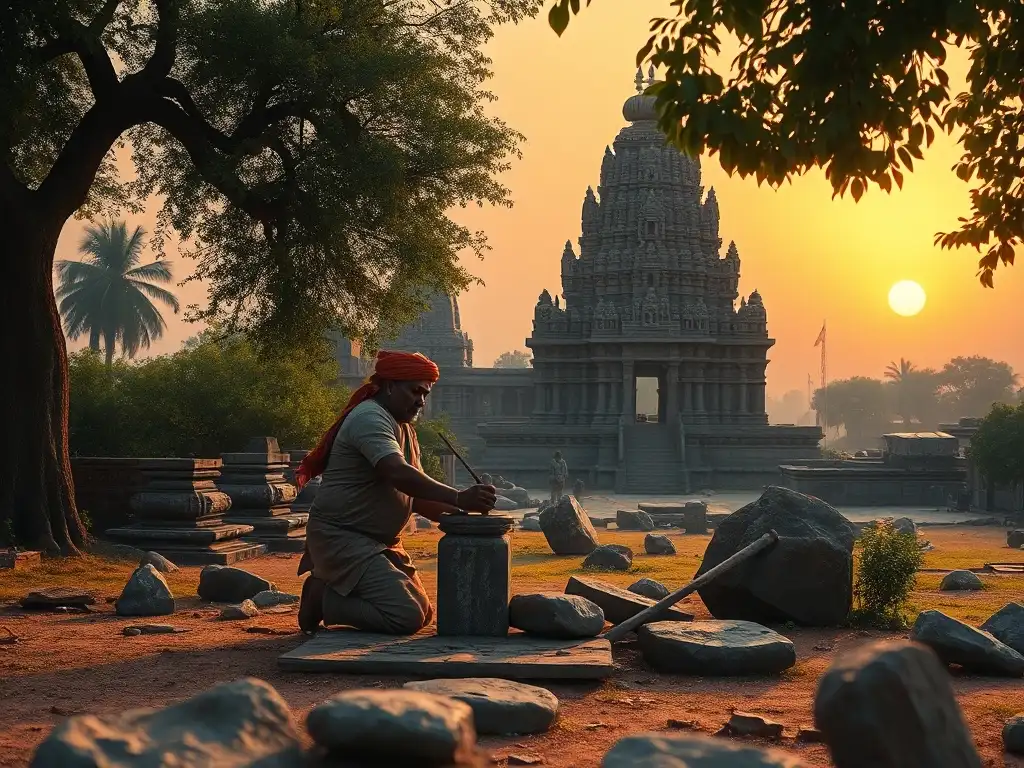
The Grandeur of Ancient Temples and Monuments
Ancient Indian civilization treasures can be seen vividly in the exquisite temples and monumental structures that dot the landscape of the Indian subcontinent. These architectural wonders not only showcase the artistry of their creators but also reflect the spiritual and cultural ethos of the time.
The temples, often dedicated to various deities, are characterized by intricate carvings, grand sculptures, and elaborate facades. For instance, the Brihadeeswarar Temple in Thanjavur, built during the Chola dynasty, stands as a monumental testament to Dravidian architecture. Its towering vimana (temple tower) rises to an impressive height of 66 meters, making it one of the tallest of its kind. The temple's walls are adorned with over 1,000 sculptures, each narrating stories from Hindu mythology.
Moreover, the Khajuraho Temples in Madhya Pradesh are renowned for their stunning erotic sculptures. These temples, constructed between 950 and 1050 AD, are UNESCO World Heritage Sites and illustrate the sophisticated craftsmanship of the Chandela dynasty. The intricate details of the sculptures not only serve a decorative purpose but also depict various aspects of life, including love, nature, and spirituality.
In addition to temples, the Ajanta and Ellora Caves offer a glimpse into ancient rock-cut architecture. These caves, carved between the 2nd century BCE and the 6th century CE, feature stunning frescoes and intricate sculptures that portray Buddhist, Jain, and Hindu themes. The sheer scale and artistic detail of these caves are a testament to the skill and dedication of the artisans of that era.
The Influence of Ancient Indian Architecture on Modern Design
The architectural styles of ancient Indian civilizations have left an indelible mark on modern design, influencing not just the subcontinent but also global architectural practices. The principles of symmetry, proportion, and ornamentation seen in ancient structures continue to inspire contemporary architects and designers.
One significant aspect is the use of Vastu Shastra, an ancient Indian science of architecture that emphasizes harmony with nature. This traditional approach advocates for designs that align with the elements and cardinal directions, promoting a balance between human habitation and the environment. Modern architects often incorporate these principles to create sustainable and eco-friendly buildings.
Furthermore, the use of intricate jali work—decorative lattice screens—can be traced back to ancient Indian architecture and is now a popular feature in modern buildings, providing both aesthetic appeal and functional benefits such as ventilation and privacy. This technique is notably seen in the Taj Mahal, where the delicate jali screens enhance the play of light and shadow within the marble structure.
Another influence is the revival of chhatris (elevated dome-shaped pavilions) in contemporary design, which not only add to the architectural beauty but also serve practical purposes such as providing shade in sunny climates. These elements are increasingly being incorporated into luxury resorts and heritage hotels across India, allowing guests to experience the grandeur of ancient Indian civilization treasures while enjoying modern comforts.
The architectural wonders of ancient India not only reflect the rich cultural heritage of the civilization but also continue to shape modern architectural practices, proving that the treasures of the past remain relevant and inspiring in today's world.
The Gupta Empire: A Golden Age of Culture and Knowledge
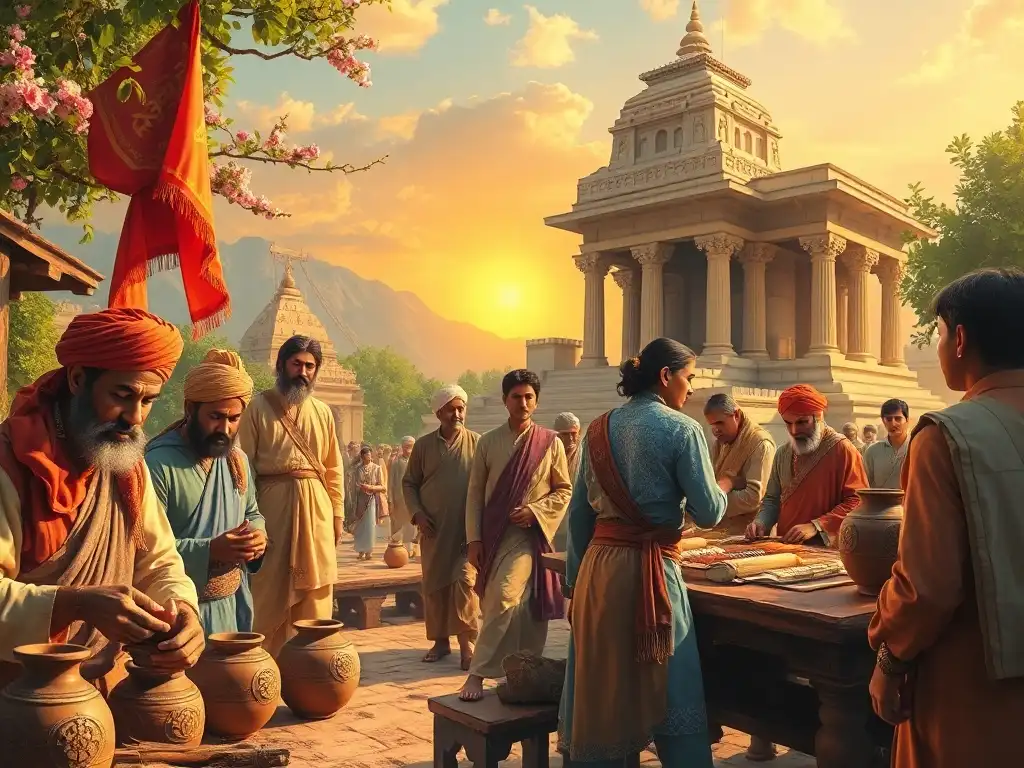
The Gupta Empire, which flourished from approximately 320 to 550 CE, is often referred to as a "Golden Age" of ancient Indian civilization due to its remarkable advancements in various fields, including science, mathematics, literature, and the arts. This period was marked by political stability, economic prosperity, and a flourishing intellectual environment. The Gupta rulers, particularly Chandragupta II and Samudragupta, were instrumental in promoting a culture that celebrated art, knowledge, and religious harmony.
The contributions of this era had a profound impact on the development of Indian culture, laying the groundwork for future generations. The Gupta Empire is characterized by its encouragement of scholarly pursuits, which led to the creation and preservation of numerous texts that continue to be valued today. The wealth of knowledge produced during this time not only enriched Indian civilization but also influenced cultures and societies across the globe.
Treasures of Knowledge: Ancient Indian Texts and Literature
The Gupta Empire is renowned for its literary achievements, with a plethora of texts produced in various genres. Notable figures such as Kalidasa, Aryabhata, and Varahamihira emerged during this period, contributing significantly to the fields of poetry, drama, and science.
- Kalidasa's Works:
- Shakuntala: This iconic play tells the poignant love story of Shakuntala and King Dushyanta, showcasing the beauty of human emotions and nature.
- Meghaduta: A lyrical poem that depicts a lover's longing for his beloved, using rich natural imagery and metaphors.
- Scientific Texts:
- Aryabhata's Aryabhatiya: This seminal work laid the foundation for mathematics and astronomy in India, introducing concepts such as zero and the significance of place value.
- Varahamihira's Brihat Samhita: An encyclopedic text encompassing astrology, meteorology, and architecture, reflecting the Gupta’s commitment to knowledge and learning.
- Religious Literature:
- The period also saw the proliferation of texts related to Hinduism and Buddhism, such as the Puranas, which played a crucial role in shaping religious thought and practices.
These texts are not merely historical artifacts; they are treasures that provide insight into the philosophical, scientific, and artistic pursuits of the time, reflecting the rich intellectual heritage of ancient Indian civilization.
Cultural Heritage: Art and Sculpture of the Gupta Period
The Gupta period is celebrated for its exquisite artistry and sculpture, which remain hallmarks of ancient Indian cultural heritage. The art of this period is characterized by its intricate detailing, graceful proportions, and spiritual themes.
- Sculptural Excellence:
- Buddhist Art: The creation of stunning sculptures of the Buddha and Bodhisattvas during this time, particularly in sites like Sarnath and Ajanta, showcases the fusion of religious devotion and artistic expression.
- Hindu Iconography: Deities such as Vishnu, Shiva, and Durga were depicted with remarkable finesse, often adorned with elaborate jewelry and accompanied by symbolic motifs.
- Architecture:
- The Gupta Empire also witnessed the construction of significant temples, such as the Dashavatara Temple at Deogarh, featuring intricate carvings and sculptures that narrate mythological stories and divine exploits.
- Cave Paintings:
- The Ajanta and Ellora caves, with their breathtaking frescoes and rock-cut sculptures, serve as a testament to the artistic prowess of the Gupta period. These paintings vividly portray the life of Buddha, as well as various Jataka tales, rich in narrative and color.
The art and architecture of the Gupta Empire not only highlight the technical skills of ancient craftsmen but also encapsulate the spiritual ethos of the time, making them invaluable treasures that continue to inspire and attract scholars, tourists, and art enthusiasts alike.
The Gupta Empire stands as a pinnacle of ancient Indian civilization treasures, with its profound contributions to literature, science, and art serving as enduring legacies that shape our understanding of India's rich heritage.
The Role of Religion in Ancient Indian Civilization Treasures
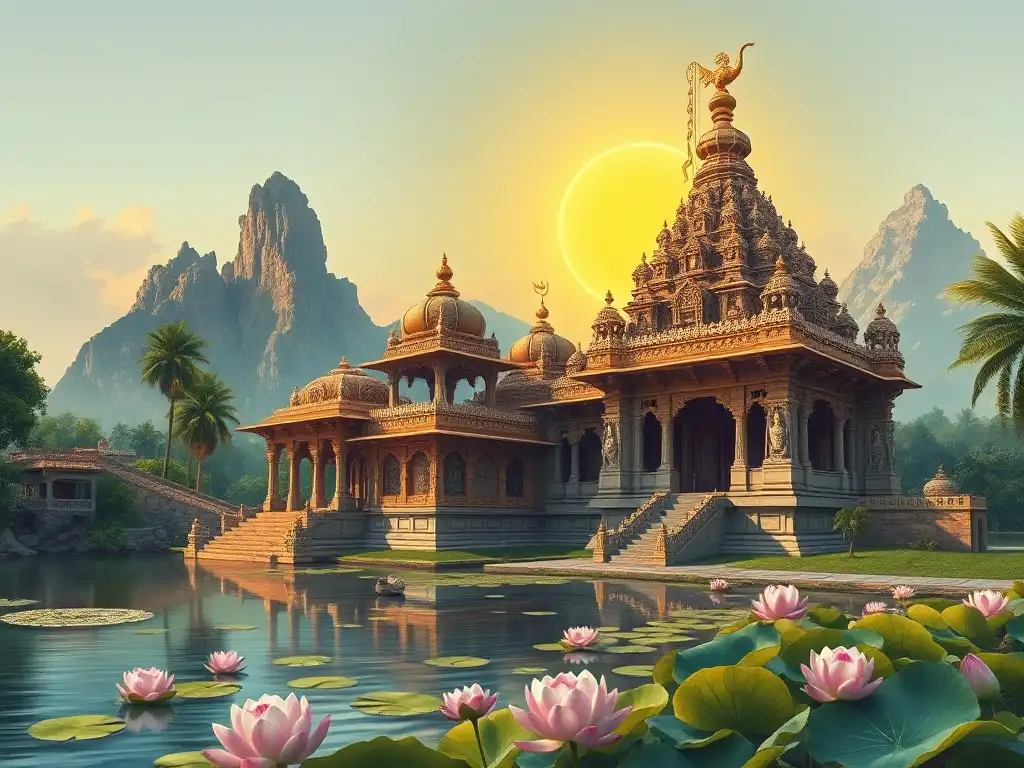
Religion played a pivotal role in shaping the treasures of ancient Indian civilization, influencing architecture, art, and social structures. The spiritual beliefs of the time fostered the creation of remarkable monuments and cultural practices, which continue to be celebrated and revered today. These treasures are not only significant for their historical value but also for their profound impact on the spiritual and cultural identity of India.
Spiritual Riches: Temples and Pilgrimage Sites
Ancient Indian civilization is renowned for its stunning temples and sacred pilgrimage sites, which stand as testaments to its rich spiritual heritage. Temples were not merely places of worship; they were centers of community life, art, and education.
- Architectural Marvels: The intricate designs of temples, such as those found in Khajuraho and Hampi, showcase advanced engineering techniques and artistic prowess. These structures often feature elaborate carvings depicting deities, mythological events, and daily life, making them rich repositories of history and culture.
- Pilgrimage Routes: Ancient texts mention numerous pilgrimage routes leading to sacred sites like Varanasi, Haridwar, and Rameswaram. These sites were frequented by devotees seeking spiritual enlightenment and blessings. The annual Kumbh Mela, one of the largest gatherings of human beings in the world, is a modern reflection of this ancient tradition.
- Cultural Exchange: Temples served as hubs for cultural exchange, attracting scholars and travelers from various regions. The confluence of ideas and practices contributed to the development of diverse philosophical schools, making ancient India a melting pot of spirituality and learning.
- Rituals and Festivals: The rituals conducted in these temples, ranging from daily pujas to grand festivals, highlight the intricate relationship between religion and daily life. These practices not only reinforced community bonds but also preserved ancient traditions and narratives.
Festivals Celebrating Ancient Heritage
Festivals in ancient Indian civilization were vibrant celebrations that honored deities, marked seasonal changes, and reinforced community ties. They served as a way to connect with the divine while celebrating the rich tapestry of culture and tradition.
- Diwali: Known as the Festival of Lights, Diwali symbolizes the victory of light over darkness and good over evil. This ancient festival is rooted in various myths, including the return of Lord Rama to Ayodhya after defeating Ravana.
- Holi: The Festival of Colors, Holi, celebrates the arrival of spring and the triumph of love. Its origins can be traced back to the story of Radha and Krishna, showcasing the deep connections between love, joy, and spirituality in ancient texts.
- Navaratri: This nine-night festival honors the goddess Durga and celebrates her victory over the buffalo demon Mahishasura. Each night features unique rituals, dances, and music, embodying the vibrant spirit of ancient traditions.
- Makar Sankranti: Marking the winter solstice, this festival celebrates the harvest season and the transition of the sun into the zodiac sign of Capricorn. It reflects the agricultural roots of ancient Indian society and the integration of nature into religious practices.
The treasures of ancient Indian civilization are deeply intertwined with its religious practices and festivals. These spiritual riches not only provide insight into the beliefs and values of the time but also continue to influence contemporary culture, making them invaluable for both historical and luxury travel enthusiasts.
Culinary Treasures: The Taste of Ancient Indian Civilization
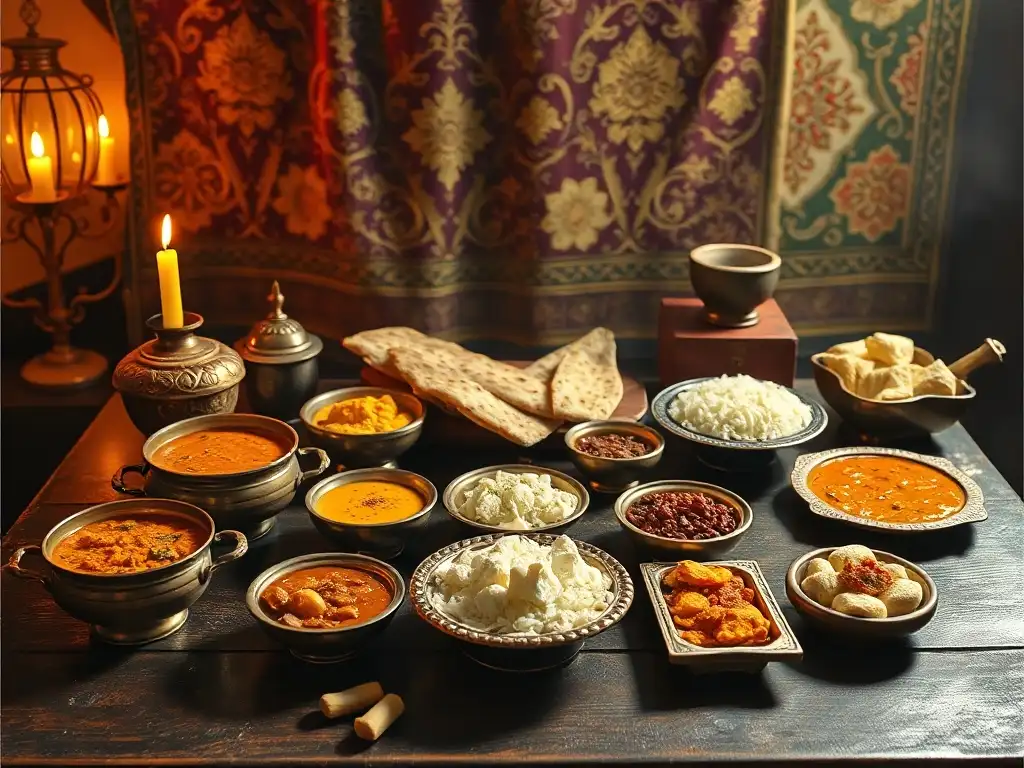
The culinary legacy of ancient India is as rich and diverse as its historical narratives. The ancient Indian civilization treasures include not only magnificent monuments and artifacts but also a profound gastronomic heritage that has shaped the subcontinent's food culture. From the spices that were traded along the Silk Road to the elaborate cooking techniques that have been passed down through generations, the journey through ancient Indian cuisine is a tantalizing exploration of flavors, traditions, and historical significance.
Traditional Dishes with Historical Significance
Indian cuisine has roots that extend deep into the annals of history, with many dishes having their origins in ancient times. Here are some notable traditional dishes that reflect the culinary practices of ancient Indian civilization:
- Biryani:
- This aromatic rice dish, often cooked with marinated meats and spices, traces its origins to Persian influences in India during the medieval period. However, the concept of cooking rice with spices can be found in ancient texts.
- Khichdi:
- A staple dish made from rice and lentils, khichdi is often deemed the comfort food of India. It has been mentioned in ancient scriptures, indicating its historical significance as a nourishing meal.
- Dhokla:
- This steamed snack from Gujarat has a history that can be traced back to the ancient Indian practice of fermenting grains, showcasing the importance of fermentation in Indian culinary traditions.
- Puran Poli:
- A sweet flatbread stuffed with a mixture of jaggery and lentils, puran poli is traditionally made during festivals. Its roots lie in ancient Indian agricultural practices, where seasonal ingredients were celebrated.
- Sweets like Gulab Jamun and Ladoo:
- Many sweets have ancient origins tied to regional festivities. The use of ingredients like khoya (reduced milk) and sugar signifies the early development of culinary techniques and trade in sweeteners.
Wine and Spirits: A Look into Ancient Indian Beverages
Ancient Indian civilization treasures also extend to the realm of beverages, incorporating a variety of wines and spirits that played a significant role in social and religious practices. Here’s a closer look at some of these ancient drinks:
- Sura:
- An ancient form of alcoholic beverage mentioned in Vedic texts, sura was made from fermented grains and is said to have been consumed during rituals and gatherings. Its significance in ancient society reflects the cultural practices surrounding beverage consumption.
- Raisins and Honey Wine:
- Known as "madhu," this sweet wine made from honey and raisins was celebrated in ancient texts. It was often used in religious ceremonies and was associated with health and longevity.
- Soma:
- This mystical drink, revered in the Vedas, was believed to bestow immortality. While its exact ingredients remain a mystery, soma’s importance in ancient rituals underscores the spiritual aspect of ancient Indian beverages.
- Coconut Water and Fermented Drinks:
- Coconut water has been consumed for centuries, and the practice of fermenting various fruits and grains into beverages was common, showcasing the ingenuity of ancient Indian civilizations in utilizing local resources.
- Herbal Infusions:
- Ancient texts indicate the use of various herbs and spices in brewing healthful beverages, which not only catered to taste but also to medicinal purposes, highlighting the holistic approach of ancient Indian wellness.
The culinary treasures of ancient Indian civilization offer a unique glimpse into the cultural and historical fabric of the society. From traditional dishes that have stood the test of time to beverages that held spiritual significance, these gastronomic delights continue to inspire modern Indian cuisine, making them an integral part of luxury and historical travel experiences. Exploring these flavors allows travelers to connect with the past and appreciate the richness of India's culinary heritage.
Best Practices for Planning a Luxurious Heritage Tour
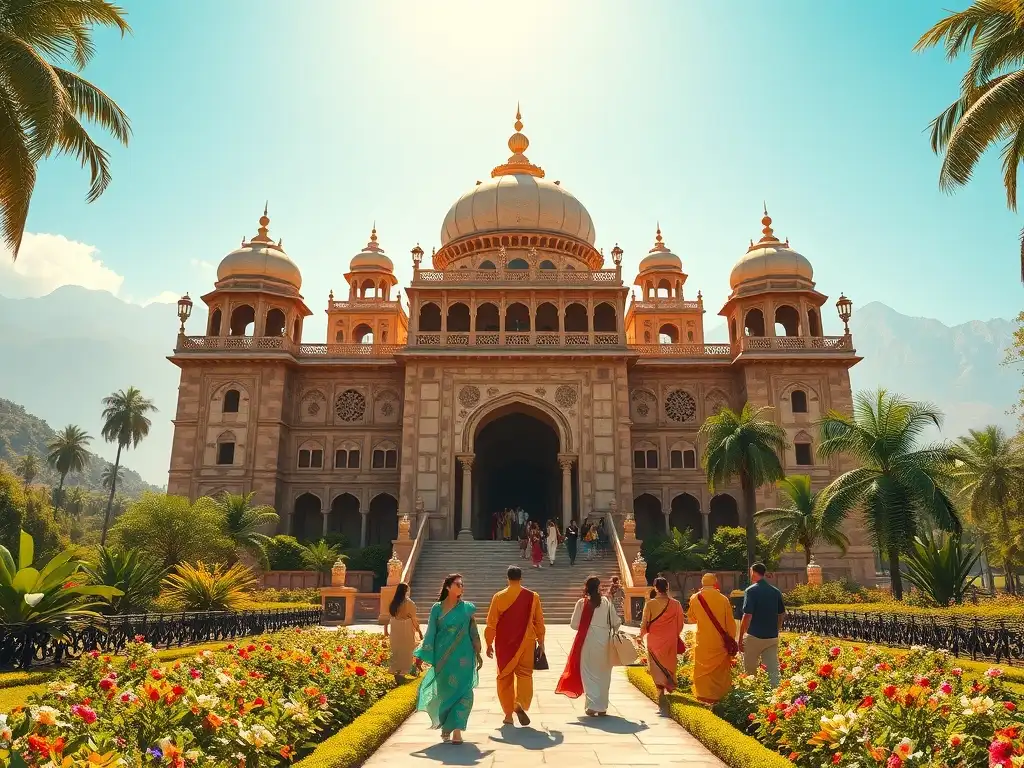
Choosing the Right Tour Operator for Ancient Indian Civilization Treasures
Selecting a tour operator for your luxurious heritage journey through ancient Indian civilization treasures is crucial to ensuring an enriching experience. The right operator not only provides logistical support but also offers expert insights into historical contexts, cultural nuances, and local expertise. Here are several factors to consider:
- Experience and Reputation:
- Look for operators with a proven track record in luxury heritage tours.
- Check reviews and testimonials from previous travelers to gauge their satisfaction.
- Specialization in Ancient Indian Heritage:
- Ensure the operator specializes in ancient Indian civilization treasures, focusing on regions like the Indus Valley, Maurya, and Gupta Empires.
- Operators should have knowledgeable guides who are well-versed in the history and significance of these sites.
- Customized Itineraries:
- Seek operators that offer tailored itineraries, allowing you to explore specific interests, such as art, architecture, or local traditions.
- Flexibility in the itinerary can enhance your experience, catering to your pace and preferences.
- Sustainable Practices:
- Choose operators who prioritize responsible tourism, supporting local communities and preserving heritage sites.
- Inquire about their partnerships with local artisans and historical preservation initiatives.
- Luxury Accommodations:
- Check if the tour operator collaborates with high-end hotels that reflect the cultural richness of ancient India.
- Quality accommodations enhance the travel experience, blending comfort with historical aesthetics.
Essential Tips for a Memorable Journey
To ensure your luxurious heritage tour through the ancient Indian civilization treasures is unforgettable, consider the following tips:
- Research and Prepare:
- Familiarize yourself with the historical significance of the sites you will visit, such as the ruins of Harappa or the temples of Khajuraho.
- Understanding the context enhances appreciation during your exploration.
- Engage with Local Culture:
- Participate in local workshops, such as pottery or textile weaving, to connect with the heritage of ancient civilizations.
- Engaging with local customs provides a deeper understanding of the region's cultural tapestry.
- Travel during Off-Peak Seasons:
- Opt for off-peak travel times to avoid crowds and enjoy a more personal experience at historical sites.
- The tranquility of lesser-known treasures, like the caves of Ajanta and Ellora, allows for reflective exploration.
- Pack Accordingly:
- Dress modestly and comfortably, respecting the local culture while ensuring ease of movement during site visits.
- Include essentials such as a good camera to capture the stunning architecture and landscapes.
- Stay Hydrated and Nourished:
- Carry water and snacks, especially during excursions to remote sites, ensuring you stay energized and focused.
- Experience local cuisine at recommended restaurants to savor the flavors that have evolved through ancient traditions.
By choosing the right tour operator and following these essential tips, you can embark on a luxurious heritage journey through the treasures of ancient Indian civilization that is both enriching and memorable.
Frequently Asked Questions
What are some key treasures of ancient Indian civilizations?
Ancient Indian civilizations are known for their remarkable treasures like intricate jewelry, exquisite sculptures, and magnificent architecture, reflecting their rich heritage and craftsmanship.
How did the Indus Valley Civilization contribute to ancient Indian culture?
The Indus Valley Civilization is celebrated for its advanced urban planning, sophisticated drainage systems, and trade networks, laying the foundation for many cultural practices in ancient India.
What was the significance of the Gupta Empire in ancient Indian history?
The Gupta Empire marked a golden age in ancient India, with significant advancements in science, mathematics, and arts, showcasing the civilization's intellectual and cultural prowess.
How can we explore the luxurious journey of ancient Indian discoveries?
Exploring ancient India involves visiting historical sites, museums, and archaeological digs, which reveal the hidden treasures of this fascinating civilization through artifacts and ancient manuscripts.
What are some modern-day implications of studying ancient Indian civilization treasures?
Studying these treasures helps in understanding cultural heritage, preserving historical sites, and promoting tourism, while also inspiring contemporary art and design through ancient techniques and motifs.
Final Reflection: Unearthing the Riches of Ancient Indian Civilization
The treasures of ancient Indian civilization are not merely relics of the past; they are vibrant narratives that continue to shape our understanding of culture, art, and history today. As we delve into the opulent legacies of this remarkable civilization, we uncover not just artifacts, but profound insights into the human experience that resonate with our contemporary lives. The allure of these treasures lies in their ability to connect us to a time when creativity and spirituality flourished, reminding us that the past is a wellspring of inspiration for the present.
Culture is a living entity, and the treasures of ancient India serve as a testament to the enduring legacy of human ingenuity. From the intricate craftsmanship of jewelry to the philosophical depth of ancient texts, these artifacts reflect a society that valued beauty, knowledge, and harmony. As we navigate the complexities of modern life, we can draw strength from the wisdom embedded in these treasures. The past is never dead. It's not even past.
— William Faulkner. This quote encapsulates the idea that the lessons of ancient civilizations are ever-present, urging us to learn from their triumphs and tribulations.
As we conclude this journey through the unexplored treasures of ancient India, I invite you to reflect on how these legacies can inform your own life. Consider how the values of creativity, spirituality, and community that thrived in ancient times can be integrated into your daily existence. Let the stories of these treasures inspire you to seek beauty in your surroundings, to foster a deeper connection with your heritage, and to embrace the lessons of the past as you forge your own path forward. The treasures of ancient Indian civilization await your discovery—will you take the journey?
Thank you for embarking on this exciting journey through the unexplored treasures of Ancient India! We hope you discovered fascinating insights that inspire you to delve deeper into the richness of our history. Now it's time to take action and further your exploration!
Here are some steps you can take to make the most of your newfound knowledge:
- Dive into research: Visit local libraries or online archives to uncover rare books and documents about the remarkable civilizations of Ancient India.
- Join a community: Connect with fellow history enthusiasts by joining social media groups or forums dedicated to the study of Ancient Indian history.
- Share your discoveries: Write a blog post or create a video showcasing your favorite discovery from Ancient India, and share it with your friends and followers.
As you explore these ancient wonders, what aspect of Ancient India's history ignites your curiosity the most? We invite you to share your thoughts in the comments below!