
The Interrelation of Vaisheshika and Yoga Philosophy

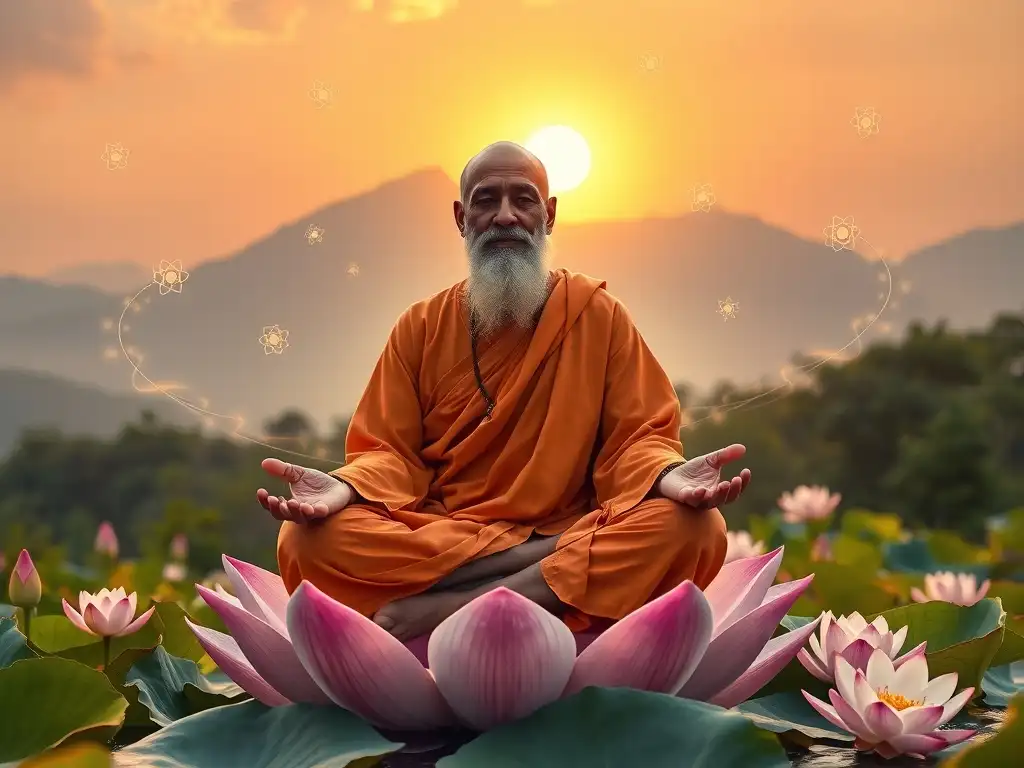
Welcome to Ancient India History, where we invite you to embark on a journey through the rich tapestry of ancient Indian civilizations. Delve into the profound connections that shaped the philosophies of the past, particularly as we explore the intriguing relationship between Vaisheshika and Yoga philosophy. What secrets lie within these ancient teachings, and how do they continue to influence modern thought? Prepare to uncover the depths of wisdom as you navigate through our articles, beginning with our spotlight on this captivating topic. Your exploration of India’s illustrious history starts here!

The exploration of ancient Indian philosophy presents a fascinating journey into the diverse schools of thought that shaped the intellectual landscape of the time. Among these profound traditions, Vaisheshika and Yoga stand out for their unique perspectives and interconnected ideas.
Understanding the Vaisheshika Yoga philosophy connection unveils the intricate ways in which these two schools influence each other, particularly in their approaches to metaphysics, epistemology, and practical application in spiritual practice. This article delves into the foundational aspects of both philosophies, tracing their historical development and highlighting the key principles that bind them together, thereby offering a comprehensive insight into the rich tapestry of ancient Indian thought.
Introduction to Vaisheshika Philosophy
Overview of Vaisheshika School of Thought
The Vaisheshika school, attributed to the sage Kanada in the 2nd century BCE, is primarily concerned with the nature of reality and the classification of substances. It posits that everything in the universe is made up of distinct categories, including substance, quality, action, and relation. This school emphasizes a systematic approach to understanding the physical world, and it is one of the six orthodox systems of Hindu philosophy, known as the Darshanas.
Key Principles of Vaisheshika Philosophy
The key principles of Vaisheshika philosophy can be summarized as follows:
- Padārtha: The concept of categories, which includes dravya (substance), guna (quality), karma (action), samanya (universal), vishesha (particular), and abhava (non-existence).
- Atomism: The belief that all substances are composed of indivisible particles or anu, which combine to form the material world.
- Causation: Understanding the relationship between cause and effect, exploring how changes occur in the universe.
Historical Context of Vaisheshika in Ancient India
Vaisheshika philosophy flourished during a period rich in intellectual exchange, notably alongside the rise of other philosophical systems like Nyaya and Samkhya. It engaged deeply with the scientific inquiries of its time, influencing various fields such as logic, metaphysics, and ethics. The integration of logical reasoning and empirical observation in Vaisheshika laid a foundation for later philosophical developments in India.
Introduction to Yoga Philosophy
Overview of Yoga Philosophy
Yoga philosophy, often attributed to Patanjali and detailed in the Yoga Sutras, emphasizes the practice of mental and physical disciplines to achieve self-realization and union with the divine. It is not merely a system of physical postures but a comprehensive approach to understanding the mind, body, and spirit, aiming for the ultimate goal of moksha (liberation).
Core Concepts in Yoga Philosophy
The core concepts of Yoga philosophy include:
- Ashtanga Yoga: The eight limbs of yoga, which guide practitioners through ethical precepts, physical postures, breath control, and meditation.
- Samadhi: The state of meditative absorption where the practitioner experiences unity with the object of meditation.
- Karma and Dharma: The principles of action and duty, emphasizing the importance of living according to one's ethical responsibilities.
Historical Development of Yoga in Ancient India
The historical development of Yoga can be traced back to the Vedic texts, evolving through various interpretations and practices over centuries. The compilation of the Yoga Sutras around the 2nd century BCE marked a significant turning point, systematizing the philosophy and practices of Yoga. This period saw the synthesis of various traditions, including Vedanta and Samkhya, contributing to the rich legacy of Yoga as a holistic discipline.
By understanding the profound connections between Vaisheshika and Yoga philosophies, we can gain deeper insights into the nature of existence and the path to spiritual liberation as envisioned in ancient Indian thought.
The Connection Between Vaisheshika and Yoga Philosophy
The Vaisheshika and Yoga schools of thought are integral components of Indian philosophy, each offering unique insights into the nature of reality and the human experience. While they may seem distinct in their methodologies and focuses, a deeper examination reveals a significant interrelation between the two. Both philosophies share a common goal: the pursuit of liberation (moksha) and understanding the essence of existence. This connection is often illuminated through their overlapping discussions on metaphysics, epistemology, and ethics.
Vaisheshika, primarily concerned with the categorization of reality and the nature of substances, complements the practical and experiential approach of Yoga, which emphasizes meditation and self-discipline. The synthesis of these philosophies can be seen in how they address the nature of the self, the material world, and the path to enlightenment. This interrelation not only enriches the philosophical landscape of ancient India but also provides a comprehensive framework for understanding the complexities of existence.
Common Philosophical Foundations
Both Vaisheshika and Yoga stem from the broader tradition of Indian philosophy, sharing foundational concepts like the principles of reality, the nature of knowledge, and the significance of ethical living. A vital commonality lies in their acceptance of the existence of an external world that is independent of individual perception.
- Atoms and Substances: Vaisheshika posits that all material objects are composed of atoms (paramanu), which are indivisible and eternal. Similarly, Yoga, particularly in the context of the Samkhya philosophy, acknowledges the physical realm as a necessary aspect of existence.
- The Self (Atman): Both traditions recognize the Atman as the true self, distinct from the physical body and mind. This understanding fosters a shared pursuit of self-realization and liberation.
- Knowledge and Liberation: Both philosophies emphasize the importance of knowledge (jnana) as a means to achieve liberation. While Vaisheshika focuses on understanding the nature of substances, Yoga promotes experiential knowledge through meditation and practice.
Differences in Approach to Reality
While Vaisheshika and Yoga share foundational elements, they diverge significantly in their approach to understanding reality.
- Vaisheshika's Analytical Framework: The Vaisheshika school employs a more analytical and systematic approach, categorizing reality into various substances, qualities, and actions. It emphasizes a detailed examination of the physical world, seeking to understand the properties and interactions of different elements.
- Yoga's Experiential Focus: In contrast, Yoga prioritizes personal experience and practice over analytical reasoning. It emphasizes the importance of meditation, ethical conduct, and physical discipline to achieve self-realization and union with the divine.
These differences highlight the richness of Indian philosophy, where multiple paths can coexist and provide diverse approaches to understanding the ultimate truth.
The Role of Consciousness in Both Schools
Consciousness plays a pivotal role in both Vaisheshika and Yoga philosophies, albeit in different contexts.
- Vaisheshika Perspective: In Vaisheshika, consciousness is often viewed as a quality of the self, which interacts with the material world. The school recognizes the significance of perception (pratyaksha) and inference (anumana) as means to acquire knowledge about both the physical and mental realms.
- Yoga Perspective: Yoga, particularly in the context of Patanjali's Yoga Sutras, emphasizes the transformation of consciousness through meditation and the cessation of mental fluctuations (vrittis). The ultimate goal is to attain a state of pure awareness, realizing the unity of the individual self with the universal consciousness.
Both schools, therefore, acknowledge consciousness as a fundamental aspect of existence, but their interpretations and implications differ significantly, showcasing the diverse philosophical inquiries within Indian thought.
Key Figures and Texts in Vaisheshika and Yoga

The evolution of Vaisheshika and Yoga philosophy has been shaped by several key figures and texts that have contributed significantly to their development and understanding.
Important Texts in Vaisheshika Philosophy
The foundational texts of Vaisheshika philosophy are essential for grasping its principles and metaphysical framework.
- Vaisheshika Sutras: Authored by Kanada, this foundational text outlines the core concepts of Vaisheshika, including the nature of substances, qualities, and the classification of reality.
- Commentaries: Subsequent scholars such as Dharmakirti and Udayana have written extensive commentaries on the Vaisheshika Sutras, further elaborating on its concepts and addressing critiques from other philosophical schools.
These texts serve as a comprehensive guide to understanding the intricacies of Vaisheshika thought and its relevance in the broader context of Indian philosophy.
Influential Texts in Yoga Philosophy
Yoga philosophy is anchored in a variety of texts that explore its theoretical and practical dimensions.
- Yoga Sutras of Patanjali: This seminal work outlines the eight limbs of yoga (Ashtanga), providing both practical guidance and philosophical insights into the nature of consciousness and the path to liberation.
- Bhagavad Gita: While primarily a spiritual text, the Gita incorporates significant yogic principles, emphasizing the importance of selfless action (karma yoga) and devotion (bhakti yoga) as paths to spiritual realization.
These texts have profoundly influenced the practice and understanding of Yoga, highlighting its philosophical roots and practical applications.
Notable Scholars and Thinkers
The development of both Vaisheshika and Yoga has been influenced by numerous scholars and thinkers who have shaped their trajectories.
- Kanada: The founder of the Vaisheshika school, his contributions laid the groundwork for the school’s metaphysical inquiries and systematic categorization of reality.
- Patanjali: Often regarded as the father of Yoga, his detailed compilation of yogic practices and philosophical insights in the Yoga Sutras has been pivotal in the dissemination of Yoga philosophy.
- Badrayana (Vyasa): A key figure in the integration of various philosophical schools, his commentaries on both the Vedanta and Yoga texts have enriched the understanding of their interconnections.
These scholars have played a crucial role in the evolution of their respective philosophies and continue to inspire contemporary philosophical discourse.
Practical Applications of Vaisheshika and Yoga Principles
The practical applications of Vaisheshika and Yoga principles are diverse and multifaceted, deeply influencing various aspects of life, including ethics, health, and spirituality. Vaisheshika, primarily concerned with metaphysics and categorization of reality, provides a philosophical foundation that complements the practical aspects of Yoga, which focuses on mental and physical discipline. Together, these philosophies enhance personal growth and holistic well-being.
In daily life, practitioners often integrate the principles of both schools to develop a balanced approach to their physical and mental health. For instance, the Vaisheshika emphasis on understanding the physical elements—earth, water, fire, air, and space—can inform Yoga practices that promote awareness of bodily sensations and encourage a deeper connection to the environment. This integration can lead to improved mindfulness during meditation and asanas (postures), enhancing the overall experience of practitioners.
Moreover, the ethical considerations derived from Vaisheshika, such as truthfulness (satya) and non-violence (ahimsa), resonate with the ethical precepts of Yoga, fostering a comprehensive lifestyle that encourages compassion and awareness. By applying these principles, individuals can cultivate a more profound sense of harmony within themselves and their relationships with others.
How Vaisheshika Influences Yoga Practices
Vaisheshika philosophy significantly influences Yoga practices through its categorization of reality and its focus on the nature of existence. The Vaisheshika system posits that the universe is made up of atoms and that understanding these components can lead to a clearer perception of reality. This scientific approach encourages Yoga practitioners to develop a more profound awareness of their physical bodies and the subtler energies that govern their existence.
For example, the understanding of the three gunas (sattva, rajas, tamas) in Vaisheshika can enhance the practice of Yoga by informing practitioners about the qualities of their thoughts and actions. By recognizing how these qualities influence one's state of mind, practitioners can tailor their Yoga practice to address imbalances. A greater emphasis on sattva (purity) can lead to meditative practices that foster clarity and tranquility, while awareness of rajas (activity) and tamas (inertia) can guide the choice of physical postures and breathing techniques.
Additionally, the emphasis on logical reasoning in Vaisheshika supports the critical analysis of experiences during Yoga practice. This encourages a reflective approach, where individuals can assess their progress, understand their limitations, and adopt personalized strategies to enhance their practice.
Integrating Vaisheshika Concepts into Yoga Philosophy
Integrating Vaisheshika concepts into Yoga philosophy enriches the understanding of both practices, creating a more comprehensive approach to personal development. One of the key integrations is the concept of an individual soul (atman) in Vaisheshika, which aligns with the Yoga philosophy's focus on self-realization. Both schools emphasize the importance of recognizing the self, which is essential for achieving liberation (moksha).
The Vaisheshika classification of substances and their properties can also be seen in the various aspects of Yoga practice. For instance, the focus on the physical body as composed of different elements aligns with the Yogic emphasis on asanas that engage and harmonize these elements. By acknowledging how each element contributes to physical and mental health, practitioners can create a more balanced and effective Yoga regimen.
Moreover, the logical frameworks established by Vaisheshika can be applied to the philosophical inquiries found in Yoga Sutras, particularly in understanding the nature of consciousness and the relationship between the body and the mind. This synthesis encourages a holistic view that appreciates both the scientific and experiential dimensions of human existence.
Case Studies: Modern Interpretations and Practices
Modern interpretations of the Vaisheshika and Yoga connection can be observed in various contemporary practices that emphasize both physical fitness and spiritual growth. One notable example is the incorporation of Vaisheshika principles into yoga therapy, where practitioners utilize a deep understanding of anatomy and physiology to address specific health issues.
Case Study 1: A yoga therapist trained in Vaisheshika philosophy might analyze a client's physical condition through the lens of the five elements, developing a personalized practice that targets imbalances in those elements. This approach not only addresses physical ailments but also promotes a deeper awareness of one's body and its needs.
Case Study 2: In educational settings, programs that teach Yoga often include components of Vaisheshika philosophy to foster critical thinking and self-reflection among students. By integrating these teachings, participants are encouraged to explore their understanding of existence, ethics, and personal wellness.
These modern interpretations highlight how ancient philosophies can adapt and thrive in contemporary contexts, providing valuable tools for individuals seeking holistic approaches to health and well-being.
Conclusion
Summary of Vaisheshika Yoga Philosophy Connection
The connection between Vaisheshika and Yoga philosophy is profound, rooted in their shared commitment to understanding the nature of reality and the self. Vaisheshika's categorization of existence complements Yoga's practical methodologies for achieving mental and physical harmony. Together, they provide a comprehensive framework for personal growth, ethical living, and spiritual development.
Through the integration of these philosophies, practitioners can cultivate a balanced approach to their lives, drawing on the insights of both traditions to enhance their understanding of themselves and their place in the universe.
The Relevance of Vaisheshika and Yoga in Contemporary Thought
In today’s fast-paced world, the relevance of Vaisheshika and Yoga philosophies remains significant. As individuals face increasing stress and complexity in their lives, the teachings of these ancient traditions offer timeless wisdom for cultivating mindfulness, resilience, and inner peace. The ethical principles derived from Vaisheshika resonate strongly in contemporary discussions about personal responsibility and social harmony, while the practices of Yoga provide effective tools for self-care and mental well-being.
The interplay between these philosophies encourages individuals to explore their inner landscapes, promoting self-awareness and a deeper connection to the world around them. This relevance underscores the importance of preserving and disseminating these teachings for future generations.
Future Directions for Research and Exploration
Future research and exploration of the Vaisheshika and Yoga connection should focus on several key areas. First, interdisciplinary studies that explore the intersections between philosophy, psychology, and health sciences could yield valuable insights into how these ancient teachings can inform modern practices and therapies.
Second, there is a need for more case studies that document the practical applications of integrating Vaisheshika concepts into contemporary Yoga practices, particularly in therapeutic settings. These studies could provide empirical evidence for the benefits of such integration and inspire further adoption in wellness programs.
Lastly, an exploration of the global influence of Vaisheshika and Yoga philosophies in different cultural contexts can shed light on their universal appeal and adaptability. By examining how these traditions are interpreted and practiced worldwide, researchers can contribute to a broader understanding of their significance in the modern world.
- Introduction to Vaisheshika Philosophy
- Introduction to Yoga Philosophy
- The Connection Between Vaisheshika and Yoga Philosophy
- Key Figures and Texts in Vaisheshika and Yoga
- Practical Applications of Vaisheshika and Yoga Principles
- Conclusion
- What is Vaisheshika Yoga philosophy?
- How does Vaisheshika relate to other philosophical schools?
- What are the main contributions of Vaisheshika to Indian philosophy?
- How does the Vaisheshika Yoga philosophy connection enhance our understanding of ancient Indian thought?
- What role did the Gupta Empire play in the development of Vaisheshika philosophy?
Frequently Asked Questions
What is Vaisheshika Yoga philosophy?
The Vaisheshika Yoga philosophy is a school of thought in ancient Indian philosophy that emphasizes atomism and the nature of reality, focusing on understanding the material world and its interactions.
How does Vaisheshika relate to other philosophical schools?
Vaisheshika is often connected with Nyaya, as both schools discuss logic and epistemology, and they collectively contribute to the understanding of Indian metaphysics and the nature of knowledge.
What are the main contributions of Vaisheshika to Indian philosophy?
The key contributions of Vaisheshika include the development of a detailed categorization of reality, defining categories such as substance, quality, and action, which influence various philosophical discussions in India.
How does the Vaisheshika Yoga philosophy connection enhance our understanding of ancient Indian thought?
The connection between Vaisheshika and Yoga philosophy reveals a holistic view of existence, where both focus on the nature of the self and the material world, leading to deeper insights into spiritual practice and metaphysical inquiry.
What role did the Gupta Empire play in the development of Vaisheshika philosophy?
During the Gupta Empire, there was a flourishing of intellectual activity that allowed Vaisheshika philosophy to develop alongside other schools, contributing to a rich tapestry of cultural and philosophical advancements in ancient India.
Final Reflection: Embracing the Connection of Vaisheshika and Yoga Philosophy
The intricate relationship between Vaisheshika and Yoga philosophy remains profoundly relevant in today's quest for holistic understanding and personal growth. As we navigate a world increasingly focused on mental and physical well-being, the teachings of these ancient philosophies offer timeless wisdom that can guide us toward a more balanced existence. The connection between these two systems is not merely academic; it is a pathway to deeper self-awareness and harmony in our lives.
Cultural and social landscapes are continually shaped by the philosophies we embrace. The synthesis of Vaisheshika's metaphysical insights with the practical applications of Yoga creates a rich tapestry of thought that influences contemporary practices in wellness, mindfulness, and spirituality. As we integrate these teachings, we find ourselves echoing the sentiments of ancient sages who recognized the importance of understanding both the material and spiritual realms. The ultimate aim of knowledge is to realize the unity of the self with the universe.
As you reflect on the insights shared in this article, consider how the principles of Vaisheshika and Yoga can be woven into your daily life. Take a moment to explore your own beliefs and practices, and ask yourself how you can embody the harmony these philosophies advocate. By embracing this connection, you not only enrich your personal journey but also contribute to a collective movement towards greater understanding and peace in our world.
Unveil the Power of Vaisheshika and Yoga Philosophy!
Thank you for diving into the fascinating world of Vaisheshika and Yoga philosophy! You’ve explored how these ancient teachings interconnect, enriching both your understanding and personal growth. Now, it's time to take this knowledge to the next level!
Here are some engaging actions you can take:
- Embrace a Daily Practice: Begin integrating yoga asanas into your daily routine. This not only honors the philosophies discussed but also enhances your physical and mental well-being.
- Engage with a Community: Join a local or online discussion group focused on Vaisheshika or Yoga philosophy. Sharing insights can lead to new understandings and friendships.
- Reflect through Journaling: Document your thoughts and experiences related to what you’ve learned. Reflecting can deepen your grasp of these philosophies and their impact on your life.
What connections between Vaisheshika and your own spiritual practice have you discovered? Share your insights, and let's inspire each other!