
The Intersection of Nyaya and Dharma: Philosophy in Action


Welcome to Ancient India History, where we embark on a journey through the rich tapestry of ancient Indian civilizations. From the groundbreaking insights of the Indus Valley to the profound contributions of the Gupta Empire, our exploration unveils the intricacies of a culture that has shaped the world. In our featured article, "The Intersection of Nyaya and Dharma: Philosophy in Action," we delve into the fascinating impact of Nyaya and Dharma philosophy on society and ethics.
Prepare to challenge your perceptions and deepen your understanding as we unravel the philosophical threads that continue to influence modern thought. Dive in, and let your curiosity guide you through the annals of history!
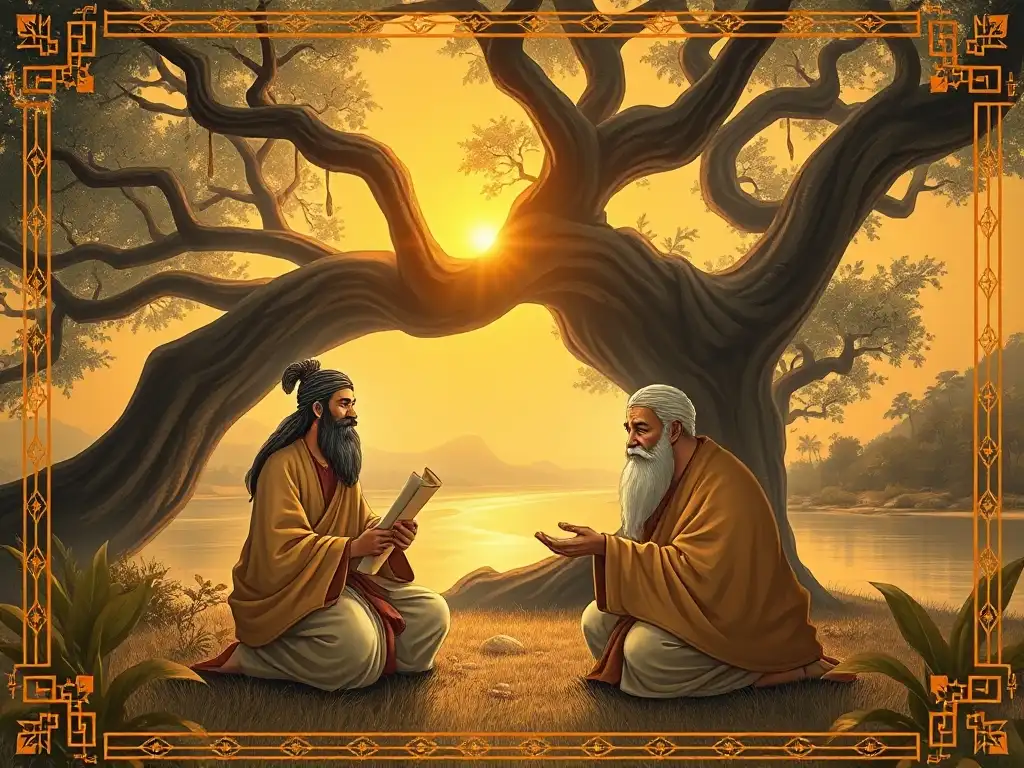
The interplay between Nyaya and Dharma philosophies represents a critical juncture in ancient Indian thought, where logic meets ethics in a profound and meaningful way. The Nyaya school, primarily concerned with the principles of reasoning and epistemology, offers tools to discern truth and navigate the complexities of moral decision-making. Conversely, Dharma encapsulates the moral and ethical dimensions of life, guiding individuals in their duties and responsibilities within society.
Together, these philosophies not only shaped individual lives but also influenced the broader cultural and legal frameworks of ancient India. This article delves into how the intersection of Nyaya and Dharma philosophy significantly impacted the ethical landscape of ancient Indian civilization, providing a comprehensive understanding of their contributions and relevance.
Introduction to Nyaya and Dharma Philosophy
Nyaya philosophy, rooted in the ancient texts known as the Nyaya Sutras, focuses on logic, reasoning, and the methodologies of valid argumentation. It emphasizes the importance of epistemology—the study of knowledge—highlighting how we perceive and understand the world around us. In contrast, Dharma, derived from the vast corpus of Hindu texts, represents duty, righteousness, and ethical conduct, guiding individuals in their social and personal lives.
Both philosophies are integral to the fabric of ancient Indian society, forming a framework that intertwines logical reasoning with moral imperatives. Their synthesis not only provided a philosophical foundation for governance and justice but also fostered a culture of inquiry and ethical deliberation.
Defining Nyaya Philosophy
Nyaya philosophy can be characterized by its rigorous approach to logic and reasoning. At its core, it seeks to establish a systematic method for discerning truth through valid inference, proposition, and debate. Central to Nyaya is the notion of "pramana," or means of knowledge, which serves as a guideline for understanding reality. The philosophy encompasses various types of knowledge, including perception, inference, comparison, and verbal testimony.
Key features of Nyaya include:
- Logical Analysis: Emphasis on analyzing arguments and identifying fallacies.
- Epistemological Framework: Establishing criteria for valid knowledge and belief.
- Practical Application: Ensuring that knowledge leads to practical action and ethical behavior.
Defining Dharma Philosophy
Dharma philosophy, in contrast, is multifaceted, encompassing ethical duties, social responsibilities, and moral laws. It serves as a guiding principle for individual and communal conduct, influencing various aspects of life, including politics, family, and personal relationships. Dharma is often depicted in the texts as the path of righteousness and law that individuals must follow to achieve harmony and balance.
Important aspects of Dharma include:
- Moral Obligations: Duties prescribed based on an individual's role in society (e.g., family, caste).
- Universal Principles: Ethical standards that govern behavior across different contexts.
- Cosmic Order: The belief that adherence to Dharma maintains harmony within the universe.
Historical Context of Nyaya and Dharma in Ancient India
The historical interplay between Nyaya and Dharma is deeply rooted in ancient Indian civilization, particularly from the Vedic period through to the Gupta Empire. The evolution of these philosophies reflects the socio-political landscape of the time, where the quest for knowledge and ethical living became paramount.
During the early centuries, the dialogues between various philosophical schools led to the establishment of a rich debate culture, where Nyaya provided a framework for discussing Dharma. This interaction not only enriched the philosophical discourse but also influenced the development of legal systems and governance in ancient India.
The Core Principles of Nyaya Philosophy
Understanding the core principles of Nyaya philosophy is essential to grasping its impact on ethical thought and practice in ancient India.
The Role of Logic in Nyaya
Logic serves as the backbone of Nyaya, facilitating clear reasoning and critical thinking. Nyaya philosophers like Gautama emphasized the importance of logical discourse, arguing that sound reasoning is essential for discerning truth. The application of logical principles extends to various fields, including ethics, law, and metaphysics, allowing for a comprehensive understanding of complex issues.
Epistemology in Nyaya: Sources of Knowledge
Nyaya distinguishes between different sources of knowledge, or pramanas, which include:
- Pratyaksha (Perception)
- Anumana (Inference)
- Upamana (Analogy)
- Shabda (Verbal Testimony)
Each source contributes to a nuanced understanding of reality, allowing individuals to develop a well-rounded perspective that informs their ethical decisions and social responsibilities.
Ethical Implications of Nyaya Philosophy
The ethical implications of Nyaya philosophy are profound, as logical reasoning is not merely an academic exercise but a tool for navigating moral dilemmas. By applying logical principles to ethical questions, individuals can better understand their duties and responsibilities, leading to more informed and just actions in accordance with Dharma.
The intersection of Nyaya and Dharma philosophy serves as a cornerstone of ancient Indian thought, emphasizing the importance of logic in ethical considerations and the broader implications for society as a whole. The synthesis of these philosophies continues to resonate, providing valuable insights into the ongoing discourse on ethics and logic in contemporary contexts.
Understanding Dharma Philosophy
Dharma is a multifaceted concept deeply rooted in ancient Indian philosophy, encompassing ethics, law, duty, and the moral order of society. It serves as a guiding principle for individuals and communities, impacting their actions and decisions throughout various aspects of life. To understand Dharma, one must consider its historical context, its philosophical implications, and its practical application in daily life.
The Concept of Dharma in Ancient Indian Culture
In ancient Indian culture, Dharma is derived from the Sanskrit root "dhr," which means to uphold or maintain. It signifies the moral law combined with spiritual discipline. Dharma is not merely a set of rules but embodies the universal principles of righteousness that govern both individual conduct and societal harmony. The notion of Dharma is prevalent in various ancient texts, including the Vedas, Upanishads, and epics like the Mahabharata and Ramayana, where it is depicted as a vital force that sustains the cosmic order (Rta).
Dharma is classified into various categories, such as Sadharana Dharma (general duties applicable to all) and Visesha Dharma (specific duties according to one’s caste, age, and stage of life). This classification reflects the belief that one's responsibilities and ethical obligations are influenced by their social context, emphasizing the interconnectedness of individuals within the broader tapestry of society.
Dharma's Role in Social and Moral Order
The role of Dharma in ancient Indian society was paramount in maintaining social order and cohesion. It established a framework for ethical behavior and social justice, guiding individuals in their relationships with others, including family, community, and the state. By adhering to Dharma, individuals contributed to the well-being of society, ensuring stability and harmony.
Dharma also played a crucial role in conflict resolution. Ancient texts often describe the importance of following Dharma in disputes, encouraging dialogue and understanding over violence. The principles of Dharma provided a basis for resolving ethical dilemmas, fostering a sense of responsibility and accountability in personal and communal interactions.
Dharma and Its Relationship with Individual Purpose
Dharma is closely linked to the concept of individual purpose, known as "Svadharma." Each person has a unique role and responsibilities based on their nature, capabilities, and circumstances. By fulfilling one’s Svadharma, individuals realize their potential and contribute to the greater good, thus finding meaning in their lives.
The pursuit of Dharma encourages self-awareness and introspection, enabling individuals to align their actions with their values. This alignment fosters a sense of fulfillment and purpose, as individuals navigate the complexities of life while upholding ethical standards. Ultimately, Dharma guides individuals in making choices that resonate with their deeper sense of identity and connection to the universe.
The Impact of Nyaya and Dharma Philosophy
The philosophies of Nyaya and Dharma intersect significantly, providing profound insights into the nature of justice, ethics, and morality. This intersection has shaped the philosophical landscape of ancient India, influencing various aspects of society and culture.
Synergy Between Nyaya and Dharma
Nyaya, the school of logic and epistemology, emphasizes the importance of reasoning and evidence in understanding truth and justice. When combined with the concept of Dharma, it creates a robust framework for ethical decision-making. Nyaya's analytical approach complements the moral imperatives of Dharma, leading to a more comprehensive understanding of justice that considers both rationality and ethical considerations.
This synergy encourages individuals to engage in critical thinking while adhering to ethical principles, resulting in a balanced approach to solving moral dilemmas. By integrating logic with moral duty, this philosophical union fosters a culture of reasoned discourse and ethical behavior.
The Influence of Nyaya and Dharma on Indian Society
The combined influence of Nyaya and Dharma has significantly shaped Indian society, particularly in the realms of governance, law, and community relations. The principles derived from these philosophies have informed the development of legal systems, ensuring that laws are just and reflect ethical considerations.
Moreover, Nyaya and Dharma have played a role in promoting social justice. The emphasis on fairness and ethical conduct has encouraged leaders to act responsibly and for the benefit of the community, reinforcing the idea that justice must be grounded in moral principles. This influence is evident in various historical contexts, where leaders sought guidance from these philosophies to create equitable societies.
Contributions of Nyaya and Dharma to Legal and Ethical Systems
The integration of Nyaya and Dharma has led to significant contributions to the legal and ethical systems in ancient India. The Nyaya Sutras laid the groundwork for logical reasoning in legal matters, while Dharma Shastras provided the moral framework governing societal behavior.
These contributions established principles of justice that transcended mere punitive measures, focusing on rehabilitation and restoration of social harmony. The emphasis on ethical reasoning in legal contexts ensured that laws were not only enforced but also aligned with the values of justice and righteousness. As a result, the combined legacy of Nyaya and Dharma continues to influence contemporary discussions on law, ethics, and justice in India today.
Case Studies: Nyaya and Dharma in Action

The practical application of Nyaya and Dharma philosophy in ancient India offers a rich tapestry of case studies that illustrate their profound impact on legal, ethical, and governance frameworks. By analyzing how these philosophies were integrated into various societal aspects, we gain a clearer understanding of their enduring significance.
Nyaya's Implementation in Ancient Indian Courts
Nyaya philosophy, primarily concerned with logic and epistemology, laid the foundation for legal reasoning in ancient Indian courts. The Nyaya Sutras, attributed to the sage Gautama, provided a systematic approach to justice that emphasized evidence, reasoning, and the pursuit of truth. Ancient texts describe elaborate court procedures that were influenced by Nyaya principles, where judges were expected to uphold rationality and fairness.
In practical terms, this meant that cases were decided based on a meticulous examination of evidence and witness testimonies. The concept of "pramaṇa" (means of knowledge) was essential, as it guided the courts in discerning truth from falsehood. For instance, in disputes regarding property or familial rights, the logical assessment of testimonies would determine rightful ownership or claims. This process not only contributed to a sense of justice but also fortified public trust in legal institutions.
Real-Life Examples of Dharma in Governance
Dharma, often translated as duty or righteousness, played a crucial role in governance during ancient Indian times, shaping the ethical framework of rulers and their administration. The Mahabharata and other texts provide numerous examples of kings who adhered to dharma in their rule, often facing moral dilemmas that tested their commitment to ethical governance.
One prominent example is King Ashoka, known for his transformation from a fierce conqueror to a benevolent ruler who embraced the principles of dharma after the Kalinga War. His edicts, inscribed on pillars throughout his empire, emphasized non-violence, compassion, and the welfare of his subjects. Ashoka's governance illustrates how the application of dharma not only promoted societal harmony but also facilitated the spread of Buddhism, reinforcing the interconnectedness of ethics and statecraft.
Analysis of Texts Illustrating Nyaya and Dharma Interplay
The interplay between Nyaya and Dharma is vividly illustrated in various ancient texts, showcasing how these philosophies complemented each other in addressing complex societal issues. For instance, the Manusmriti provides a framework for dharma that includes legal guidelines, reflecting the influence of Nyaya's logical structure in shaping ethical norms.
Additionally, the Nyaya philosophy emphasizes the importance of dharma in rational discourse. Texts like the Tattva Chintāmaṇi by Gangesha Upadhyaya discuss how understanding dharma through a logical lens is essential for achieving justice. This synthesis highlights the necessity of a balanced approach: while dharma provides the ethical imperatives, Nyaya equips individuals with the tools for rational deliberation, ensuring that justice is not only served but is also perceived as legitimate.
Challenges and Critiques of Nyaya and Dharma Philosophy
Despite their foundational roles in ancient Indian thought, Nyaya and Dharma philosophies face several challenges and critiques that have prompted ongoing discussions among scholars and practitioners.
Common Misunderstandings of Nyaya and Dharma
One prevalent misunderstanding is the perception of Nyaya as merely a set of rules or procedures rather than a comprehensive philosophical system. Critics often reduce Nyaya to a rigid legalistic framework, overlooking its nuanced approach to logic, epistemology, and ethics. Similarly, the concept of dharma is frequently misinterpreted as a static duty, failing to recognize its dynamic nature that adapts to the context and individual circumstances.
This oversimplification can lead to the erroneous application of these philosophies in contemporary settings, where the complexities of modern ethical dilemmas require a deeper understanding of both Nyaya and Dharma. Addressing these misconceptions is crucial for appreciating the richness of these philosophies and their potential relevance today.
Critiques from Other Philosophical Schools
Critiques from other philosophical schools often focus on the perceived limitations of Nyaya and Dharma. For instance, the Charvaka school, which advocates for materialism and empirical evidence, challenges the reliance on metaphysical constructs inherent in Nyaya. They argue that the emphasis on logical reasoning can sometimes detract from practical outcomes in real-world situations.
Similarly, the Jain and Buddhist philosophies critique the rigid application of dharma, advocating instead for a more flexible and situational approach to ethics. These critiques highlight the ongoing philosophical dialogues that challenge the foundational assumptions of Nyaya and Dharma, prompting a reevaluation of their roles in contemporary ethical considerations.
The Relevance of Nyaya and Dharma in Contemporary Philosophy
The relevance of Nyaya and Dharma philosophy in contemporary contexts cannot be understated. As modern societies grapple with complex ethical dilemmas—ranging from environmental concerns to social justice issues—the principles of rationality and duty continue to offer valuable insights.
Philosophers today are increasingly drawing upon Nyaya's emphasis on logical reasoning to address contemporary legal and ethical challenges. Meanwhile, the adaptable nature of dharma provides a framework for navigating moral complexities in diverse cultural settings. By revisiting these ancient philosophies, contemporary thinkers can foster a discourse that bridges the gap between timeless ethical principles and the demands of modern society.
Conclusion: The Lasting Impact of Nyaya and Dharma Philosophy
The philosophies of Nyaya and Dharma have profoundly influenced not only the intellectual landscape of ancient India but also its social and ethical frameworks. Nyaya, with its emphasis on logic, reasoning, and critical thinking, has laid the groundwork for systematic inquiry and argumentation, while Dharma offers a moral compass guiding individual and societal conduct. Together, they exemplify how philosophical thought can shape governance, law, and personal ethics.
The lasting impact of these philosophies is evident in various aspects of contemporary Indian society, where principles derived from Nyaya and Dharma continue to inform debates on justice, morality, and ethical governance. The interplay between these two schools of thought fosters a culture of reasoned discourse, allowing for the evolution of ideas while grounding them in ethical considerations.
Reflections on the Legacy of Nyaya and Dharma
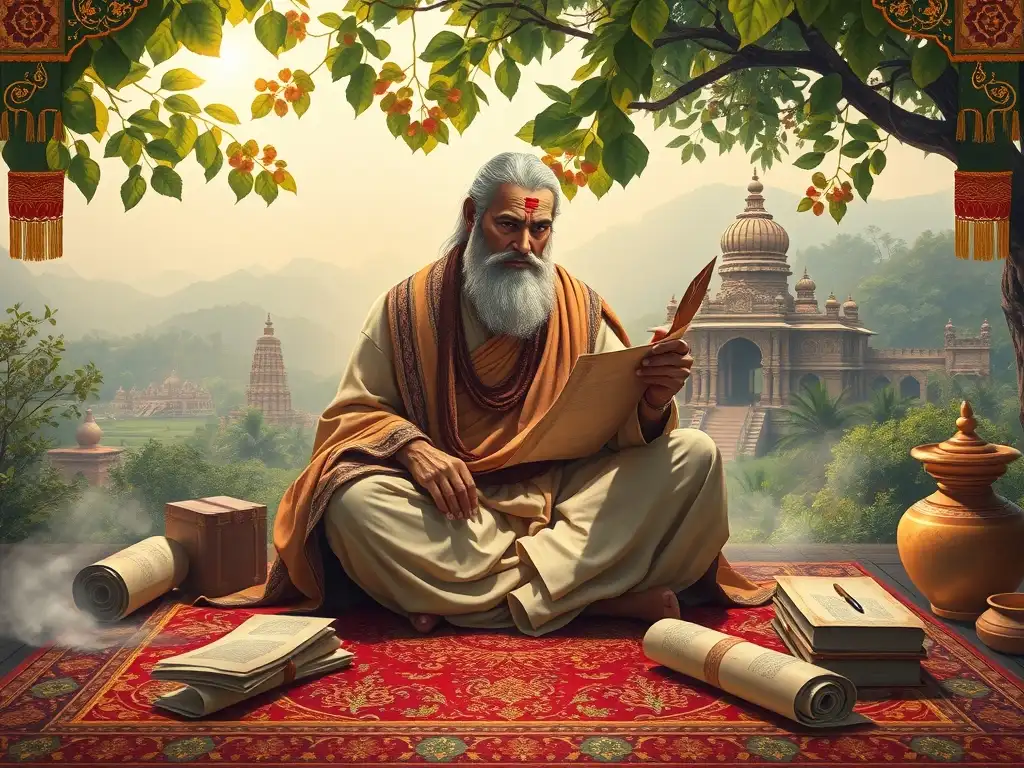
Reflecting on the legacy of Nyaya and Dharma reveals a tapestry of ideas that have endured through centuries. The Nyaya Sutras, attributed to Gautama, present a rigorous framework for evaluating knowledge, which has influenced subsequent philosophical traditions. This analytical approach encourages individuals to question assumptions and seek truth, fostering a culture of inquiry that is still relevant today.
Dharma, on the other hand, emphasizes duty, righteousness, and moral responsibility. Its application in various contexts—from family life to statecraft—illustrates its flexibility and enduring relevance. The concept of Dharma has transcended its original context to resonate with modern ethical discussions, emphasizing the importance of context in moral decision-making.
Future Directions for Research on Nyaya and Dharma
Future research on Nyaya and Dharma should explore their intersections with other philosophical traditions, both within and outside of India. Comparative studies can shed light on how these philosophies engage with ideas found in Western philosophy or other Eastern schools of thought. This could lead to a richer understanding of universal ethical principles and the role of logic in moral reasoning.
Moreover, interdisciplinary approaches that integrate insights from history, sociology, and psychology could enhance our understanding of how Nyaya and Dharma influence contemporary ethical practices and legal systems. Such research may also focus on the application of these philosophies in addressing modern challenges, such as human rights, environmental ethics, and social justice.
References
Key Texts on Nyaya and Dharma Philosophy
- Nyaya Sutras by Gautama - A foundational text that outlines the principles of Nyaya philosophy, focusing on logic and epistemology.
- Manusmriti - An ancient legal text that elaborates on the concept of Dharma, providing guidelines for ethical conduct and social order.
- Brahma Sutras - Discusses the relationship between Dharma and the ultimate reality, bridging the gap between philosophical thought and spiritual practice.
Influential Scholars in the Study of Nyaya and Dharma
- Gautama (Gotama) - The founder of the Nyaya school, whose work laid the groundwork for Indian logic and epistemology.
- B. N. K. Sharma - Renowned for his extensive research and writings on Nyaya philosophy and its implications in contemporary contexts.
- R. N. Dandekar - A prominent scholar who has contributed significantly to the understanding of Dharma and its relevance in modern ethical discourse.
- Introduction to Nyaya and Dharma Philosophy
- The Core Principles of Nyaya Philosophy
- Understanding Dharma Philosophy
- The Impact of Nyaya and Dharma Philosophy
- Case Studies: Nyaya and Dharma in Action
- Challenges and Critiques of Nyaya and Dharma Philosophy
- Conclusion: The Lasting Impact of Nyaya and Dharma Philosophy
- Reflections on the Legacy of Nyaya and Dharma
- Future Directions for Research on Nyaya and Dharma
- References
Frequently Asked Questions
What is the Nyaya philosophy?
Nyaya is an ancient Indian philosophy that focuses on logic and epistemology. It emphasizes reasoning and the methods of acquiring knowledge, aiming to establish truth through debate and analysis.
How does Dharma relate to ancient Indian civilizations?
Dharma refers to the moral and ethical duties that guide individuals in their lives. It played a critical role in shaping the social structure and cultural practices of ancient Indian civilizations, influencing their laws and customs.
What is the significance of the intersection of Nyaya and Dharma?
The intersection of Nyaya and Dharma highlights the interdependence of logic and ethics in ancient Indian thought. This blend has impacted legal systems and moral philosophy, promoting a balanced approach to justice and social order.
How did the Gupta Empire contribute to these philosophies?
The Gupta Empire is known for its patronage of arts and sciences, which fostered the development of philosophical ideas, including Nyaya and Dharma. This period saw significant intellectual advancements and the flourishing of philosophical discourse.
What lasting impact do Nyaya and Dharma have today?
Nyaya and Dharma continue to influence contemporary Indian thought, particularly in discussions of justice, ethics, and law. Their principles can be seen in modern debates over morality and governance, showcasing their enduring relevance.
Final Reflection: The Enduring Impact of Nyaya and Dharma Philosophy
The intersection of Nyaya and Dharma philosophy remains profoundly relevant in today's world, as it offers a framework for understanding justice and moral duty in our complex society. In an era marked by ethical dilemmas and social unrest, the principles of Nyaya, which emphasizes logical reasoning and justice, alongside Dharma, which embodies moral duty and righteousness, provide essential guidance. The enduring impact of these philosophies encourages us to seek clarity in our judgments and to act with integrity in our daily lives.
Culturally and socially, the teachings of Nyaya and Dharma continue to resonate, shaping our collective consciousness and influencing contemporary discourse on ethics and justice. The relevance of these philosophies can be seen in various movements advocating for social justice, where the quest for fairness and moral responsibility is paramount. As Mahatma Gandhi once said, "> An unjust law is itself a species of violence. Arrest for its breach is more so." This quote encapsulates the essence of Nyaya and Dharma, reminding us that true justice is rooted in moral principles that transcend mere legalism.
As we reflect on the lessons of Nyaya and Dharma, let us challenge ourselves to embody these philosophies in our own lives. Consider how you can apply the principles of justice and moral duty in your interactions and decisions. By doing so, you not only honor the legacy of these ancient philosophies but also contribute to a more just and ethical society. Embrace the call to action that Nyaya and Dharma present, and let their wisdom guide you toward a future where justice and morality coexist harmoniously.
Unveil the Wisdom: Take Action on What You've Learned!
Thank you for diving into the fascinating world of **Nyaya** and **Dharma** with us! Your engagement reflects your desire to explore deeper philosophical concepts that influence our moral compass and legal systems. Now, it's time to put that knowledge into action!
- Start a discussion with friends or family about how **Nyaya** and **Dharma** apply to modern-day ethical dilemmas—your perspective could spark enlightening conversations!
- Explore further by reading classic texts or viewing lectures that delve deeper into these philosophies. Consider our **recommended readings** section for some excellent resources.
- Share your insights on social media or in community forums to inspire others to think critically about these principles and their relevance today.
How do you think the balance between **Nyaya** and **Dharma** can shape the decisions we make in our everyday lives? Let's discuss!